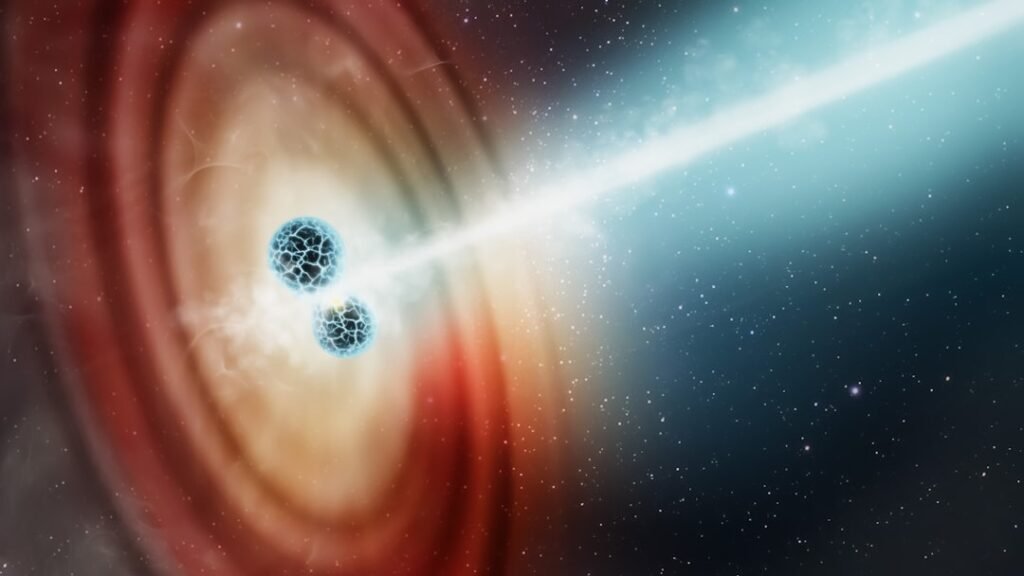
You are literally being hit by messages from deep space right now, and you cannot feel a single one of them. Every second, invisible particles called cosmic rays pass through your body, your home, and the entire planet, carrying clues about violent events scattered across the universe. When you hear the phrase cosmic rays, it might sound like science fiction, but you are actually living in a constant storm of them.
Once you start to see cosmic rays as a kind of secret language, the universe stops feeling like a silent void and starts to look more like a restless conversation. These particles are born in exploding stars, black holes, and other extreme places that push physics to its limits. As you follow their trail, you begin to learn not just where they come from, but what they reveal about matter, energy, and even the history of your own planet.
The Invisible Rain You Live In Every Day
If you could suddenly see cosmic rays, your view of the world would never be the same again. You would notice a constant drizzle of ghostly streaks falling from the sky, passing right through buildings, mountains, and even your own body. You are surrounded by this invisible rain day and night, no matter where you are on Earth, from city centers to remote mountaintops.
Most of these particles never reach the ground in their original form; they smash into atoms high in the atmosphere and create showers of secondary particles cascading downward. When you look up at a clear blue sky, you are not just seeing sunlight scattered in air, you are also looking through the active stage where many of these collisions happen. You do not feel them, you do not hear them, but instruments quietly record them every moment, turning that silent rain into data you can actually understand.
Where Your Cosmic Messengers Are Born
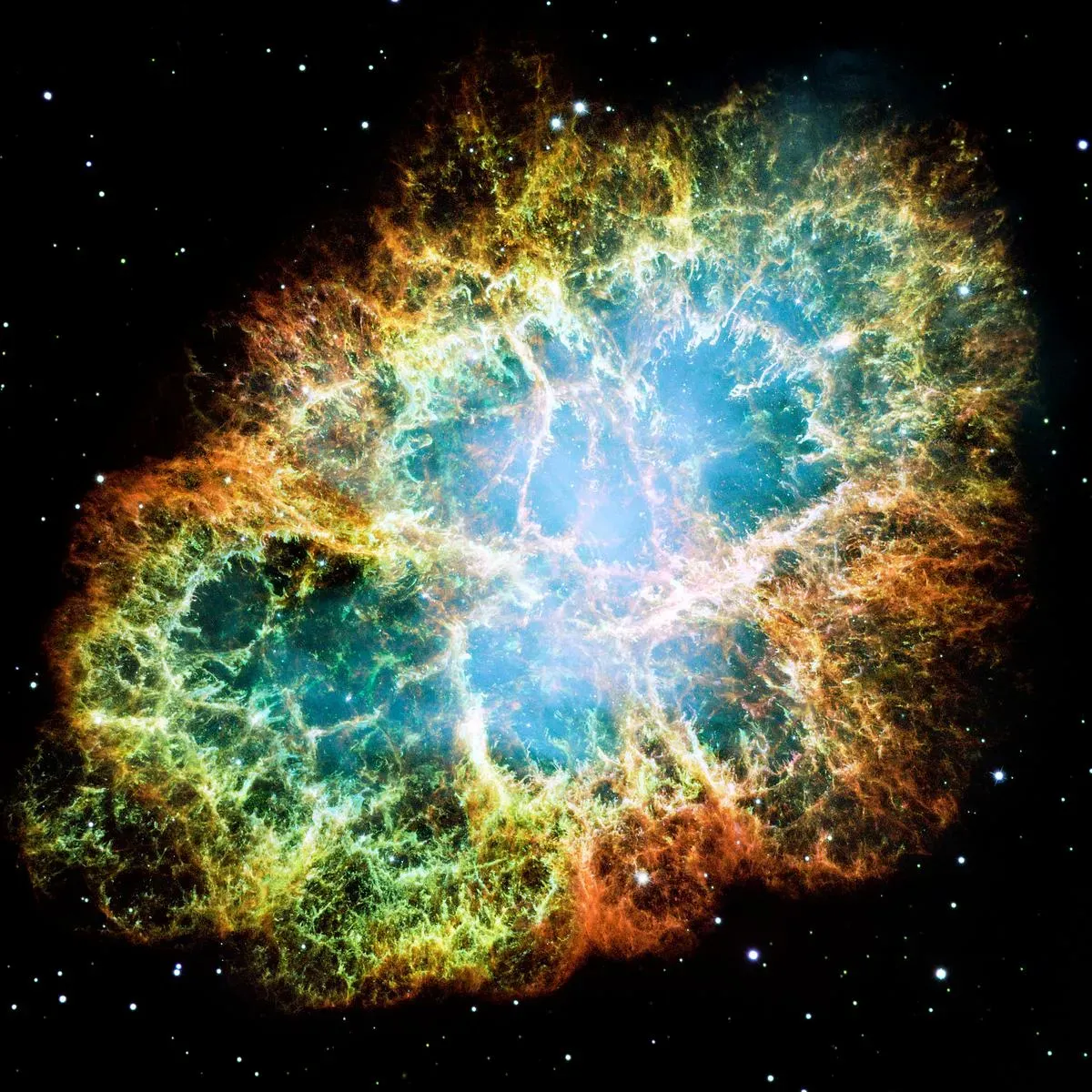
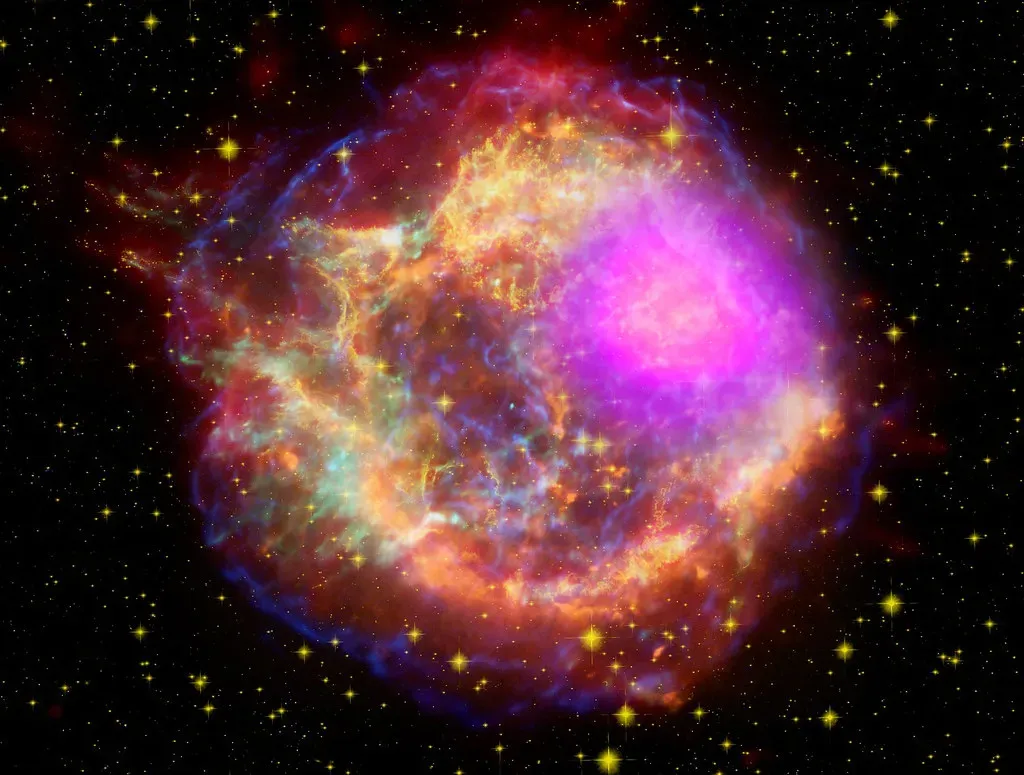
To understand what cosmic rays are trying to tell you, you first have to ask where they come from. Many of them are believed to be launched by supernovae, the dramatic deaths of massive stars that blast material into space at incredible speeds. When you imagine a star exploding, you might picture light and color, but hidden in that violence are particles being flung out like shrapnel from a cosmic explosion.
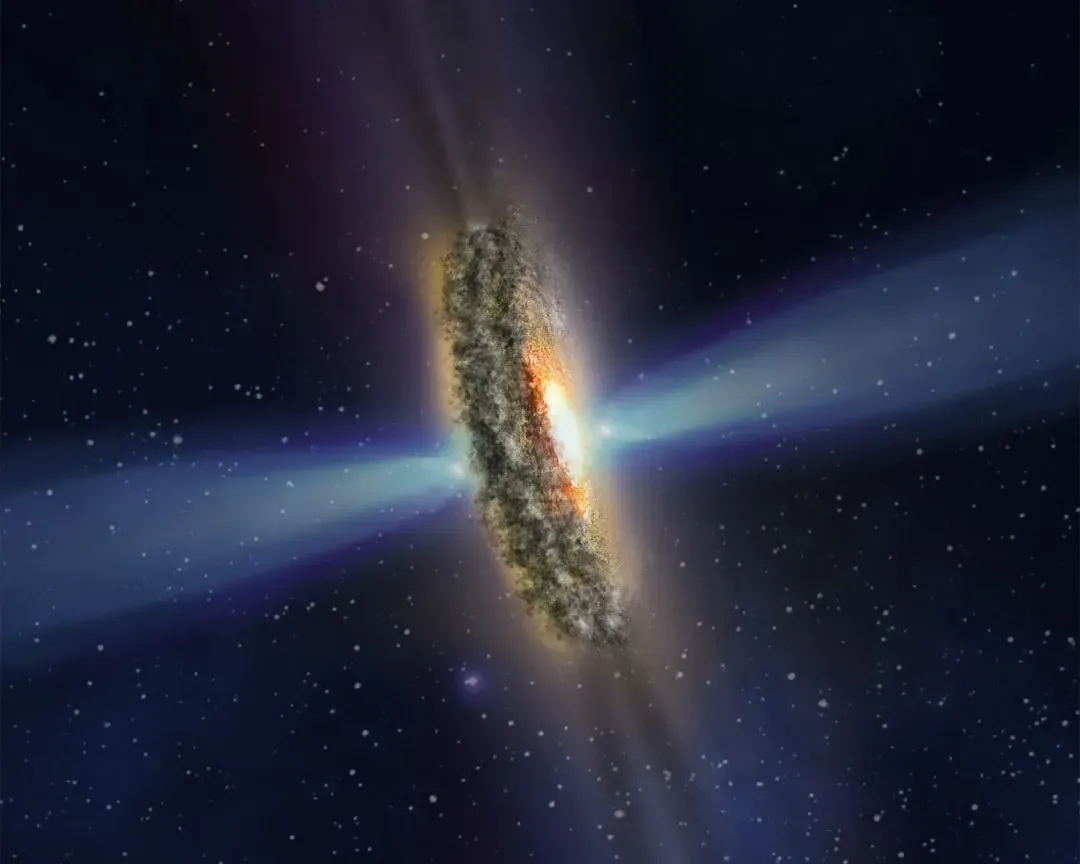
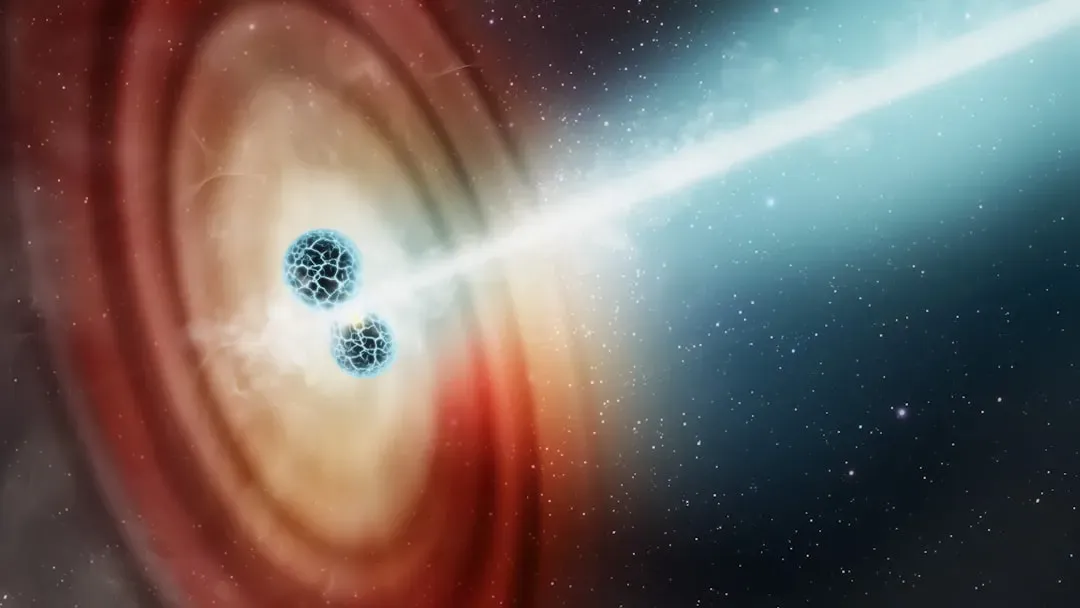
Some even more energetic particles likely come from extreme environments near black holes and fast-spinning neutron stars, where magnetic fields twist and accelerate matter to almost the speed of light. You can think of these regions as natural particle accelerators, far more powerful than anything humanity has ever built on Earth. When you detect one of these ultra-energetic particles, you are essentially catching a piece of evidence from one of the most intense engines in the universe, delivered across unimaginable distances.
What Cosmic Rays Are Actually Made Of
When you hear the term ray, you might imagine a beam of light, but cosmic rays are not rays in the usual sense at all. Most of them are actually charged particles, such as protons and the nuclei of helium and heavier elements, stripped of their electrons and hurled through space. You are not just dealing with light; you are dealing with bits of actual matter traveling at incredible speeds.
When these particles crash into the atmosphere, they break apart and create a whole cascade of new particles, including muons, electrons, and even short-lived exotic particles that quickly decay. By studying the types and energies of these fragments, you can reverse-engineer what the original particle was like before it hit. It is a bit like seeing shattered glass on the ground and being able to reconstruct what kind of window was broken and how hard the stone that hit it was thrown.
How You Can Read the Universe with Giant Detectors
You might think you would need to travel to space to study cosmic rays, but most of the real detective work happens right here on Earth. Scientists build enormous detectors in deserts, on mountaintops, deep underground, and even under Antarctic ice to track the secondary particles created when cosmic rays hit the atmosphere. When you see images of fields of detectors or huge water tanks spread over many square kilometers, you are actually looking at a kind of giant camera for recording invisible showers.
By measuring when and where these particles arrive, and how much energy they carry, you can reconstruct the path and identity of the original cosmic ray. In some observatories, a single high-energy event might light up dozens or hundreds of sensors almost simultaneously. When you analyze those patterns, you are decoding a story that started far away in space and ended in a tiny flash in our atmosphere, one that you can then translate into information about distant astrophysical engines.
The Extreme Energies That Break Your Intuition
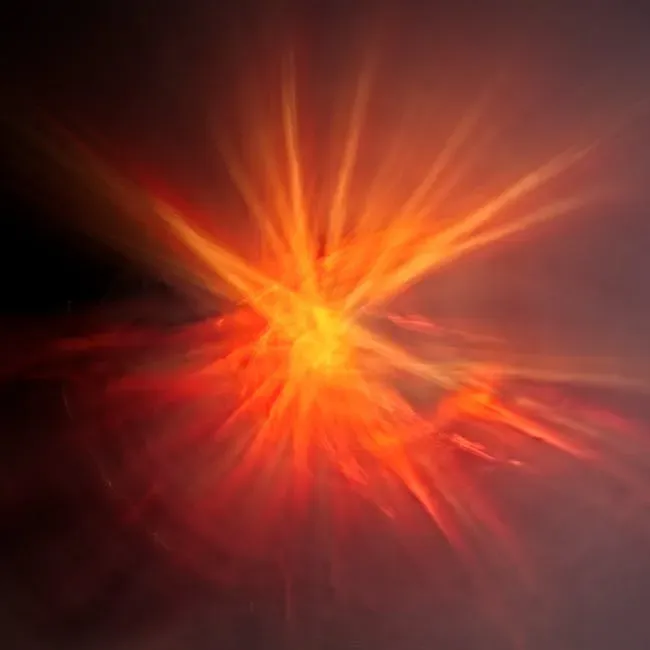
Some cosmic rays carry energies so high that they make your everyday experience of energy feel laughably small. You can compare the most energetic cosmic rays to a single grain of dust hitting you with the energy of a fast-pitched baseball. When one of these particles slams into the atmosphere, it creates a giant shower of secondary particles spread over many square kilometers, something you could never guess from how small it actually is.
These ultra-energetic particles push the limits of what you expect nature to allow. They force you to test your understanding of how particles move through magnetic fields, how they interact with background radiation in space, and whether your current models of cosmic accelerators are big enough and powerful enough. When your theories struggle to explain these extreme events, the universe is basically telling you that your picture of its engines is still incomplete.
Cosmic Rays as Clues to the Galaxy’s Magnetic Web
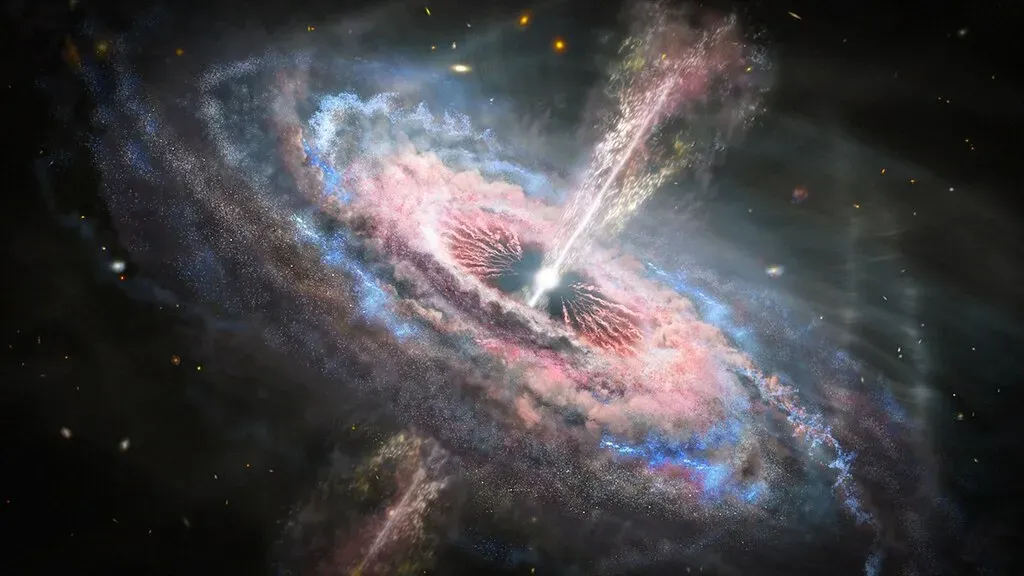
Because cosmic rays are charged, they do not travel in straight lines through space the way light usually does. As they move, they are bent and twisted by magnetic fields woven throughout the galaxy and beyond. When you measure how these particles arrive at Earth from different directions and energies, you are indirectly mapping out that hidden magnetic web.
By comparing patterns of arrival directions, energies, and particle types, you can start to infer how strong and tangled those magnetic fields are. That, in turn, tells you about the structure and history of your galaxy, including how matter has moved, collapsed, and formed stars over billions of years. When you read cosmic rays this way, you are not just learning about single explosive events; you are tracing the subtle scaffolding that shapes the motion of matter on galactic scales.
The Messages Hidden in Isotopes and Air Showers
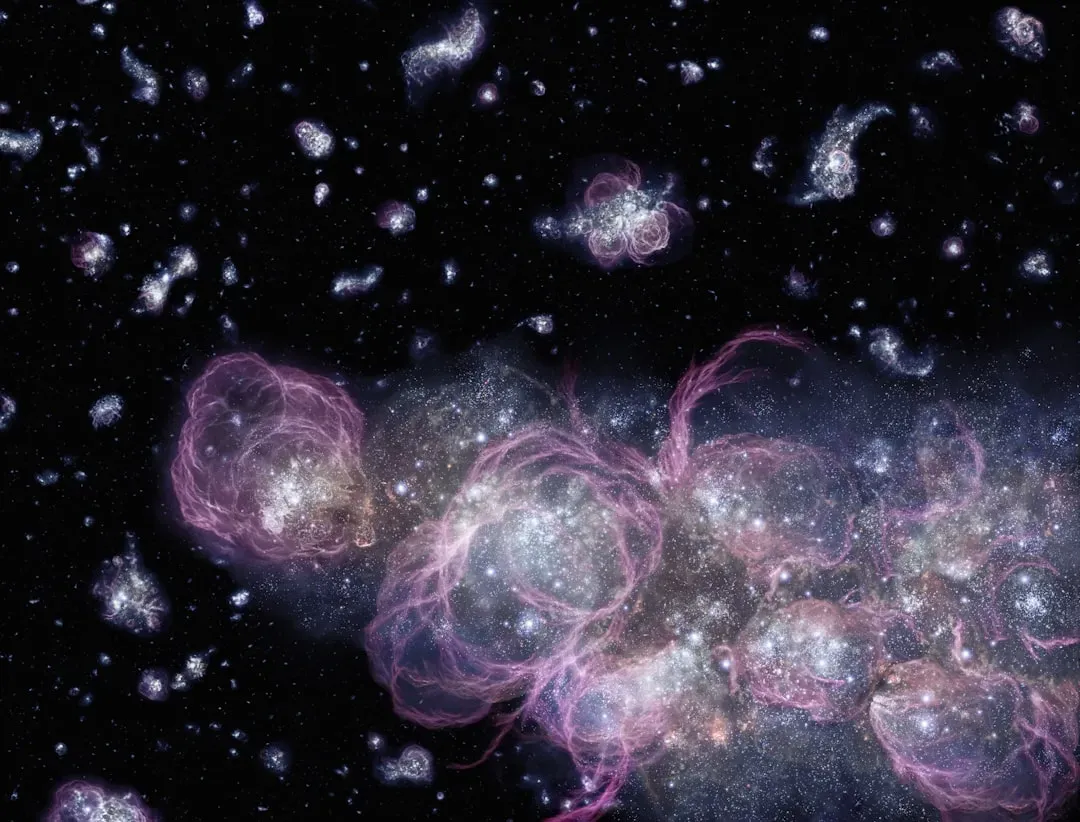
Cosmic rays do more than just slam into the atmosphere and disappear; they actually leave long-lasting fingerprints you can study on Earth. When these particles hit atoms in the air, they can create rare isotopes, special versions of elements with different numbers of neutrons. Over time, some of these isotopes end up trapped in ice layers, tree rings, or rocks, quietly recording how intense the cosmic ray bombardment was in different eras.
By measuring these isotopes, you can reconstruct changes in cosmic ray activity and even link them to changes in solar activity or the behavior of Earth’s magnetic field. In this way, cosmic rays act like a historical diary, preserving information about both space and your own planet over thousands of years. When you compare these records with climate data and solar observations, you begin to see how deeply intertwined cosmic processes and Earth’s environment really are.
Why You Are Safe (Mostly) from This Constant Storm
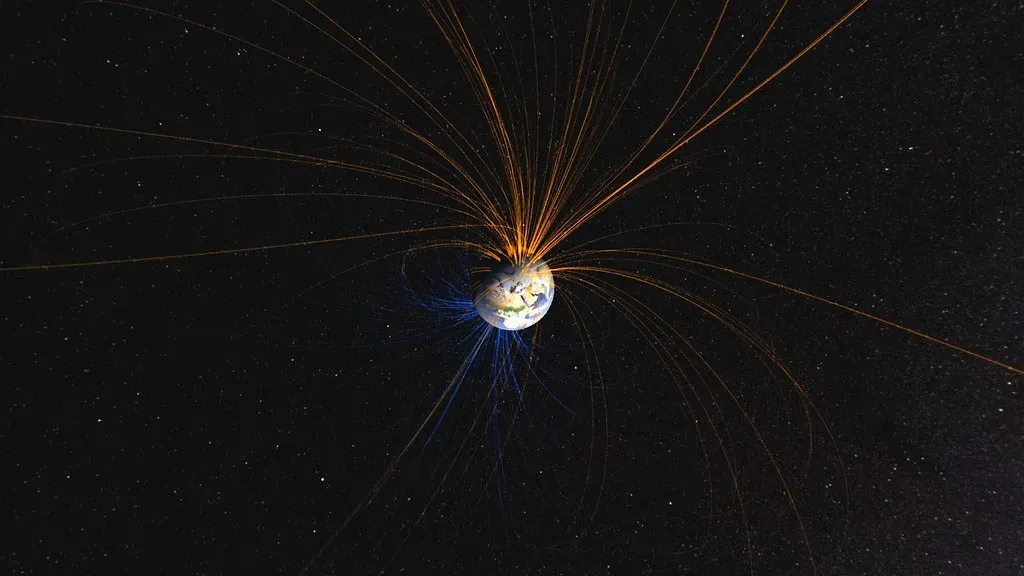
With all this talk of invisible high-energy particles slamming into Earth, you might wonder why you are not being harmed by them every day. The reason you can go about your life without worrying is that you live under multiple layers of protection. The atmosphere absorbs most of the energy of incoming cosmic rays, turning them into cascades of lower-energy particles by the time they reach the surface.
On top of that, Earth’s magnetic field deflects many charged particles, especially the lower-energy ones, away from your immediate environment. You still receive a small dose of radiation from cosmic rays every day, and that dose grows when you fly at high altitude or live in certain locations, but for most people it stays well below dangerous levels. When you understand these protections, you can appreciate that Earth is not just a passive rock in space; it is an active shield that constantly negotiates with the harshness of the cosmos on your behalf.
What Cosmic Rays Are Really Telling You About the Universe
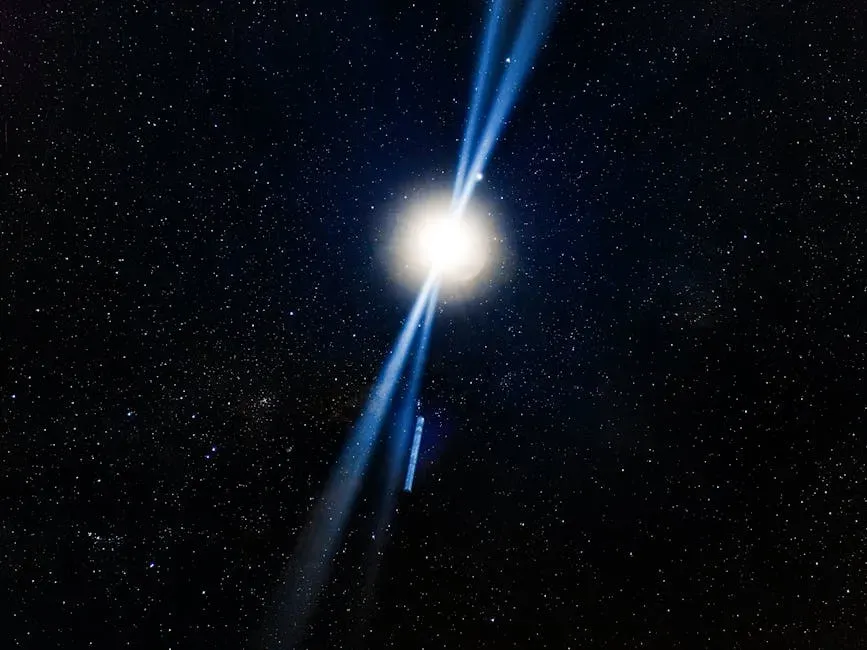
When you step back and look at the full picture, cosmic rays are not just random particles; they are ongoing status updates from some of the most powerful processes in existence. They tell you that the universe is still dynamic and violent, with stars exploding, black holes feeding, and magnetic fields twisting matter into beams of unimaginable energy. Every time you detect one, you are receiving physical proof that these distant engines are still running.
They also remind you that you are not separate from those distant events. The same particles that were once part of distant stars are now passing through you, your devices, and the very ground beneath your feet. When you learn to interpret their energies, directions, and byproducts, you are effectively learning to listen to the universe speaking in its own particle-based dialect. In a way, the real question is not whether the universe has a secret language, but how fluently you are willing to learn to read it.
In the end, cosmic rays show you that the universe is far from quiet, even when the night sky seems calm and still. They reveal a hidden layer of activity in which explosions, collisions, and extreme environments are constantly sending out tiny messengers that arrive here as a steady rain of clues. When you choose to pay attention, you find out that you are living in the middle of a vast, ongoing conversation between distant stars, galaxies, and the thin shell of air that protects your world. Knowing that, how can you ever look up at the sky in quite the same way again?