
If you have ever stared at a world map and felt that something is missing, you are not alone. Hidden beneath the oceans and folded into ancient mountain belts, pieces of vanished continents tell a story that is stranger than most science fiction. You are living on a planet that has repeatedly broken itself apart, swallowed its own skin, and rebuilt its surface over billions of years.
When you hear people talk about lost lands like Atlantis or Lemuria, it is tempting to file them away as pure myth. Yet the real story of Earth’s lost continents is far more dramatic than any legend, and you can actually trace it in rocks, fossils, and the seafloor itself. Once you see how these clues fit together, you start to realize that the continents you walk on today are only the latest version of a very long and violent saga.
You Live on a Restless Planet: Why Continents Disappear
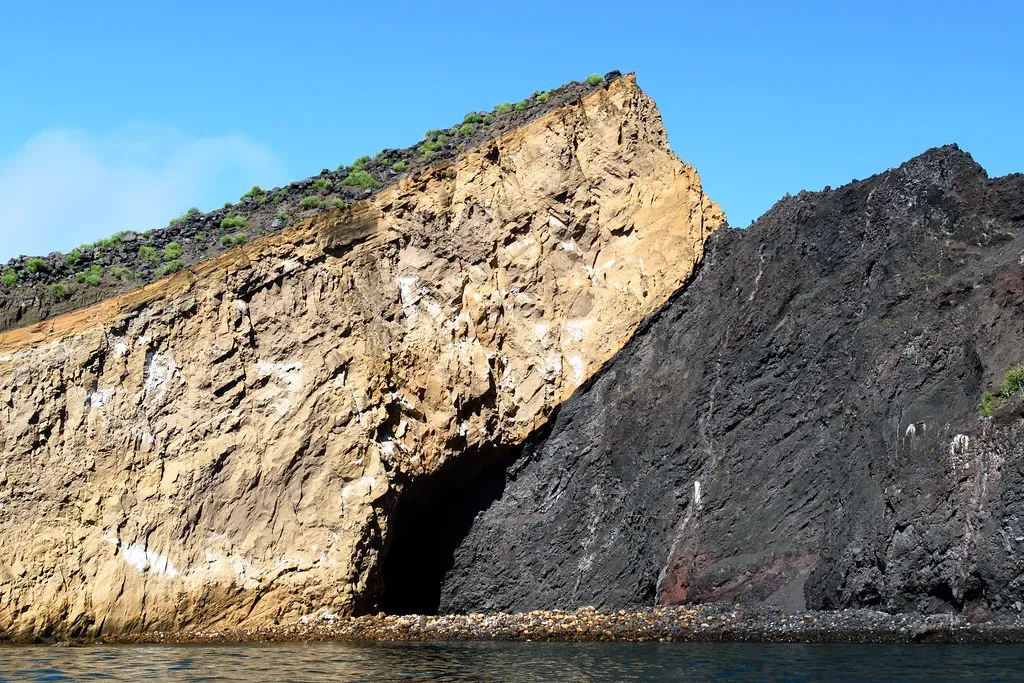
You might think of continents as fixed, solid platforms, but they are more like slow-motion rafts drifting on a conveyor belt of rock. Deep beneath your feet, Earth’s mantle behaves almost like an unimaginably thick, hot syrup that moves over millions of years. This sluggish flow drags the tectonic plates around, making continents collide, tear apart, and sometimes vanish beneath others.
Whenever two plates ram into each other, something has to give. The denser oceanic plate usually dives down, but parts of continents can be scraped off, crumpled, or carried downward too. Over hundreds of millions of years, this process, called subduction, can recycle huge chunks of continental crust back into the mantle. You are seeing only the survivors at the surface; many earlier continents have already been pulled under, melted, and remade into new rock.
Gondwana, Pangaea, and Other Supercontinents You Never Walked On
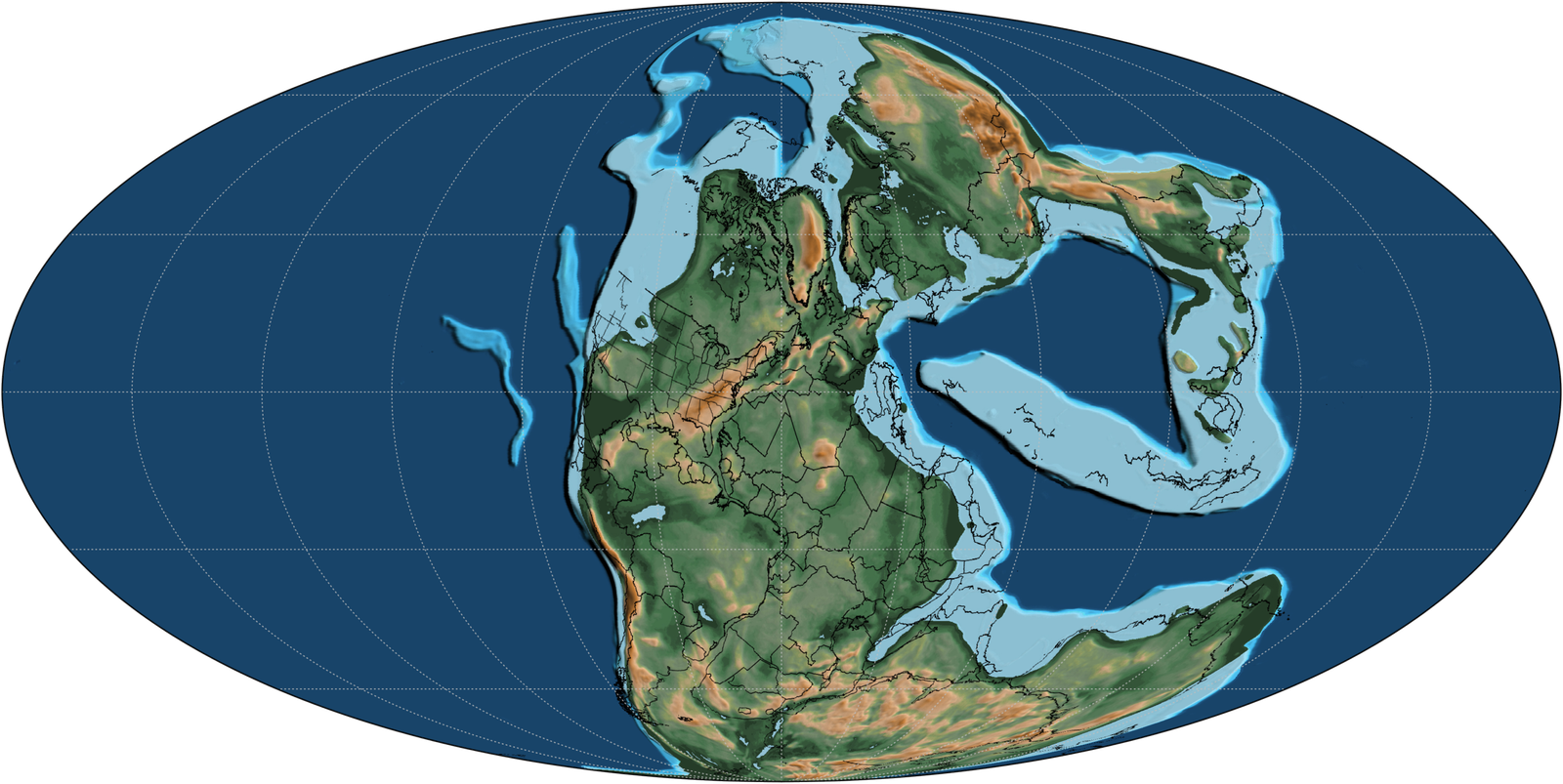
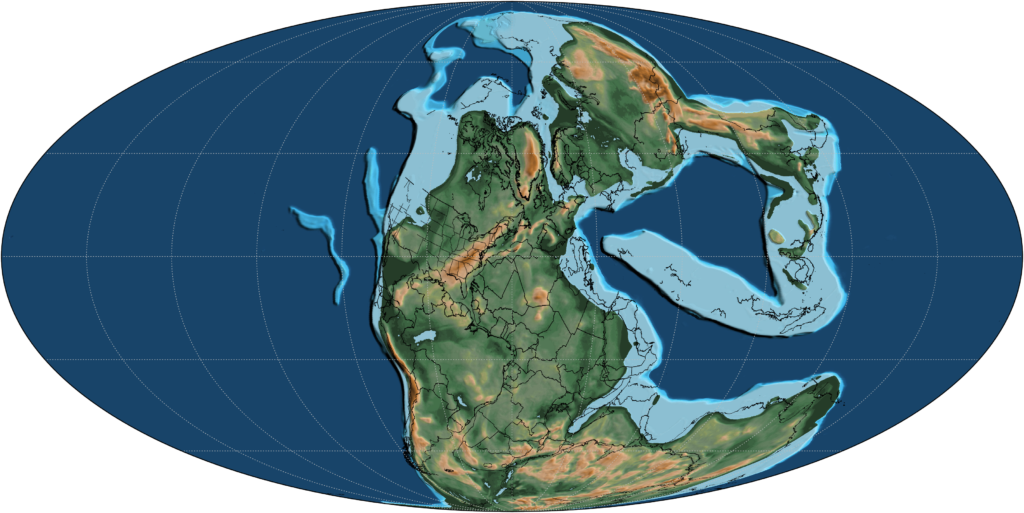
If you could rewind time a few hundred million years, you would not recognize the world beneath your feet. Continents that are now scattered across the globe once fit together into giant landmasses called supercontinents. One of the most famous, Pangaea, existed about two to three hundred million years ago and combined what you now know as Africa, the Americas, Europe, and much of Asia into a single enormous block of land.
Before Pangaea, there were even older supercontinents with names like Rodinia and Gondwana, built from earlier pieces of crust. You experience their ghosts today when you see matching rock layers and similar fossils in places that are now oceans apart, like South America and Africa. Those matches are your proof that these regions were once neighbors, later ripped away as the plates shifted and oceans opened between them. Each supercontinent formed, broke apart, and left fragments that you now know as today’s continents and hidden micro-continents.
Zealandia: The Almost Completely Hidden Continent Beneath Your Feet
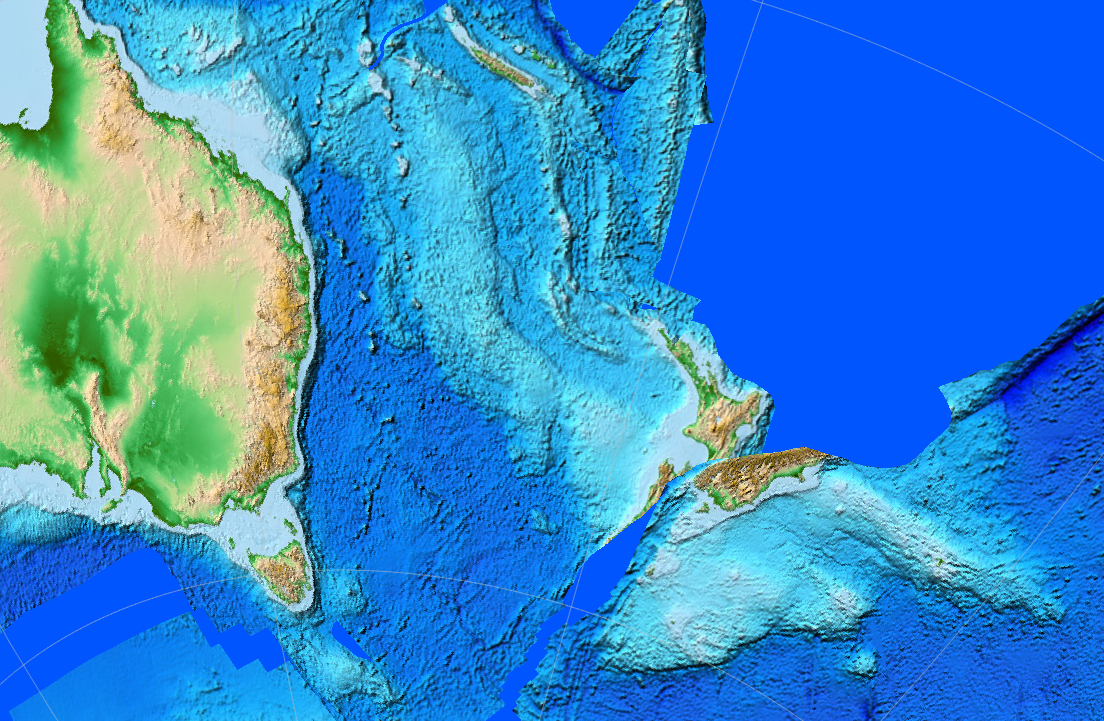
One of the most surprising lost continents is one you might never have heard of: Zealandia. When you look at a normal world map, you mostly see New Zealand and a scattering of islands in the southwest Pacific. But if you drain the oceans in your mind, you discover that New Zealand sits on the tip of a vast, mostly submerged continent roughly the size of India, with its own mountain ranges, plateaus, and crust that is clearly more continental than oceanic.
Geologists now treat Zealandia as a genuine continent that thinned, stretched, and sank after splitting away from the ancient supercontinent Gondwana tens of millions of years ago. You only see a few high points like New Zealand poking above the waves, but sonar mapping, gravity data, and rock samples reveal the rest. When you hear people talk about lost continents, this is a real, modern example: not imaginary, not legendary, but a sunken landmass hiding in plain sight on every global map you have ever seen.
Mauritia, Greater Adria, and the Shredded Fragments Beneath the Oceans
Beyond Zealandia, you live on a planet dotted with mysterious continental fragments that geologists are still piecing together. Off the coast of India and under parts of the Indian Ocean, you find signs of a vanished micro-continent called Mauritia. Tiny grains of very old zircon minerals, much older than the nearby ocean crust, tell you that pieces of ancient continental rock are buried under younger lava flows and seabed sediments.
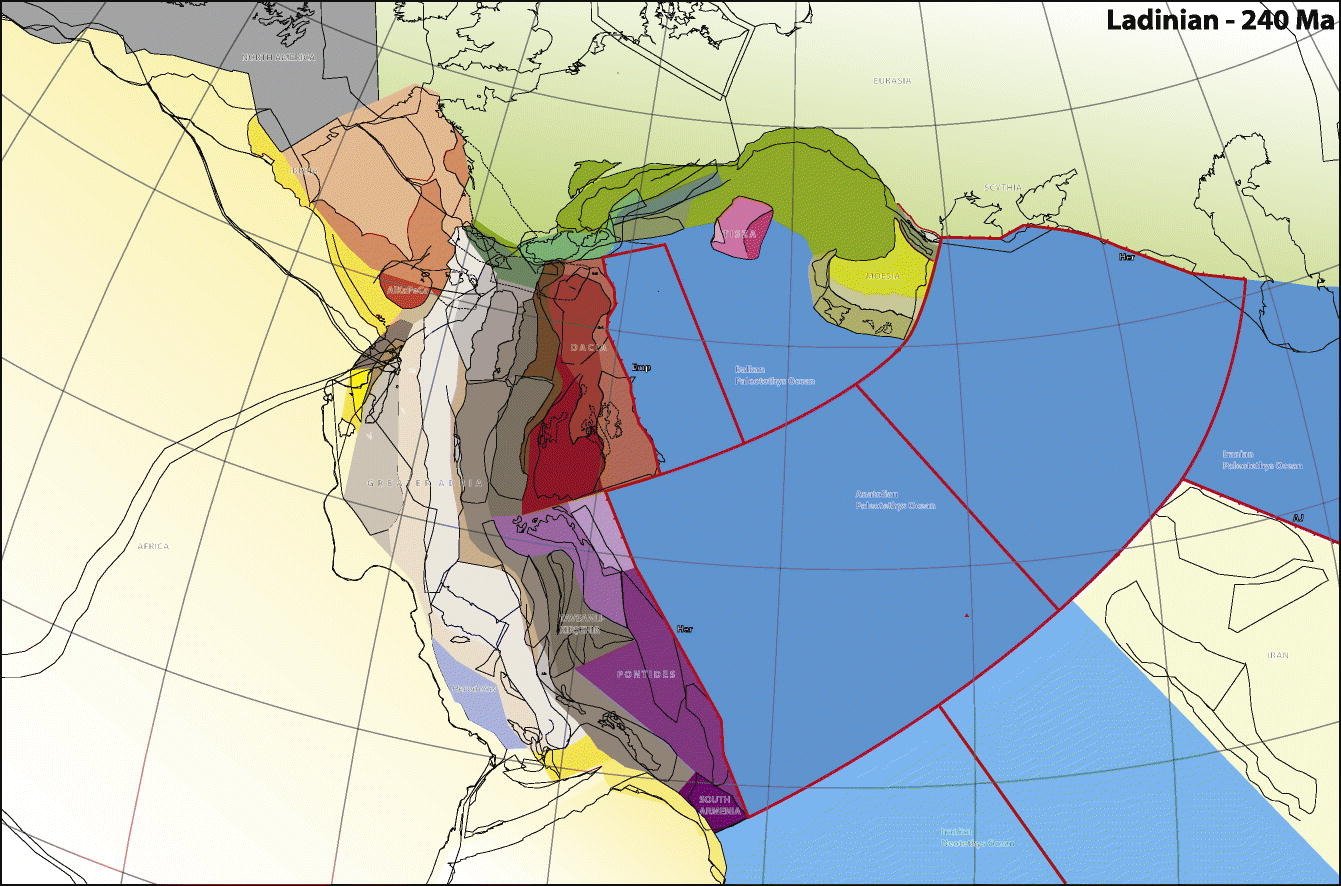
In the Mediterranean region, another lost continent nicknamed Greater Adria once stretched under what is now southern Europe. Over tens of millions of years, it slammed into the European plate and was mostly pulled beneath it, but not before its upper layers were scraped off and folded into mountain ranges like the Alps. When you hike in those mountains today, you are literally walking on pieces of a continent that once floated alone, was consumed in a collision, and now survives as twisted slabs of rock high above sea level.
Why Atlantis and Other Myths Still Capture Your Imagination
When you hear the word Atlantis, your mind probably flashes to an advanced civilization swallowed by the sea overnight. From a scientific point of view, there is no solid evidence that such a specific place ever existed the way storytellers describe it. Continents do not simply drop into the ocean in a single cataclysm, and entire high-tech societies do not vanish without leaving clear archaeological traces on the scale these myths suggest.
Yet your fascination with lost worlds is not totally misplaced. Real processes like sea-level rise, earthquakes, volcanic eruptions, and coastal subsidence have drowned cities, ports, and islands in many parts of the world. When you combine those real disasters with the slow sinking and stretching of continental fragments, you get just enough truth to fuel legends. The key is this: you can love the drama of those stories while also grounding your understanding in what the rocks, fossils, and seafloor data actually show.
How You Can See the Clues of Lost Continents for Yourself
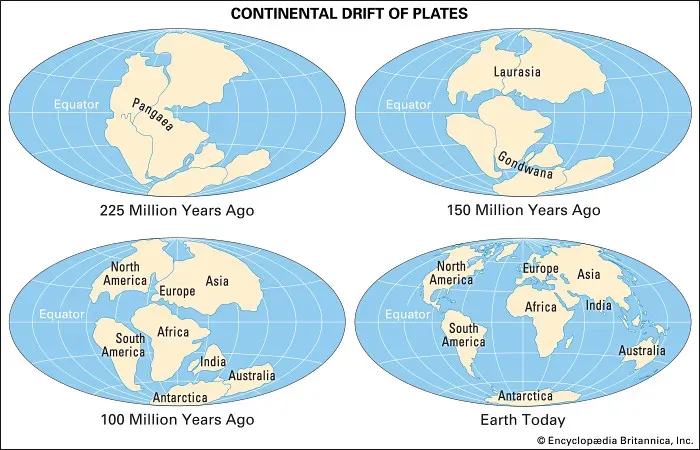
You do not need a lab coat or a research ship to start noticing the fingerprints of vanished continents. Whenever you see the coastlines of South America and Africa seeming to match like puzzle pieces, you are looking at a hint of how they once joined in a larger landmass. When you read that the same ancient fossils show up in India, Antarctica, and Australia, you are seeing living proof that these places once shared a common landscape before drifting apart.
If you ever look at satellite-based gravity maps or bathymetric maps of the ocean floor, you notice ridges, plateaus, and thickened crust that do not fit the pattern of ordinary ocean basins. Some of these are the stumps of former continents, now smothered in sediment and lava. Even everyday things like the ages of rocks in your local mountains can tell you when that area was part of a supercontinent, a collision zone, or a vanished margin. Once you start paying attention, the whole planet becomes a detective story you can actually read.
What Earth’s Lost Continents Tell You About the Future
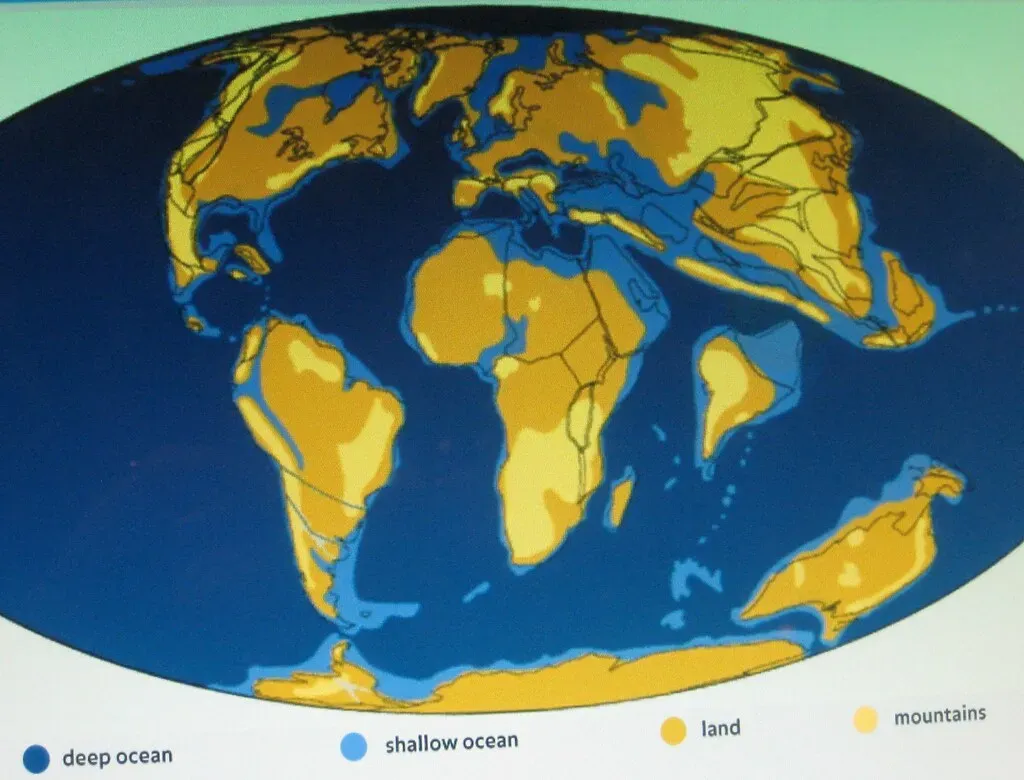
The most unsettling lesson you learn from lost continents is that the world map you know is temporary. Plate motions are still shuffling the continents around right now, even if you cannot feel it. Over tens of millions of years, the Atlantic Ocean will widen further, some ocean basins will close, and new mountain belts will form where today you see quiet seas. Eventually, another supercontinent will likely assemble, and parts of the land you know may be buried, crumpled, or even recycled into the mantle.
This does not mean you should expect dramatic continent-scale changes in a human lifetime; on the timescale of your daily life, the continents are effectively still. But understanding that Earth has swallowed entire landmasses before helps you see your planet as an evolving system rather than a fixed background. It also gives you perspective on present-day changes like earthquakes and volcanic eruptions: they are small, local symptoms of the same deep processes that once shredded whole continents and will shape the future ones you will never see.
When you step back from the legends and look at the evidence, Earth’s lost continents are not ghost stories; they are chapters in a long, ongoing experiment in planetary reshaping. You live in just one brief scene of that story, on continents that are themselves survivors of countless earlier worlds. The real mystery is not only where those lost continents went, but what new ones will rise in their place long after you are gone.
Next time you glance at a map, can you look at those familiar outlines and still see them as permanent, or will you picture the hidden continents beneath the waves and the future lands waiting to be born?