You’ve grown up with comic-book heroes that shoot webs, regrow limbs, or shrug off deadly radiation. But out in the real world, some very real animals are quietly doing things that are just as wild. If you shrank yourself down, slipped into a coral reef, or scooped up a clump of moss, you’d be standing face to face with powers that would make most superheroes jealous.
In this article, you’re going to meet five creatures that push the limits of what life can do: animals that punch with the force of a bullet, snap with heat close to the surface of the sun, survive outer space, regenerate body parts, and quite literally sense the invisible. As you go through each one, try to imagine what it would feel like if you woke up tomorrow with that same ability. Which one would you choose – and what would you do with it?
Mantis Shrimp: The Underwater Punch That Breaks Physics
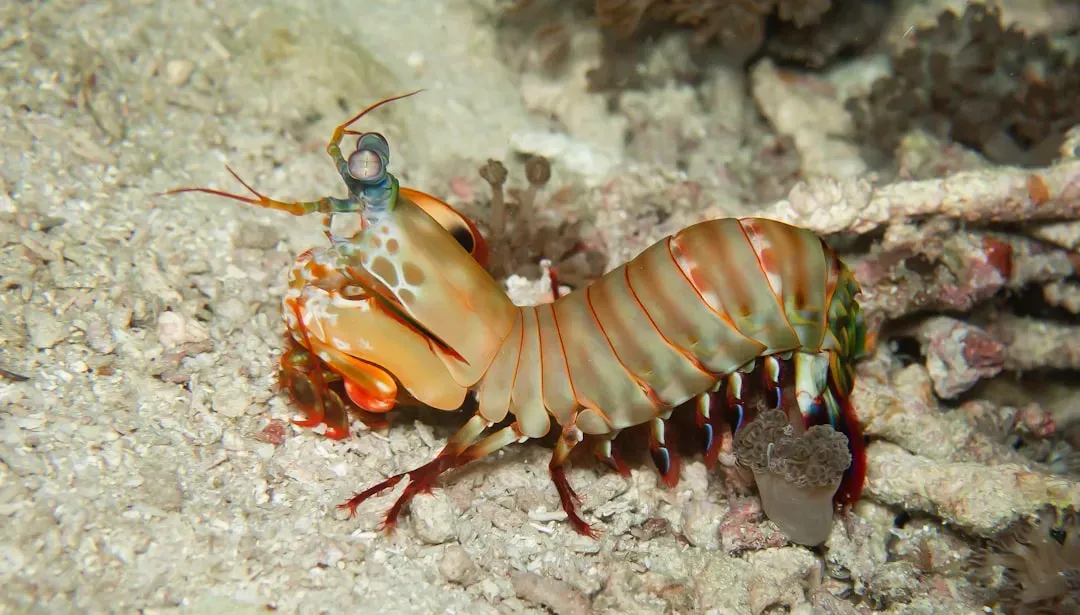
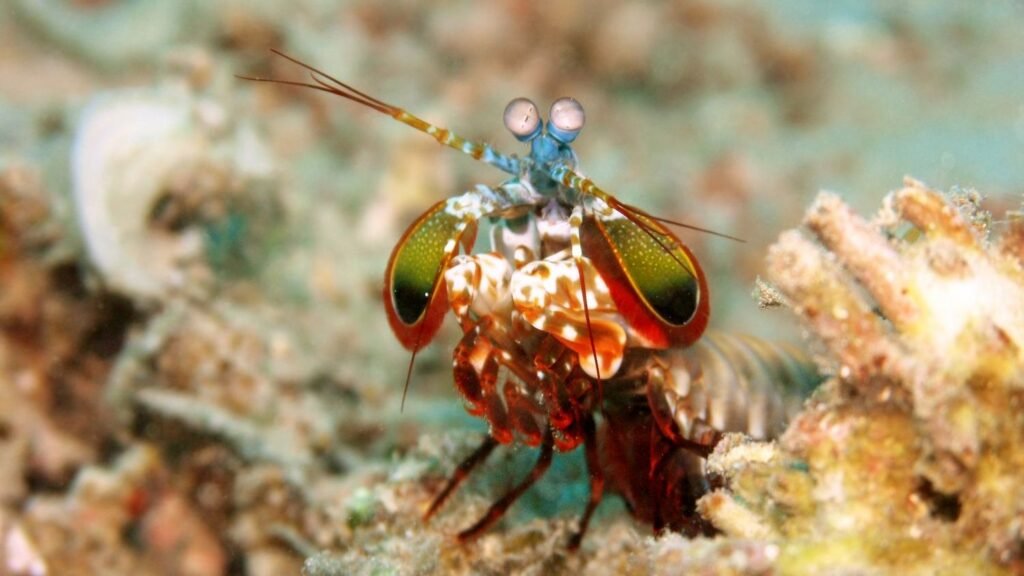
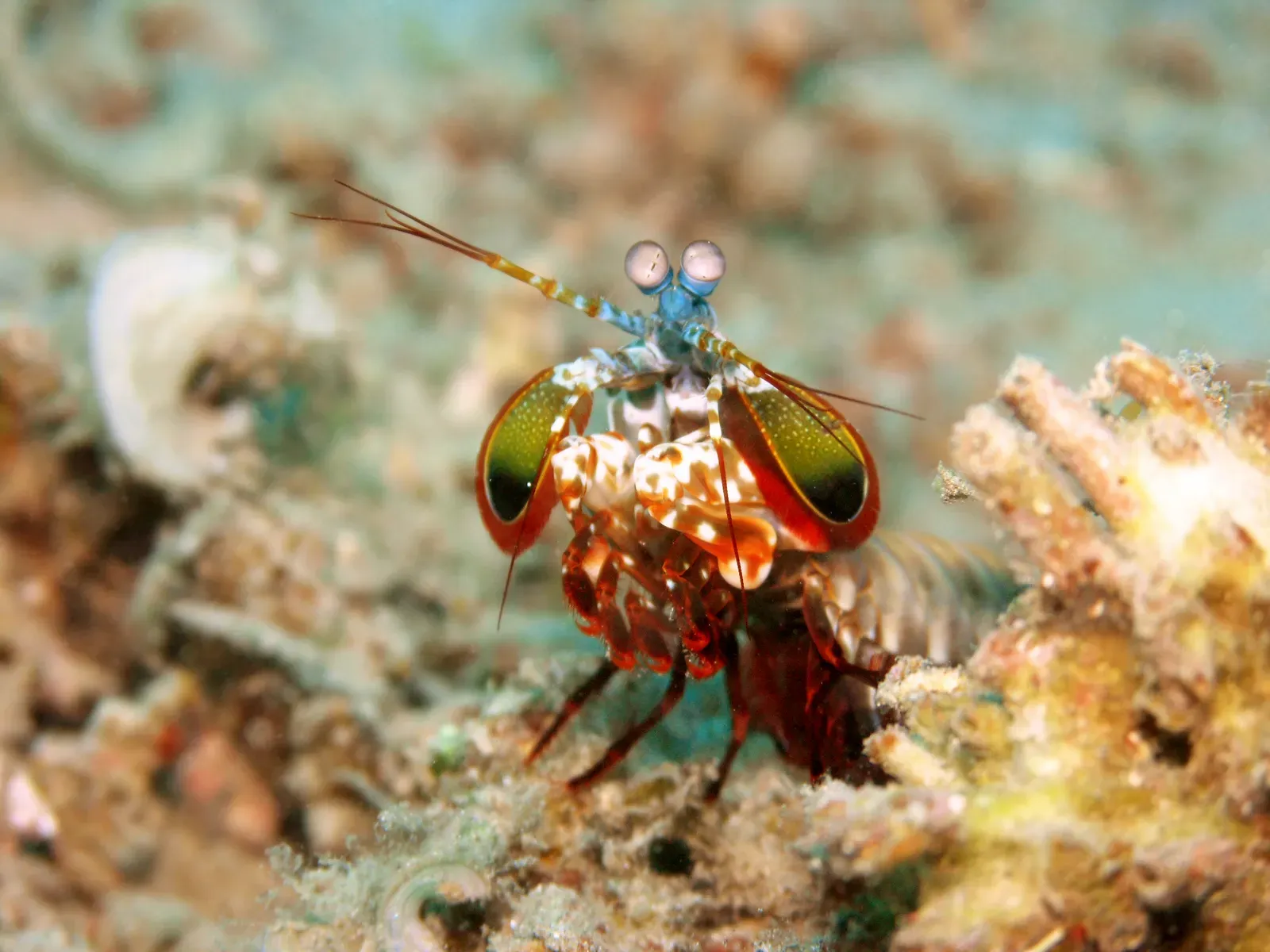
If you could borrow one animal’s punch for a bar fight, you’d pick the mantis shrimp every time. This small, colorful crustacean can swing its hammer-like clubs at speeds measured in tens of meters per second, with forces that rival a small-caliber bullet. You’re not just looking at a fast punch; you’re looking at a biological spring-loaded weapon that stores energy and then releases it in a sudden burst, like a living crossbow hiding in a shell. The result is a strike powerful enough to crack snail shells, smash crab armor, and even damage aquarium glass in some cases.
The really trippy part is what happens to the water itself. When the mantis shrimp punches, it moves so fast that it creates cavitation bubbles – little voids where the pressure drops and the water briefly boils. Those bubbles then collapse with a second impact, adding another shockwave and even tiny flashes of light in a phenomenon called sonoluminescence. In other words, this animal has a built-in double hit: first the club, then the collapsing bubble. If you ever thought super strength was just about big muscles, the mantis shrimp shows you that clever physics beats brute force every time. ([academic.oup.com](https://academic.oup.com/icb/article/59/6/1573/5531653?utm_source=openai))
Pistol Shrimp: A Sonic Blast Nearly as Hot as the Sun
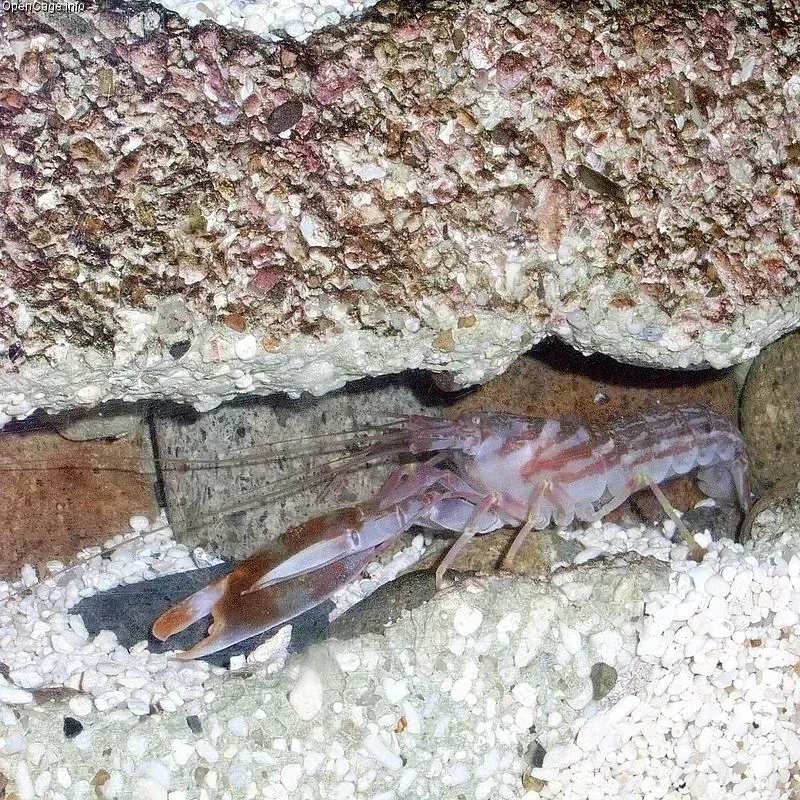
Now imagine having a finger snap so powerful it could stun or kill nearby creatures. That’s basically what the pistol shrimp walks around with every day. Instead of a normal pincer, it has one oversized snapping claw that works like a biological high-speed water gun. When it closes this claw, it fires a jet of water so fast it rips the liquid apart and creates a cavitation bubble – a tiny pocket of low pressure that lives for just a fraction of a millisecond. To your ears, it would sound like a sharp crack, but underwater, this snap can be louder than a gunshot.
For that split second, the collapsing bubble reaches temperatures estimated in the thousands of degrees Celsius, approaching the heat at the surface of the sun, though in a minuscule volume and for an incredibly short time. That collapse also produces a brutal shockwave that can knock out or kill small fish and other prey nearby, giving the shrimp its meal without ever having to make direct contact. You’re essentially watching a tiny animal fire off a micro-scale plasma grenade with a flick of its claw. If you ever daydreamed about having a built‑in energy weapon, the pistol shrimp is already living that science‑fiction fantasy in the real ocean. ([forbes.com](https://www.forbes.com/sites/scotttravers/2026/03/28/meet-the-shrimp-that-creates-shockwaves-hotter-than-the-suns-surface—a-biologist-explains/?utm_source=openai))
Tardigrades: The Tiny Tanks That Laugh at Space
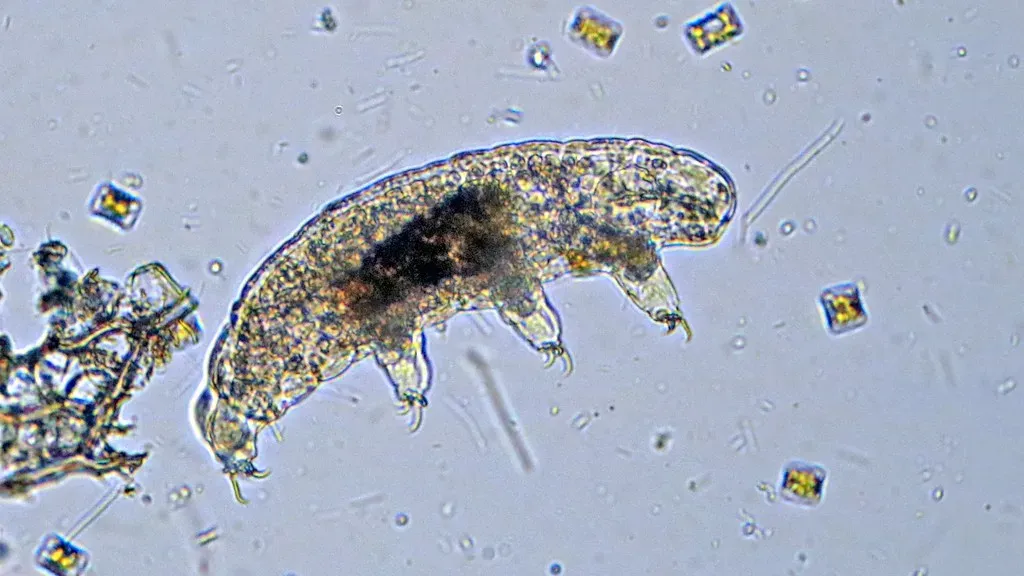
If invincibility is your favorite superpower, tardigrades are your spirit animals. You might never notice them, but these microscopic eight-legged creatures, often called water bears, live in moss, soil, and freshwater all around you. Under normal conditions they just crawl, feed, and reproduce like any other simple animal. But when things get bad – really bad – they pull off a survival trick that borders on unbelievable. They curl up, expel most of their water, and enter a state called cryptobiosis, turning into a dry, seed-like “tun” where their metabolism drops to almost nothing.
In this tun state, tardigrades have been shown to survive conditions that would instantly kill almost anything else you know: extreme cold and heat, enormous doses of radiation, intense pressure, near-total vacuum, and decades without liquid water. Some even survived direct exposure to outer space on experiments attached to spacecraft, enduring vacuum and solar radiation and then waking back up when brought home and rehydrated. When you think about long-term space travel, deep-freeze medical technology, or just keeping living cells viable in brutal conditions, you’re essentially trying to copy what tardigrades have already perfected over millions of years. ([en.wikipedia.org](https://en.wikipedia.org/wiki/Tardigrade?utm_source=openai))
Axolotls: The Regeneration Masters That Refuse to Scar
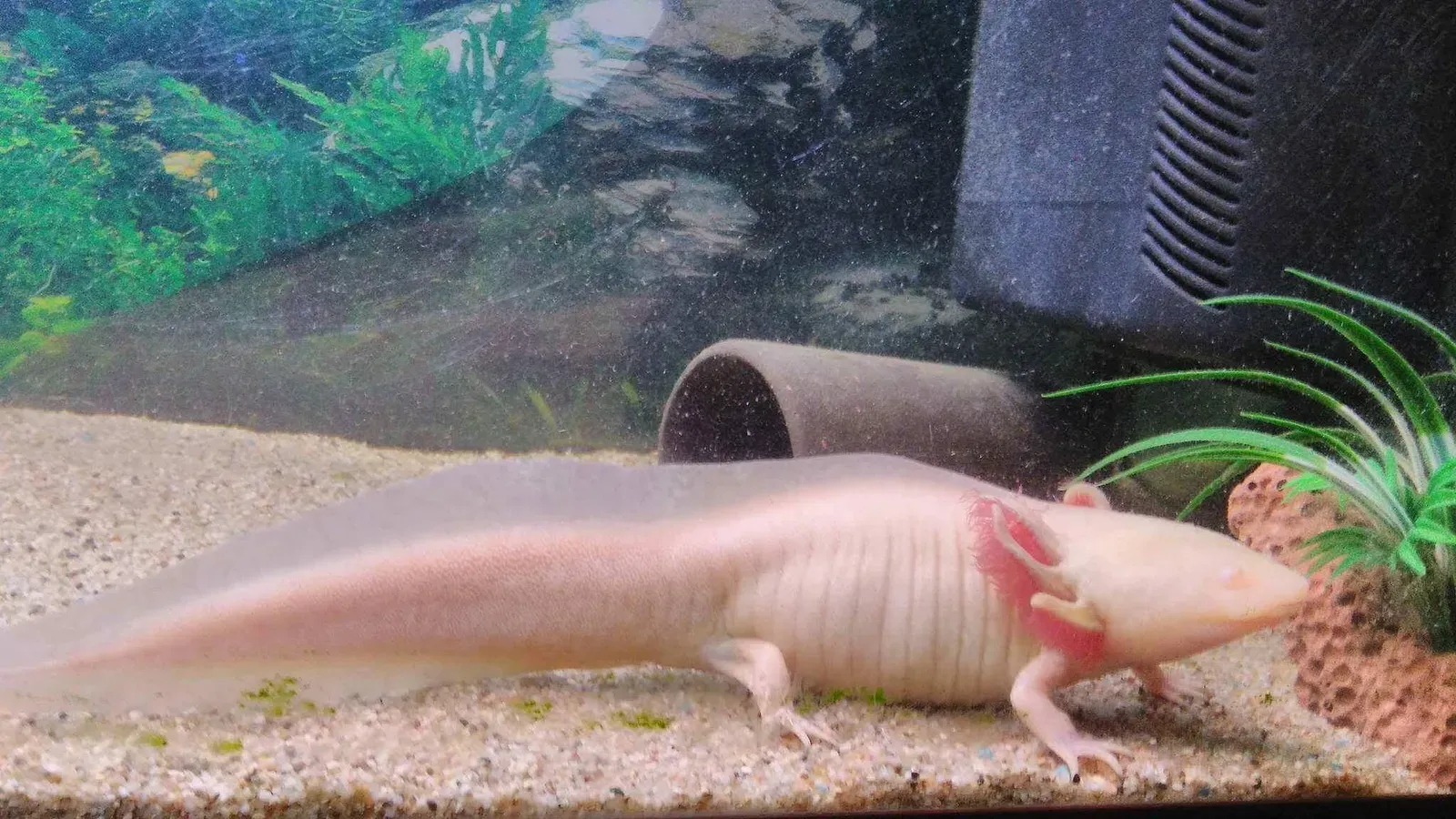
If your body could do what an axolotl’s does, you’d never worry about a bad injury again. Axolotls are aquatic salamanders from the lakes around Mexico City, and they’ve become famous in science labs and pet stores for one jaw-dropping reason: they can regrow complex body parts. If an axolotl loses a limb, it doesn’t just heal over with a scar the way you would. Instead, it activates a regeneration program that rebuilds the missing structure – bone, muscle, nerves, skin, and even joints – until a fully functional limb is back in place. This is not a one-time trick; the animal can repeat it multiple times over its life.
What makes this feel especially “superhuman” is how many different tissues they can restore. In experimental settings, axolotls have regenerated parts of their tail, jaw, spinal cord, heart tissue, and parts of the eye. Instead of scarring, their wounds stay open to a sort of controlled remodeling process that invites in immune cells and stem-cell-like populations to rebuild what was lost. Biologists are obsessed with this, because if you can understand how axolotls manage inflammation, cell identity, and growth without cancerous chaos, you inch closer to therapies that might help you recover from spinal injuries, heart damage, or amputations in ways that currently sound like science fiction. ([pubmed.ncbi.nlm.nih.gov](https://pubmed.ncbi.nlm.nih.gov/18043735/?utm_source=openai))
Electric Eels: Living Batteries That Sense and Shock
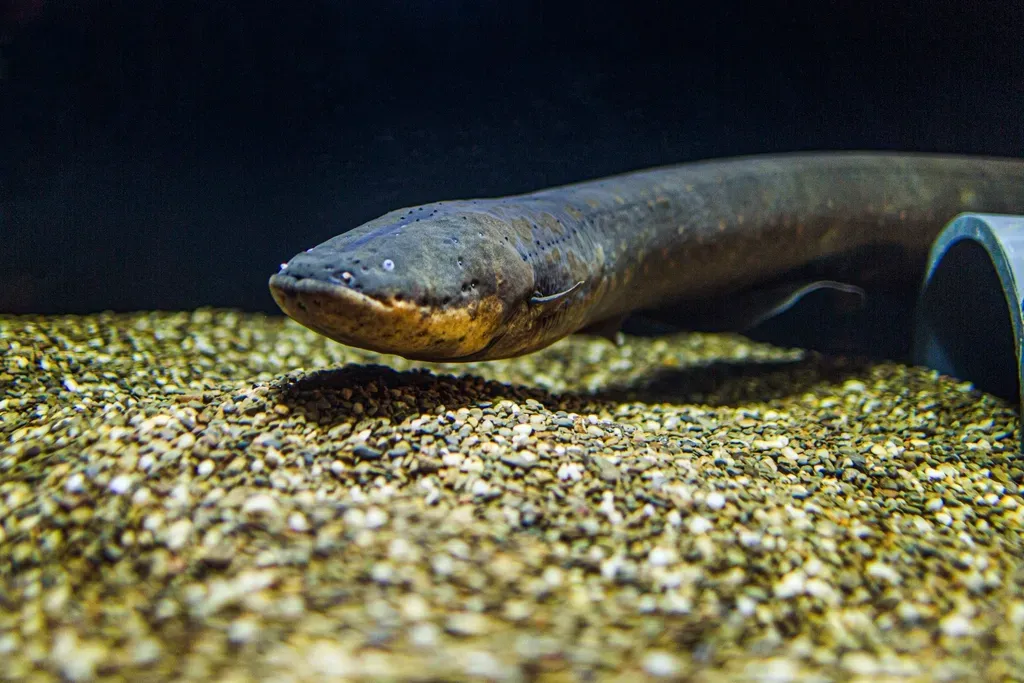
If your superpower fantasy leans more toward “living taser,” electric eels are the animals you’re looking for. Despite their name, they’re actually electric knifefish, and they pack specialized electric organs made from modified muscle cells that act like tiny biological batteries. By stacking thousands of these cells and discharging them in sync, an electric eel can generate high-voltage pulses strong enough to stun or kill prey and to defend itself against threats. You can think of it as an organic power bank that dumps its entire charge in a rapid, controlled burst.
But the really clever part is not just the shocking power; it’s the control and sensory side of the story. Electric eels use lower-voltage pulses almost like radar, mapping out their dark, murky surroundings and tracking movement long before their eyes would pick anything up. Then, at the right moment, they switch to their stronger volleys to paralyze prey, sometimes even sending rapid-fire pulses that cause involuntary muscle contractions in the target, effectively “remote-controlling” it. When you imagine a superhero who can both sense and manipulate their environment through energy, you’re not far off from what an electric eel quietly does in the rivers of South America.
Conclusion: Nature’s Superheroes Are Already Here
Once you’ve met these animals, it’s hard to look at the natural world as something ordinary. You’ve just walked past a crustacean that cracks shells with physics-defying punches, a shrimp that cooks tiny pockets of water in a flash, a microscopic “tank” that shrugs off space, a salamander that re-grows limbs, and mammals and fish that turn electricity into a sense and a weapon. None of this is special effects; it is everyday life for them, playing out quietly while you go about your human routine.
What sticks with you, though, is how often human technology trails behind these natural tricks. You copy the mantis shrimp to build better impact tools, the pistol shrimp to inspire new cleaning and medical devices, tardigrades to guide preservation of cells and maybe space travel, axolotls to imagine regenerative medicine, and electric and electro-sensing animals to build smarter sensors and robots. The more closely you look, the more you realize your planet is already packed with superheroes – they just happen to have shells, gills, or fur. If you could borrow one of these powers for a single day, which animal would you choose to be?