
You probably grew up hearing about Egypt, Rome, and Greece, but those are the lucky ones: they left pyramids, libraries, and marble ruins behind. What really gets under your skin are the cultures that seem to step onto the stage of history, flourish for centuries, and then suddenly go dark. No farewell message, no neat conclusion – just fragments, questions, and a sinking feeling that you will never fully know what really happened.
As you explore these ancient worlds, you start to see a pattern: climate shifts, fragile trade networks, disease, violence, and sometimes just terrible luck. Yet each vanished civilization also flips your assumptions about how advanced the past really was. You find carefully planned cities, sophisticated writing systems, astronomical alignments, and long-distance trade that feels almost modern, and then you watch them all disappear. By the end, you might look at your own world a little differently and wonder: how permanent is your civilization, really?
The Indus Valley Civilization: A Quiet Disappearance in the Floodplains
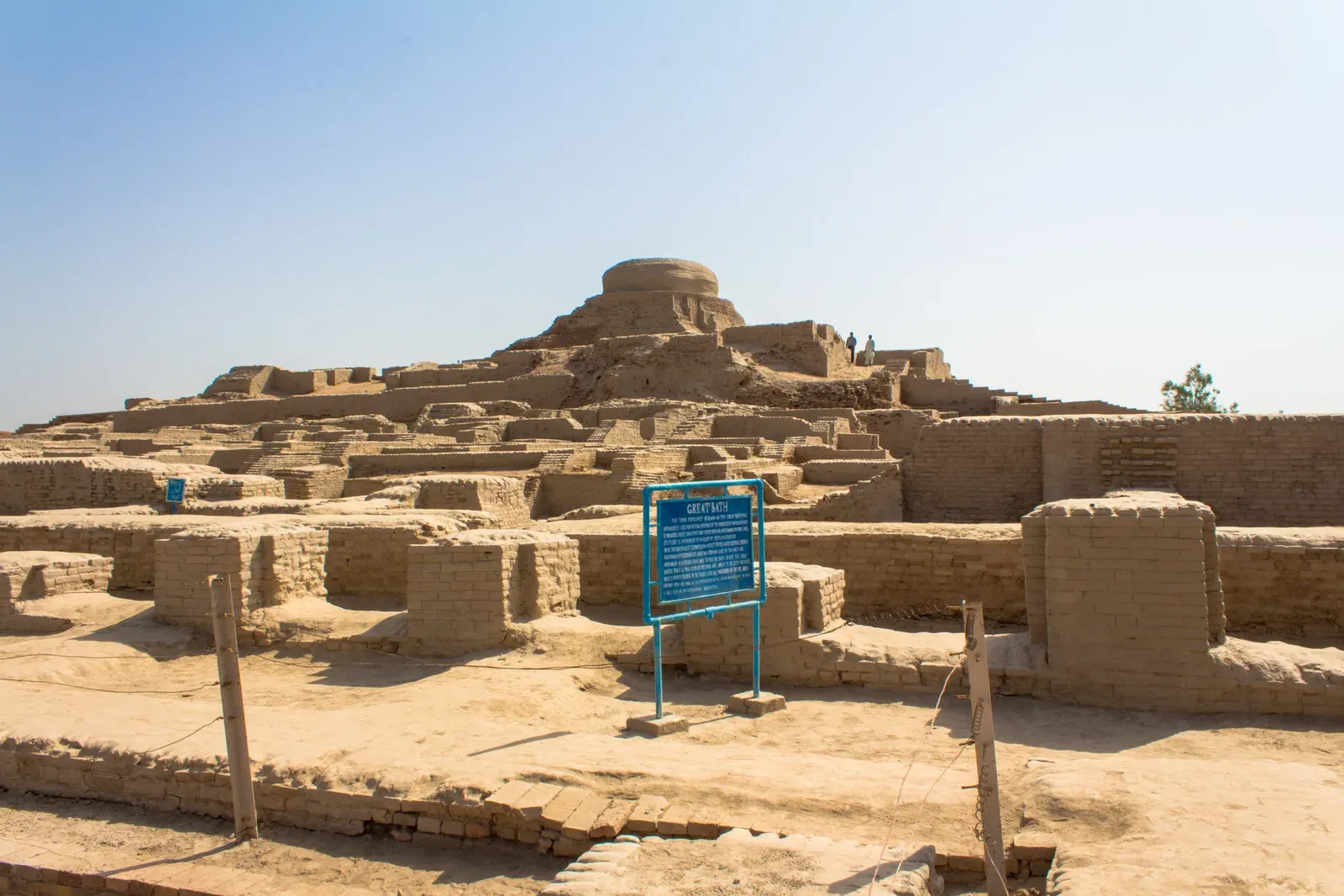
When you look at the Indus Valley Civilization, spread across what’s now Pakistan and northwest India, you’re staring at one of the world’s first true urban societies. You see cities like Mohenjo-daro and Harappa laid out on neat grids, with straight streets, standardized brick sizes, and drainage systems that would put some modern towns to shame. You can walk those ruins today and still trace the outlines of wells, baths, and multi-story homes, and yet you have almost no idea what these people called themselves or what they believed, because their script remains undeciphered.
What makes their disappearance so unsettling is how gradual and bloodless it looks. You do not find thick layers of ash from burning, or mass graves from a huge battle; instead, you see evidence of rivers changing course, floodplains drying or shifting, and cities being abandoned bit by bit. Many researchers think climate change and the weakening of the river system that fed their agriculture slowly strangled their economy, forcing people to scatter into smaller, rural communities. When you stand among those silent bricks, you’re not looking at a civilization that exploded in violence so much as one that quietly faded from the map, leaving you with questions that may never be answered.
The Minoans of Crete: A Bronze Age Power Undone by Nature and Neighbors
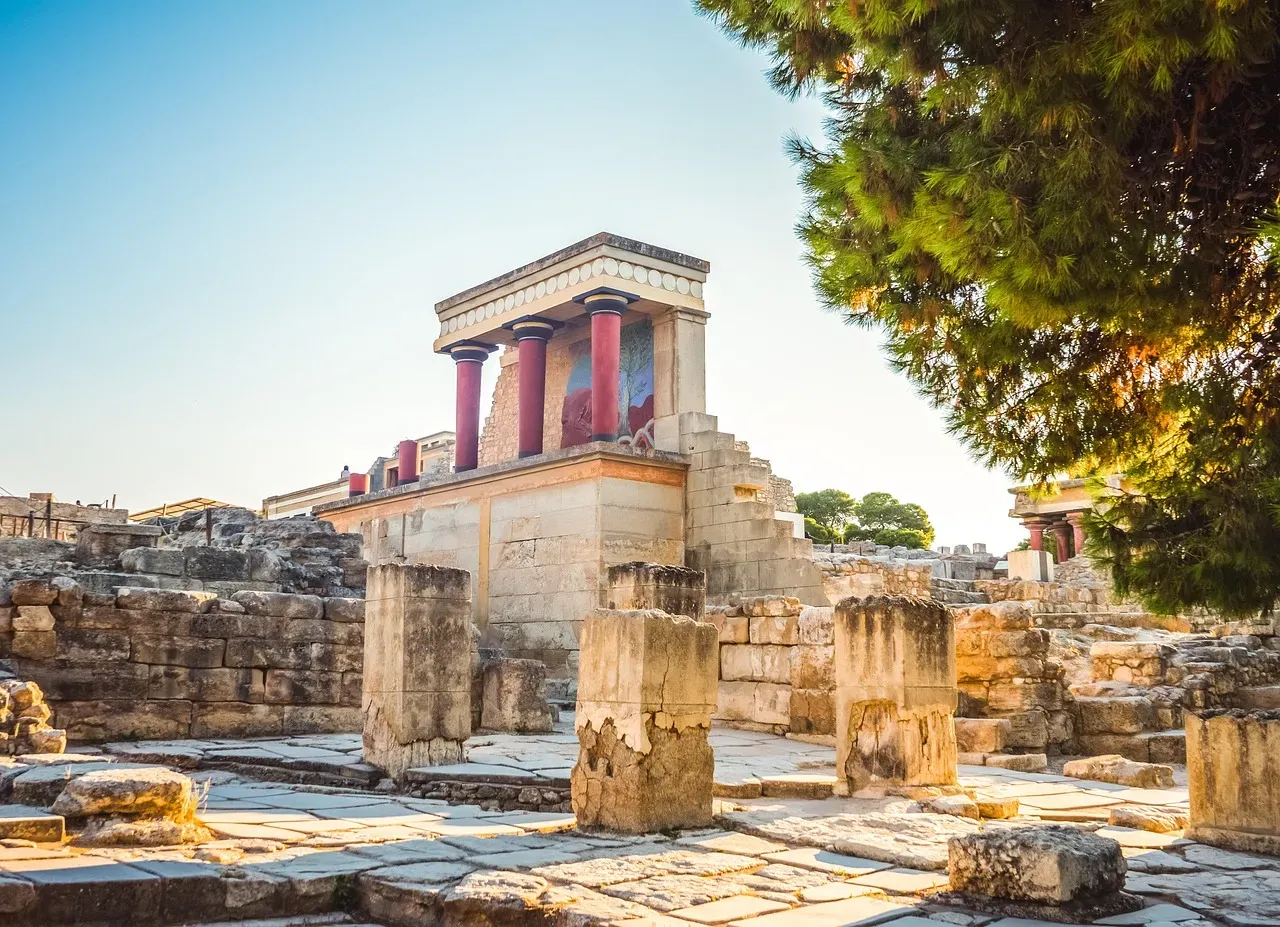
If you picture a civilization that feels strangely modern, the Minoans on the island of Crete fit the bill. You see vibrant frescoes of leaping athletes, elaborate palaces like Knossos with storerooms full of giant jars, and a seafaring culture that dominated eastern Mediterranean trade. Their art shows flowing lines, movement, and color in a way that makes you feel like you’re peeking into a lost coastal society that loved spectacle, ritual, and the sea. Yet you never get to hear their own voice directly, because their early script, known as Linear A, has still not been fully read.
When this civilization collapses, it does not vanish in a single, clean moment, which makes it even more mysterious for you. There is strong evidence of a massive volcanic eruption on the nearby island of Thera (Santorini), which likely triggered tsunamis and climate disruptions that hammered Minoan ports and crops. On top of that, you see signs of fires and later Mycenaean Greek influence, suggesting that invasion or takeover finished what nature began. For you, the Minoans become a haunting example of how even a powerful, seemingly sophisticated maritime culture can be knocked off balance by one disastrous event and then quietly replaced by its more aggressive neighbors.
Nabatea and the Mystery Beyond Petra’s Rose-Red Walls
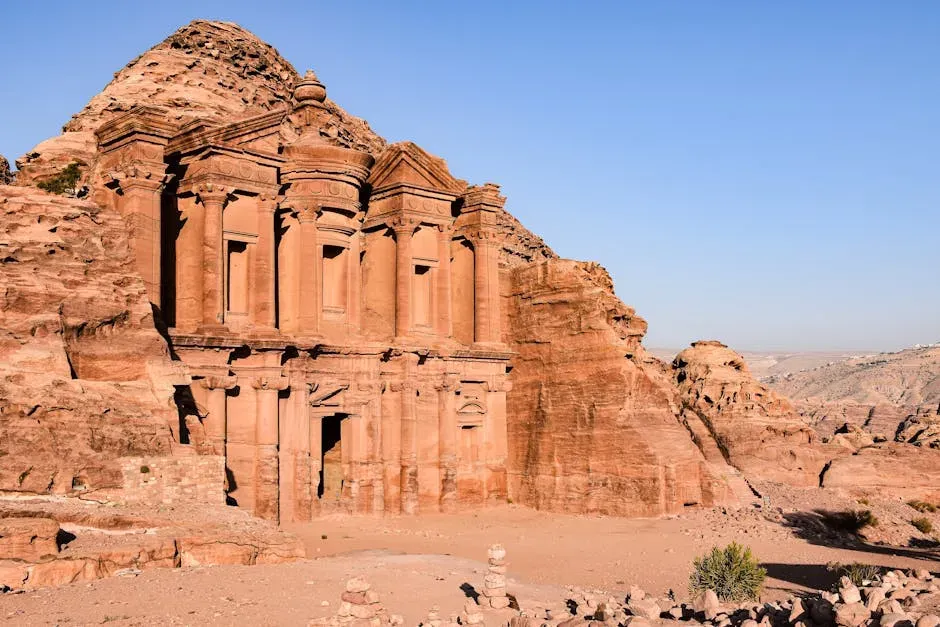
You’ve probably seen photos of Petra – that stunning rock-cut façade glowing pink in the desert – but the civilization behind it, the Nabateans, often slips through your fingers. These people built a thriving kingdom by controlling key trade routes that carried spices, incense, and luxury goods between Arabia, the Levant, and the Mediterranean. When you walk through their canyons, you see proof of impressive engineering: water channels carved into rock, cisterns to trap every drop of rain, and monumental tombs that still tower over you two thousand years later.
Yet when their power fades, it does so with almost eerie smoothness. The Roman Empire absorbed their territory in the early first millennium, and long-distance caravan trade declined as new routes and ports rose to prominence. Over time, earthquakes damaged Petra, deserts reclaimed roads, and cities were gradually abandoned or repurposed. The people themselves did not literally disappear, but their political and cultural identity dissolved into the larger empires and faiths that followed. For you, Nabatea is a reminder that a civilization does not always end in flames; sometimes it just gets folded into something bigger until its original outline is hard to see.
The Norte Chico (Caral) Culture: Cities Without Fortresses or Pottery
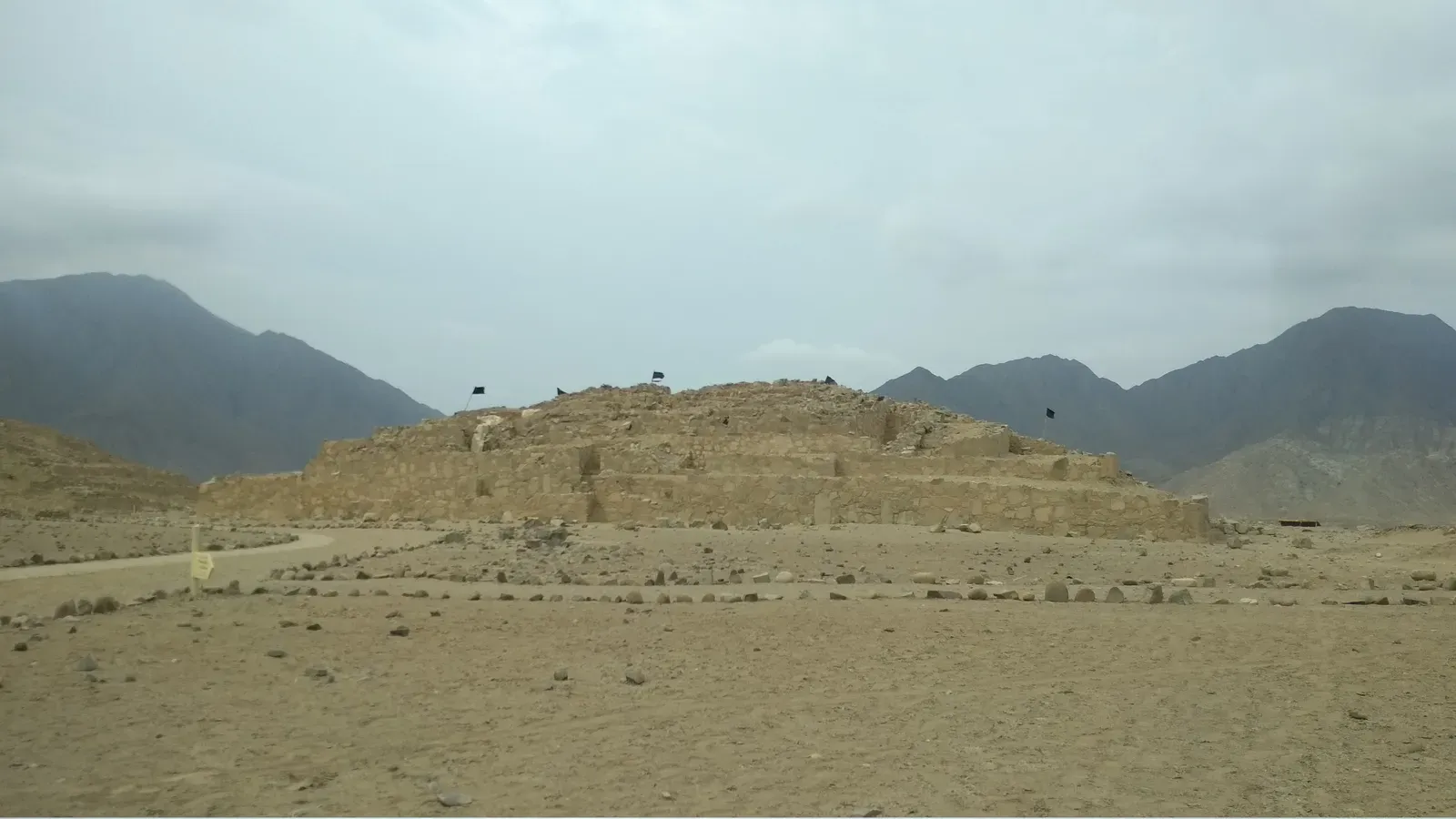
On the coastal desert of modern-day Peru, you encounter something that forces you to rethink what a “cradle of civilization” looks like. Long before the Inca, the Norte Chico or Caral culture built large platform mounds, sunken plazas, and complex urban centers, all without the usual hallmarks you expect, like pottery or large-scale art. You see mounds that look like pyramids, carefully laid out villages, and evidence of organized labor, but the material culture is surprisingly austere, focused on textiles, fishing gear, and food production.
What makes their vanishing so unnerving is how little you know about them beyond the bare bones of their architecture and diet. There’s no deciphered writing, no detailed myths recorded by later neighbors, and only scattered clues about why the sites were eventually left behind. Environmental stress is a strong suspect again: shifting rivers, changing rainfall, and the fragile balance between highland agriculture and coastal fishing might have pushed people to move on. When you stand in those dry valleys, you’re looking at a full-blown complex society that rose and fell before many others even began, leaving a faint, quiet footprint that you only started to recognize in recent decades.
The Ancestral Puebloans (Anasazi): Cliffs, Kivas, and a Sudden Exodus
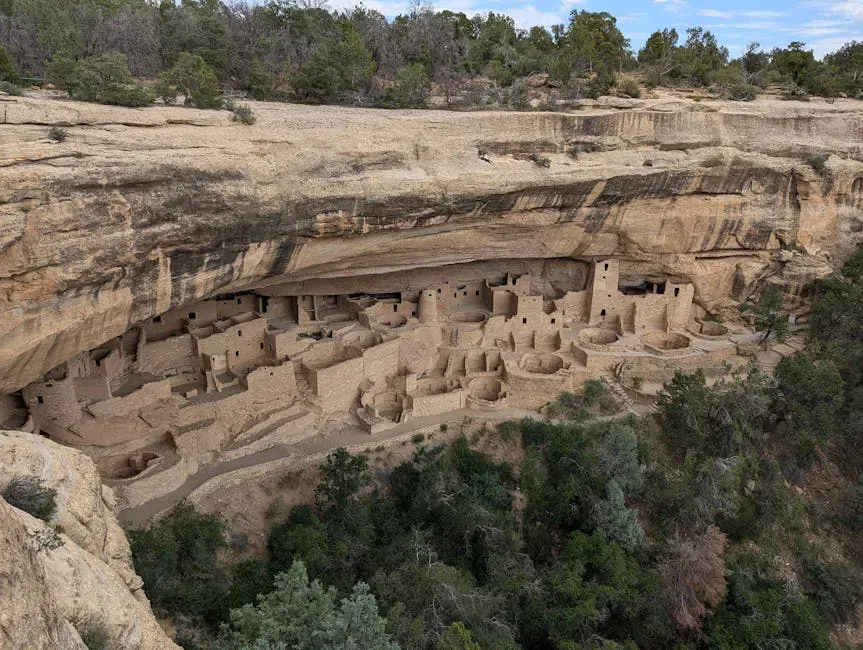
In the canyons and mesas of the American Southwest, you come face to face with cliff dwellings that look like something out of a fantasy novel. The Ancestral Puebloans built multi-story stone structures tucked into sheer rock faces, created extensive road networks, and carved out kivas – circular ceremonial spaces sunk into the ground. Places like Chaco Canyon and Mesa Verde show you a society with intricate architecture, astronomical alignments, and regional trade that moved turquoise, pottery, and other goods across vast distances.
Then, over the span of a few generations, many of these settlements are abandoned. Dendrochronology, or tree-ring studies, point you toward extended droughts that would have turned life in those already harsh landscapes into a desperate struggle. You also find signs of social stress: fortified sites, possible conflict, and communities relocating to new areas along rivers or more defensible positions. The people themselves did not vanish; their descendants live today among Pueblo nations. But to you, the abrupt emptying of those high cliff homes feels like walking into a house where everyone left in a hurry and never came back to explain why.
The Olmec: Colossal Heads and a Culture Behind the Curtain
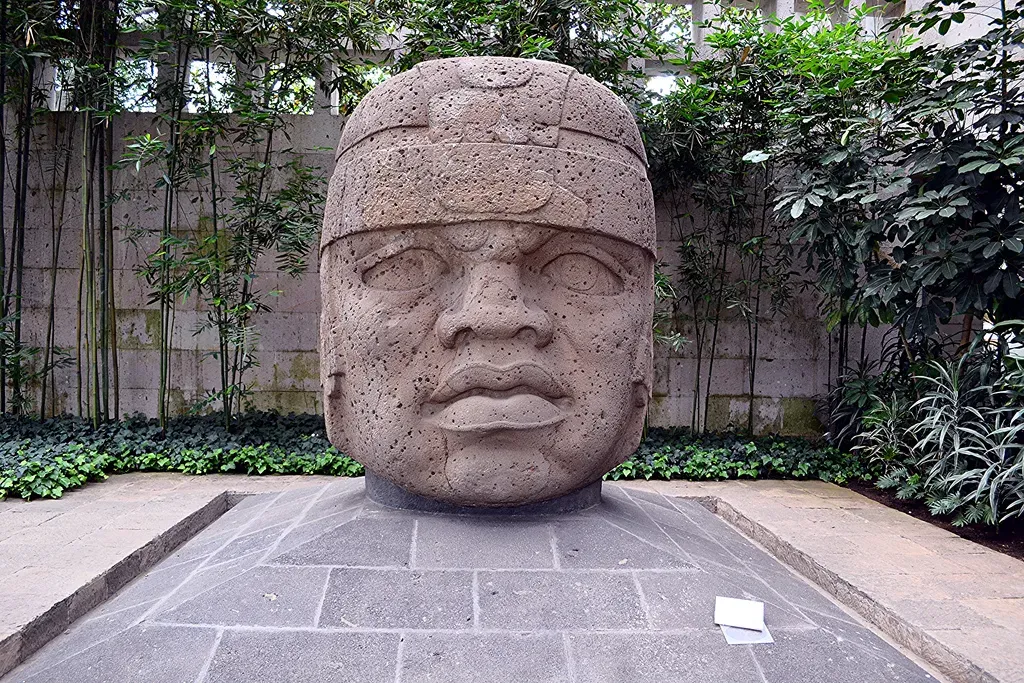
Before the Maya and the Aztec, you find the Olmec in the lowlands of what is now southern Mexico, often called a “mother culture” of Mesoamerica. What jumps out at you are those colossal stone heads – massive, helmeted faces carved from single blocks of basalt, each weighing many tons. Surrounding them, you see ceremonial centers, earthen mounds, and artifacts like jade figurines that hint at complex religious and political systems. Yet you never get to read their own words, because their writing system, if it fully existed, remains mostly obscure.
The decline of the Olmec heartland is murky, which is exactly what makes it so compelling for you. There’s no single smoking gun; instead, you see gradual changes in settlement patterns, environmental shifts like river silting or flooding, and the rise of new regional centers elsewhere. Some scholars suspect internal social upheaval, others point to changing trade routes or resource pressures. What you can say with some confidence is that key sites were abandoned and the distinct Olmec style faded, even as many of their religious symbols, art motifs, and cultural ideas lived on in later Mesoamerican civilizations. You’re left with the uncanny feeling that you know their influence better than you know them.
The Mycenaeans: Heroes of Legend, Ruins in Reality
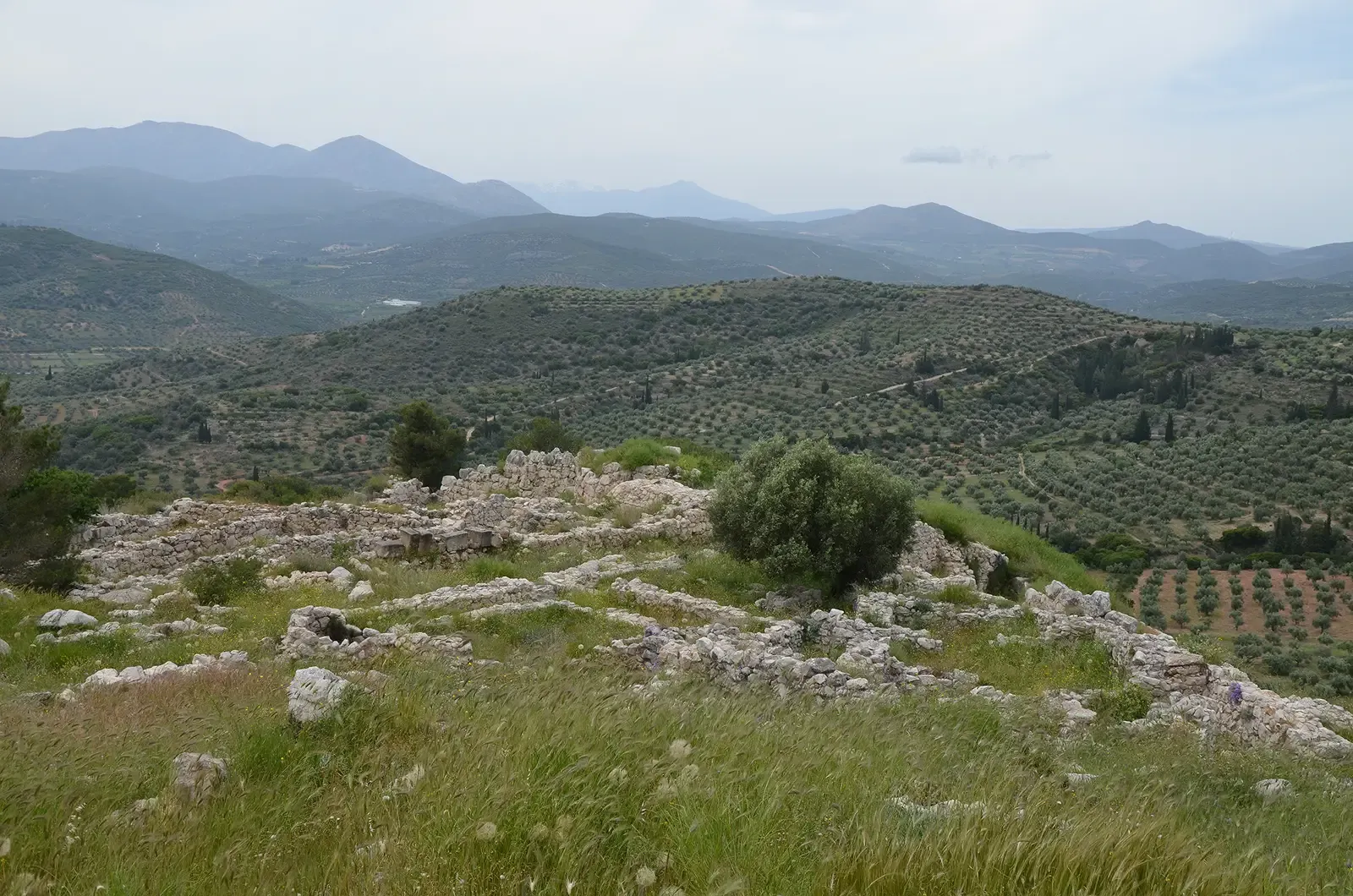
When you hear about the Trojan War and legendary kings, you’re brushing against memories of the Mycenaean civilization of Late Bronze Age Greece. Archaeology shows you fortified hilltop palaces like Mycenae and Tiryns, rich shaft graves full of gold, and a script called Linear B that records an early form of Greek. These were not simple village chiefs; they ran organized palace economies, fielded warriors in chariots, and traded or raided across the eastern Mediterranean. In other words, the world of epic tales rests on a very real and complex society.
Then, around the end of the second millennium BCE, much of this world collapses in what historians call the Late Bronze Age collapse. You see palaces burned, sites abandoned, and long-distance trade networks crumbling across many regions at once. The causes are probably tangled: climate stress, internal rebellion, invasions by outside groups, and breakdowns in the fragile web of interdependent kingdoms. For you, the most unsettling part is the long “dark age” that follows, when writing disappears from Greece for centuries and the memory of the Mycenaeans survives mainly as myth. A whole civilization seems to step back behind the curtain of history, leaving you with smoldering ruins and stories that are part truth, part legend.
The Khazar Khaganate: A Trading Empire That Slipped Between Worlds
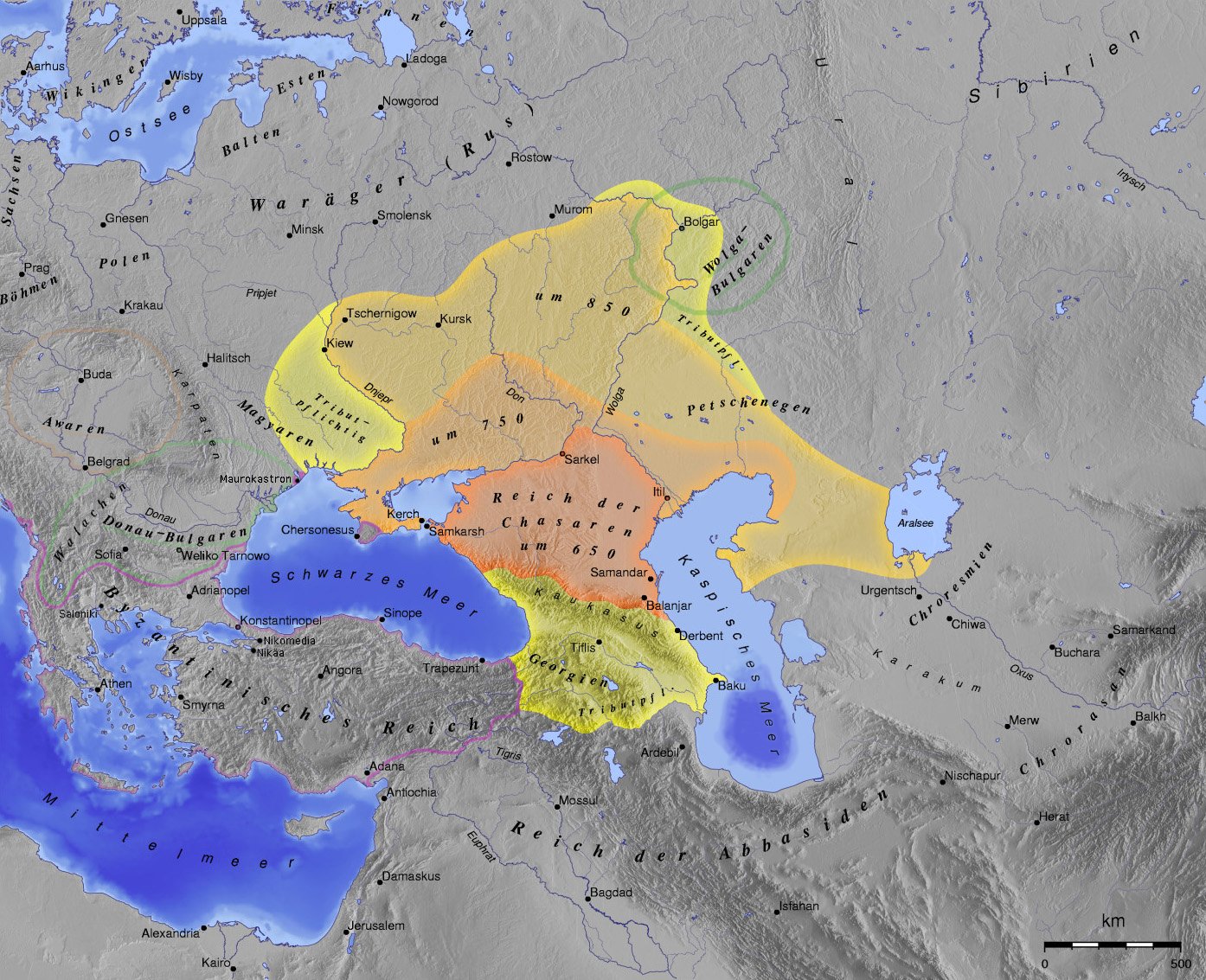
On the steppes between the Black Sea and the Caspian, you encounter the Khazars, a semi-nomadic Turkic people who built a powerful trading state between Europe and Asia. Their realm controlled key river routes, hosted merchants from the Islamic world and the Byzantine Empire, and maintained a reputation as tough warriors and pragmatic diplomats. You also see unusual religious complexity: rulers and elites converting to Judaism, while Christians, Muslims, and traditional steppe beliefs coexisted under their rule. For a time, if you were moving goods across that region, you could hardly avoid Khazar territory.
Yet, over a few centuries, their political structure fractures and then dissolves under pressure. Successive invasions and campaigns from rising powers, especially the Rus and steppe rivals, chip away at their control. Trade routes shift as new centers gain prominence, and the Khazar elite loses its grip on the region. Traces of Khazar communities and influence linger in place names and scattered records, but their state disappears, and their people are absorbed into other cultures. To you, the Khazars feel like a reminder that entire political entities can sit at the crossroads of continents and still vanish so thoroughly that many people today barely know they existed.
The Hittites: Masters of Iron Who Melted into History
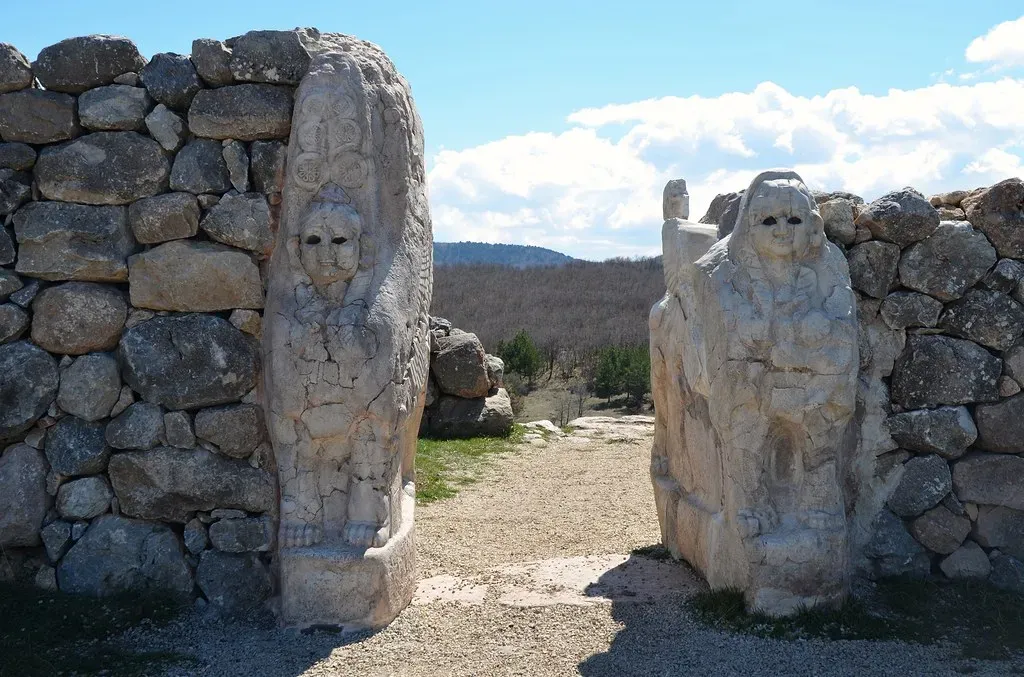
In central Anatolia, you find the Hittites, a formidable Bronze Age kingdom that once challenged Egypt and other major powers. They built massive stone fortifications, developed a legal system that you can partially reconstruct from their archives, and became known for early use of iron, even if they did not yet mass-produce it the way later cultures would. When you read the surviving clay tablets, you see complex diplomacy, treaties, and correspondence with other great kings of their time, which tells you just how central they were to the political map of the ancient Near East.
Then, just like the Mycenaeans, they are swept up in the wider Late Bronze Age collapse. Their capital, Hattusa, is eventually abandoned and partly burned, and their empire fragments into smaller successor states that struggle to maintain power. Again, you’re looking at a mix of likely factors: famine, invasions by mobile groups from the sea and land, internal unrest, and the breakdown of the entire regional trade and tribute system. Over time, the name “Hatti” survives only faintly in later writings, while the people themselves are folded into new cultures in Anatolia and beyond. You’re left piecing together their story from broken tablets and ruined gateways, aware that much of their world has simply evaporated from your reach.
The Cucuteni–Trypillia Culture: Giant Villages and Ritual Flames
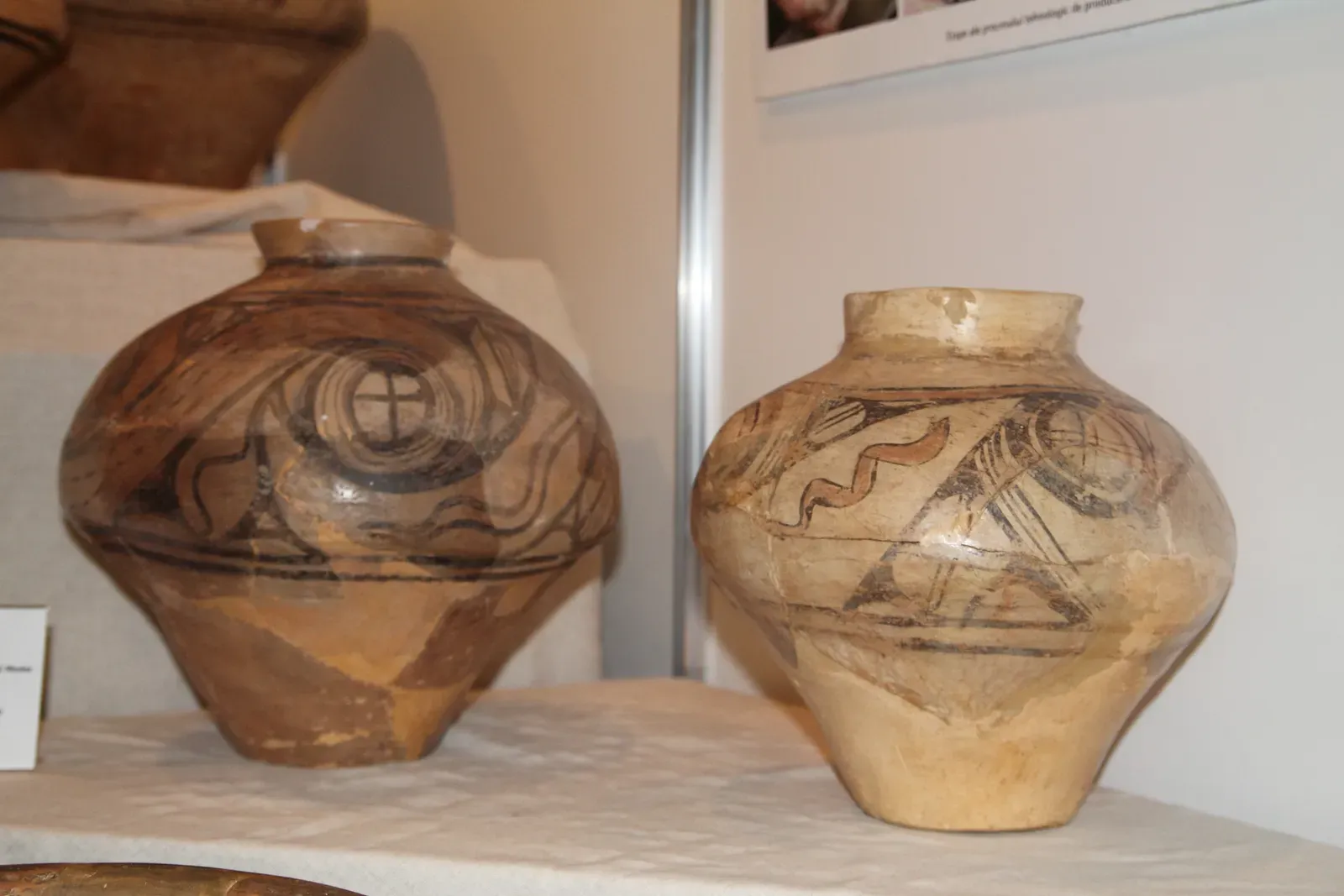
In the forests and river valleys of what is now Ukraine, Moldova, and Romania, you stumble onto something that feels almost like a prehistoric suburban experiment. The Cucuteni–Trypillia culture built some of the largest known Neolithic and Chalcolithic settlements in Europe, with circular layouts and hundreds, even thousands, of houses. You see evidence of intricate painted pottery, figurines, and organized spatial planning that suggests a surprisingly sophisticated village life long before classical cities arose in the region.
What really puzzles you is the pattern of deliberate burning: entire settlements seem to have been periodically set on fire, possibly as part of a ritual cycle, before new ones were built nearby. Eventually, though, the culture’s distinct material traits vanish, and the large settlements stop appearing. Climate fluctuations, soil depletion from intensive farming, and the movement of new pastoral groups into the area all likely played a role. Instead of a single dramatic collapse, you see a slow blending and replacement, with later cultures overlaying the same landscapes. For you, this civilization feels like a ghost hidden beneath farmland and small towns, its memory living on only in shards of pottery and traces of ash in the soil.
Atlantis and the Lure of Civilizations You May Never Prove
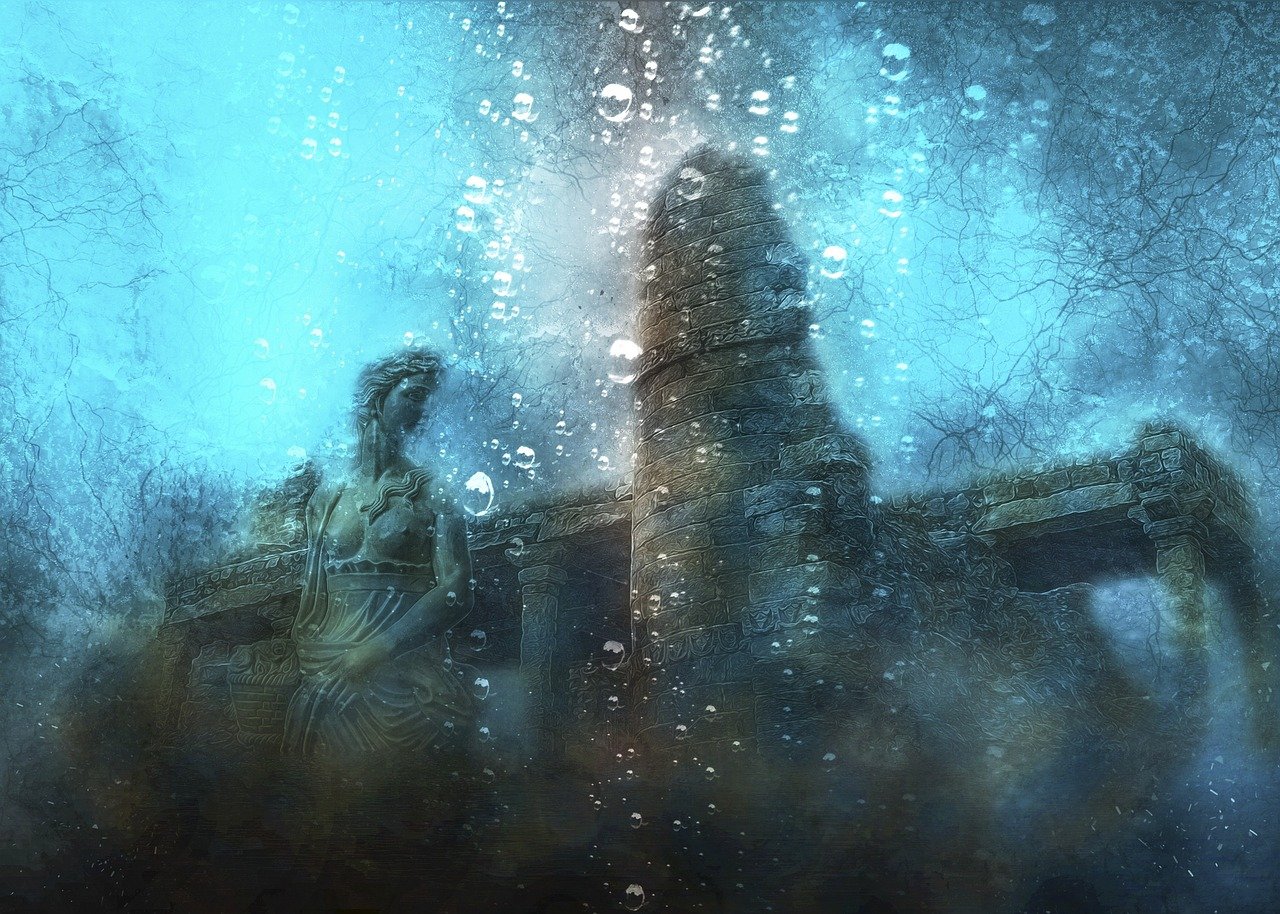
You cannot talk about vanished civilizations without confronting the most famous maybe-real, maybe-not case of all: Atlantis. The only detailed description you have comes from an ancient philosophical text that uses the story as a moral and political example, not as a strict historical report. Over the centuries, explorers, mystics, and researchers have tried to pin Atlantis to real places – a Bronze Age island, a lost city swallowed by the sea, or a memory of some catastrophe that really did happen. None of these ideas has won universal acceptance, but the fascination refuses to die.
What makes Atlantis so powerful for you is not whether it was a single real city, but what it represents: the idea that complex societies can fall so completely that only distorted echoes remain. It nudges you to look at known cases like the Minoans or other coastal cultures and ask how many stories were lost when harbors drowned, libraries burned, or oral traditions broke. In that sense, Atlantis is less about one mythical island and more about a deep, nagging question: how much of human history lies just beyond your ability to verify? Every time you trace a vanished civilization through scattered ruins and fragments, you’re playing out that same tension between evidence and imagination.
What Vanished Civilizations Really Tell You About Your Own World
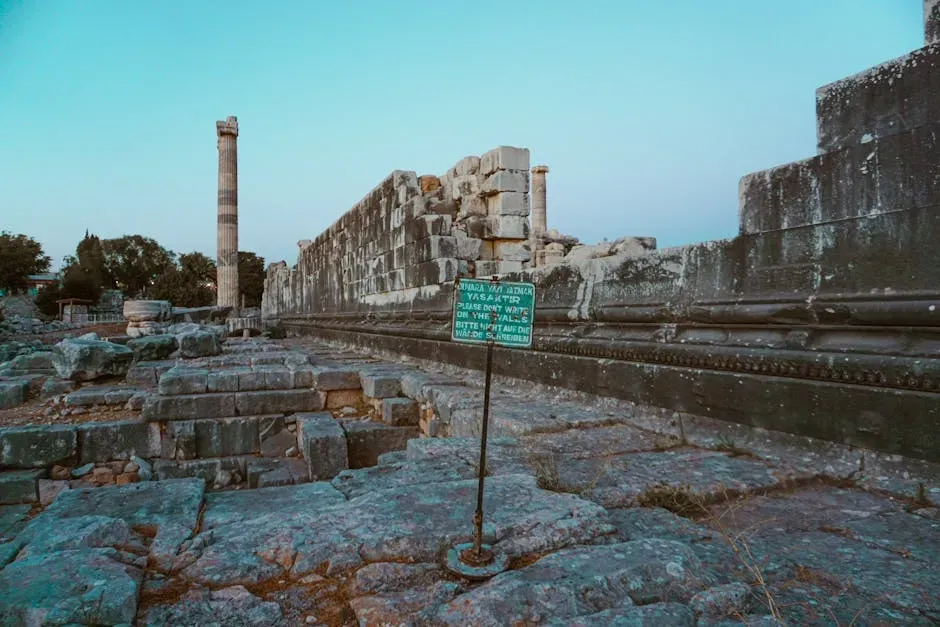
When you pull back and look at these vanished civilizations side by side, you start to notice that very few of them truly disappear without leaving any trace at all. They leave ruins, technologies, stories, genetic legacies, and cultural patterns that ripple outward into later societies, including yours. Even when names fade and scripts go unread, you’re still walking on their foundations, whether it’s in the form of crops they domesticated, trade routes they pioneered, or ideas they passed along indirectly. The mystery comes not from total absence, but from the gaps big enough that your mind can’t help but try to fill them.
At the same time, these stories quietly challenge your assumption that your own world is too advanced to crumble. You see how tightly past civilizations depended on stable climates, resilient trade networks, and social trust – and how quickly those can fracture when pressure mounts. Instead of treating vanished cultures as distant curiosities, you can use them as mirrors that reflect your vulnerabilities and your capacity to adapt. The question nagging at you is simple but powerful: if someone digs through your ruins thousands of years from now, what will they truly understand about who you were – and what, if anything, will have survived to tell your story?