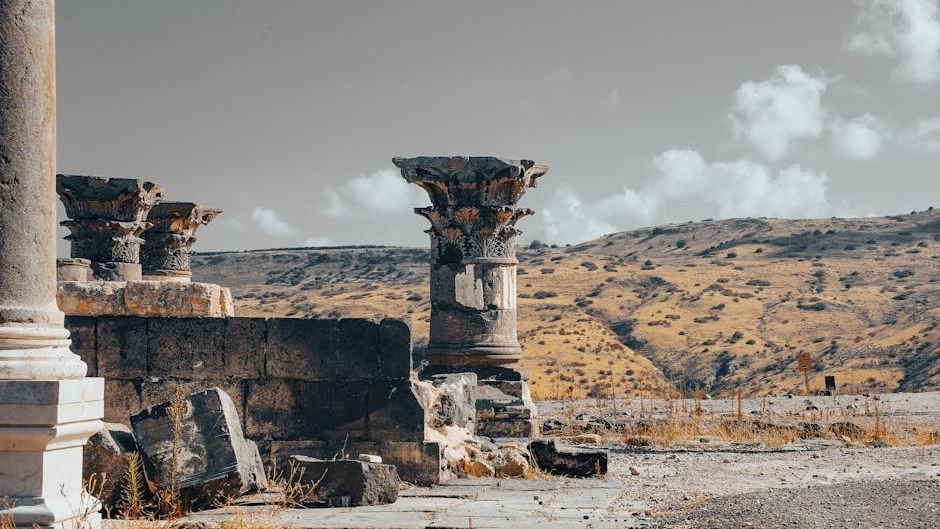

You live in a world of satellites, AI, and skyscrapers, so it is tempting to assume you sit at the very top of human technological history. Then you stumble across an ancient stone cut flatter than most modern countertops, or a block that weighs more than a fully loaded jumbo jet, and you realize something unsettling: people thousands of years ago pulled off feats you still cannot fully reverse-engineer. Archaeologists can offer educated models and partial reconstructions, but when you dig into the details, there are gaps big enough to drive a stone monolith through.
This does not mean aliens, magic beams, or secret energy grids. It does mean that your ancestors were far more ingenious, organized, and persistent than most school textbooks ever suggested. The deeper you go into the world’s most mysterious sites, the more you see a pattern: extreme precision, strange material choices, and logistics on a mind-bending scale, achieved with tools and methods that are still debated in journals and field reports. Let’s walk through seventeen of those places and, as you read, ask yourself an honest question: if someone handed you unlimited money and modern machinery, could you really repeat what they did?
The Great Pyramid of Giza: Precision That Refuses To Be Simple

You have probably seen so many photos of the Great Pyramid that it feels familiar, but the closer you look, the stranger it becomes. Its base is aligned to true north with an accuracy that would challenge many modern builders working without GPS, and the difference in length between its sides is tiny compared to its scale. Inside, the narrow shafts, relieving chambers, and polished granite blocks are fitted together with such accuracy that even with lasers and computer models, engineers still argue about the best way to reconstruct the builders’ methods.
On paper, you are told it was built using copper tools, stone hammers, wooden sleds, and a lot of manpower, and there is decent evidence that many aspects of that story are right. Yet when you try to translate that into exact ramp designs, labor schedules, and the fine finishing of hard granite, the answers get fuzzy very quickly. You are left with a puzzle: clearly the Egyptians had a practical, tested system to handle millions of tons of stone, yet that system was never fully written down, and the physical traces do not spell out a simple how‑to guide for you to copy.
Puma Punku: Stonework That Looks Almost Machine-Made
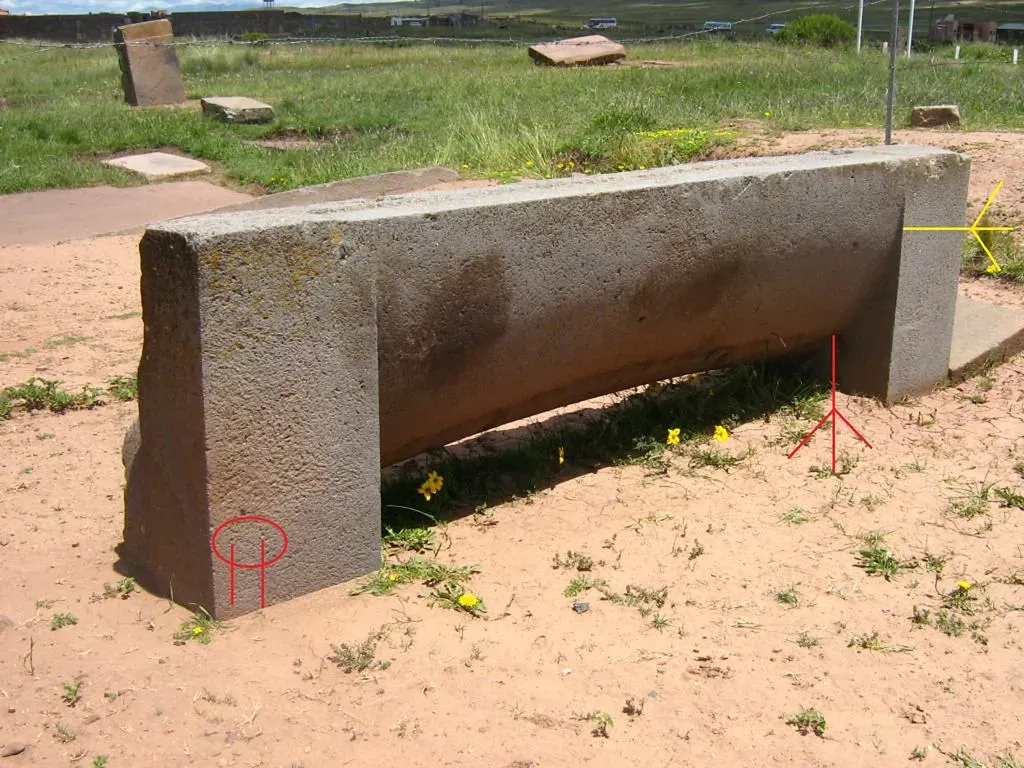
If you ever walk the ruins of Puma Punku in Bolivia, your first reaction might be that you are looking at the remains of a stone factory rather than a temple. Massive blocks of andesite and sandstone lie scattered in a way that suggests violent destruction, but their surfaces tell a calmer story: edges so crisp they look like they were machined, perfectly straight grooves, and repeated “H-shaped” blocks that match each other with unnerving consistency. You can run your fingers along the cuts and feel right angles that rival modern precast concrete components.
Archaeologists generally agree that the people who built Puma Punku did so with stone tools, metal chisels, and clever jigs rather than drills and saws powered by electricity. The problem for you, as a modern observer, is that no one has yet reproduced all of those shapes and tolerances in the same rock using only the tools theorized for that era, at full scale and in context. Until that happens, you are stuck straddling a line between plausible hypotheses and a lingering feeling that you are missing a crucial chapter in the manual of ancient Andean engineering.
Baalbek’s Trilithon: Stones Too Heavy For Comfort
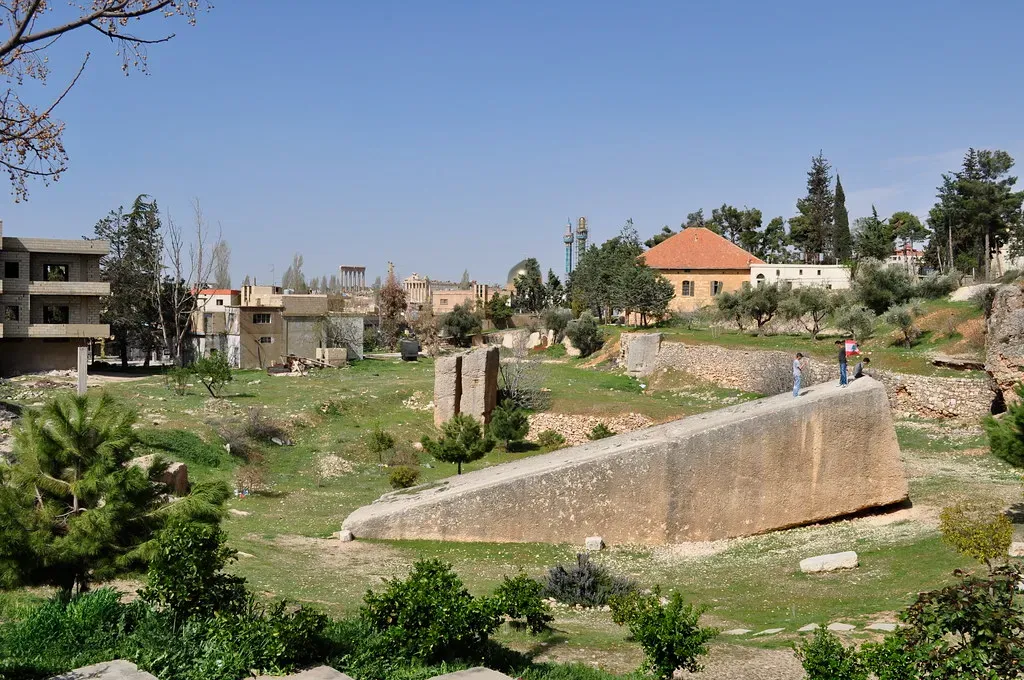
In Lebanon, at Baalbek, you find one of the clearest examples of ancient ambition colliding with your modern sense of limits. Buried in the massive platform of the temple complex are the so‑called Trilithon stones: three blocks each weighing in the range of several hundred tons, stacked seamlessly into a high retaining wall. Nearby in the quarry sits an even larger block, partially cut, suggesting the builders were at least planning to push the envelope further. You might think of cranes, steel cables, and diesel engines, but none of those were around when these foundations were laid.
Researchers can propose sleds, rollers, ramps, and teams of workers hauling in carefully coordinated steps, and you can certainly move heavy loads that way. What is still not fully understood is how you control, align, and set such monstrous stones at height with the precision seen in the surviving masonry, especially on uneven ground and without modern mechanical advantage. Engineers today often admit that moving and placing equivalent blocks would be a major project even with cutting‑edge equipment, so you are left wondering just how refined the forgotten logistics at Baalbek really were.
Sacsayhuamán: Interlocking Giants That Shrug Off Earthquakes
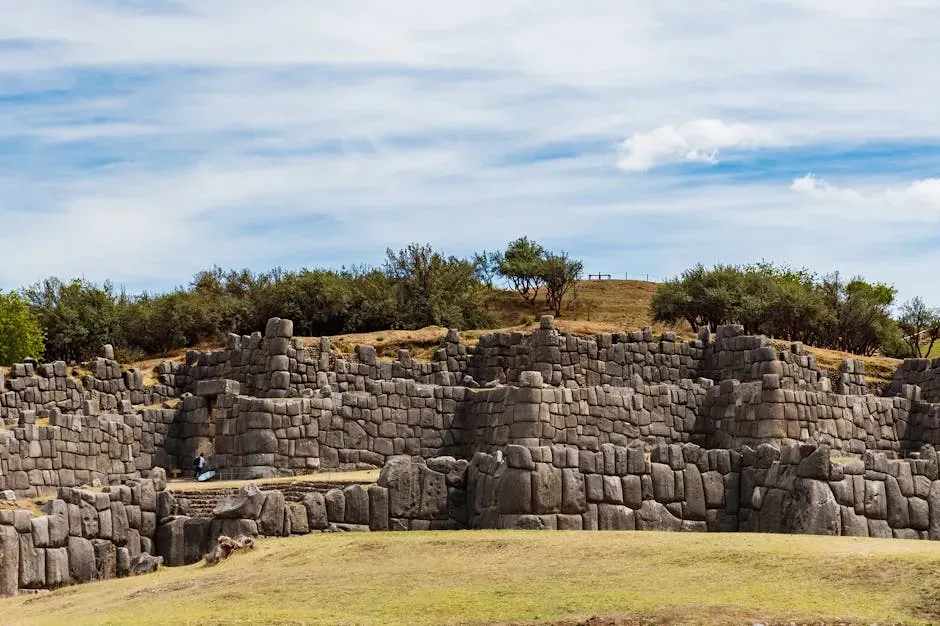
Overlooking Cusco in Peru, the walls of Sacsayhuamán feel like something out of a fantasy novel. Enormous polygonal blocks, some weighing well over a hundred tons, fit together in wild jigsaw patterns with no mortar and gaps so tight you can barely slip a knife blade between them. You are not looking at a few showpieces, either; entire curtain walls snake across the hillside, all built with the same confident style, as if someone casually decided the mountain itself should become a fortress.
This stonework has survived centuries of powerful earthquakes that reduced later colonial masonry to rubble, which tells you the Inca (and possibly earlier builders) had an intuitive grasp of seismic engineering that you still admire today. Yet no one can show you an unbroken, experimentally verified sequence of quarrying, shaping, transporting, and fitting stones of this size with the hand tools that have been found. You can model the possibilities, but that is very different from truly understanding and replicating the full process end to end.
Göbekli Tepe: Monumental Stone Before Cities
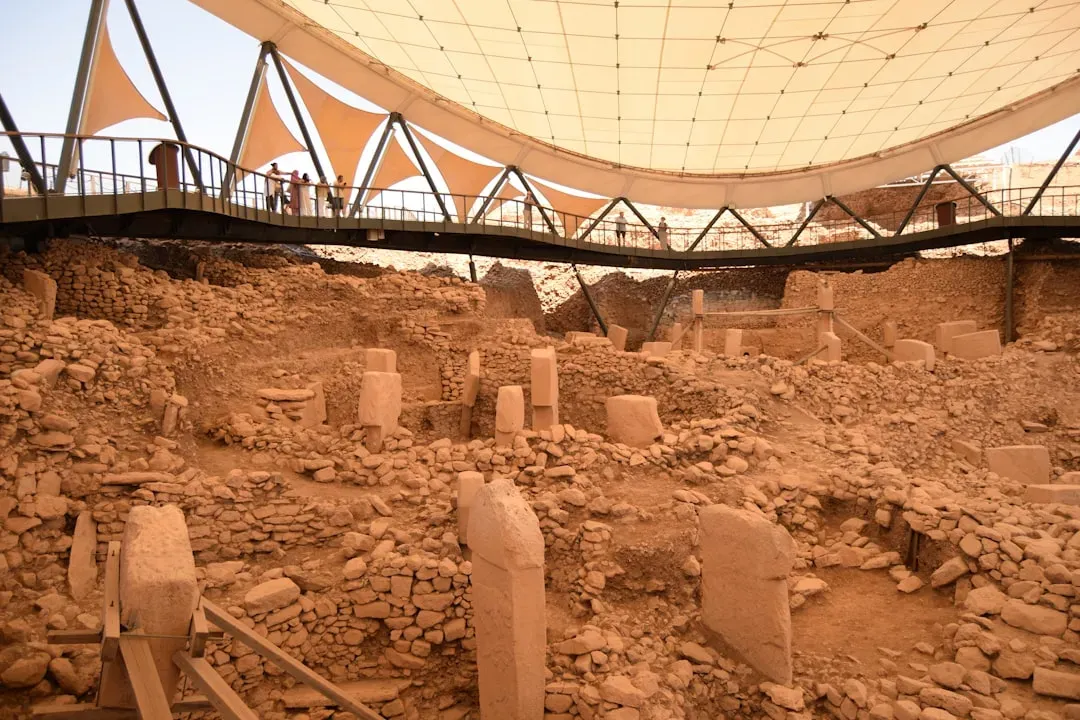
When you visit Göbekli Tepe in southeastern Turkey, the timeline in your head starts to wobble. Here, about twelve thousand years ago, hunter‑gatherers who supposedly had no permanent settlements carved huge T‑shaped pillars, some weighing many tons, then arranged them in circular enclosures and decorated them with intricate animal reliefs. You are looking at monumental architecture that predates farming villages, pottery in daily use, and most of what you normally associate with organized, complex societies.
Archaeologists have working theories about how large groups of people gathered seasonally to build and maintain this hilltop sanctuary, but you are still left with big unknowns. How did they plan the layout so precisely with no written language? What social mechanisms convinced people who had to hunt and forage for food to devote massive effort to cutting and hauling stone? And why, after centuries of use, did the builders deliberately bury the site, preserving it like a time capsule whose deeper meaning you are still only guessing at?
Stonehenge: A Megalithic Puzzle In Stages
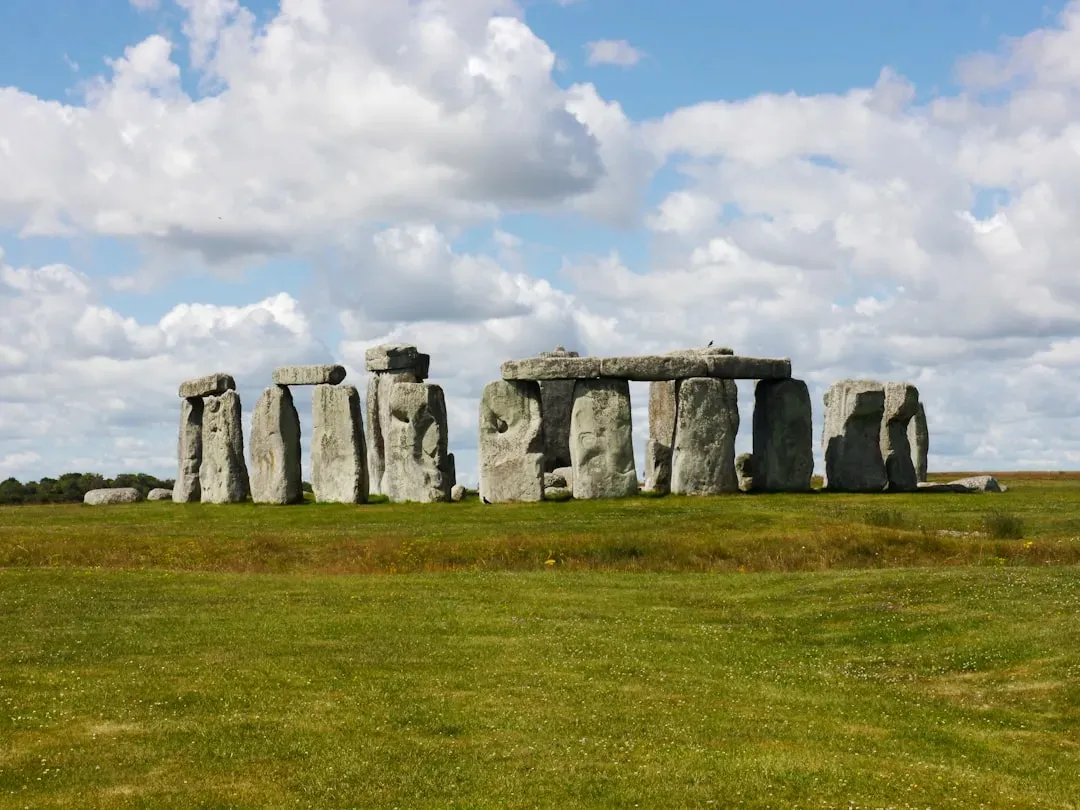
You probably think you know Stonehenge from postcards and documentaries, but when you stand in front of those weathered stones on the English plain, the questions feel much more pressing. The site was built in phases over many centuries, involving not only the massive sarsen stones but also smaller “bluestones” that appear to have been transported from quarries in Wales, far to the west. You are talking about hauling multi‑ton blocks across rivers, hills, and boggy ground long before metal roads or wheeled carts were widespread.
Modern experiments with volunteer teams, ropes, and wooden sleds show that moving such stones is possible, yet scaling that up to the entire construction sequence with the alignments, post‑and‑lintel joints, and careful levelling is another story. You still do not fully understand the exact combination of engineering tricks, seasonal labor organization, and ritual motivations that kept this long, multi‑generation building project on track. The stones stand, the solstices still line up, and in between you have a lot of educated guesswork rather than a precise technical blueprint.
Machu Picchu: A City Sewn Into A Mountain Ridge
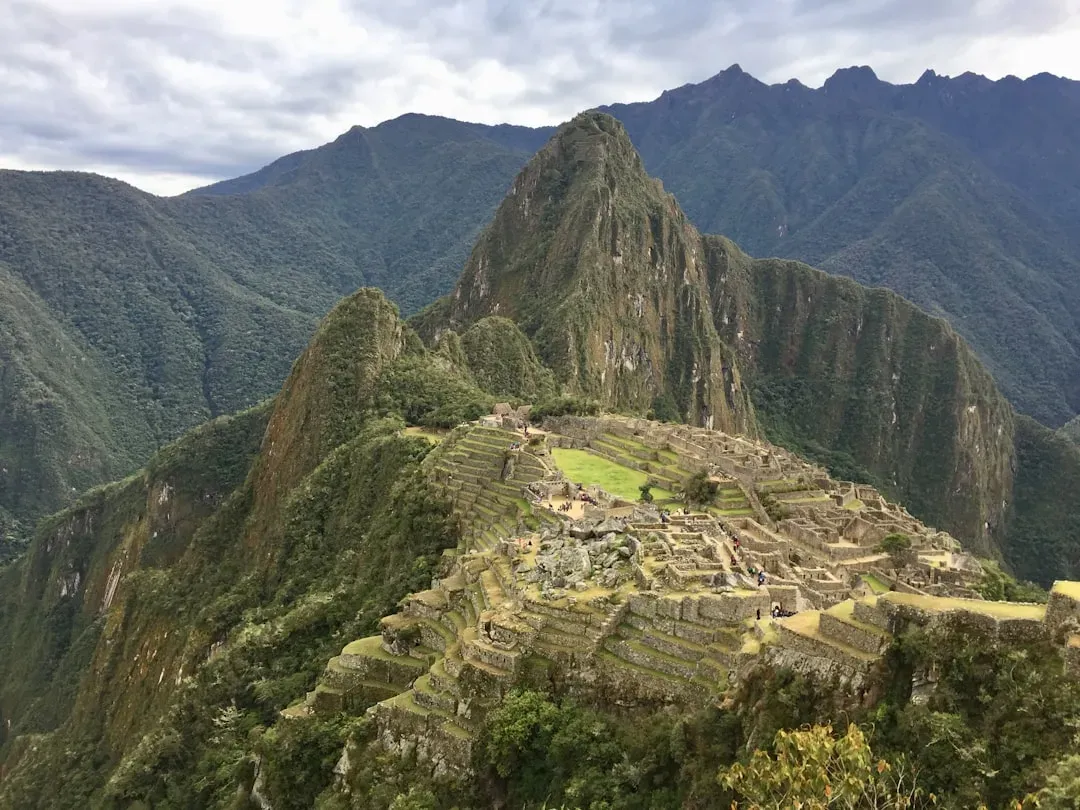
High in the Peruvian Andes, Machu Picchu looks almost like it grew out of the ridgeline instead of being built on it. Terraces step down the slopes in careful arcs, channelling water and stabilizing the soil, while buildings cling to knife‑edge ridges that drop away into deep valleys. You know the Inca lacked wheels for heavy transport and pack animals capable of hauling huge loads, yet they moved finely cut stones up steep paths and assembled them into walls that still resist landslides and tremors.
Engineers can admire and even describe individual features like the drainage systems or the way the terraces distribute weight, but piecing together the full construction process is another matter. How did builders plan this entire site in such an unforgiving landscape without modern survey instruments, and how did they coordinate material, food, and labor for years at altitude? You can list possible answers, but you still do not have a step‑by‑step playbook that lets you recreate Machu Picchu from scratch with only the tools and materials the original builders had.
The Hypogeum of Ħal Saflieni: An Underground Labyrinth in Stone
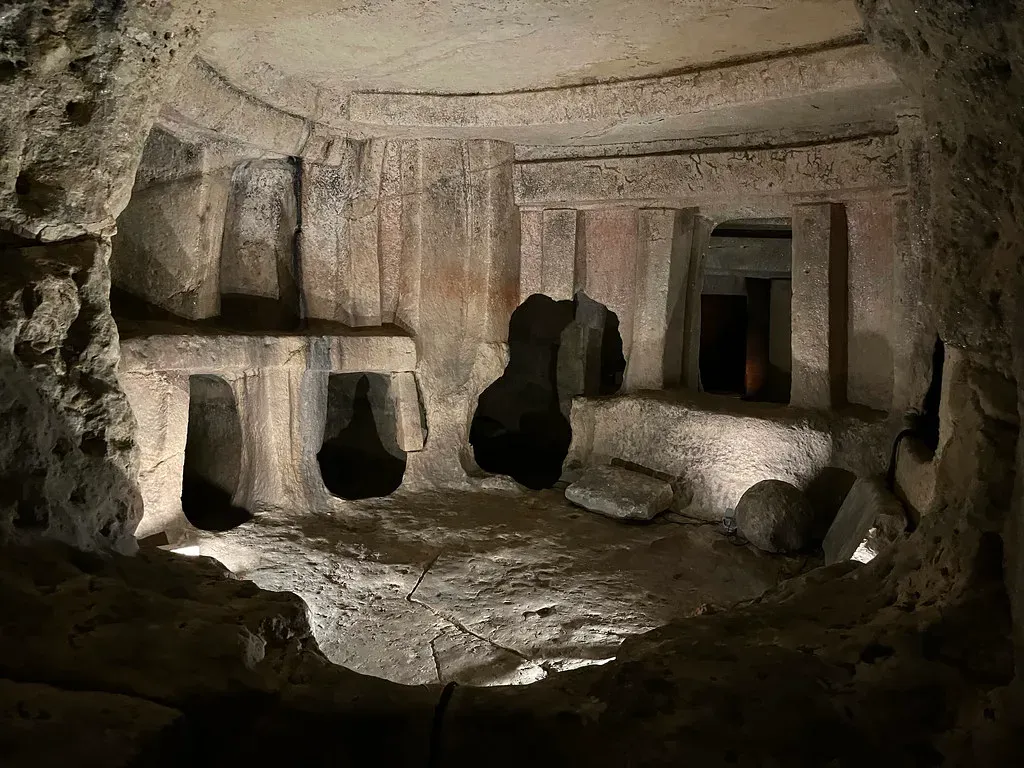
On the island of Malta, you find the Hypogeum of Ħal Saflieni, an underground complex carved out of solid limestone that feels more like a dream than a real place. As you descend, you move through chambers, corridors, and sculpted features that echo the architecture of above‑ground temples, but everything is hollowed directly from the earth. Some rooms have carefully worked curves and niches that would be challenging even for modern contractors working in a confined basement.
Archaeologists can date the Hypogeum and connect it to the island’s broader temple culture, yet the exact methods of excavation and planning remain uncertain. Imagine trying to map, ventilate, light, and structurally stabilize such a maze only by firelight and touch, while also maintaining alignment with features at the surface and perhaps with celestial markers. You can hypothesize about chisels, antler picks, and an army of workers, but you still lack a clear, experimentally tested account of how people at that time translated a mental design into such a complex subterranean reality.
The Nazca Lines: Geoglyphs For An Unknown Audience
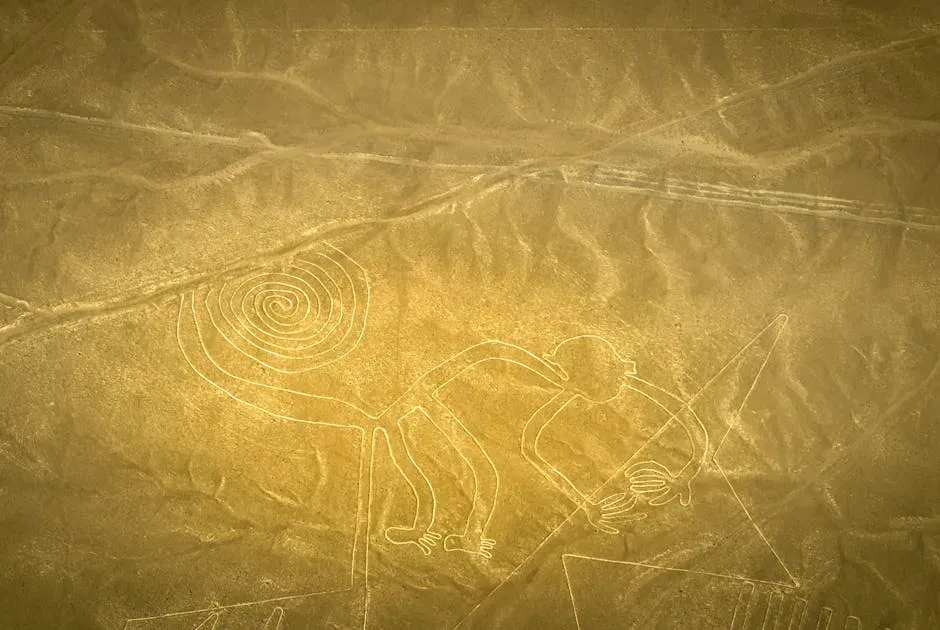
In the Peruvian desert, the Nazca Lines stretch out across a plateau like an enormous sketchbook. From the ground, you mostly see shallow furrows in gravelly soil, but from above, animal figures, geometric shapes, and arrow‑straight lines appear, some running for kilometers. You are told that the Nazca people, without any known ability for flight, laid out these designs by removing darker surface stones to reveal lighter soil underneath, and basic surveying techniques can explain parts of that process.
What you still do not fully understand is the entire construction ritual: how they maintained scale and alignment across such long distances, why certain shapes were chosen, and how these lines fit into their worldview beyond the broad idea of offerings or processional paths. Modern researchers have used drones, satellites, and computer modelling to catalog and analyze the lines, yet every time you think you have a neat explanation, another pattern or figure turns up that resists simple categorization. You are left with a kind of technological humility, realizing that even making a straight line several kilometers long in rough desert terrain without modern tools is a more demanding task than it sounds on paper.
Ollantaytambo: Terraces and Megaliths In Perfect Formation
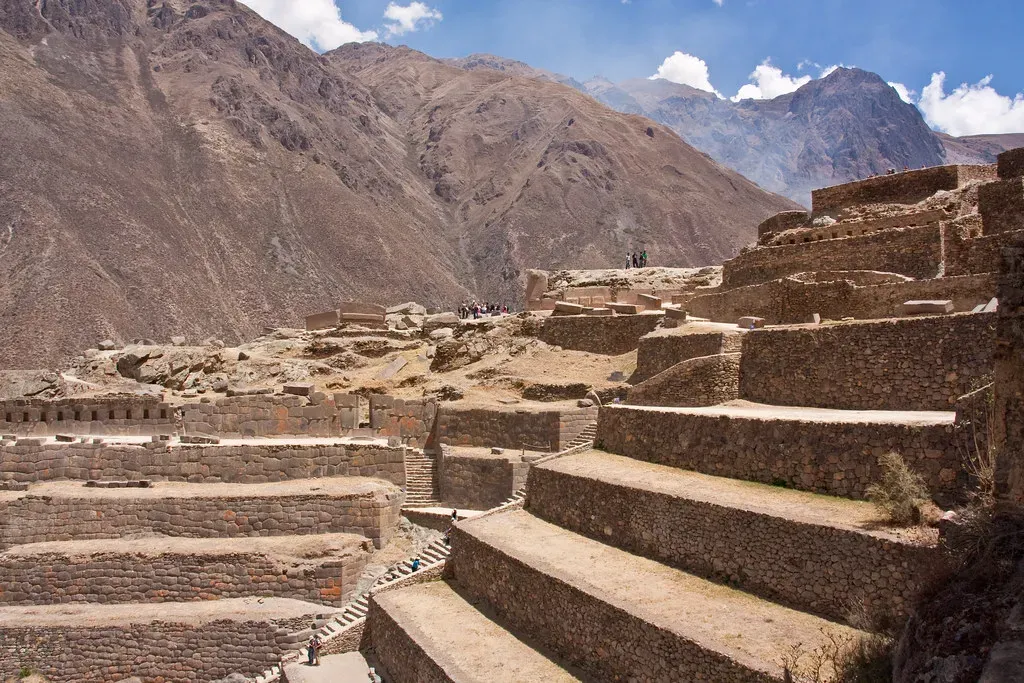
Back in the Sacred Valley of Peru, Ollantaytambo hits you with a one‑two punch of precision terraces and mysterious megalithic blocks. Terraced slopes climb the mountainside in rhythmic steps that manage water, soil, and temperature, while on a high platform stand massive, finely shaped stones that look abruptly abandoned mid‑project. You are staring at a place that served both as a fortress and a ceremonial center, where agricultural engineering and elite stonework collide in the same view.
Historians can tell you who controlled Ollantaytambo in late Inca times and how it figured in resistance to Spanish conquest, but the deeper story of its construction is cloudier. Moving multi‑ton stones from quarries across the valley, up steep switchbacks, and onto narrow ridges with no wheels or draft animals capable of such loads is still not fully resolved. You can watch modern demonstrations of dragging stones over log rollers, yet reproducing the entire chain of quarrying, transport, and final alignment with comparable efficiency remains an open challenge for anyone who thinks ancient Andean engineering was simple.
Naná Madol: A Stone City Floating On The Sea
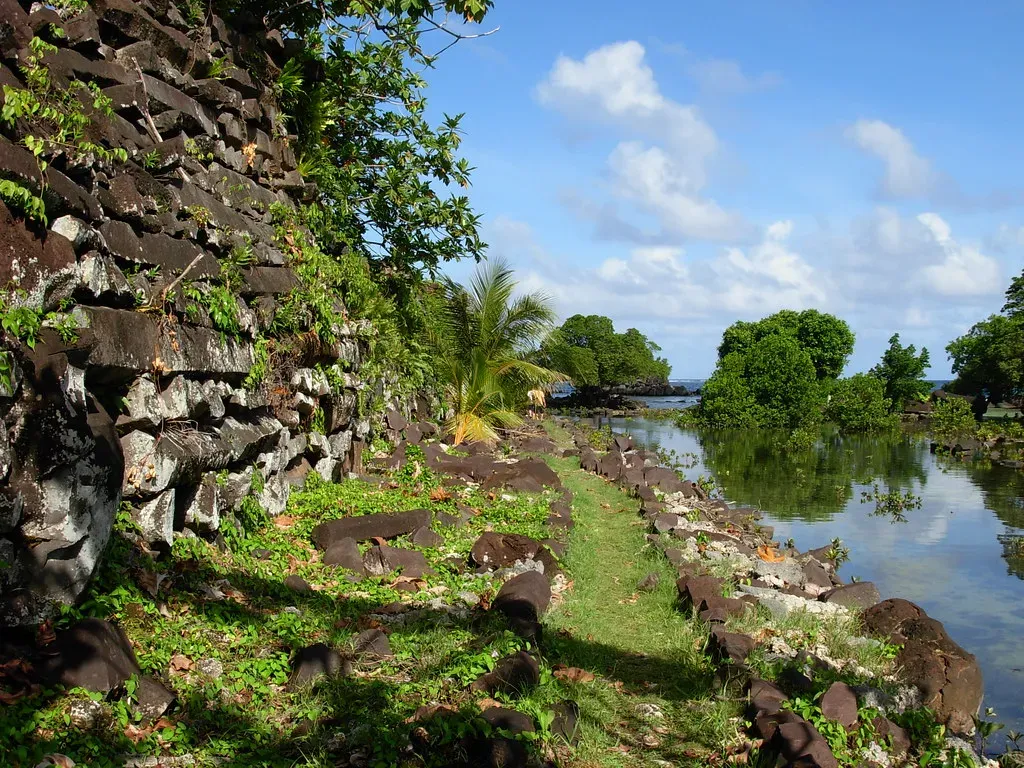
On the island of Pohnpei in Micronesia, Nan Madol looks like someone tried to build a stone Venice in the middle of a mangrove lagoon. The city consists of artificial islets made from coral fill, surrounded and topped by walls of prismatic basalt columns stacked like giant bundles of logs. You stand among canals, platforms, and walled enclosures and realize this was no small side project; it would have demanded enormous resources from an island population that did not have metal tools or large draft animals.
Researchers still debate exactly how the builders quarried, transported, and positioned the distinctive basalt columns, some of which are extremely heavy. Moving them across water in canoes or rafts, then lifting and interlocking them into stable walls on soft, saturated ground is not something you can easily model with a single diagram. You can list possible combinations of tidal timing, wooden sleds, and coordinated labor, but a fully worked‑out, field‑tested method that accounts for the scale of the whole complex continues to elude modern experimenters.
The Iron Pillar of Delhi: Rust Resistance Ahead of Its Time
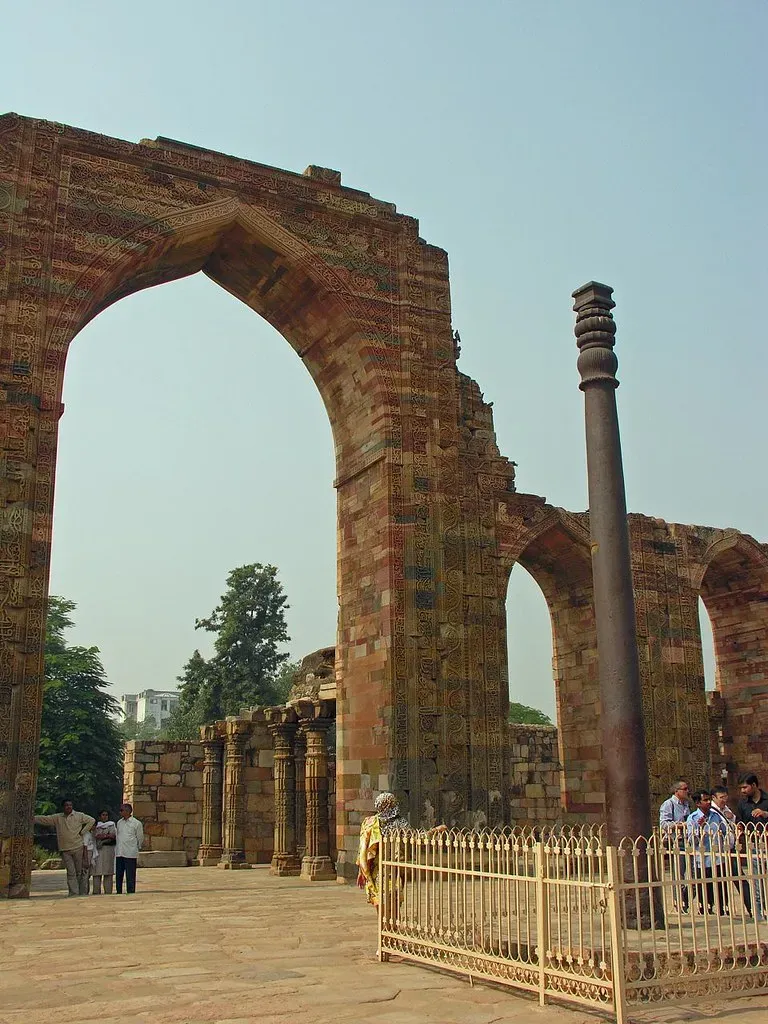
In Delhi, India, an iron pillar more than seven meters tall has stood for many centuries with surprisingly little corrosion, despite being exposed to monsoon rains and pollution. When you look at it, you are not baffled by the shape, which is straightforward, but by the metallurgy. Analytical studies show that the ancient smiths who forged and welded this large mass of iron inadvertently created a protective layer of compounds that slow down rusting far more effectively than most traditional ironwork.
Modern materials scientists can describe the microstructure of the metal and the role of certain elements and slag in forming that passive film, but what you still do not fully understand is how much of this was intentional knowledge and how much was the lucky outcome of a particular combination of ore, furnace design, and forging practice. You could probably reproduce similar corrosion resistance today using detailed lab data, yet the original makers achieved it without microscopes or modern chemistry, suggesting a level of empirical skill and process control that is easy to underestimate from the outside.
Cahokia’s Monks Mound: Earthmoving On An Epic Scale
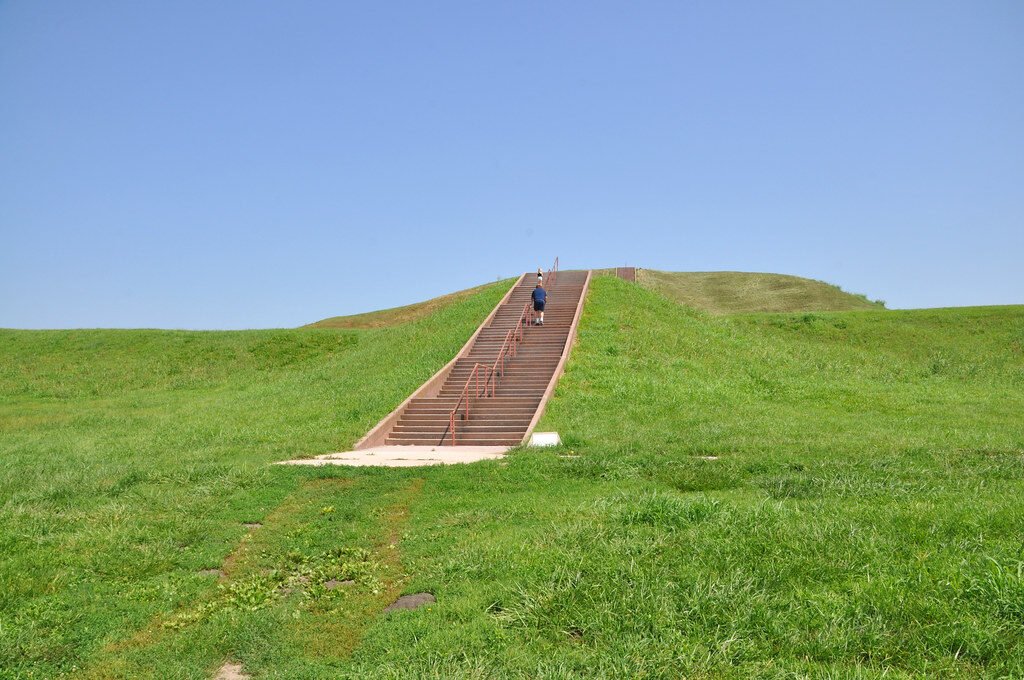
Near present‑day St. Louis in the United States, the Mississippian city of Cahokia once hosted tens of thousands of people, and at its heart rises Monks Mound, a huge earthen platform. You are not looking at stone blocks here, but a carefully layered, multi‑tiered mass of soil and clay, built up basket by basket over many years. Estimates suggest the total volume of earth rivals some of the smaller Egyptian pyramids, yet this was done with simple tools like woven containers, wooden spades, and human muscle.
Archaeologists understand the rough staging of construction, but you still lack a detailed map of how labor was organized across the region to create and maintain such a massive, stable form without it slumping away in the humid climate. The internal layering, drainage patterns, and alignment with other features at the site point to deliberate planning, yet no records survive explaining how surveyors and leaders coordinated the whole operation. When you try to imagine replicating Monks Mound today using only the same materials and tools, the sheer patience and social coordination required start to feel almost alien to your modern attention span.
Teotihuacán: A Planned City With Hidden Blueprints
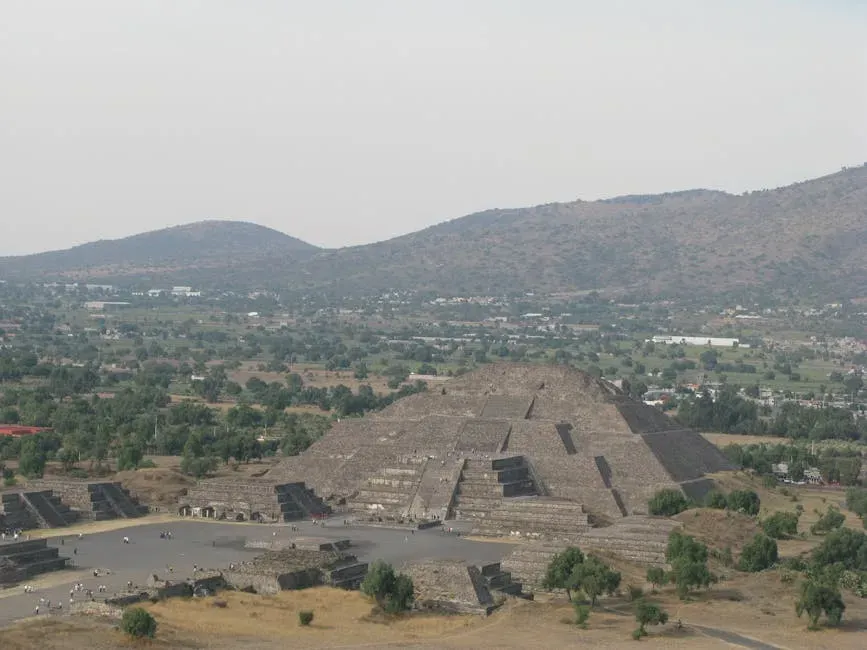
Just outside Mexico City, Teotihuacán spreads out in a grid of broad avenues, apartment compounds, and pyramids that still make you feel small. The Pyramid of the Sun and the Pyramid of the Moon dominate the skyline, neatly aligned along the so‑called Avenue of the Dead, with orientations that appear to link to celestial events and surrounding mountains. You are looking at a city planned at a scale and with a level of geometric control that would be impressive even for later empires with more formal bureaucracies.
Yet you still do not know who founded Teotihuacán, what language they spoke, or exactly how their engineers surveyed and executed such a large, precise layout. Excavations reveal tunnels, hidden chambers, and traces of complex water management, but the written explanations you wish you had either never existed in durable form or were lost. You can reverse‑engineer parts of the geometry, but the full system of technical knowledge that allowed a pre‑Aztec culture to design and construct this metropolis remains more inferred than truly understood.
The Osireion at Abydos: Deep Foundations With Unclear Methods
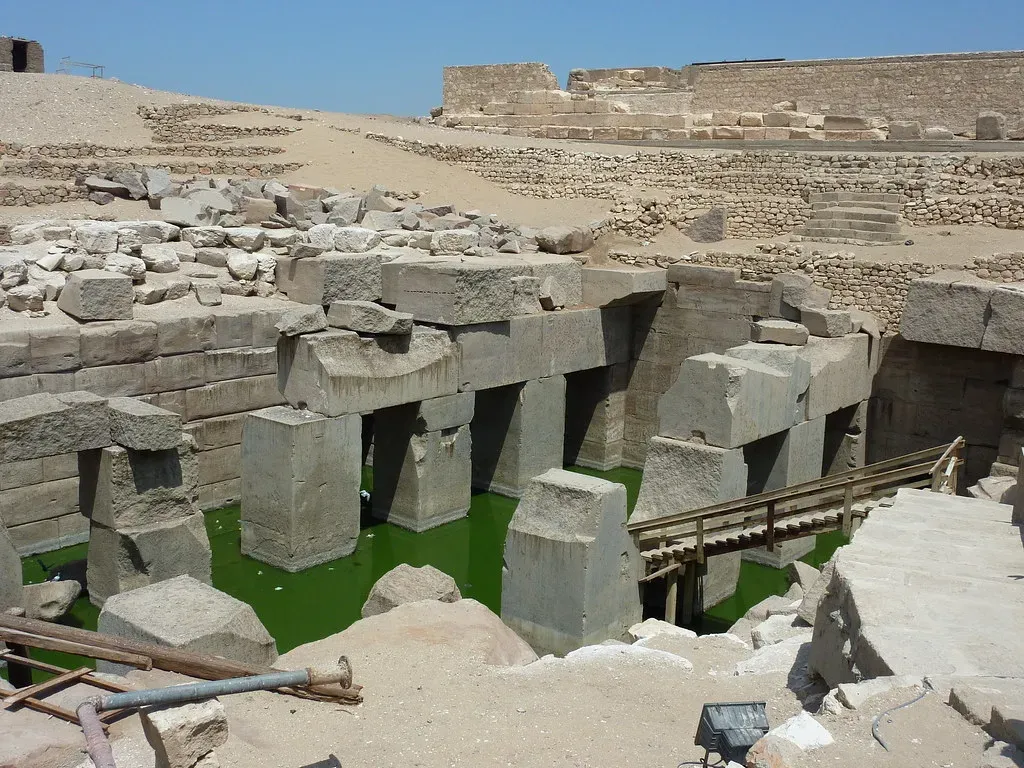
In Egypt, behind the temple of Seti I at Abydos, lies the Osireion, a subterranean structure made of huge granite blocks arranged around a central basin and channels. When you descend into it, you feel like you have entered a stripped‑down, almost megalithic machine room, where the emphasis is on raw mass and stark geometry. The stones are fitted carefully, and the whole thing sits below ground level, suggesting a sophisticated understanding of foundations and groundwater that is easy for you to admire but harder to fully reconstruct.
Scholars can place the Osireion within the broader context of New Kingdom religious architecture, yet questions remain about how the builders dug and stabilized such a deep chamber while manoeuvring multi‑ton blocks into place. Working at that depth, controlling water seepage, and ensuring structural integrity without modern pumps, cranes, or reinforced concrete is not a trivial challenge. You can picture ramps, levers, and a lot of labor, but the detailed means by which ancient Egyptian engineers planned and executed all of this underground still has significant unknowns.
The Yonaguni Underwater Structures: Natural, Human, Or Both?

Off the coast of Yonaguni in Japan, divers have discovered a series of underwater formations that look suspiciously architectural: terraces, sharp‑edged platforms, and steps that seem too regular to be accidental. When you look at photographs, your brain instinctively labels them as ruins, yet geologists and archaeologists argue over whether they are purely natural sandstone formations shaped by currents and fractures or whether human hands enhanced and carved them in some distant era before sea levels rose. You are trapped between two unsatisfying extremes: either nature alone produced something that looks uncannily man‑made, or a whole chapter of coastal prehistory is missing.
The fact that these structures lie underwater makes detailed investigation and excavation much harder, so your understanding is based on dives, sonar mapping, and limited sampling. Right now, you cannot say with certainty that Yonaguni is an ancient city, nor can you fully explain how every sharp corner and apparent stairway emerged only from natural forces. That limbo itself is part of the technological mystery: if humans did work these stones, they would have done so with tools and building practices in a maritime context that you still barely glimpse, and if they did not, you have to admit that geology can, at times, imitate architecture in ways that trick even experienced eyes.
Korean Dolmens: Thousands of Megaliths, Few Clear Answers
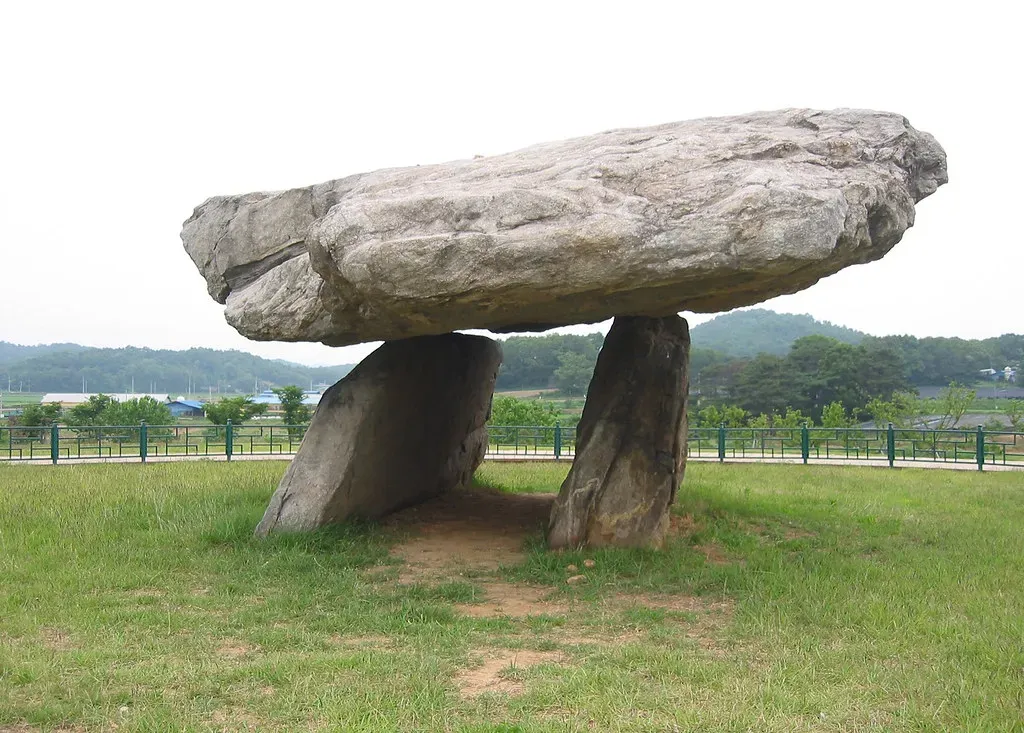
Across the Korean Peninsula, fields, hillsides, and ridges are dotted with dolmens: large stone tables made of upright supports and a flat capstone. There are tens of thousands of these structures, making this one of the densest megalithic landscapes on Earth. When you walk among them, you quickly realize this was not a fringe practice or a handful of elite monuments; this was a deeply rooted tradition that mobilized communities again and again to wrestle big stones into place.
Archaeologists can date many of the dolmens and link them to burial practices and social status, but you still lack a full, detailed understanding of how such a widespread, consistent building habit was organized without leaving more explicit records. Moving and lifting heavy capstones onto supports requires very specific techniques, and while simple lever and ramp methods can explain the physics in principle, the exact choreography of manpower, tools, and local variations remains thinly documented. You see the results everywhere, but the technological playbook that allowed ancient Koreans to repeat this process at scale has mostly vanished into oral traditions that were never written down.
The Antikythera Mechanism Housing: A Lost Tradition of Precision Crafting
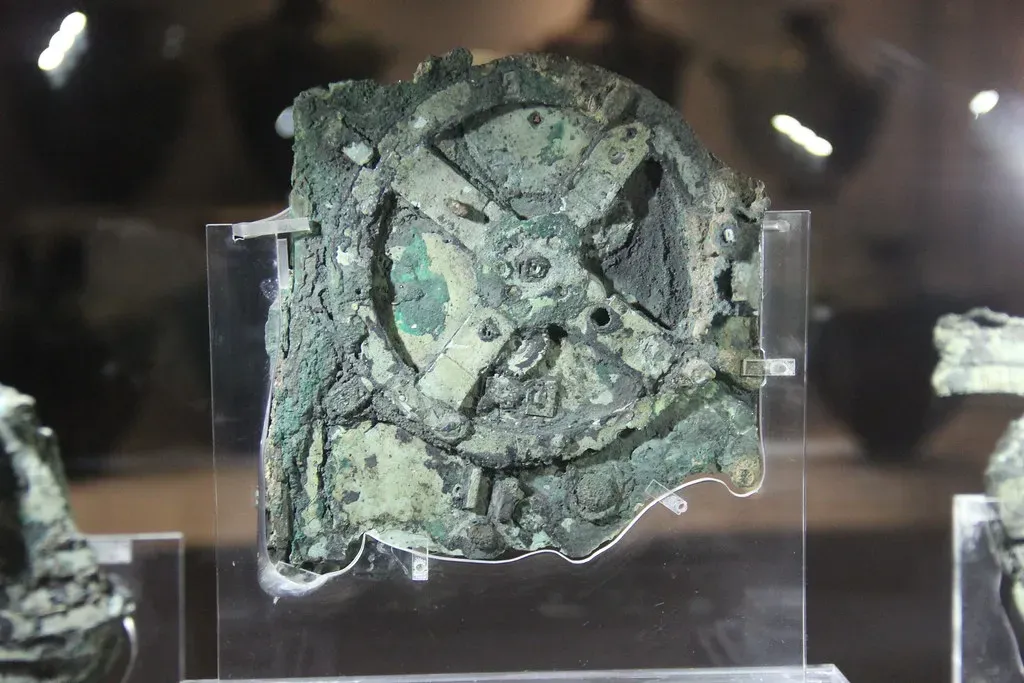
Strictly speaking, the Antikythera Mechanism is an artifact, not a building, but its original housing and the tradition behind it point to a kind of architectural thinking in miniature. Recovered from a shipwreck off Greece, the device’s surviving gears and dials show that someone, around two thousand years ago, designed a mechanical computer to track celestial cycles with remarkable accuracy. You can see this as a tiny, portable version of the same drive for alignment and prediction that shaped many ancient monuments.
Modern researchers have used X‑ray imaging and computer reconstructions to propose how the mechanism worked, but you still do not know who made it, how common such devices were, or what workshops and tools supported this level of metalworking precision. To build and calibrate something like this, craftspeople needed a culture of fine measurement, standardization, and theoretical knowledge that you have only glimpses of in surviving texts. The fact that such a complex, gear‑driven object could appear, then disappear from the archaeological record for centuries, shows you how incomplete your picture of ancient technological capability still is.
Conclusion: What These Ruins Really Say About You
When you pull all of these sites together in your mind, a pattern emerges that is less about aliens or lost super‑science and more about a humbling truth: humans just like you, without modern machines, regularly pulled off feats of engineering and coordination that still stretch your understanding. In almost every case, you can sketch out plausible methods using simple tools, but when you try to nail down every step with experiments and data, gaps appear. Those gaps are not proof of something supernatural; they are proof that your knowledge of the past is patchy, your evidence incomplete, and your imagination still catching up to what determined communities can do over generations.
If there is one big takeaway for you, it is this: you are not the pinnacle of history, you are part of a long, uneven story of problem‑solving where knowledge is gained, refined, and sometimes lost. The stones, mounds, and mysterious alignments that survived are not just puzzles to entertain you; they are reminders that human creativity, patience, and organization can produce results that outlive their own instruction manuals. As you look at these seventeen ancient structures, maybe the most unsettling and inspiring question is not how they did it, but what equally impressive things your own civilization is building now that people thousands of years from today will struggle to understand – what do you think they will find hardest to believe about you?