
Walk into almost any museum and you’ll see it: a moment where your modern brain quietly short-circuits. You stare at a polished stone vessel thinner than your phone’s case, or a metal pillar that refuses to rust after thousands of years, and you realize… we still do not fully know how they did this. For all our satellites, apps, and AI, there are ancient artifacts that sit there like a challenge across time, calmly defying our best attempts to copy them exactly.
Engineers can approximate a lot of these wonders with modern tools, but “close” is not the same as “identical.” The tolerances, the materials, the scale, or the unexplained techniques still leave gaps we cover with educated guesses. That gap is where the magic – and frustration – lives. Let’s walk through twenty-seven of the most provocative examples, and you can decide for yourself how comfortable you are with the idea that the past still has secrets it refuses to give up.
1. The Antikythera Mechanism
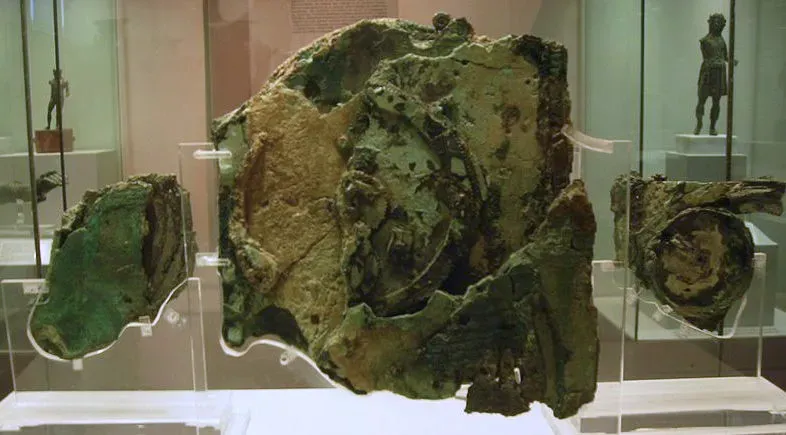
Imagine finding what looks like a crusty lump of bronze in a shipwreck, only to discover it’s a mechanical computer from over two thousand years ago. That’s the Antikythera mechanism, an ancient Greek device that modeled the motions of the sun, moon, and possibly planets using a dense network of precision-cut gears. Even today, watchmakers and mechanical engineers shake their heads at just how advanced its design and miniaturization were for its time.
We can rebuild something that imitates its function, sure, but replicating its exact gear layout, manufacturing methods, and original accuracy remains tricky. The bronze gears, some with extremely fine teeth, suggest a level of routine craftsmanship in Hellenistic Greece that we simply do not see anywhere else in the archaeological record. In other words, this device hints at an entire lost industry of precision engineering – one we can glimpse, but not fully reconstruct.
2. Damascus Steel Blades
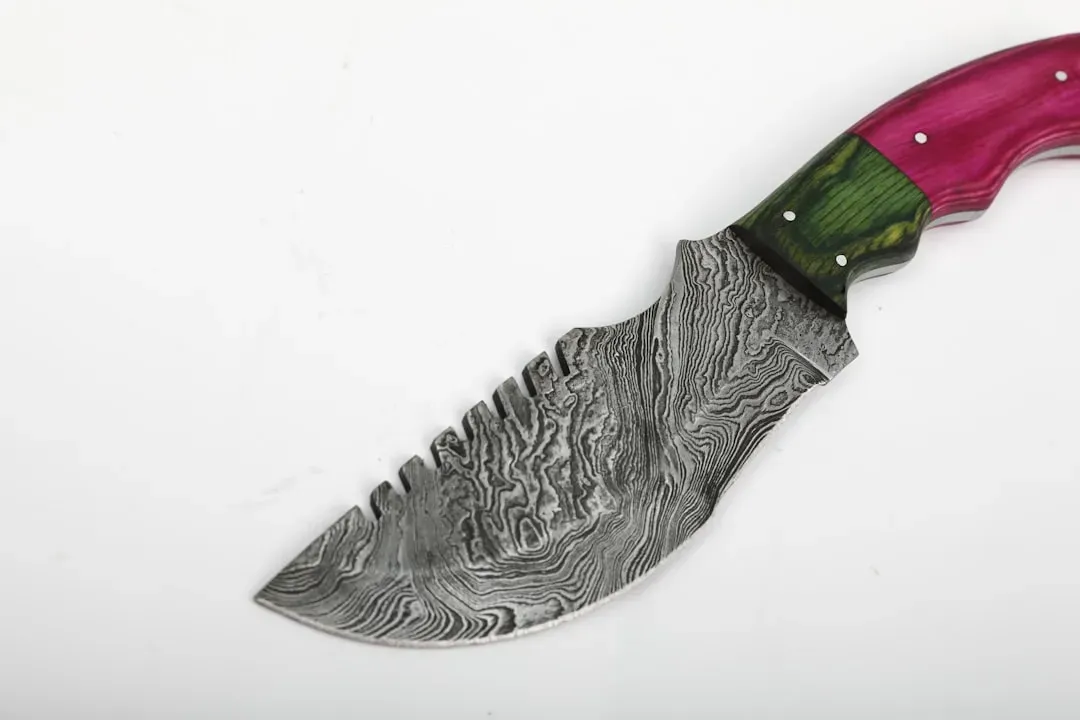
When people talk about legendary swords that slice through helmets or silk scarves in midair, they are often thinking of Damascus steel. These blades, produced centuries ago in the Middle East, were famed for their incredible hardness, flexibility, and swirling, watery patterns. Modern metallurgists have analyzed surviving examples and found complex microstructures with carbon nanotube-like formations and specialized layering that are far from trivial to reproduce.
We can make impressive modern steels and even approximate the look of Damascus patterns, but the original process relied on tightly controlled, somewhat mysterious methods of smelting and forging crucible steel. The raw materials and subtle craft secrets were passed down in workshops and then disappeared when trade routes and political realities changed. Engineers today can get “close enough” performance-wise, but an exact recipe and process – down to the precise impurities, folding routines, and firing cycles – remains elusive.
3. Roman Concrete Harbors

Walk along coastal ruins around the Mediterranean and you can still see Roman harbor structures standing in the sea, exposed to waves and salt for nearly two millennia. Modern concrete, by contrast, often starts crumbling in a human lifetime when seriously abused by seawater. The Romans used a mix of volcanic ash, lime, and aggregates that not only hardened underwater but also grew stronger over time through rare mineral formations.
Researchers have identified key ingredients – like specific volcanic materials and the formation of resilient crystals in the concrete matrix – but turning that into a scalable, reliable modern recipe is not simple. Our construction industry is geared around Portland cement, global supply chains, and different durability targets. To truly replicate Roman marine concrete, in both performance and long-term self-healing behavior, would require rebuilding an entire materials ecosystem we have never fully committed to recreating.
4. Egyptian Precision Stone Vessels
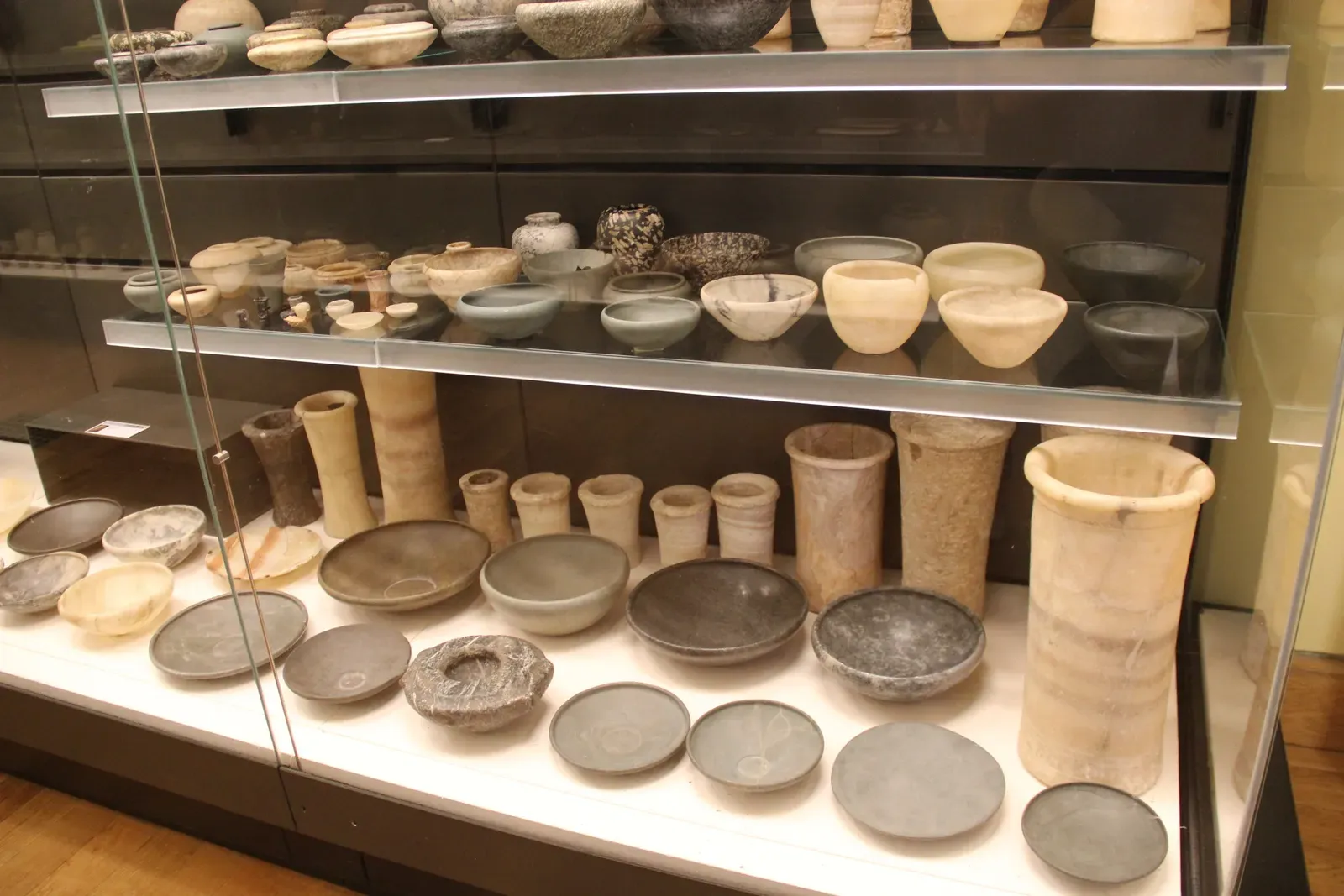
In museums from Cairo to Berlin, you’ll find ancient Egyptian stone vessels with paper-thin walls and perfectly symmetrical interiors. Many of these are carved from hard stones like diorite, granite, or schist – materials that even modern stoneworkers consider stubborn and time-consuming. Some bowls and vases are so evenly hollowed that their thickness is almost uniform all the way around, suggesting astonishing control and feedback during carving.
Could we reproduce one with CNC machines and diamond tools today? Technically, yes. But the real puzzle is how they did it thousands of years ago, at scale, apparently with copper tools, abrasives, and human labor. We do not have a fully agreed-upon, experimentally demonstrated workflow that explains the speed, precision, and quantity of these artifacts, all without leaving obvious machining marks that match our expectations. Until we do, these vessels quietly mock our confidence in “we know how they did it.”
5. The Great Pyramid’s Construction Precision

The Great Pyramid of Giza has been argued to death, but even after all the debates, one fact remains: its alignment and construction tolerances are incredibly tight. The base is nearly level, the sides are oriented close to the cardinal directions, and huge stone blocks are fitted with joints so precise you can barely slip a blade between them. We can design and build more complex structures now, but doing this with copper tools, sledges, and manpower still raises eyebrows among engineers.
Modern construction can of course create accurate pyramids using lasers, GPS, and heavy machinery. The challenge is replicating the original process, at that scale, with ancient constraints and within the historically plausible timeframes. No full-scale experimental project has convincingly mirrored the logistics, workforce coordination, quarrying, transport, and placement of millions of blocks to the same standard. Until someone funds a serious attempt, the pyramid’s combination of size and exactness sits in a category of its own.
6. Greek Fire
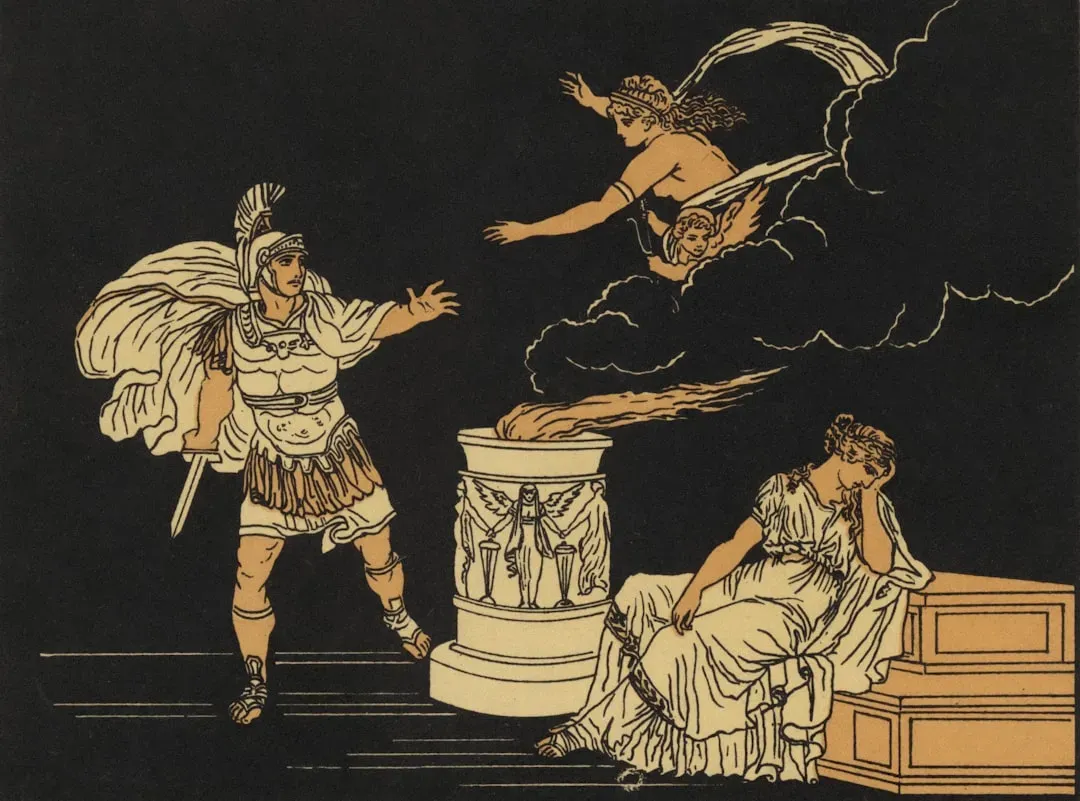
Greek Fire was the medieval weapon that terrified entire navies: a burning liquid allegedly capable of igniting on water and sticking to ships and flesh. Byzantine sources describe it being projected from tubes or siphons, and it was considered such a strategic secret that its formula vanished when the empire did. Historians and chemists have proposed combinations of petroleum, resins, sulfur, and even quicklime, but there is no consensus formula that behaves exactly as described.
Modern incendiaries are far more destructive, but they do not answer the historical riddle: what, exactly, did the Byzantines mix, and how did they safely store and deploy it? Replicating Greek Fire is constrained not just by missing detail but by ethical and safety concerns, too. Engineers can simulate aspects in controlled experiments, yet the original recipe’s reliability and battlefield performance remain a ghost we can only chase from fragments of text and legend.
7. The Baghdad Battery
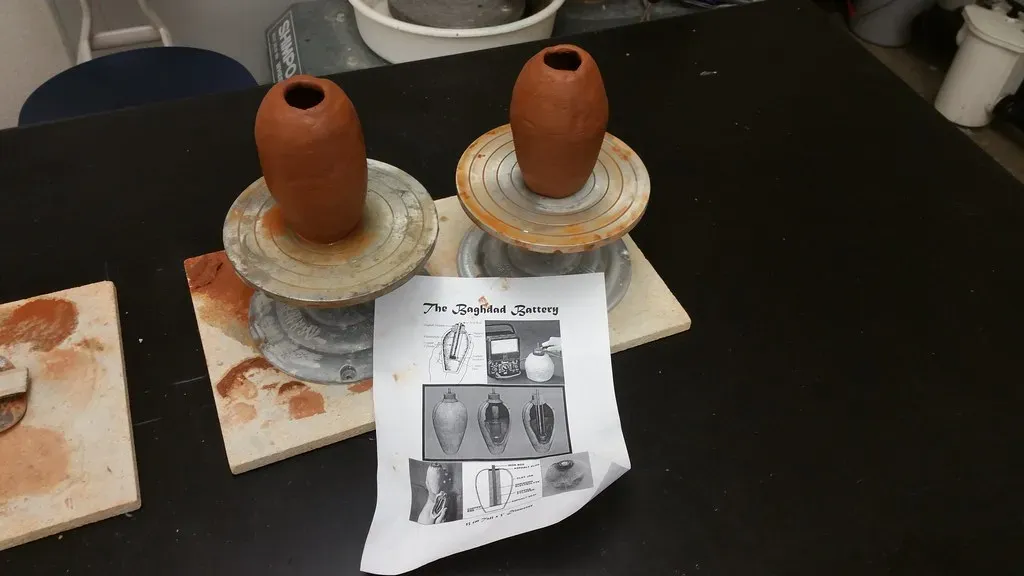
Unearthed near modern-day Baghdad, a small clay jar with a copper cylinder and iron rod inside has become famous as the so-called Baghdad Battery. If you pour an acidic liquid into such an arrangement, you can indeed generate a small voltage, enough perhaps to plate metal or give a mild shock. The idea that ancient artisans might have stumbled upon electrochemical principles long before modern science is tantalizing.
The real issue is that we do not know the original intent. Without clear evidence of wiring, consistent design, or associated devices, recreating it as a reliable “battery system” for practical use is largely speculative. Engineers today can build crude copies that function as simple cells, but that is not the same as reproducing an actual ancient technology with known applications and performance. The artifact sits on the border between normal pottery and lost lab equipment, and no one can push it decisively to one side.
8. The Lycurgus Cup’s Nanoglass
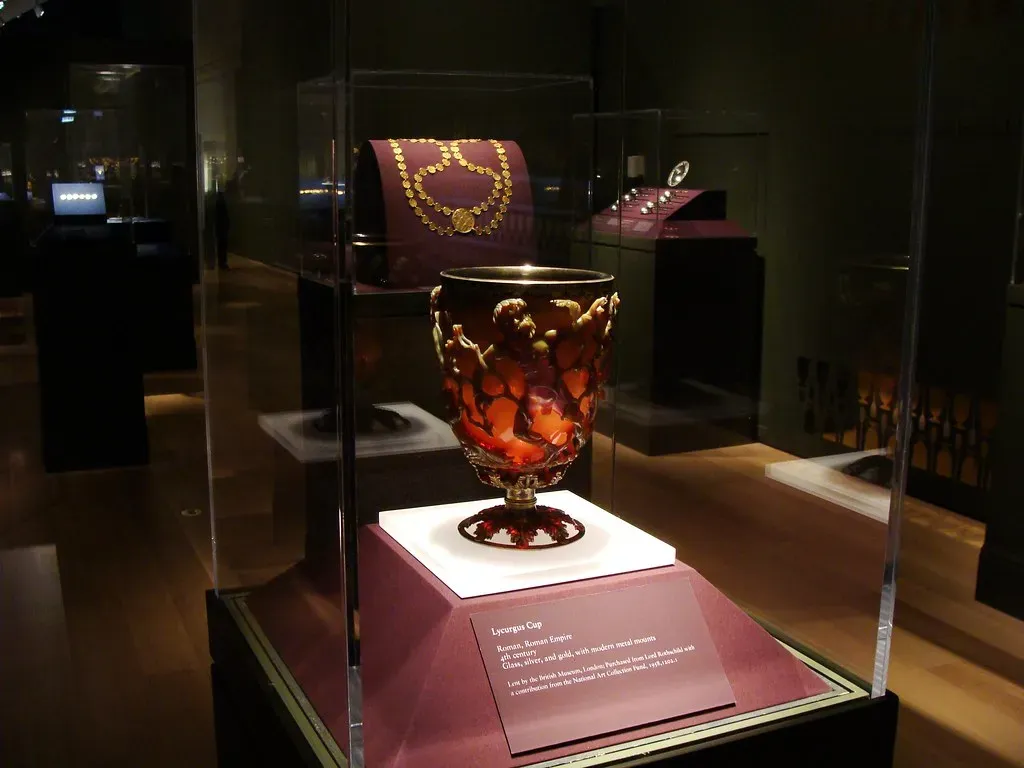
The Lycurgus Cup, a Roman glass masterpiece, changes color depending on how light hits it – greenish when lit from the front, deep red when lit from behind. Under the microscope, it turns out this effect comes from tiny particles of gold and silver embedded in the glass, on the scale we now call nanotechnology. The artisans who made it clearly did not use the term “nanoparticle,” yet they achieved a sophisticated optical effect still studied by materials scientists.
We can reproduce dichroic glass today, but copying the exact distribution, concentration, and controlled optical properties of that specific cup is another matter. It likely resulted from a mix of empirical craft knowledge, lucky accidents, and painstaking iteration in Roman glass workshops. Engineers can create lab samples with similar behavior, but an accurate reconstruction of the original production line – from raw materials to furnace atmosphere – remains more guesswork than certainty.
9. The Iron Pillar of Delhi
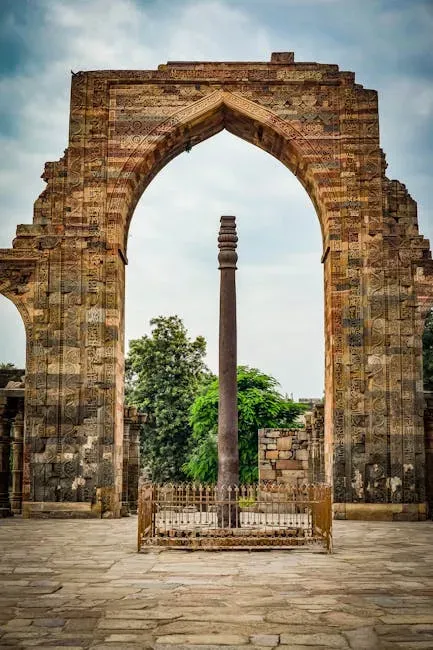
Standing in Delhi for around sixteen centuries, the Iron Pillar has resisted corrosion far better than most modern iron structures exposed to the elements. Made of almost pure wrought iron and standing several meters tall, it should, by normal expectations, show heavy rust and structural damage by now. Instead, only a thin protective layer has formed, helping preserve it through time.
Metallurgists have identified the role of its specific alloy composition and the formation of a stable iron hydrogen phosphate layer on its surface. However, recreating the full combination of materials, ancient smelting practices, forging methods, and environmental factors to achieve the same multi-century performance is not so straightforward. Our modern steels are designed around different priorities – cost, strength, weldability – rather than thousand-year corrosion resistance. Matching the pillar’s quiet longevity on purpose is still more aspiration than routine practice.
10. Olmec Colossal Heads
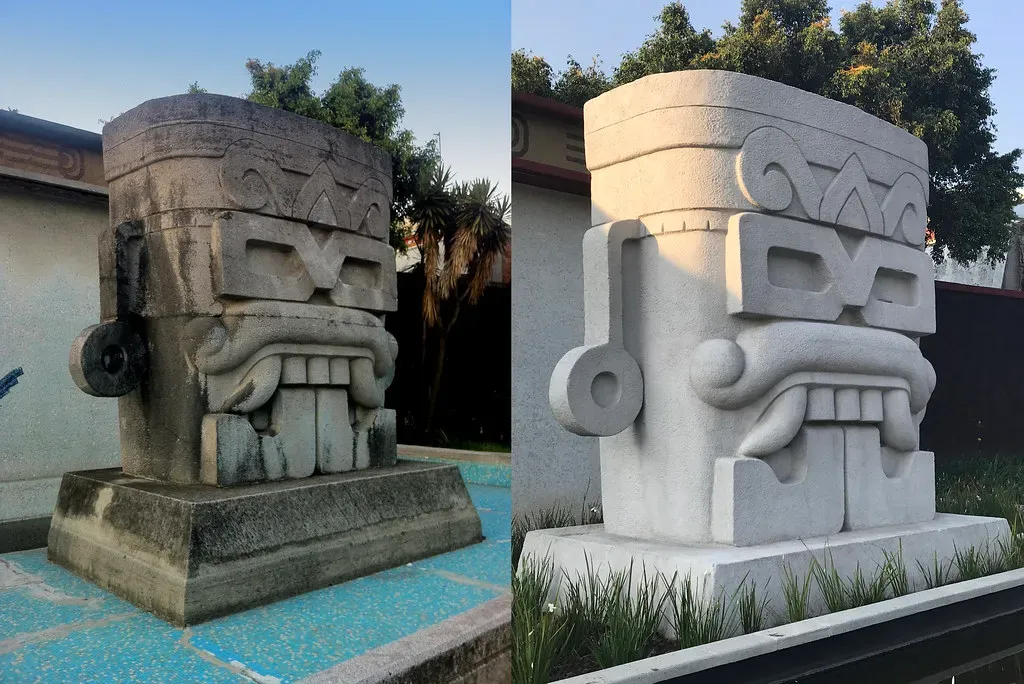
The Olmec civilization in Mesoamerica carved enormous basalt heads, some weighing many tons, with strikingly realistic facial features. These sculptures were often transported long distances from quarries to their final locations, across challenging terrain, and shaped with tools that were basic compared to modern stonecutting equipment. Their proportions, surface finish, and expressive detail stand out in any gallery of ancient art.
Engineers can certainly move and carve massive stones today, but recreating the entire chain – from quarrying to transport to final sculpting – using only locally plausible techniques is far from solved. Did they use log rollers, rafts, earthen ramps, or combinations we have not fully imagined? We can propose models and run simulations, but no single reconstruction has yet gained universal acceptance or been tested at full scale. The heads themselves keep their journey and workflow politely to themselves.
11. Nazca Lines’ Giant Geoglyphs
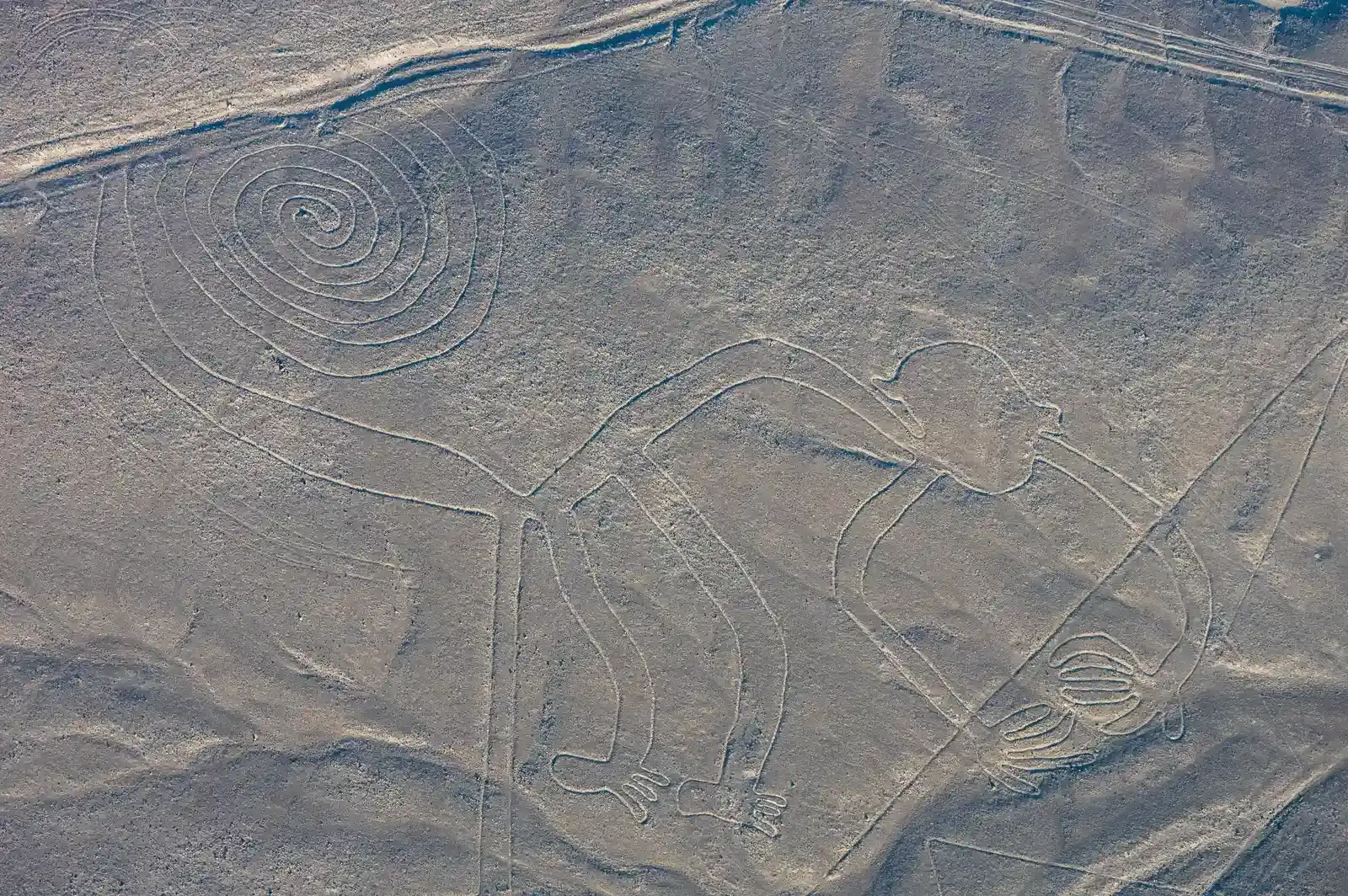
In the Peruvian desert, the Nazca Lines stretch across dry plains: enormous animal figures, straight lines, and geometric shapes visible clearly only from above. They were created by scraping away the dark surface stones to reveal lighter soil beneath. Technically, this is not high-tech engineering, yet the precision of the lines and scale of the figures raise hard questions about planning, surveying, and project management in a pre-airplane world.
Modern engineers still debate how the Nazca people designed and executed these shapes so accurately without aerial views. Experiments have shown that it is possible using grids, ropes, and simple sighting tools, but we cannot definitively replicate the original design process or cultural context. Our replicas work in theory, but the effortless elegance and sheer number of genuine Nazca figures remain unmatched by any modern large-scale recreation effort working under the same constraints.
12. The Trilithons of Baalbek
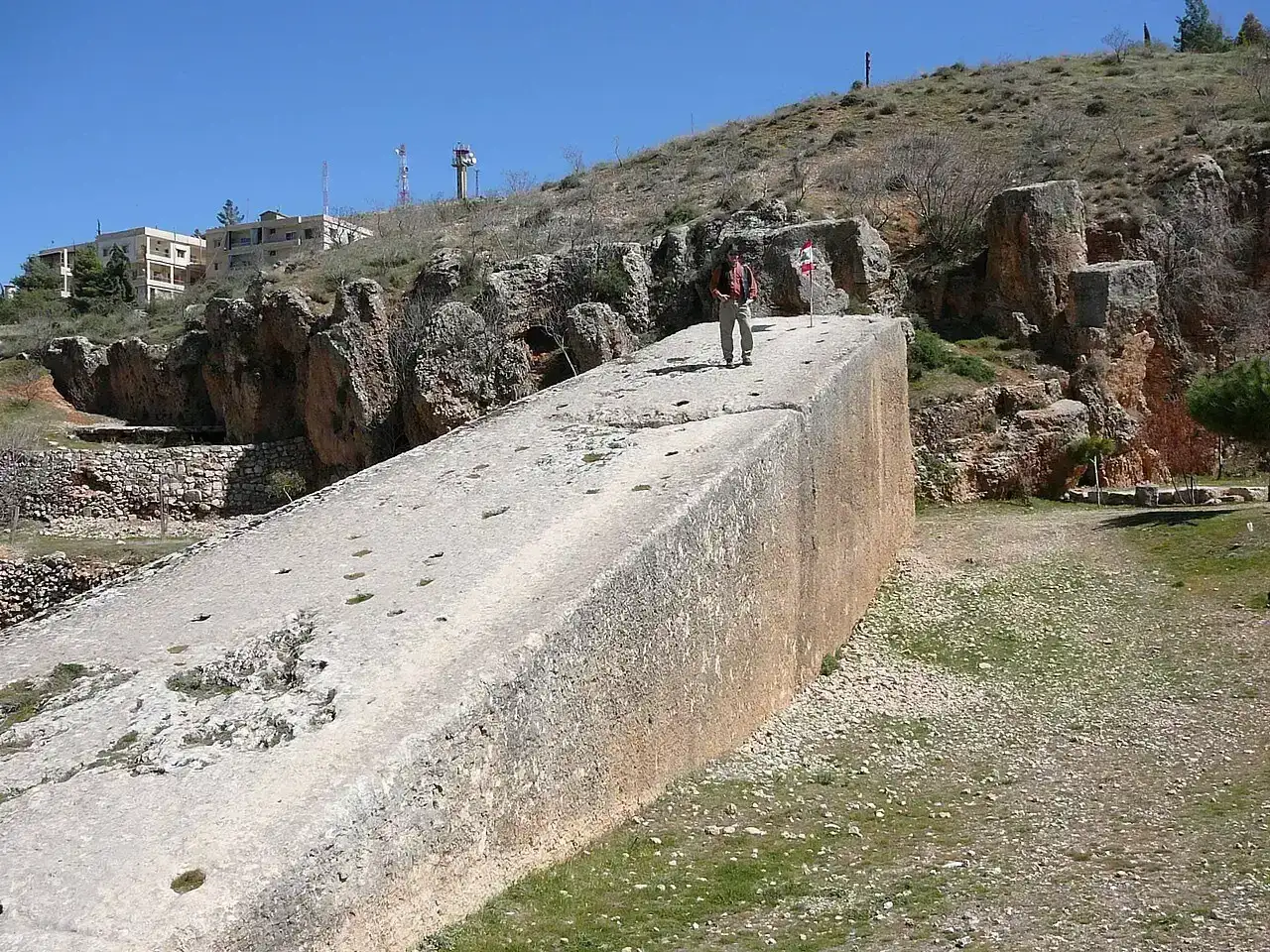
At the ancient site of Baalbek in Lebanon, huge stone blocks known as trilithons rest in a temple platform, each estimated to weigh hundreds of tons. Nearby, even larger stones lie abandoned in quarries, some of the biggest ever cut by human hands. Lifting, moving, and precisely positioning such masses are tasks that strain even modern cranes and transport equipment.
Engineers can theorize about ramps, rollers, sledges, and teams of workers, and we can move similar stones today, but often only with specialized industrial gear. Reproducing the entire operation using only historically plausible human and animal power, at the same rate and with the same accuracy, remains an open challenge. Until a full-scale experimental archaeology project takes it on, Baalbek’s trilithons continue to sit there, making our assumptions about ancient lifting technology feel uncomfortably small.
13. Inca Polygonal Stone Walls
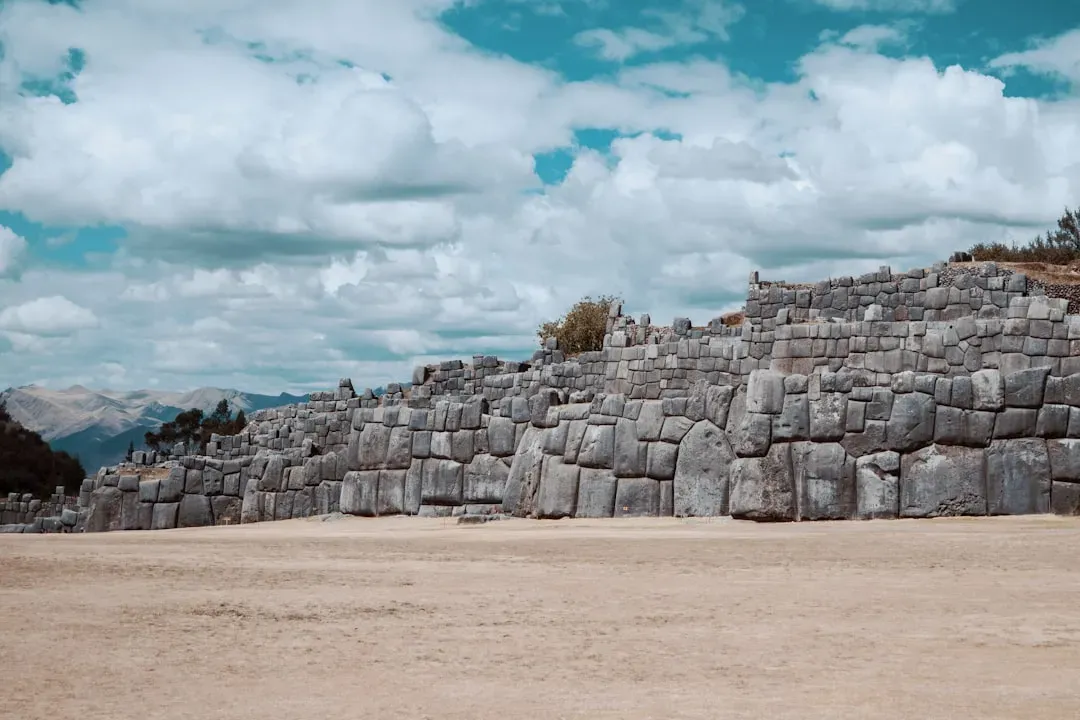
In the highlands of Peru, Inca walls at sites like Sacsayhuamán are made from massive stones fit together with bizarre, many-sided joints. These blocks interlock so well that traditional stories say you cannot slip a blade between them, and they have survived earthquakes that toppled far more “modern” structures. The stones appear to have been shaped individually to match their neighbors, creating a sort of three-dimensional, load-bearing jigsaw puzzle.
Modern engineers can model such walls with software and laser scanners, but building them by hand with the same fluid irregularity and structural performance is another story. We still debate how the Inca dressed and moved stones so accurately without iron tools or wheels, and no consensus, experimentally proven, full-scale technique exists. Our masonry tends to favor straight lines and uniform blocks; theirs bends to the landscape and still shrugs at tremors centuries later.
14. Puma Punku’s Precision Stonework
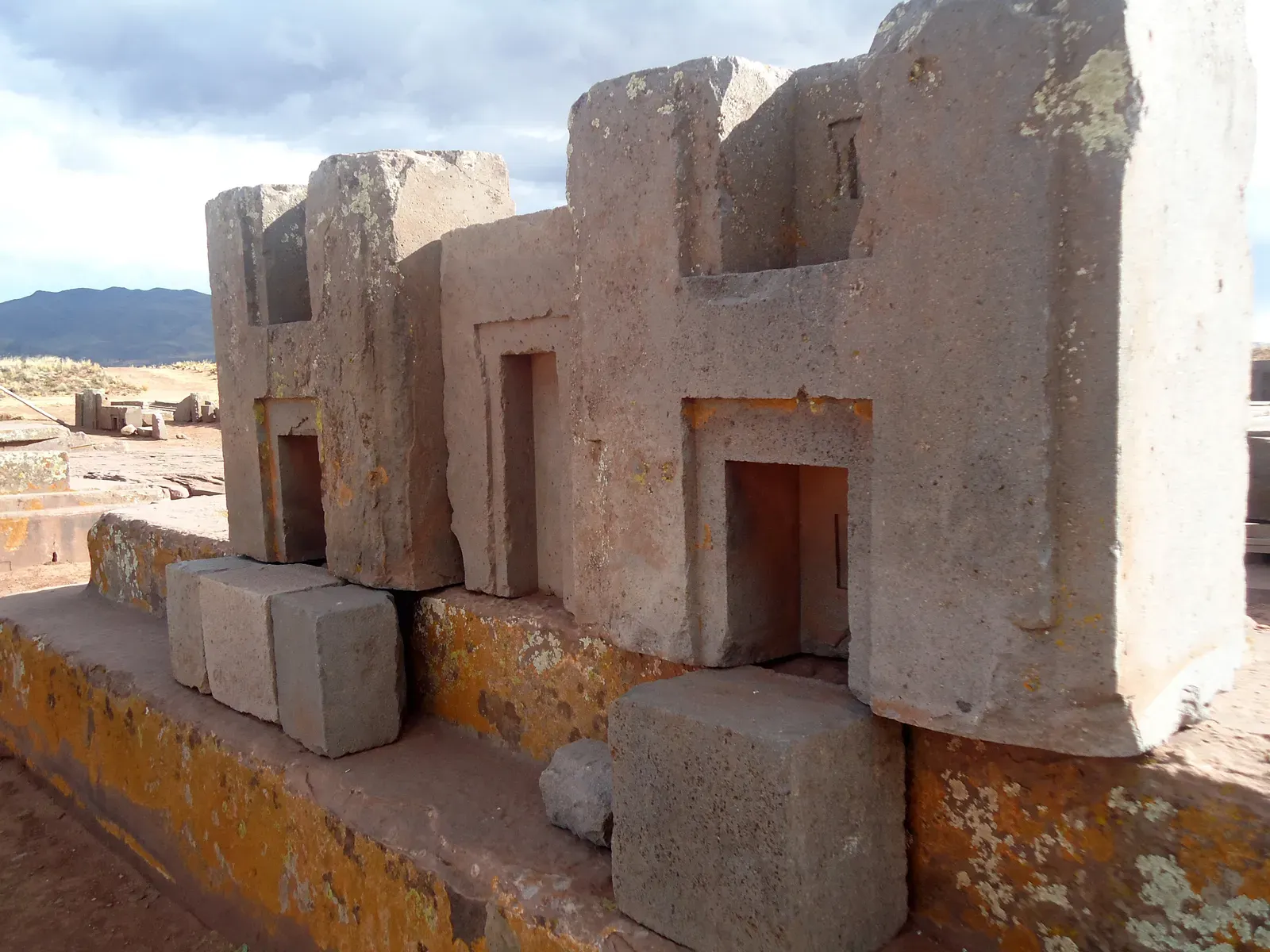
Puma Punku, part of the Tiwanaku complex in Bolivia, is famous for its H-shaped and intricately carved andesite blocks. Some of these stones feature grooves, right angles, and repeated patterns that look uncannily like something from a modern stone workshop. Visitors often remark that the cuts seem too sharp and uniform for “primitive” tools, sparking endless speculation.
Archaeologists and engineers have proposed plausible toolkits using stone hammers, abrasives, and straightedges, yet we still lack a widely accepted, detailed experimental demonstration that shows how the most complex blocks were shaped at scale. Machines today can copy the geometry with ease, but that dodges the heart of the puzzle. Until we can line up a complete, step-by-step process that matches the cultural and technological context, Puma Punku’s crisp edges will keep feeding both serious research and wild theories.
15. Chinese Han Dynasty Flexible Iron Swords
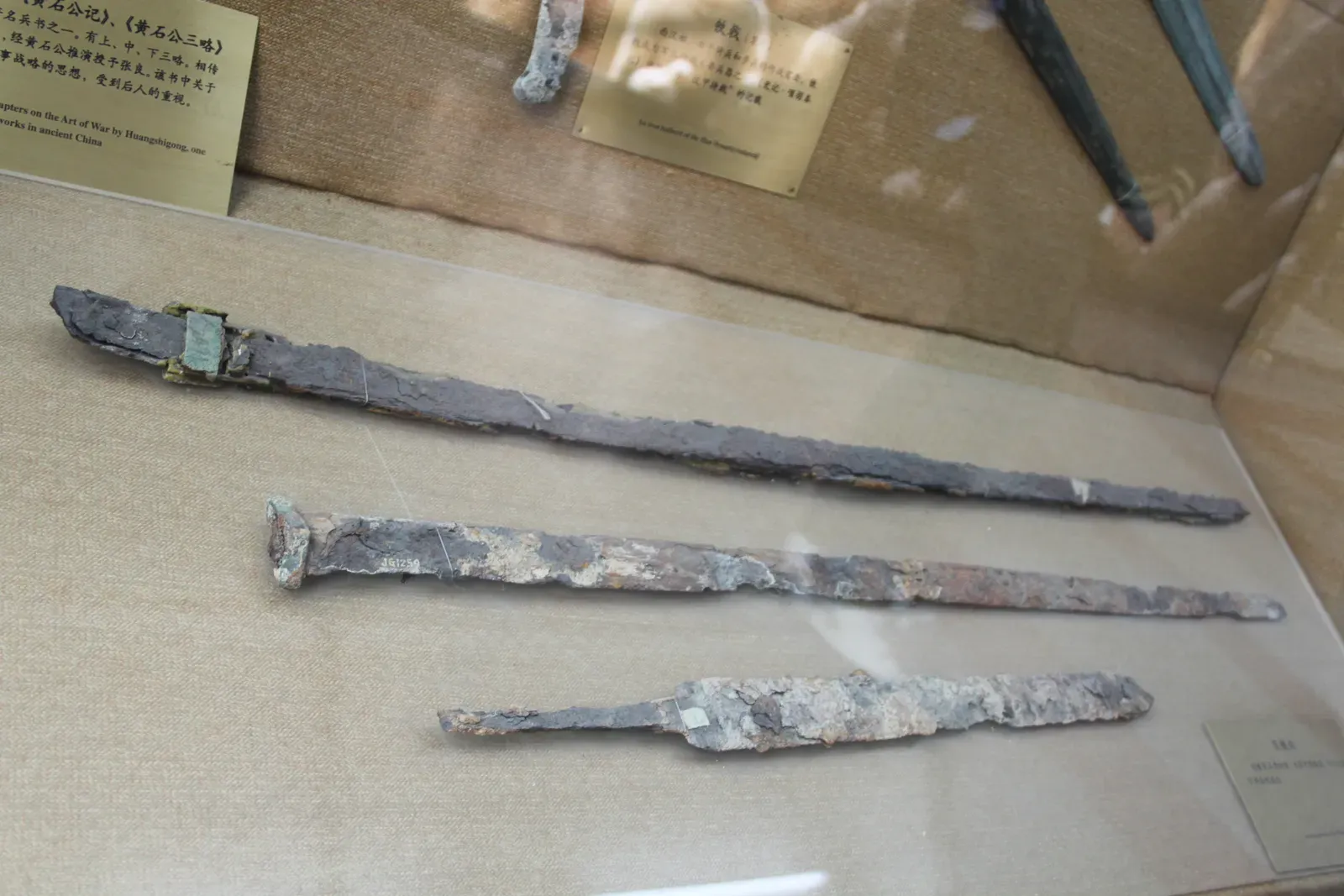
Accounts and some surviving artifacts from the Han Dynasty in China describe iron and early steel swords that could bend massively and spring back into shape without breaking. This combination of toughness and flexibility is something metallurgists still strive for in modern blades. Detailed analyses of some ancient Chinese weapons show sophisticated heat treatment, carbon control, and layering techniques already in play.
We can certainly make excellent modern swords with even better raw materials, but perfectly replicating a specific ancient blade’s microstructure, from ore to finished weapon, is a different challenge. The traditional smelting furnaces, charcoal fuel, ore chemistry, and exact forging sequences are not fully preserved in written form. When modern smiths try to copy them, they often end up with objects that behave similarly but not identically. Those subtle differences remind us how much craft knowledge can vanish when a few generations stop practicing it.
16. Mesoamerican Rubber Balls
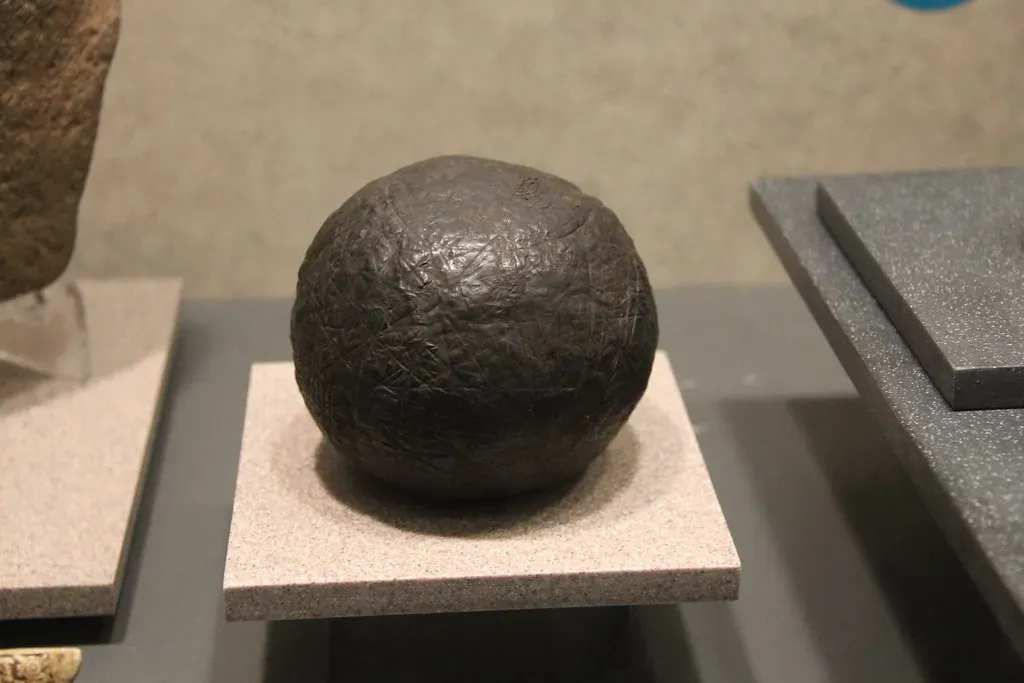
Long before vulcanized rubber, Mesoamerican cultures were producing rubber balls for ritual ballgames that bounced remarkably well. They mixed latex from rubber trees with plant juices and other additives to improve elasticity and durability. When European observers first encountered these games, they were stunned by how lively and resilient the balls were compared to anything in their own experience.
Chemists have managed to replicate some of these recipes in the lab, but reproducing the entire process – harvesting, mixing, curing, and shaping – exactly as done centuries ago is not fully settled. Different regions likely had their own variations, and the link between ritual knowledge and practical chemistry has been partially lost. Modern rubber manufacturing follows a completely different industrial logic, so these ancient balls sit as a reminder that advanced materials science can grow from forests and tradition, not only factories.
17. The Voynich Manuscript’s Inks and Pigments

The Voynich Manuscript is famous mostly for its unreadable text and strange illustrations, but its physical construction is equally intriguing. The parchment, inks, and pigments have lasted for centuries without the sort of fading and chemical breakdown that often plagues medieval books. Whoever made it combined ingredients in a way that was both durable and surprisingly consistent across the entire volume.
Conservators and chemists can identify many of the components, like iron gall ink and common pigments, but that does not mean we can fully replicate the original workshop method. Mixing ratios, preparation rituals, and environmental conditions all matter, and those are largely lost. We can make “something very similar,” yet a perfect copy that ages in the same way and behaves identically under all analytical tests remains out of reach. The book’s mystery extends from its script right down into its chemistry.
18. The Shroud of Turin’s Image Formation
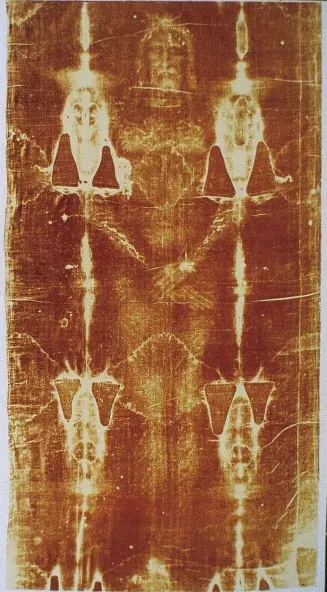
Leaving religious debates aside, the Shroud of Turin is a technical puzzle. Its faint image of a human figure appears mostly as a surface discoloration on the outer fibers of the cloth, not as paint soaked through. Numerous experiments have tried to reproduce that subtle, three-dimensional-looking image using heat, chemicals, light, or artistic methods.
So far, no single technique has convincingly matched all of its observed properties at once: the depth of coloration, the lack of clear brush strokes, the distribution along the weave, and its behavior under different imaging technologies. Engineers and physicists can get close with partial models, but a straightforward recipe that says “do this and you get that” has not been nailed down. Regardless of its age or origin, the shroud remains an artifact whose manufacturing process modern science has not definitively reverse-engineered.
19. Japanese Katana with Traditional Tamahagane

The Japanese katana has been romanticized to the point of myth, but even stripped of exaggeration, it is a remarkably sophisticated piece of metallurgy. Traditional swords are forged from tamahagane, a bloomery steel produced in tatara furnaces that run for days, feeding iron sand and charcoal. The smith then folds, welds, and differentially hardens the blade to create a sharp edge with a resilient spine, visible as the famous wavy hamon line.
Today, high-end bladesmiths can create katanas using modern steels that outperform many historical originals in raw numbers. Yet truly replicating an old master’s sword, using only period-accurate furnaces, ores, and tools, remains extremely demanding. The subtle interplay of temperature control, hammer blows, and intuition honed over decades is not easily coded into a replicable engineering procedure. At best, we approximate their art, knowing we are missing layers of nuance hidden in every clang of metal on metal.
20. Bronze Age Ultra-Thin Gold Objects
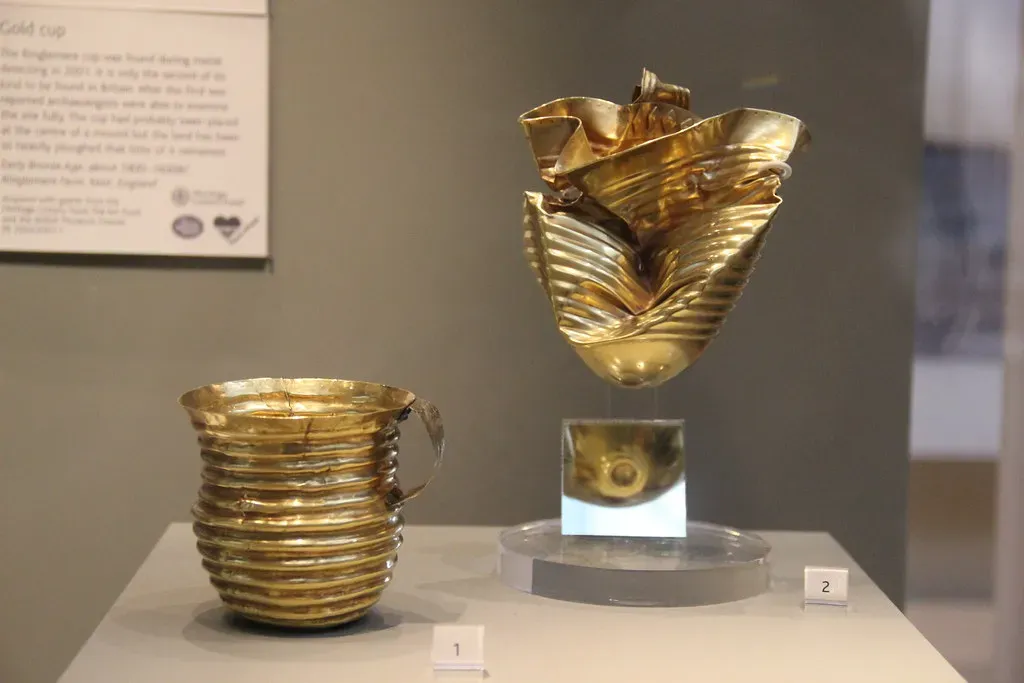
Across Europe and the Near East, Bronze Age sites have yielded gold hats, discs, and ornaments worked into astonishingly thin yet still coherent sheets. Some ceremonial gold hats are decorated with intricate patterns stamped into metal so delicate it seems it should tear under its own weight. The artisans managed to hammer, anneal, and emboss gold into forms that balance beauty with almost impossible fragility.
Modern jewelers and metalworkers can of course produce thin gold leaf and delicate objects, but matching the exact thickness, consistency, and decorative density seen in some of these artifacts is not trivial. When you try to reproduce them with similar tools and without modern rolling mills, you quickly run into the limits of what human hands can reliably do. These pieces suggest workshops where technique and patience stretched right up against the edge of what was physically possible – an edge we still respect.
21. Neolithic Stonehenge Transport and Jointing

Stonehenge’s big mystery is not just its circle of stones, but how those stones got there and how neatly they fit together. Some of the bluestones came from quarries many kilometers away, and the massive sarsens were lifted into place with mortise-and-tenon joints and tongue-and-groove connections carved into rock. It is like a giant stone carpentry project built long before metal saws were common.
Engineers have proposed sledges, rollers, waterways, and earthen ramps, and small-scale experiments have shown that moving huge stones with enough people is possible. But we still lack a reenactment that strings all the stages together at full scale, with realistic labor and time constraints, to produce a comparable monument. As for the precise jointing, our theories rely on tests and models rather than a fully documented, repeatable ancient method. The end result is that Stonehenge still feels half construction site, half riddle.
22. The Nebra Sky Disc
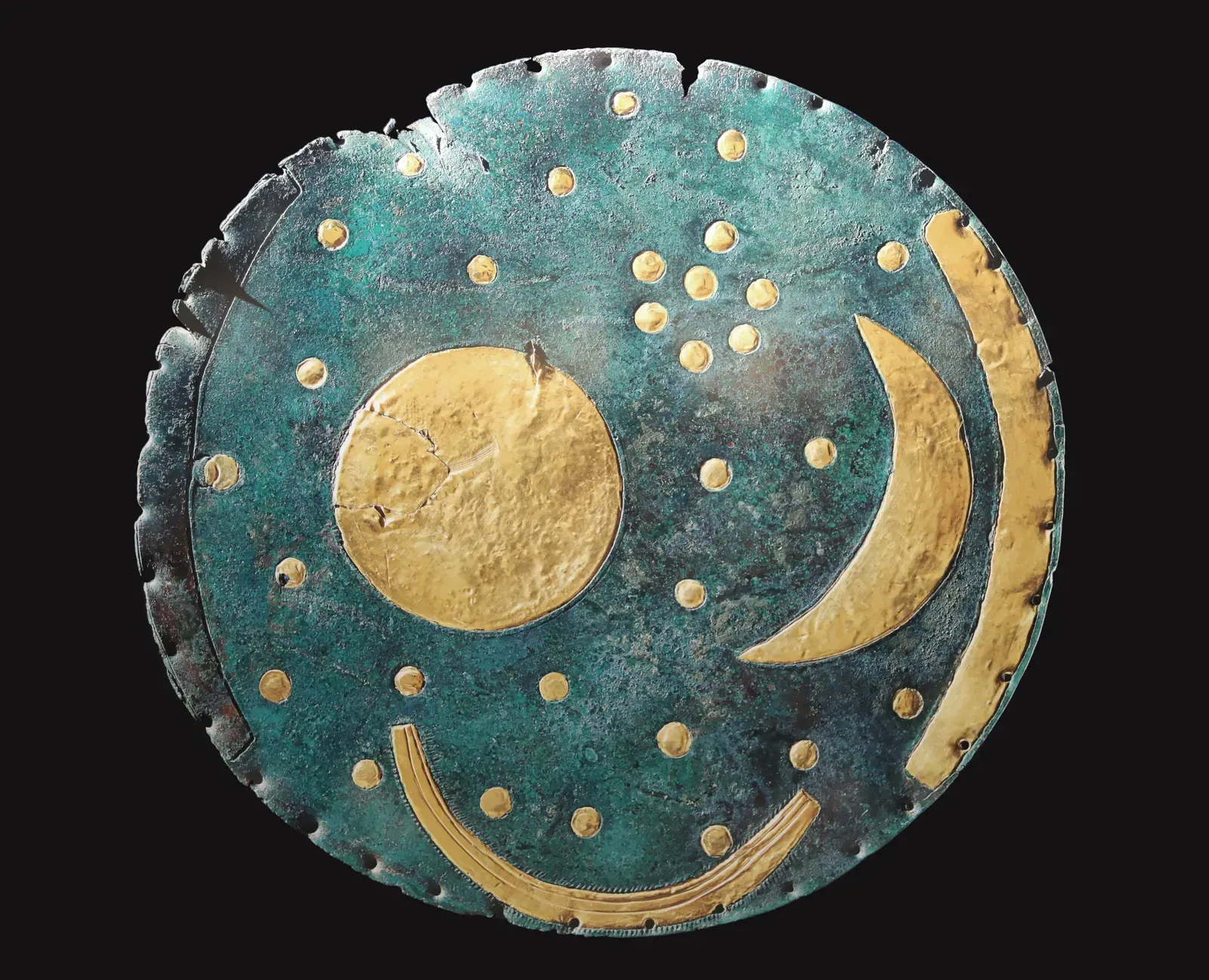
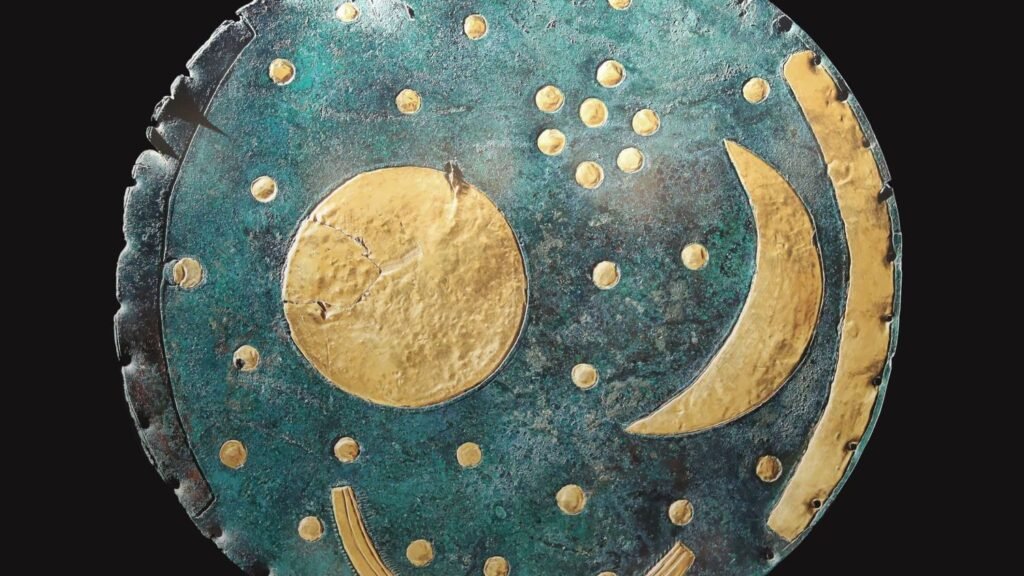
The Nebra Sky Disc, found in Germany, is a Bronze Age bronze plate inlaid with gold symbols that appear to represent the sun, moon, and stars. Beyond its astronomical interpretation, the disc showcases impressive metalworking: controlled alloying, careful inlay work, and a striking, enduring patina. Creating something that both functions symbolically and survives millennia in the ground is no small feat.
We can make beautiful metal discs and inlays now, but piecing together the entire original process – from ore selection and smelting to hammering, annealing, and decorative placement – remains partly speculative. Some details, like how the inlays were fixed and adjusted over time, are still debated. Engineers and craftspeople can produce convincing replicas for museums, yet they are reconstructions, not true replications of a known workflow. The Nebra Disc holds its secrets in every microscopic scratch and inclusion.
23. Roman Glass with Iridescent Weathering
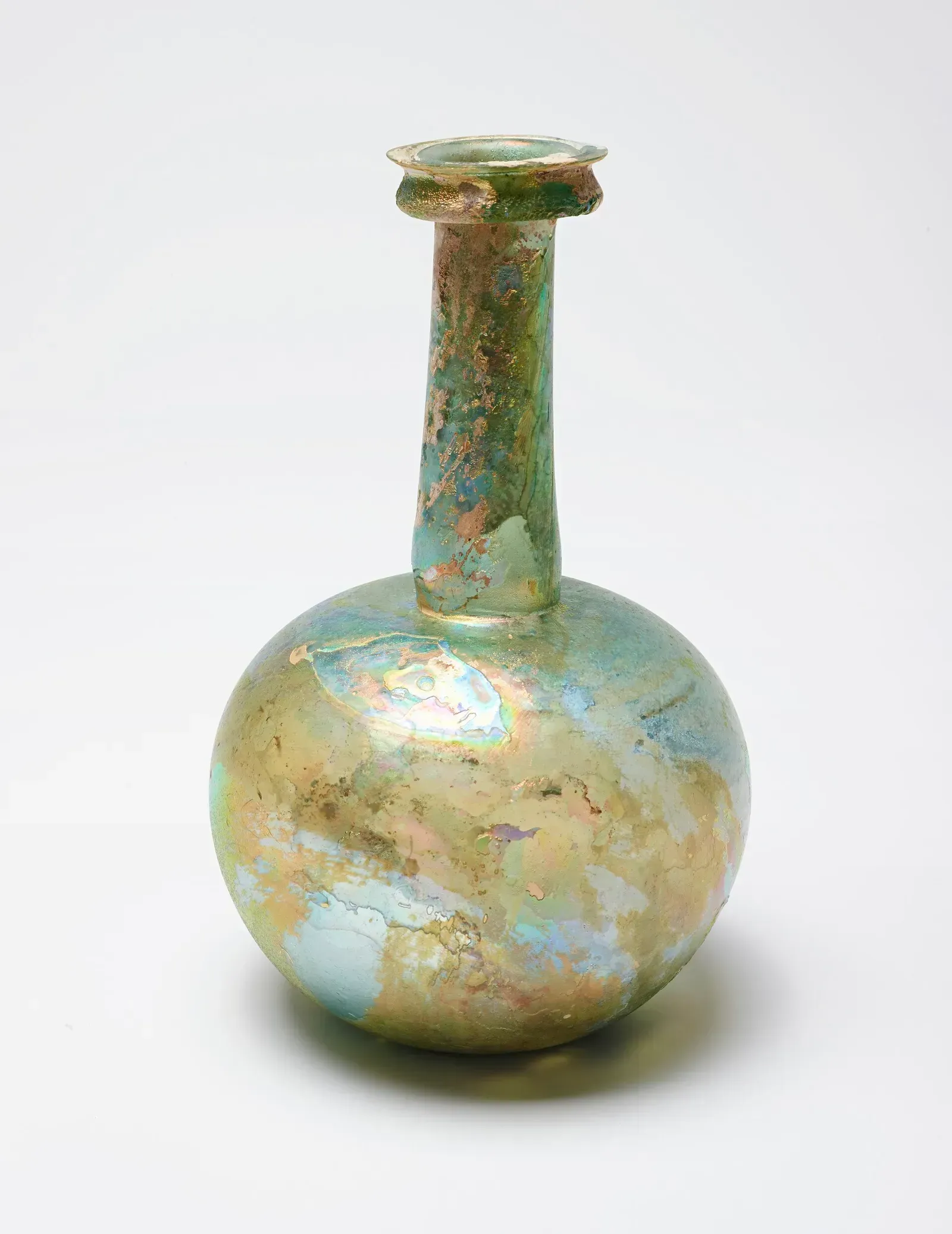
Pick up a shard of ancient Roman glass and sometimes you see shimmering colors, iridescent bands that shift like oil on water. Much of this effect comes from weathering: centuries of chemical reactions between the glass, moisture, and burial environment. Layers of corrosion and micro-cracking create structures that diffract light, turning once-clear vessels into accidental art pieces.
Scientists have tried to replicate this aging process in accelerated lab conditions, but it is tricky to match exactly. The glass composition, soil chemistry, temperature cycles, and time all interact in complex ways that we cannot neatly compress into a laboratory schedule. We can make modern iridescent glass in controlled ways, yet recreating the precise, chaotic beauty of a particular Roman shard, down to its layered microstructure, is still beyond our reach. Nature and time turned ancient engineering into a collaboration we struggle to imitate.
24. The Copper “Ice Man” Tools of Ötzi
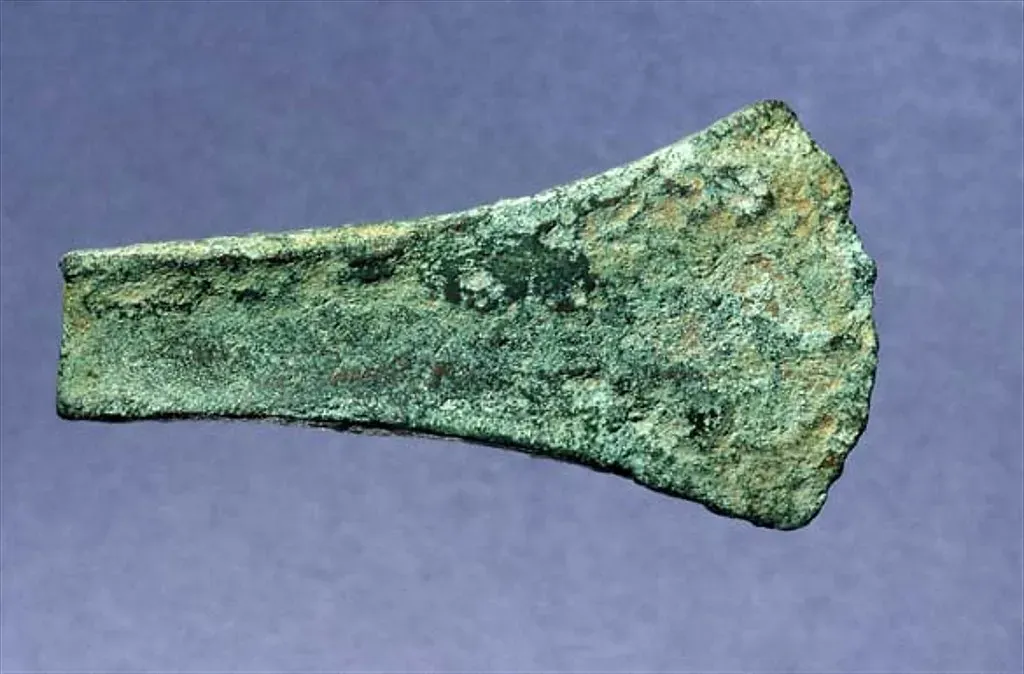
Ötzi the Iceman, a well-preserved mummy found in the Alps, carried a copper axe and other tools that offer a snapshot of early metal technology. His axe head, in particular, shows high-purity copper shaped and hafted in a way that suggests both practical experience and careful design choices. The edge retention and overall form show that even early metalworkers understood trade-offs between durability and sharpness.
Metallurgists can recreate copper tools easily, but reproducing Ötzi’s exact manufacturing chain – from ore source and smelting technique to casting, hammering, and finishing – requires a lot of inference. Microscopic analysis hints at cycles of work hardening and annealing that are difficult to match exactly without the same furnace types and artisan mindset. Modern engineers may look at copper as a simple material, yet this ancient axe proves there is a depth of technique we still have not entirely recovered.
25. The Long-Lasting Terracotta Army Paint
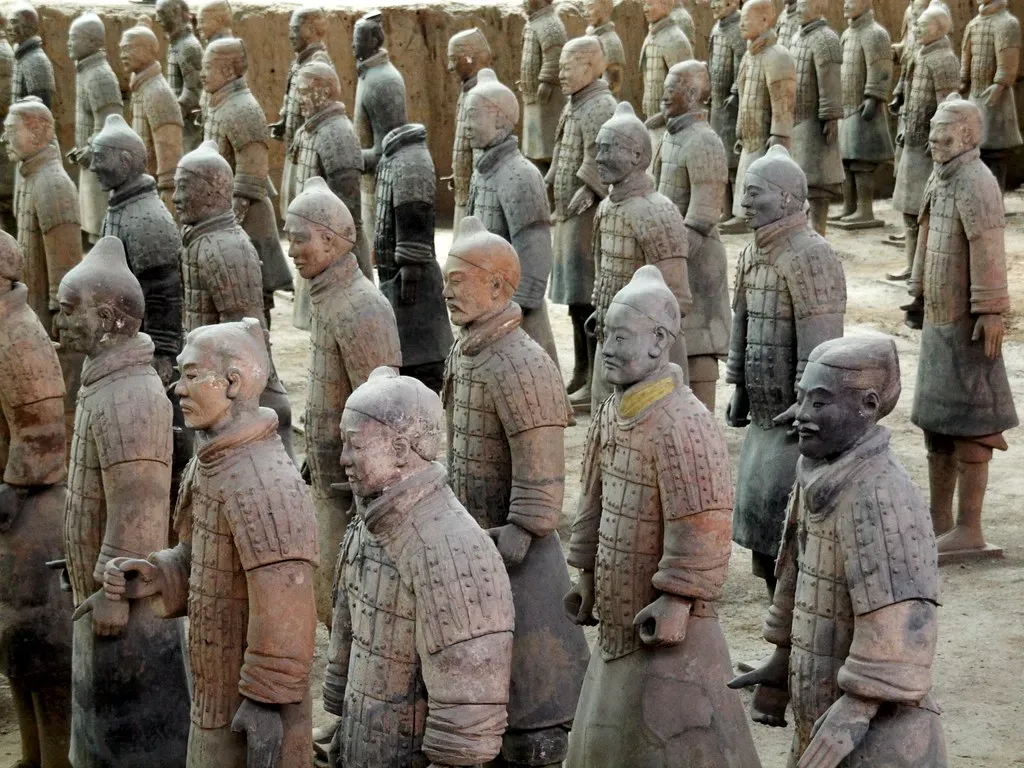
The Terracotta Army in China once blazed with vivid colors, much of which has faded or flaked away since excavation. Yet traces of pigments and binding agents show that the original paint system adhered remarkably well to fired clay for over two thousand years underground. When exposed to air today, the remaining paint can deteriorate quickly, which has forced conservators to be extremely cautious.
Scientists have identified mineral pigments and some organic binders, but faithfully reconstructing the original paint layers, application methods, and long-term behavior is still a work in progress. Modern coatings technology is advanced, yet matching the way those ancient paints interacted with the clay, moisture, and burial conditions is not straightforward. Engineers can design robust industrial coatings, but replicating an ancient soldier’s once-bright armor in a way that will age the same way is like trying to catch smoke with your hands.
26. Mayan Mortar and Plaster Finishes

Mayan sites often feature stuccoed buildings and sculpted facades covered in smooth, durable plasters that have survived in tropical climates far longer than many modern exterior finishes would. Their lime-based mortars and plasters show evidence of careful selection of aggregates, firing temperatures, and application techniques. In some cases, the surfaces were polished to a sheen or painted with vivid colors.
Construction engineers today can make very tough plasters and mortars, but producing an exact Mayan-style mix that behaves identically over centuries of humidity, rain, and biological growth is not yet routine. We lack complete documentation of how they slaked lime, what organic additives they might have used, and how many layers were applied and cured. Reconstructions are improving, yet the quiet endurance of original surfaces still feels like a lesson we have not fully learned.
27. Ancient Indian Wootz Steel Ingots
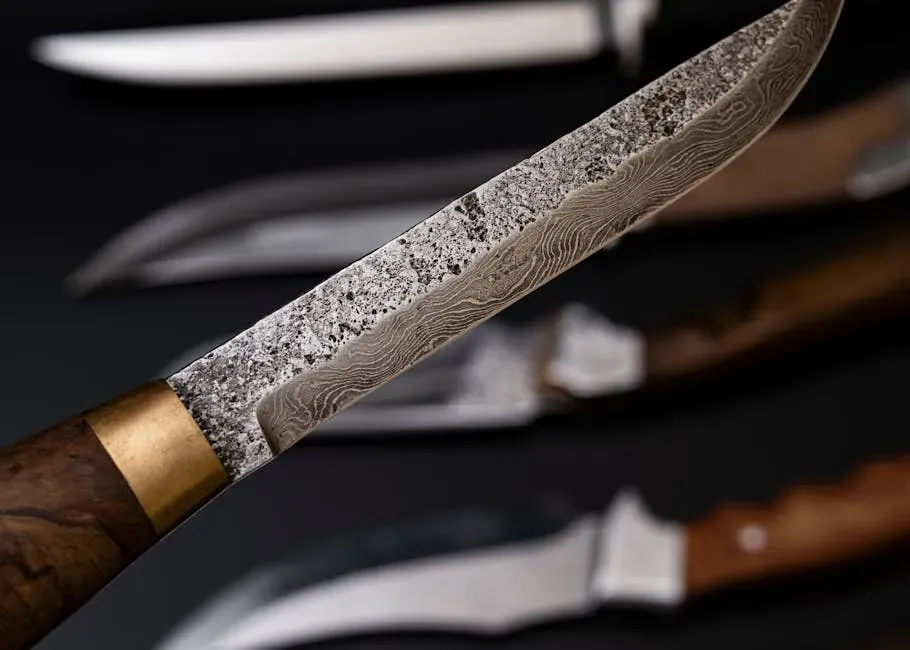
Wootz steel from ancient India formed the basis of some of the finest blades in the world, including those famous Damascus swords. It was produced as small, high-carbon steel ingots in crucibles, then traded to smiths who forged them into weapons with characteristic patterns and outstanding cutting performance. Analyses show unique microstructures with banding and carbide distributions that do not simply pop out of any random steel recipe.
Modern metallurgists have tried to replicate wootz by experimenting with ore chemistry, furnace design, and cooling rates, and some have come close. But achieving a perfectly faithful reproduction, with identical microstructure and mechanical behavior, remains inconsistent at best. Our industrial steelmaking emphasizes huge volumes and tight standardization, not artisanal crucible runs that might take days. Wootz ingots sit at an intersection of geology, furnace craft, and slow, attentive work that we can describe but still struggle to truly resurrect.
Conclusion: What These Artifacts Are Really Telling Us
Looking across these twenty-seven artifacts, a theme emerges: we are not helpless to rebuild the past, but we are often only able to approximate, never perfectly duplicate. The sticking points are rarely just tools or raw power; they are lost workflows, tacit knowledge, and subtle material quirks that do not show up in a simple recipe. As someone who loves technology, I find that both humbling and strangely comforting – it means human ingenuity has always run deeper than the devices it produced.
Modern engineers could, with enough money and obsession, probably crack some of these puzzles more completely, but most of the time we shrug and move on to the next project. Those silent stones, blades, and vessels are the leftovers of societies that poured their best minds and hands into them, the way we pour ours into microchips and rockets. One day, people might stare at our own artifacts and wonder how we pulled them off with such “primitive” tools. When that happens, which of our secrets do you think will baffle them most?