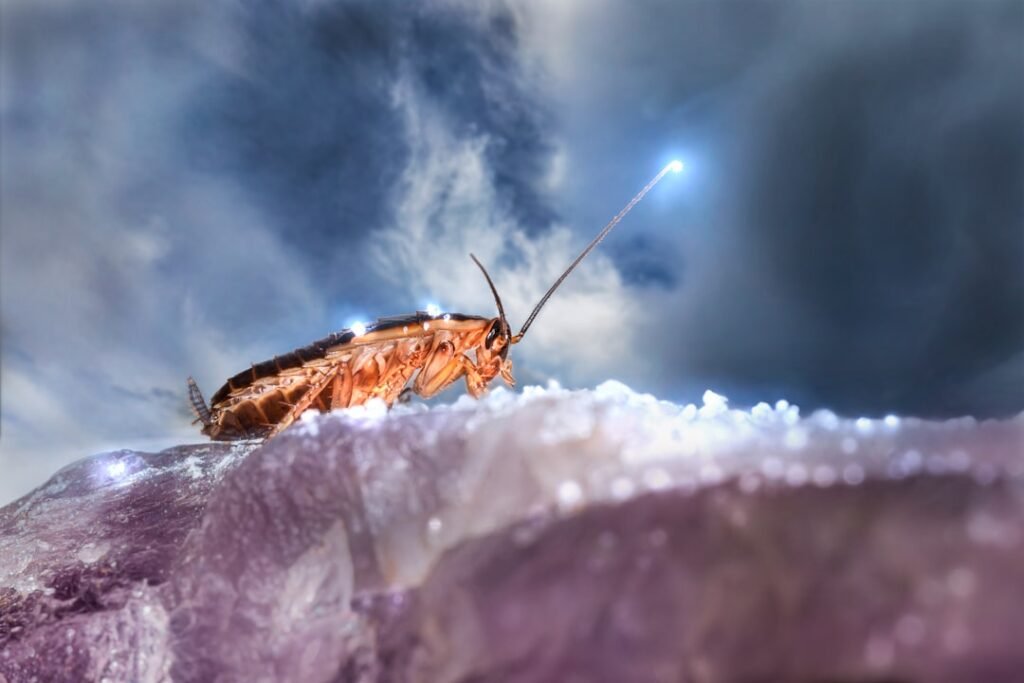
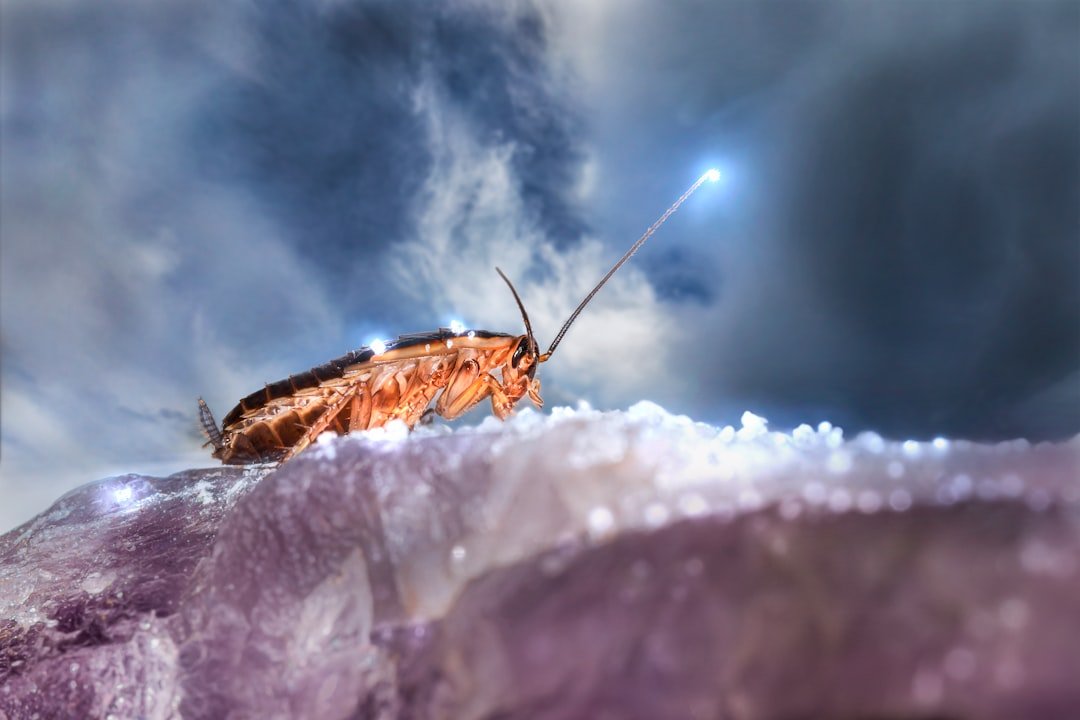
Hardy Insects Become High-Tech Scouts (Image Credits: Unsplash)
Germany – SWARM Biotactics emerged as a bold player in bio-robotics when it began transforming Madagascar hissing cockroaches into controllable cyborgs. The startup, founded in 2024, implants electrodes into the insects’ antennae and outfits them with tiny backpacks for surveillance tasks. Recent funding of €13 million positions the technology for potential deployment in reconnaissance and search-and-rescue operations, where traditional drones falter in confined environments.[1]
Hardy Insects Become High-Tech Scouts
Madagascar hissing cockroaches, known for their resilience, serve as the foundation for this innovation. These wingless creatures, which can grow up to three inches long, endure falls, dehydration, and even surgical procedures. Engineers implant electrodes into their antennae, which house natural sensors for smell, taste, sound, touch, temperature, and wind direction.
Operators send electrical pulses through handheld controllers equipped with joysticks to direct movement. Miniature backpacks enable secure communication, navigation, and data collection in real time. Algorithms support autonomous swarming, though the insects require careful calibration to prioritize neuro-stimulation over natural distractions like light or food.[1]
€13 Million Boost Propels Lab Tech Forward
SWARM Biotactics secured €13 million – roughly $15 million USD – to advance its bio-robotic systems from prototypes to field-ready tools. The funding, detailed in a company press release, targets improvements in swarm coordination and reliability. This capital arrives amid growing interest in hybrid biological-mechanical solutions for military challenges.
The startup envisions deploying these cyborgs in scenarios where small size and agility provide advantages, such as urban warfare or disaster zones. Historical efforts, including DARPA’s 2008 HI-MEMS program with implanted moths, underscore decades of research in insect cyborgs. SWARM aims to refine these concepts for practical use.[1]
Experts Highlight Reliability Roadblocks
Skeptics point to significant hurdles in making these bio-bots battlefield viable. Alper Bozkurt, an insect bionics expert at North Carolina State University, noted the difficulty in shielding the creatures from distractions: “You need to basically make that biological entity not to be distracted by any of those but just follow the neuro-stimulation that you are providing to them.”[1]
Cybersecurity poses another challenge with the insects’ tiny microcontrollers and radios, complicating encryption and anti-jamming efforts. Excessive electrical stimulation risks tissue damage, while simple countermeasures like pesticides could neutralize swarms. Entomologist Coby Schal described the control method as akin to “a shock… an aversive stimulus,” raising questions about consistent responsiveness.[1]
Ethical Questions Shadow the Innovation
Beyond technical issues, concerns about insect welfare have surfaced. Bob Fischer, a professor at Texas State University, urged scrutiny: “If we don’t really need to use technologies like this, if they don’t provide a lot of value, we should be asking hard questions about why we’re developing them in the first place.” Unlike vertebrates, insects lack regulatory protections in experiments.
Proponents argue the hardy cockroaches – popular as pets and educational tools – tolerate modifications well. Still, the push for swarms amplifies debates on necessity versus harm. These three-inch survivors, capable of producing up to 60 offspring, represent just one of about 5,000 cockroach species, few of which pose pest problems.
Key Takeaways
- Cyborg cockroaches leverage natural sensors and resilience for tight-space reconnaissance.
- Funding accelerates development, but distractions, cybersecurity, and extermination risks persist.
- Ethical debates highlight the need to balance innovation with potential animal welfare costs.
SWARM Biotactics’ cyborg cockroaches blend biology and robotics in a quest for stealthy intelligence gathering, yet practical and moral challenges temper enthusiasm. As the technology evolves, its true value on chaotic frontlines remains to be proven. What do you think about deploying insect cyborgs in military operations? Tell us in the comments.