
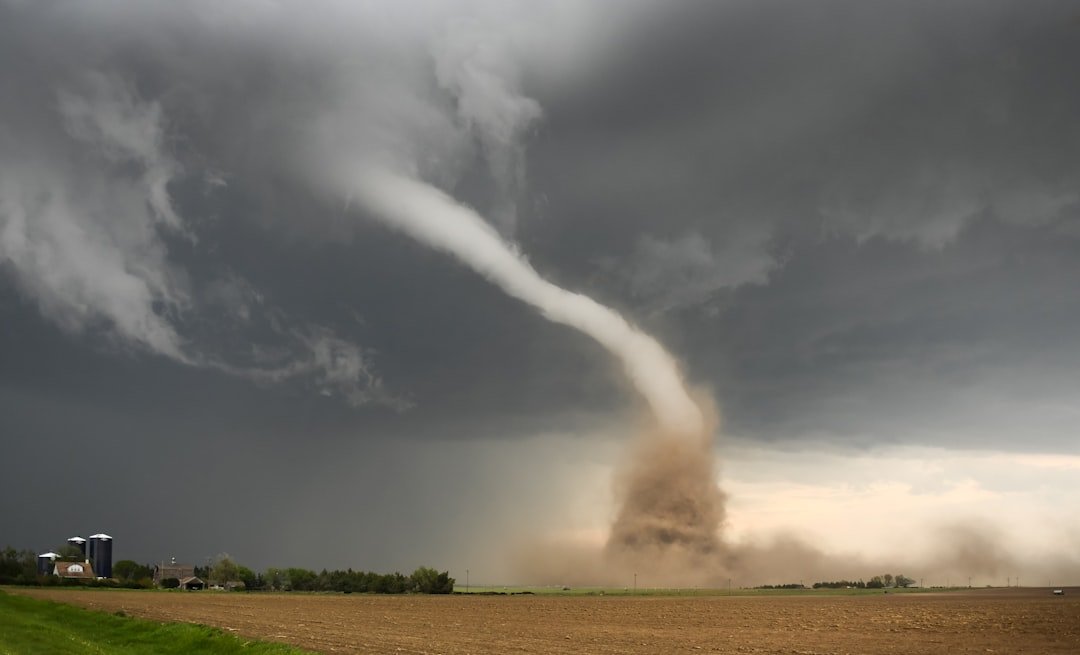
A Week of Unrelenting Storms (Image Credits: Unsplash)
The Midwest and Plains regions endured a relentless severe weather onslaught this week, marked by nearly 50 tornado reports and widespread destruction from hail and high winds. Communities in Minnesota, Wisconsin, and Iowa assessed damage Saturday after Friday’s storms added to the toll. Forecasters warned of lingering risks into the eastern Great Lakes, where isolated thunderstorms could bring damaging gusts and a slim chance of twisters.[1][2]
A Week of Unrelenting Storms
Severe thunderstorms battered the Plains and Midwest daily from early Monday through Friday, generating over 750 reports of hazardous weather. A persistent weather pattern funneled Gulf moisture northward while jet stream troughs repeatedly sparked outbreaks in the same corridors. National Weather Service teams worked to survey damage and confirm tornado paths amid the chaos.[1]
Monday night stood out early, with 19 tornado sightings logged across multiple states. Storms intensified Tuesday and Friday, pushing the total tornado count near 50 pending final tallies. Power outages affected nearly 90,000 customers in southern Wisconsin alone from one squall line.[2]
Tornadoes Leave Lasting Scars
Tornado activity peaked midweek, with several rated storms carving destructive paths. An EF3 tornado near Union City, Wisconsin, on Tuesday generated 140 mph winds, the strongest April twister in the state in 15 years; it leveled a home. Nearby, an EF2 tornado stripped roofs from a commercial building and a church in Sussex and Lisbon, suburbs northwest of Milwaukee.[1]
Friday brought fresh touchdowns in Minnesota. One flipped a semi-tractor near Elgin and wrecked two farmsteads, while another damaged homes in the Rochester-area community of Marion. Earlier reports included sightings near Truman, Minnesota; Taylor County, Wisconsin; and Miami County, Kansas. An EF2 tornado received confirmation in Franklin County, Kansas.[3]
- EF3 near Union City, WI: Destroyed home, 140 mph winds.
- EF2 in Sussex/Lisbon, WI: Roof damage to buildings.
- EF2 in Franklin County, KS: Confirmed Monday night.
- Minnesota Friday touchdowns: Vehicle flip, farm and home damage.
- Iowa tornadoes: Building struck near Masonville; drone footage near Wyoming.
Hail and Winds Amplify the Destruction
Giant hailstones pummeled vehicles and structures, with softball-sized chunks up to 4 inches across in Wisconsin’s Dane County, including Madison. That marked only the second such event there since 1960. Tennis-ball hail fell near Tama, Iowa, while baseball-sized stones hit southern Minnesota and eastern Kansas.[2]
Damaging winds fueled much of the structural harm. Gusts reached 88 mph in Dubuque, Iowa, splintering farm buildings and driving stakes into the ground in Delhi. In Jefferson, Wisconsin, winds peeled a home’s roof; Grand Rapids, Michigan, clocked 80 mph gusts. Cleveland’s metro area and Oklahoma spots like Elk City saw wind-driven hail smash homes and cars.[1]
Over 1,700 vehicles suffered hail damage in Dane County alone. Power disruptions and road closures compounded the issues as crews raced to restore services.
Flooding Compounds the Misery
Heavy rains triggered flash floods, stranding drivers in Green Bay and Neenah, Wisconsin. Milwaukee shattered its April rainfall record at 7.57 inches, with 2-4 inches falling in hours and leaking through the roof at American Family Field during a baseball game. Northern Michigan fared worse, as snowmelt amplified downpours.[2]
The Manistee River near Sherman crested over 2 feet above its prior record from the Great Depression era. A section of the scenic M-119 “Tunnel of Trees” highway north of Petoskey washed out. Gaylord set new marks for its wettest April and spring halfway through the month.[3]
Eastern Great Lakes Prepares for Finale
Saturday offered scattered severe risks ahead of a cold front sweeping the eastern Great Lakes and Ohio Valley into early Sunday. Damaging winds posed the chief hazard, though isolated tornadoes remained possible. The setup promised less intensity than prior days, signaling relief.[1]
Forecasters anticipated a three-day nationwide lull post-Sunday as the front cleared eastward. Residents monitored alerts closely, heeding lessons from the week’s fury. Cleanup efforts accelerated amid hopes for calmer skies.[4]
Key Takeaways
- Nearly 50 tornado reports, including EF3 in Wisconsin, headlined a multi-day outbreak.
- Record hail and floods hit Wisconsin and Michigan hardest, with extensive property damage.
- Eastern Great Lakes faced isolated wind and tornado risks Saturday before a welcome break.
This punishing pattern underscored spring’s volatility in the heartland. As crews rebuild, communities reflected on resilience forged in the storms. What impacts did you see in your area? Share in the comments below.