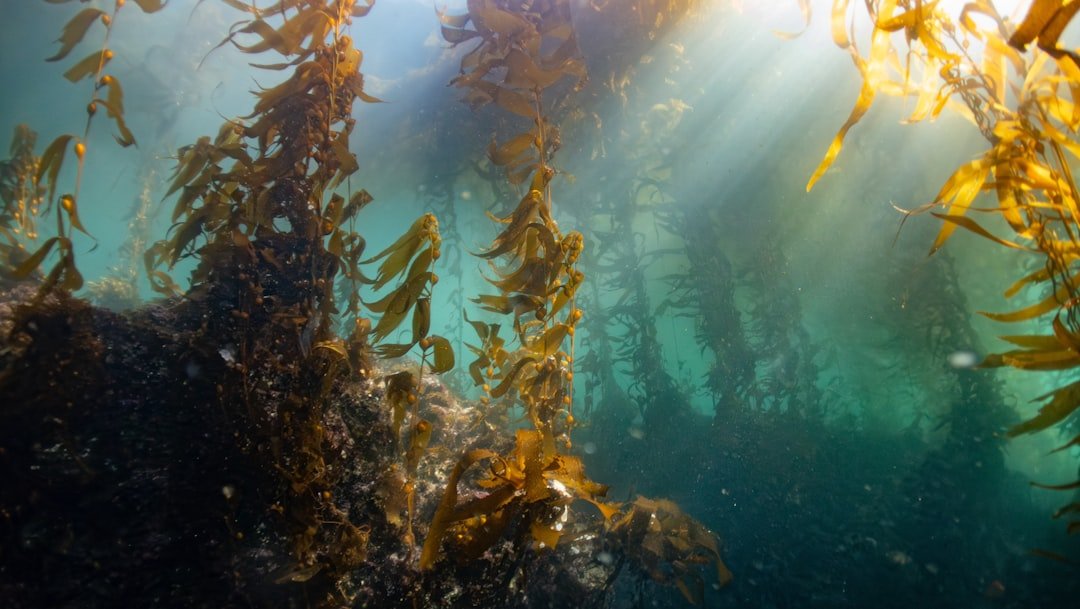
A Biodiversity Powerhouse Defies Global Trends (Image Credits: Unsplash)
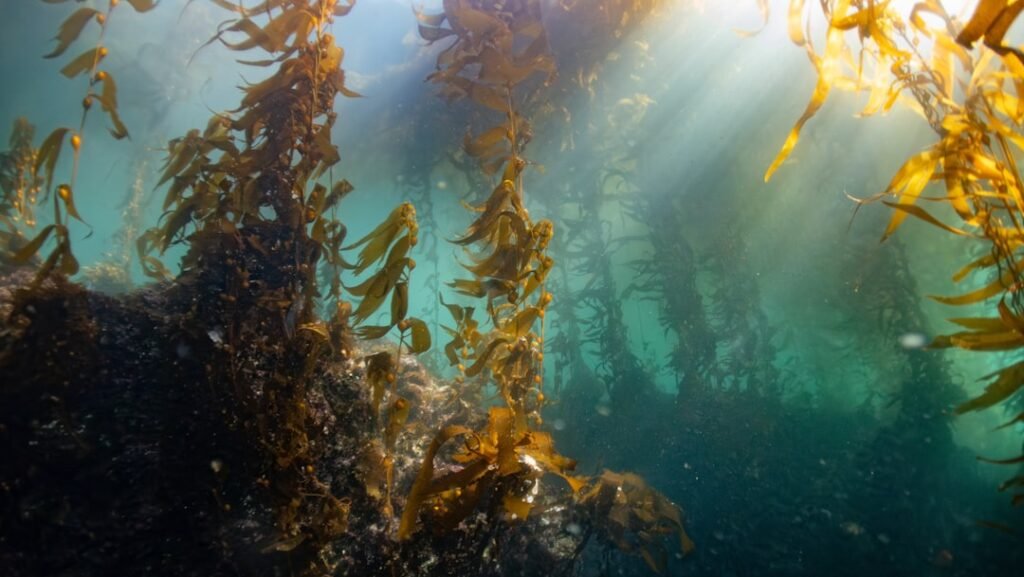
Cape Town, South Africa – Divers plunge into the Great African Seaforest and find themselves enveloped by towering kelp stipes that rise up to 9 meters from the seabed. Fish weave through the dense canopy much like birds navigate treetops, creating a surreal underwater realm along more than 1,300 kilometers of coastline.[1][2] This unique ecosystem, dominated by giant bamboo kelp, marks one of the planet’s few expanding kelp forests at a time when most face decline worldwide.[1]
A Biodiversity Powerhouse Defies Global Trends
Marine scientists have long marveled at the Great African Seaforest’s resilience. While kelp forests elsewhere shrink by about 1.8% annually, beds of Ecklonia maxima here continue to spread eastward, fueled by nutrient-rich upwelling from the Benguela Current.[1] The forest supports thousands of species, many endemic to the region between the Atlantic and Indian Oceans.
Snapping shrimps produce rhythmic popping sounds, neon-colored nudibranchs glide among the fronds, and African penguins hunt amid the holdfasts. Researchers recently uncovered diverse macro-invertebrates in these root-like structures, including previously understudied ostracods and a vivid pink amphipod.[1] Limpets, with over 20 varieties in South Africa, cling exclusively to the bamboo kelp stipes in some cases.
Shadows of Vulnerability Loom Large
Despite its growth, the Great African Seaforest remains largely unprotected, with only fragments within marine protected areas. Global data reveals less than 2% of kelp forests receive strong safeguards, leaving them exposed to escalating pressures.[1]
Overfishing has reduced key predators like rock lobsters and abalone, allowing urchins and starfish to proliferate. Pollution from plastics, chemicals, and potential mining further stresses the habitat. Climate-driven ocean warming poses the gravest risk, potentially favoring smaller kelp varieties and disrupting the ecosystem’s structure and carbon sequestration capacity.[1][2]
- Overfishing targets commercial species, unbalancing food webs.
- Plastic pollution introduces microplastics into the marine food chain.
- Mining explorations threaten seabed integrity.
- Ocean acidification weakens kelp structures over time.
- Poaching decimates ecologically vital invertebrates.
Scientists and Storytellers Unite for Change
Conservationists launched targeted efforts to document and elevate the forest’s profile. Marine biologist Loyiso Dunga mapped its extent using satellite imagery from Sentinel-2, emphasizing that communities must first know an ecosystem to protect it.[1] “You can’t really protect what you don’t know,” Dunga stated.
The Sea Change Project, inspired by the Oscar-winning documentary My Octopus Teacher, drives much of the momentum. Filmmaker Craig Foster and collaborators developed the 1001 Seaforest Species app, slated for 2027 release, featuring photos and videos of cataloged biodiversity.[1][3] Taxonomist Jannes Landschoff and researcher Nasreen Peer advanced holdfast studies, revealing hidden invertebrate worlds. These initiatives blend science with storytelling to engage local fishers and Indigenous groups, incorporating names like imbambosi for kelp.
Valuing an Ecosystem Essential to Life
Kelp forests underpin fisheries, sequester carbon equivalent to other blue carbon habitats, and generate up to $562 billion in annual global services. In South Africa, they bolster food security and coastal protection, yet funding shortages hinder research.[1]
| Global Kelp Forests | Great African Seaforest |
|---|---|
| Declining at 1.8% per year | Expanding bamboo kelp beds |
| <2% highly protected | Mostly unprotected |
| Urchin barrens common | Nutrient upwelling sustains growth |
Efforts now prioritize inclusive strategies, learning from apartheid-era conservation missteps that displaced communities. Experts like Albertus Smit highlight the forest’s special status, urging expanded protections before warming alters its trajectory.
Key Takeaways
- The Great African Seaforest hosts thousands of species in a unique expanding habitat.
- Documentation via apps and mapping builds essential knowledge for safeguards.
- Community involvement with Indigenous knowledge ensures sustainable protection.
As campaigns gain traction, the Great African Seaforest offers a beacon of hope in a warming ocean, reminding humanity of nature’s interconnected vitality. Protecting it demands swift action to preserve its role in global ecosystems. What steps should communities take next? Tell us in the comments.