
I still remember standing in front of a glass case in a small museum, staring at a set of ritual objects no one could fully explain. The labels were full of careful phrases like “possibly” and “may have been used for,” and that uncertainty hooked me far more than any clear answer ever could. For every textbook explanation we have about the ancient world, there are at least a few practices that refuse to fit neatly into modern logic.
Anthropologists today have powerful tools, from DNA analysis to satellite imaging, but when it comes to ritual and meaning, they often run into a wall. You can measure bones and date artifacts, but you can’t easily reconstruct inner beliefs, fears, and hopes from thousands of years ago. The result is a set of rituals that are partly understood and partly opaque, like half-finished puzzles with vital pieces permanently missing. Below are five of the most intriguing examples – practices that remain stubbornly mysterious even in 2026.
The Enigmatic Nazca Line Ceremonies
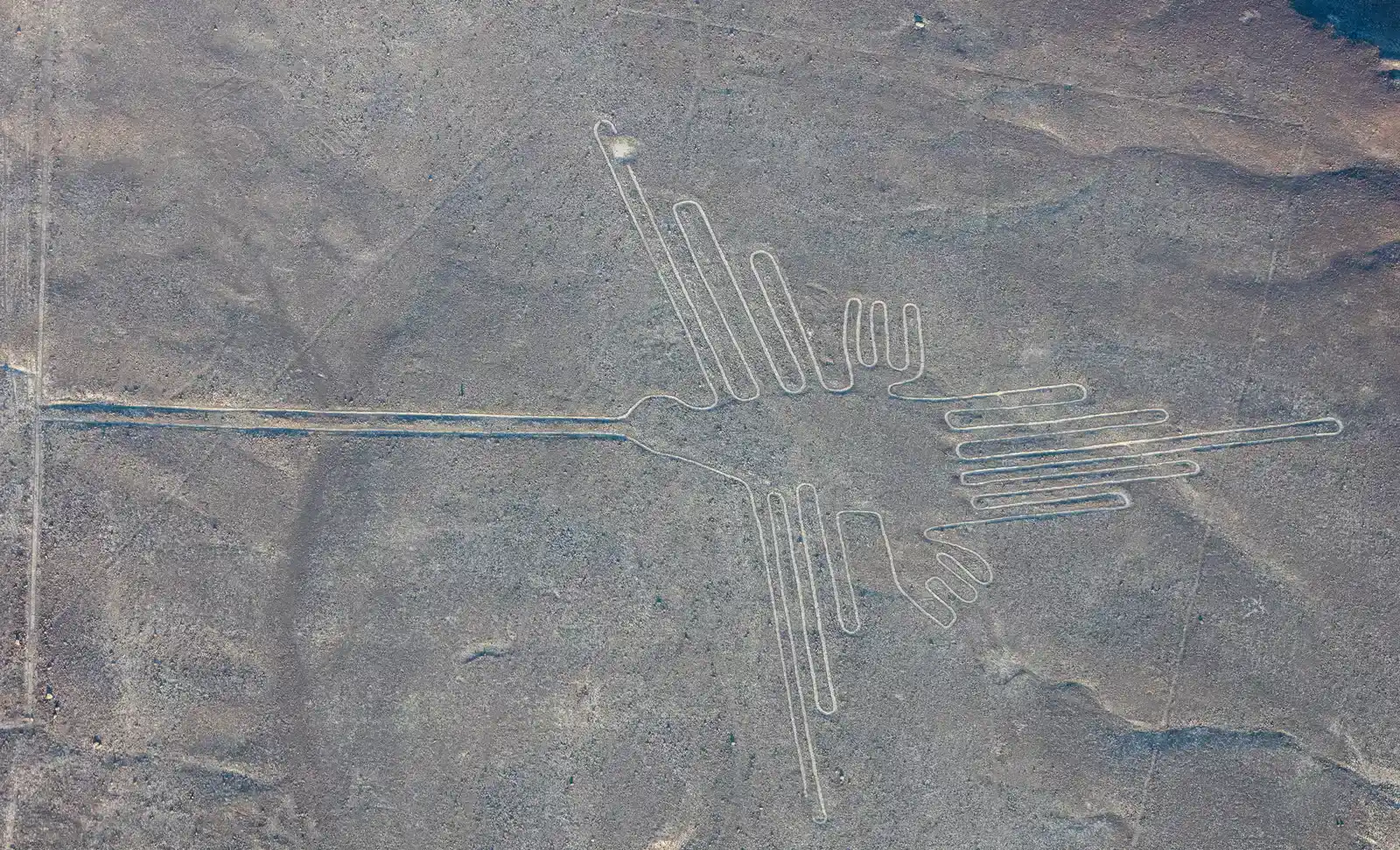
If you have ever seen a photo of the Nazca Lines from above, you know how unsettling they are: vast shapes of spiders, hummingbirds, and geometric forms carved into the Peruvian desert. They are so huge that you can only see them properly from the sky, which has led to all kinds of wild theories, from alien landing strips to maps for gods. Archaeologists generally agree the Nazca people created them between roughly two thousand and fifteen hundred years ago, but why they invested so much effort in drawing on a canvas only the heavens could fully see remains deeply puzzling.
Many researchers think the lines were part of elaborate rituals tied to water and fertility in an unforgiving desert climate. People may have walked the lines in processions, like slow-motion prayers traced into the earth. Others propose they were linked to astronomical events or sacred mountains, turning the entire landscape into a ritual stage. What still baffles experts is how many functions these lines might have had at once – practical, spiritual, social – and how those meanings shifted over centuries. It is like trying to read a giant, ancient script when you only know a few scattered letters.
The Aztec New Fire Ceremony
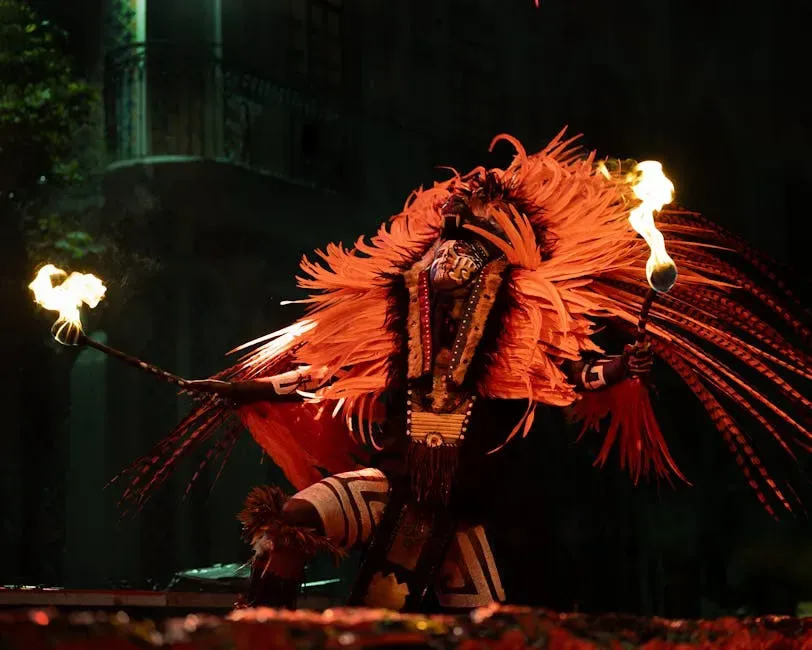
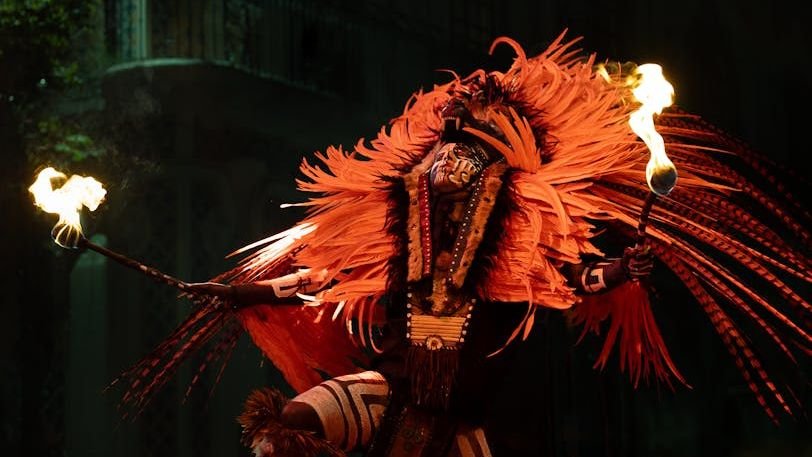
The Aztecs are often reduced to shock value: pyramids, obsidian knives, and human hearts offered to the gods. But when you zoom in on one of their most dramatic rituals, the New Fire Ceremony, the picture becomes even more complex and confusing. Roughly every fifty-two years, when two of their calendars aligned, the Aztecs believed the universe was at risk of ending, and elaborate rites were performed to rekindle the cosmic order with a single new flame.
Anthropologists have debated for decades how ordinary people actually experienced this event. Some accounts suggest people extinguished every fire in the city and waited in total darkness, terrified that the sun might not rise again. The ritual involved sacrifice, likely on a hill outside the capital, and the new fire was then carried back and redistributed, like a rebirth of time itself. What still puzzles researchers is how literally the Aztecs took these cosmic fears, and how much of the ritual also served political aims – reinforcing the power of rulers and priests. Was it pure faith, calculated spectacle, or a bit of both in ways we still struggle to untangle?
The Dogon’s Controversial Star Rituals
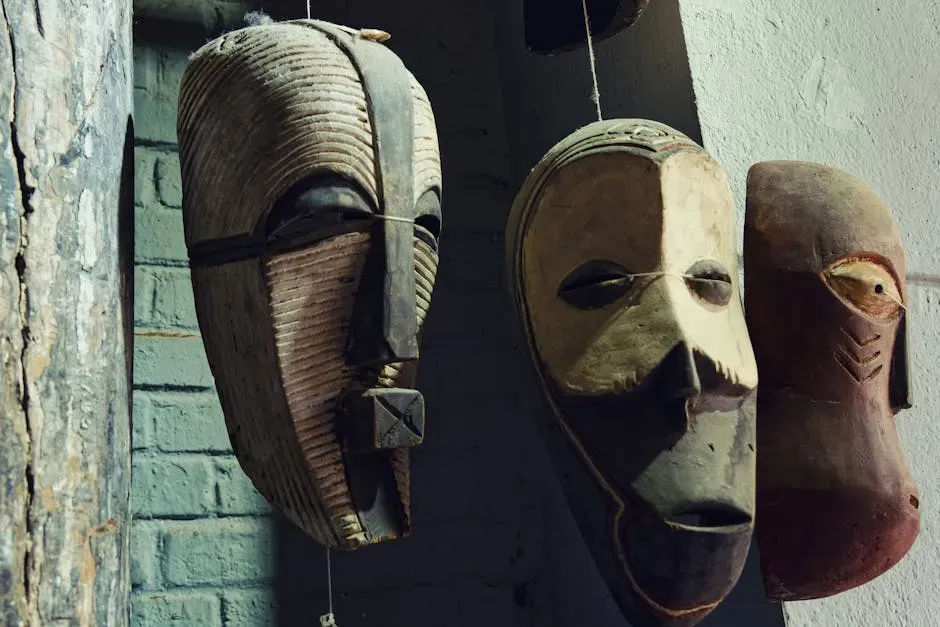
The Dogon people of Mali became famous in the twentieth century because of claims that their rituals contained knowledge of an invisible companion star to Sirius, long before modern astronomy detected it. Their ceremonies, masks, and myths about cosmic beings and star systems captivated both scholars and outsiders. For a while, it almost sounded as if an isolated community had somehow acquired detailed, secret scientific information about the universe.
Later research complicated that neat and dramatic story, suggesting that early reports might have overinterpreted or misunderstood what Dogon elders actually said, and that outside influence or miscommunication could explain a lot. Even so, the Dogon’s layered cosmology and the way it is woven into masks, dances, and initiations still fascinate anthropologists. Many of their ritual symbols hold multiple meanings at once – spiritual, social, agricultural – making a clean explanation nearly impossible. The debate over what is genuine tradition, what may have been shaped by outside contact, and where researchers themselves projected patterns that were not really there continues to make this one of the most controversial ritual cases in modern anthropology.
Skull Cults and the Mystery of Neolithic Ancestor Worship
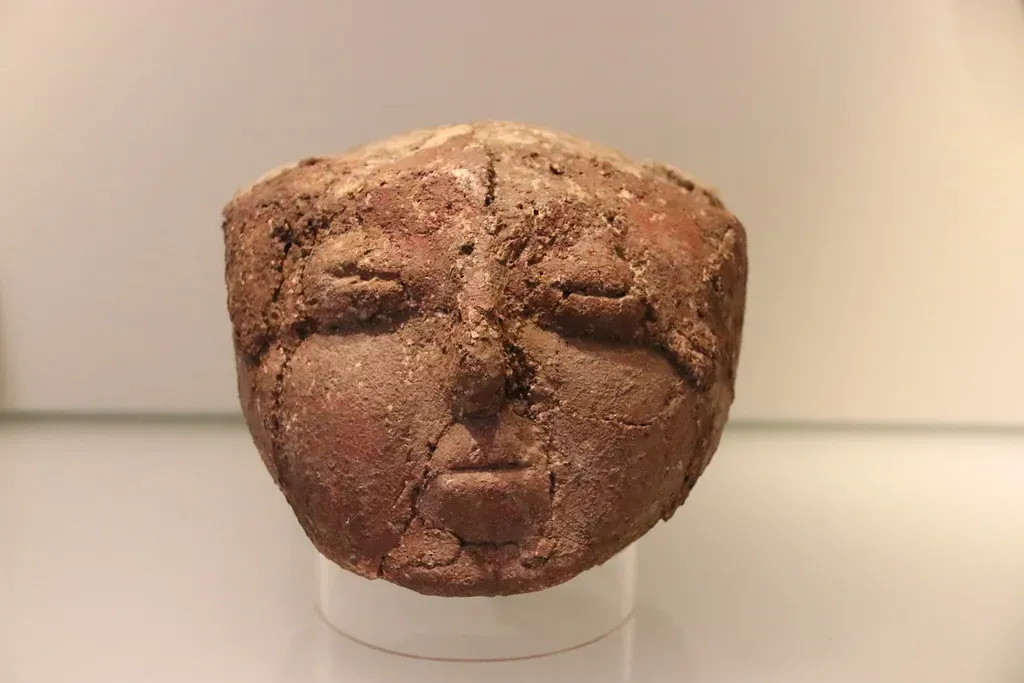
Modern researchers suspect this was a form of ancestor worship or social memory, a way to keep the dead literally within the living community. But beyond that broad guess, the details are muddy. Were these skulls displayed constantly, or only during special rituals? Were all ancestors honored this way, or just a select few, perhaps founders or leaders? The emotional tone is also hard to read: was it comforting, eerie, or both at the same time? Without written records, anthropologists are left to read meaning from bones and plaster, which is a bit like trying to understand a family’s deepest secrets from a single faded photograph.
The Fire-Walking Rites of the Ancient Mediterranean
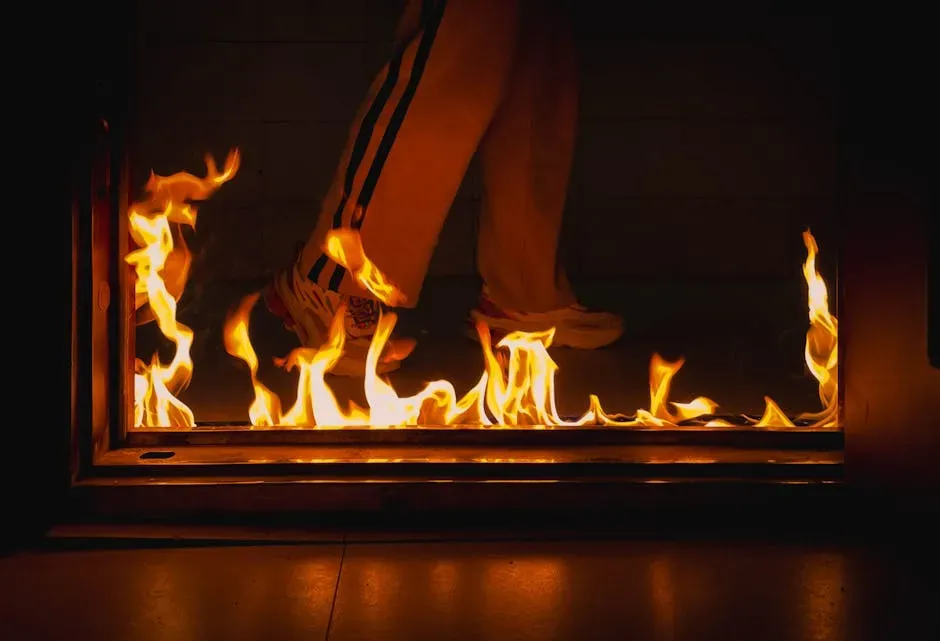
Walking barefoot across burning coals feels like something you would only do on a dare or in a self-help seminar, but forms of fire-walking have a long and tangled history, including in parts of the ancient Mediterranean and the Balkans. Some early accounts and later folk rituals show people crossing hot embers while carrying icons, offerings, or sacred objects. The combination of danger, faith, and spectacle made these events almost theatrical, but the inner logic behind them remains frustratingly unclear.
Modern physics can explain some of the mechanics of fire-walking, but that does not touch the underlying ritual meaning. Were participants proving devotion to a deity, demonstrating personal purity, or symbolically crossing a threshold between worlds? Some anthropologists see these rites as tests of community cohesion, where shared belief turns individual fear into collective courage. Others argue they functioned as liminal moments, marking transitions in the agricultural calendar or in people’s lives. Because the same basic act – crossing fire – shows up in different cultures with different stories attached, pinning down any single ancient meaning is like trying to catch smoke with your hands.
The Oracle Rituals at Ancient Delphi
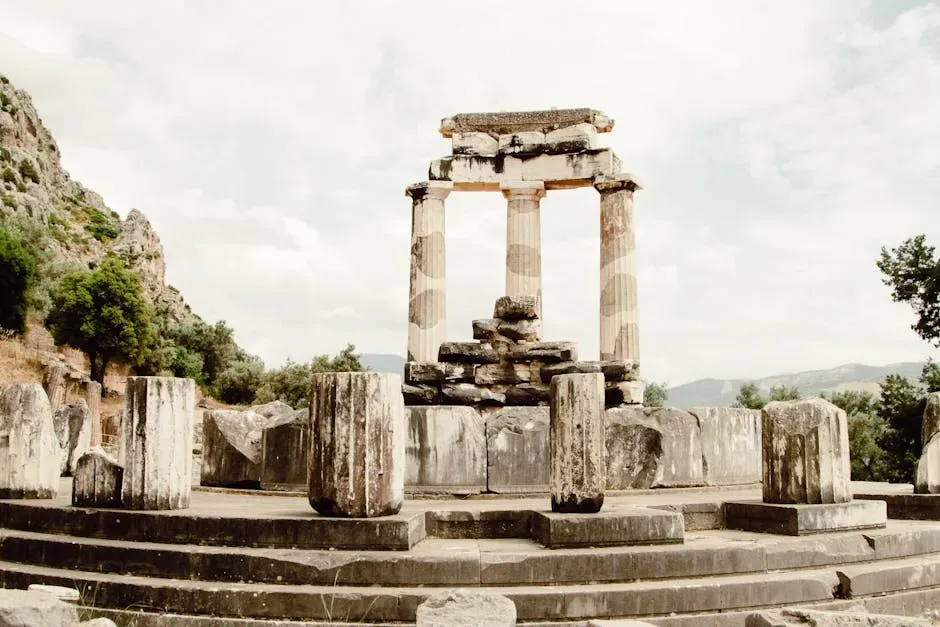
In ancient Greece, pilgrims traveled long distances to consult the oracle at Delphi, believing that the god Apollo spoke through a priestess in a trance-like state. The setting alone was dramatic: a mountain sanctuary, sacred springs, and a temple where cryptic messages shaped political decisions, personal choices, and even wars. People staked their futures on words that were often ambiguous, poetic, and open to interpretation.
Modern researchers still debate what exactly was happening during those sessions. Some argue the priestess may have inhaled natural gases seeping from the earth, triggering altered states of consciousness. Others say the key lies more in social theater and trained performance than in chemistry or geology. On top of that, layers of priests, interpreters, and political pressures likely shaped the final message a visitor heard. Anthropologists are left to wonder where sincere belief ended and subtle manipulation began, and whether that line can even be drawn cleanly in a world where religion and politics were fused so tightly together.
The Shocking Bog Body Offerings of Northern Europe
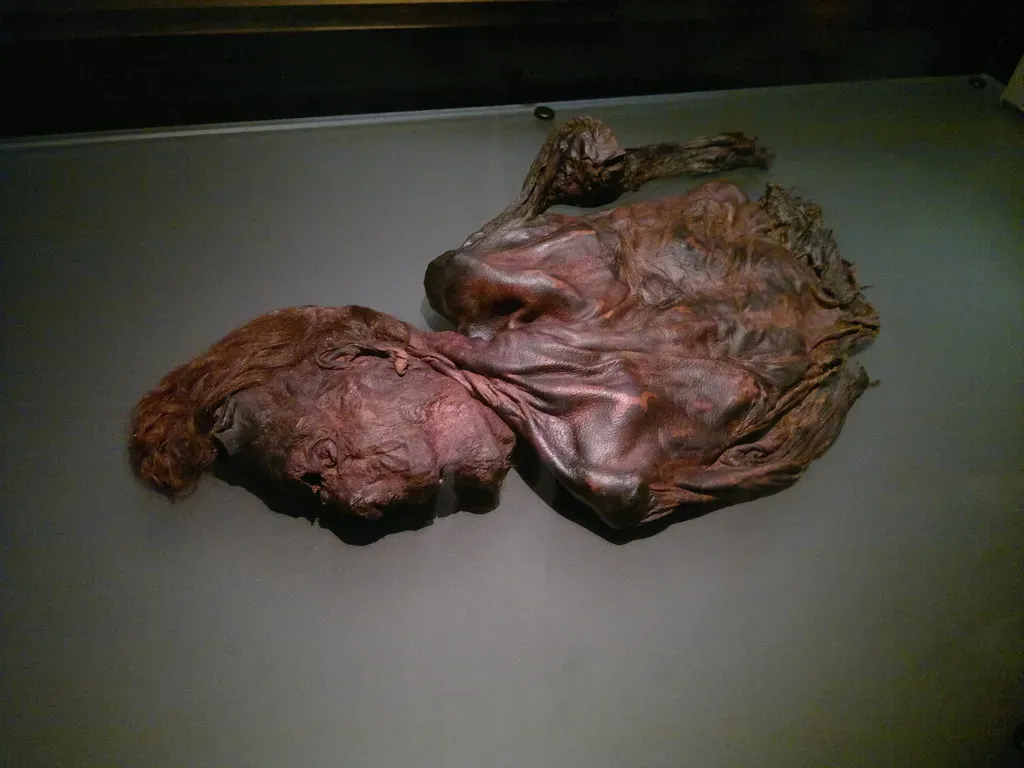
Few archaeological discoveries feel as eerie and intimate as the bog bodies of northern Europe. These are human remains preserved for centuries in peat bogs, sometimes with skin, hair, and even last meals still detectable. Many show signs of violent death – strangling, stabbing, or blunt force – leading researchers to conclude that at least some were sacrifices rather than ordinary burials. Confronting a face that still looks almost alive after nearly two thousand years can be deeply unsettling.
What drives anthropologists crazy is that the exact purpose of these deaths is still debated. Some bodies appear to belong to individuals who may have held high status, while others could have been criminals, captives, or social outsiders. Theories range from offerings to deities associated with fertility or war, to ritual punishments, to complex acts meant to restore balance in times of crisis. Because the bogs themselves were liminal spaces – neither land nor water – they may have been seen as gateways to other realms. Yet without direct testimony from the people who carried out these rituals, every explanation feels like a carefully built bridge that still stops frustratingly short of the far shore.
Conclusion: Why These Rituals Still Haunt Us
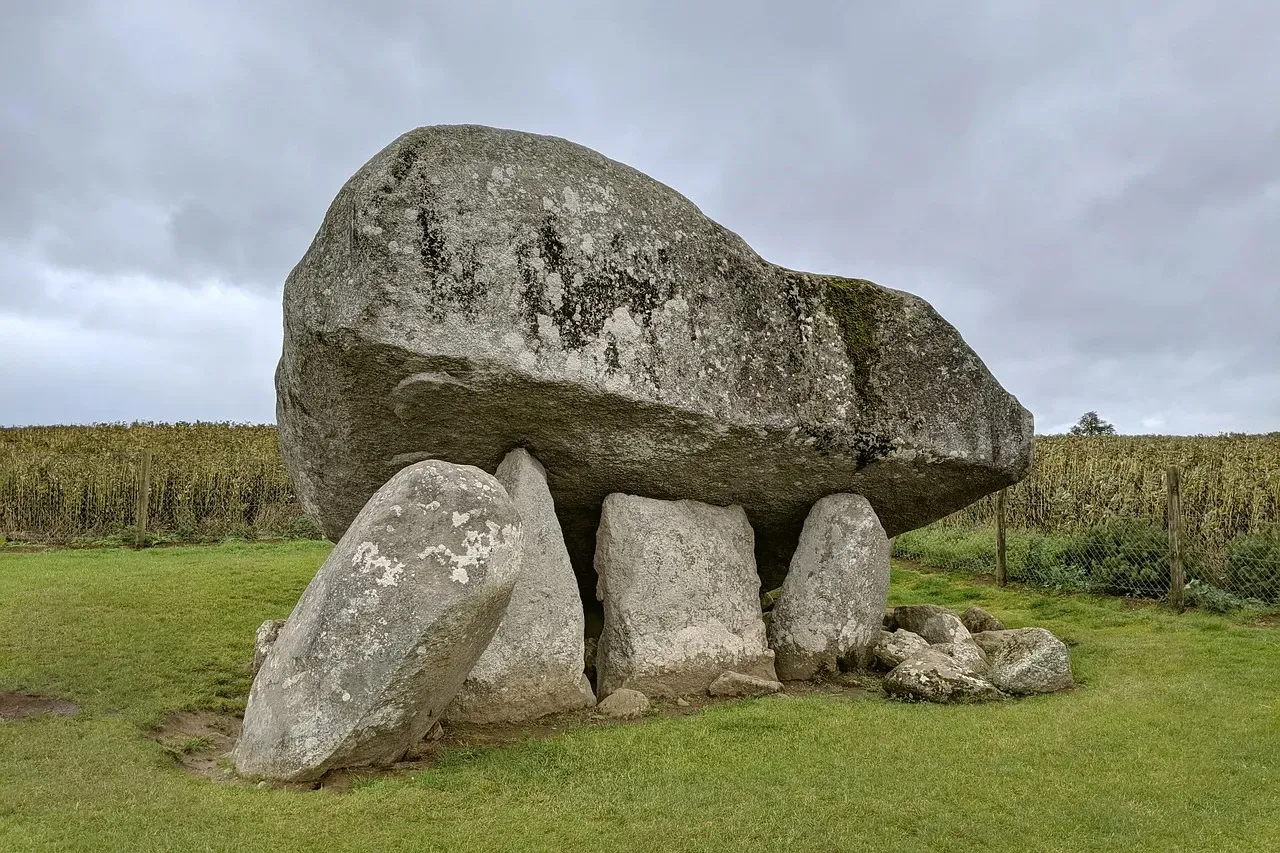
What ties these five rituals together is not just their strangeness, but the way they expose the limits of modern explanation. We can map the Nazca Lines, analyze residues on Aztec altars, model gases at Delphi, or scan bog bodies in high resolution, and we still end up with a core of unanswered questions. As someone who loves clear answers, I find that oddly liberating: it is a reminder that human beings are not just logical problem-solvers, but storytellers, believers, and risk-takers whose motives can be layered and contradictory.
Maybe that is why these ancient rites keep resurfacing in documentaries, books, and late-night conversations. They force us to ask uncomfortable questions about what we ourselves would be willing to do for faith, community, or meaning. If people thousands of years from now dug up traces of our own ceremonies – weddings, funerals, national holidays – how much would they misunderstand or oversimplify? The most unsettling possibility is that some of our deepest rituals might look just as baffling to them as these ancient practices do to us today. Which of your everyday habits would you be most afraid to have an archaeologist misinterpret in a distant future?