Florida’s summer sun beats down relentlessly, yet it transforms wetlands into bustling nurseries for wading birds. Nesting colonies come alive with the chatter of egrets and the graceful flights of ibises. Even amid the humidity, dedicated birders find rewards in these vibrant scenes.
The state’s diverse ecosystems, from coastal marshes to inland swamps, host species that thrive in the warmth. Early mornings offer the best views before the heat peaks. Patience here reveals Florida’s feathered treasures in full family mode.[1][2]
Timing Your Summer Outings Right
Head out at dawn when birds feed actively and temperatures stay mild. Mornings from 6 to 10 a.m. capture peak activity before the midday scorch sets in. Late afternoons work too, as some species return to roost.
Summer spans June through August, with July often bringing early fall migrants to coastal spots. Watch for nesting peaks in wetlands during this stretch. Flexibility helps adapt to daily weather shifts.[3][1]
Gear Essentials for Florida Heat
Pack lightweight binoculars with good magnification for distant wetland views. A field guide app on your phone beats carrying books in the swelter. Include a wide-brimmed hat and polarized sunglasses to cut water glare.
Quick-dry, long-sleeved shirts and pants shield skin from sun and bugs. Bring plenty of water in an insulated bottle, plus a small backpack for snacks. Sturdy, closed-toe shoes handle uneven trails safely.[4][5]
Staying Safe from Heat and Mosquitoes
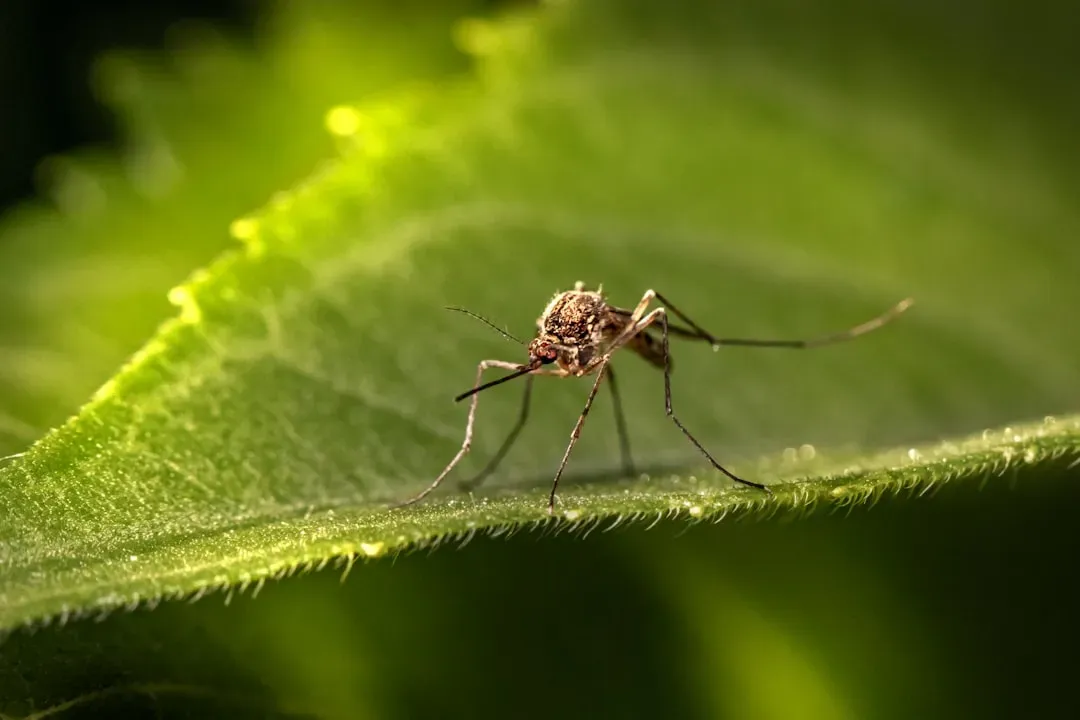
Hydrate constantly, even if you don’t feel thirsty yet. Apply broad-spectrum sunscreen and DEET-based repellent generously. Seek shade during peak hours to avoid heat exhaustion.
Long clothing protects against bites, despite the warmth. Change water in any gear to prevent mosquito breeding. Early starts minimize exposure overall.[6][7]
Signature Birds of Summer
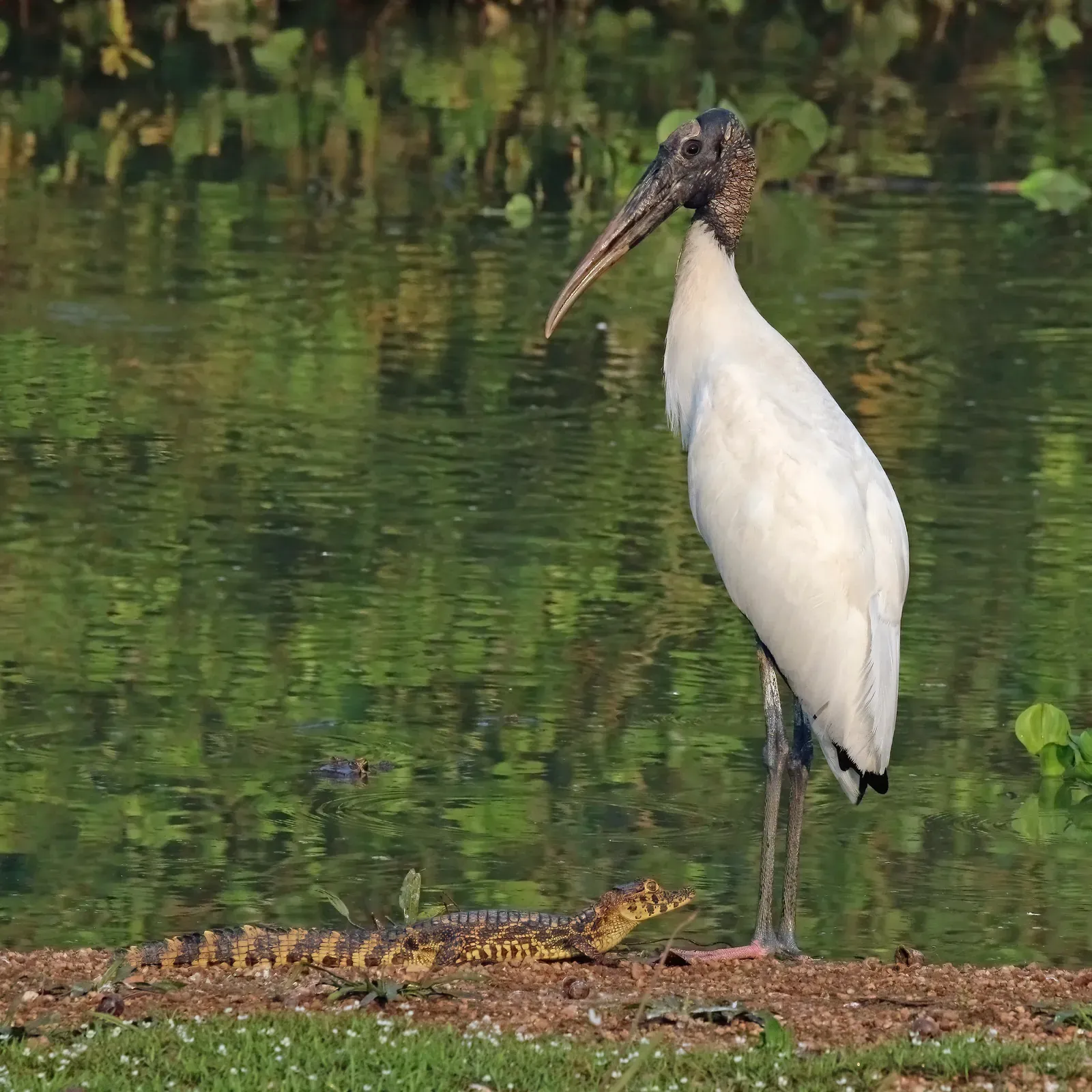
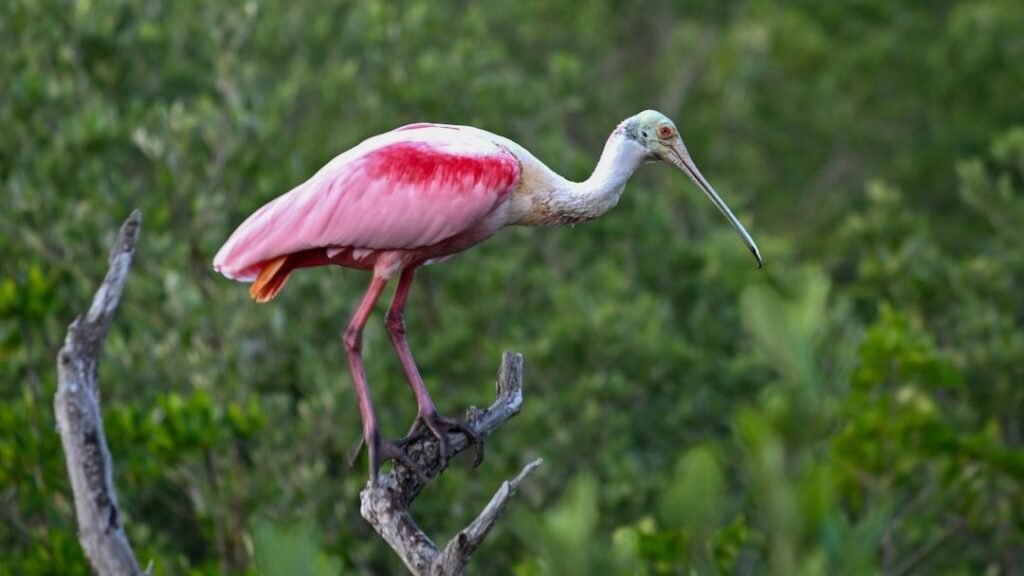
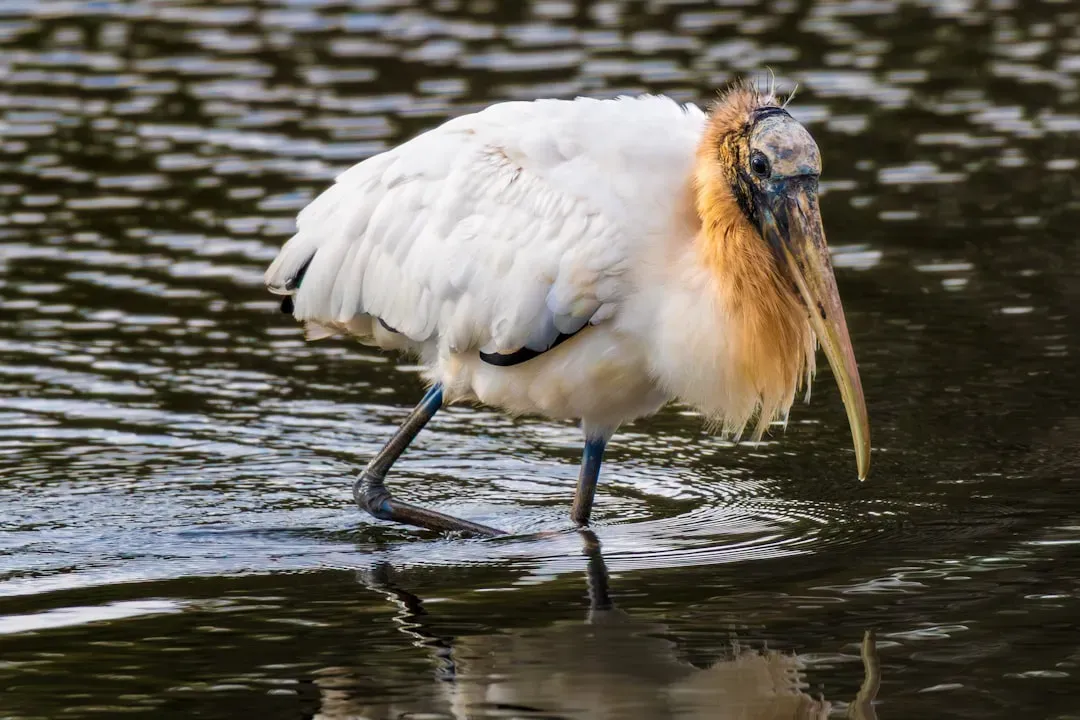
Wood storks gather in rookeries, their prehistoric profiles unmistakable. Great egrets and white ibises nest in colonies, feeding young with fish hauls. Roseate spoonbills add pink flair to mangrove edges.
Swallow-tailed kites soar overhead, while anhingas dry wings like dark crosses on branches. Limpkins call eerily from marshes. Snail kites hover precisely over prey in central wetlands.[2][8]
Northern Florida Hotspots
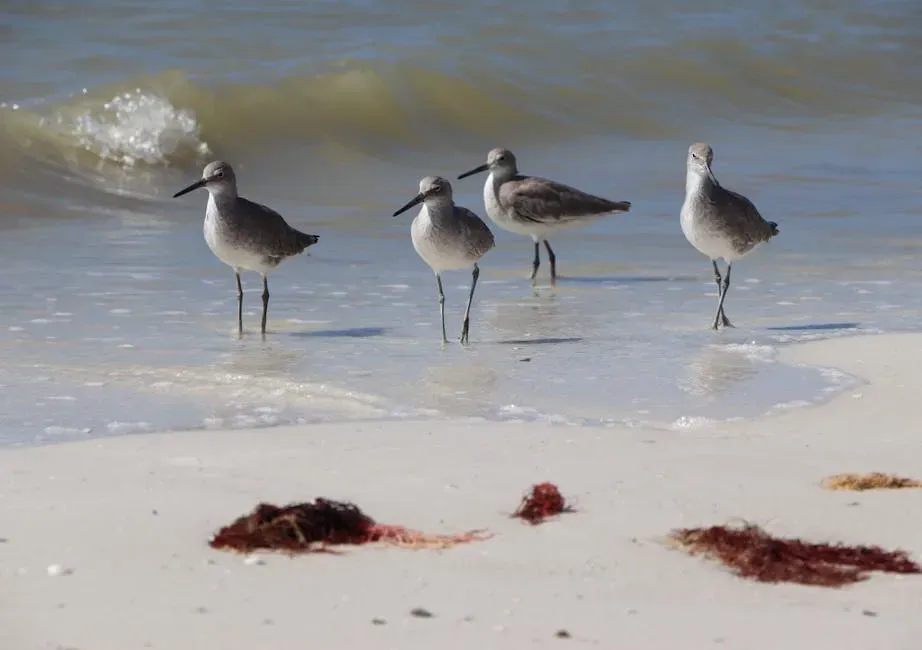
St. George Island State Park offers beach and marsh views for shorebirds. Apalachicola National Forest’s Wright’s Lake draws waders to open waters. Bald Point State Park mixes dunes with bays for diverse sightings.
The Great Florida Birding Trail connects these sites seamlessly. Early summer brings active rookeries nearby. Trails stay relatively uncrowded this season.[9][10]
Central Florida Favorites
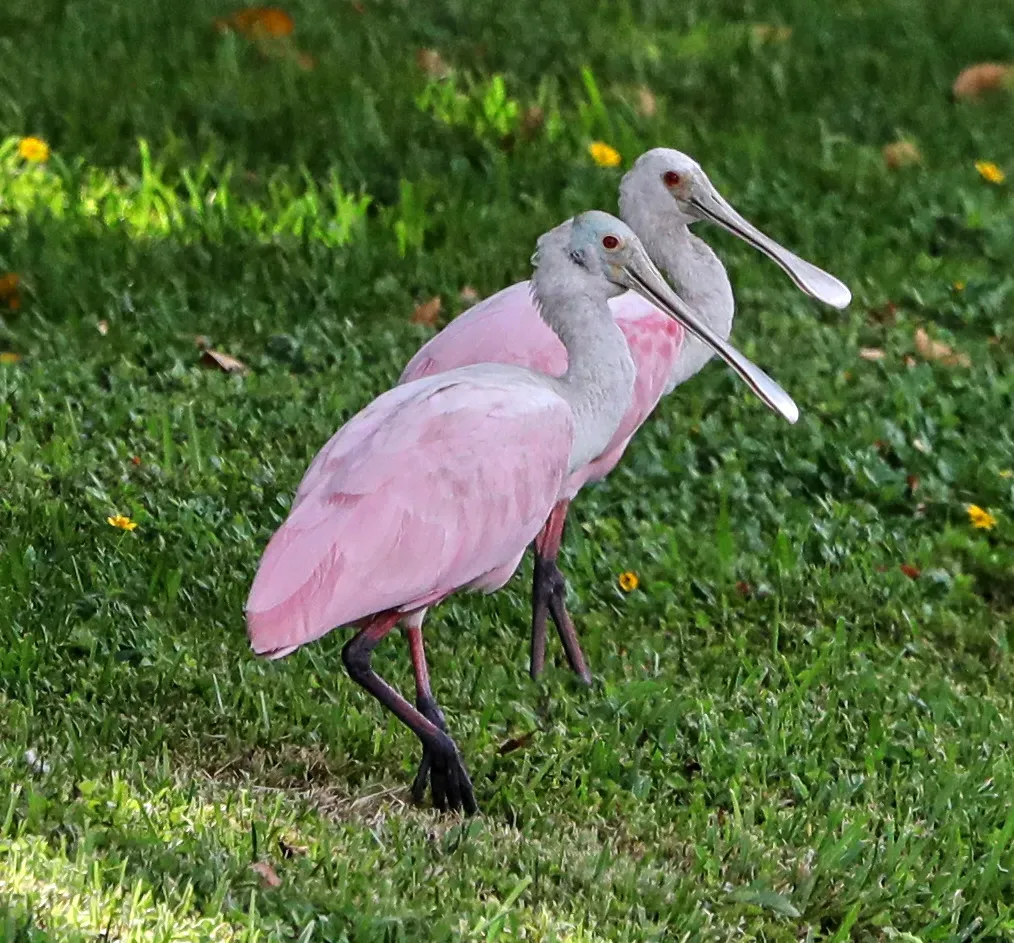
Merritt Island National Wildlife Refuge’s Black Point Drive circles prime wetlands. Celery Fields near Sarasota teems with waders in summer rains. Sweetwater Wetlands Park near Gainesville hosts bitterns and rails.
Blue Spring State Park sees manatees too, but birds like herons steal the show. These spots align with the Birding Trail for easy navigation. Breeding activity peaks here mid-summer.[11][12]
Southern Florida Must-Sees
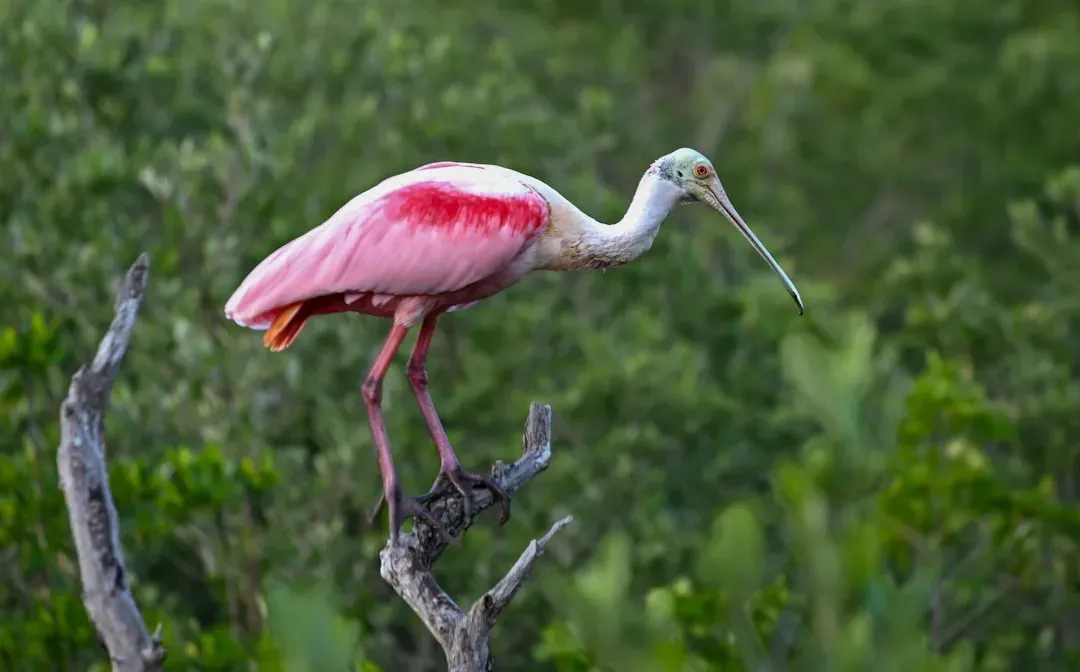
J.N. ‘Ding’ Darling Refuge on Sanibel Island winds through mangroves alive with egrets. Corkscrew Swamp Sanctuary’s boardwalk reveals deep swamp species. Everglades National Park’s Flamingo area spotlights spoonbills and anhingas.
Loxahatchee and Fakahatchee offer cypress dome rarities. Summer fills these with nesting frenzy. Access varies, so check current conditions.[13][14]
Conclusion
Florida’s summer birdwatching demands respect for the elements, yet delivers intimate glimpses of wild families. Follow the Great Florida Birding Trail to string together unforgettable stops. Each outing builds sharper eyes and deeper appreciation.
As the sun dips low, those fleeting wingbeats linger in memory. Grab your binoculars and step into the symphony.[10]