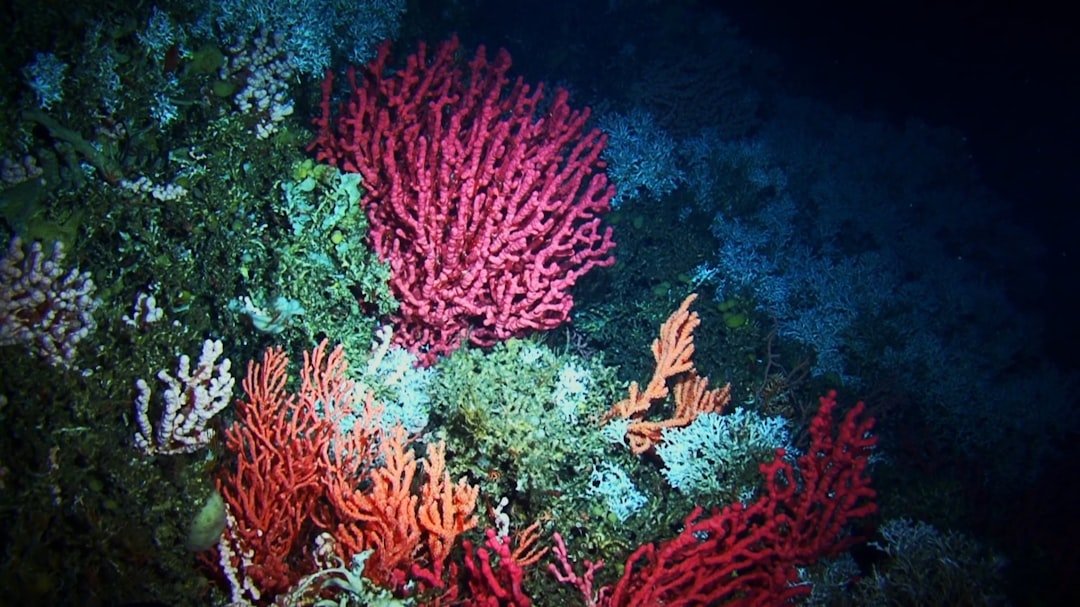
Endurance Shattered by Unexpected Climate Foe (Image Credits: Unsplash)
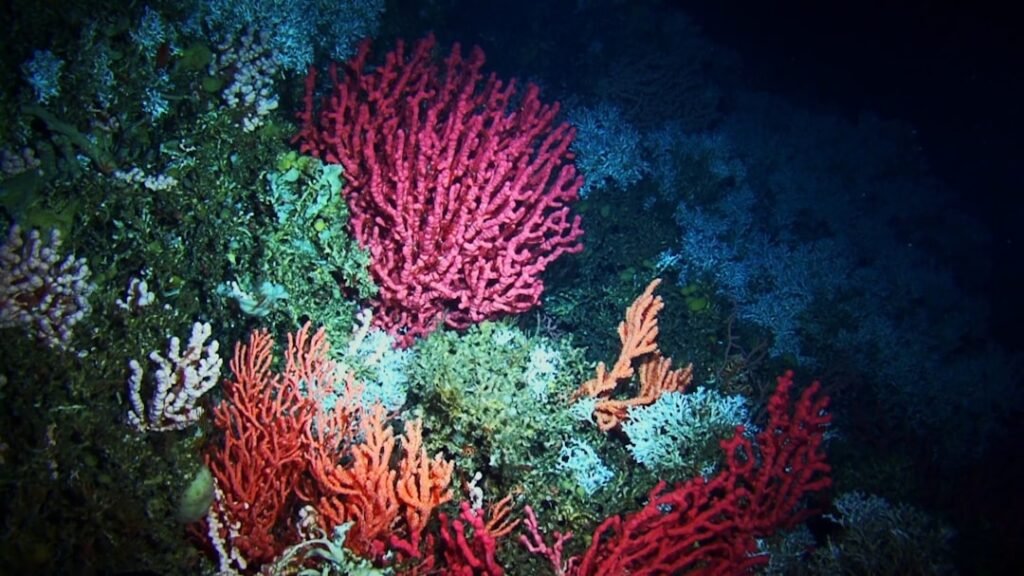
Galapagos Islands – Researchers have uncovered evidence that deep-water coral ecosystems in the region endured a mysterious absence lasting more than 1,000 years around 5,000 years ago.[1] These corals, thriving at depths up to 1,000 meters, had persisted through major climate shifts including the last Ice Age and subsequent warming periods over their 117,000-year history.[1]
The disruption tied directly to a prolonged La Niña phase within the El Niño Southern Oscillation, highlighting how even deep ocean habitats face risks from Pacific climate variability.[1]
Endurance Shattered by Unexpected Climate Foe
Deep-sea corals in the Galapagos Marine Reserve formed vibrant ecosystems that withstood tens of thousands of years of environmental upheaval. Scientists analyzed over 900 fossil specimens to map this long timeline.[1]
Yet around 5,000 years ago, these communities vanished completely for more than a millennium – the first such gap in their extensive record. Reefs at 400 to 600 meters on seamount summits supported diverse fish and invertebrates before the collapse. Uranium-thorium dating confirmed the precise chronology of this event. The corals reappeared eventually, but only after centuries of absence. This pattern revealed an ecosystem more fragile than its ancient survival suggested.[1]
La Niña’s Hidden Deep-Ocean Impact
A sustained La Niña phase drove the catastrophe by intensifying ocean circulation across the tropical Pacific. Stronger trade winds pushed nutrient-rich deep waters toward the surface, depleting oxygen levels at depth. Dr. Joseph Stewart of the University of Bristol explained, “The disappearance of the corals coincided with a prolonged La Niña phase. During that time, stronger ocean circulation brought deep, nutrient-rich water to the surface, which likely led to lower oxygen levels at depth, making it harder for deep-sea corals to survive.”[1]
Unlike El Niño events that scorch shallow reefs with heat, La Niña’s cooler, upwelling effects proved equally devastating far below. The El Niño Southern Oscillation governs sea surface temperatures and winds, but its prolonged cool phase created hypoxic conditions intolerable for stony corals. This finding shifts focus from surface warming to subsurface changes. Ecosystems at these depths, long considered stable, showed acute sensitivity to such shifts.[1]
Expeditions Unearth Fossil Clues
Teams gathered samples during targeted deep-sea missions using the submersible Alvin and remotely operated vehicle SuBastian from research vessels Atlantis and Falkor. Led by the University of Bristol, the effort involved collaborators from the Charles Darwin Foundation, Galapagos National Park Directorate, and Woods Hole Oceanographic Institution. Dr. Daniel Fornari noted, “These missions were designed to explore the archipelago’s biological diversity and geological history, with this study representing one of many exciting discoveries emerging from these efforts.”[1]
Analysis spanned depths to 1,000 meters, documenting reefs unseen until recent decades. Uranium-thorium techniques provided ages back 117,000 years, pinpointing the millennium gap. The work built on first reef documentation in the reserve since 1998. Such methods illuminated not just loss, but the slow path to renewal.[1]
| Timeline Milestone | Approximate Period | Key Development |
|---|---|---|
| 117,000 years ago | Present to ancient past | Coral ecosystems established |
| Last Ice Age | Tens of thousands of years ago | Corals persisted through extremes |
| Around 5,000 years ago | Millennium-scale event | Sudden disappearance begins |
| Over 1,000 years later | Post-disruption | Gradual recovery over centuries |
Implications for Climate-Stressed Seas
Today’s warming climate may alter ENSO patterns, amplifying risks to deep-sea biodiversity hotspots. Recovery took centuries, urging swift conservation measures. Professor Laura Robinson emphasized, “Understanding the great antiquity of this ecosystem, its sensitivity to change, and the centuries it takes to recover from disturbance will be vital for conservation efforts.”[1]
Stuart Banks of the Charles Darwin Foundation added that marine protected areas must extend to deep seafloors to foster connectivity and resilience. The study challenges assumptions about deep-ocean stability, as subtle Pacific shifts triggered collapse. Policymakers now face pressure to redesign protections beyond shallow coasts. These corals anchor unseen food webs, demanding inclusion in global strategies.[1]
Key Takeaways
- Galapagos deep-sea corals vanished for over 1,000 years around 5,000 years ago due to low-oxygen conditions from prolonged La Niña.
- Ecosystems endured Ice Age swings but proved vulnerable to Pacific circulation changes.
- Conservation must target deep habitats amid shifting ENSO under climate change.
Deep-sea corals offer a stark reminder: ocean change strikes without warning, even in the abyss. Their story demands proactive safeguards to ensure future recovery remains possible. What do you think about these findings? Tell us in the comments.