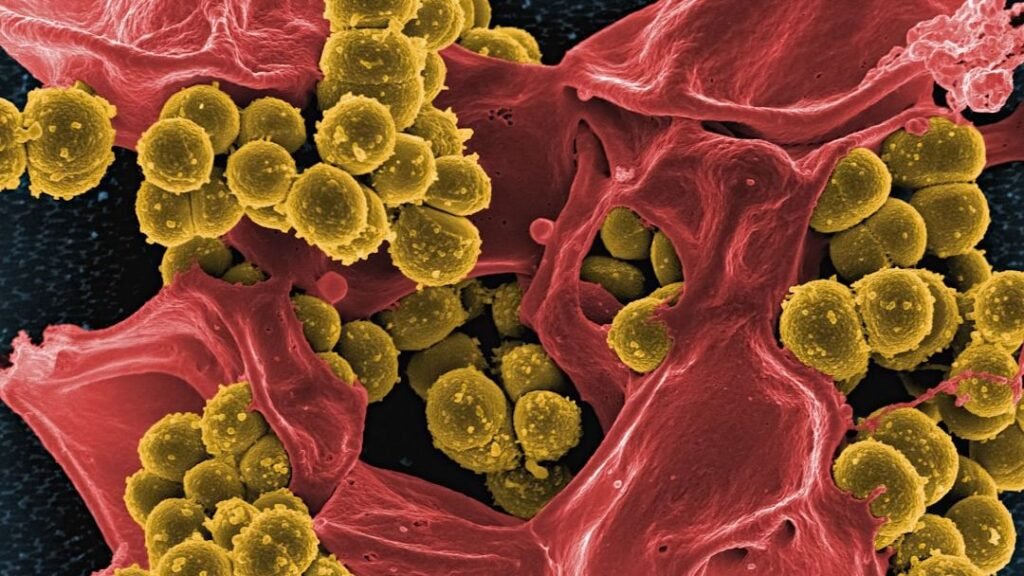

You’re never really alone. Right now, as you read this, you’re carrying around an entire invisible ecosystem made of trillions of tiny organisms. They live on your skin, in your mouth, and especially deep in your gut, quietly shaping how you feel, what you crave, and even how you think. You can’t see them, but they’re as much a part of you as your heart or your lungs.
Once you understand this hidden world, your body stops feeling like a mysterious black box and starts to look more like a bustling city you’re in charge of. You begin to see why two people can eat the same meal and feel completely different afterward, or why your mood can tank after a week of fast food and no sleep. This isn’t just abstract science; it’s a living, shifting community inside you, responding to how you live, every single day.
You Are More Microbe Than Human (In a Way)
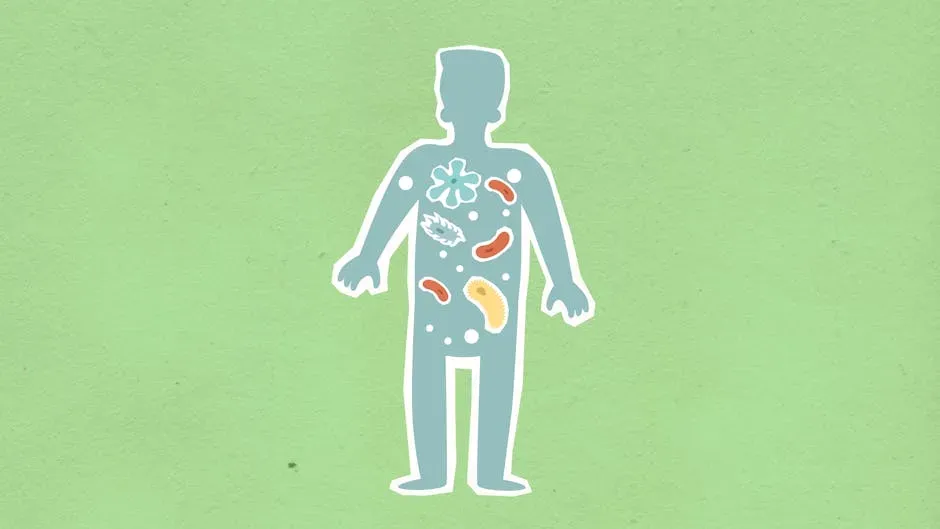
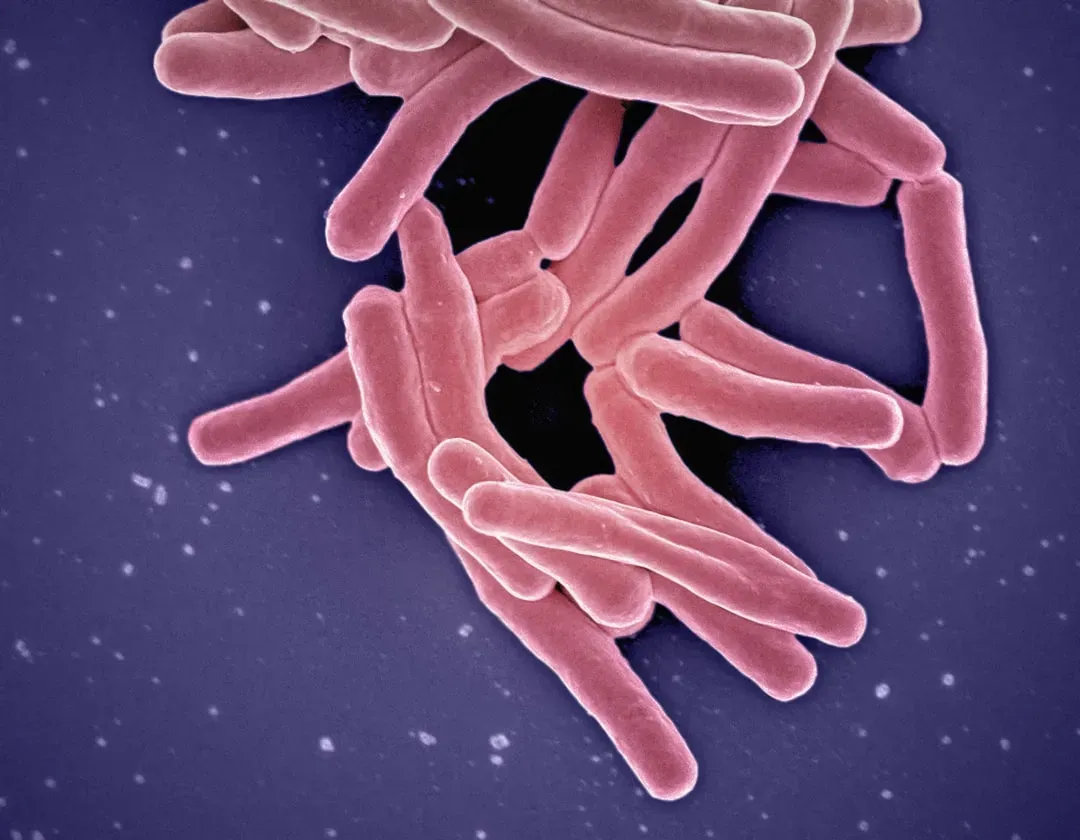
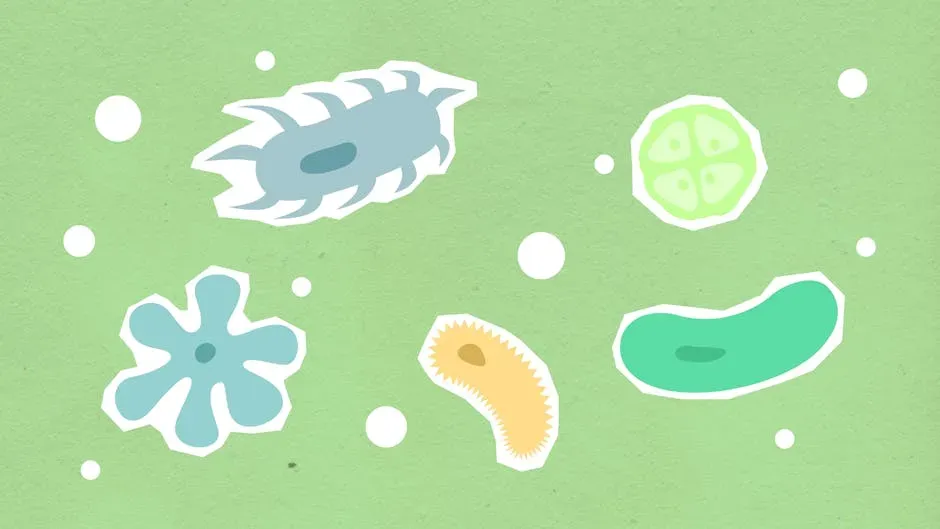
If you could somehow shrink down and walk through your own body, you’d see microbes everywhere: bacteria, fungi, viruses, and other microscopic life forms carpeting your tissues like a dense forest floor. Researchers estimate that you host at least as many microbial cells as human cells, and if you count genes, your microbial genes outnumber your human genes by a huge margin. In terms of raw biological diversity, you’re more like a super-organism than a single individual.
That sounds strange at first, but it actually explains a lot about why your body is so responsive to your environment. These microbes help you break down food, produce certain vitamins, and train your immune system. In return, you give them a warm, nutrient-rich home. It’s less like a one-way relationship and more like a long-term roommate agreement, and when things are going well, you hardly notice they’re there. You only really feel them when that balance gets thrown off.
Your Gut Microbiome Is a Full-Blown Ecosystem
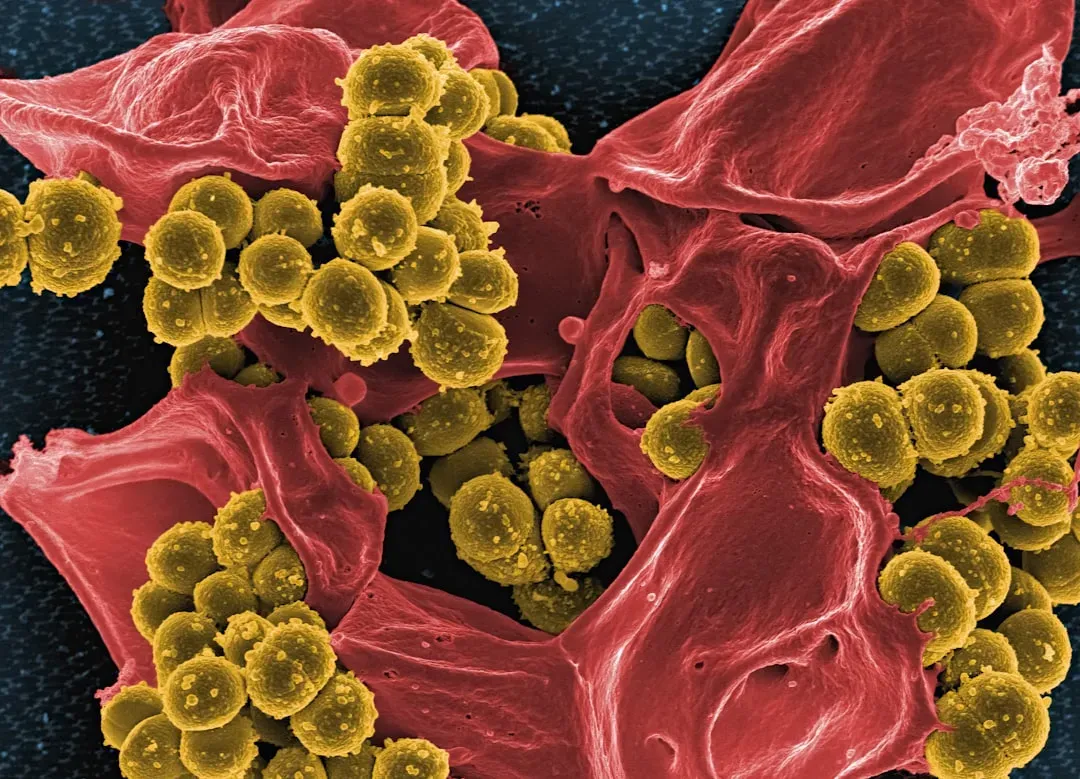
When people talk about “the microbiome,” they’re often really talking about the community in your gut, especially your large intestine. If you imagine your gut as a long winding river, the microbiome is like the life along its banks: some species specialize in digesting plant fibers, others help break down fats or proteins, and some work together in complex chains, passing molecules along like a relay team. You’re not just digesting food; you’re feeding this entire community, meal by meal.
What you eat shifts who thrives and who struggles in that ecosystem. A diet rich in diverse plant foods tends to support a wider variety of microbes, which is generally linked to better health and resilience. On the other hand, a steady stream of ultra-processed foods and added sugars can favor microbes that aren’t so helpful in the long run. You might think you’re eating just for yourself, but your microbes see every snack as a vote for who gets to stick around.
They Help Digest Food You Can’t Handle Alone
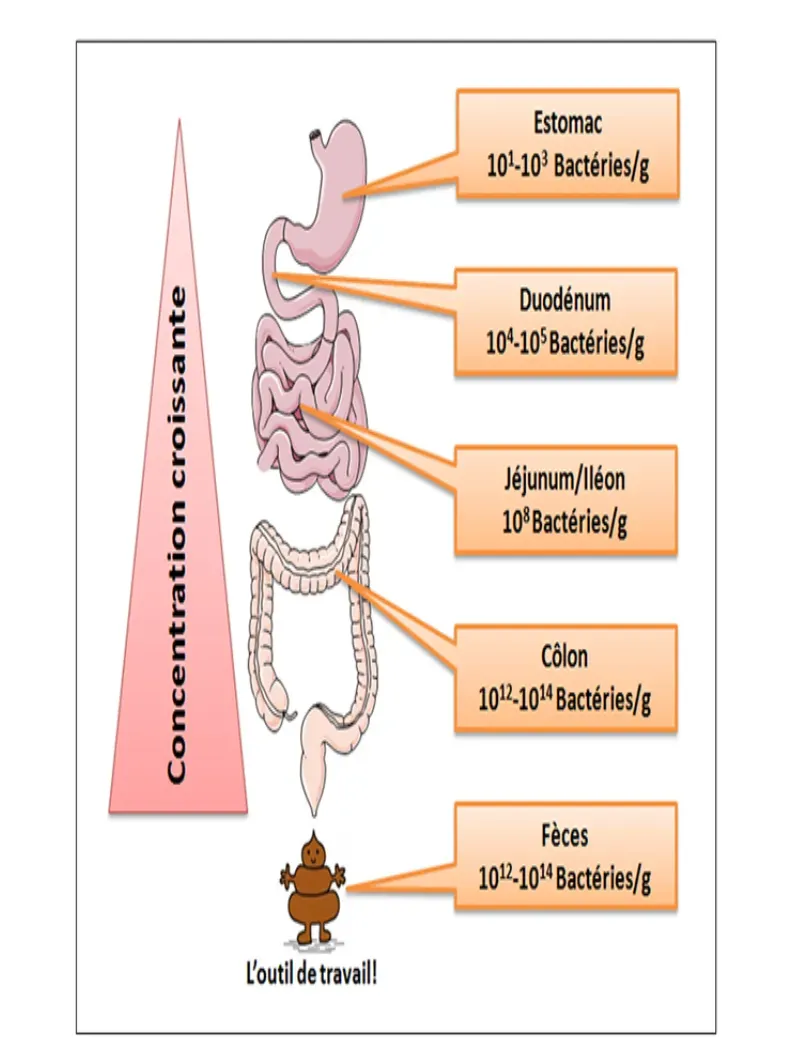
There are certain fibers and compounds in your food that your own enzymes simply can’t break down. Without your microbes, a lot of what you eat would just pass through unused, like logs drifting down that river untouched. Your gut microbes step in and ferment these fibers, turning them into smaller molecules that your body can actually absorb and use, particularly short-chain fatty acids that support your gut lining and help regulate inflammation.
You feel this teamwork most clearly when you change what you eat. If you suddenly load up on beans, whole grains, or new vegetables, you might notice extra gas or bloating as your microbes adjust and ramp up their breakdown machinery. Over time, though, as your microbial community adapts, that discomfort often fades and you gain the benefits of better digestion and more stable energy. It’s like giving your internal workers new tools; at first it’s awkward, but eventually they get good at using them.
Your Microbes and Your Mood Are Deeply Connected
![Your Microbes and Your Mood Are Deeply Connected ([1] doi:10.3389/fendo.2019.00009, CC BY-SA 4.0)](https://nvmwebsites-budwg5g9avh3epea.z03.azurefd.net/dws/278bbddb9321eb9b3ced7e8d5a197fa0.webp)
You might not expect your gut to have anything to do with your mind, but your microbes are constantly sending signals back and forth along what many scientists call the gut–brain axis. They produce and influence the building blocks of neurotransmitters, interact with your immune system, and help shape the way your nervous system responds to stress. When your gut is unhappy, your mood often follows, even if you can’t quite explain why you feel off.
Think about times when your stomach has been in knots before a big event or when a week of chaotic eating has left you feeling drained and irritable. That connection isn’t just in your head; your microbes are part of the conversation. Supporting a stable, diverse microbiome with decent sleep, fiber-rich food, and less chronic stress can sometimes feel surprisingly similar to taking better care of your mental health. You’re essentially calming down an entire neighborhood that talks directly to your brain.
Your Immune System Trains With Microbial “Teachers”
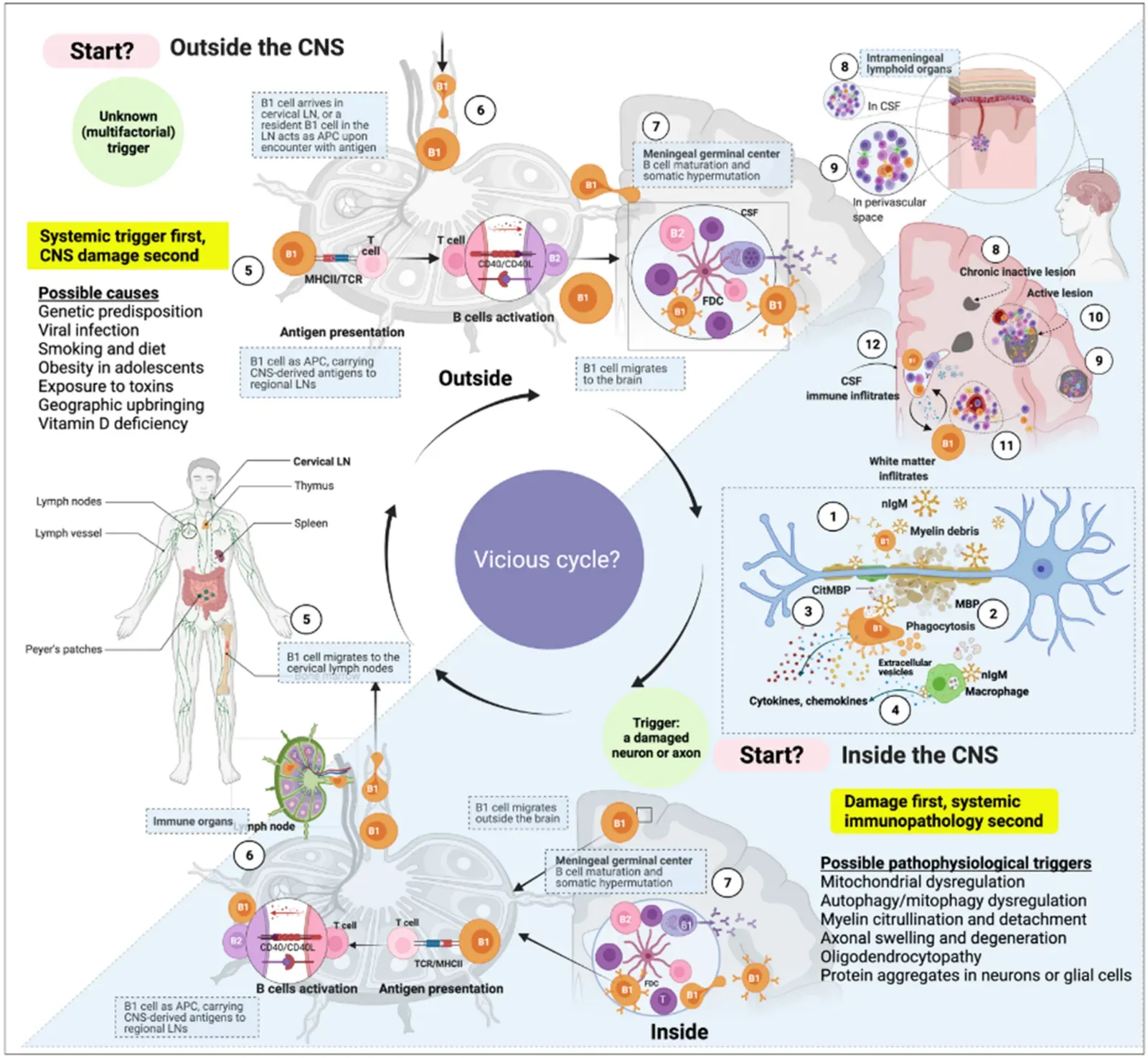
Your immune system doesn’t come pre-programmed with a perfect list of friend or foe; it has to learn. A big part of that education comes from the microbes you meet early in life and continue to host as you grow. Your immune cells are constantly bumping into these organisms and their byproducts, and over time they learn which signals mean trouble and which mean normal, everyday life. Without that exposure, your immune system can become jumpy, like a guard dog that barks at every rustling leaf.
When your microbial world is balanced, your immune system tends to respond in a more measured way, clearing real threats without constant background inflammation. But when your microbial community gets disrupted – by long runs of antibiotics, a very narrow diet, or ongoing stress – your immune system can slip into a kind of chronic low-level alarm. You might not notice one big dramatic symptom, but you feel it as sluggishness, more frequent minor illnesses, or a general sense that your body is working harder than it should.
Antibiotics, Hygiene, and Modern Life Change Your Inner World

Antibiotics are lifesaving when you really need them, but they don’t just target the one bad bacteria making you sick. They can also wipe out large sections of your friendly microbes, like cutting down an entire forest to deal with a few invasive plants. Afterward, your microbiome has to regrow and rebalance, and that process doesn’t always go smoothly, especially if your diet and lifestyle do not support recovery. You may notice digestion shifts, new sensitivities, or just a sense that your body is a bit “off” for a while.
Modern life adds other pressures, too. You spend more time indoors, interact with fewer natural environments, and often come into contact with harsh cleaning products and ultra-processed foods. That can mean fewer opportunities to acquire helpful microbes and more chances to narrow down your internal diversity. You don’t need to live in dirt or abandon hygiene, but it’s worth recognizing that a perfectly sterile world is not actually what your body evolved for; your microbes are part of what makes you resilient.
You Can Nudge Your Microbes With Everyday Choices
The good news is that your microbiome is not fixed in stone; it shifts in response to what you do, which means you have some real influence. Eating a variety of plant foods – vegetables, fruits, legumes, nuts, seeds, and whole grains – gives different microbes a chance to thrive, almost like rotating which neighborhoods in your internal city get more resources. Fermented foods such as yogurt, kefir, kimchi, or sauerkraut can also introduce helpful microbes or support the ones already there.
Sleep, movement, and stress are part of the picture too. When you’re chronically sleep deprived, barely moving, and running on stress hormones, your microbes tend to reflect that chaos. On the other hand, when you prioritize regular movement, decent rest, and ways to unwind, your internal ecosystem often becomes more stable. You’re not chasing perfection; you’re setting up conditions where your microbial roommates can do their best work for you.
Not All Microbiome Hype Is Worth Believing
Because the microbiome is such a hot topic, you’re surrounded by bold claims and miracle products promising instant transformation. You’ll see supplements that act like they can fix everything from your skin to your mood in a week, as if a single capsule could completely remodel a complex ecosystem. The reality is more measured: targeted probiotics and prebiotics can be useful in some situations, but they are usually just one piece of a larger lifestyle puzzle rather than magic bullets.
It helps to remember that your microbiome is highly individual, shaped by your birth, your early childhood, your environment, and your long-term habits. That means the perfect diet or product for someone else might not land the same way in your body. Instead of chasing every trend, you’re generally better off focusing on sustainable basics: more fiber, less ultra-processed food, regular movement, solid sleep, and working with a healthcare professional when you have persistent symptoms. In other words, support the whole habitat, not just one flashy species.
When you start to see yourself as a walking ecosystem, your health choices take on a different weight. You’re not just eating for “calories” or “fuel”; you’re feeding a teeming world inside you that gives back in the form of energy, mood, and resilience. There’s something strangely comforting about that, like knowing you’re backed up by an unseen team that wants you to succeed as long as you treat it well.
You don’t have to become obsessed or track every microbe to respect that hidden world. Small, steady changes in how you eat, move, and rest can shift your internal balance more than any quick fix. Next time you sit down for a meal or finally decide to go to bed on time, you might wonder: what kind of world are you building inside you today?