
Most of us like to think of altered states of consciousness as something mystical, creative, or enlightening. Meditation retreats, psychedelic therapy, breathwork, hypnosis, brain-stimulation tools, even intense fitness routines all promise access to some higher, deeper version of ourselves. The story we hear is usually glowing: expanded awareness, emotional breakthroughs, a sense of unity with everything. It sounds like a one-way elevator to a better mind.
But when you look closely at what neuroscientists, psychiatrists, and psychologists have been finding over the last few years, a more complicated picture appears. The same neural doors that open us to awe, insight, and healing can also open onto confusion, panic, delusion, and lasting destabilization. I still remember my first long meditation retreat; I expected calm and clarity, and instead I got insomnia, intrusive memories, and a frightening sense that my usual “me” had slipped out of reach. I later learned that researchers have been documenting this darker side of altered states for years – and that my experience was far from rare.
The Hidden Risks Behind “Enlightening” Experiences
Here is the uncomfortable truth: almost every altered state that is praised as transformative in the wellness or self-improvement world carries documented psychological risks. Deep meditation can trigger episodes of intense anxiety, dissociation, or resurfacing trauma; psychedelic sessions can spiral into terrifying experiences, paranoia, or lingering confusion; even intensive breathwork or sensory deprivation can bring on panic or disturbing perceptual changes. Scientists are not saying these practices are all bad, but they are increasingly clear that the risks are often glossed over in the rush to promise quick breakthroughs.
Part of the problem is that we tend to tell only the success stories. You hear from the friend who had a life-changing psilocybin trip, not from the one who ended up in the emergency room because reality suddenly felt like a broken movie. You see glowing testimonials about people who “found themselves” on retreat, not the quiet stories of those who returned home feeling emotionally raw, confused about who they are, or unable to reintegrate into ordinary life. When we only share the highlight reel, we create a culture where people feel blindsided and even ashamed when their experience turns dark instead of blissful.
When the Self Starts to Slip: Depersonalization and Derealization
One of the most unsettling dark sides scientists describe is a cluster of experiences called depersonalization and derealization. In depersonalization, people feel detached from their own body, thoughts, or emotions – like watching their life from the outside, or moving through a dream. In derealization, the world itself feels unreal, flat, or strangely distant, as if everything has been quietly swapped for a convincing stage set. These states can show up after intense meditation, psychedelics, severe stress, or even sleep deprivation.
A little bit of this can pass quickly and might even be interesting, but for some people it sticks – and that is where the real suffering begins. Imagine waking up and feeling like your hands are not really yours, or like your partner’s face is familiar but emotionally hollow, day after day. Researchers have linked persistent depersonalization and derealization to altered activity in brain regions that integrate sensory input with a stable sense of self, and once that integration is shaken, it can take time and careful support to settle again. It is the dark mirror of those transcendent moments when the self feels beautifully expanded: in this version, the self feels dangerously thin.
The Dark Trip: Psychedelics, Panic, and Lasting Fallout
Psychedelics like LSD, psilocybin, and others are being seriously studied as tools for treating depression, PTSD, and addiction, and the clinical results are promising. But outside controlled research settings, the reality is much messier. People can experience overwhelming fear, terrifying hallucinations, a conviction that they are dying or losing their mind, or a collapse of basic trust in their own thoughts. These so-called “bad trips” are not just a few awkward hours; for some, they leave behind lingering anxiety, flashbacks, or a destabilized sense of reality.
Scientists who study these substances point out that what happens during the trip matters less than how well it is prepared for and integrated afterward. Without solid screening, safe environments, and trained guides, people who are already vulnerable – because of family history, trauma, or underlying mental conditions – are more likely to experience serious negative effects. It is a bit like playing with the brain’s operating system: you might get an upgrade, but you might also crash the system if you go in blindly. The hype around psychedelic “miracles” often ignores how delicate that line can be.
Meditation Is Powerful Medicine – And Medicine Has Side Effects
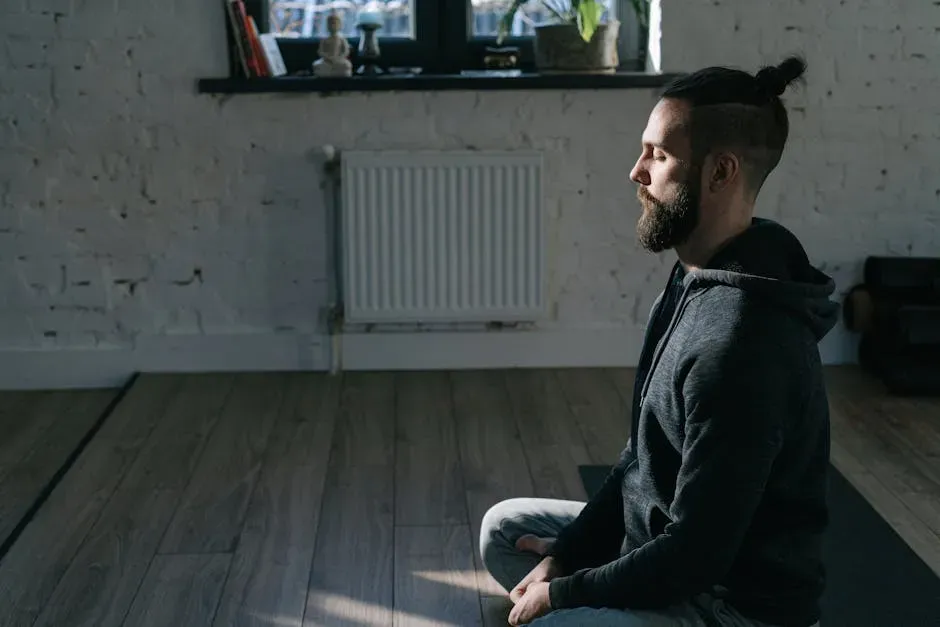
Meditation is usually sold as pure good: less stress, more focus, deeper compassion, better sleep. Many of those benefits are real and supported by research, especially for moderate, consistent practice. But long-form or very intensive meditation can sometimes do the opposite of what people expect. There are documented cases of practitioners experiencing intrusive memories, waves of despair, emotional numbness, or frightening changes in their sense of identity after retreats or high-dose practice schedules.
Researchers and meditation teachers are starting to talk more openly about this, describing experiences like “dark nights” or meditation-related difficulties. It makes sense when you think of meditation not as a spa treatment but as a kind of neural training that can strip away the normal distractions and defenses that keep old wounds or anxieties in check. If those defenses come down too quickly, especially without skilled support or context, what surfaces can feel overwhelming. Meditation is powerful precisely because it changes how attention and awareness work – and any powerful intervention comes with the possibility of side effects.
Sleep Loss, Stimulants, and Everyday Altered States We Underestimate

Not all risky altered states come from exotic practices. Everyday life pushes many of us into strange mental territory without us even naming it. Severe sleep loss, for example, can induce hallucinations, time distortions, or paranoia after long enough wakefulness. High-dose stimulants or certain combinations of substances can tilt people into agitated, hyper-focused states that feel productive at first but quietly erode judgment and emotional stability. These are altered states too – they just happen to be culturally accepted, even rewarded, in some circles.
Because these states often show up in contexts like demanding jobs, caregiving, partying, or all-night creative pushes, people easily rationalize them away. You tell yourself you are just tired, wired, or “in the zone,” even as your perception of reality drifts and your emotional reactions become less predictable. Scientists have repeatedly found that sustained sleep deprivation and heavy stimulant use can amplify risk for psychosis-like symptoms in vulnerable people. The dark side here is subtle: you may not realize just how altered your consciousness has become until you cross a line it is very hard to step back from.
Who Is Most at Risk – and Why Context Matters So Much

One of the most important findings across this research is that the dark side of altered states does not affect everyone equally. People with a personal or family history of psychosis, bipolar disorder, or severe anxiety appear more vulnerable to destabilizing reactions. Those carrying deep, unresolved trauma may also be more likely to have overwhelming experiences when their normal coping strategies are stripped away. Even personality traits like a tendency toward dissociation or absorption can shape whether an altered state feels like a revelation or a nightmare.
Context matters just as much as individual makeup. Supportive, informed guides, a physically safe and calm environment, clear expectations, and space for integration afterward all reduce the chance that an intense experience turns into a crisis. By contrast, going in alone, mixing substances, pushing too hard too fast, or doing it in chaotic settings dramatically ups the risk. In a way, altered states are like opening a powerful chemical in a lab: with the right equipment and training, you can do remarkable things; without them, you may end up injured, even if your intentions were good.
How to Explore Altered States Without Losing Yourself
None of this means we have to fear altered states or avoid them completely. Many people genuinely benefit from carefully guided psychedelic therapy, trauma-informed meditation, or even just mindful awareness of how sleep and substances affect their mind. But the key is to treat these experiences with the same respect you would give to surgery, powerful medication, or mountain climbing. You do not wander onto a glacier in flip-flops, and you should not wander into mind-bending states without preparation, support, and a realistic understanding of the risks.
Before diving into any practice that promises to radically change your consciousness, it is worth asking hard questions: What does the science actually say about risks? How does my mental health history fit into that picture? Who will help me if things go wrong, not just during the experience but in the weeks afterward? In my view, a healthy relationship with altered states is not about chasing constant transcendence; it is about balancing curiosity with caution, wonder with respect, and the desire to expand the self with the responsibility to protect it.
Conclusion: Awe, Danger, and the Responsibility to Look Deeper

Altered states of consciousness will probably always fascinate us. They promise escape from the ordinary, a peek behind the curtain of the everyday mind, a feeling that there is more to being human than emails, errands, and endless scrolling. Scientists are not here to crush that sense of possibility; if anything, their work often confirms that the brain really can enter astonishing modes of perception and emotion. But the same pathways that lead to awe and healing can, under the wrong conditions, open into terror, confusion, or long-lasting instability.
For me, the biggest shift has been moving from a “these experiences are sacred and safe” mindset to “these experiences are powerful and deserve real respect.” That means listening to research, not just glowing stories; recognizing warning signs in myself and others; and accepting that sometimes the bravest choice is to slow down or step back. Altered states are not toys or shortcuts to enlightenment – they are serious encounters with the machinery of the self. The question is not whether they have a dark side, but whether we are willing to look at it honestly before stepping over the threshold; now that you know more, how would you choose to cross it?