When you think about exploring, you probably imagine climbing mountains or visiting distant countries, not sinking into a world of cold darkness miles below the waves. Yet most of your planet is exactly that: deep, silent water that almost no one has ever seen. The deep ocean is so extreme, so alien, that it feels closer to outer space than to your local beach.
As you dive into these facts, you’ll notice something quietly unsettling: you live your whole life on a thin, sunlit film while a vast, hidden universe keeps your world running in the background. By the time you reach the end, you might never look at a map, a storm, or even a glass of water the same way again.
You Live On A Planet That Is Mostly Deep Ocean
You probably think of Earth as a planet of continents with some water in between, but it is really the other way around. If you could smooth all the mountains and fill in all the valleys, the whole planet would be covered in an ocean more than a mile deep, and most of that would count as deep sea. The deep ocean generally starts around where sunlight fades out, a few hundred meters down, and from there the water keeps going for miles.
That means the surface you walk on, drive across, and build cities on is basically a thin crust around enormous dark basins. The majority of the living space on Earth, by volume, sits in that cold, pressurized water you never see. When you look at a world map next time, you are really looking at a tiny fraction of the real habitable volume of your planet, with the main part hidden under blue.
The Pressure Down There Would Crush You Instantly
If you could snap your fingers and teleport yourself to the deepest trenches, you would not even have time to realize you made a mistake. The pressure rises dramatically as you go down, building up like adding another car on top of you every few meters. In the deepest known point of the ocean, that pressure is thousands of times greater than what you feel at sea level, enough to crush unprotected metal and glass like soda cans.
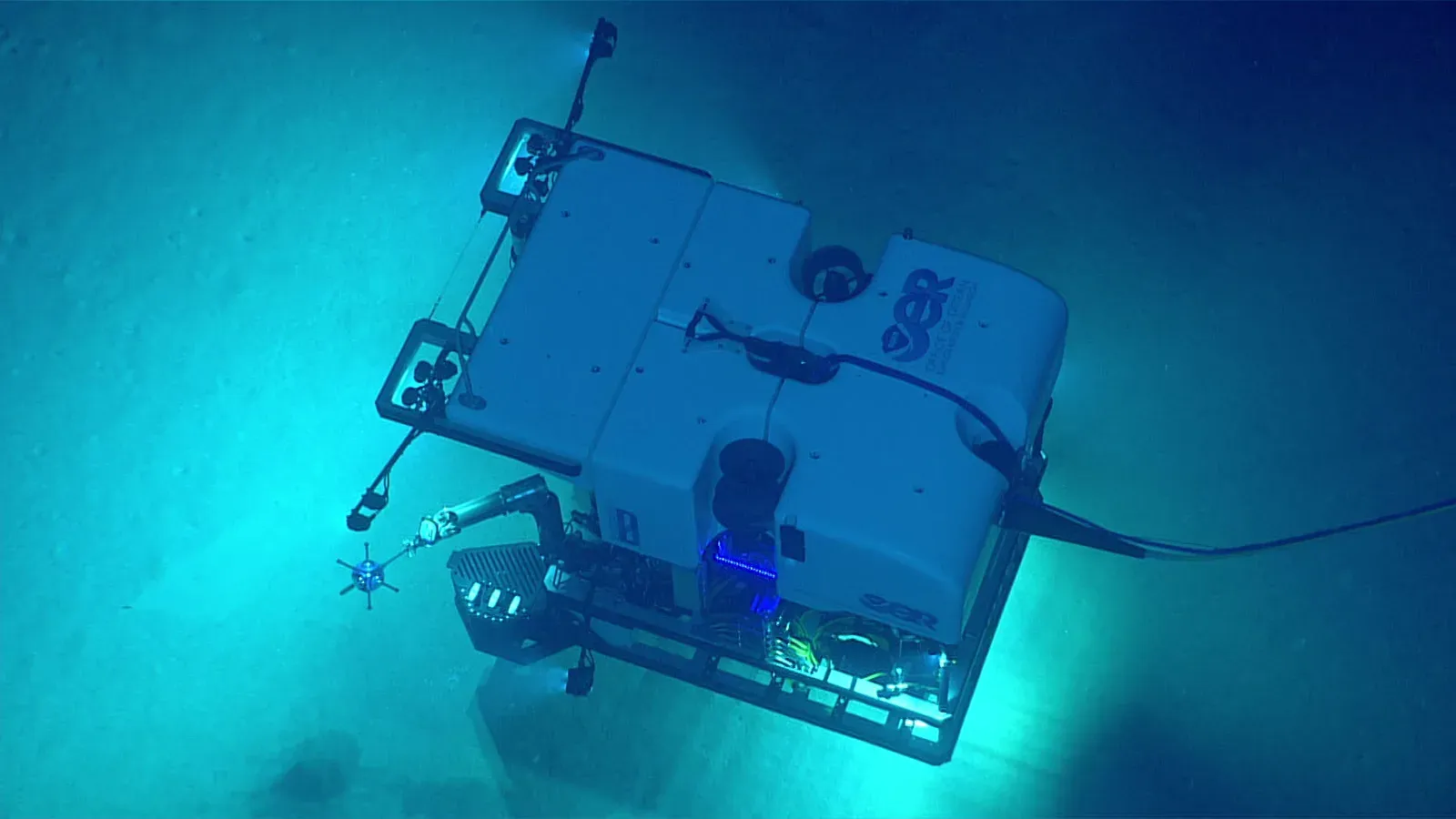
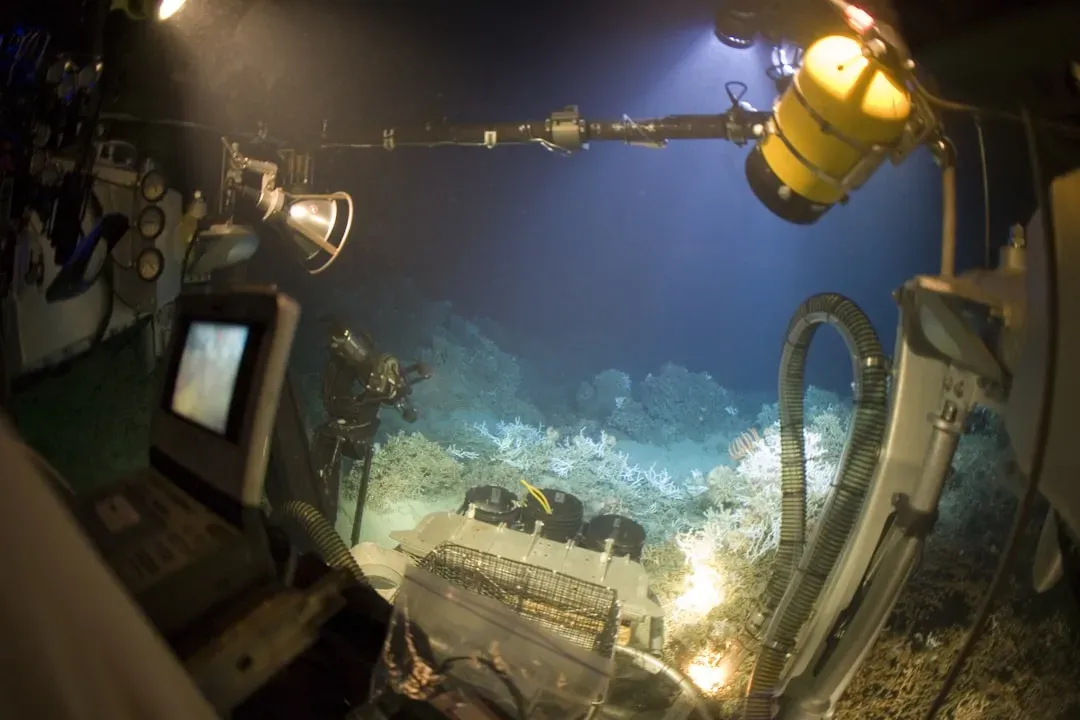
To survive there, you would need a submersible built like a miniature fortress, with thick hulls designed so carefully that even a small flaw could be deadly. Creatures that live at those depths avoid being crushed by having bodies full of water and soft tissues that match the surrounding pressure instead of resisting it. When you see pictures of small, delicate-looking deep-sea animals, remember that they are actually tougher than most machines you use on land.
Most Of The Deep Ocean Is In Permanent Darkness
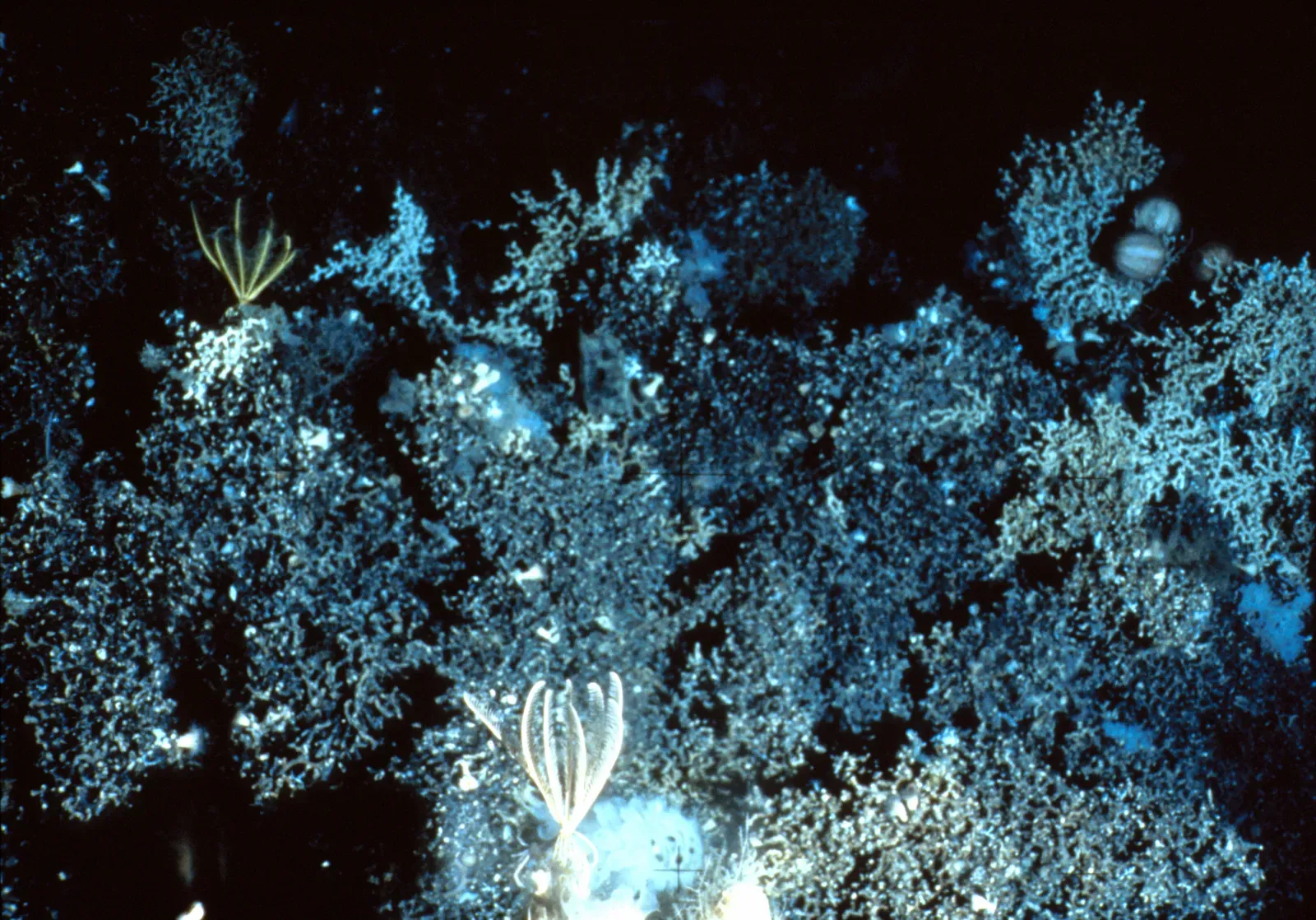
You might picture the ocean as dimly lit or cloudy, but once you leave the surface layer, the light disappears surprisingly quickly. Sunlight gets absorbed and scattered in the upper few hundred meters, and below that you find a world where your eyes are useless without artificial light. If you swam there with your normal senses, you would be inside a blackness so complete it would make a moonless night feel bright.
In this permanent night, animals evolve different strategies than the ones you see in shallow waters. Many either have huge, light-sensitive eyes to catch the tiniest hint of shimmer, or no functioning eyes at all because there is nothing to see. Imagine living your entire life in a windowless room, with sound, touch, and chemical signals becoming the only way you can navigate and find food or mates.
Life Thrives Without Sunlight At Hydrothermal Vents
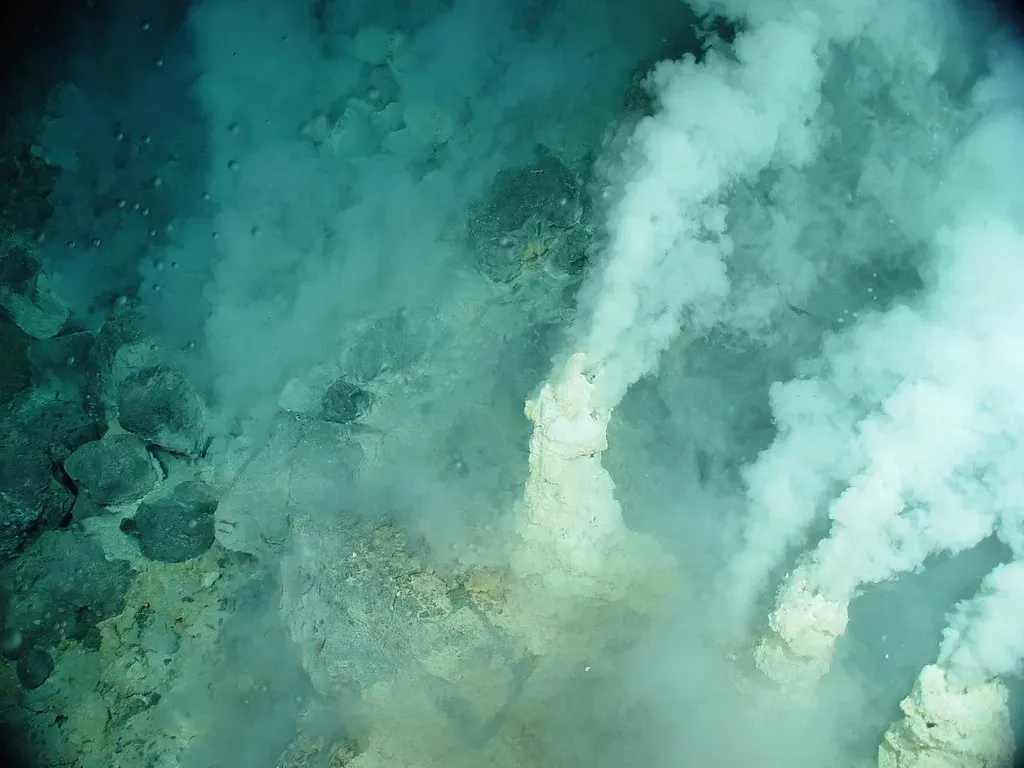
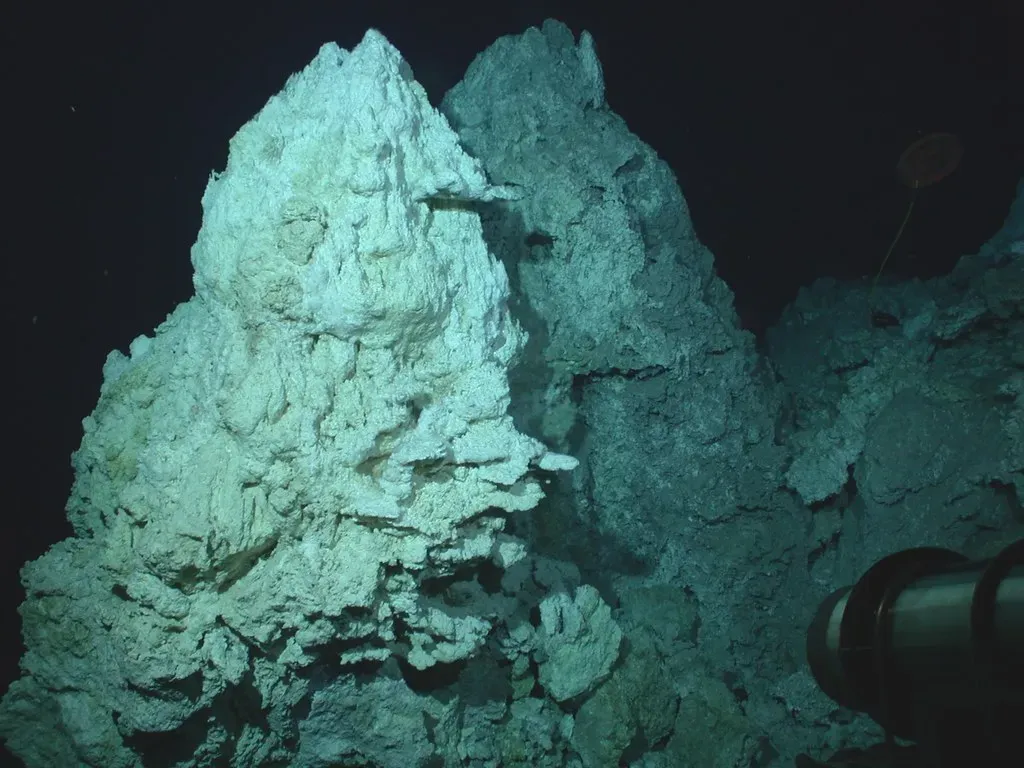
You are used to the idea that life depends on sunlight, with plants capturing energy and everything else feeding off that base. However, on the deep sea floor, far away from any daylight, you find hydrothermal vents where life plays by different rules entirely. These vents spew superheated, mineral-rich fluid from inside the Earth, and certain microbes use the chemical energy in those fluids instead of sunlight to survive.
Around these chemical power plants, thick communities of worms, clams, shrimp, and other creatures gather, forming ecosystems built on chemistry rather than photosynthesis. You can think of it like discovering a forest that runs on battery acid instead of sunlight, yet somehow still supports huge, complex life. These vent ecosystems also hint that if life can exist there, it might not need sunlight on other worlds either, just the right mix of rock, water, and energy.
The Deep Ocean Stores And Moves Enormous Amounts Of Heat And Carbon
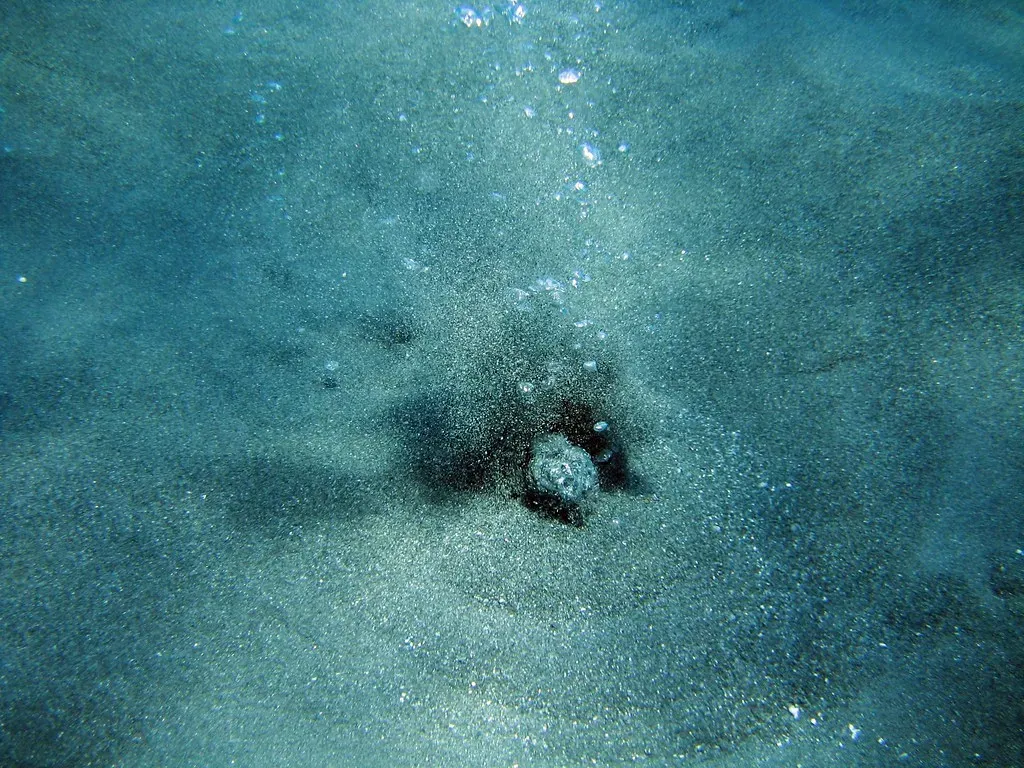
While you go about your day, the deep ocean quietly acts like your planet’s gigantic climate control system. Cold, dense water sinks in certain regions and slowly spreads along the seafloor, carrying heat and dissolved gases with it for long journeys that can last centuries. This slow circulation helps even out temperature differences across the globe and keeps surface climates more stable than they would otherwise be.
The deep ocean also absorbs and stores large amounts of carbon dioxide from the atmosphere, locking it away in water and sediments. When you hear about climate change, you are really hearing about a race between how fast people release carbon and how fast the oceans and other systems can take it up. Because deep water moves so slowly, any changes you cause now can stay hidden down there for generations before they fully show up again near the surface.
You Are Surrounded By Unknown Species Hiding In The Depths
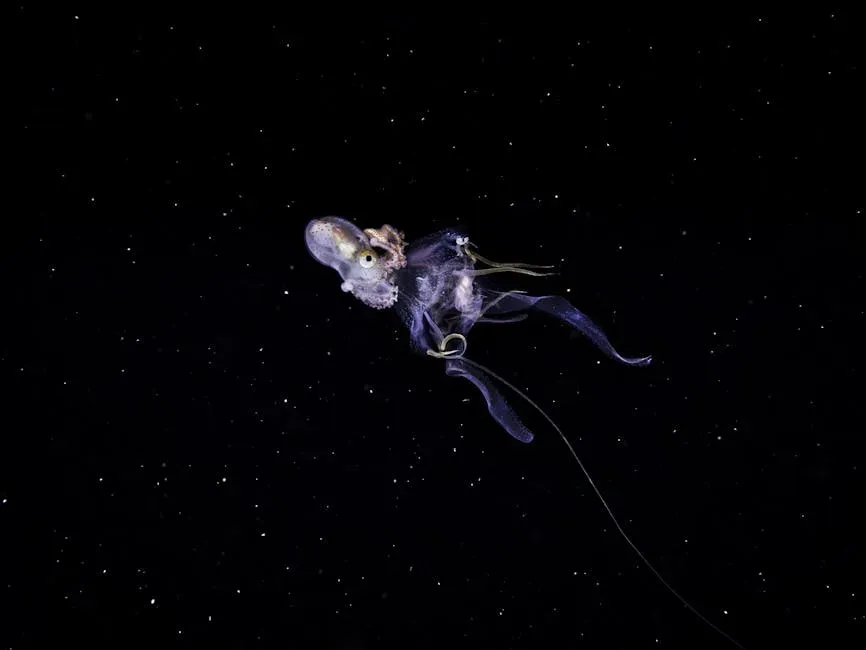
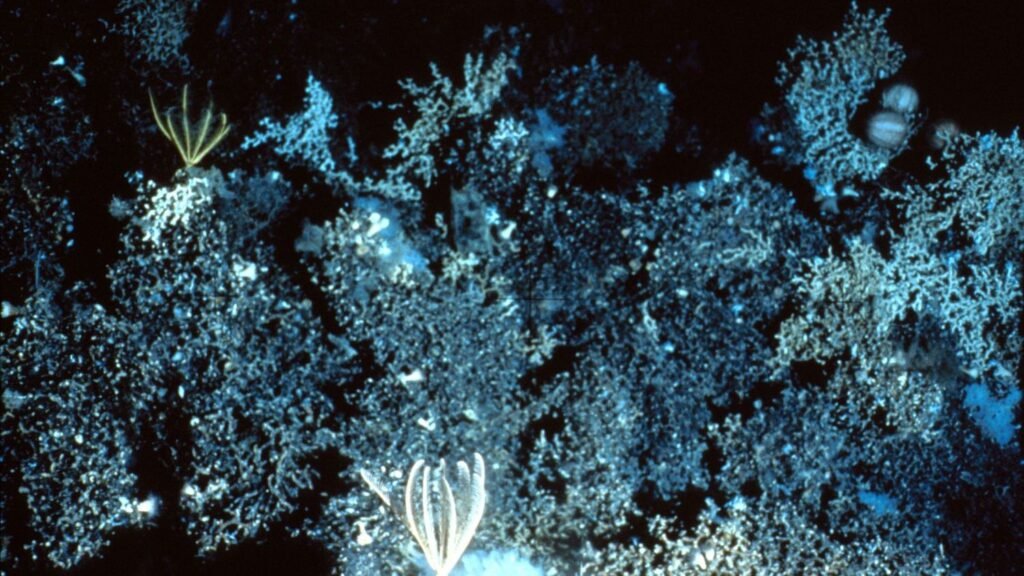
It is easy to assume humanity has already cataloged most of the life on Earth, but in the deep ocean, you are just scratching the surface. Every time researchers send cameras or submersibles into new deep areas, they usually come back with footage of animals no one has ever described before. Some look like gentle jellies drifting through the dark, others like spiky aliens or living ribbons, all adapted to very specific pressure, temperatures, and food sources.
Because sampling the deep sea is expensive and difficult, many parts of the abyssal plains and trenches have been visited only once, if at all. That means there could be entire communities, maybe even large animals, that no human has seen yet. When you think about all the elaborate myths people have invented about sea monsters, it is almost funny to realize that the real ocean hides enough strangeness to put most of those stories to shame.
Many Deep-Sea Animals Make Their Own Light
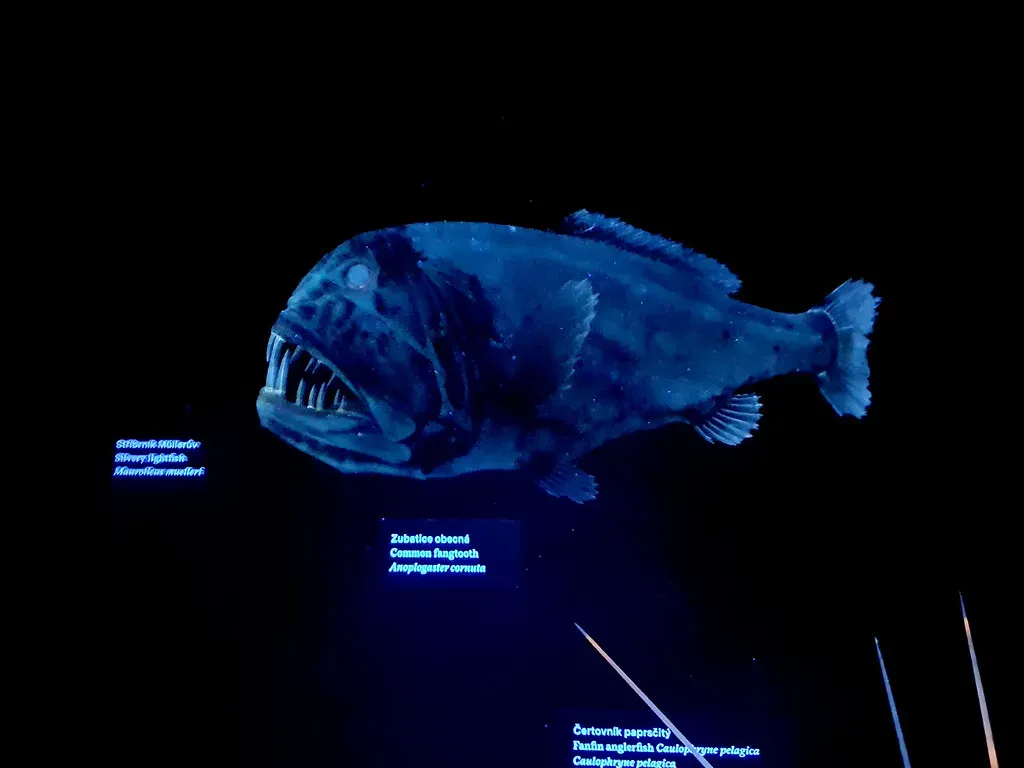
In a place where the sun never reaches, one of the best tricks you can evolve is the ability to glow. Lots of deep-sea creatures produce their own light through chemical reactions in their bodies, a phenomenon you know on land only from things like fireflies. Down there, glowing spots, flashes, and patterns become tools for survival: you can lure prey, signal a mate, or even startle a predator.
Some fish dangle bright lures in front of their mouths like underwater fishing rods, while others create glowing clouds to confuse anything trying to eat them. In the dark ocean, light becomes both a language and a weapon, something you emit carefully because it can also reveal your position. If you imagine walking at night with a flashlight that sometimes keeps you safe and sometimes paints a target on your back, you get a sense of how risky and powerful that glow can be.
The Deep Seafloor Holds Clues To Earth’s History
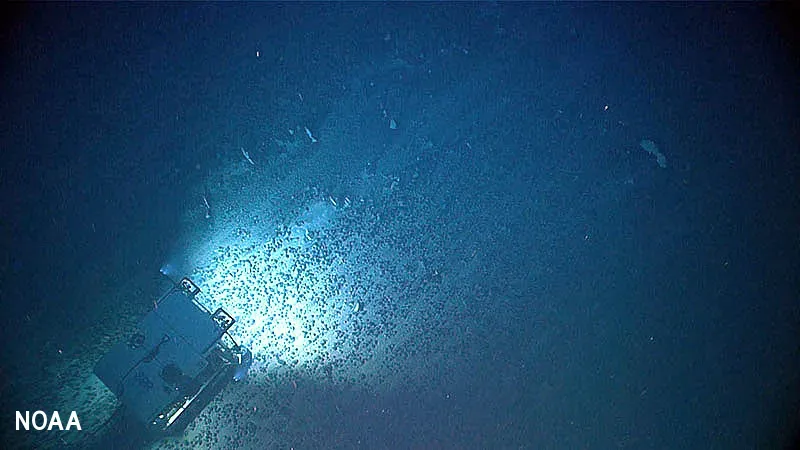
While you see mountains and rocks on land and think of them as ancient, the deep seafloor often keeps a much quieter and more continuous record. As tiny particles and the remains of microscopic organisms rain down from the surface, they build up into layers of sediment over very long times. When scientists pull up cores of this mud, they read it like a history book, finding traces of past climates, volcanic eruptions, and even asteroid impacts buried in the layers.
Because the deep ocean is so stable and shielded from many surface disturbances, some of these records stay preserved for millions of years. You can think of the abyssal plains as an enormous library where every year adds another thin page. Even though you will probably never see this library with your own eyes, it quietly stores the memory of how your planet has changed long before people appeared.
You Are Only Just Beginning To Explore This Hidden World
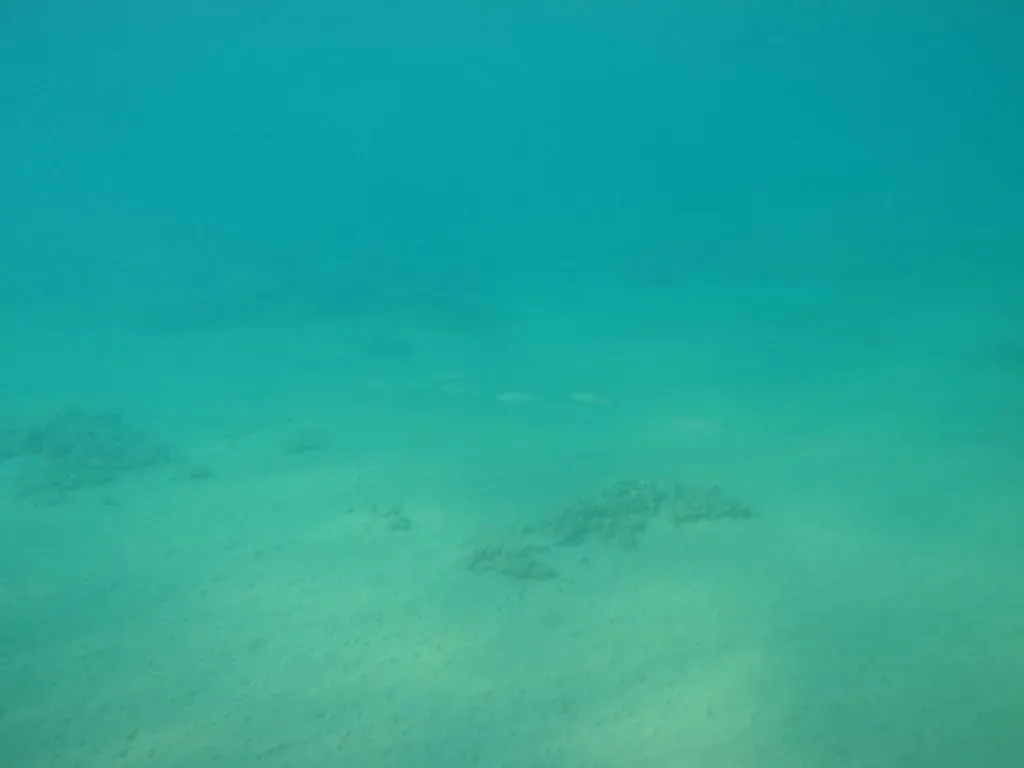
Despite all the satellites, robots, and technology you hear about, you know far less about the deep ocean floor than you do about the surface of the Moon or Mars. Mapping the seafloor in detail is slow, and actually visiting specific sites with submersibles is something that only a small number of expeditions can do. Every new mission tends to uncover unexpected landscapes: underwater mountains, vast plains, and canyons that rival those on land.
At the same time, deep-sea mining, fishing, and pollution are starting to reach places that were untouched for most of human history. Decisions you and your society make over the next few decades will shape what happens to these fragile, slow-changing ecosystems. In a sense, you are walking into a dark room with a dim flashlight, trying to decide how to treat it even though you can barely see what is there.
Conclusion: A Vast, Unseen World Beneath Your Feet
When you put all of this together, the deep ocean stops being just a blue patch on a map and starts to feel like a hidden half of your world. It carries the weight of crushing pressure, permanent darkness, and strange, glowing life, yet it also quietly regulates your climate and stores the history of Earth in its sediments. You depend on it for a stable planet, even if you only ever know it through photos and diagrams.
I still remember the first time I saw real footage from the deep sea; it felt less like watching nature and more like peeking into someone else’s science fiction dream. You live on a world that is weirder, deeper, and more mysterious than you were ever taught in school, and most of it lies in places no one has ever visited. The next time you stand on a coastline and look out, will you picture just the waves in front of you, or will you feel that crushing, glowing, living darkness stretching thousands of meters straight down?