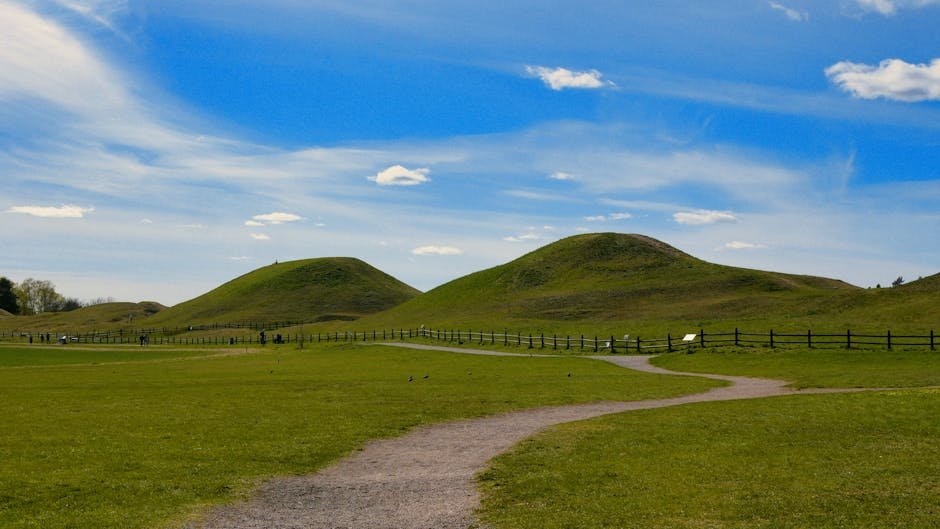

You probably grew up hearing that the Americas before Columbus were mostly wilderness dotted with small villages. Then you start looking closer and realize that idea falls apart almost instantly. All over the continent, you find massive earthworks, precise stone alignments, colossal pyramids, and eerie rock art that seem to whisper: you are not giving ancient American engineers and astronomers nearly enough credit.
What makes some of these sites so gripping is not that nobody knows anything about them. In many cases, you actually know who built them, roughly when, and even a bit of how. The mystery sits in the gaps: why they were designed the way they were, how knowledge spread over such great distances, and why entire cities rose and vanished with no written explanation. As you walk through these places, you are forced to admit that parts of the story of the Americas are still missing chapters – and that is exactly what makes these structures so hard to forget.
1. Poverty Point: A Giant Earthwork City That Shouldn’t Exist
When you stand at Poverty Point in northern Louisiana, you are looking at something that really should not fit the usual textbook timeline in your head. Around three thousand years ago, people here shaped the landscape into broad concentric ridges and enormous mounds, creating an earthwork complex so large you only really see its full pattern from the air. You are not looking at a small village; you are looking at a planned center built by hunter-gatherers who somehow organized the labor to move millions of baskets of earth without metal tools, wheels, or draft animals.
The mystery is not simply how they piled up the dirt – you can imagine enough people with enough time doing that. What forces you to pause is the social coordination and planning it implies. You have to picture communities that could schedule work, feed large groups, manage long-distance trade, and still leave so little in the way of obvious hierarchy or palaces. Archaeologists can point you to exotic stones that traveled from far away and to the careful design of the ridges, but they still cannot hand you a clear answer for what belief system or leadership style held this all together. You are left feeling that you underestimated how complex a so-called “simple” society could be.
2. The Newark Earthworks: A Cosmic Machine in the Ohio Soil
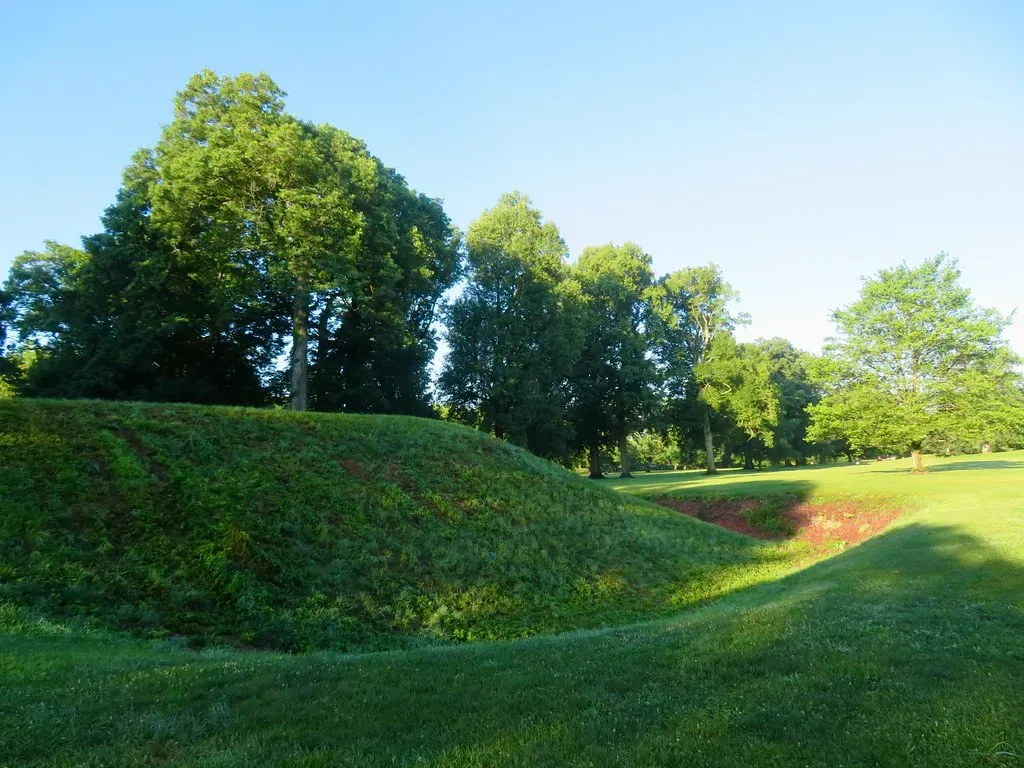
If you have ever seen a modern observatory or planetarium, the Newark Earthworks in Ohio will feel strangely familiar, even though they are made of nothing but shaped earth. Built by the Hopewell culture roughly two thousand years ago, the surviving circular and octagonal enclosures stretch so wide that you really need a drone or a map to grasp them. When you do, you realize many of the alignments are not random at all: certain walls and sightlines match key positions of the moon’s complicated cycle that repeats only over many years.
What really gets you is that these alignments are almost obsessively precise. To build them, you would need long-term observations, agreed reference points, and some kind of internal measuring system – even though no written numbers or instruments have survived from this culture. You are forced to imagine astronomer-priests who could track lunar standstills over nearly a generation, then translate that knowledge into earthworks so big they shaped the whole landscape. Archaeologists can show you the correlations, but they cannot yet fully explain how knowledge was taught, guarded, and passed on to keep that system running.
3. Serpent Mound: A Snake You Only Understand From the Sky
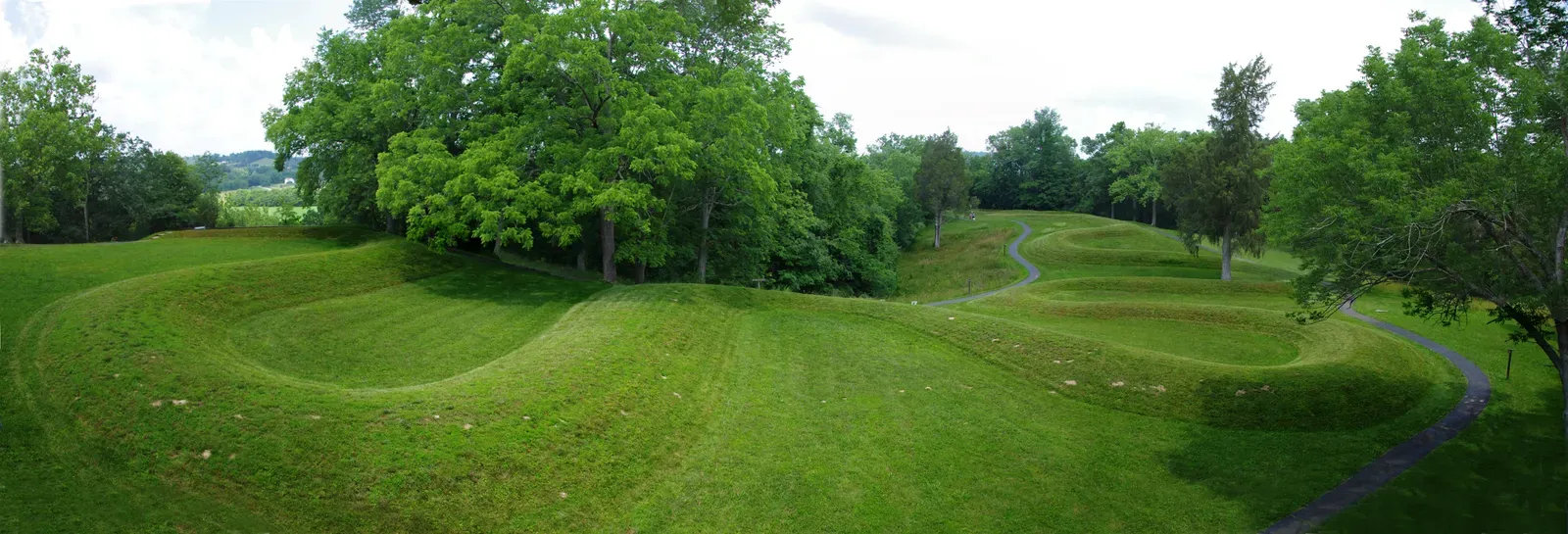
In southern Ohio, you walk along a ridge and, at first, it just looks like an odd, low earthen wall. Only when you see it from above – or trace its shape on a map – do you realize you are walking along the back of a massive serpent that curves across the landscape. Its head opens toward an oval shape that might be an egg, a sun, or something entirely different, and its coils seem to line up with celestial events like solstices and certain lunar positions. You suddenly understand that whoever shaped this hill was thinking in both myth and astronomy at the same time.
The confusion starts when you try to pin down who built it and why. Different parts of the surrounding area connect to more than one culture over many centuries, and even the date of construction has been debated. You can imagine it as a place of ceremony, a huge sacred symbol, or a seasonal calendar laid out in earth, but there is no single definitive answer. Instead, you are left with this unsettling mix of careful design and unresolved questions, like a coded message that never came with a key.
4. Cahokia’s Monks Mound: A Lost City Bigger Than You Were Told
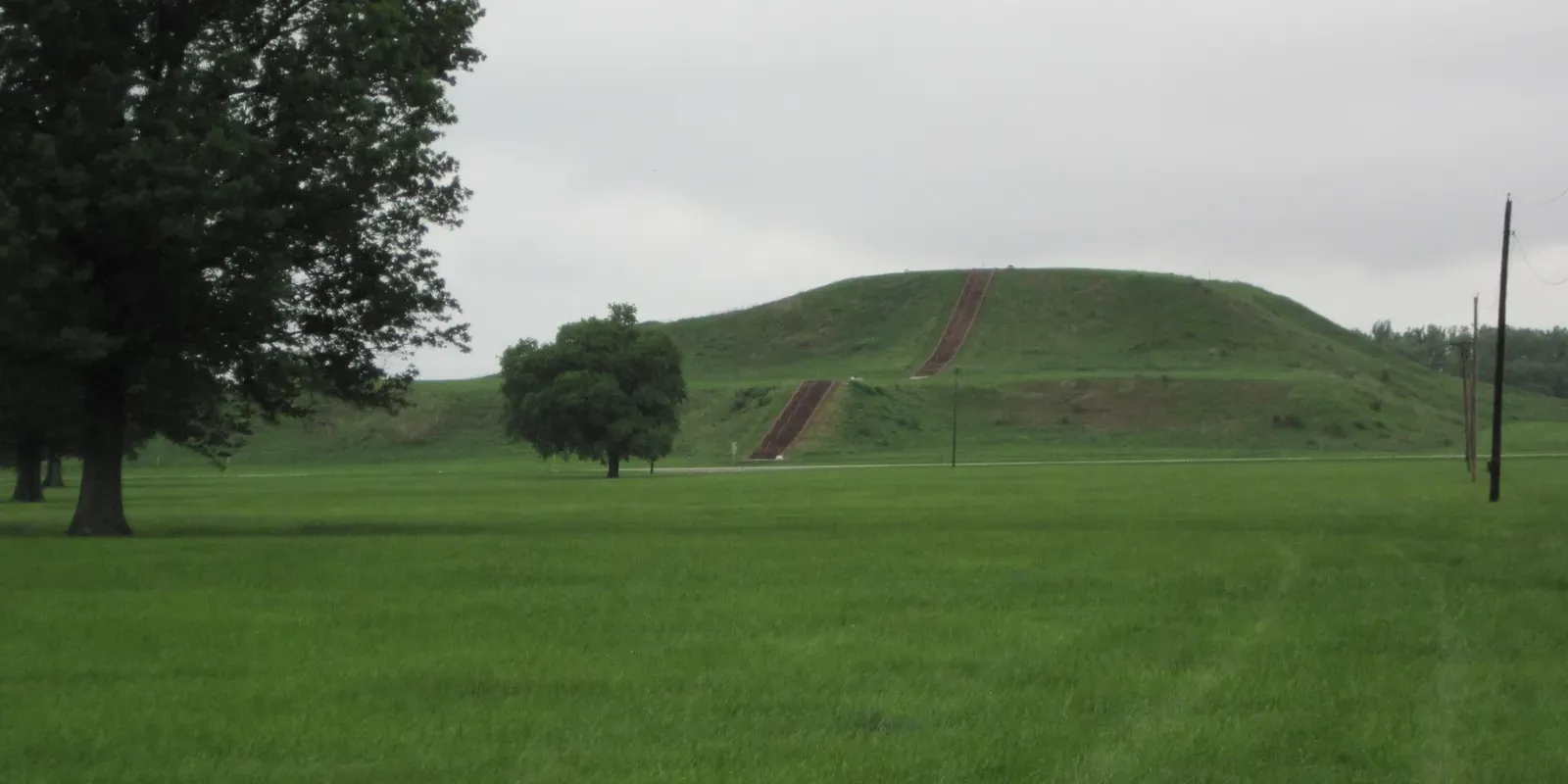
Right across the Mississippi River from modern St. Louis, you find Cahokia, and it blows up every idea you might have had about ancient North America being sparsely populated. At its heart rises Monks Mound, a stepped earthen pyramid as tall as a modern multi‑story building and as wide at the base as some of the great pyramids of the Old World. Around it, you have to picture a city with a population that may have rivaled or surpassed European towns of the same era, complete with plazas, neighborhoods, and wooden “woodhenge” circles that seem to mark out the sun’s path.
The mystery is twofold: why did it rise so fast, and why did it empty out so quickly? You can see evidence of social layers, trade from far‑flung regions, and even ritual practices that were not exactly gentle. Yet the city’s sudden decline leaves you with only hints – shifts in climate, resource strain, political turmoil, or disease. No written testimony from Cahokia’s inhabitants survives to walk you through what happened. You are left to stand on Monks Mound, look out over the faint outlines of a vanished metropolis, and realize that a major urban experiment took place here and then silently ended.
5. Casa Grande: A Desert “Great House” With a Hidden Purpose
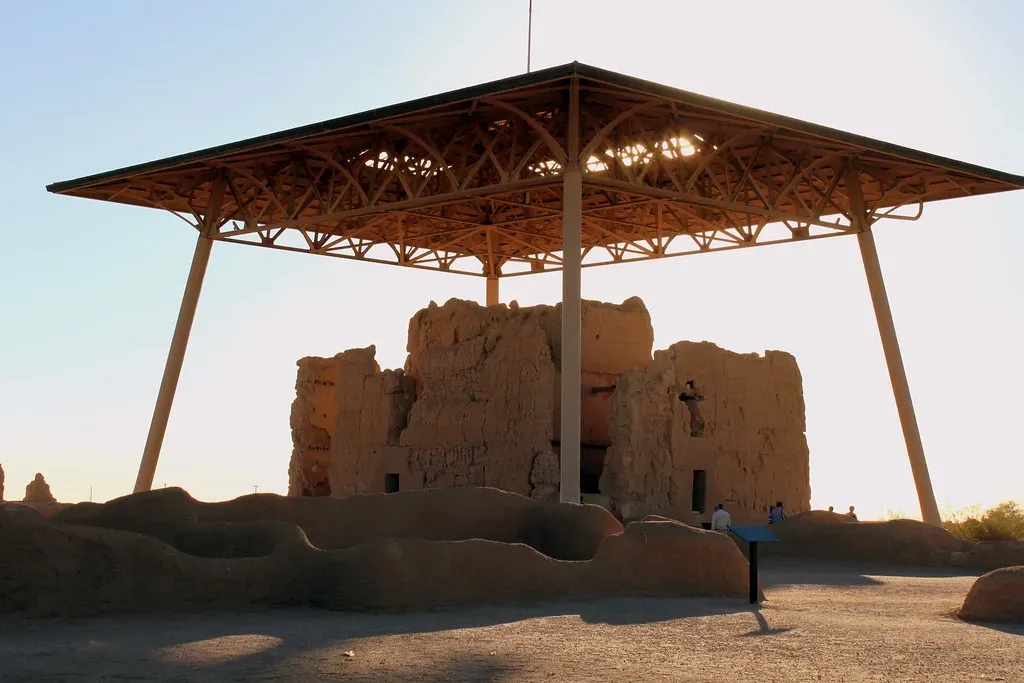
In the Sonoran Desert of Arizona, the four‑story mud‑plastered building you see at Casa Grande Ruins National Monument looks oddly modern from a distance, almost like a weathered apartment block. Built by the Hohokam people around the fourteenth century, it rises from a web of smaller structures, irrigation canals, and walls that hint at a sophisticated farming society. You are not looking at a small homestead; you are looking at a central monument that dominated its local landscape.
What no one can fully tell you is exactly what this “Great House” was for. Some lines in the walls appear to match the sun at solstices and other key days, suggesting an astronomical or calendrical role. Others think it might have combined storage, ritual, and political authority in one imposing structure. The Hohokam left no written blueprints, and by the time Europeans arrived, the building had already been abandoned for centuries. You are forced to imagine people gathering inside its shadow, watching the sun’s light slice through particular openings, using this place to decide when to plant, celebrate, or negotiate – and then walking away, leaving the rest for you to guess.
6. Chaco Canyon: Great Houses, Empty Roads, and Silent Intentions
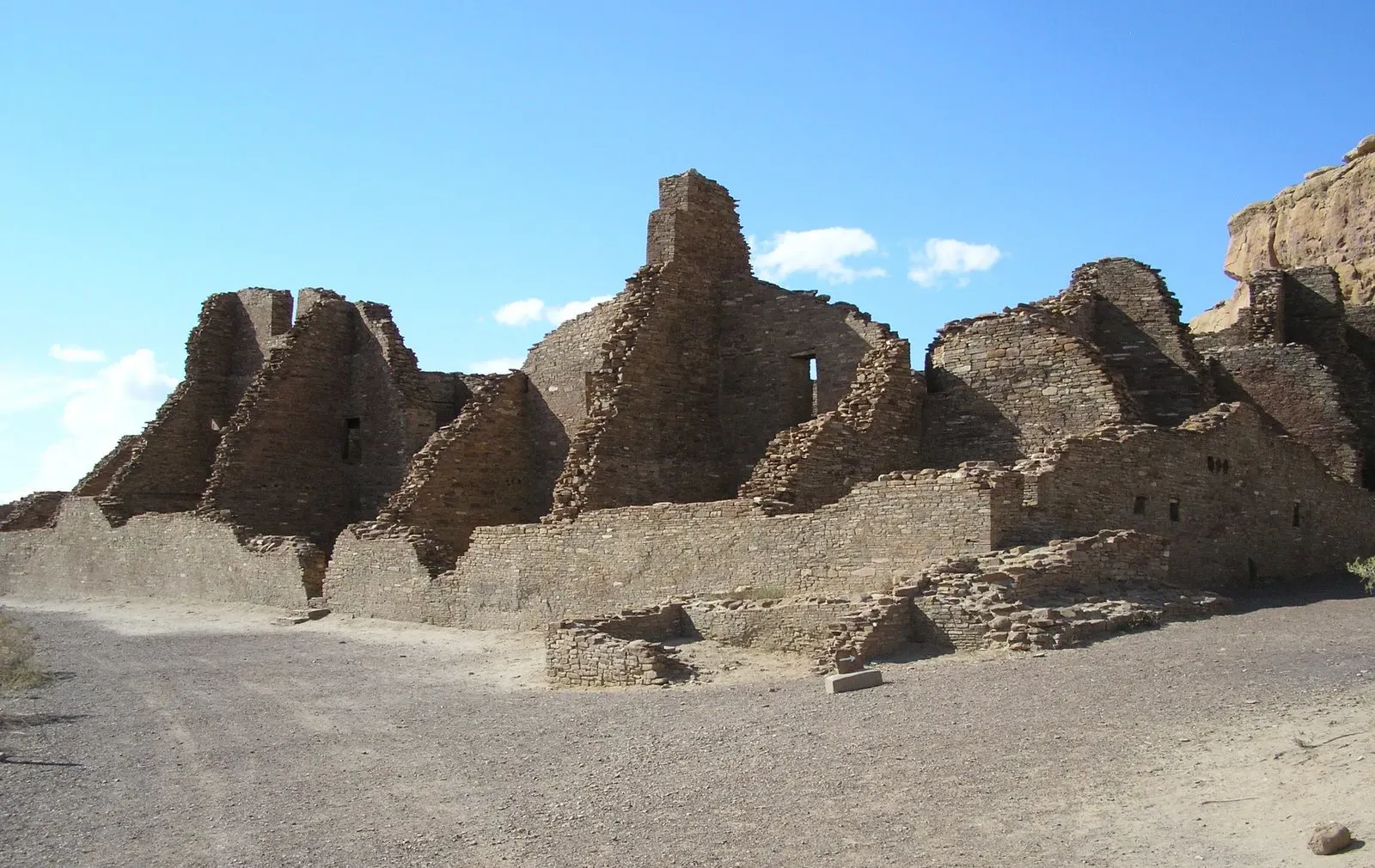
When you enter Chaco Canyon in what is now New Mexico, you are stepping into a landscape that feels like it was purpose‑built to impress. Massive multi‑story “great houses” like Pueblo Bonito contain hundreds of rooms laid out in intricate D‑shaped floor plans, with carefully shaped masonry that has survived centuries of desert wind. Radiating from these centers are straight roads so long and precise that they cut across the terrain with almost arrogant confidence, ignoring small obstacles you would expect ancient builders to bend around.
You know Chaco was an important ceremonial, political, and economic hub for the Ancestral Puebloan world, but the full script is missing. Were those great houses bustling year‑round cities, elite ritual residences, or seasonal gathering places? Did the roads support large processions, trade caravans, or symbolic pilgrimages? You can see astronomical alignments in certain walls and kivas, suggesting that cosmic cycles mattered deeply here. Yet when you try to translate architecture into a clear explanation, you quickly hit a wall. You are left with enormous buildings, carefully tracked sky events, and a network that stitched together distant communities – but not a single written line from the people who orchestrated it.
7. Mesa Verde’s Cliff Palace: Architecture on the Edge
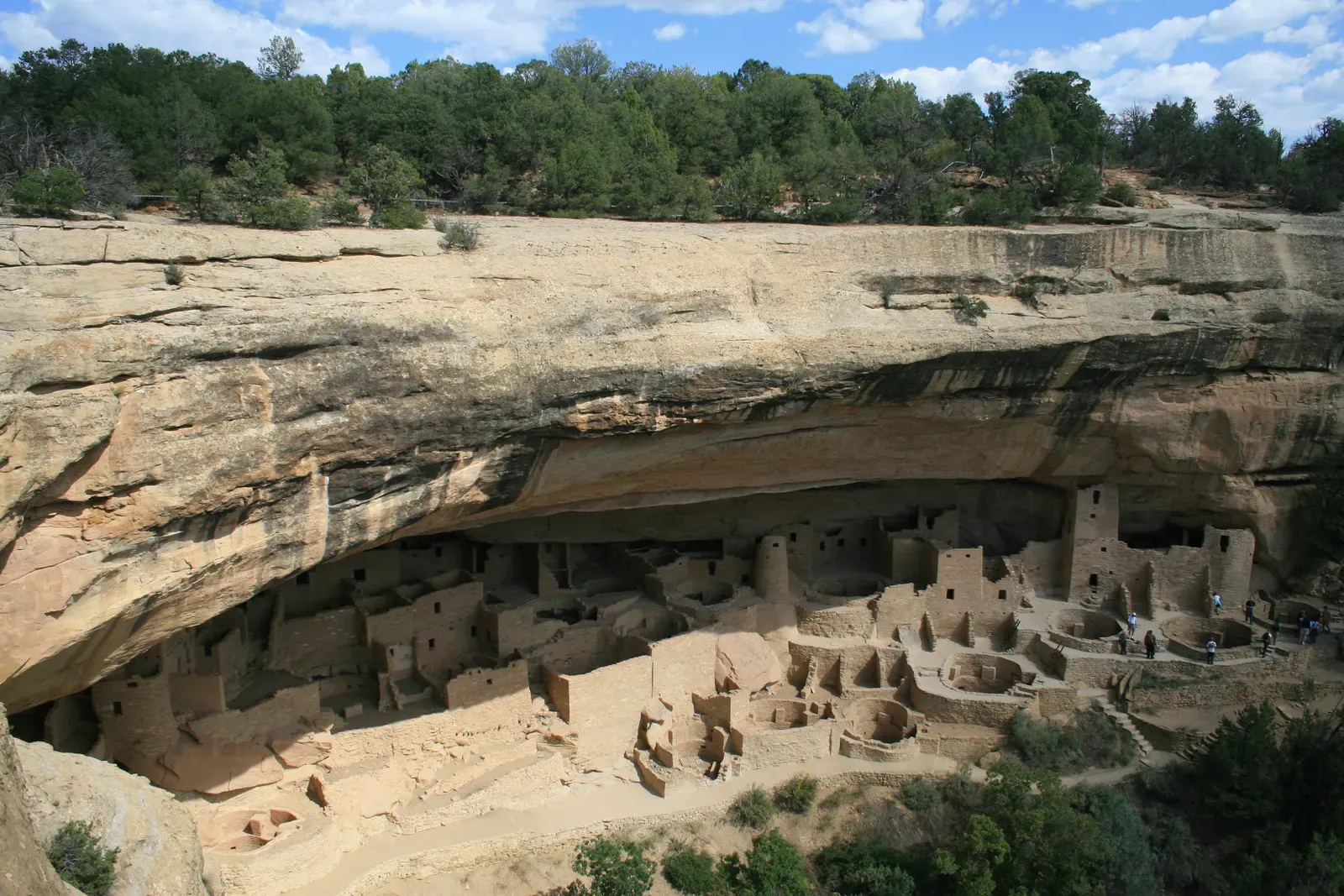
At Mesa Verde in Colorado, you look across a canyon and suddenly realize the sandstone cliff is hiding entire neighborhoods. The most famous is Cliff Palace, a tight cluster of towers, rooms, and kivas tucked into an alcove that hugs the rock wall. From a distance it looks almost like a fantasy city clinging to the side of a mountain, but then you remember this was home for real families who climbed in and out every day, hauling water, food, and firewood up steep paths and ladders.
The mystery is not whether these people were capable of building such a thing – you can see the skill in every shaped stone. The question that pulls at you is why they chose such precarious locations and then abandoned them not long after. Environmental stress, crop failures, conflict, or complex social changes have all been proposed as reasons. But when you stand in a shadowed kiva and imagine the last fires dying out, you feel something more personal: a community making the painful decision to leave a carefully crafted world behind. You are left to trace their footprints outward, but you never get a tidy, single cause.
8. Blythe Intaglios: Giant Figures Drawn for the Sky
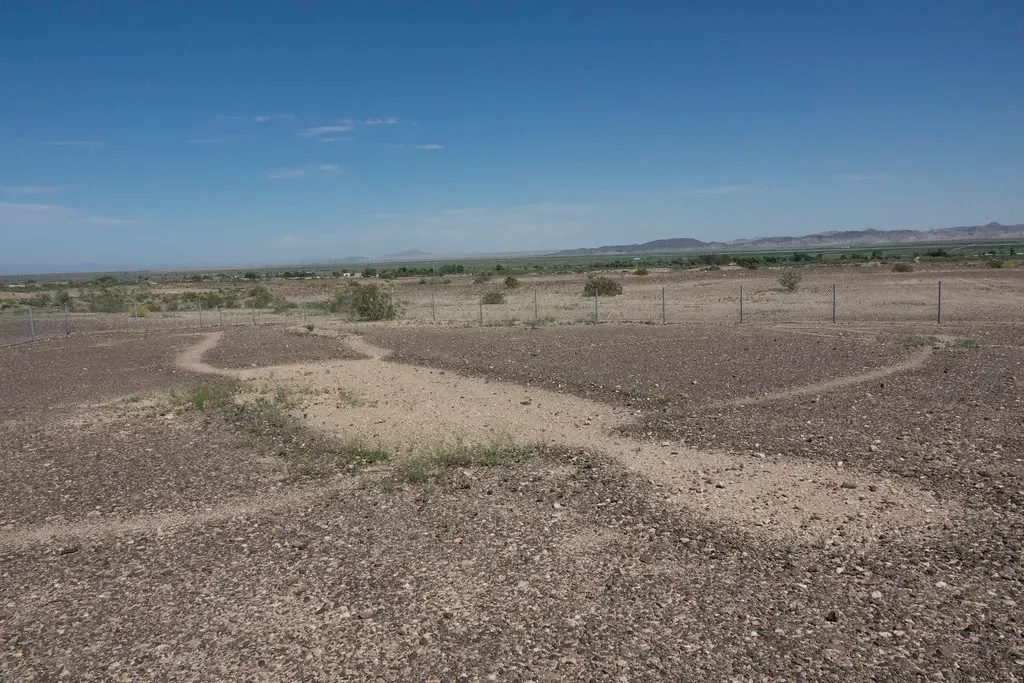
On the desert floor near Blythe, California, you can walk right past one of North America’s strangest ancient artworks and never realize it is there. The Blythe Intaglios are huge geoglyphs scraped into the ground – human‑like figures, animals, and shapes so large that they really make sense only when viewed from far above. Long before anyone had aircraft, someone here decided that the audience for these images was not just eye‑level travelers.
You can picture people stripping away the desert’s top layer of stone to reveal the lighter soil beneath, step by step, carving lines that would outlast them by centuries. Yet you are still left wondering who exactly they were speaking to. Were these offerings to sky beings, markers along ancient trails, or visual anchors for ceremonies carried out on the surrounding hills? Oral traditions hint at meanings, but there is no single, neat translation. You are left walking along a line that turns out to be part of a massive figure’s arm, feeling that strange sensation of being inside a drawing meant for a viewer who is not standing on the ground with you.
9. The Medicine Wheels: Stone Circles That Refuse a Simple Label
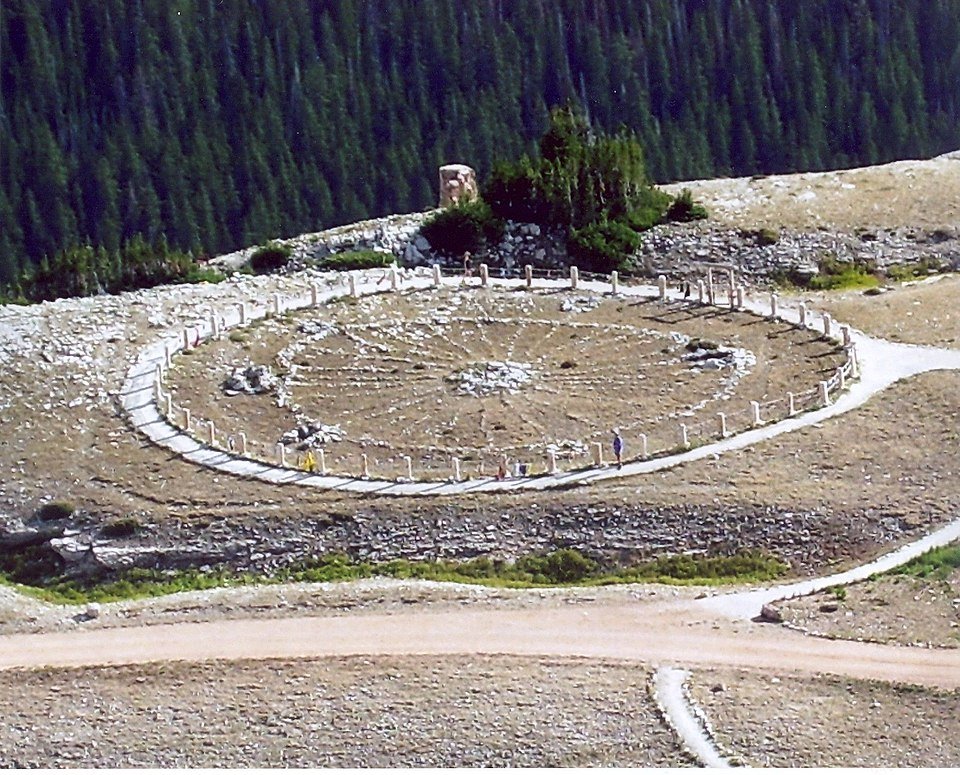
Across the northern Great Plains, from Wyoming into Canada, you find medicine wheels: circular stone arrangements with spokes radiating from a central cairn. To a casual visitor, they might look like simple rock circles scattered in lonely, wind‑swept places. But when you start paying attention, you notice that some spokes and marker stones appear to line up with sunrise or sunset on solstices and with the rising points of important stars. You are looking at something that blends geometry, sky knowledge, and ceremony in ways that are not easy to untangle.
The challenge is that the term “medicine wheel” covers a range of designs, ages, and cultural backgrounds, and many Indigenous communities treat these places as sacred, with meanings not meant for outsiders to fully decode. Archaeologists can map the alignments, estimate dates, and compare patterns, but there is no single blueprint or manual. You are asked instead to accept that these stone circles carried layered significance – spiritual, social, astronomical – without insisting on a single, tidy function. In a way, your need for full explanation runs into a deliberate privacy built into the structure itself.
10. Mystery Hill (“America’s Stonehenge”): Colonial Ruins or Something Older?
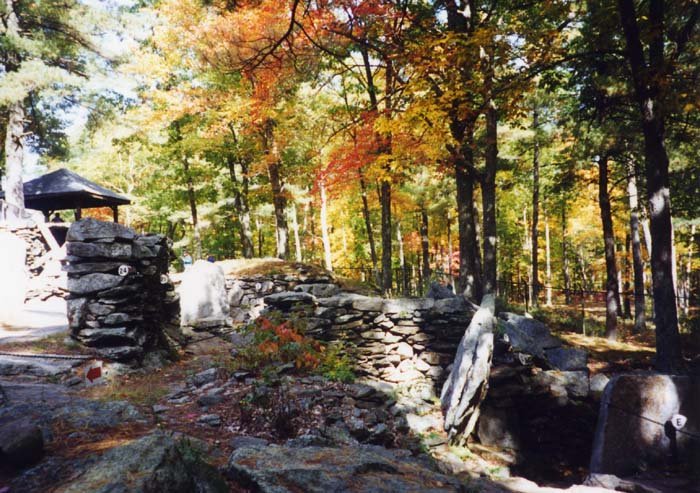
In the forests of New Hampshire, the site popularly known as “America’s Stonehenge” has stirred arguments for decades. You wander through small stone chambers, low walls, and oddly placed slabs that look, at first glance, like the scattered remains of some prehistoric temple complex. Enthusiasts have proposed all kinds of dramatic origins, from ancient European mariners to lost civilizations, drawn in by stones that seem to mark solstices and by the site’s moody atmosphere.
When you dig into the research, though, things get messy. Many archaeologists think most of the structures are relatively recent – possibly colonial‑era farm buildings, animal pens, and root cellars that have been reinterpreted and rearranged over time. A few elements might be genuinely older or repurposed from Indigenous use, but the evidence is fragmentary. You are left with a site where romance and tourism lean hard toward the mysterious, while cautious analysis pulls things back toward the ordinary. In that tension, you get a different kind of mystery: not just who built what, but why you are so eager to see the ancient and uncanny in a pile of stones in the woods.
Conclusion: Living With the Gaps in the American Past
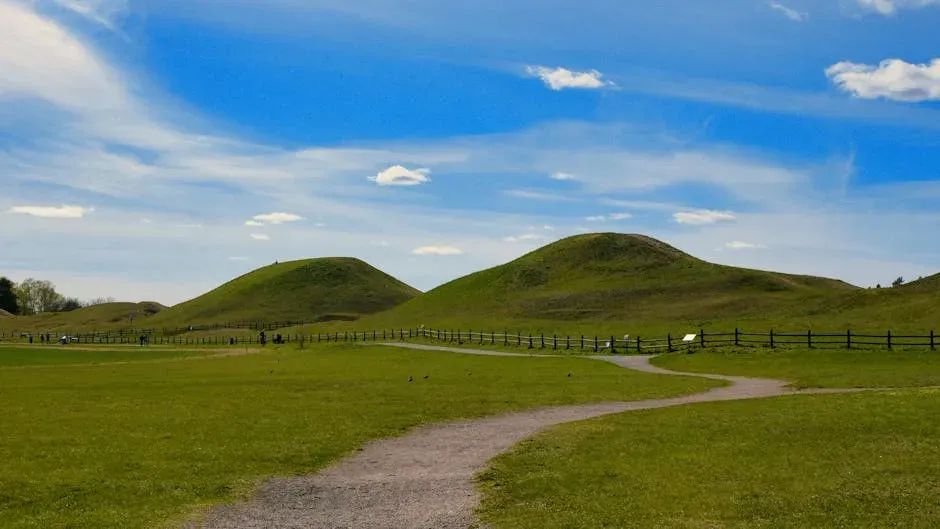
When you line these places up in your mind – enormous earthwork cities, cliffside dwellings, desert calendars, and giant art only visible from the sky – you start to see a pattern. The ancient Americas were not an empty stage waiting for someone else to arrive and “start history.” They were full of innovators who shaped land and stone with astonishing ambition, even if they did not leave the kind of written records you are used to leaning on for explanations. The mystery is not that they existed; the mystery is why you were ever taught to think they did not really matter.
The truth is, you may never get complete answers for what every alignment, mound, or geoglyph meant to the people who built them. Oral traditions, careful archaeology, and modern science can shrink the mystery, but a core of unknowability will always remain. Instead of filling that gap with wild stories about aliens or lost continents, you have a more grounded, and honestly more impressive, option: accept that human creativity in the Americas was deeper and stranger than you were told, and that some of its reasons will stay just out of reach. When you stand at the edge of a mound, a cliff palace, or a stone circle, the real question is not just how they did it – it is what your own imagination does with the silence that follows.