
If you have ever woken up from a wild dream and thought, “What on earth was that about?” you are not alone. Every night, your brain quietly slips into a world where rules bend, time stretches, and the people you know can suddenly fly or turn into someone else. It can feel random or even a little unsettling, but behind those strange scenes is a surprisingly organized biological process.
When you understand what your brain is doing while you sleep, your dreams stop feeling like weird accidents and start to look more like nightly maintenance sessions. You are not just lying there unconscious; your brain is sorting memories, balancing emotions, and rehearsing possible futures in a language made of images and stories. Once you see dreams this way, even your strangest nightmares start to make a different kind of sense.
The Sleeping Brain: What Actually Happens At Night

It might feel like your brain powers down when you go to sleep, but in reality it just switches modes. During the night, you cycle through different stages of sleep, including light sleep, deep sleep, and rapid eye movement sleep, often called REM sleep. In REM sleep, your eyes dart around under your eyelids, your breathing becomes more irregular, and your brain activity begins to look surprisingly similar to when you are awake.
These sleep cycles repeat several times through the night, and you tend to dream during all of them, though REM dreams are usually the most vivid and strange. Early in the night, you spend more time in deep, restorative sleep, and toward the morning you spend more time in REM. That is why your longest, most story-like dreams often show up just before you wake up. Your brain is not being lazy; it is working through a carefully timed sequence of phases that support your body and mind.
Why REM Sleep Turns Your Brain Into A Story Machine

If you could peek at your brain during REM sleep, you would see a storm of activity in regions involved in emotion, vision, and memory. At the same time, the parts of your brain that handle logical planning and self-control quiet down. That unusual mix helps explain why your dreams can be so emotional, visual, and illogical at once. It is like your brain lets the imaginative parts take over the stage while the strict rule-keeper steps backstage.
During REM, your brain also temporarily paralyzes most of your muscles so you do not physically act out what you are dreaming about. You might still twitch or move a bit, but full movement is safely blocked. While you are lying there still, your inner world is bursting with color, sound, and movement. You can think of REM sleep as your brain’s built-in theater mode, where it experiments with images and stories while keeping your body out of harm’s way.
Dreams As Emotional Pressure Valves

You have probably noticed that when you are stressed, anxious, or going through a big life change, your dreams can become more intense or chaotic. There is a good reason for that. When you sleep, your brain replays emotional experiences in a safer, less intense form, almost like turning down the emotional volume while still processing what happened. That is one way your mind keeps you from being overwhelmed by feelings you did not have time to fully sort through during the day.
In some studies, when people are shown emotional images and then allowed to sleep, they remember the images later but react to them with less distress. This suggests that your dreams may help you file away difficult emotions without reliving the full impact. When you dream about a breakup, a conflict at work, or a lingering fear, your brain might be trying to help you digest those experiences. It is not always comfortable, but it is often protective, like an emotional pressure valve slowly releasing steam.
How Your Brain Uses Dreams To Organize Memory
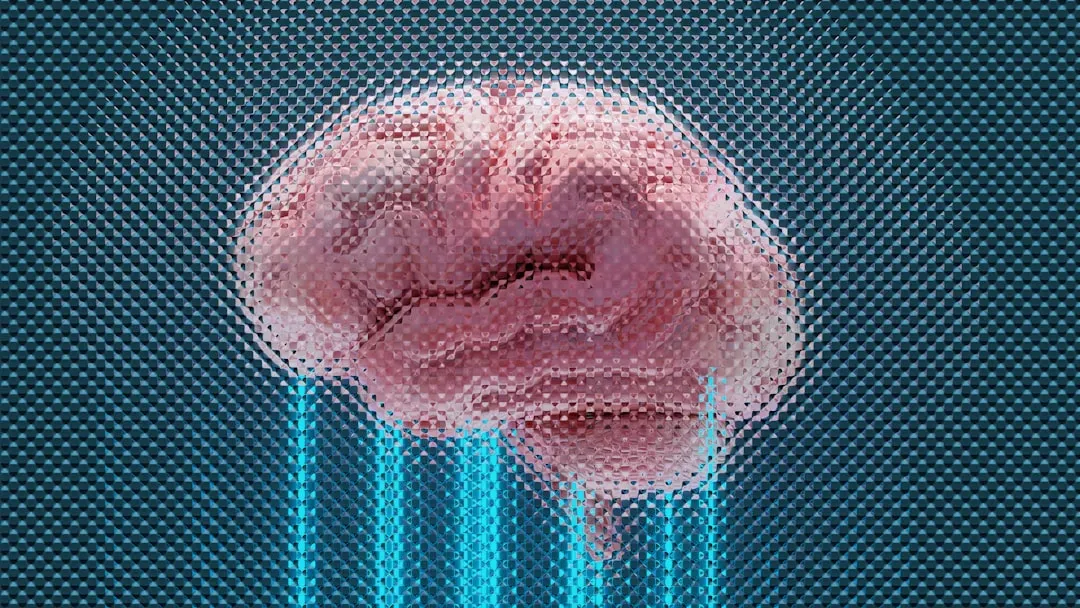
Think of your day as dumping a huge pile of unsorted photos on your brain’s desk. While you sleep, and especially while you dream, your brain starts deciding which “photos” to keep, which to toss, and where to file the important ones. Various sleep stages support different kinds of memory, from facts and skills to emotional moments. When you dream, your brain may be replaying and reshuffling fragments of your day to lock in what matters most.
This is why learning something new, then getting a good night’s sleep, often helps you remember it better the next day. Your dreams may combine pieces of the new information with older memories, weaving them together into a more stable network. That can lead to bizarre combinations: a dream where your high school classroom shows up in your current workplace, or where a new person appears in an old childhood home. Your mind is cross-referencing your life like a massive, living library system.
Why So Many Dreams Feel Bizarre Or Random

When you wake up from a dream involving purple skies, talking animals, or impossible time jumps, it is tempting to dismiss it as nonsense. But what feels random to you is often your brain creatively stitching together bits of memory, sensation, and emotion. Pieces of yesterday’s conversation can blend with an old movie you once saw and the feeling you had during a recent argument. The result can look absurd on the surface but still carry a kind of emotional logic underneath.
Because the rational, editing parts of your brain are less active during dreaming, there is no one there to say that a certain scene is unrealistic or to keep the narrative tidy. That freedom lets your brain explore ideas and scenarios without the constraints of waking reality. You might experience teleportation, sudden costume changes, or people melting into other people, and while it defies physics, it fits the brain’s loose, associative style of nighttime storytelling. Your dreams are not trying to make sense to your waking mind; they are following the rules of emotion and association instead.
Nightmares: When Dreams Turn Dark But Still Serve A Purpose

Nightmares can leave you jolted awake with your heart racing, and it is easy to see them as your brain turning against you. Yet even your darkest dreams may serve a protective function. Many researchers see nightmares as simulations of threats, where you practice responding to danger in a safe environment. Your brain runs through scenarios involving fear, loss, or conflict, as if it is trying to prepare you emotionally and mentally for real-life challenges.
Of course, when nightmares become frequent and overwhelming, you can feel exhausted and afraid to fall asleep. In those cases, stress, trauma, anxiety, or certain sleep disorders may be involved, and it can really help to talk to a professional about it. But occasional nightmares, although scary, can be part of a healthy emotional system. They grab your attention, highlight what you are deeply worried about, and push those fears into the spotlight so they can be worked through instead of buried.
Do Your Dreams Secretly Mean Something? Interpreting With Caution

You have probably seen dream dictionaries that promise to decode every symbol, from losing your teeth to flying above a city. It is tempting to believe that every dream hides a secret message with a single universal meaning. In reality, the science points to something more personal and less rigid. While your dreams can reflect your concerns, hopes, and memories, they do not follow one fixed code that applies to everyone in the same way.
Instead of chasing a perfect interpretation, it is usually more helpful to ask what a dream scene reminds you of in your own life. If you dream about missing an exam, you might not need to search for a universal meaning; you can simply notice that you have been feeling unprepared or judged lately. Approaching your dreams with curiosity rather than blind faith in symbolic rules lets you learn from them without forcing them into a narrow framework. You can treat them like abstract paintings from your own mind, where your associations matter more than any rigid guidebook.
How Your Daily Life Sneaks Into Your Dreams

Have you ever spent hours on a game, a new hobby, or a stressful project and then dreamed about it that same night? That effect is sometimes called the day residue of dreams, and it shows how your brain pulls in fresh material from your waking hours. Faces you saw briefly, headlines you skimmed, and worries you tried to push away can all show up later in your dream world. Your brain does not always care how important something felt to you consciously; it just grabs whatever was active or emotionally charged.
What you do late in the day seems especially likely to leave fingerprints on your dreams. Emotional conversations, intense media, or late-night problem-solving can prime your mind with strong impressions. When you finally lie down, your brain starts mixing all of that with older memories and patterns. This is why changing your evening habits, like winding down with something calmer or more positive, can gently shift the tone of what you dream about over time, even if it does not give you complete control.
Can You Control Your Dreams? Lucid Dreaming And Awareness

There are times when you realize, right in the middle of a dream, that you are dreaming. That strange, vivid state is called lucid dreaming, and it can be both thrilling and useful. When you are lucid, you may be able to influence what happens next, like choosing to fly, change the scene, or face a fear directly. Your body is still asleep and paralyzed as in regular REM sleep, but your self-awareness clicks on in a way that blurs the line between waking and dreaming.
Some people practice techniques to make lucid dreams more common, such as reality checks during the day or keeping a detailed dream journal. While results vary, there is evidence that you can increase your odds of lucidity with consistent habits. For some, this becomes a tool for creativity or for working through recurring nightmares, turning a terrifying chase scene into a chance to stand your ground. You will not be able to script every dream like a movie, but you can sometimes step into the role of an active participant instead of a helpless observer.
Why You Often Forget Your Dreams So Quickly

You might wake up with a dream still glowing in your mind, only to have it fade away before you have even had breakfast. That fast forgetting is not just bad memory; it is partly how your brain is wired during sleep. The systems that normally help you form long-lasting, vivid memories are not fully engaged while you are dreaming, especially in REM sleep. As a result, many dreams never get stored in a way that lets you recall them clearly later.
Waking up slowly and staying still for a moment can help you catch more details before they vanish. If you then write them down or record a quick note, you give your waking brain a chance to “save” the dream. Over time, keeping a small dream journal can actually train you to remember more of what happens at night. You may discover patterns in your dreams that you never noticed before, simply because you are finally giving them enough attention to stick.
When you step back and look at the full picture, your dreams stop being random late-night chaos and start to look like part of a deeply intelligent system. Your brain uses dreams to balance your emotions, sort and store memories, test out possible futures, and rehearse how you might handle threats or challenges. Even the dreams that scare you or confuse you are usually rooted in your real experiences, fears, and desires, reshaped into symbolic stories your waking mind struggles to decode.
You may never fully control or completely understand every dream, and maybe that is part of what keeps them so fascinating. But knowing the science behind them lets you appreciate that your brain is not just entertaining itself; it is caring for you in its own strange, cinematic way. The next time you wake up from a wild, unforgettable dream, you might ask yourself not only what it “means,” but also what your brain was trying to do for you while you slept. Did you ever imagine your nightly fantasies were working this hard on your behalf?