
You look up at the night sky and probably see distant balls of fire and cold points of light. For many ancient cultures, though, you would have been looking at neighbors, teachers, and sometimes literal visitors from beyond the Earth. When you dig into their myths, carvings, and sacred stories, you keep running into a striking idea: powerful beings come from the sky, interact with humans, and then return to the stars. You cannot honestly say these traditions “prove” aliens ever visited Earth. What you can say, with total confidence, is that a surprising number of civilizations independently imagined the cosmos as full of travelers, messengers, and sky people. When you read their stories with modern eyes, you start to feel an uncanny overlap with today’s talk of extraterrestrials and interstellar contact. Let’s walk through six of the most intriguing cultures where that idea is baked deeply into the worldview you would have inherited if you’d been born there.
The Hopi and Other Native American “Star People”

If you had grown up among the Hopi in what’s now Arizona, you wouldn’t have seen the sky as empty at all. You’d have heard about kachinas – spirit beings linked to the clouds, the rain, the seasons, and the stars – who move between their home in the heavens, the underworld, and your villages. In ceremony, masked dancers would embody these beings, making it feel like visitors from another realm were literally walking into your plaza for a while before returning to the world above. The night sky would not be a distant backdrop for you; it would be a neighborhood full of active presences.
Across Native nations, you also run into the phrase “Star People,” describing beings who come from the sky to guide, teach, or even intermarry with humans. Among some Plains and Southwestern tribes, stories talk about ancestors descending on beams of light or returning to the stars after their work is done. You can read those stories purely as spiritual metaphors, and that’s a completely valid lens. But if you are used to modern UFO narratives, you can’t help noticing how comfortable these cultures were with the idea that intelligent visitors travel back and forth between Earth and a cosmic homeland.
Ancient Sumer: Gods Who Descend from the Heavens
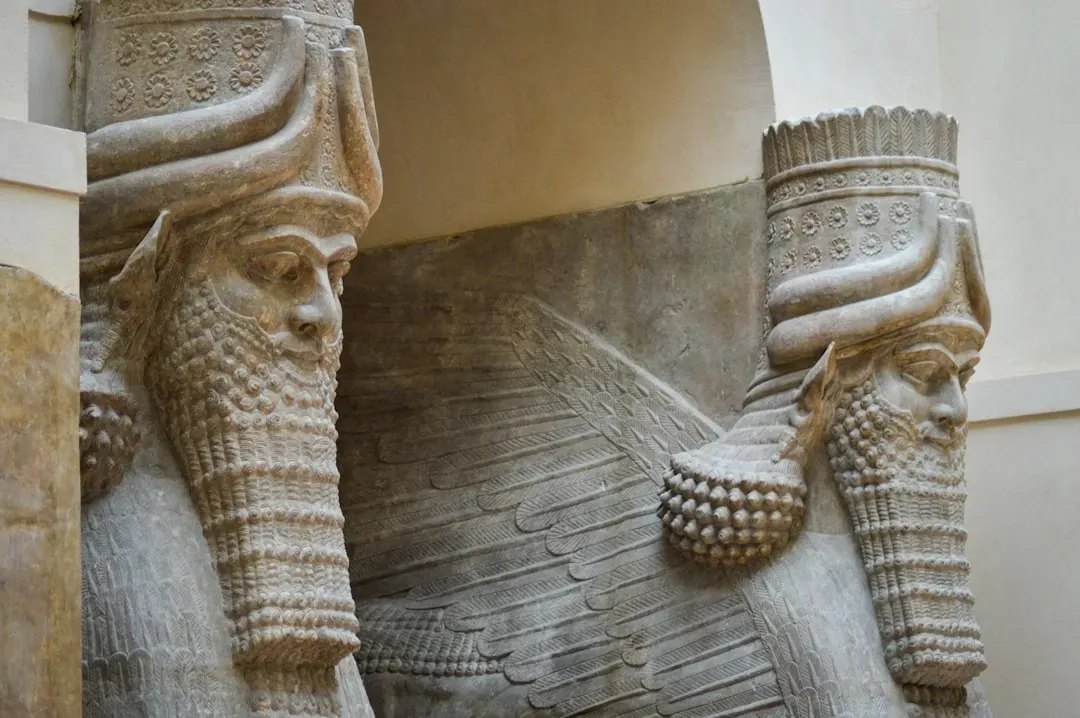
If you were a city-dweller in ancient Sumer, in Mesopotamia, you’d be used to hearing that your gods literally “came down” from the sky. In cuneiform texts, deities like Anu and Enlil are firmly tied to the heavens and sometimes described as descending to earth in specific places and times. Temples were built as ziggurats – stepped towers that symbolically linked the ground to the sky, almost like artificial mountains or ramps for divine comings and goings. For you, the divine realm would not be abstract; it would be a vertical dimension above your head, where powerful beings resided and occasionally traveled from.
Later writers and fringe theorists have pushed this imagery into full-blown “ancient astronaut” territory, but you do not need to go that far to see something interesting. These texts show you a culture that took the idea of sky‑based visitors completely for granted: they come down, they give laws, they hand out royal authority, they return upward. You might describe that today as multidimensional beings or spacefaring entities, but in Sumer you would have simply called them gods and treated their heavenly origin as a literal geographical fact.
Ancient Egypt: Solar Boats and Star-Born Souls
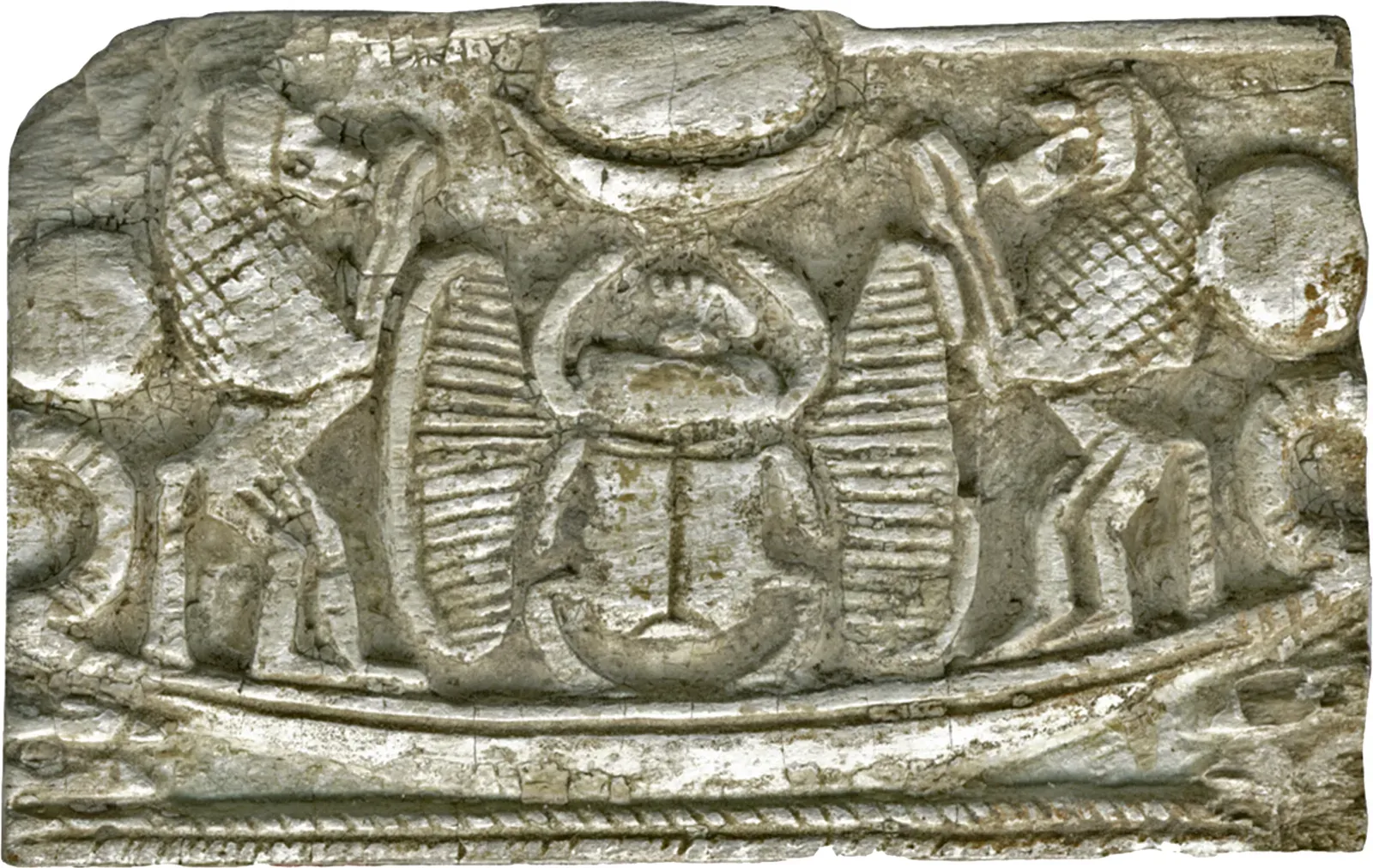
Imagine you’re an Egyptian priest watching the sun rise over the Nile; you wouldn’t just see a glowing ball. You’d see Ra traveling in a boat across the sky, surrounded by other divine beings, sailing a route through the heavens and the underworld. The sky for you is a kind of cosmic river or highway, and the gods are travelers on it, moving through different regions of the universe. Texts from tombs and pyramids describe detailed journeys through the “starry sky,” as if it’s a mapped terrain beings can move within, not just a distant dome.
When you died, if you were properly prepared, your own soul was expected to join those cosmic travelers. The so‑called Pyramid Texts and Coffin Texts talk about the deceased pharaoh ascending to become an “imperishable star,” living among the circumpolar constellations. In that worldview, the line between human and cosmic traveler is thin: you start on Earth, you transition through ritual and death, and you end up as a permanent resident among the stars. If you read that with a modern lens, it feels uncannily like an ancient promise that you, too, will someday leave the planet and join a community that has always lived out there.
Dogon Traditions and the Mystery of Sirius
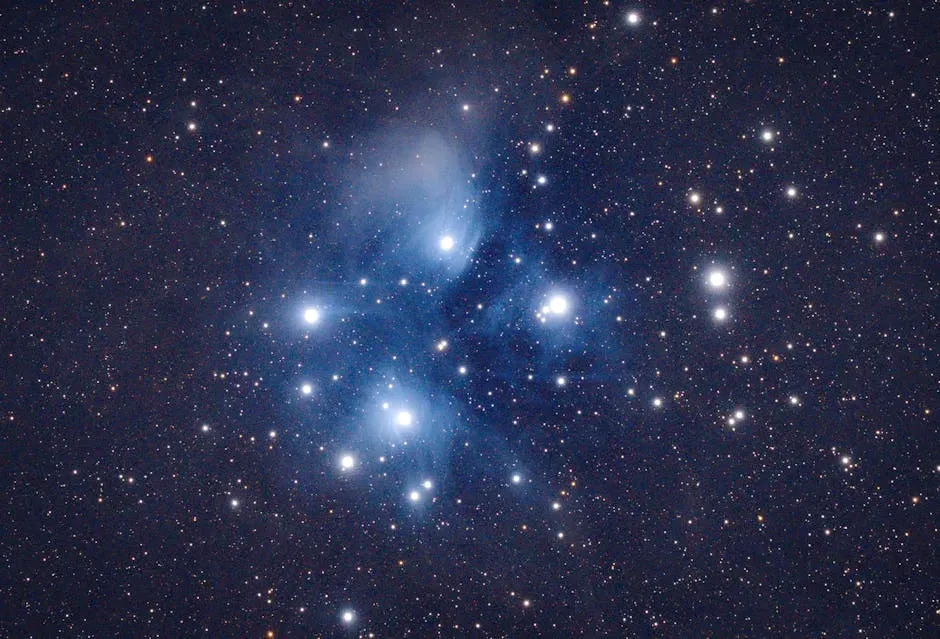
If you lived among the Dogon people of Mali a few generations ago, your elders would have taught you an intricate body of star lore, especially about Sirius, the brightest star in the night sky. In twentieth‑century fieldwork, anthropologists recorded Dogon stories about an invisible companion star to Sirius and about amphibious, partly otherworldly beings called Nommo connected with that system. You’d hear that these beings came from the sky, brought knowledge, and helped shape the world, then returned to their home in the heavens. The narratives emphasize cycles of descent and return – exactly what you’d expect if you thought of the cosmos as populated with travelers.
Scholars still fiercely debate how to interpret all this. Some argue the Dogon must have picked up modern astronomical details from outside sources; others point out that you can’t cleanly separate older traditions from more recent layers. Whatever the ultimate explanation, you’re left with a culture that takes for granted that intelligent, teaching beings are linked to a star system and actively interact with humans. Whether you see the Nommo as spiritual archetypes, encoded memory, or something stranger, you’re looking at a worldview where “people from another world” is not science fiction at all – it’s sacred history.
Vedic and Hindu Texts: Flying Vehicles and Sky Cities
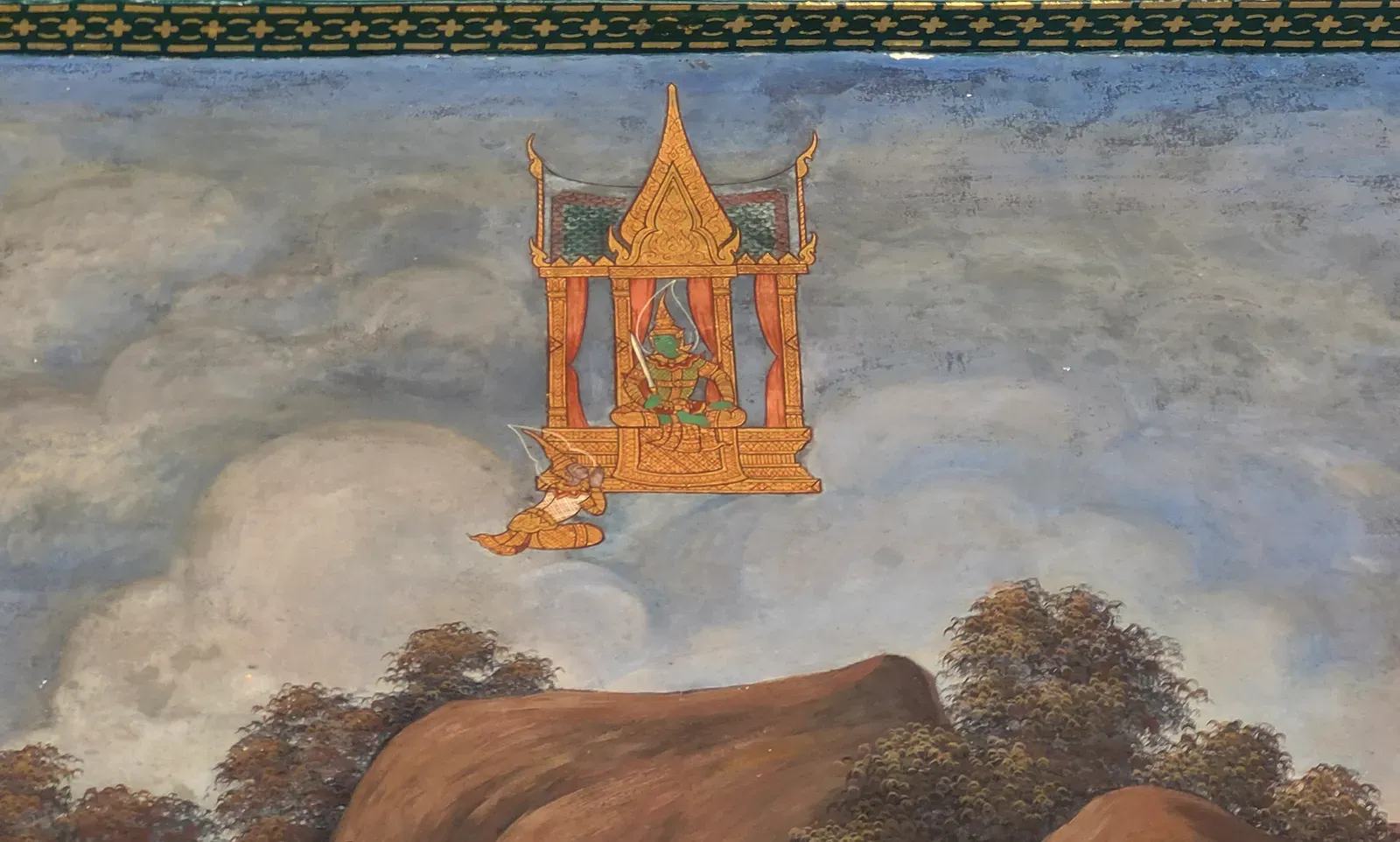
If you were a storyteller in ancient India reciting Vedic or later Sanskrit epics, you’d talk very casually about vimanas – flying chariots or palaces used by gods and sometimes by heroes. These craft are described as moving through the sky, visiting different realms, and even engaging in aerial battles. In your world, cities hang in the heavens, and beings travel between them and the Earth, not metaphorically but as a normal part of the cosmic layout. The sky is not empty; it is full of routes, stations, and vehicles.
Modern speculative writers have seized on those descriptions and tried to read them as technical manuals for spacecraft, which goes well beyond the cautious historical evidence. Yet even if you strip away those modern projections, you are still left with a culture deeply comfortable with the notion of structured travel between worlds. The gods in these stories live on other planes or in distant regions of the universe, they arrive in vehicles, and they leave in them. If you think about how naturally these texts combine advanced movement through space with divine beings, you can see why so many people today hear an echo of spacefaring visitors in this very old language.
Mesoamerican Civilizations: Lords of the Sky and Star-Born Deities
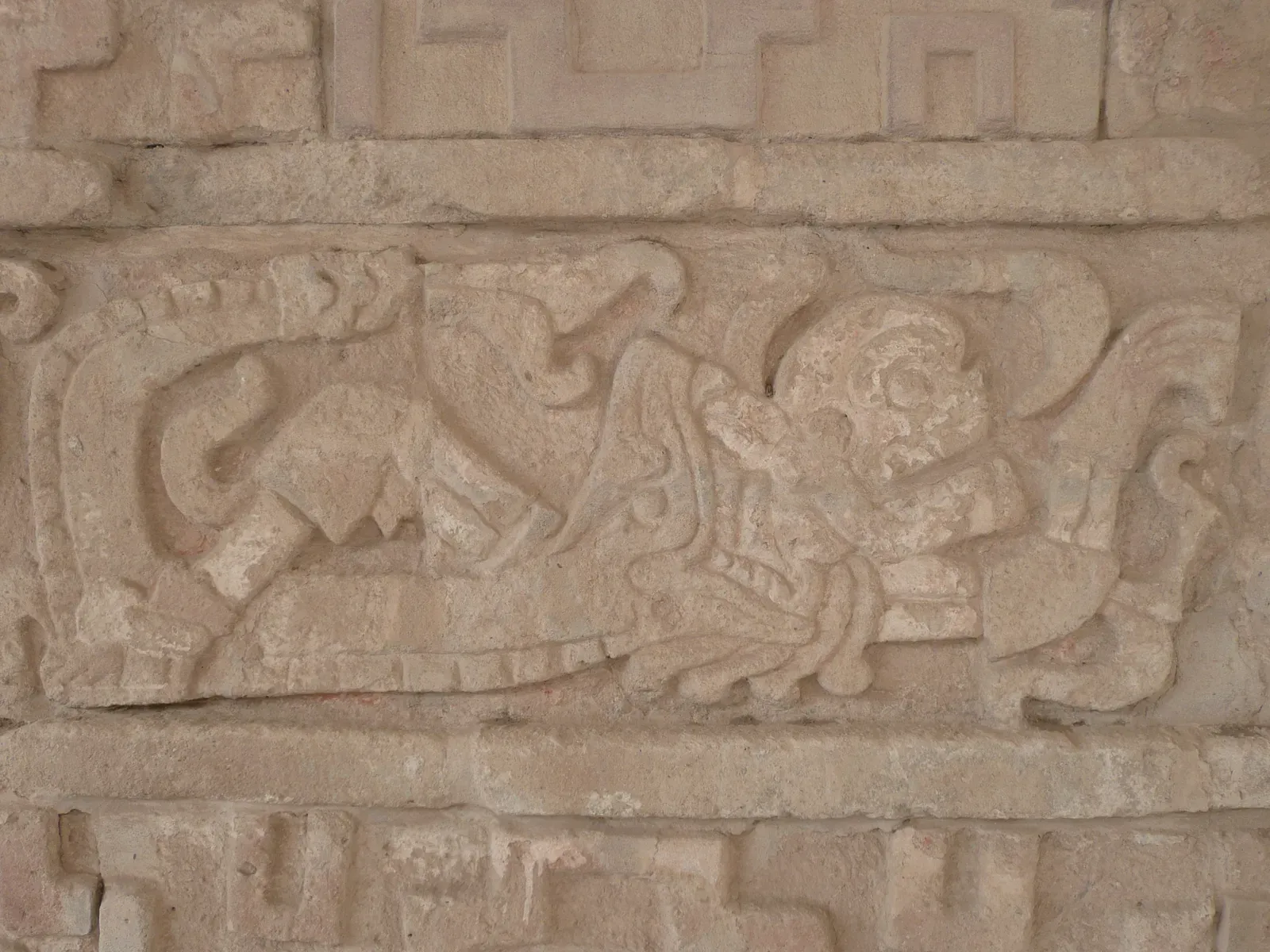
If you lived in a Maya city, the sky above you would be crowded with personalities. Deities like Itzamna, Chaac, and the so‑called Heart of Sky were not just symbols; they were powerful agents believed to dwell in the heavens and occasionally descend. In art and inscriptions, you see gods emerging from celestial bands, descending on serpent‑like pathways, and riding on sky boats. Some creator deities are explicitly tied to the “Heart of Sky,” as if they originate in a specific cosmic region and travel from there to shape the Earth. As you watched the sun and planets move along the Milky Way, you would be watching a roadway for divine travelers.
Among the Aztec and other Mesoamerican peoples, you find similar themes: feathered serpent deities that bridge earth and sky, gods associated with specific stars and planets, and myths where beings descend, transform, and ascend again. Modern authors sometimes overreach, turning every stylized figure into an astronaut, which does not respect what the archaeology actually supports. Still, when you calmly read these traditions on their own terms, you can’t miss the underlying pattern: you are living in a universe where intelligent, powerful entities commute between realms, often linked to particular celestial bodies. Calling them “cosmic travelers” is not a stretch at all; it is a fair summary of the roles they play in your mythic imagination.
Ancient Greece: Gods, Heroes, and Stellar Gateways
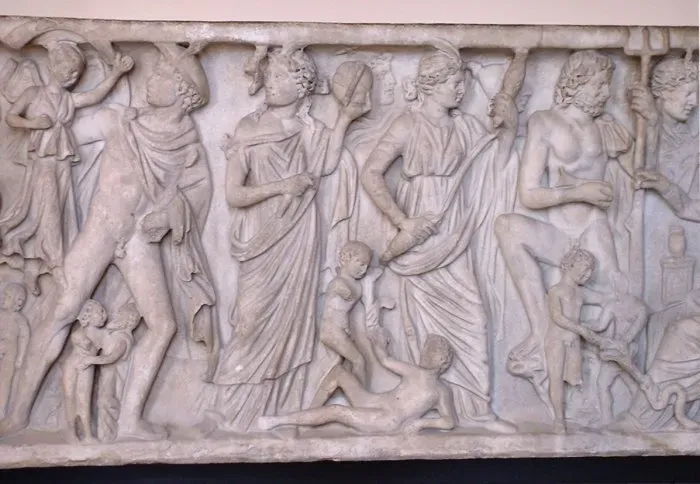
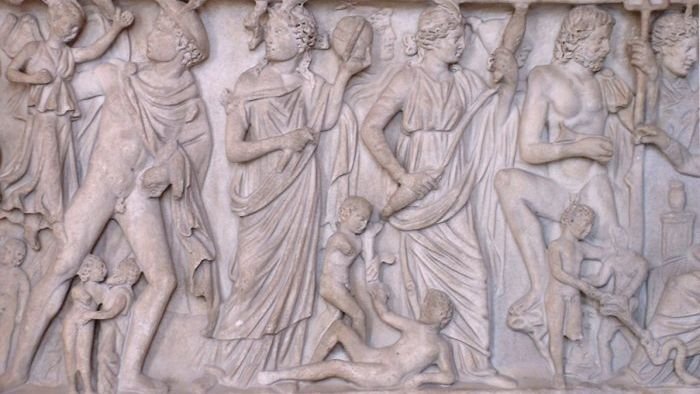
If you grew up in classical Greece, you’d probably think of Olympus as a real location somewhere above the clouds, where the gods lived and from which they descended. Deities like Zeus, Athena, or Hermes constantly move between that higher realm and the human world, appearing suddenly, vanishing just as quickly, and sometimes taking mortals with them. Many myths end with heroes being placed among the stars as constellations, turning the night sky into a kind of honor roll of former earth‑dwellers who have joined the divine in a permanent celestial home. You’d be trained to read those lights as the visible trace of an ongoing traffic between worlds.
Even Greek philosophical schools played with ideas that look surprisingly like portals or transitions between cosmic zones. Some mystery traditions talked about the soul descending from the stars, living on Earth for a time, and then returning along the same path. When you combine the constant movement of gods with the notion that human souls come from and go back to the stars, you end up very close to a belief in recurring cosmic travel. You might use different language than you hear in modern UFO culture, but at a deeper level you are still picturing a universe where journeys between here and “out there” are part of the normal order of things.
When you step back from all these traditions, you notice something humbling: across continents and millennia, people keep telling you that the sky is inhabited and that the boundary between your world and the cosmos is porous. You can approach those stories as psychology, as poetry, as veiled memory, or as literal history, depending on your own convictions. What you cannot honestly do is pretend that humans ever saw the universe as empty.
Maybe, for you, the real value in these ancient ideas is not whether alien ships actually touched down, but the way they remind you that you live in a much larger neighborhood than your daily routine suggests. The next time you look up at the stars, you might catch yourself wondering: if you had been born Hopi, Dogon, Egyptian, or Maya, would you see those lights as distant suns – or as the home fires of travelers who still pass by, just out of sight?