
Scattered across the Americas are massive stone structures that feel strangely familiar, even if you’ve never seen them before. Their shapes echo temples in Southeast Asia, their alignments mirror circles in Europe, and their sheer scale calls to mind the best-known wonders of the ancient world. You stand in front of them and get that quiet, unsettling feeling: people who never met, on continents an ocean apart, somehow did something hauntingly similar with stone.
Archaeologists tend to be cautious about grand theories, and that’s fair. Most similarities can be explained through shared human needs and the basic physics of stone. But when you line up these American megaliths with sites in places like Egypt, Britain, or Polynesia, the visual parallels are hard to unsee. Whether you see them as evidence of deep-rooted human patterns or of lost connections, they invite a bigger question: why do humans, everywhere, keep building the same dreams in rock?
1. Sacsayhuamán (Peru) – Polygonal Walls That Mock the Earthquake
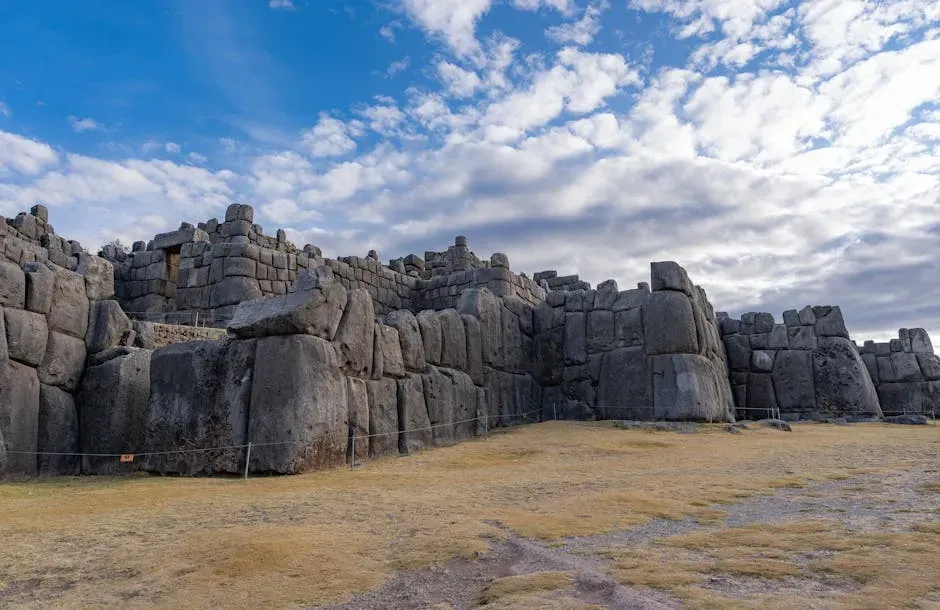
High above Cusco, Sacsayhuamán looks less like a ruin and more like the remains of a giant’s fortress, with stone blocks that seem to defy logic. Some single stones in its zigzagging walls are taller than a person and weigh as much as a fully loaded truck, yet they’re fitted together without mortar so tightly that you can barely slide a knife blade between them. The faces of the stones are carefully shaped into irregular polygons, locked together in a way that shrugs off the constant earthquakes of the Andes.
If you’ve seen the “Cyclopean” masonry at places like Mycenae in Greece or the polygonal walls in parts of Italy and Japan, Sacsayhuamán feels eerily familiar. In all of these places, ancient builders realized that interlocking, multi-sided blocks handle seismic shocks far better than simple stacked bricks. Modern engineers say similar things about flexible joints and distributed forces, but the Inca and other ancient stonemasons got there through experience and sheer stubborn trial and error. Standing there, you can’t help thinking that people separated by oceans and millennia arrived at the same solution to the same terrifying problem: how do you make stone stand up when the earth itself moves?
2. Tiwanaku and Puma Punku (Bolivia) – Precision Stonework That Mirrors Global Megalithic Craft
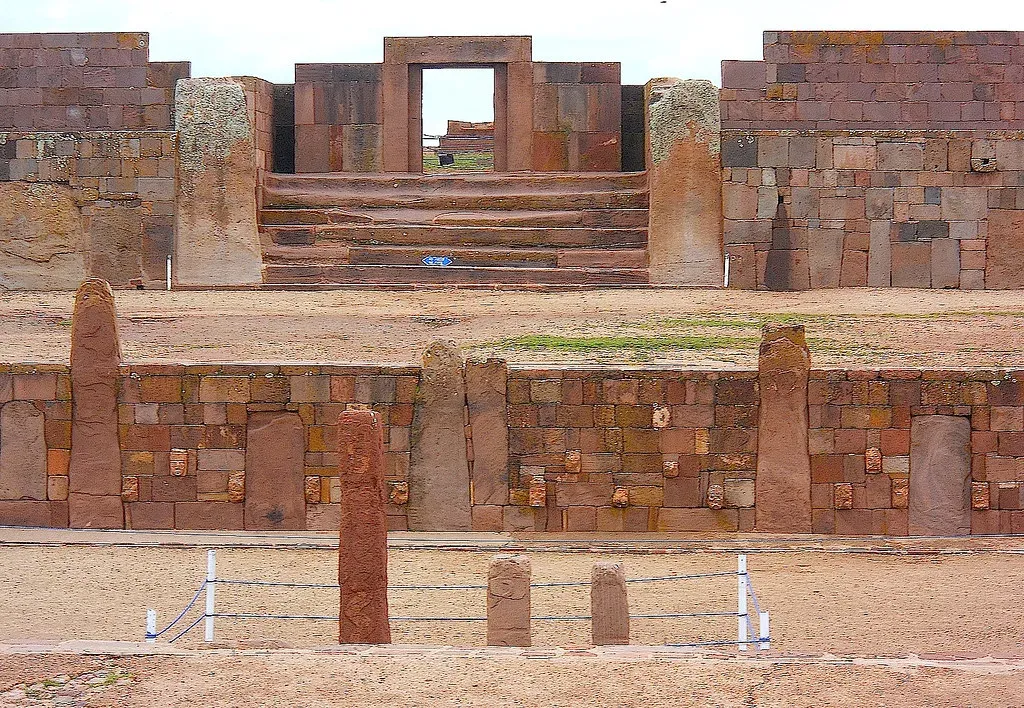
Near the southern shores of Lake Titicaca, the ruins of Tiwanaku and nearby Puma Punku sit on a high, cold plateau that feels almost otherworldly. The place is scattered with huge andesite and sandstone blocks, some weighing dozens of tons, carved with sharp right angles and geometric recesses that look disturbingly modern. Many visitors compare the famous H-shaped blocks and precision-cut surfaces to machine work, even though they were crafted by hand with stone and metal tools around a thousand years ago.
You see echoes of this kind of obsessively precise masonry in far-flung places: the tight joints of Egyptian temple blocks, the razor-clean angles on some temples in India or Cambodia, even parts of the Inca road system built centuries later. The match isn’t exact, but the mindset feels the same: an intense focus on flatness, symmetry, and interlocking pieces that turn a pile of rocks into a kind of three‑dimensional puzzle. Archaeologists point out that straight edges and rectangular cutouts aren’t mysterious once you know how to dress stone, but it’s still unsettling to walk among these blocks and recognize shapes and techniques that appear, in slightly different flavors, from the Nile to the Ganges to the Mediterranean.
3. Teotihuacan (Mexico) – Pyramids in Step With Egypt and Mesopotamia
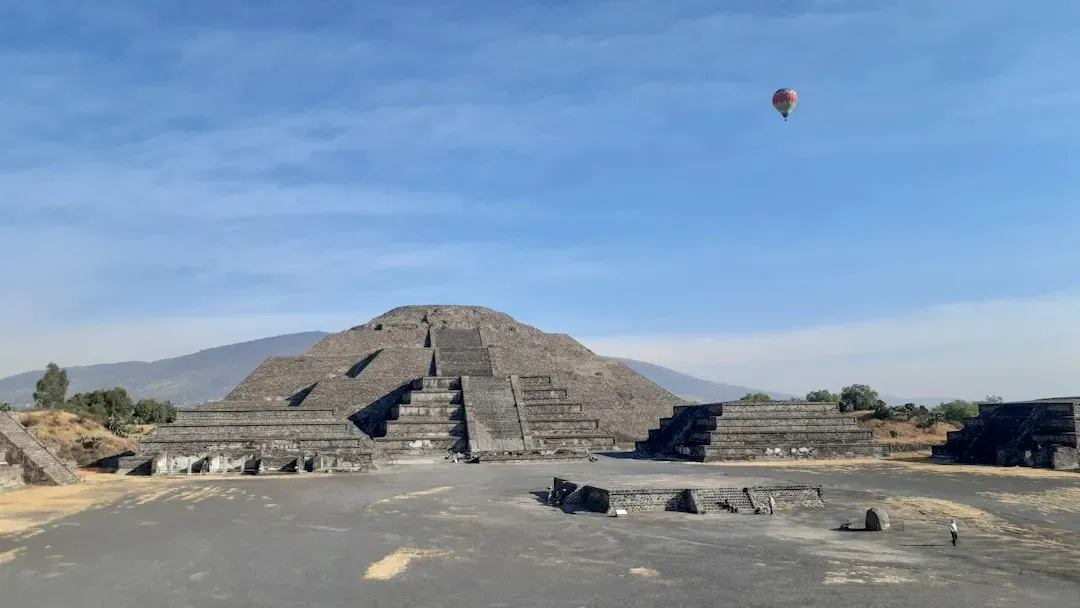
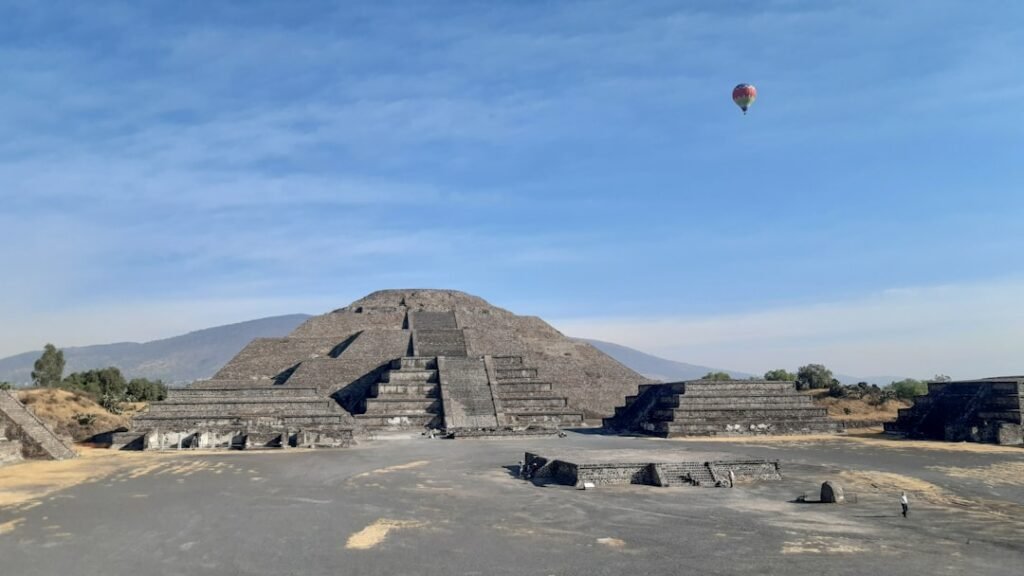
Just outside modern Mexico City rises Teotihuacan, once one of the largest cities in the world, dominated by its massive stepped Pyramids of the Sun and the Moon. These aren’t smooth-sided pyramids like the Giza trio; they rise in terraces, stacked like a giant stone staircase leading to the sky. From above, the city’s Avenue of the Dead runs straight toward these hulking monuments, turning the entire urban layout into a ceremonial stage. The sheer scale is overwhelming, especially when you remember this was all built without draft animals, wheeled vehicles, or iron tools.
The layout and form invite instant comparison with other pyramid‑rich landscapes: the Nile Valley, Mesopotamia’s old ziggurats, or the stepped temples across Southeast Asia. In all of these places, people discovered that if you want to build very high with limited technology, a broad, stepped platform is far more stable than a slender tower. Many of these structures, including Teotihuacan’s pyramids and temples at places like Angkor or some Egyptian sites, also echo cosmic patterns: alignments with the sun, moon, or stars; vertical layers representing heaven, earth, and the underworld. Whether you stand in the shadow of the Pyramid of the Sun or in front of a temple in Luxor, you can feel the same impulse at work: to turn a pile of stone into a staircase for gods.
4. Chavín de Huántar (Peru) – Labyrinthine Temples and Sonic Rituals
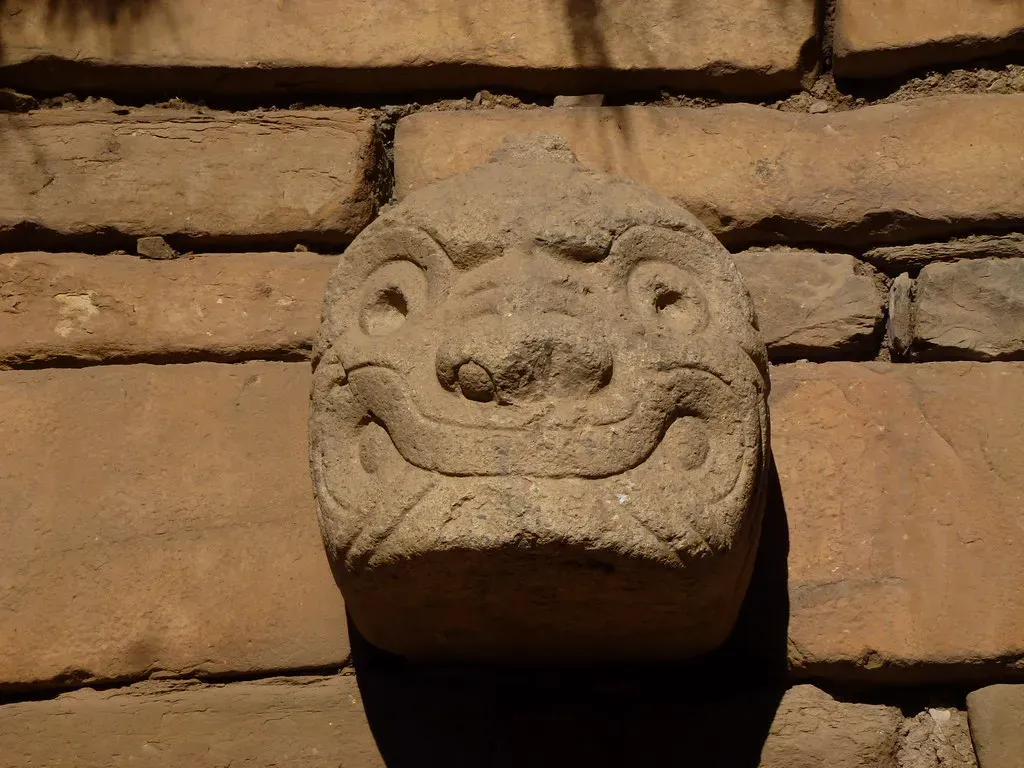
Deep in the Peruvian highlands, Chavín de Huántar looks quiet now, but it was once a buzzing religious center built around stone temples, sunken plazas, and narrow interior passageways. The main temple complex is filled with twisting corridors, galleries, and carved pillars, some decorated with fierce, hybrid creatures and fanged faces. Inside, archaeologists have noticed something unusual: the architecture seems designed not just for light and space, but for sound. Echoes, muffled roars, and strange acoustics would have turned ceremonies into immersive experiences that blurred the line between reality and vision.
That idea – temples carefully tuned for sensory impact – immediately calls to mind other ritual complexes around the world. The way sound carries in the Hypostyle Hall at Karnak in Egypt, the eerie echoes at Newgrange in Ireland, or the tight, echoing passages inside some Maltese temples all show a similar understanding: sound can be a tool of power. At Chavín, water channels running under the site could have added another layer, creating roars and vibrations during ceremonies, similar in spirit to how some Greek or Near Eastern sanctuaries used hidden mechanisms to amplify divine presence. The resemblance isn’t in identical floor plans, but in the shared instinct to use stone, darkness, and noise to shake people out of everyday consciousness.
5. The Nasca Lines and Geoglyph Traditions Around the World
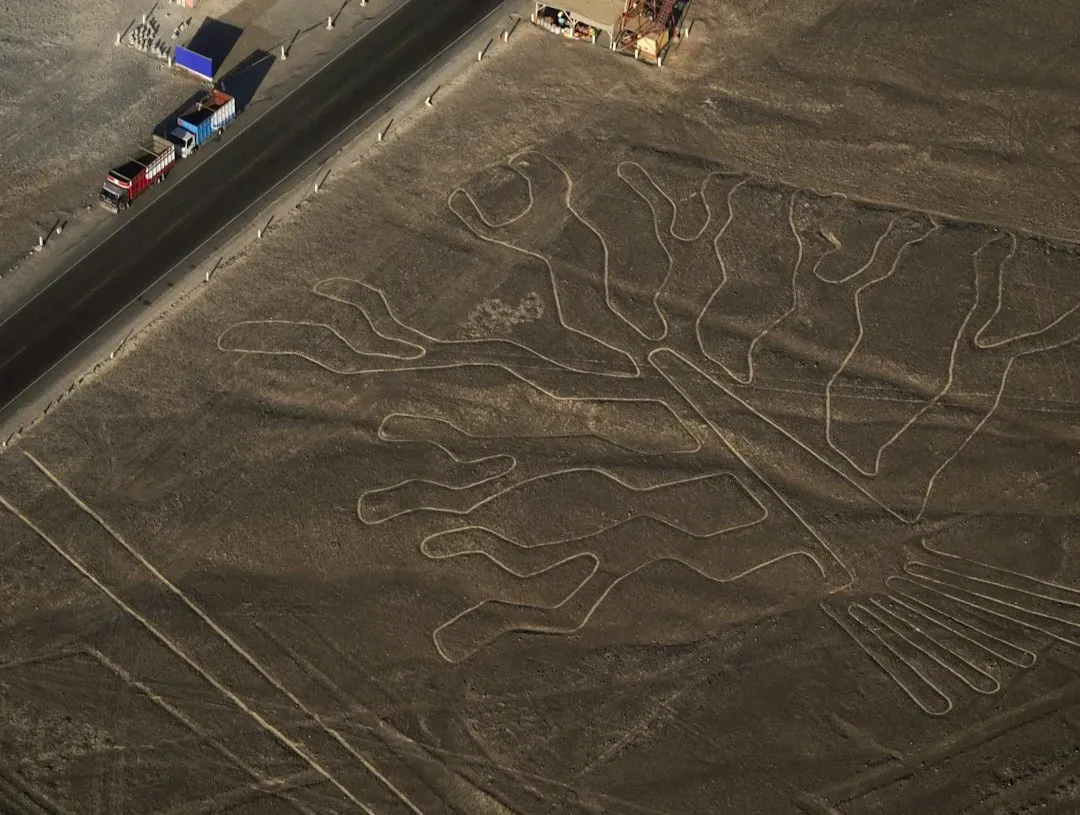
South of modern Lima, the Nasca Desert holds a secret that only reveals itself from above: enormous lines and figures etched into the desert surface, stretching for kilometers. Some are straight paths, others form trapezoids and spirals, and many are stylized animals, plants, and humanoid shapes drawn on a scale so vast that you can only really see them properly from the air or surrounding hills. For decades, people have wondered why a culture without aircraft would create images best appreciated from the sky, though archaeological work suggests they were linked to ritual processions, water, and ceremonies performed on the ground.
The Nasca Lines aren’t truly megalithic – they’re carvings in earth rather than monumental stone – but they sit in the same mental neighborhood and echo traditions elsewhere. Across the world, people have drawn massive ground figures and alignments: chalk hill figures in Britain, desert geoglyphs in the Middle East, and long ceremonial alignments in places like North America’s mound sites. In all of these, scale is used to speak to something bigger than daily life, whether to distant gods, future generations, or simply anyone who cared enough to look from a vantage point. The eerie similarity is not that people copied each other, but that the urge to write messages on the landscape itself, visible only from special viewpoints, seems to pop up wherever humans have the space and patience to pull it off.
Conclusion – Shared Stones, Shared Minds
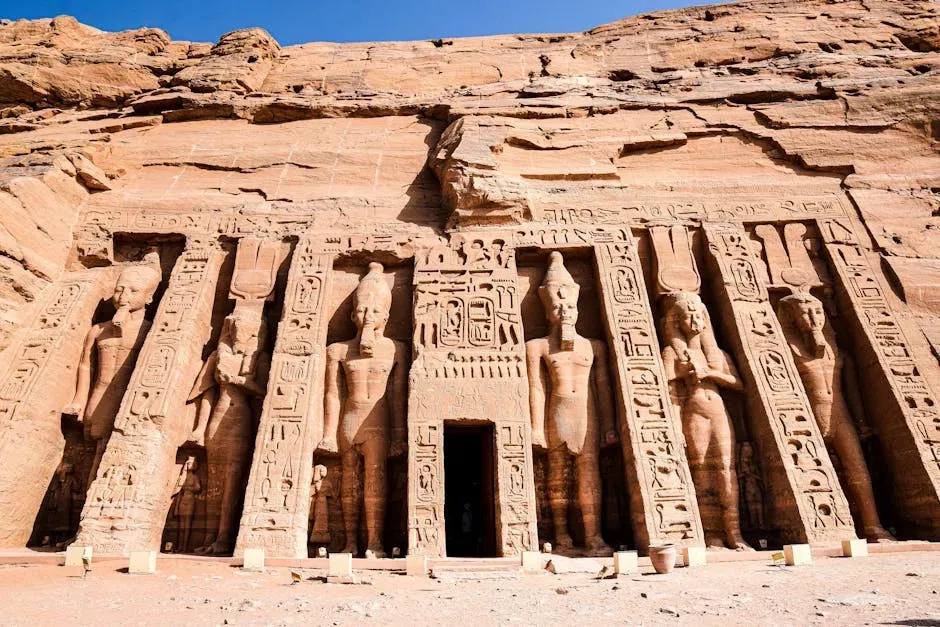
When you put Sacsayhuamán, Tiwanaku, Teotihuacan, Chavín, the Olmec heads, and the Nasca Lines side by side with monuments from the rest of the world, the parallels can feel almost spooky. Massive blocks locked like puzzles, stepped pyramids built as ladders to the sky, temples tuned for sound and awe, giant human faces carved as symbols of power, drawings so large you can only truly grasp them from far away – they all show up in places that never shared a common language or map. It’s tempting to jump straight to lost civilizations or secret contact, but the evidence we actually have points more toward a shared human toolkit: similar physics, similar fears, similar dreams.
To me, the deepest mystery isn’t whether people sailed across oceans in the distant past; it’s how different cultures, facing different landscapes and histories, still kept reaching for the same architectural metaphors again and again. Stone becomes mountain, mountain becomes temple, rulers become giants, and the ground itself becomes a canvas for messages to the cosmos. Maybe that’s the real eerie similarity: when we carve in rock, we leave behind proof that humans everywhere grapple with the same questions about power, death, and the sky above us. Standing in front of any one of these sites, you have to ask yourself: if you had only stone, faith, and a lifetime to build, what monument would you leave behind?