
Imagine everything you’ve ever seen, loved, and experienced squeezed into something smaller than a grain of sand. Not just you, not just Earth, but every galaxy, every star, every atom. That’s essentially what the Big Bang theory is claiming: that our vast, glittering universe began in a state so tiny, so dense, and so unimaginably hot that our normal ideas of space and time simply stop making sense.
That sounds dramatic, almost like science fiction, but it’s the best explanation modern science has for how we got from “almost nothing” to a universe filled with planets, people, and pizza. The Big Bang theory isn’t a wild guess; it’s built from decades of evidence, careful measurements, and a lot of stubborn questions that scientists refused to drop. Once you see how the pieces fit together, the story of our cosmic beginning feels less like a dry theory and more like the most powerful origin story ever told.
What Do Scientists Mean By “Almost Nothing”?
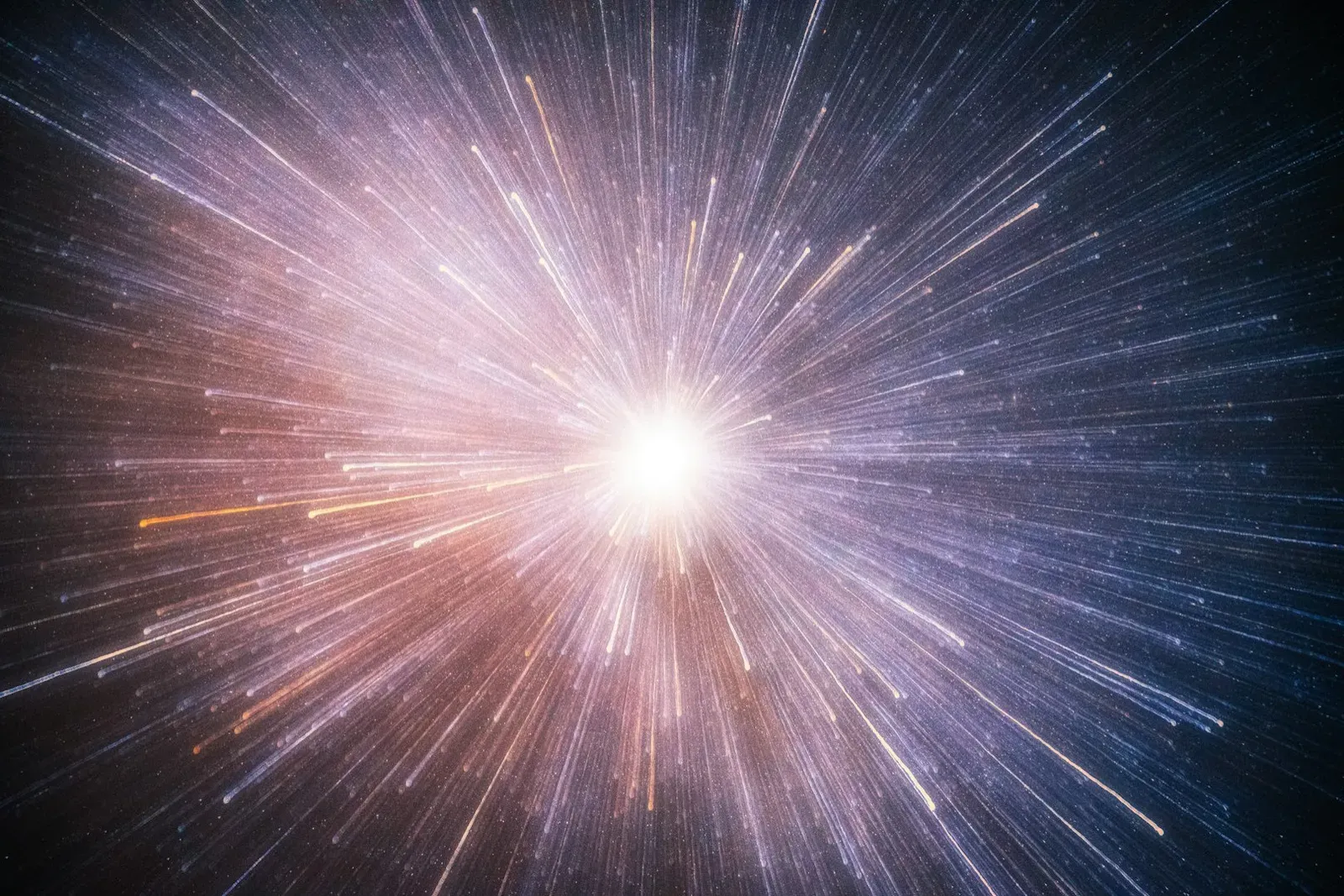
When scientists say the universe started from “almost nothing,” they’re not talking about an empty black room with nothing inside it. They’re talking about a state where space itself was compressed to an extreme, with all the energy and matter that would become the universe packed into a tiny, hot, dense region. In that early moment, our usual way of thinking about “things in space” breaks down, because space and time themselves were part of what was changing.
Physicists call this extreme beginning a singularity, but the truth is, we don’t fully understand what that really looked like. Our best theories of gravity and quantum physics both work incredibly well on their own, but they start to clash when we try to push them back to that very first instant. So “almost nothing” is a kind of honest confession: we know the universe once was vastly smaller, hotter, and denser than it is now, but the exact first instant is still a mystery at the edge of our knowledge.
The Sudden Expansion: What “Big Bang” Actually Describes
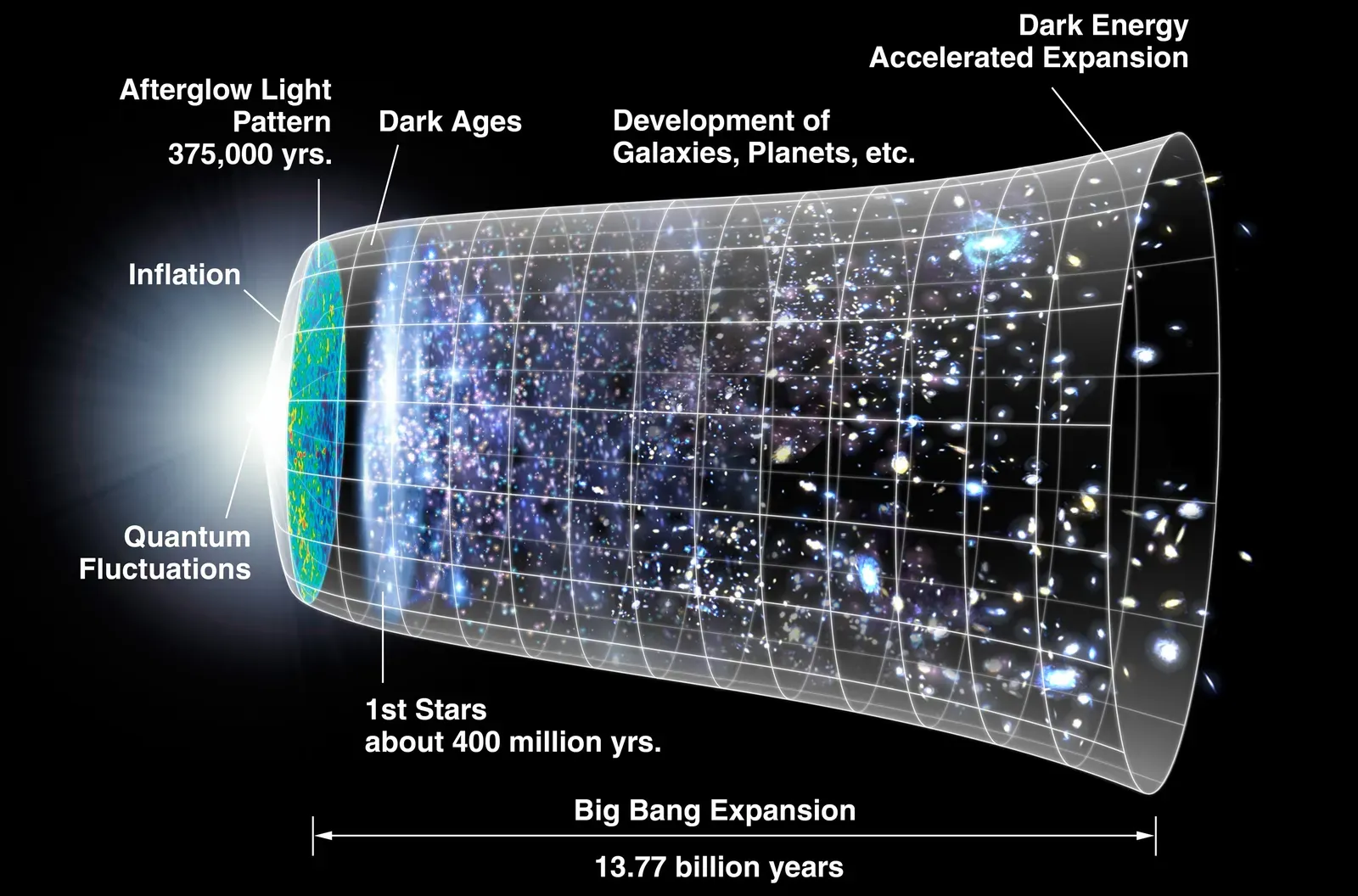
The name “Big Bang” makes it sound like a bomb went off in an empty room, sending bits of cosmic debris flying. That picture is wrong. The Big Bang wasn’t an explosion in space; it was an expansion of space itself. Every point in the universe began rushing away from every other point, like raisins in rising bread dough, not shrapnel from a grenade.
What really matters is that this expansion had a beginning: there was a time when the universe was smaller, and a time before that when it was even smaller, and so on. When scientists work backward using the laws of physics, they find that everything seems to converge on a very early state where distances between points shrink toward zero. That’s what the Big Bang describes: not a blast into preexisting emptiness, but the birth and stretching of space and time from an earlier, compressed state.
The First Clue: Galaxies Are Rushing Away From Us
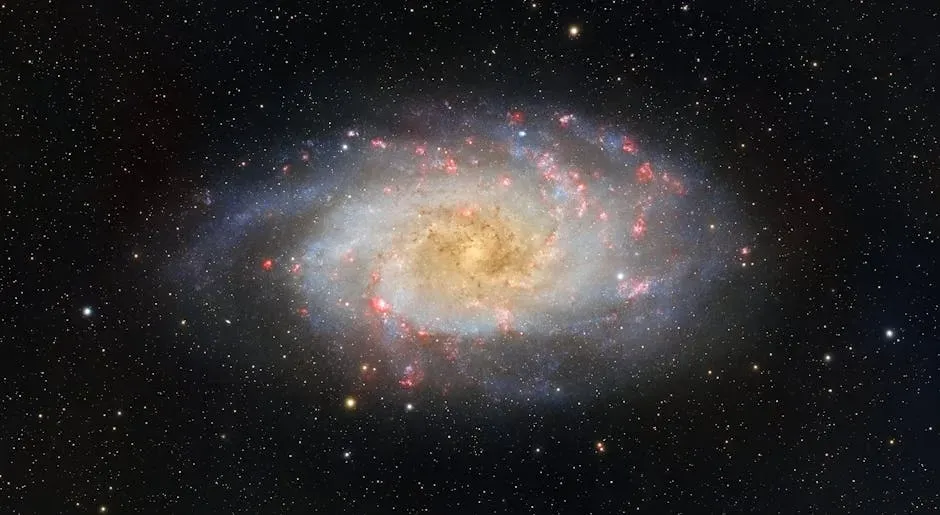
One of the most surprising discoveries of the twentieth century was that nearly all distant galaxies are moving away from us, and the farther they are, the faster they recede. You can see this in the light they emit, which is shifted toward the red end of the spectrum, a sign that space between us and them is stretching. This isn’t because we’re at the center of the universe, but because space is expanding everywhere at once.
If you reverse that movie in your mind, you get a universe where galaxies were closer together in the past, squeezed into a smaller and smaller volume as you go back in time. That’s the basic logic behind the Big Bang: expanding now implies denser before. This single observation transformed the universe from something static and eternal into something dynamic, evolving, and with a definite story that has a beginning and a history.
The Echo of the Beginning: Cosmic Microwave Background
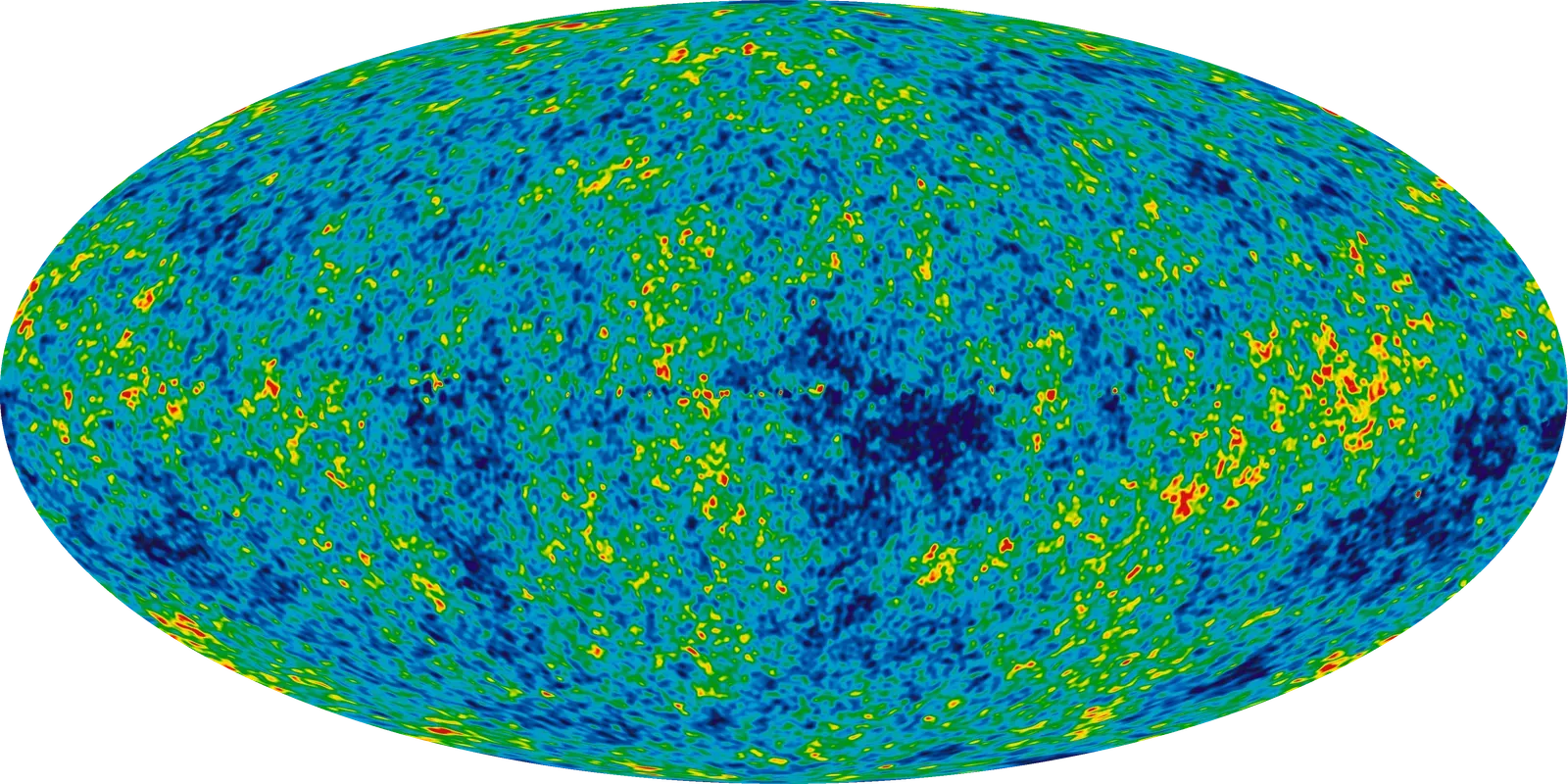
If the universe was once incredibly hot and dense, you’d expect some kind of leftover heat from that early time. That’s exactly what scientists found: a faint glow of microwave radiation filling all of space, coming from every direction almost equally. This glow is called the cosmic microwave background, and it’s often described as the afterglow of the Big Bang, like the lingering warmth in a room long after a fire has burned down.
This radiation was released when the universe was just a few hundred thousand years old, when it cooled enough for atoms to form and light to travel freely. We can still detect it today because the universe has expanded and stretched that ancient light into the microwave part of the spectrum. The pattern of tiny temperature variations in this background, mapped in incredible detail by satellites, matches what you’d expect from a universe that began hot, dense, and expanding.
From Pure Energy to the First Particles
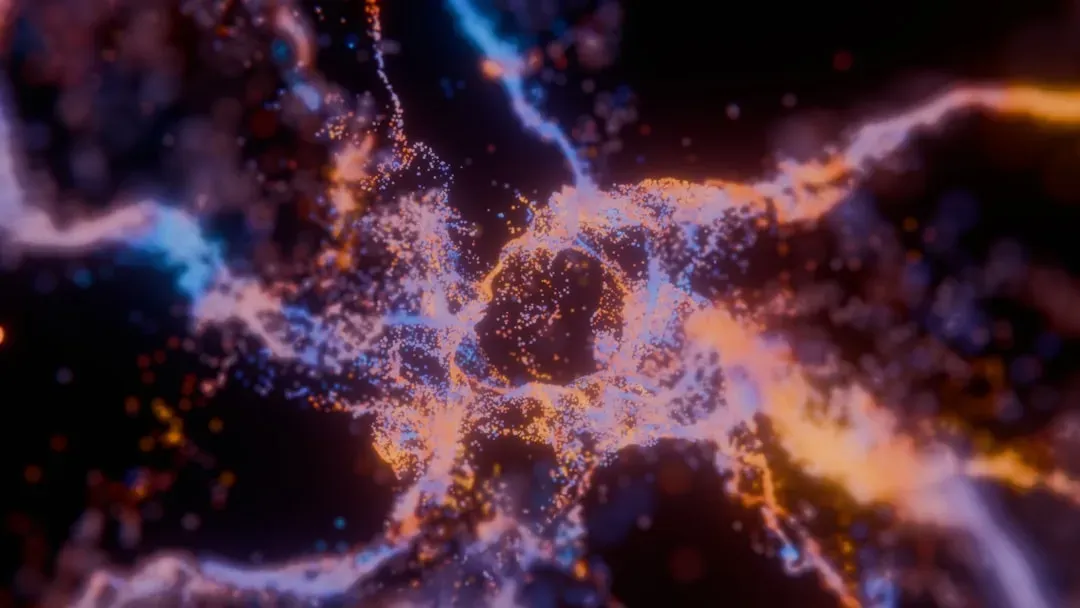
In the first fraction of a second after the Big Bang, the universe was so hot that matter as we know it couldn’t exist. Instead, there was a seething soup of pure energy and extremely energetic particles constantly popping in and out of existence. As the universe expanded, it cooled, and that cooling allowed stable particles like quarks and electrons to form and stick around.
Quarks combined into protons and neutrons, the building blocks of atomic nuclei, while electrons buzzed around them. These early moments were like a wild, chaotic factory line, with energy being converted into matter according to the famous relationship that energy and mass are two sides of the same coin. What’s mind-bending is that everything you see today, from your own body to distant stars, is made from particles forged in that first tiny sliver of cosmic time.
Cooking the First Elements in a Cosmic Furnace
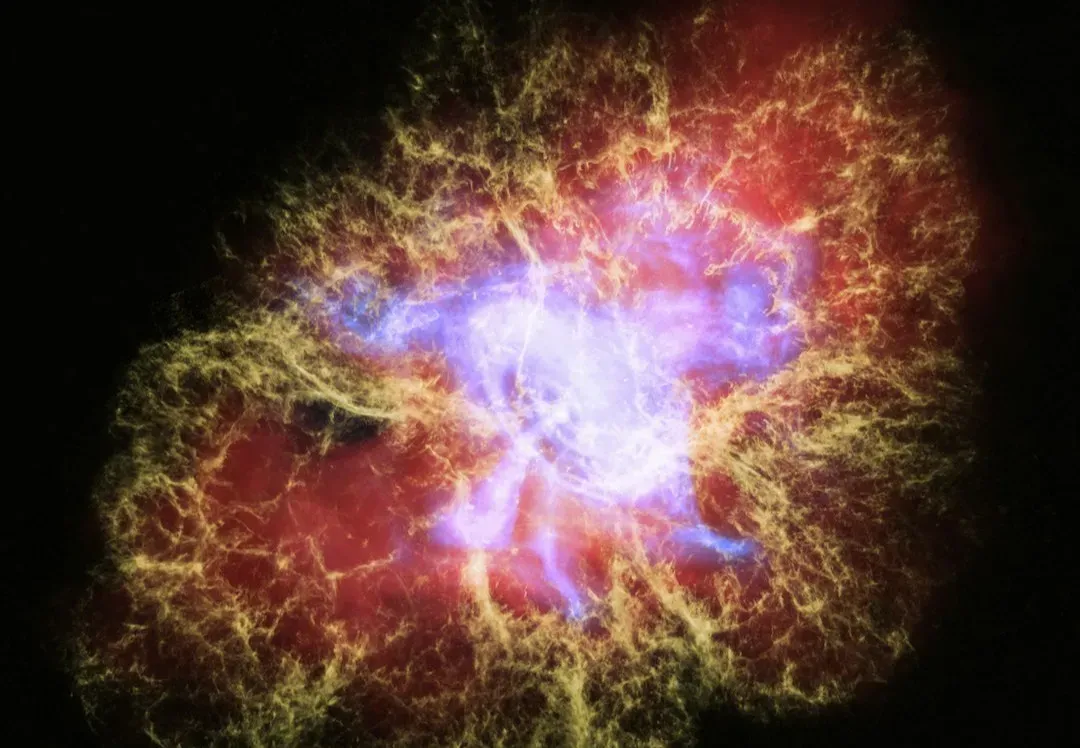
A few minutes after the Big Bang, the universe was still incredibly hot but not as brutally intense as before. It had cooled just enough for protons and neutrons to start sticking together into simple nuclei, forming mostly hydrogen and helium with tiny traces of a few other light elements. This process is called Big Bang nucleosynthesis, and it’s like the universe’s first attempt at chemistry.
What’s powerful is that scientists can calculate how much hydrogen and helium should have formed under those early conditions, and then compare that to what we actually see in old stars and gas clouds. The match is striking. The fact that the universe today contains mostly hydrogen, a good amount of helium, and only a tiny fraction of heavier elements is a huge piece of evidence that our story of a hot, dense early universe is on the right track.
How Tiny Fluctuations Became Galaxies and Stars
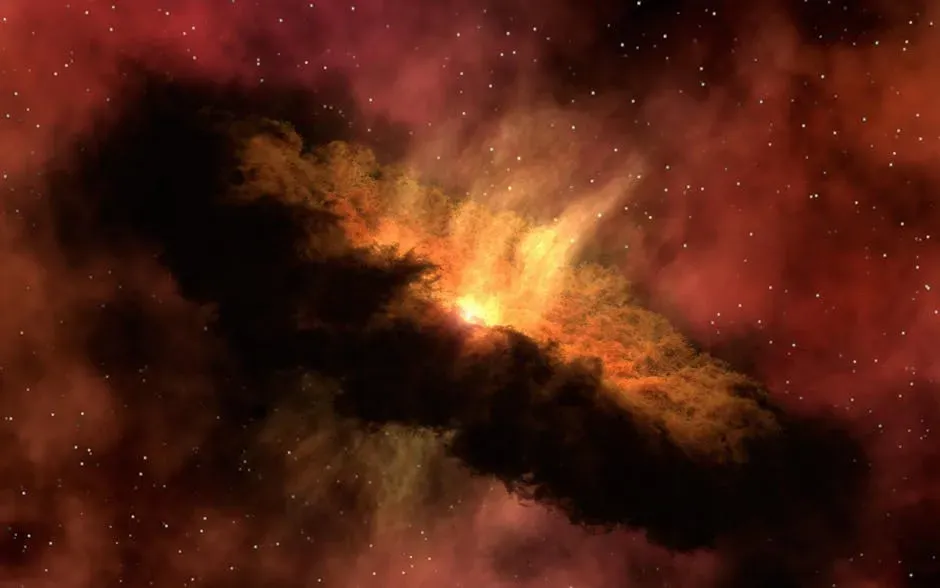
At first glance, the early universe was astonishingly smooth and uniform, the same in every direction to a remarkable degree. But it wasn’t perfectly smooth. There were tiny ripples – slight differences in density and temperature – that show up as minuscule variations in the cosmic microwave background. These little bumps were the seeds of everything we see today on large scales.
Over billions of years, gravity pulled slightly denser regions into clumps, drawing in more matter, making them denser still, and eventually forming stars, galaxies, and galaxy clusters. It’s a bit like sprinkling just a little more flour in some parts of a dough; those spots puff up differently as the bread rises. Without those tiny early imperfections, there would be no galaxies, no stars, no planets, and no place for life to emerge and ask how it all began.
The Role of Dark Matter and Dark Energy
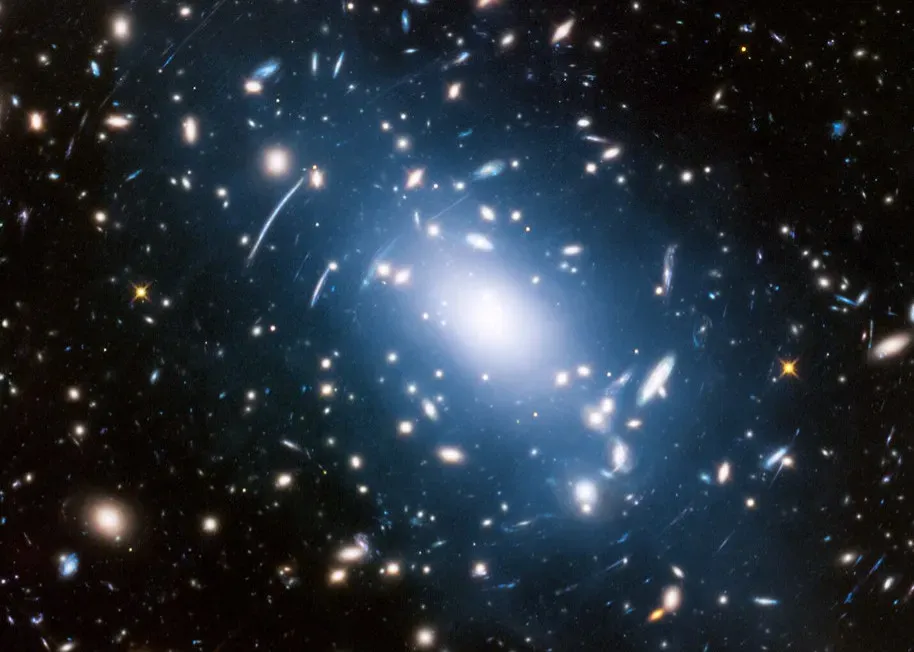
Here’s where the story gets even stranger: most of the universe isn’t made of the stuff we can see. Observations of galaxies and galaxy clusters show that visible matter alone can’t account for the way they move and stick together. There has to be additional, invisible mass exerting gravity, something that doesn’t interact with light the way normal matter does. Scientists call this dark matter, and it seems to act like a hidden scaffolding that helped shape the large-scale structure of the universe.
On even bigger scales, the expansion of the universe itself is speeding up instead of slowing down, as if some mysterious ingredient is pushing space to expand faster over time. This is called dark energy, and in terms of total cosmic accounting, it dominates everything. We don’t yet know what dark matter and dark energy really are, but they clearly play a central role in how the universe evolved from that early hot state to the complex cosmic web we see today.
What We Still Don’t Know About the Very Beginning
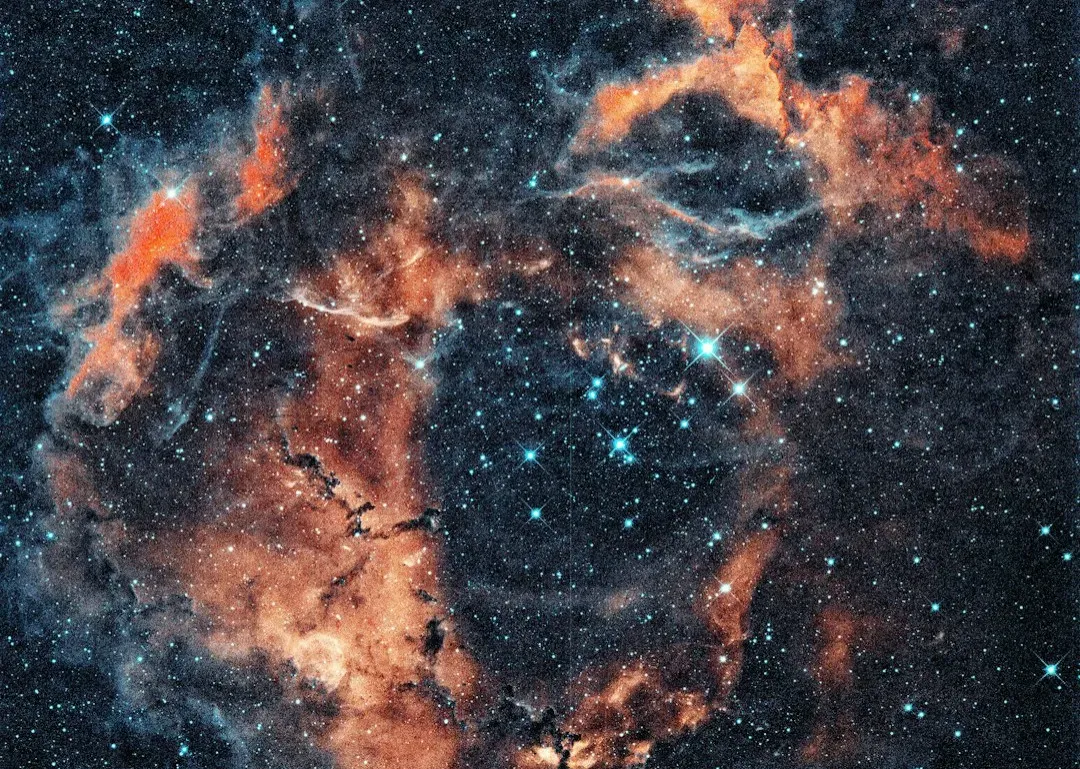
Despite all our progress, the very first instants of the universe remain deeply mysterious. Our current theories can give a solid picture back to a very early fraction of a second, but before that, we run into the limits of our mathematics and our understanding. We don’t yet have a complete theory that unifies quantum mechanics with gravity in a way that works under such extreme conditions.
There are ideas, like cosmic inflation, which suggest that the universe went through a brief period of unbelievably rapid expansion right after the Big Bang. There are also speculations about whether our universe might be part of a larger multiverse, or whether the Big Bang was a kind of bounce from a previous phase. But these are still active research areas, and responsible scientists treat them as possibilities, not settled facts. In a way, the beginning of everything is still an open invitation to curiosity.
Why the Big Bang Story Matters to Us
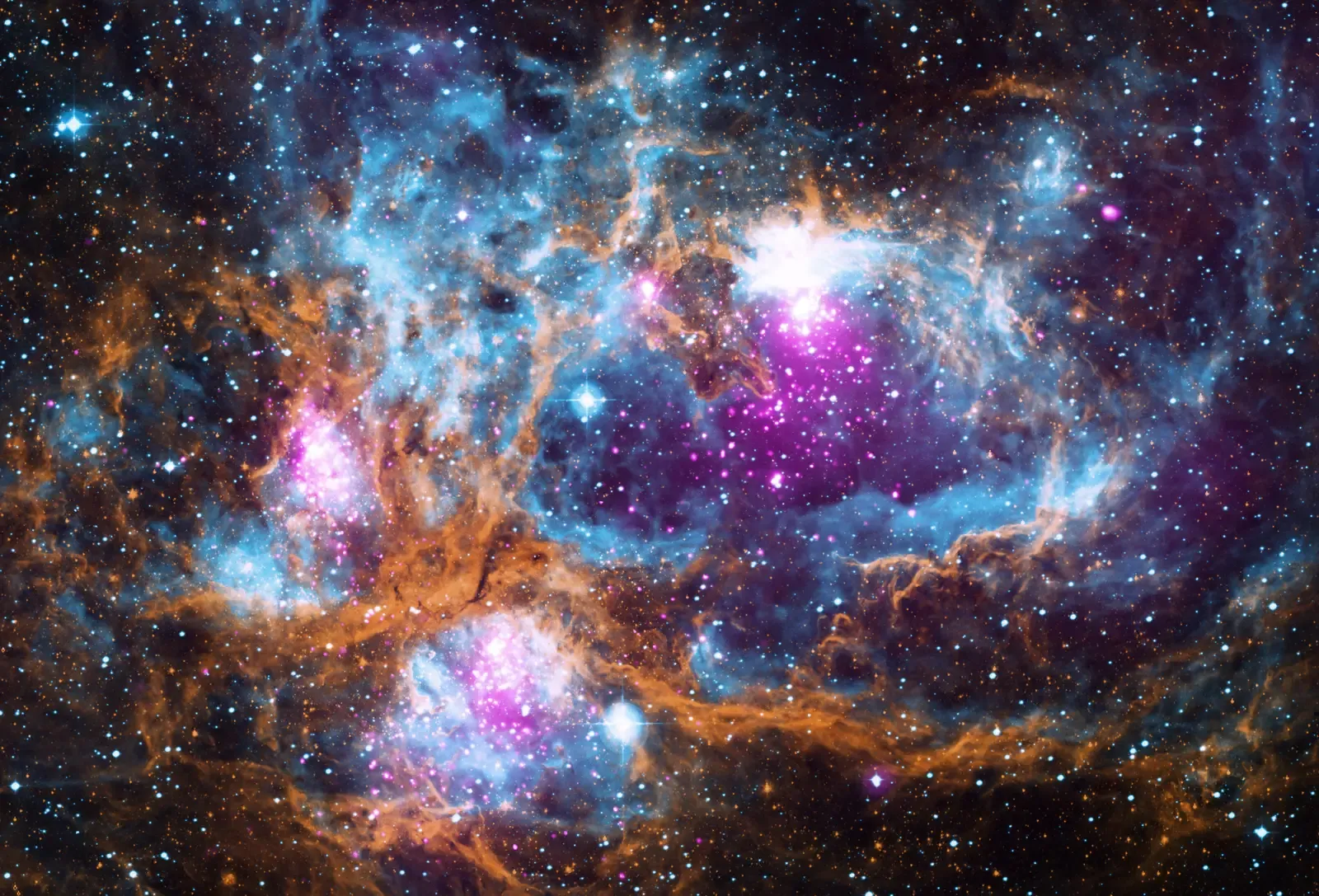
It’s tempting to think of the Big Bang as something remote and abstract, far removed from everyday life. But the atoms in your body, the light from your phone screen, the warmth of the sun on your skin – all of it is part of the same unfolding story that started in that early, nearly featureless fireball. When you drink a glass of water, you’re sipping hydrogen created minutes after the Big Bang itself, mixed with oxygen forged later in dying stars.
For me, that realization feels oddly grounding. It means we’re not outside observers looking in on a universe; we are literally made from its earliest moments and its ongoing processes. Whether you find that spiritual, poetic, or just scientifically beautiful, it changes how small problems feel when you remember you’re part of a thirteen-billion-year cosmic drama. In the end, the Big Bang isn’t just about – it’s about how that almost nothing learned to ask where it came from.
Conclusion: Living in the Afterglow of a Cosmic Beginning
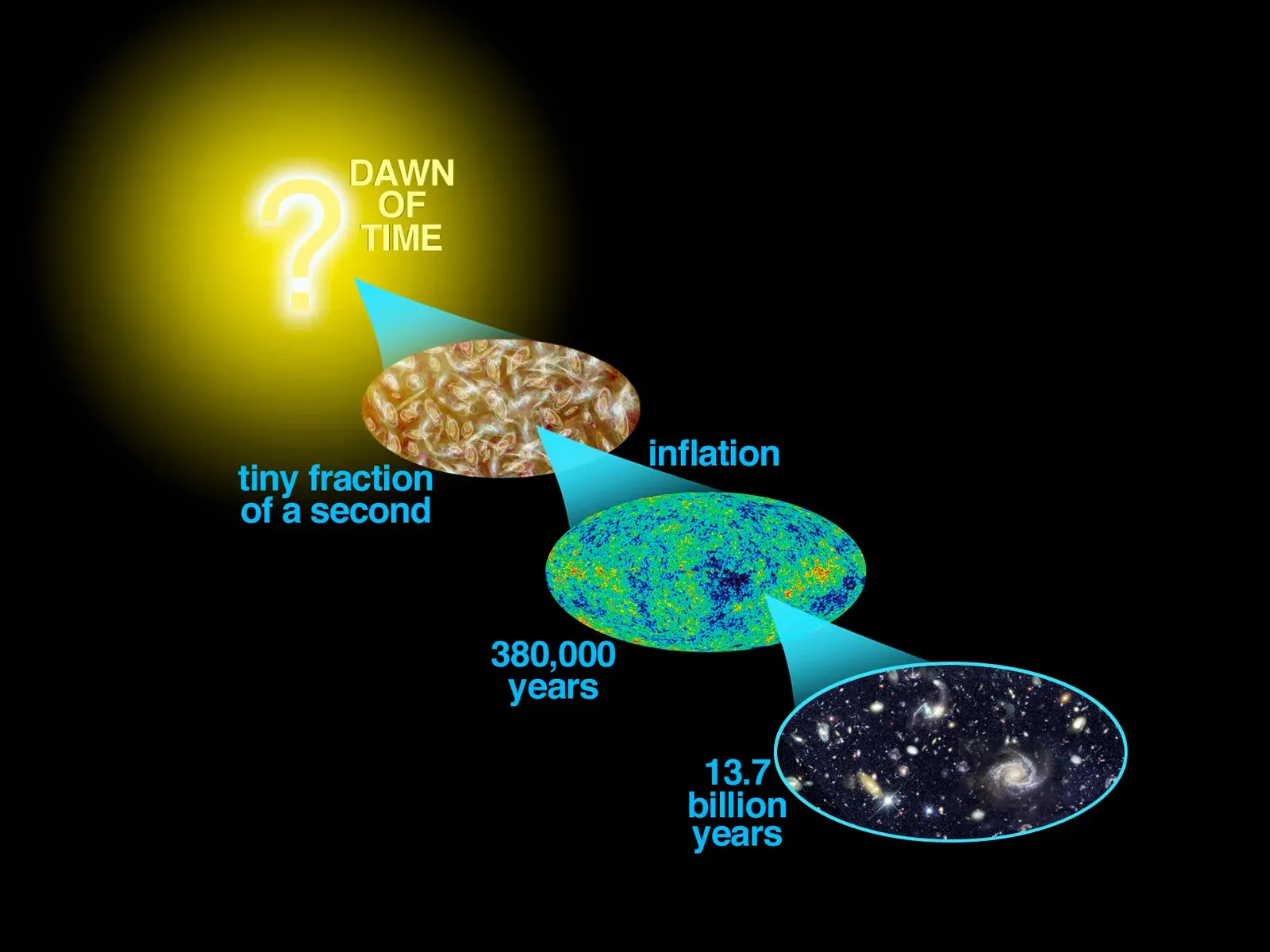
From an unimaginably hot, dense, and tiny early state, the universe has expanded and cooled into the vast, structured, and surprisingly hospitable place we see around us. The Big Bang theory stitches together a compelling narrative using redshifted galaxies, ancient microwave light, the mix of elements, and the large-scale pattern of cosmic structures. Each of these clues, gathered painstakingly over decades, paints the same picture: a universe with a real beginning, a history, and an ongoing evolution.
We don’t yet know what, if anything, came “before,” or exactly how to describe the very first instant, and that honest uncertainty is part of what makes this story so alive. There’s room for new physics, better ideas, and future observations to reshape our understanding, just as earlier discoveries reshaped the static, eternal universe into a dynamic, expanding one. For now, though, we know this much: everything around you, and everything you are, traces back to that early, almost-nothing moment when space itself began to stretch. When you look up at the night sky, does it feel a little different knowing you’re gazing into the cooling embers of the Big Bang’s first light?