
You live in a time when myths are being dragged, sometimes reluctantly, into the light of data. Atlantis used to sit safely in the realm of legend, a story you might lump in with fire‑breathing dragons and magic swords. Now, however, deep‑sea scans, drowned cities, and strange structures on the ocean floor are forcing you to ask a much more uncomfortable question: what if there is a real story hiding behind the myth?
You are not looking at a single smoking gun that proves Atlantis once existed exactly as Plato described it. Instead, you are watching a slow collision between cutting‑edge ocean science and some of humanity’s oldest stories. As underwater archaeology matures, you keep seeing the same pattern: coastlines that used to be dry land, settlements that vanished under rising seas, and mysterious ruins in places nobody expected. Atlantis is no longer just a fantasy; it has become a lens through which you can explore how civilizations really lived, drowned, and were forgotten.
You Start With Plato, But You Don’t Stay There
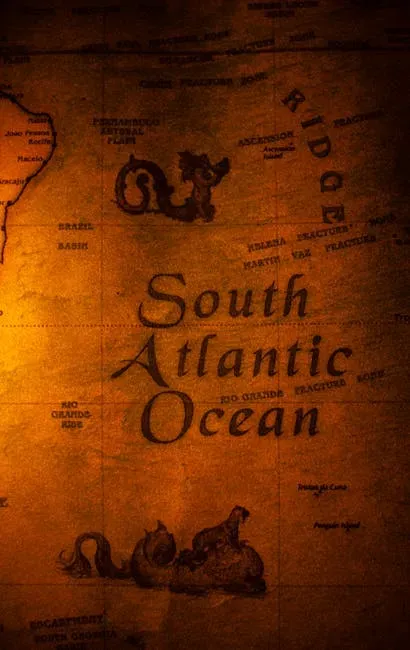
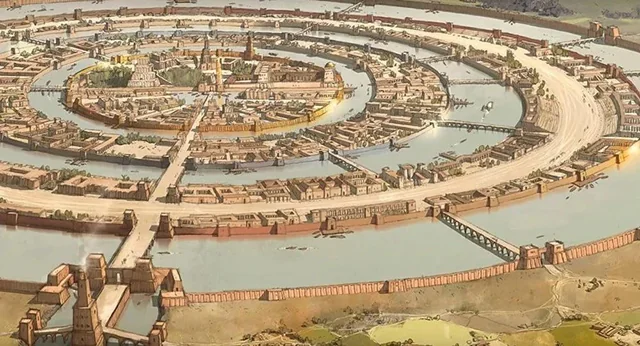
If you want to take Atlantis seriously, you have to start where everyone else does: with Plato. In his dialogues, he described a powerful island civilization that supposedly sank in a single day and night thousands of years before his time. You read about concentric rings of land and water, shining temples, and a wealthy maritime power brought down by hubris. For centuries, that story has been treated as either moral fable, political allegory, or at best, highly embellished history.
Where things get interesting for you today is not in the poetry of the tale, but in how researchers treat it: as a fragment that might encode distorted memories of real events. Instead of asking whether Plato was literally right, you’re now encouraged to ask what kind of catastrophe could inspire such a story at all: a tsunami, a volcanic eruption, or rapid sea‑level rise swallowing coastal cities? Once you shift the question from “Is Atlantis real?” to “What real disasters and drowned cultures could sit behind this?”, the legend becomes a surprisingly useful framework for your curiosity.
You Watch New “Atlantises” Rise From the Sea Floor
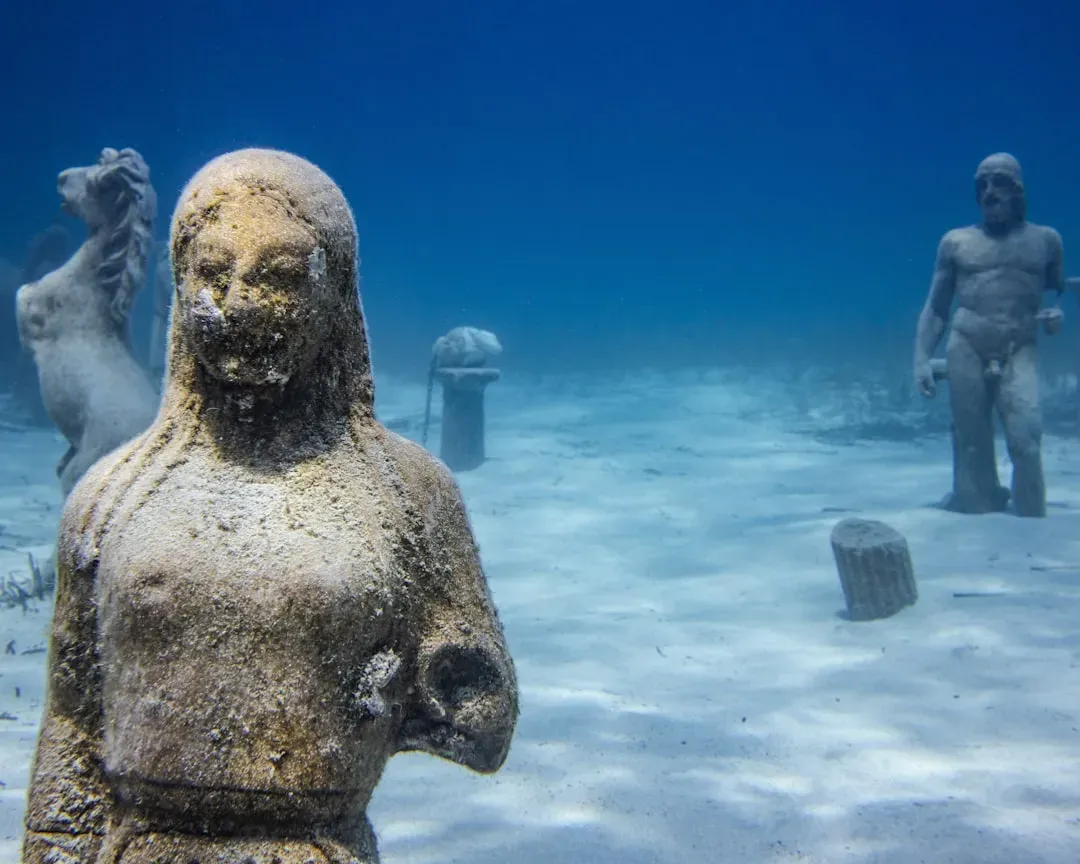
Over the last few years, you’ve probably noticed a steady drip of news about underwater cities, especially in shallow coastal zones. Marine archaeologists have mapped stone‑built settlements beneath Danish bays, lost harbors under fish farms, and ancient towns off the coasts of Europe, the Caribbean, and the Middle East. You see photos of straight walls, paved surfaces, and collapsed buildings that look eerily like their land‑based cousins, except wrapped in seaweed and barnacles.
These discoveries don’t prove that Plato’s Atlantis was a specific place like Cadiz or the Bahamas, but they force you to accept something bigger: entire communities really did vanish under water when sea levels rose after the last ice age. Researchers now talk openly about Stone Age “Atlantises” preserved like time capsules beneath the waves. As more coastlines are scanned with sonar and LiDAR, you can reasonably expect more of these submerged worlds to appear, each one proving that stories of drowned lands were not just fantasy, but lived experience for your distant ancestors.
You See Deep‑Sea Tech Turning Legend Into Testable Hypotheses
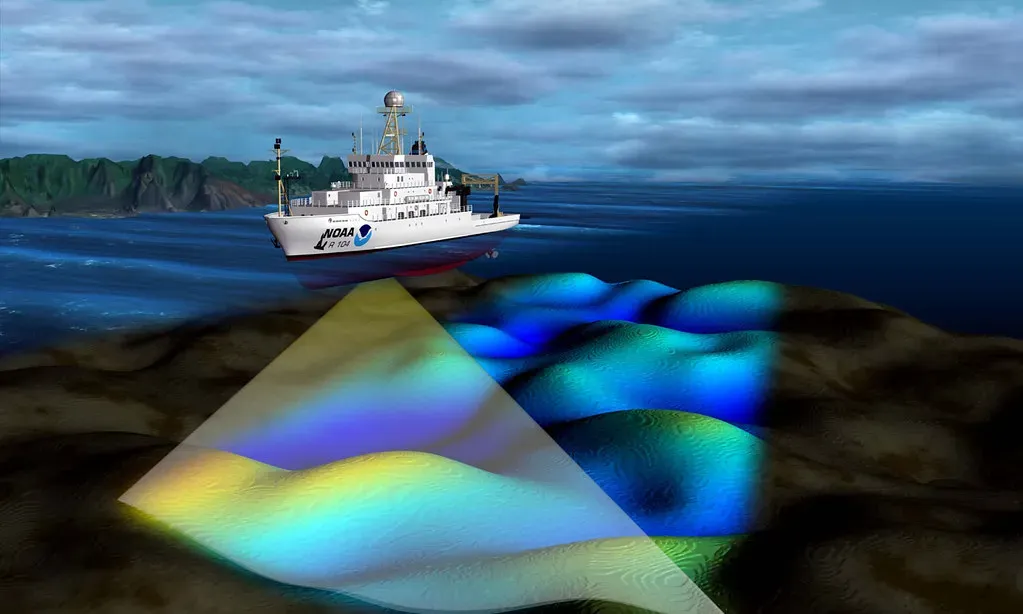
If you had tried to find Atlantis a century ago, you would have been relying on wild guesswork and the occasional sailor’s yarn. Today, you have bathymetric maps, multibeam sonar, sub‑bottom profiling, and AI‑enhanced imaging that reveal every ridge and plateau of the seafloor in astonishing detail. Researchers and independent teams have used these tools off Cyprus, in the Azores region, near Cadiz, and elsewhere, looking for geometric patterns or concentric rings buried under sediment.
Some scans have indeed turned up striking anomalies: circular formations, intersecting linear features, and walls that seem too regular to be easily dismissed. You’ve probably seen claims that certain structures match Plato’s description with “almost perfect” precision. At the same time, geologists urge you to be cautious, pointing out how natural forces can sculpt remarkably symmetrical shapes. The real shift is not that technology suddenly “proves” Atlantis, but that your tools now allow theories to be tested, challenged, and refined instead of living forever in the realm of pure speculation.
You Learn How Ice, Oceans, and Catastrophes Erase Civilizations
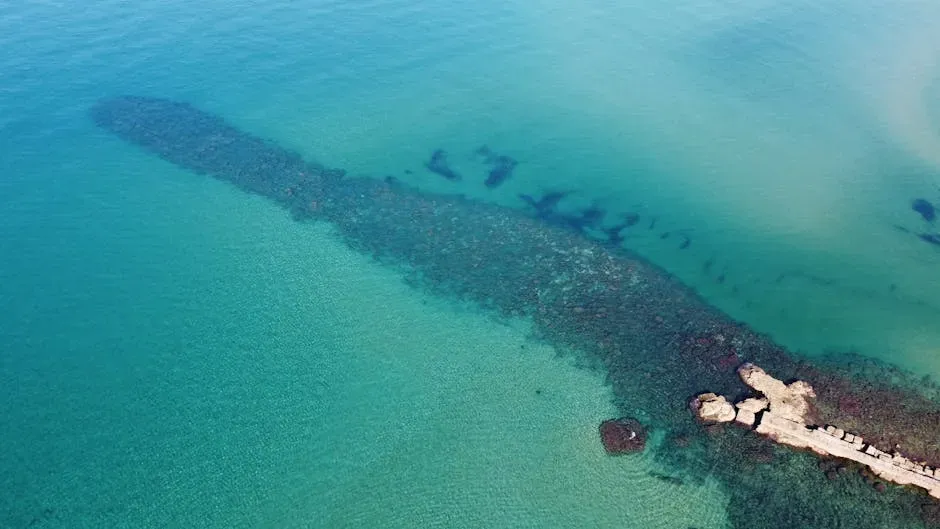
To understand any Atlantis‑like story, you have to think like a geologist, not just a storyteller. During the last ice age, sea levels were dramatically lower, exposing huge stretches of land that are now continental shelves. You are only just beginning to grasp how many human settlements might have sat along those forgotten coastlines, close to rivers, estuaries, and fertile plains that later drowned as ice melted. When you picture those vanished shorelines, the idea of a thriving coastal culture disappearing beneath the waves stops sounding like fantasy and starts feeling almost inevitable.
On top of that slow, relentless rise of the seas, you also have abrupt disasters to consider: tsunamis, volcanic eruptions, and sudden floods triggered by ice‑dam failures or landslides. Geologists have identified layers of tsunami deposits, strange sediment fans, and abrupt breaks in coastal occupation patterns that point to violent events. When you combine this with oral traditions from many cultures that describe great floods and sinking lands, you begin to see a pattern: people were living on precarious edges, and sometimes, those edges failed catastrophically. In that context, a tale like Atlantis might be less a one‑off myth and more a dramatic echo of a type of disaster that kept happening.
You Discover That “Lost Cities” Can Be Entirely Real Without Being Atlantis
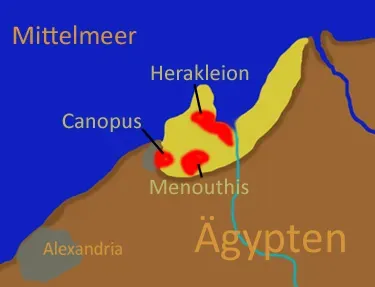
One of the most surprising things you learn is that sensational headlines about the “real Atlantis” usually hide something even more important: the city in question is fascinating in its own right, regardless of any mythic label. A submerged harbor off Spain, a drowned Neolithic settlement in the Baltic, or an underwater city in the Caribbean tells you concrete, testable stories about how people fished, traded, worshipped, and built on coasts that later slipped under the sea. You don’t need those places to be Atlantis to feel awe; their reality is enough.
Archaeologists themselves are often careful not to leap straight to the Atlantis tag, because they know how it can distort expectations and drown out quieter, more nuanced truths. When you follow their work closely, you begin to appreciate the discipline of separating romance from evidence. You learn to ask better questions: Who lived here? Why did they build this way? How did the changing climate and ocean shape their fate? In that sense, every new submerged site pushes you to move beyond the craving for one grand lost civilization and toward a richer, more complex picture of many lost coastal worlds.
You’re Forced to Balance Wonder With Skepticism
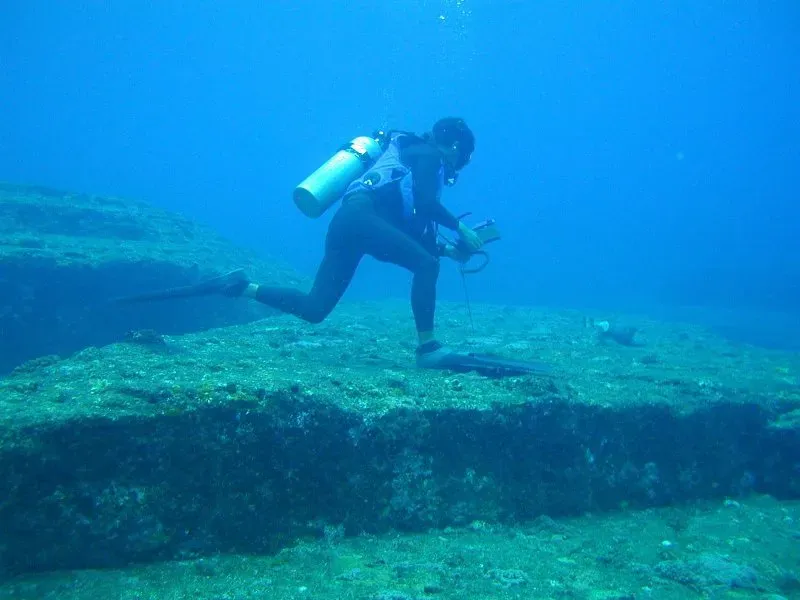
As you dive deeper into the latest Atlantis chatter, you quickly see a tug‑of‑war between enthusiasm and caution. On one side, there are explorers and researchers who insist that certain sonar images, wall‑like formations, or concentric structures are too “perfect” to be natural. On the other, you have marine geologists reminding you how erosion, faulting, sediment flows, and volcanic processes can produce shapes that look engineered to the untrained eye. You’re left holding both feelings at once: the thrill of maybe and the discipline of not yet.
Learning to live in that tension is part of the modern Atlantis story for you. Instead of rushing to believe every claim, you are invited to wait for core samples, dating, repeated surveys, and peer‑reviewed analysis. That might sound dull compared to dramatic documentaries, but it’s what keeps your curiosity honest. The new theories emerging from the deep sea are valuable not because they guarantee a final answer, but because they pull you into the scientific process itself, where uncertainty is not a failure but a sign that real investigation is happening.
You Realize Atlantis Says as Much About You as It Does About the Past
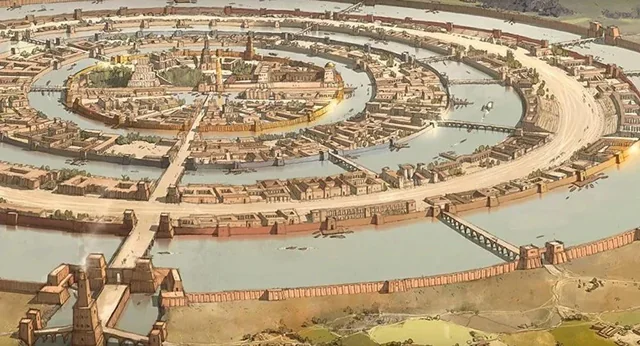
In the end, when you chase Atlantis across sonar maps and research papers, you’re really chasing something about yourself. You want to know whether advanced societies have risen and vanished before, whether you’re just the latest chapter in a book that has already been written and erased. Atlantis concentrates that anxiety and hope into a single powerful image: a shining city swallowed by the sea, a warning that power and knowledge are no protection against nature when you overreach.
At the same time, the real submerged cities and deep‑sea discoveries you follow show you something surprisingly hopeful. Humans have always adapted to changing shorelines, rebuilt after disasters, and carried fragments of memory forward in stories. Whether Plato’s Atlantis was ever a physical place or not, it reminds you that your own coasts, megacities, and technological pride sit under the same sky and next to the same oceans. The question you quietly ask yourself is simple: will you become someone else’s Atlantis, or will you listen to the warnings your drowned past is trying to send you?
So when you hear about new theories rising from the deep sea, you are not just hearing about rocks, ruins, or sonar scans. You are being offered a mirror, one that shows you both the vulnerability and resilience of civilization. Maybe the real power of Atlantis for you in 2026 is not that it proves a lost super‑city existed, but that it keeps you thinking hard about how fragile your own world is when the water starts to rise. If some distant future divers mapped your drowned cities, what stories would they tell about you?