A Landmark Detection Near Reykjavik (Image Credits: Pexels)
Iceland – The island nation long celebrated as one of Earth’s last mosquito-free havens now hosts these persistent insects, a development researchers link to accelerating Arctic warming. Scientists confirmed the arrival in 2025, marking the end of Iceland’s unique status among Arctic countries.[1][2] This event underscores broader ecological transformations driven by climate change and heightened human activity in the region.
A Landmark Detection Near Reykjavik
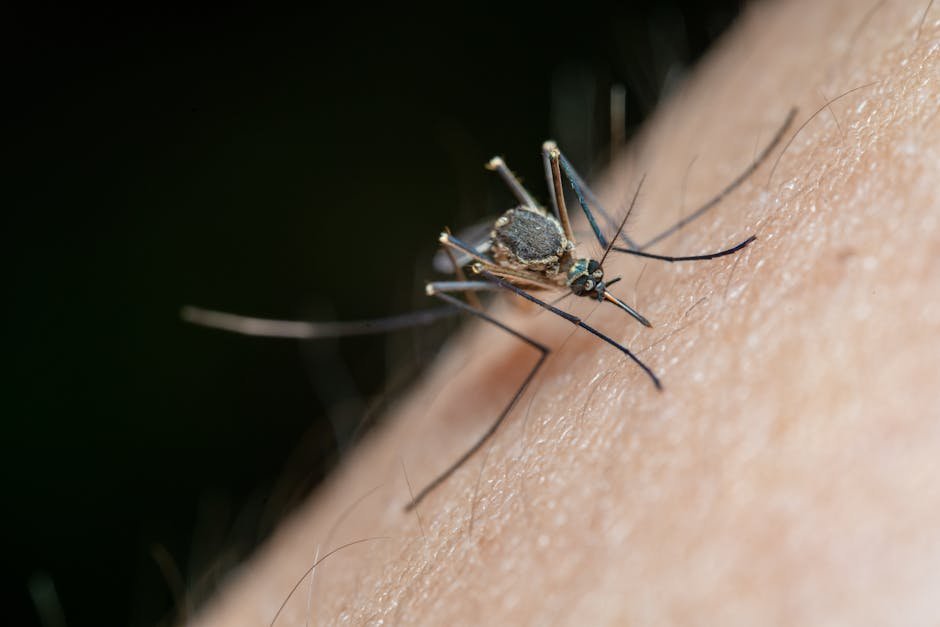
In October 2025, insect enthusiast Björn Hjaltason spotted an unfamiliar insect in his garden in Kiðafell, within the Kjós municipality just north of Reykjavik. He captured one male and two female Culiseta annulata specimens, a cold-tolerant species common across Europe, Central Asia, and North Africa. The Natural Science Institute of Iceland verified the find, confirming the first wild mosquitoes on the island.[2]
Previous sightings involved insects on airplanes or ships, but these marked a potential establishment on land. Iceland’s cool, windy conditions and geothermal-influenced waters had historically deterred breeding. The institute noted this as part of several new insect arrivals tied to warming trends and global transport.[1]
Climate Warming Opens the Door
The Arctic warms at four times the global average rate, with Iceland experiencing record spring heat in 2025 that melted glaciers faster and extended thaw periods. Earlier snowmelt and longer summers create ideal breeding grounds in the island’s abundant ponds and marshes. These shifts make once-hostile environments hospitable for insects like Culiseta annulata.[1]
Human factors amplify the risk. Expanded shipping, tourism, and infrastructure connect remote areas, allowing hitchhikers to thrive upon arrival. Researchers emphasize that without intervention, such introductions could become permanent fixtures in the ecosystem.
Far-Reaching Impacts on Wildlife and Landscapes
Arthropods, including mosquitoes, dominate Arctic biodiversity, comprising about 90 percent of known polar species. They pollinate plants, recycle nutrients, and form the base of food webs supporting birds, mammals, and humans. Disruptions ripple outward: Arctic shorebird chicks now hatch out of sync with peak insect availability, threatening survival rates.[2]
Caribou and reindeer face heightened harassment from biting swarms, reducing foraging time and elevating energy costs that affect reproduction and herd health. Outbreaks of herbivorous insects defoliate tundra, warming soils, hastening permafrost thaw, and releasing stored greenhouse gases along with ancient microbes. These cascades alter carbon cycles and amplify global warming feedbacks.[1]
- Mismatches in shorebird hatching and insect peaks reduce chick growth.
- Increased parasitism stresses large herbivores like caribou.
- Tundra defoliation accelerates permafrost melt and gas emissions.
- Loss of native species balance disrupts nutrient flows.
- Potential for disease vectors to emerge in new areas.
Researchers Demand Coordinated Vigilance
Amanda M. Koltz of the University of Texas at Austin and Lauren E. Culler of Dartmouth College detailed these concerns in a April 16 commentary in Science. “Mosquitoes in Iceland are more than a curiosity or future annoyance. They are a warning that the Arctic lacks a system for monitoring arthropods and anticipating biological risks before they escalate,” they wrote.[1]
Culler highlighted global stakes: “What happens in the Arctic doesn’t stay in the Arctic. Some of the ways that ecosystems are changing in the Arctic have feedbacks to the climate system that influence what’s happening in the lower latitudes.”[2] The pair urges an international observing network, building on Arctic Council programs and Indigenous knowledge for effective tracking.
Toward a Resilient Monitoring Framework
Current efforts remain fragmented across vast, harsh terrains and national borders. Koltz and Culler advocate standardized protocols through initiatives like the Network for Arthropods in the Tundra. Geopolitical tensions in the Arctic make such collaboration essential, framing biodiversity as a shared imperative.[2]
Indigenous observations provide critical baselines, ensuring systems are robust and relevant. Each delayed season compounds risks, particularly for potential disease carriers. Transforming recommendations into action could detect shifts early and mitigate widespread harm.
Key Takeaways
- Iceland’s mosquitoes signal the Arctic’s vulnerability to invasive species amid rapid warming.
- Arthropod monitoring gaps hinder prediction of ecosystem feedbacks.
- International cooperation, including Indigenous input, offers the path to proactive defense.
The mosquitoes’ quiet arrival in Iceland serves as a stark reminder: small changes herald larger upheavals in fragile polar realms. As the Arctic evolves, proactive vigilance will determine whether ecosystems adapt or unravel. What steps should nations take next to safeguard these vital regions? Share your thoughts in the comments.