Catastrophic Sewage Spill Exposes Aging Infrastructure (Image Credits: Unsplash)
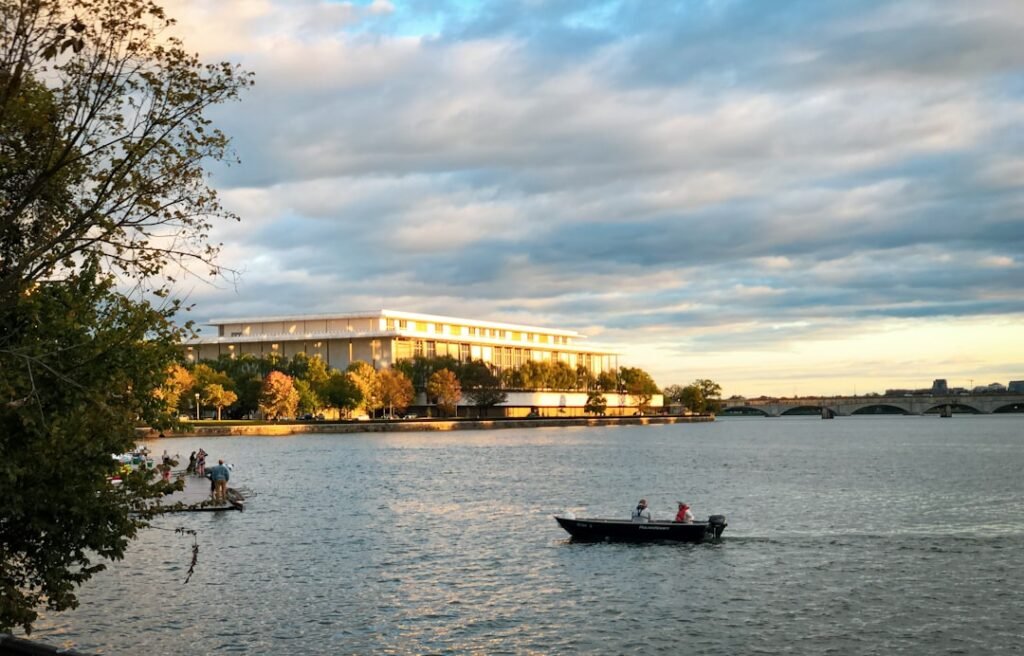
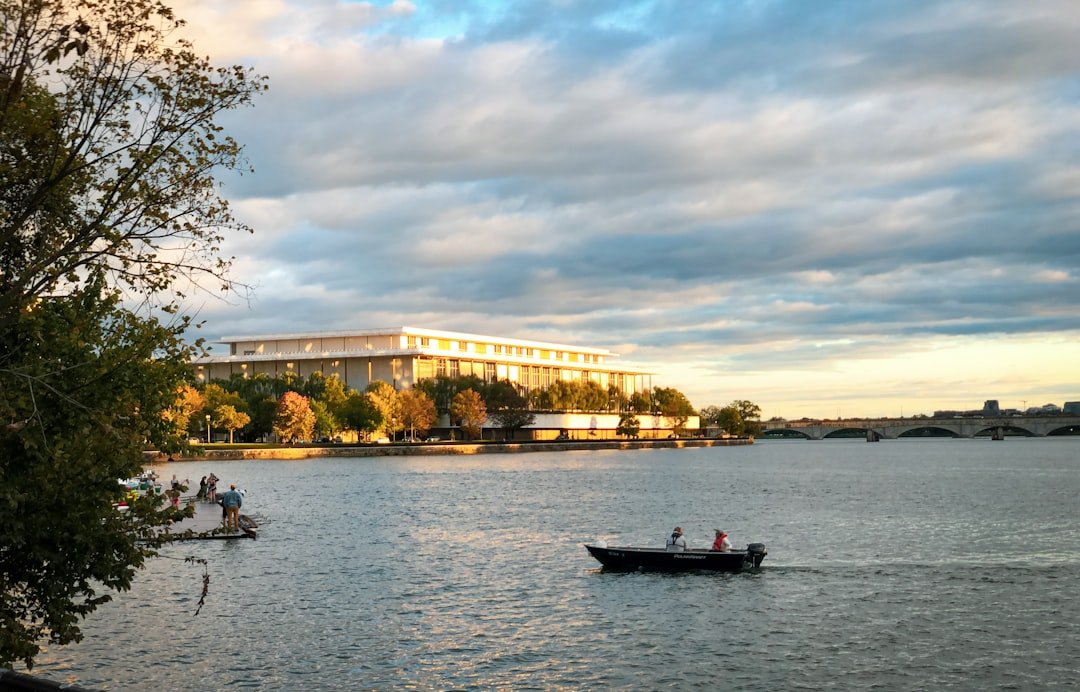
The Potomac River – long celebrated as the Nation’s River for its path through Washington, D.C., Maryland, Virginia, and West Virginia – now carries a troubling distinction. Conservation organization American Rivers placed it at the top of its annual list of the country’s most endangered waterways this week.[1] A catastrophic sewage spill earlier this year combined with booming data center development has sparked urgent calls for protective measures. Millions who rely on the river for drinking water, recreation, and economic vitality now watch closely as threats mount.
Catastrophic Sewage Spill Exposes Aging Infrastructure
In January 2026, a section of the Potomac Interceptor – a 1960s-era sewer line well past its 50-year design life – collapsed in Montgomery County, Maryland, near the C&O Canal in Cabin John.[2][1] The failure unleashed between 200 and 300 million gallons of untreated sewage into the Potomac, marking one of the largest wastewater spills in U.S. history.[3] Bacteria levels near the site soared to nearly 12,000 times the safe limit for recreation, prompting advisories and public health concerns.
DC Water activated bypass pumps days later to reroute flows, but the damage lingered. Communities downstream reported elevated E. coli detections persisting for weeks. The incident highlighted vulnerabilities in regional wastewater systems serving the Washington area. Officials continue monitoring water quality, yet full long-term impacts remain under assessment.[4]
Data Center Expansion Adds Mounting Pressure
Northern Virginia’s “Data Center Alley” has exploded with over 300 facilities already, and projections call for up to 1,000 more across nearly 20,000 acres – space equivalent to 3,500 football fields.[1] These operations guzzle vast quantities of water from the Potomac basin, often drawing from sources upstream of key drinking water intakes that supply over six million residents. Without watershed-wide studies, cumulative effects on groundwater and river flows go untracked.
Stormwater runoff from construction carries pollutants, while operations raise risks of chemical spills and hazardous materials releases. Flooding exacerbates vulnerabilities in this low-lying region. Lawmakers in Virginia and Maryland face pressure to mandate transparency on water use and stricter environmental reviews before new approvals.[5] The dual threats form a “one-two punch,” as advocates describe it.
Far-Reaching Consequences for People and Wildlife
The Potomac sustains daily life for millions, providing drinking water via intakes in the D.C. area and supporting fisheries, boating, and tourism. The sewage spill closed recreational areas and threatened aquatic habitats, while data centers strain supplies during droughts. Elevated bacteria levels posed risks to swimmers and fishers alike.
- Public health alerts lasted weeks after the spill, with E. coli far exceeding safe thresholds.[1]
- Data centers lack mandates for advanced stormwater treatment in many cases.
- Upstream development heightens flood and toxin exposure for downstream communities.
- The river hosts diverse wildlife, now facing pollution pressures from both crises.
- Economic hits include lost recreation days and potential drinking water treatment costs.
Conservation Leaders Demand Swift Reforms
“The Potomac is our Nation’s River,” said Betsy Nicholas, president of Potomac Riverkeeper Network. “We must do all we can to protect it for this generation and those to come.”[4] Her group pushes for ongoing spill monitoring and data center scrutiny. Pat Calvert, Virginia conservation director for American Rivers, added, “Act now or watch this river be detrimentally redefined for the everyday citizen that depends on it.”[1]
Proposed fixes include federal reauthorization of water infrastructure funds like the State Revolving Fund before they expire this year. States must require impact assessments and safeguards for new data centers. Investments in pipe repairs and accountability measures top the agenda. Partners like Nature Forward echo the need for regional coordination.
Key Takeaways
- A January spill dumped 200-300 million gallons of sewage, exposing aging pipes.
- Data centers could multiply to 1,000, straining water without oversight.
- Urgent needs: infrastructure funding, cumulative impact studies, and monitoring.
The Potomac stands at a crossroads, where infrastructure failures and unchecked growth collide with the demands of a growing population. Protecting this vital artery requires bold policy steps today. What actions do you support to safeguard the Nation’s River? Share your thoughts in the comments.