
When you think about the end of the Earth, you probably picture a dramatic cosmic event. A dying sun swallowing our planet whole. Continents crumbling, oceans evaporating, and every living thing on the surface vanishing without a trace. It’s a genuinely sobering image, and for complex life like plants, animals, and yes, us humans, that picture is probably accurate.
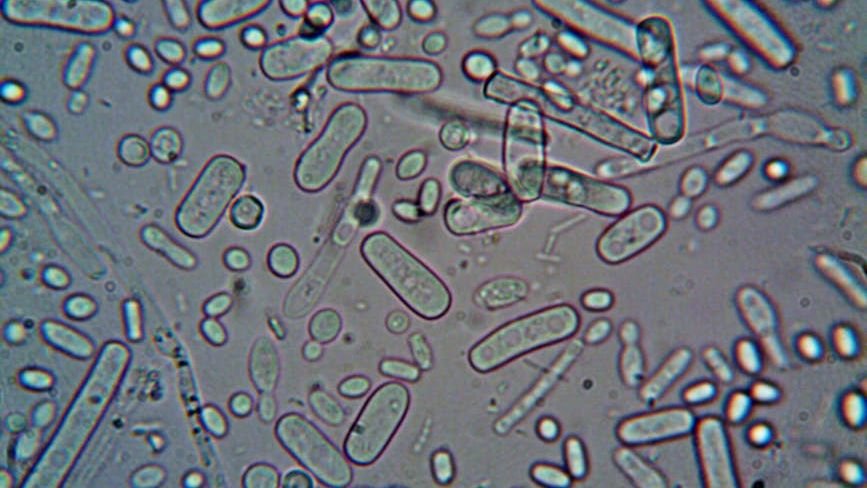
Yet there’s a group of organisms that has been quietly defying every rule of biology since life first appeared on this planet. Microbes. These unassuming, invisible creatures have already survived mass extinctions, asteroid bombardments, ice ages, and conditions so hostile they would kill anything else within seconds. So the real question isn’t whether Earth will end. It’s whether even the end of Earth can stop them. Get ready, because the answer is far more surprising than you’d expect. Let’s dive in.
Earth’s Final Chapter: What Does the “End of Earth” Actually Mean?
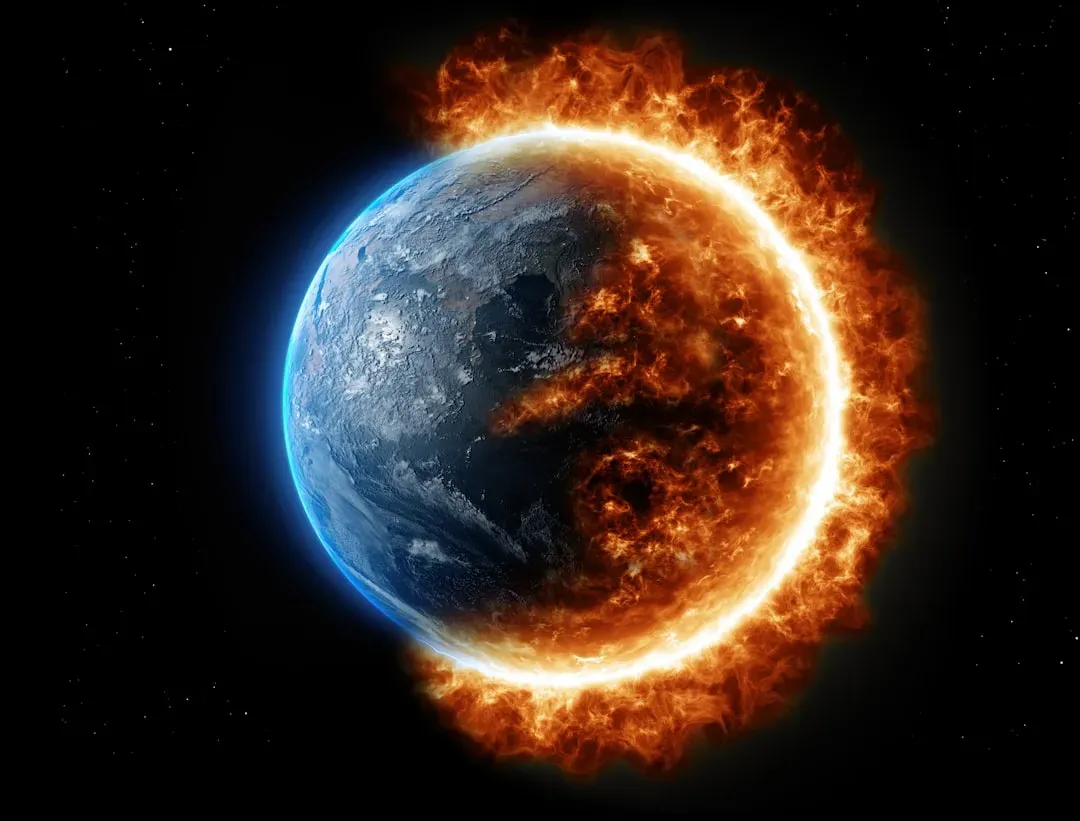
Before you can ask whether microbial life survives after the Earth ends, you need to understand what “ending” actually looks like for our planet. It’s not one single catastrophic moment. It’s a slow, grinding process that plays out across hundreds of millions to billions of years.
“The Life and Death of Planet Earth” explains how the myriad life on Earth today was preceded by a long period of microbial dominance, and complex life will eventually disappear and be succeeded again by a period of only microbial life. That alone should tell you something remarkable. Microbes aren’t just survivors of Earth’s end. In a sense, they’ll be the last ones standing at the party.
In increasingly arid conditions, the planet may retain some microbial and possibly even multicellular life. Most of these microbes will be halophiles, and life could find refuge in the atmosphere, as has been proposed to have happened on Venus. The sheer flexibility of microbial strategy is staggering when you really think about it.
The Indestructible Champions: What Are Extremophiles?
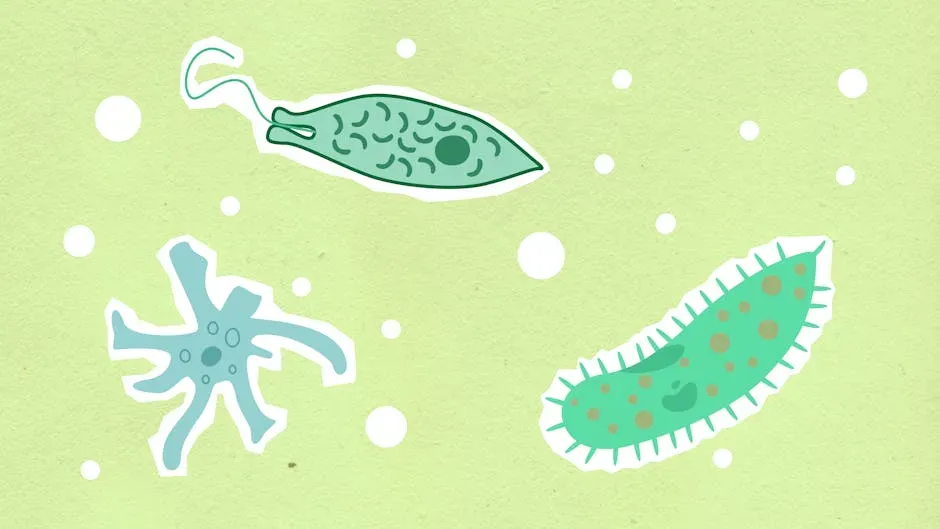
Extremophiles, microbes that live in harsh environments such as Yellowstone’s hot springs or far beneath the ice of Antarctica, provide fascinating insights on the history and potential of life on Earth and the universe beyond. These aren’t the delicate, sensitive organisms you might imagine. They are, honestly, the toughest things to ever exist on this planet.
Extremophiles thrive in extreme hot niches, ice, and salt solutions, as well as acid and alkaline conditions. Some may grow in toxic waste, organic solvents, or heavy metals, and have been found at depths of 6.7 km inside the Earth’s crust, more than 10 km deep inside the ocean, at pressures of up to 110 MPa, from extreme acid conditions to extreme basic conditions, and from hydrothermal vents at 122°C to frozen sea water at negative 20°C. Think about that range for a moment. It’s almost absurd.
Over the past century, the boundary conditions under which life can thrive have been pushed in every possible direction, encompassing broader swaths of temperature, pH, pressure, radiation, salinity, energy, and nutrient limitation. Every time scientists set a limit, microbial life finds a way to smash through it.
The Deep Biosphere: A Hidden Kingdom Miles Underground
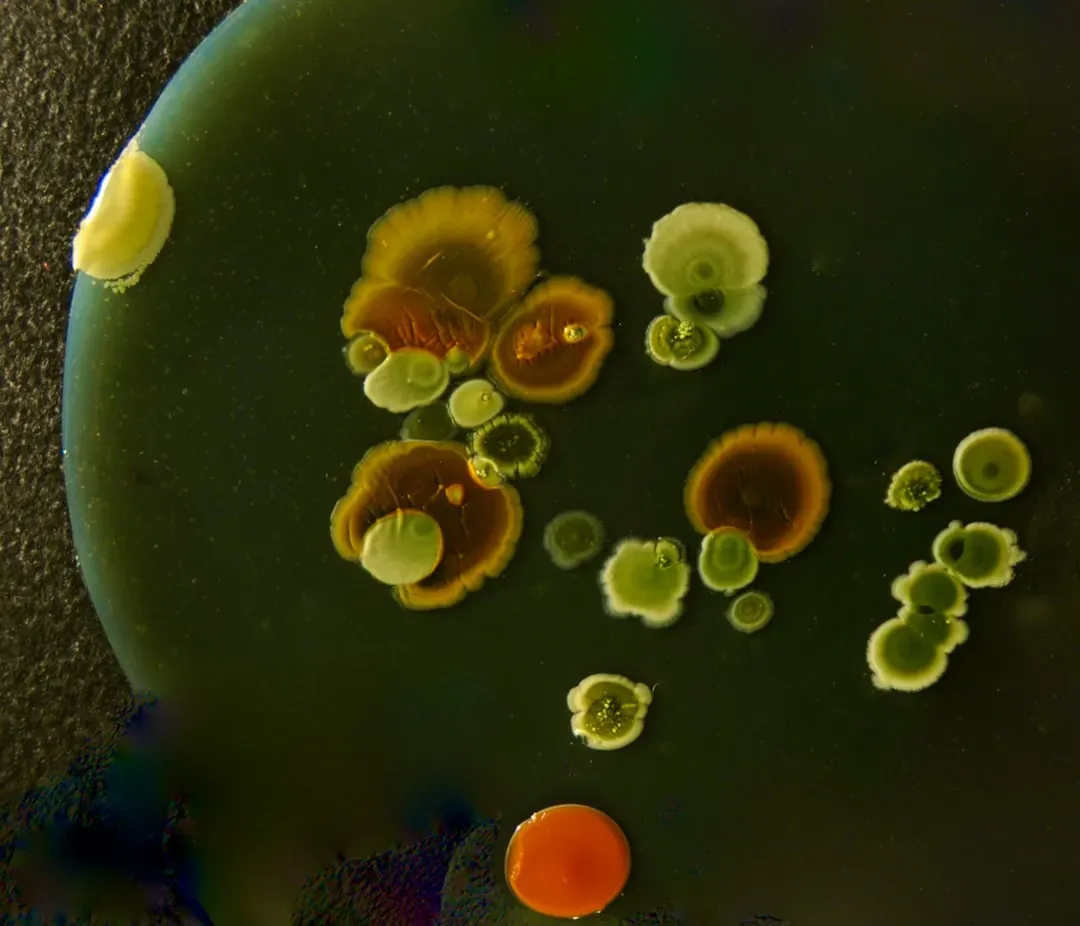
Scientists have uncovered a vast underground biosphere filled with microbial life thriving miles beneath the Earth’s surface. These deep-dwelling microbes survive without sunlight, relying on chemical energy from rocks, gases, and even radiation. Let that sink in. There is an entire, thriving civilization of life beneath your feet right now, and it doesn’t need the sun at all.
Data from deep biosphere sites suggest that the world’s deep biosphere spans roughly 500 million cubic miles and houses about 70 percent of all the planet’s bacteria and single-cell archaea. That means the majority of life on Earth is already living in conditions that are essentially disconnected from the surface world we know. This is not a fringe population. It’s the dominant one.
Earth’s deep biosphere is not a fringe case. Microbial biomass in Earth’s subsurface far exceeds microbial biomass in Earth’s terrestrial and marine surface environments, suggesting that longevity and slow, persistent life may be the dominant mode of existence on our planet, and potentially far beyond. This underground kingdom is arguably better prepared for planetary catastrophe than any surface ecosystem could ever be.
Sleeping Through Catastrophe: Microbes That Wake Up After Millions of Years
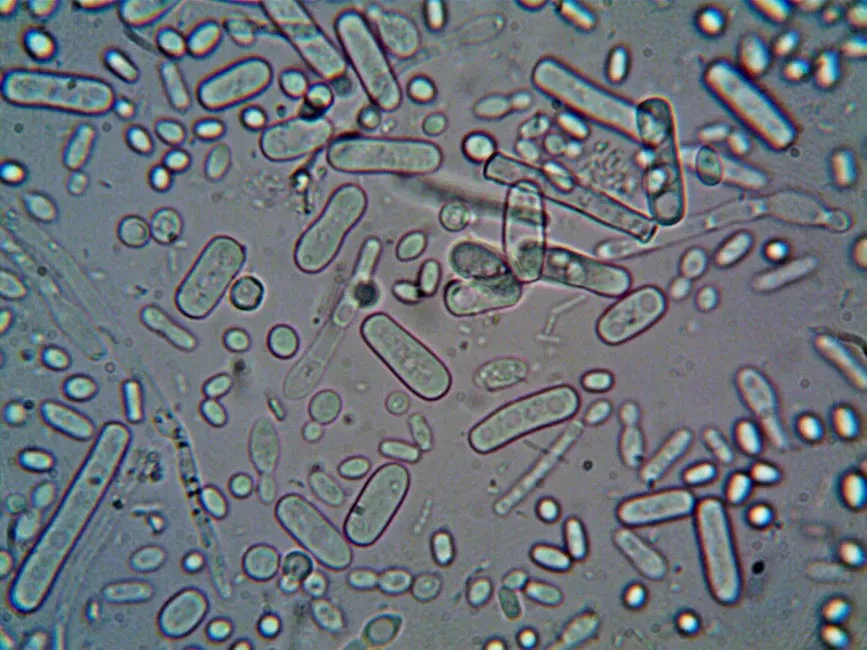
Here’s something that genuinely sounds like science fiction but is completely real. Researchers have revealed that given the right food in the right laboratory conditions, microbes collected from subseafloor sediment as old as 100 million years can revive and multiply, even after laying dormant since large dinosaurs prowled the planet. One hundred million years of dormancy. Just waiting. Then, when conditions improve, they wake up and go about their business like nothing happened.
Bacterial spores can survive for years, even centuries, without nutrients, resisting heat, UV radiation, and antibiotics. This ability to essentially press pause on life is one of the most powerful survival tools in the biological world. It’s the ultimate insurance policy against extinction.
According to astrophysicist Steinn Sigurdsson, viable bacterial spores have been found that are 40 million years old on Earth, and they are very hardened to radiation. If a microbe can survive 40 million years locked in amber, the eventual death of our planet’s surface life seems far less definitive than we might assume.
Surviving Space Itself: Bacteria Beyond Earth’s Atmosphere
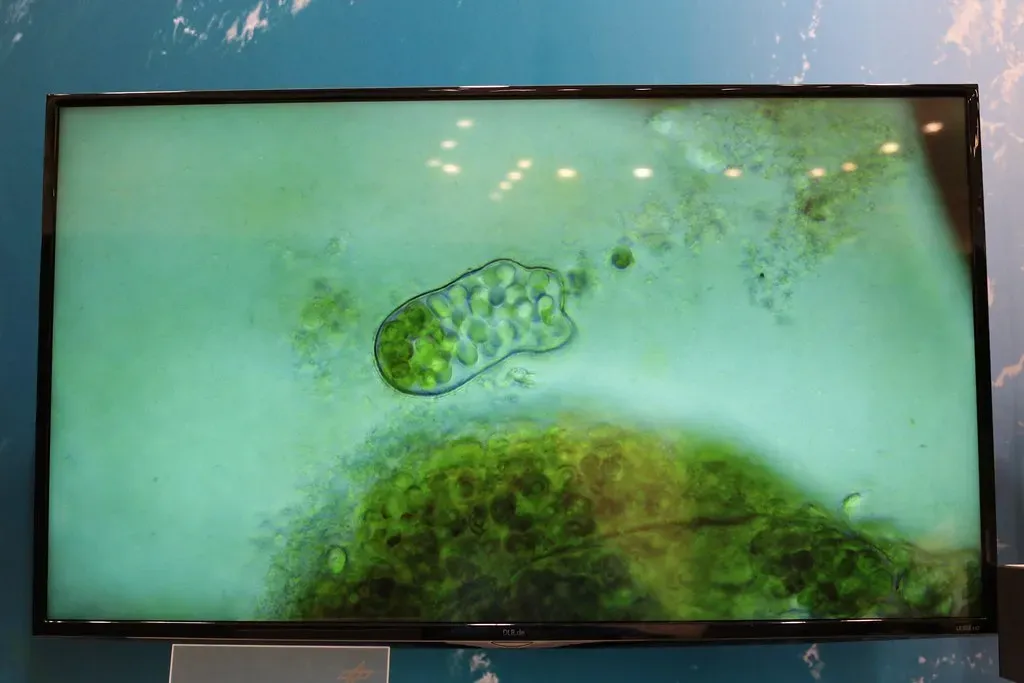
Microorganisms do not only thrive under such a broad spectrum of parameters on Earth, but can also survive the harsh conditions of space, an environment with extreme radiation, vacuum pressure, extremely variable temperature, and microgravity. Space, the most hostile environment imaginable, is not necessarily a death sentence for the most resilient microbes on Earth.
The extremophilic bacterium Deinococcus radiodurans withstands the drastic influence of outer space, including galactic cosmic and solar UV radiation, extreme vacuum, temperature fluctuations, desiccation, freezing, and microgravity. After one year of exposure to low Earth orbit outside the International Space Station during the Tanpopo space mission, researchers found that D. radiodurans escaped morphological damage. This particular microbe is essentially the action hero of the microbial world.
Scientists reported that bacteria from Earth, particularly Deinococcus radiodurans, were found to survive for three years in outer space, based on studies on the International Space Station. Three years floating in the void of space, exposed to radiation that would disintegrate most biological material, and it still came back alive. I honestly find that more impressive than almost anything in modern science.
Panspermia: Could Earth’s Microbes Seed Other Worlds?
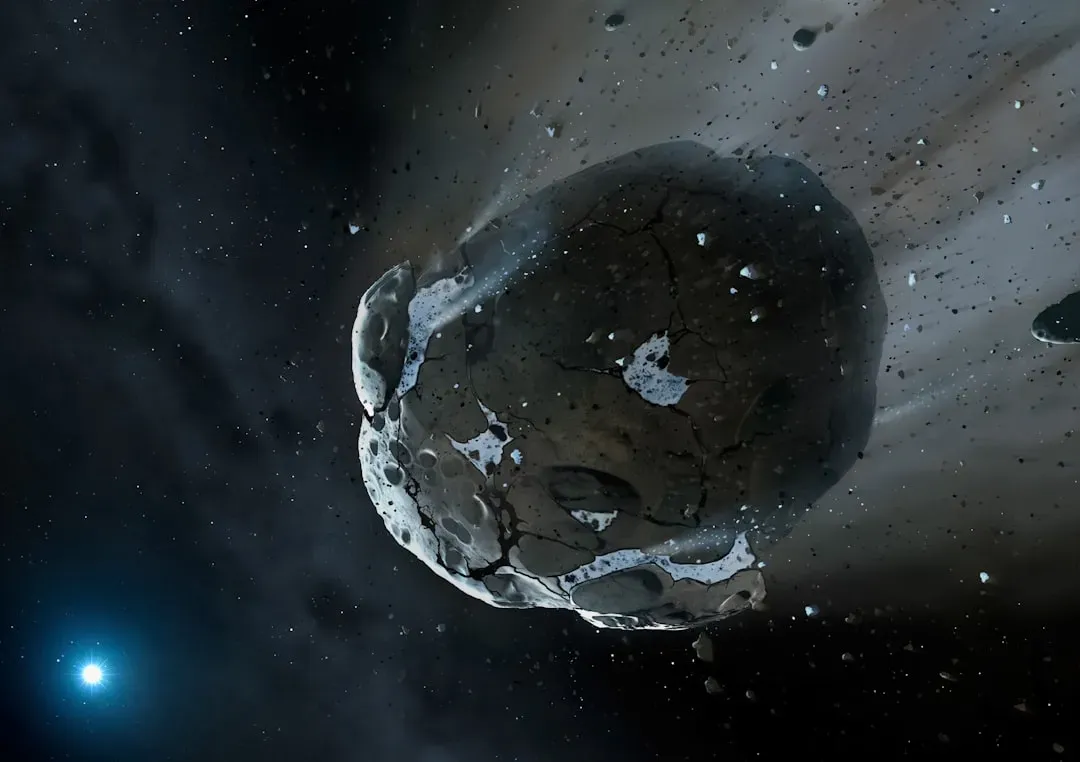
Panspermia, from ancient Greek meaning “all seed,” is the hypothesis that life exists throughout the universe, distributed by cosmic dust, meteoroids, asteroids, comets, and planetoids, as well as by spacecraft carrying unintended contamination by microorganisms. It’s a mind-bending idea. What if the end of Earth isn’t the end of Earth’s life at all, but just the beginning of a new journey across the cosmos?
Researchers smashed an extremophile bacterium with steel plates to simulate an asteroid impact and found it nearly impossible to kill. According to a new study, the asteroid strikes that formed craters on Mars may have been capable of hurling microbial life into space. Hardy bacteria could survive the trip from one planet to another, hidden among the debris from an asteroid impact. This research, published in early 2026, genuinely changed how scientists are thinking about the possibility of interplanetary life transfer.
The panspermia theories generally propose that microbes able to survive in outer space can become trapped in debris ejected into space after collisions between planets and small solar system bodies that harbor life. This debris containing the lifeforms is then transported by meteors between bodies in a planetary system, or even across planetary systems within a galaxy. In other words, the end of Earth could be the birth of life somewhere else entirely.
The Timeline of Microbial Endurance: How Long Can They Last?
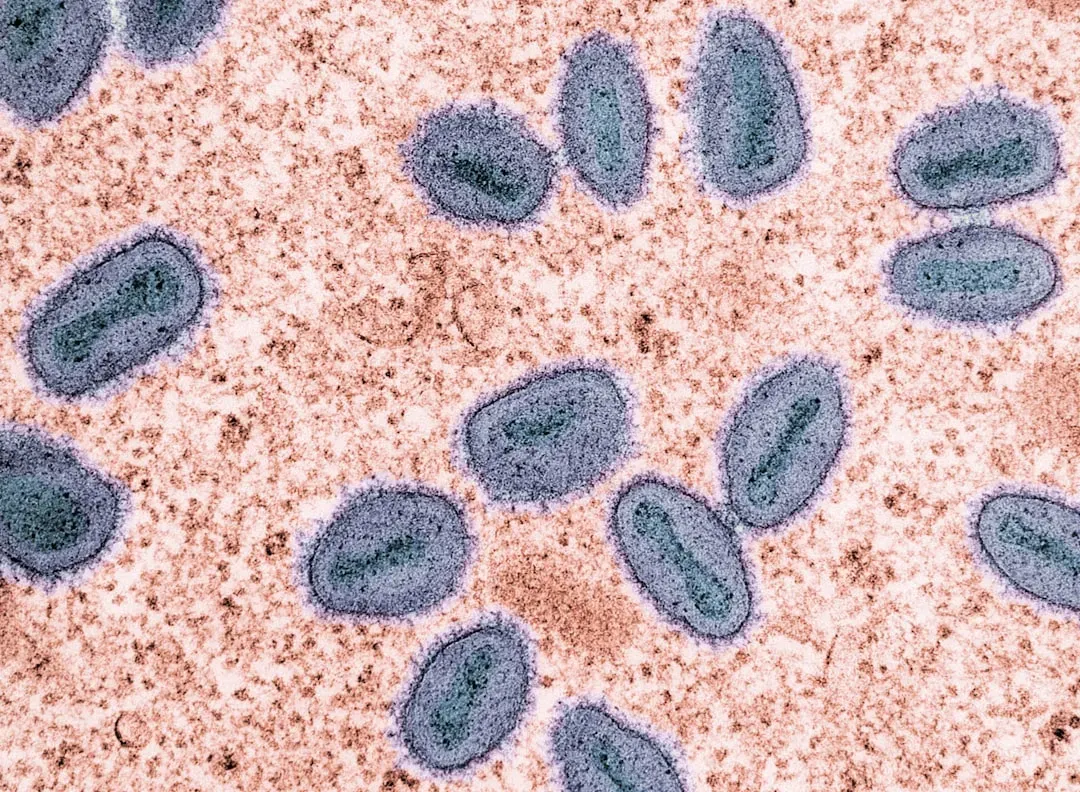
The increasingly extreme conditions on a dying Earth will likely lead to the extinction of the prokaryotes between 1.6 billion years and 2.8 billion years from now, with the last of them living in residual ponds of water at high latitudes and heights or in caverns with trapped ice. That is a staggering window of time. For context, complex animal life has only existed for roughly 600 million years. Microbes would outlast that entire legacy several times over.
Underground life could last even longer. It’s hard to say for sure exactly how much longer, but given what we know about the deep biosphere and its ability to operate on near-zero energy for geological timescales, the margin could be enormous. Biomass turnover, meaning a cell generation time, in the deep biosphere can occur on timescales of hundreds to thousands of years, compared to roughly 20 minutes in a typical lab-grown bacterial culture.
Some deep-dwelling microbes reduce their metabolic rates to near-hibernation, dividing only once in decades or even centuries. Others thrive by metabolizing hydrogen, methane, or sulfur, using chemical reactions rather than sunlight to sustain life. Their relationship with time is simply not the same as ours. What feels like eternity to us is just a slow Tuesday for them.
Pushing the Known Limits: New Research Expanding the Boundaries of Life
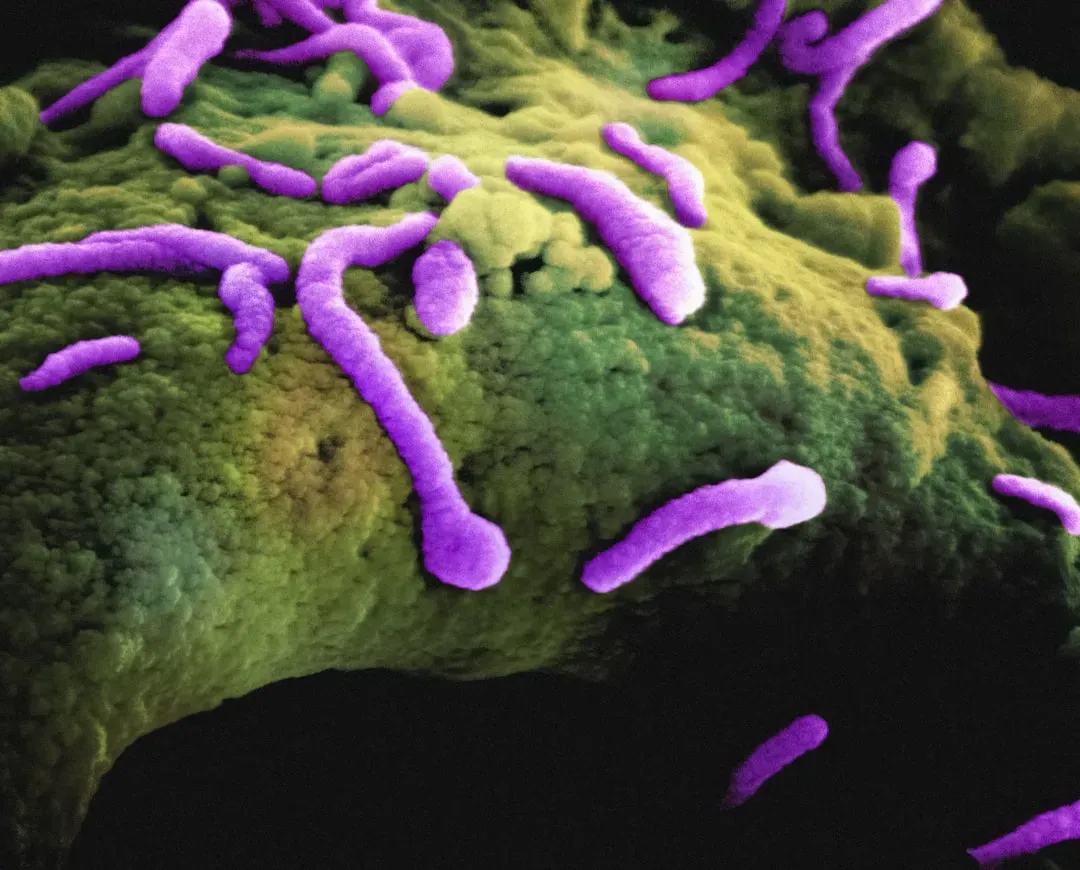
New research is part of a large collaboration called Oceans Across Space and Time, led by Cornell University professor Britney Schmidt and funded by NASA’s Astrobiology Program, which brings together microbiologists, geochemists, and planetary scientists. Their goal is to understand how ocean worlds and life co-evolve to produce detectable signs of life. Understanding the conditions that make an ocean world habitable and developing better ways to detect signals of biological activity are steps toward predicting where life could be found elsewhere in the solar system.
Seawater has a water activity level of about 0.98, compared to 1 for pure water. Most microbes stop dividing below water activity of 0.9, and the absolute lowest water activity level reported to sustain cell division in a laboratory setting is just over 0.63. Yet researchers keep pushing that boundary further down. In a new study, researchers predicted a new limit of life, estimating that life could be active at levels as low as 0.54. The lower that number goes, the more hostile an environment microbial life can technically inhabit.
What Implications Does This Have for Life Beyond Our Solar System?
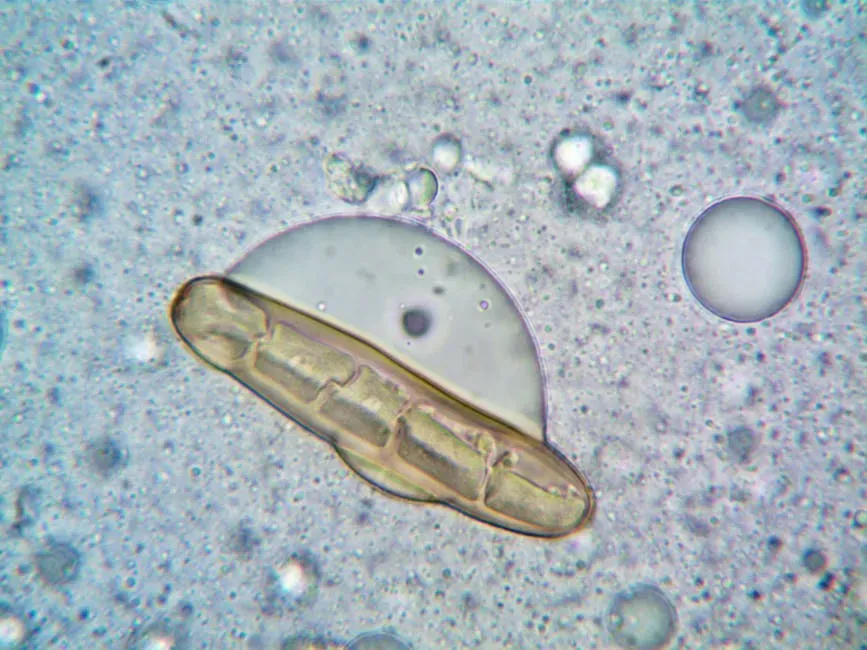
Outer space presents severely harsh and inhabitable environmental conditions, including high radiation doses, extreme temperatures, different gravity, pressure, pH, salinity, energy source, and nutrient scarcity. Nevertheless, as microbial life can flourish within broad physicochemical spectrums and extremely inhospitable habitats on Earth, they may be capable of surviving space’s harsh conditions. This reasoning is one of the most exciting intellectual threads in modern astrobiology.
If life can thrive miles underground on our own planet, it raises the possibility that similar hidden biospheres could exist on Mars, Europa, or Enceladus, where surface conditions are hostile to life but underground environments may be more stable. Think of it this way: if Earth’s deep microbes could survive the planet’s surface death and somehow find their way into a new world, they wouldn’t be starting from zero. They’d already be the ultimate survivors.
Many planetary bodies studied thus far have the potential for extinct or extant life, based on our knowledge of life on Earth. Depending on the planetary body, different polyextremophiles could persist. The universe, it turns out, may be teeming with environments that are perfectly suited to the toughest life forms Earth has ever produced.
Conclusion: Life’s Last Stand and Its Cosmic Legacy
Here’s what all of this tells you: the end of Earth as a habitable world for humans and complex animals is almost certainly not the end of Earth’s biological story. Microbial life has dominated this planet for most of its 4.5-billion-year history. Prokaryotic life has dominated most of the evolutionary history of our planet, evolving to occupy virtually all available environmental niches. It was here long before us, and the science strongly suggests it will be here long after us.
Whether through deep underground refugia lasting billions of years, dormant spores outlasting planetary catastrophe, or the extraordinary possibility of hitchhiking aboard asteroid debris to seed new worlds, microbial life appears to be far more than just the smallest organisms on Earth. They are the most enduring thread in the fabric of life in the universe. Microbes have survived the ravages of time, withstood inhospitable conditions, and shaped Earth uniquely, prompting research into the plausibility that microbial life might exist beyond our planet.
The next time you feel small and fragile in the face of cosmic scales, remember that something invisible living beneath your feet has been quietly outlasting everything the universe has thrown at it for billions of years. The real question isn’t whether microbial life will survive after the Earth ends. The real question is: where in the cosmos will it end up next? What do you think – could Earth’s toughest microbes one day seed life on a distant world? Drop your thoughts in the comments below.