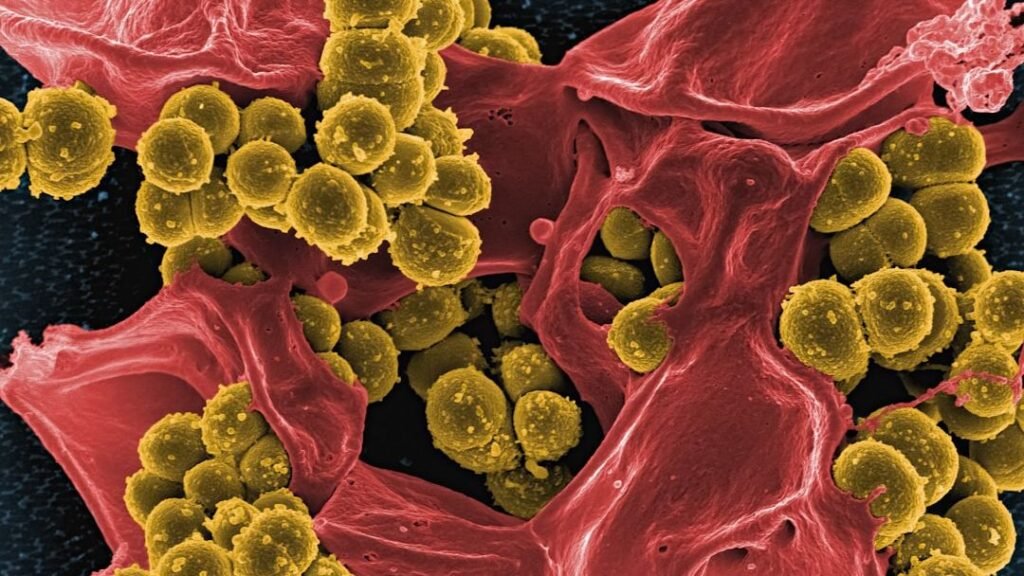

Right now, as you read this, trillions of tiny organisms are living on and inside you, quietly shaping your mood, your weight, your immunity, even how well you sleep. You can’t see them, you can’t feel them, and yet they’re constantly whispering instructions to your body, like an invisible operating system running in the background. For years, we thought health was mostly about genes and willpower; now, research is revealing something much stranger and more unsettling: your microbes may be calling more of the shots than you are.
I remember the first time I read that the microbes in your gut outnumber your human cells by a significant margin; it felt like realizing my body was more like a crowded city than a single person. Scientists now talk about the “microbiome” as if it’s an extra organ, just as vital as your heart or liver, only far more dynamic and personal. And here’s the wild part: you can change it. With what you eat, how you live, and even how you interact with the world, you can slowly reprogram this hidden world that, in turn, shapes you.
The Microbial Universe Living Inside You
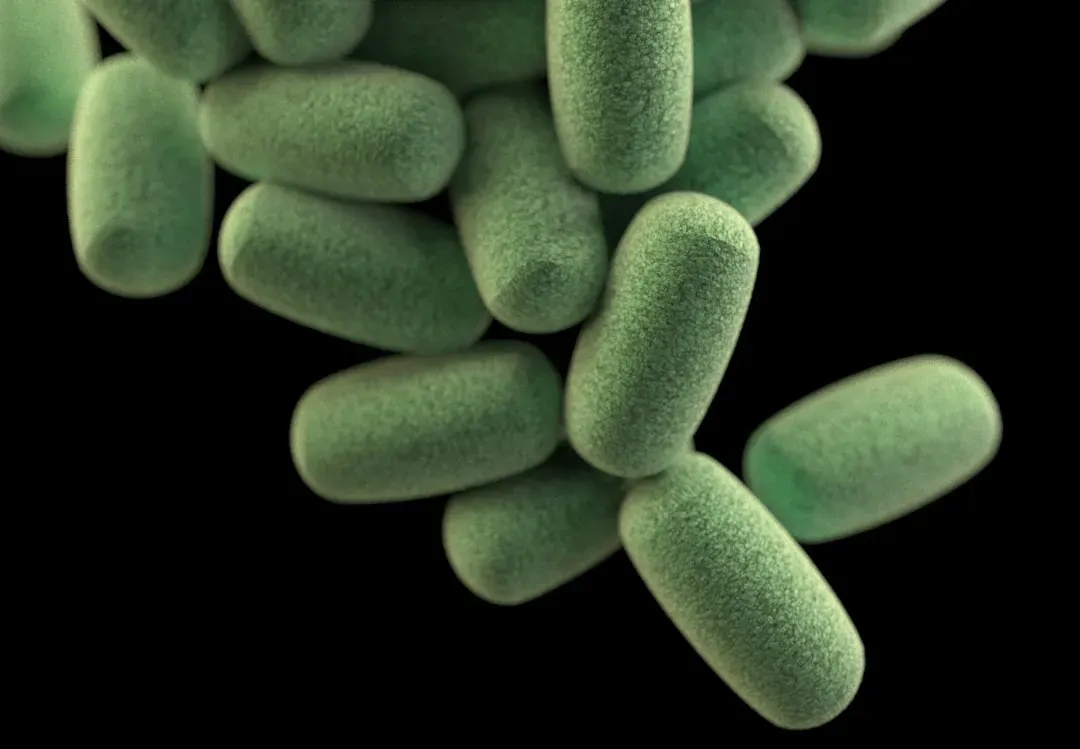
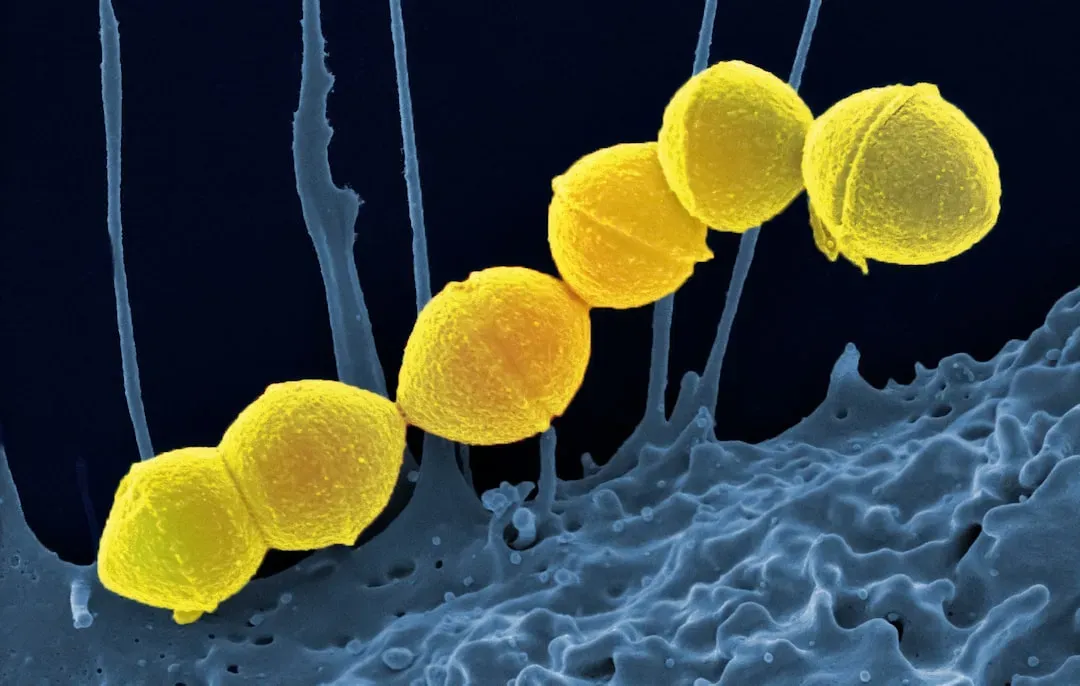
Imagine your body as a vast landscape and every surface is colonized: mouth, skin, lungs, gut, even the tiny folds around your eyes. This isn’t an invasion; it’s a partnership that started the moment you were born and will only end when you die. Altogether, these bacteria, viruses, fungi, and other microbes weigh roughly as much as your brain and carry a staggering number of genes, far more than your human DNA ever could.
Most of these organisms are not dangerous; in fact, many of them are essential to keeping you alive. They help digest food you can’t break down on your own, train your immune system to recognize threats, and produce substances your body desperately needs but can’t make. When this microscopic ecosystem is in balance, you usually feel it as steady energy, regular digestion, and fewer infections. When it’s out of balance, things can quietly begin to unravel.
Your Gut Microbiome: The Control Center You Never See
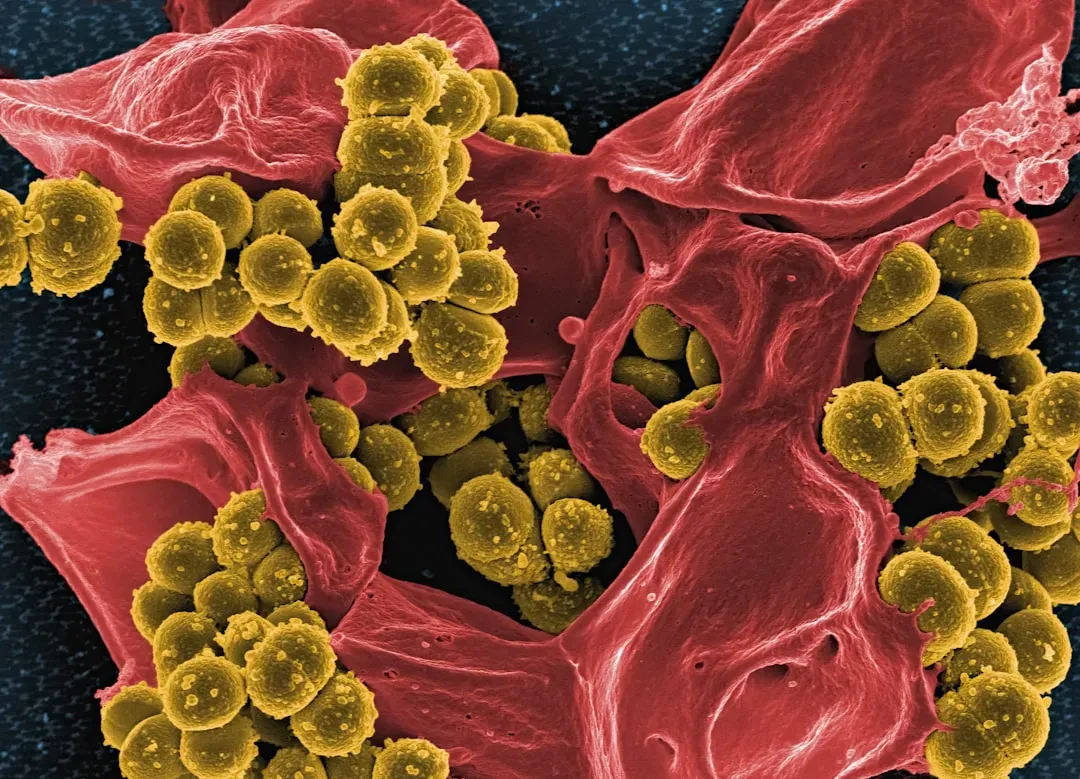
The densest and most powerful community of microbes lives in your gut, especially in your large intestine. Think of it as a bustling metropolis: some neighborhoods are friendly and productive, others can turn hostile if they grow too large or if the environment changes. These microbes chew through fibers and other food fragments you can’t digest, turning them into compounds that feed your gut lining and influence inflammation throughout your body.
Scientists now see the gut microbiome as a kind of control center that constantly talks to your immune system, your metabolism, and even your brain. When this community is diverse and stable, you’re more likely to maintain a healthy weight, respond well to infections, and bounce back from everyday stress. But when diversity drops and certain harmful species dominate, the risk of issues like irritable digestion, weight gain, and chronic inflammation rises. It’s not that your microbes are “good” or “bad” in a moral sense; it’s that the balance of power matters enormously.
How Microbes Shape Your Immune System and Inflammation
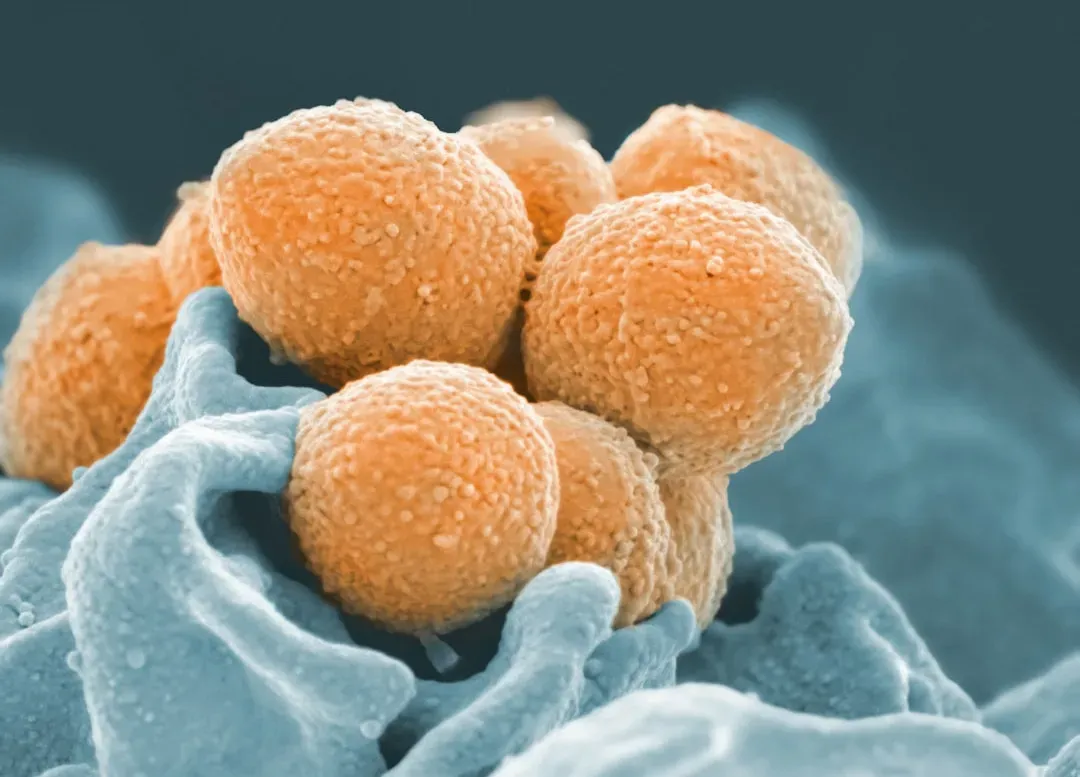
Your immune system learns how to behave by negotiating with microbes from the very beginning of your life. In early childhood, exposure to a variety of microbes teaches your immune cells to distinguish between genuine threats and harmless bystanders. When that education goes well, your body is less likely to overreact to pollen, food, or your own tissues later on. When it goes badly, your immune system can become jumpy, inflamed, and confused.
Many of the molecules your microbes produce act like tiny messages to immune cells, telling them to calm down or gear up. Some gut bacteria create short-chain fatty acids that help keep your gut lining intact and dial down unnecessary inflammation. When those helpful bacteria are missing or reduced, the gut barrier can become leaky, allowing bits of food or bacterial fragments to slip into the bloodstream and provoke constant low-grade immune responses. Over time, that simmering inflammation has been linked to conditions like heart disease, type 2 diabetes, and autoimmune disorders.
The Gut–Brain Connection: Microbes and Your Mood
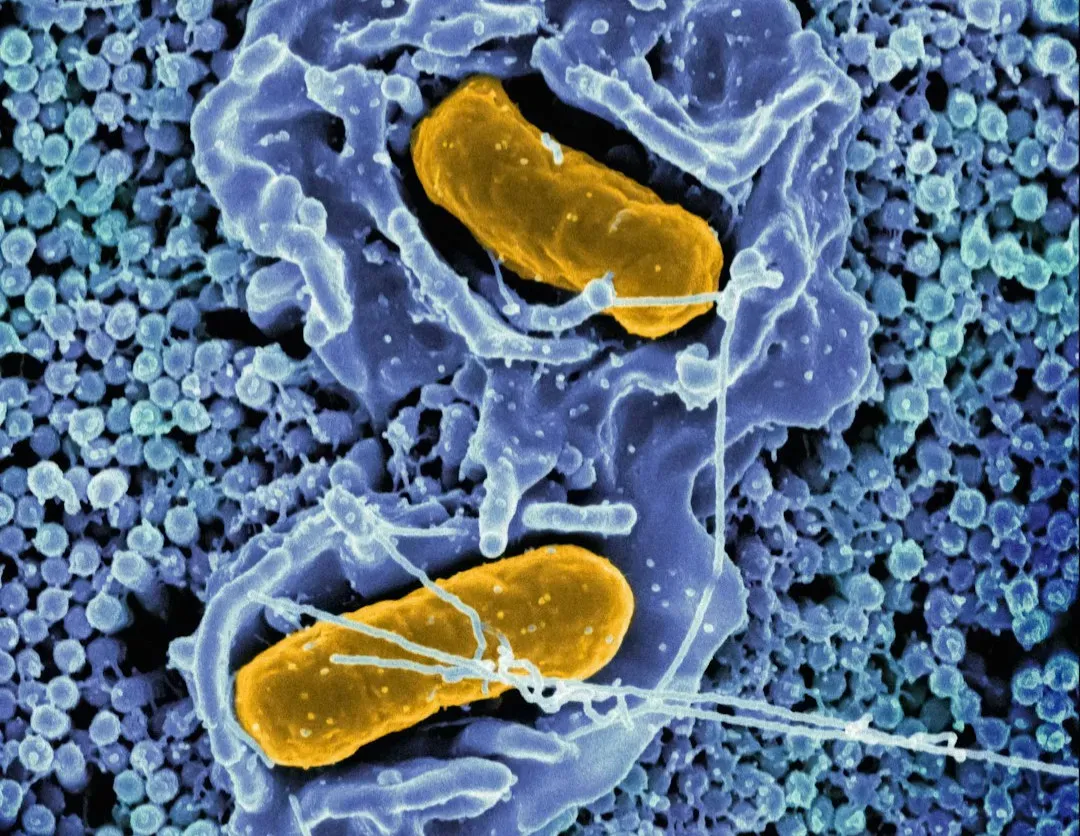
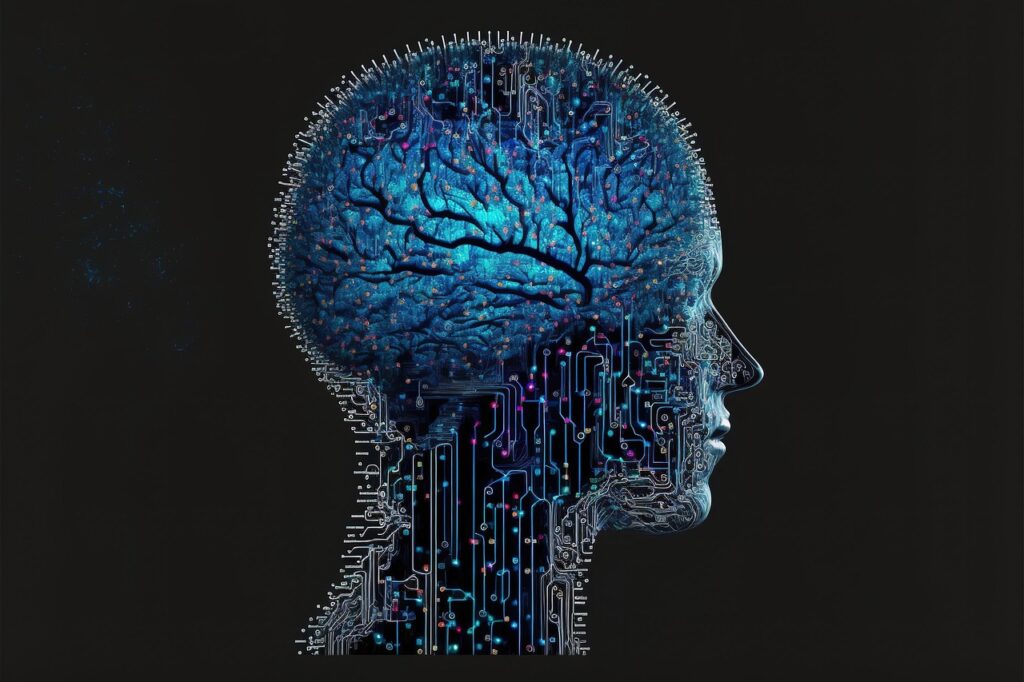
It might sound like science fiction, but your gut microbes are in constant conversation with your brain through what researchers call the gut–brain axis. This communication happens through nerves, hormones, and immune signals, and it can influence how you feel emotionally and mentally. Some gut bacteria can help produce or regulate brain-related chemicals that play roles in mood, stress response, and sleep patterns.
When the gut microbiome is disrupted, people often report more anxiety, low mood, or feeling “off” in ways that are hard to describe. Studies have found differences in the gut microbes of people with depression or anxiety compared to those without, suggesting that the composition of this inner ecosystem may sway mental health. While microbes are not the only factor, they are becoming recognized as quiet co-authors of your emotional life, shaping how you handle stress and how resilient you feel after difficult experiences.
Food as Fuel for Your Microbial World
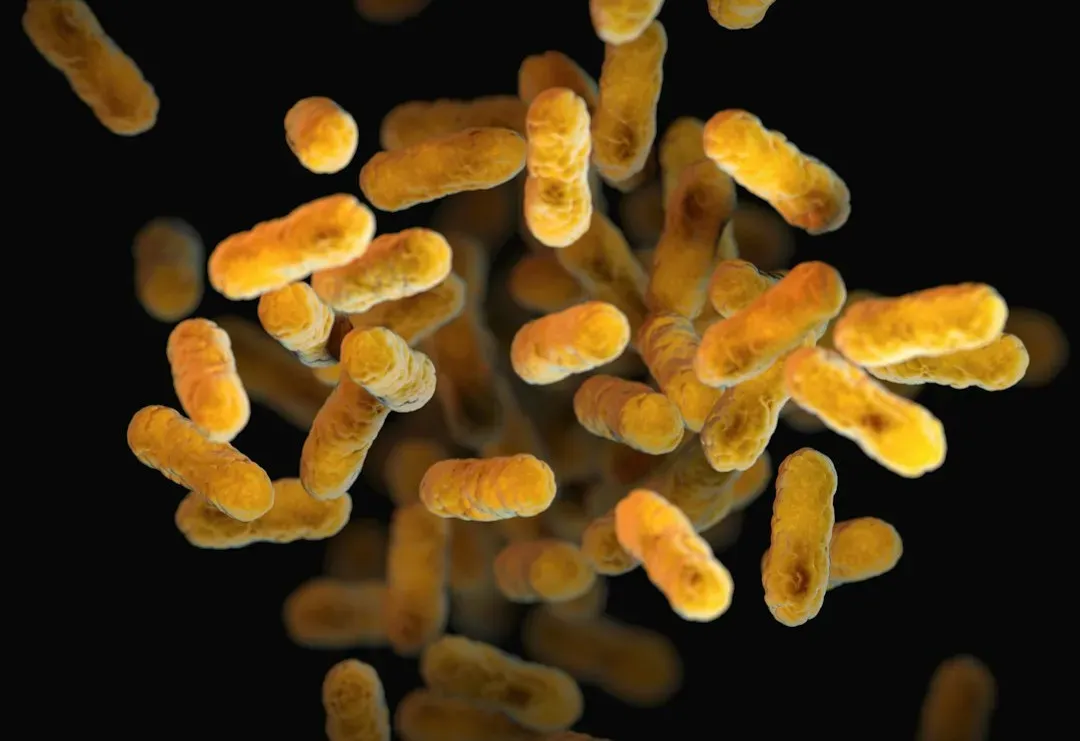
Every time you eat, you’re not just feeding yourself; you’re feeding your microbes, and they have their own tastes and preferences. Diets rich in diverse plant fibers give beneficial bacteria plenty to work with, encouraging a wide, resilient microbial community. On the other hand, ultra-processed foods heavy in refined sugars and low in fiber can starve these helpful microbes while favoring species that thrive on quick, simple fuel.
Over time, your usual way of eating can reshape your microbiome like a gardener pruning and planting the same things every season. A fiber-rich, varied diet is associated with greater microbial diversity, which tends to correlate with better metabolic and immune health. By contrast, long stretches of low-fiber, highly processed meals can narrow that diversity and tilt your gut toward inflammation. It’s a slow, quiet process, but it adds up, meal by meal, snack by snack, as your microbial city either flourishes or decays.
Antibiotics, Hygiene, and the Cost of a Too-Clean Life
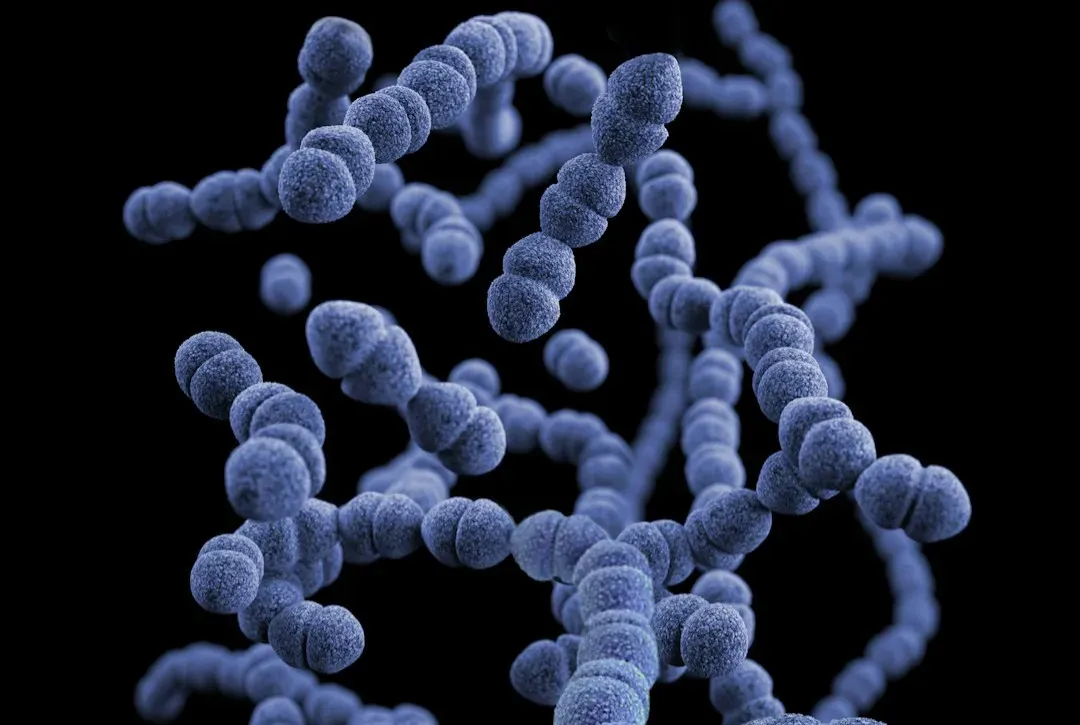
Modern medicine has saved uncounted lives with antibiotics, but those drugs are blunt tools: they don’t distinguish well between dangerous pathogens and your helpful residents. A single course can dramatically thin out your gut microbiome, sometimes for months, and repeated use can make it harder for your microbial ecosystem to bounce back. That doesn’t mean antibiotics are bad, but it does mean they should be used carefully and only when truly needed.
Our obsession with sterility and constant disinfecting also has a downside. While basic hygiene like handwashing is unquestionably important, living in an environment that is too sanitized can limit the microbial exposure that helps train and strengthen the immune system, especially in children. People who grow up with some contact with soil, pets, plants, and other humans tend to have more robust, diverse microbiomes. The goal is not to chase dirt for its own sake but to recognize that a completely germ-phobic lifestyle may come with invisible costs.
How to Nurture a Healthier Microbiome

The good news is that your microbiome isn’t fixed; it’s more like a garden you can slowly reshape with daily habits. Eating a wide variety of plant foods, including fruits, vegetables, whole grains, legumes, nuts, and seeds, gives your microbes a buffet of fibers and natural compounds to thrive on. Fermented foods such as yogurt with live cultures, kefir, sauerkraut, kimchi, and similar options can introduce beneficial microbes and support diversity for many people.
Sleep, stress, movement, and social contact also matter more than most of us realize. Chronic stress and sleep deprivation can shift your gut microbes in unfavorable directions, while regular physical activity and time spent outdoors seem to support a richer microbial community. It helps to think in small, steady steps: an extra serving of vegetables here, a short walk there, a bit more time unplugged and unwinding. Over months and years, those tiny choices help your internal ecosystem become more resilient and supportive of your overall health.
Listening to the Hidden World Within
Once you start thinking of yourself as a walking ecosystem instead of just an isolated individual, a lot of things about health begin to make more sense. Sudden shifts in how you feel after a big change in diet, a rough period of stress, or a course of antibiotics stop seeming random and start looking like signals from that inner world. You may notice that when you eat in a way that supports your gut or take better care of your sleep, your energy, digestion, and mood feel more stable.
You and your microbes are in a long-term relationship, whether you pay attention to it or not. They respond to how you live, and in return, they influence how well you live, often in ways you can feel, even if you can’t see them. In a sense, taking care of your microbiome is just another way of taking care of yourself, at the smallest possible scale. When you think about your next meal, your next walk, or your next all-nighter, it’s worth asking: what kind of world do you want to build inside you?