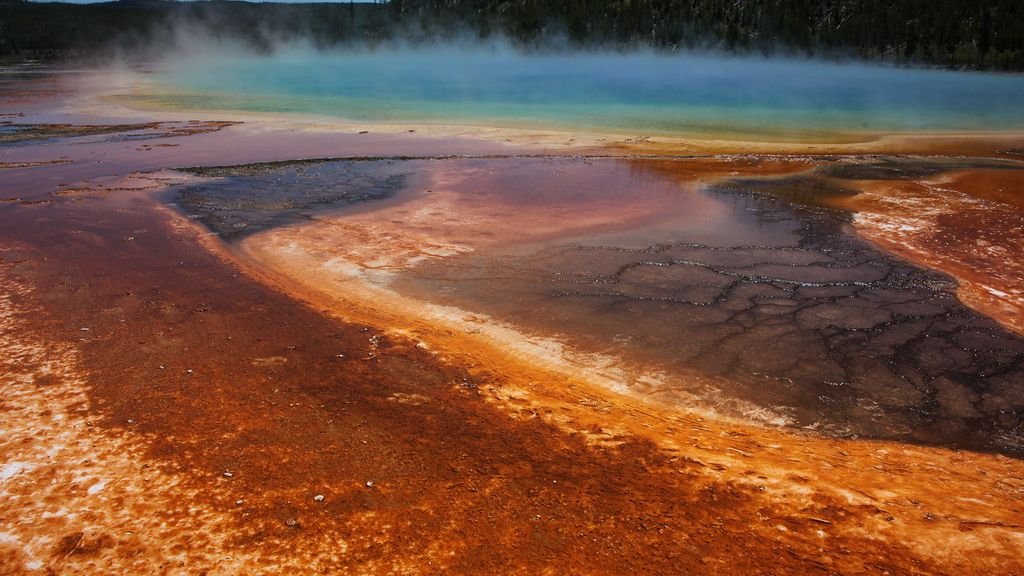

Life is far tougher, stranger, and more inventive than most of us were ever taught in school. For a long time, many scientists assumed living things needed a pretty narrow “Goldilocks zone” to survive: not too hot, not too cold, not too salty, not too acidic. But over the last few decades, that picture has been blown apart. From boiling seafloor vents to radioactive wastelands, biologists keep stumbling across organisms that behave as if the rulebook for life was written in pencil.
What makes this so fascinating is not just the weird creatures themselves, but what they imply. If microbes can shrug off crushing pressures, toxic chemicals, or brutal radiation here on Earth, then maybe our idea of what counts as a “habitable world” is wildly conservative. I still remember the first time I saw microscope images of bacteria living in deep-sea vents; it felt like the universe was nudging me and saying: you underestimate me. As new tools, satellites, and sequencing technologies get better, we’re learning that the most hostile places on our planet might be the best maps for finding life beyond it.
Heat-Proof Life at Boiling Hydrothermal Vents
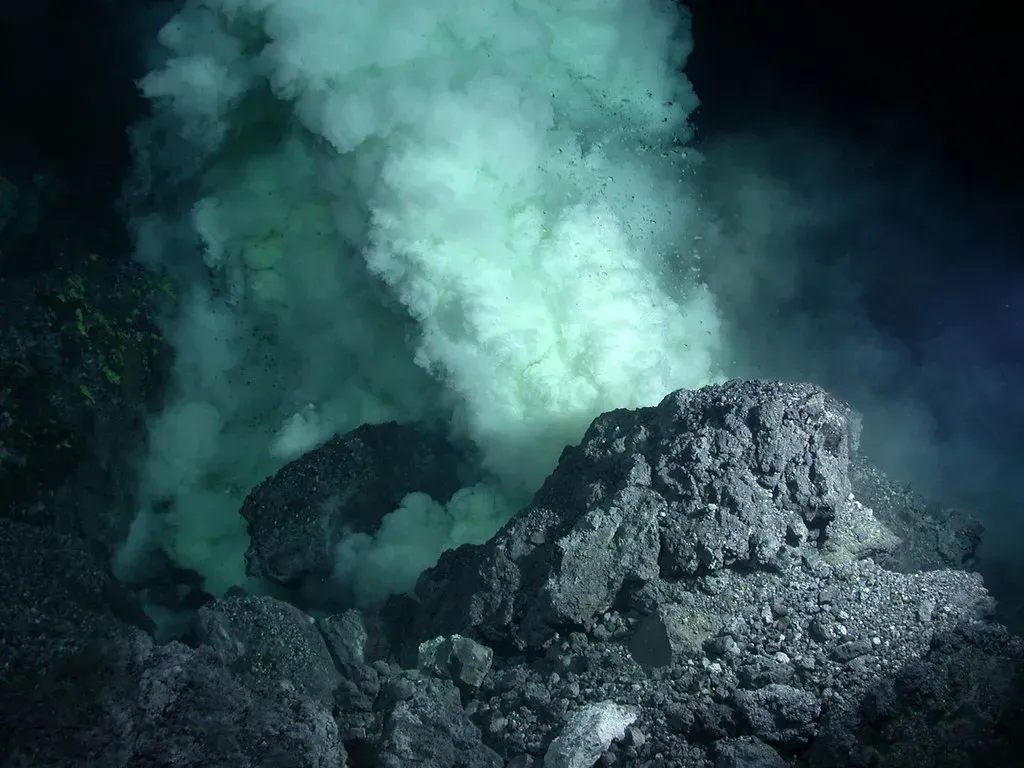
Imagine standing near a crack in the seafloor where superheated water, laced with metals and chemicals, gushes out like a toxic underwater geyser. Temperatures can soar well above the point where water normally boils at the surface, and yet entire communities of organisms cling to these vents as if they were beachfront property. Here you’ll find thermophilic (heat-loving) bacteria and archaea, along with fields of tube worms, crabs, and shrimp building whole ecosystems in permanent midnight. Instead of sunlight, these organisms rely on chemical energy from hydrogen sulfide and other compounds spewing out of the vents.
In these places, life feels almost alien: microbes using sulfur the way plants use sunlight, and animals covered in bacterial symbionts like living, wriggling gardens. Some hyperthermophiles can keep functioning at temperatures nearing the upper limits of what proteins and DNA can physically tolerate before falling apart. Their secret lies in ultra-stable enzymes, protective molecules, and robust cell membranes that act like heat-resistant armor. Scientists now study these microbes to design industrial enzymes that can survive high temperatures in processes like laundry detergents or biofuel production. These vents don’t just show us that life can survive extremes; they hint that hydrothermal systems on icy moons like Europa or Enceladus might host their own hidden biospheres.
Frozen Survivors in Polar Ice and Subglacial Lakes
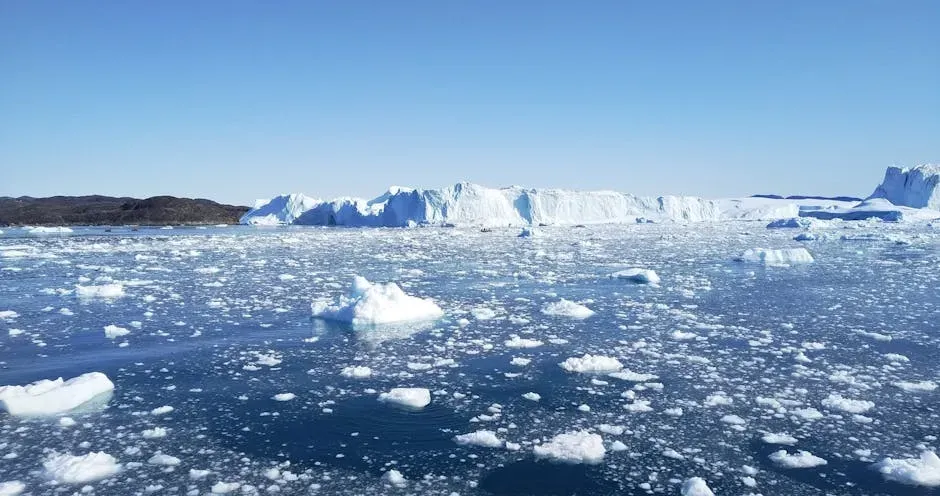
At the other temperature extreme, the polar regions look dead from a distance: endless white, brutal winds, and long stretches of darkness where the sun barely shows up. But drill into Antarctic ice, scrape beneath Greenland glaciers, or sample a subglacial lake sealed off for hundreds of thousands of years, and a different story appears. Scientists keep finding microbes that remain active in salty, supercooled brines at temperatures far below the freezing point of pure water. Some of them rely on antifreeze-like proteins and sugary molecules that keep their cells from turning into shattered glass.
What’s even stranger is how slow but steady these cold ecosystems can be. In subglacial lakes buried under kilometers of ice, organisms survive on tiny trickles of chemical energy from rock-water reactions, recycling the same elements over and over like misers guarding every last coin. I sometimes picture them as the marathon runners of biology, moving at a pace where one generation might stretch across years rather than hours. These frozen habitats are powerful analogs for icy worlds like Mars or the subsurface oceans of outer moons. If life can hang on in salty brines and ancient ice here, then the idea of “too cold for life” suddenly becomes a lot more flexible than we once believed.
Salt-Loving Extremophiles in Hypersaline Lakes
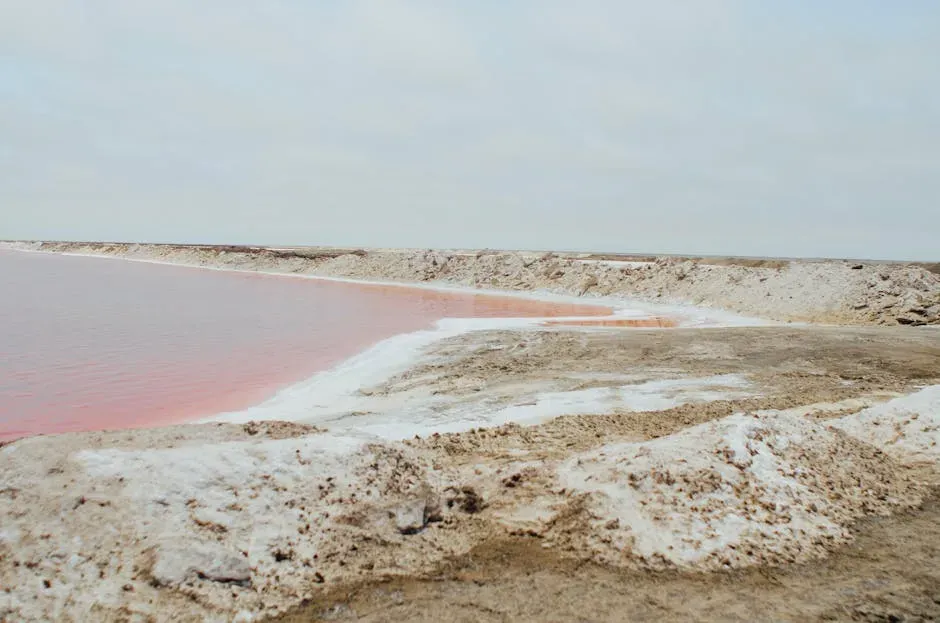
Walk up to a blood-red or neon-pink salt lake and your brain might scream: nothing alive here. These hypersaline waters can hold several times more salt than the ocean, a concentration that would shrivel and kill most cells in minutes. Yet halophiles – salt-loving microbes – treat these environments like home. They’ve evolved tricks to keep their internal machinery from collapsing, either by balancing the surrounding salt with compatible internal solutes or by redesigning proteins so that they actually function best in salty conditions.
These organisms do more than just endure; they transform their environments. Pigmented microbes, like certain archaea and algae, can turn entire lakes vivid shades of red, purple, or orange, almost like a watercolor spilled across the landscape. Their unusual metabolisms influence mineral formation, carbon cycling, and even local climate effects through how they absorb or reflect sunlight. Studying halophiles has also pushed biotechnology forward, because their stable enzymes can be used in high-salt industrial processes and molecular biology. On a planetary scale, environments like these are reminders that even “salty hellscapes” on Mars or evaporating pools on distant exoplanets might not be as empty as they appear.
Acid, Alkaline, and Toxic Chemical Worlds
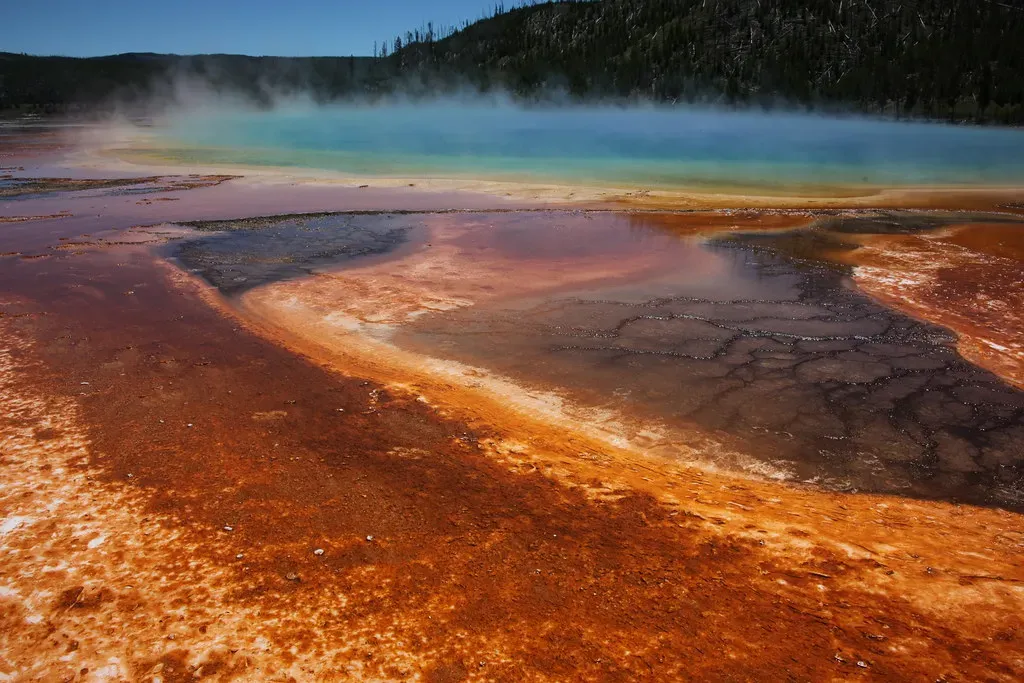
Some of the most shocking discoveries have come from places that look chemically nightmarish. In highly acidic mine drainage sites, where water can be as corrosive as battery acid, microbial communities still manage to thrive. They cope with extreme acidity by tightly controlling the flow of protons in and out of their cells, like constantly adjusting a microscopic pressure valve. On the flip side, there are alkaliphiles that live in soda lakes with pH levels comparable to household cleaning products, rewriting what “compatible with life” means for chemistry.
Then there are microbes that calmly feed on toxins: arsenic, heavy metals, and other substances we usually associate with pollution and death. Some bacteria can actually use these compounds as energy sources or breathe them in place of oxygen, turning what we call poison into fuel. That has huge implications for cleaning up environmental disasters, because engineered or naturally occurring extremophiles can help detoxify contaminated sites. When I read about bacteria reducing metal ions or trapping arsenic into less harmful forms, it feels like learning that nature has its own built-in emergency response system. These chemical extremes remind us that what looks deadly from a human point of view might be perfectly usable to a cell with different evolutionary tools.
Radiation-Resistant and Space-Hardened Microbes
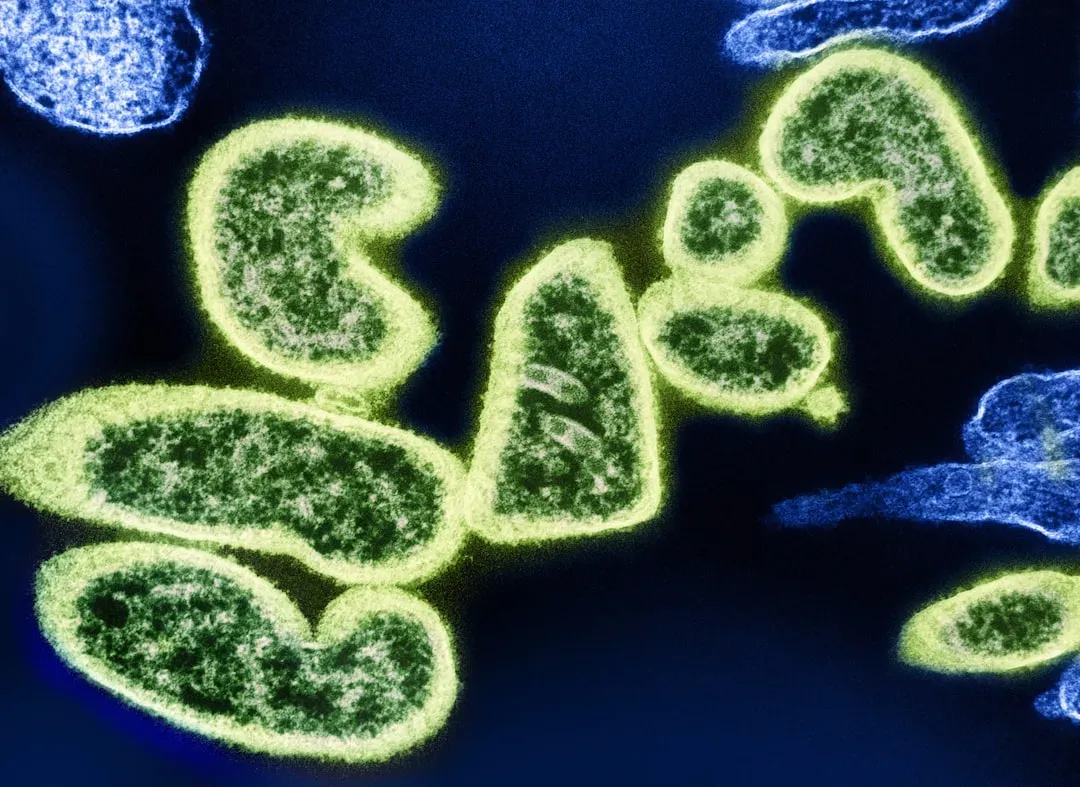
Radiation is usually the final boss in any story about survival. High doses shred DNA, damage proteins, and generate reactive molecules that tear cells apart from the inside. Yet certain microbes seem almost indifferent to it. A famous example is a reddish bacterium often nicknamed a “conan” of the microbial world because it can withstand doses of radiation that would be instantly lethal to humans. It accomplishes this with incredibly efficient DNA repair systems, multiple copies of its genome, and molecules that protect its cellular machinery from oxidative damage.
Experiments on the International Space Station and in ground-based simulations have shown that some microbes can survive long periods in space-like conditions: vacuum, intense ultraviolet light, extreme cold, and harsh radiation. They might not be happily growing out there, but they can remain viable enough to bounce back when conditions improve. That has sparked serious discussions about planetary protection, because life could potentially hitchhike between worlds on rocks or spacecraft. It also inspires practical applications on Earth, such as using radiation-resistant enzymes in medical sterilization or nuclear waste management. The idea that a few tough microbes could ride out space travel makes panspermia – the notion that life might spread between planets – feel a little less like science fiction and a little more like a testable hypothesis.
Life Under Crushing Pressure in the Deep Subsurface
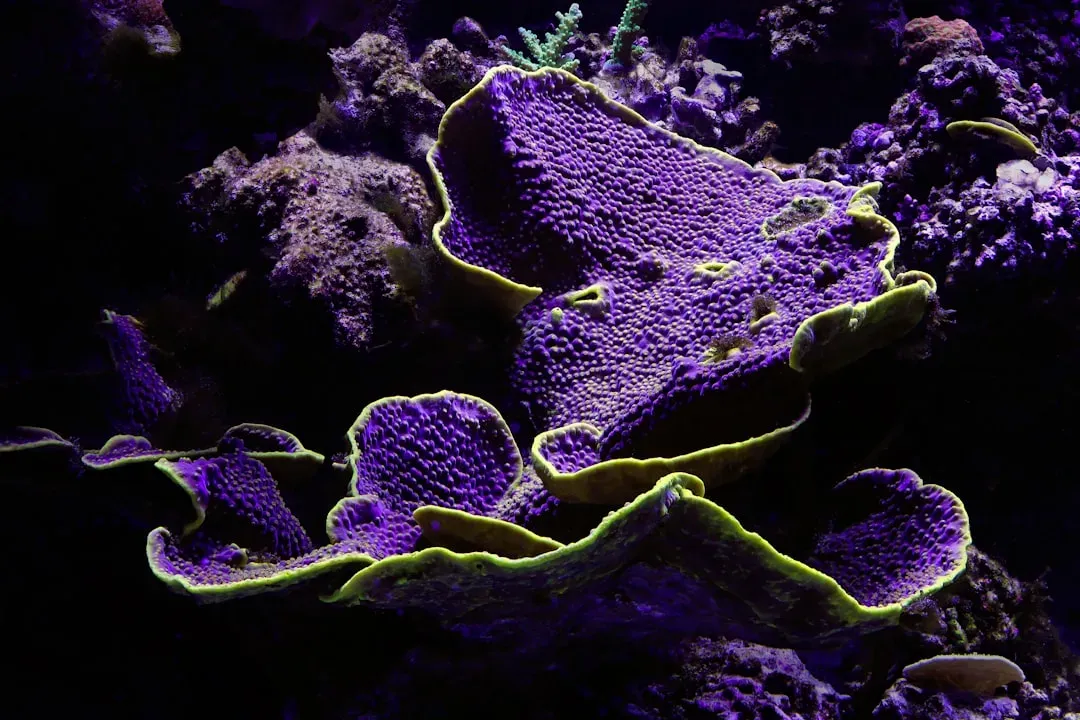
When we talk about Earth’s biosphere, most of us picture forests, oceans, and animals scurrying or swimming around. But a huge fraction of life on this planet is tucked away deep underground, in rock pores and sediment layers that never see daylight. In the deep biosphere, organisms endure immense pressures, limited nutrients, and temperatures that rise as you go down. Some microbes live kilometers below the seafloor or continental crust, squeezing out an existence with infinitesimally slow metabolisms, sometimes dividing only once over many years.
What keeps them going is a trickle of chemical energy from interactions between water and minerals, such as the breakdown of rock that releases hydrogen gas. It’s like living off the tiniest sparks of energy rather than a roaring fire. The more scientists sample deep wells, boreholes, and drilling cores, the clearer it becomes that this hidden biosphere is not a fringe curiosity but a major part of Earth’s total biomass. That realization reshapes how we think about habitability, because even planets that look hostile at the surface could host thriving subsurface worlds. To me, there’s something humbling about the idea that beneath our feet, in darkness and silence, vast communities of microbes are quietly rewriting the boundaries of where life can be.
What Extremophiles Mean for the Search for Life Beyond Earth
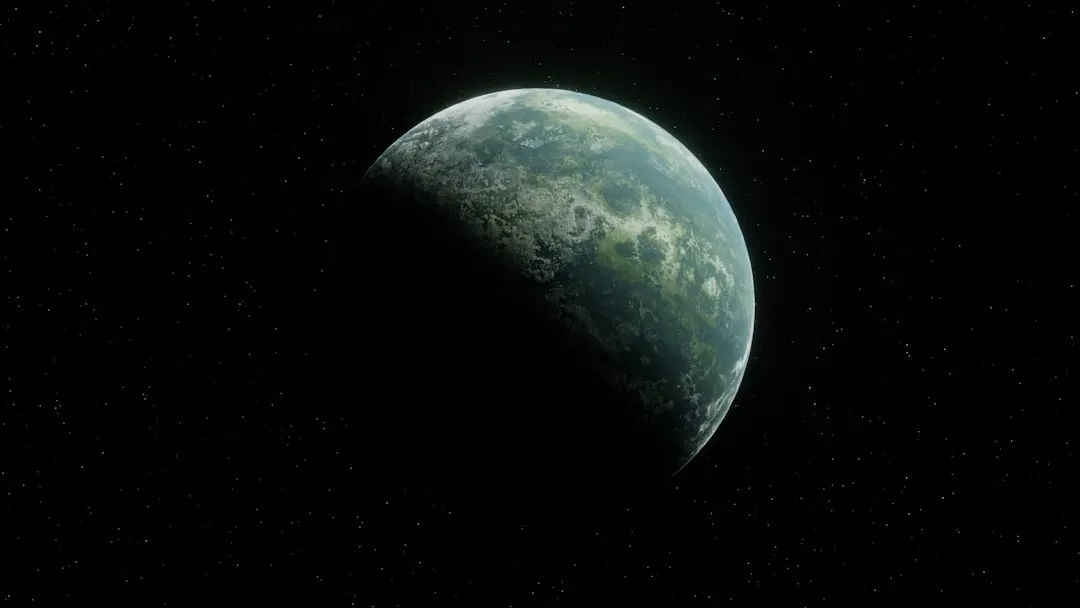
Every time researchers uncover another community of extremophiles in some previously unthinkable environment, our mental map of “where life belongs” stretches a little further. Mars no longer seems ridiculous as a potential host for microbial life, especially in briny subsurface pockets or ancient hydrothermal systems. Icy moons become more tantalizing, because their hidden oceans and possible vents look eerily similar to places on Earth where life already flourishes. Even exoplanets that once would have been written off as too hot, too salty, or too chemically strange now feel like candidates rather than lost causes.
This shift is not just philosophical; it shapes how space agencies design missions and instruments. Rovers and landers are increasingly built to sniff out chemical signatures that match the weird metabolisms we see in extremophiles: sulfur cycling, methane production, unusual isotopic ratios. At the same time, there’s a growing concern about contaminating other worlds with our own hardy microbes, precisely because some are so good at surviving. In a way, extremophiles force us to be both more hopeful and more cautious. They suggest life might be common in the universe, but also remind us that we could easily miss it – or accidentally bring it with us – if we are not paying close attention.
Conclusion: Redefining What “Habitable” Really Means
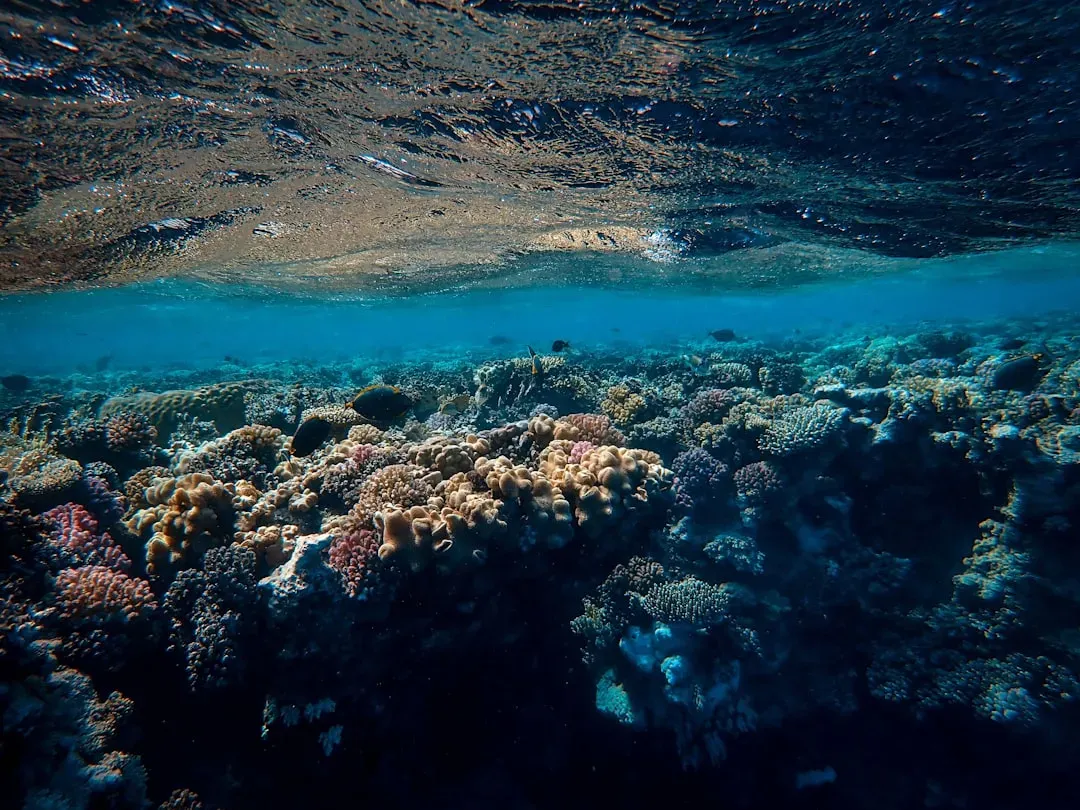
From boiling vents and acidic pools to radioactive zones and buried rock, extremophiles have turned the idea of a narrow, fragile biosphere on its head. Life, it seems, is less like fine china and more like a stubborn weed pushing through cracks in concrete. As scientists keep exploring Earth’s harshest environments, they’re not just cataloging curiosities; they’re building a real-world guide to the kinds of planets and moons that might harbor life elsewhere. Each new discovery chips away at the old assumption that only Earth-like conditions can nurture biology.
All of this leaves us with a quietly radical thought: maybe the universe is not short on habitable real estate, but we have been biased in how we define it. If microbes can flourish in places that would kill us in seconds, then our human-centered view of comfort is a terrible yardstick for judging where life can exist. The harshest corners of our planet are starting to look less like exceptions and more like a preview of what is possible out there. In the end, the biggest question might not be whether life can survive in extremes, but whether we are ready to recognize it when we finally encounter it.