
If you’ve ever looked up at the sky and thought it was just “air,” you’re seriously underestimating it. The atmosphere is a wild, layered, restless ocean of gas wrapped around our planet, quietly deciding whether we live, freeze, burn, or breathe comfortably today. It looks calm from the ground, but above your head, it’s chaos, beauty, and physics all dancing together.
Once you start digging into what the atmosphere actually does, it gets a little addictive. You realize that every breeze, every sunset color, every plane trail, and even your ability to stand here without being cooked by radiation is part of a story that’s billions of years in the making. Let’s pull back the curtain on some of the strangest, most surprising truths about the thin blue shell that keeps Earth alive.
The Atmosphere Is Thinner Than You Think
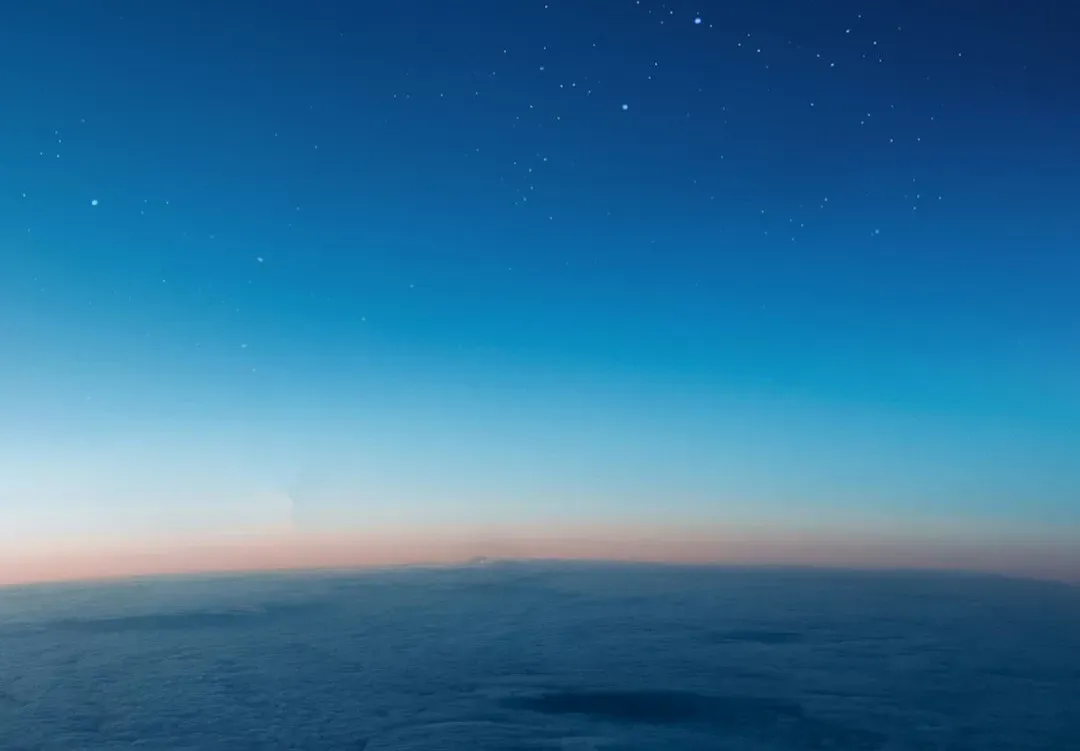
From the ground, the sky looks endless, but in reality, our breathable world is shockingly shallow. Most of the air you’ll ever inhale is packed into just the lowest slice of the atmosphere, a layer called the troposphere that reaches only about as high as a long road trip. If Earth were shrunk down to the size of a standard globe, the layer of air that keeps us alive would be about as thin as a coat of varnish on its surface.
Above that, the air thins out so quickly that your body would lose consciousness without pressure and oxygen in just a few breaths. That’s why commercial airplanes fly near the top of the troposphere but still well below true “space.” It’s honestly a bit unsettling: all of human history, weather, and breathable life happens in a fragile skin that could fit inside the height of a few dozen stacked Mount Everests.
The Sky Really Is Different Colors – We Just Can’t See Most of Them

We’re used to thinking of the sky as blue by day and black by night, with some orange and pink for dramatic effect at sunrise and sunset. But if our eyes could see more of the electromagnetic spectrum, the sky would look utterly alien. Ultraviolet light, normally invisible to us, paints the sky with a different pattern entirely, one that many insects and birds can detect and use for navigation.
In the infrared part of the spectrum, the atmosphere glows with heat, especially around clouds and water vapor. Instruments on satellites and weather stations “see” this invisible light all the time, turning it into colorful maps of storms and temperature. It’s a bit humbling to realize that our human idea of what the sky looks like is basically a tiny, filtered slice of reality, like watching a full orchestra but only hearing a single violin.
Without Greenhouse Gases, Earth Would Be a Frozen Rock
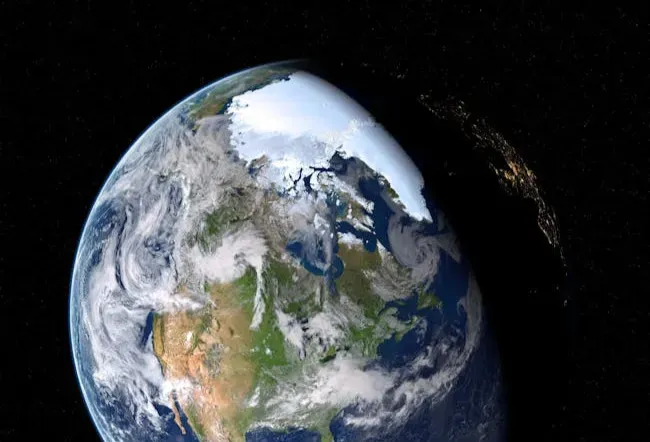
<p“Greenhouse gases” usually sound like a villain in the climate story, but the truth is more complicated. Without naturally occurring greenhouse gases like water vapor, carbon dioxide, and methane, Earth’s average temperature would plunge far below freezing, and liquid water oceans wouldn’t exist. The atmosphere acts like a thin, partially transparent blanket, letting sunlight in but slowing down the escape of heat back into space.
The trouble now is that we’ve thickened that blanket with extra greenhouse gases from burning coal, oil, and gas, as well as deforestation and agriculture. Instead of a cozy layer, it’s becoming more like too many comforters piled on at once, trapping additional heat and disrupting weather patterns. So it’s not that greenhouse gases are “bad”; it’s that we’ve pushed a natural and delicate system way out of balance in just a couple of centuries.
Most Meteorites Burn Up Long Before Reaching You
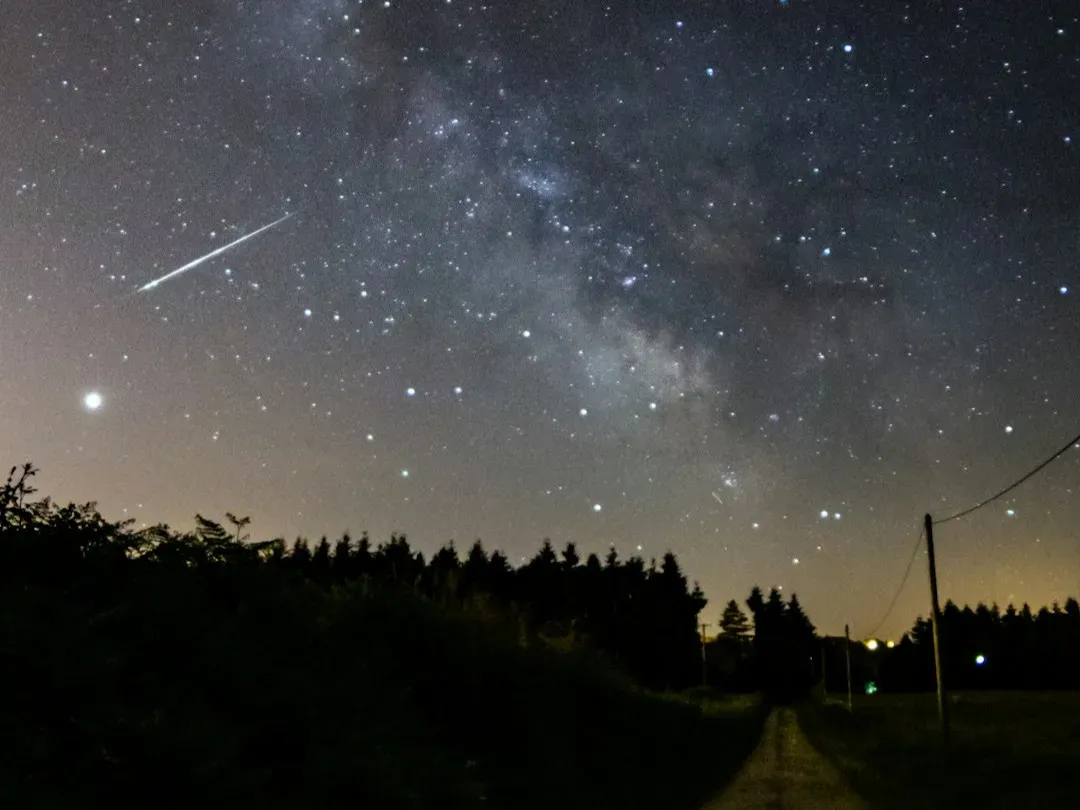
Every day, countless tiny pieces of space rock and dust slam into Earth at terrifying speeds, often faster than any bullet ever fired. The vast majority never make headlines, or even your awareness, because the atmosphere acts like a gigantic, invisible crash mat. As meteoroids hit thicker layers of air, the friction and compression heat them to the point where they glow and then disintegrate high above the surface.
Only the biggest and toughest chunks survive the journey intact as meteorites that actually reach the ground. When you see a “shooting star,” you’re watching the atmosphere doing its job as planetary shield, burning cosmic debris to ash before it can do any damage. It’s one of those quiet services the atmosphere provides every night, without asking for credit or a single “thank you” from the life it protects.
The Ozone Layer Is a Sunblock for the Entire Planet
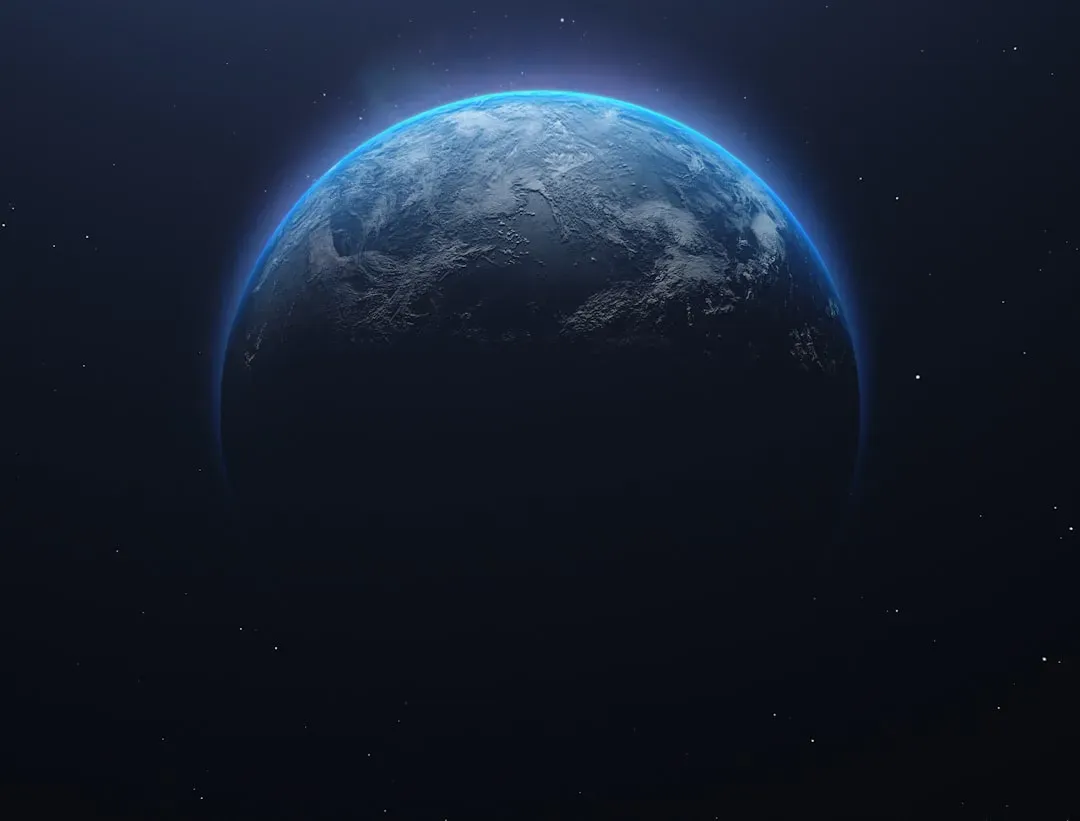
High above the clouds, there’s a thin concentration of a gas called ozone that punches way above its weight in importance. This ozone layer absorbs most of the Sun’s high-energy ultraviolet radiation that would otherwise damage DNA in plants, animals, and humans, dramatically raising rates of skin cancer and harming entire ecosystems. It’s like the planet’s collective sunscreen, spread across a band of the stratosphere.
In the late twentieth century, humans nearly broke this shield by releasing chemicals called CFCs that destroyed ozone molecules. The discovery of the so-called “hole” in the ozone layer over Antarctica led to a rare moment of global cooperation, and the world agreed to phase out those chemicals. Since then, the ozone layer has been slowly healing, proof that atmospheric damage can be reversed when we act before it’s too late.
The Atmosphere Extends Far Beyond Where You’d Expect
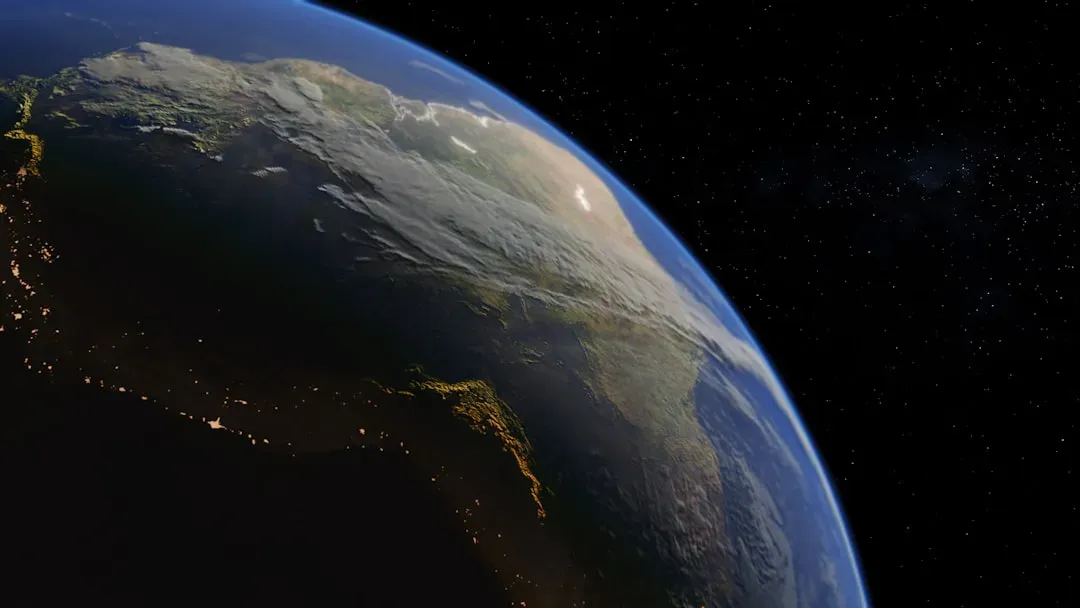
We like clean boundaries, so we talk about the “edge of space” as though there’s a sharp line where air ends and vacuum begins. In reality, Earth’s atmosphere gradually thins out over hundreds of thousands of kilometers, with stray atoms of hydrogen and helium reaching almost halfway to the Moon. This outer fringe is called the exosphere, and while it’s unimaginably thin, it’s still technically part of our planet’s gaseous envelope.
That means when spacecraft orbit close to Earth, they actually brush through the very top wisps of the atmosphere, losing a tiny bit of speed to drag. Over time, this slight resistance can pull satellites down into denser layers, where they eventually burn up. The atmosphere doesn’t just stop; it simply fades into space, stretching much farther than our senses would ever guess.
Air Has Weight – And It’s Constantly Pressing on You
It’s easy to forget that air is made of matter, not just “nothing” between things. The column of air sitting above every square meter of Earth’s surface weighs as much as a small car, pressing down on you and everything else below. You don’t feel crushed because that pressure acts equally in all directions, and your body is adapted to push back from the inside.
Changes in this pressure drive much of our weather. When air piles up in one region, it creates a high-pressure system that often brings clearer skies; when it thins out, low pressure tends to invite clouds and storms. Barometers, those old-fashioned-looking instruments with needles and little scales, are basically just clever ways of watching the atmosphere lean on us a bit more or a bit less over time.
When I first learned that a storm was partly just “less air pressing down,” it completely changed how I saw dark clouds creeping in. Instead of feeling like random bad luck, it became something physical and understandable, like waves rising and falling in an invisible ocean.
The Atmosphere Is Electrified and Full of Invisible Currents
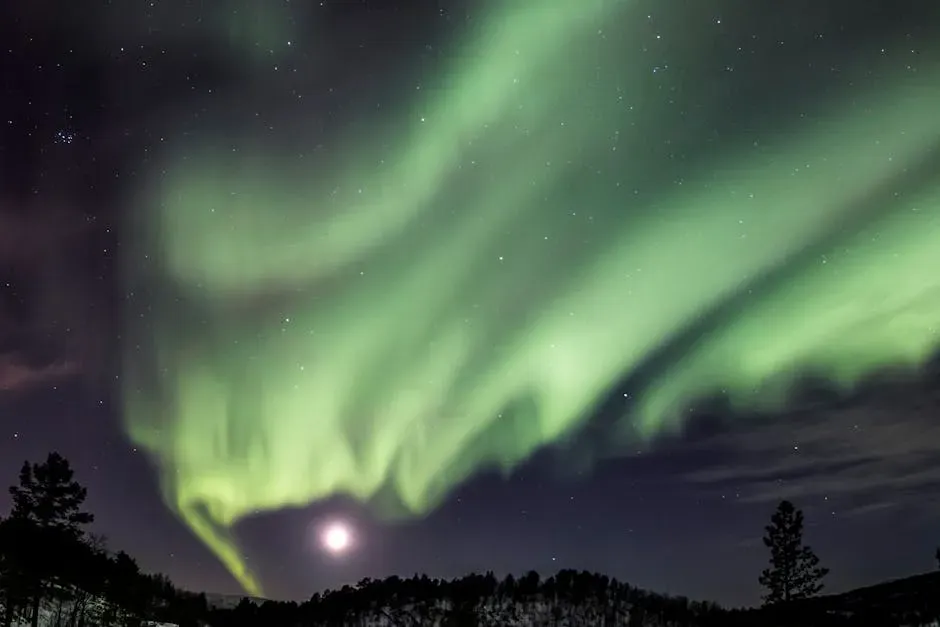
We usually only think about the sky’s electricity when lightning splits it open during a storm, but that’s just the flashy tip of the iceberg. High above us, streams of charged particles and electric fields are constantly flowing through what’s known as the ionosphere. This region is created when sunlight knocks electrons off atoms, turning the thin air into a kind of diffuse, glowing plasma that can reflect or bend radio waves.
That’s why long-distance radio communication can sometimes bounce off the upper atmosphere and travel far beyond the horizon. Solar storms from the Sun can disturb these layers, scrambling signals, disrupting GPS, and sometimes even knocking out parts of power grids. So while the lower atmosphere feels like ordinary “air,” the upper atmosphere is closer to a giant, shifting electrical circuit wrapped around the planet.
Weather and Climate Are Not the Same Thing
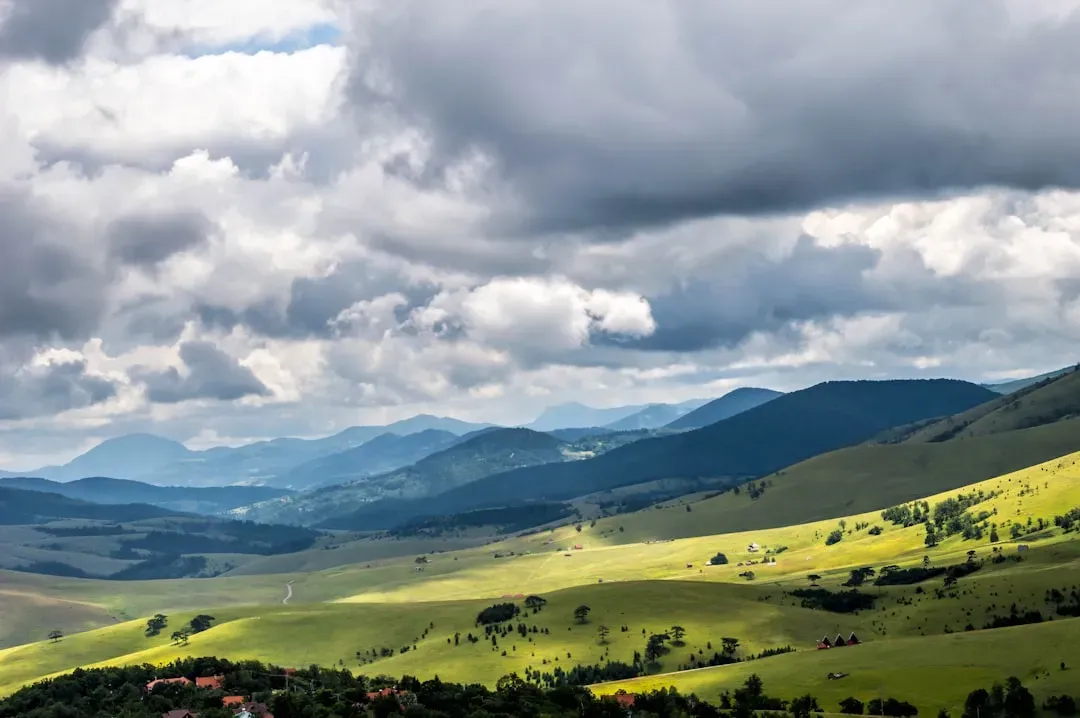
It’s tempting to look out the window and judge the whole planet’s condition from whatever’s happening outside your house. But weather is the day-to-day mood of the atmosphere, while climate is more like its long-term personality. A single freak snowstorm in spring doesn’t “disprove” global warming any more than one hot day in winter proves it; climate is measured over decades and longer, across many regions and seasons.
Scientists use the atmosphere’s temperature, humidity, wind patterns, and chemical makeup to understand how Earth’s climate is shifting. In recent decades, they’ve seen clear signs of long-term warming, more extreme rainfall in some areas, more intense heat waves, and changes in storm behavior. It’s a bit like listening to a song: if weather is each note, climate is the melody you only recognize after you’ve heard enough of them in a row.
Humans Are Now a Major Force Shaping the Atmosphere
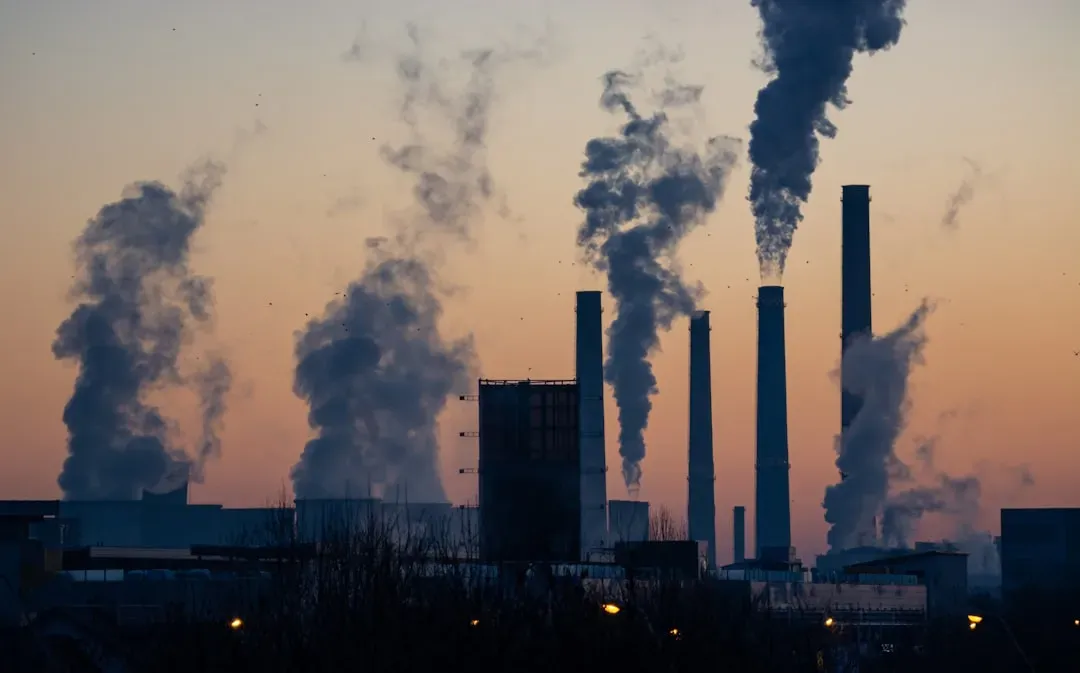
For most of Earth’s history, volcanoes, sunlight, oceans, and life itself gradually shaped the atmosphere over enormous spans of time. In the last couple of centuries, humans have crashed that slow process like a bull in a glass shop, changing the composition of the air faster than many natural systems can adapt. We’ve pushed up carbon dioxide levels to heights not seen in hundreds of thousands of years, altered levels of methane and nitrous oxide, and filled the air with new particles and pollutants.
On a more hopeful note, we’ve also proved we can fix at least some of what we break, like when global agreements helped the ozone layer start to recover. Cleaner energy, smarter agriculture, and reduced air pollution have already improved air quality in some regions, showing that the atmosphere does respond when we give it a chance. The uncomfortable truth is that we’re no longer just passengers under this thin blue shell; we’re co-pilots, whether we like it or not, and what we do next will be written into the sky itself.