Stand in a forest burned black by wildfire or on a coastline ripped apart by a hurricane, and it can feel like the end of the world. The silence is heavy, the destruction overwhelming, and it’s hard to imagine anything living here again. Yet, if you come back months or years later, the same place often feels almost unrecognizable: green shoots, busy insects, birds calling again from new branches.
Nature is not just fragile; it’s stubborn, inventive, and surprisingly strategic. From microscopic fungi quietly rebuilding soil to massive forests rising out of ash, Earth has a whole toolbox of recovery tricks. Some of them look almost magical from the outside, but they’re grounded in hard science, deep time, and evolutionary trial and error. Let’s walk through some of the most remarkable ways nature picks itself up after disaster and starts again.
Fire-Following Forests That Need Flames To Thrive
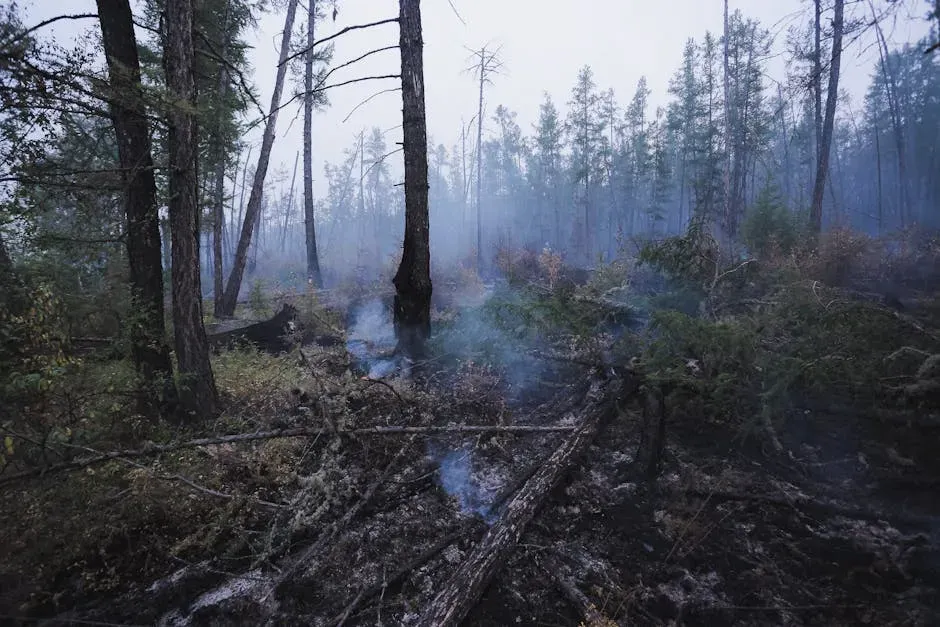
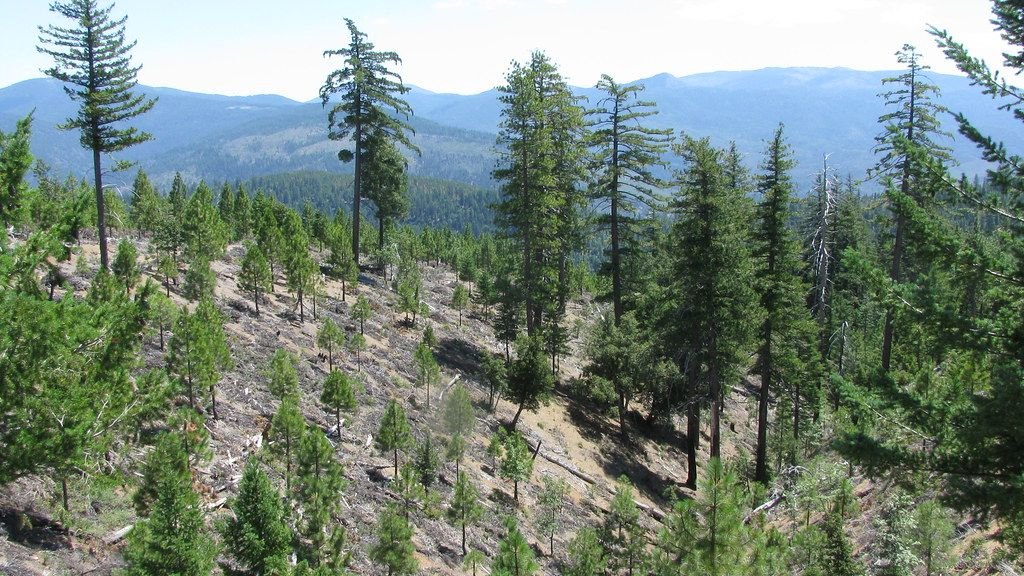
It sounds shocking, but some forests quite literally depend on fire to stay healthy and regenerate. In places like Mediterranean shrublands, Australian bush, and many North American pine forests, certain trees and plants have evolved with thick bark, oily leaves, and even cones that only open in intense heat. A wildfire that looks purely destructive to us can actually be a reset button that clears dead material and releases a burst of stored seeds.
After a burn, sunlight floods the ground that was once shaded, and nutrients locked in leaves and branches are suddenly released into the soil as ash. Within weeks, fire-adapted plants begin to sprout, grasses return, and insects find their way back to feed on the new growth. I remember hiking through a forest in the western United States a few years after a major fire, expecting a wasteland, and instead walking through waves of wildflowers. It felt less like a graveyard and more like a messy but determined rebirth.
Seed Banks Hidden In Soil That Wait For The Right Moment
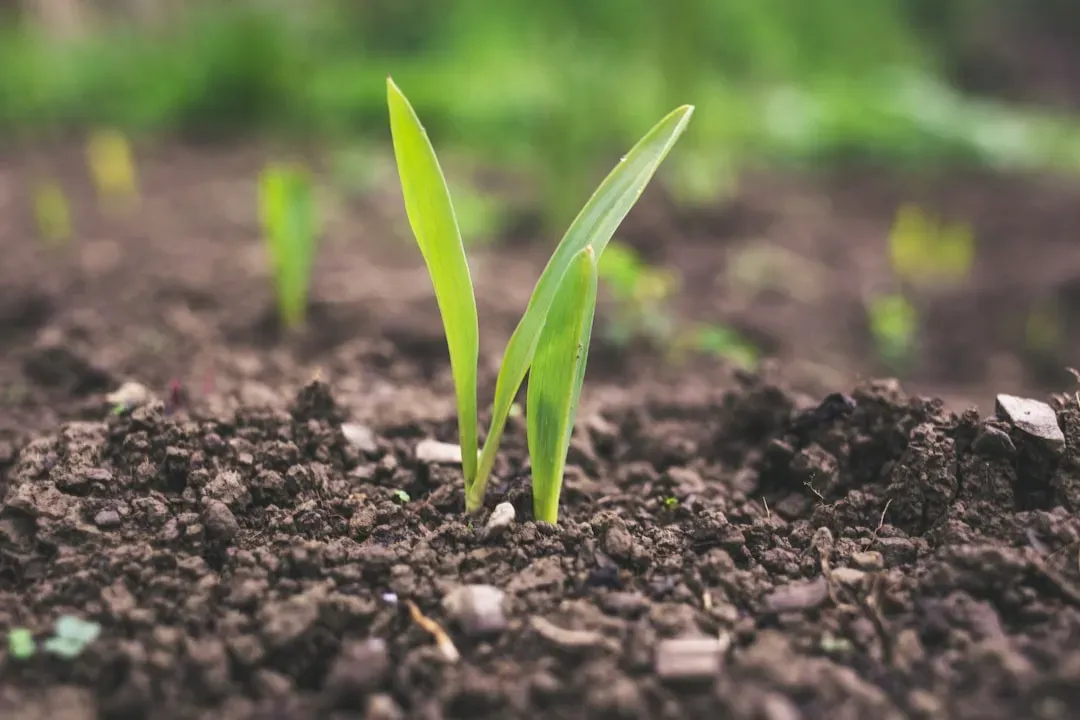
Beneath almost every patch of ground on Earth lies a quiet insurance policy: a hidden bank of seeds and spores waiting for conditions to improve. Even when a flood, drought, or landslide wipes away visible life on the surface, many of these tiny time capsules survive buried in the soil. Some seeds can remain viable for years or even decades, biding their time until light, moisture, or temperature changes tell them it’s safe to wake up.
After a disaster, this underground archive becomes the starting lineup for recovery. Pioneer plants germinate first, fast-growing and hardy, stabilizing the ground and shading it just enough for more delicate species to follow. It’s a bit like a community rebuilding after a storm: first come the emergency crews doing rough repairs, then later the artists and gardeners who make the place beautiful again. The astonishing part is that nature has rehearsed this sequence so many times that it often unfolds without any human input at all.
Pioneer Species That Turn Desolation Into Habitat
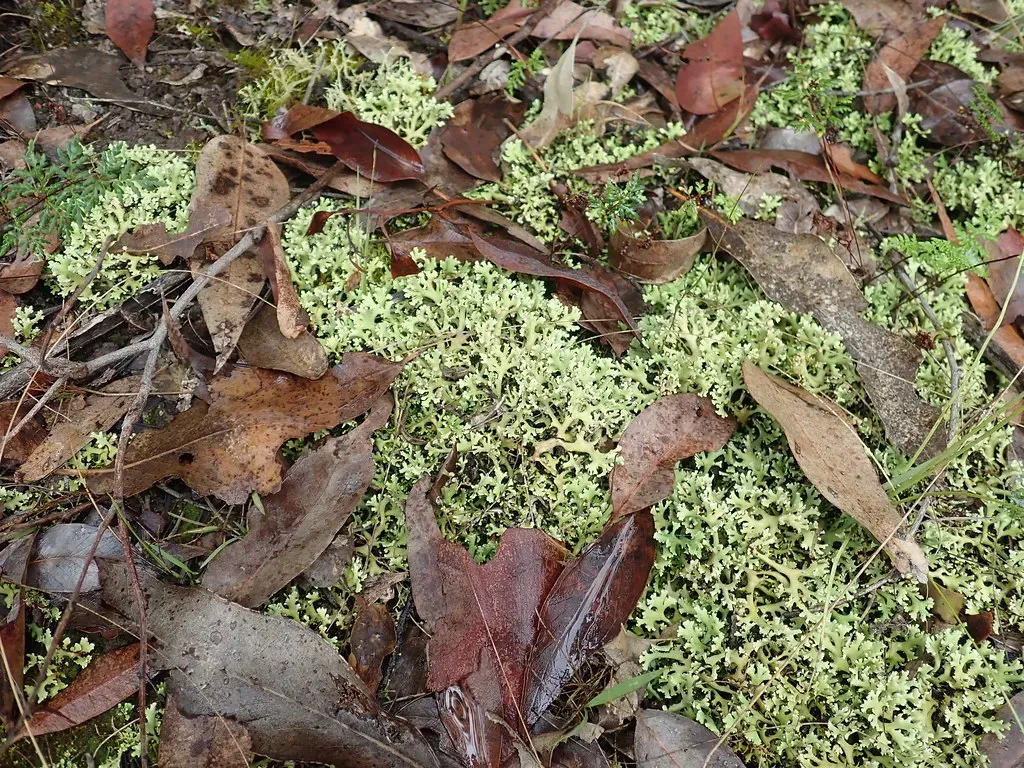
When a volcanic eruption leaves fresh rock or a glacier retreats and exposes bare ground, the first living things to move in are usually tough, almost stubborn species known as pioneers. Lichens, mosses, and certain hardy grasses are famous for this role. They cling to rock, tolerate extremes of heat, cold, or dryness, and begin the slow work of turning lifeless surfaces into a place where other species can survive.
These pioneers act a bit like construction crews laying the foundation of a building. As they grow, die, and decompose, they add organic matter that traps water and nutrients, gradually forming a thin, scruffy layer of soil. That thin layer is enough for slightly more demanding plants to take hold, and then insects arrive, followed by birds and small mammals. Over time, what started as a bleak, gray landscape can transform into grassland or forest, all because a few tough early settlers refused to give up.
Coral Reefs Rebuilding From Fragments And Larvae
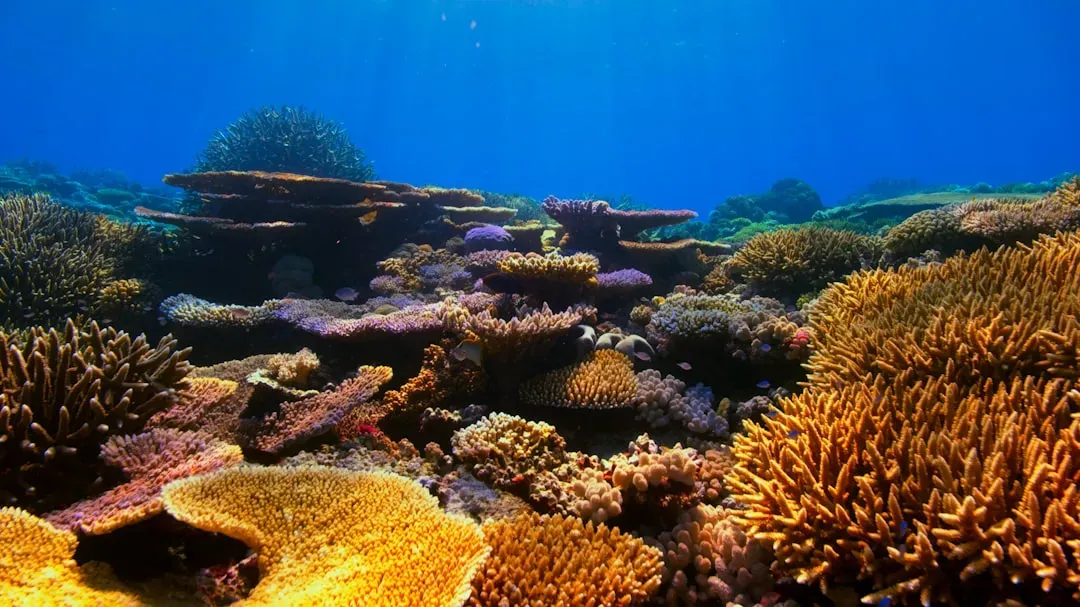
Coral reefs are among the most vulnerable ecosystems on Earth, hammered by warming oceans, storms, and pollution. After a powerful cyclone or bleaching event, a reef can look like rubble, with broken branches of coral scattered like bones. Yet if water quality is decent and temperatures stabilize, reefs have an impressive ability to patch themselves together using tiny pieces and drifting larvae. Small surviving fragments of coral can reattach, grow, and slowly reclaim bare rock.
At the same time, coral larvae released into the water by surviving colonies search for suitable surfaces to settle on, often guided by subtle chemical cues from algae and bacteria. If they land in the right spots and avoid being smothered by sediment or algae, they can grow into new colonies that help knit the structure back together. Fish, crabs, and other reef creatures return as shelter and food become available again, speeding up the recovery. It’s not quick, and human-caused stress can push reefs past a point of no return, but when conditions are right, the comeback is quietly spectacular.
Rivers That Constantly Rewrite Their Own Courses
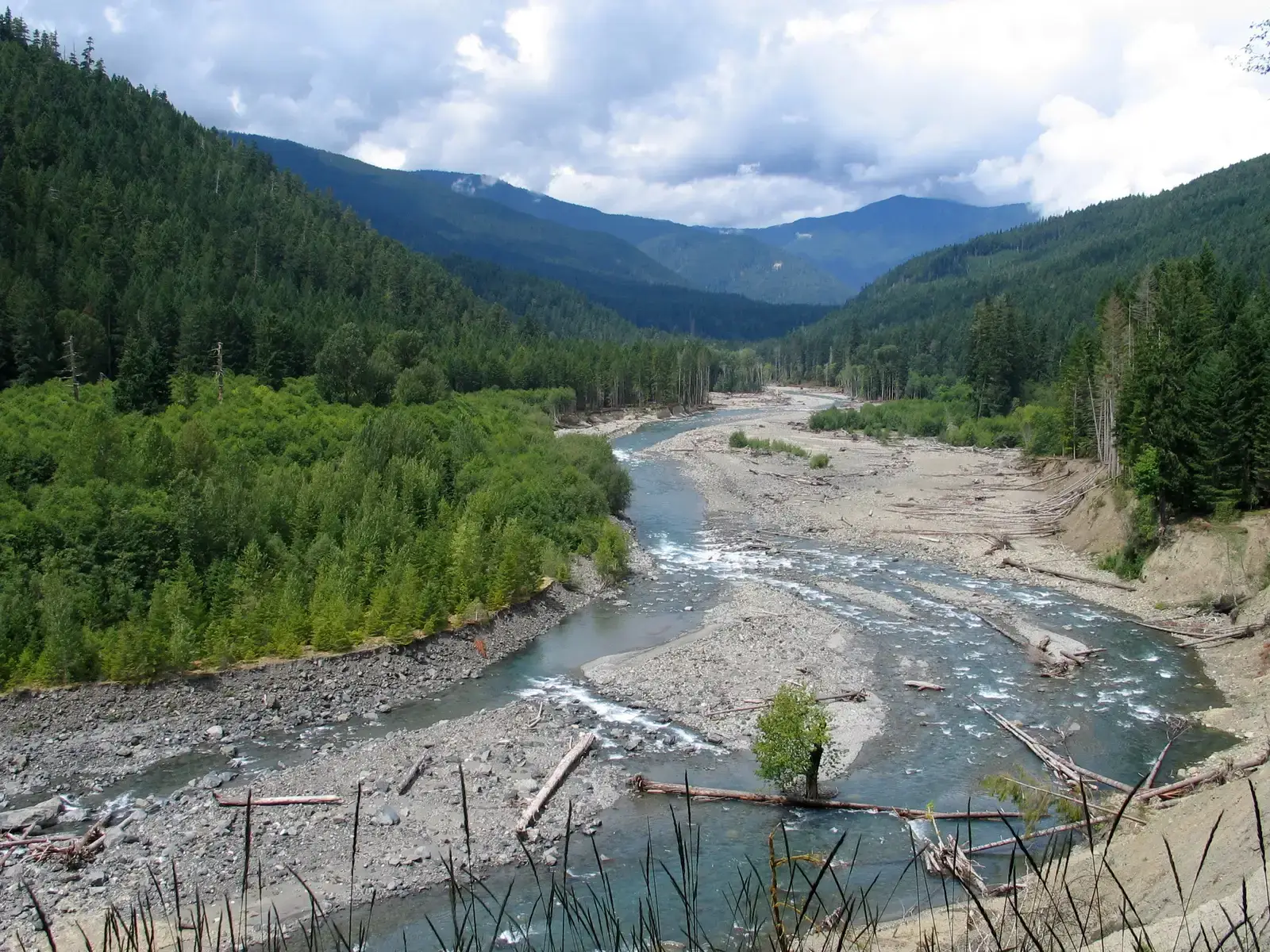
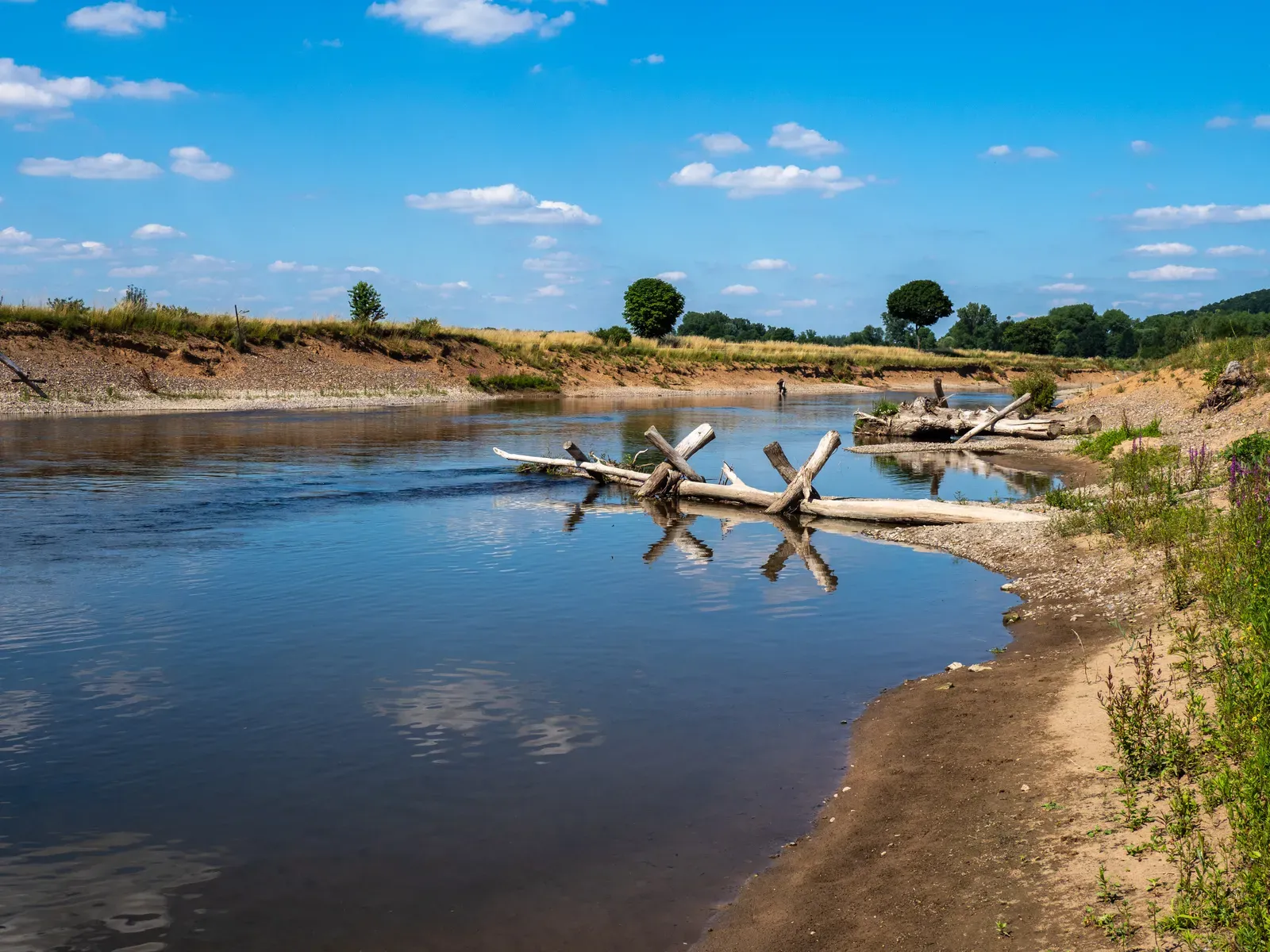
Floods tear through river valleys with brutal force, washing away banks, toppling trees, and sometimes re-routing entire channels overnight. To people living nearby, it can feel like chaos. To the river itself, though, shifting and reshaping is just part of how it works. Healthy rivers have floodplains and side channels that act like safety valves, allowing water to spread out, slow down, and eventually lay down new layers of nutrient-rich sediment.
Once the waters recede, these deposits become fertile ground for new plants, often more diverse and resilient than what was there before. Sandbars, oxbow lakes, and new wetlands appear, creating fresh habitat for birds, fish, and amphibians. In a way, rivers are always rebuilding themselves, even without a dramatic disaster. It’s only when we lock them into straight, hardened channels that they become brittle, less able to bend instead of break when extreme weather hits.
Wetlands Acting As Nature’s Sponges And Filters
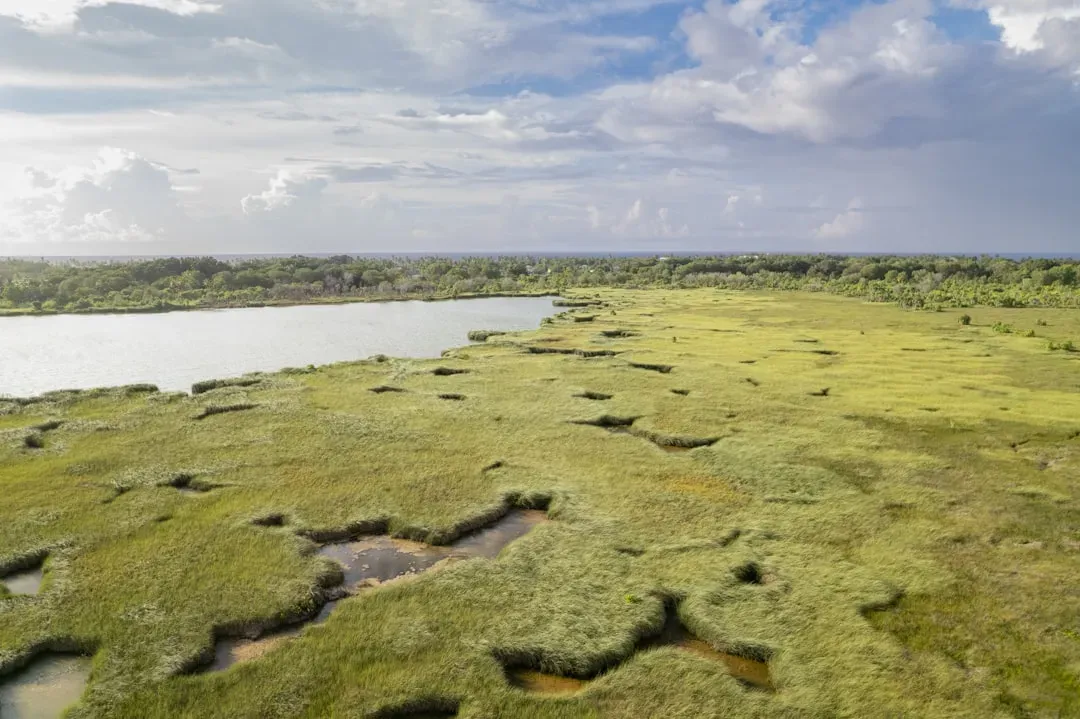
Hurricanes and heavy storms can drown coastal areas and river basins, but where wetlands still exist, the story often looks very different. Marshes, swamps, and mangroves act like giant, breathing sponges, soaking up excess water and slowly releasing it over time. Their tangled roots and dense plants break the force of waves and currents, protecting inland areas and reducing erosion. After the storm passes, these same systems begin cleaning the water by trapping sediment and absorbing pollutants.
As conditions calm, new shoots emerge from seemingly flattened wetland plants. Many wetland species are adapted to being submerged or battered repeatedly, so they rebound far more quickly than we might expect. Fish and shellfish use the recovering wetlands as nurseries, and birds return to feed and nest once more. When people drain or pave over wetlands, they remove this built-in shock absorber, making disasters worse; when wetlands are allowed to function, they become one of nature’s most reliable recovery tools.
Animals On The Move: Migration And Recolonization
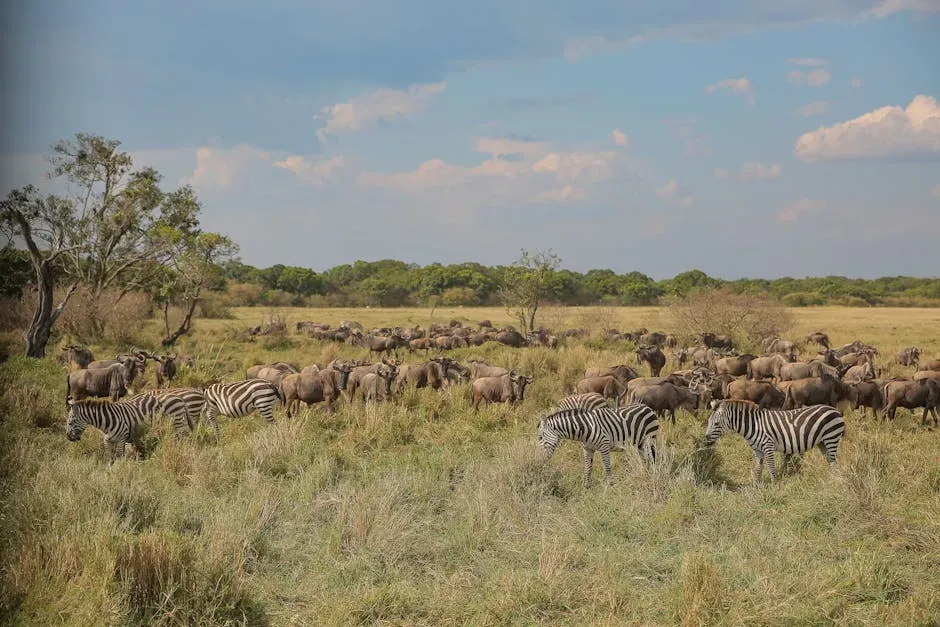
When fire, drought, or storms make an area temporarily unlivable, many animals have a simple but powerful strategy: they leave. Migration is one of nature’s most flexible responses to disaster. Birds, large mammals, and even insects can move away from damaged or dangerous zones, often following food sources, water, or familiar seasonal routes. This mobility reduces pressure on a failing ecosystem and gives it space to heal without being overgrazed or overhunted.
As conditions improve, animals often return, sometimes surprisingly fast. Seeds stuck in fur or carried in droppings help replant the landscape as they move through. Predators and prey re-establish their delicate dance, and the web of interactions that makes an ecosystem stable begins to weave itself again. There’s a kind of quiet courage in this movement: survival not through toughness alone, but through knowing when to go and when to come back.
Microbes And Fungi Rebuilding Soils From The Ground Up
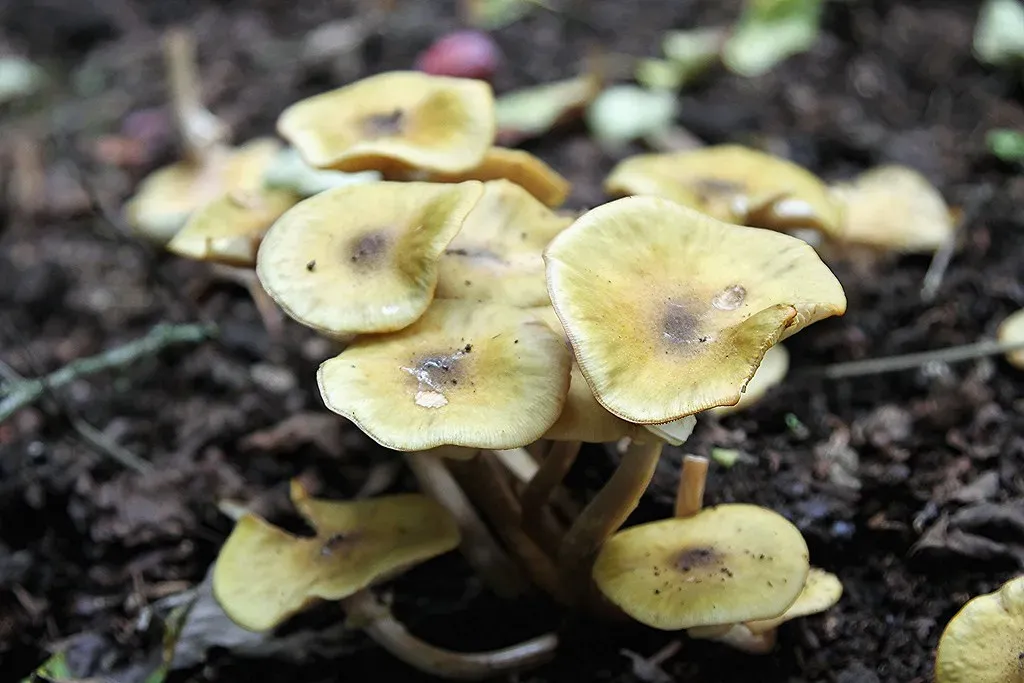
After a disaster, it’s easy to focus on what we can see: trees down, shorelines eroded, buildings ruined. But the real engine of recovery often sits in the invisible world below our feet. Bacteria, fungi, and other soil microbes work like a hidden repair crew, decomposing dead plants and animals, recycling nutrients, and making them available again to new life. In burned or flooded areas, these microscopic workers can dramatically change the chemistry of the soil, setting the stage for regrowth.
Mycorrhizal fungi, which form intimate connections with plant roots, are especially important. They help plants absorb water and minerals more efficiently, and in return get sugars that the plants produce. In disturbed areas, networks of these fungi can help seedlings survive harsh conditions that would otherwise kill them. It’s a reminder that recovery is not just about what comes back above ground, but about the quiet partnerships in the dark that make the comeback possible in the first place.
Genetic Diversity That Gives Life A Backup Plan
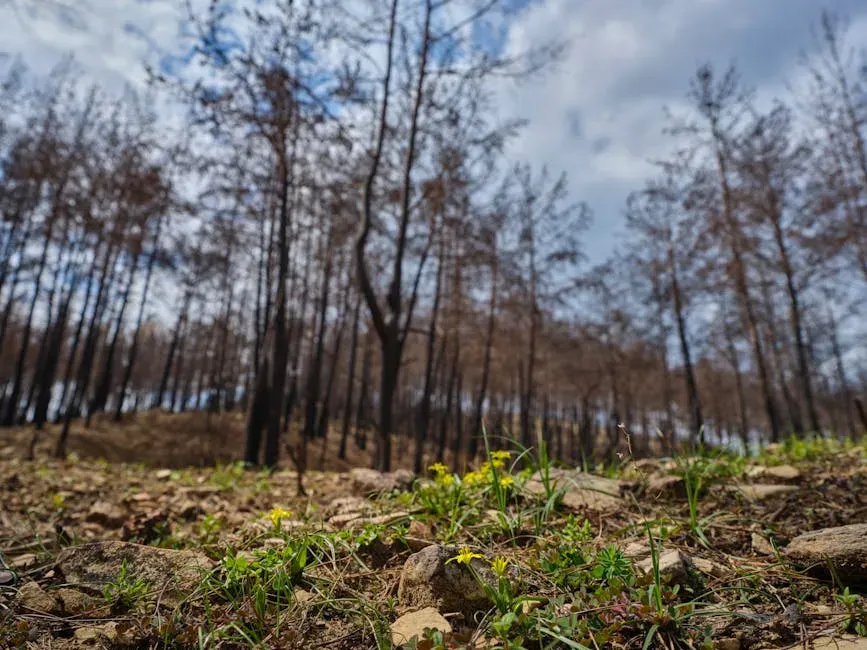
One of nature’s most powerful recovery tools is something we rarely notice day to day: genetic diversity. Within a single species, individuals carry slightly different versions of genes that affect how they handle heat, cold, salt, disease, and more. When a disaster strikes, many individuals might die, but those with traits that help them cope are more likely to survive and reproduce. Over time, this means the population can adapt to new realities, like hotter summers or more frequent storms.
This isn’t a fast, overnight fix, but it is a deep, long-term form of resilience baked into life itself. Populations with a wide range of genetic variation have more options to draw from when conditions change, like a toolkit with many different wrenches instead of just one. When we lose species or reduce populations to just a handful of individuals, we’re not only losing them for today; we’re stripping away those future options. Where diversity is still rich, though, nature has an astonishing capacity to adjust, survive, and eventually rebuild.
Succession: Nature’s Step-By-Step Recovery Playbook
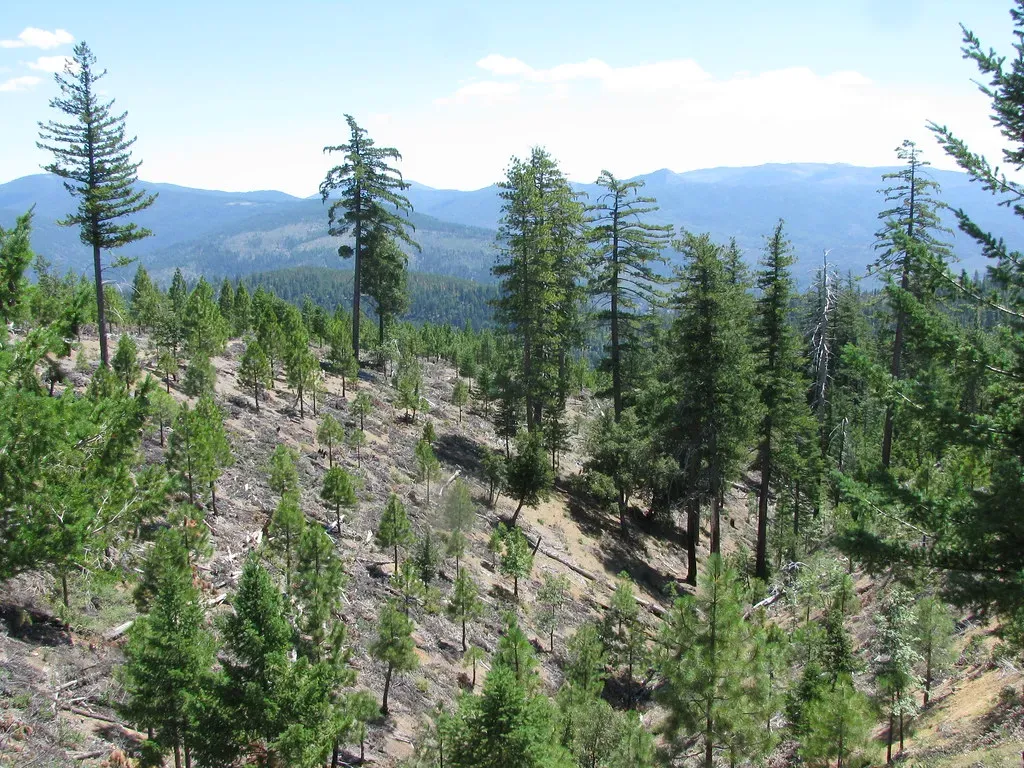
Ecologists use the word succession to describe how ecosystems develop and recover over time, and once you know the concept, you start seeing it everywhere. After a major disturbance, you rarely jump straight from barren ground to mature forest or coral reef. Instead, there’s a fairly predictable sequence: first hardy, fast-growing pioneers; then shrubs or mid-level species; then finally the slower, long-lived plants and complex communities. Each stage changes the environment in ways that make it slightly more hospitable for the next stage.
It’s a bit like watching a neighborhood rebuild after a storm. At first you see construction crews and scaffolding, then basic structures, and only later gardens, playgrounds, and intricate details. In nature, this progression might take years, decades, or even centuries, depending on the ecosystem and the scale of damage. But the underlying pattern is the same: recovery is not random chaos, it’s a rough but reliable choreography that life has practiced for millions of years.
Human–Nature Partnerships That Help Recovery Along
For a long time, people tended to see nature’s recovery as something that either happened on its own or not at all. Now, a growing number of scientists, communities, and Indigenous groups are working with natural processes rather than against them. This might mean replanting mangroves along coasts to reduce storm damage, using controlled burns to mimic natural fire cycles, or restoring floodplains so rivers can safely overflow instead of crashing into concrete walls. When done carefully, these efforts don’t replace nature’s recovery tricks; they give them room and time to work.
There are powerful real-world examples where damaged ecosystems have bounced back faster once human pressure was reduced and smart restoration began. Forests regrow when logging slows and wildlife corridors are protected. Coral reef fragments transplanted onto stable structures can help kickstart reef rebuilding when water conditions are suitable. It’s not about pretending we can fix everything, but about admitting we’re part of the system, not outside of it. The more we align our rebuilding with nature’s own methods, the more likely both we and the rest of life are to weather whatever comes next.
Conclusion: Resilience Written Into The Living World
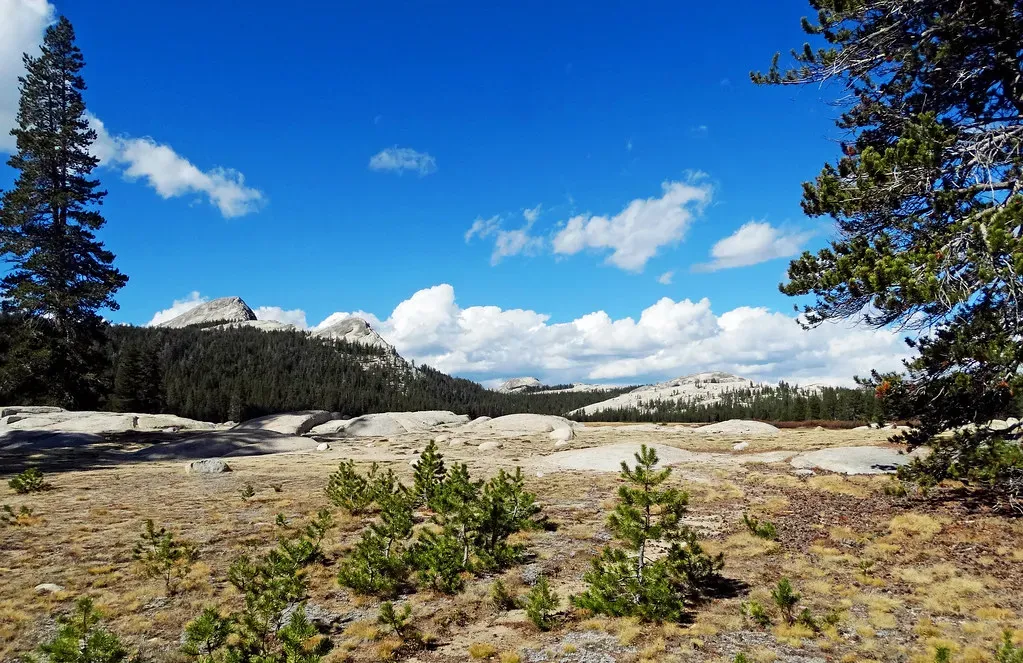
Walk through any place that’s had time to heal after a disaster and you can feel it: resilience is not a rare miracle, it’s the default setting of life on this planet. From forests that need fire to stay young, to microbes knitting soil back together, to rivers rewriting their own paths, nature leans toward recovery with a kind of stubborn grace. It’s not always fast, and it’s not always complete, especially when human impacts are heavy, but the underlying drive to rebuild is everywhere you look.
That doesn’t mean we can sit back and assume everything will be fine; there are clear limits to what ecosystems can absorb, especially in a rapidly warming world. But it does mean that every time we protect diversity, give space for wetlands and floodplains, limit pollution, or restore damaged habitats, we’re teaming up with an ancient, powerful tendency: the urge of life to begin again. Knowing that, the real question becomes not whether nature can recover, but whether we’re willing to give it the chance it needs to do what it does best.