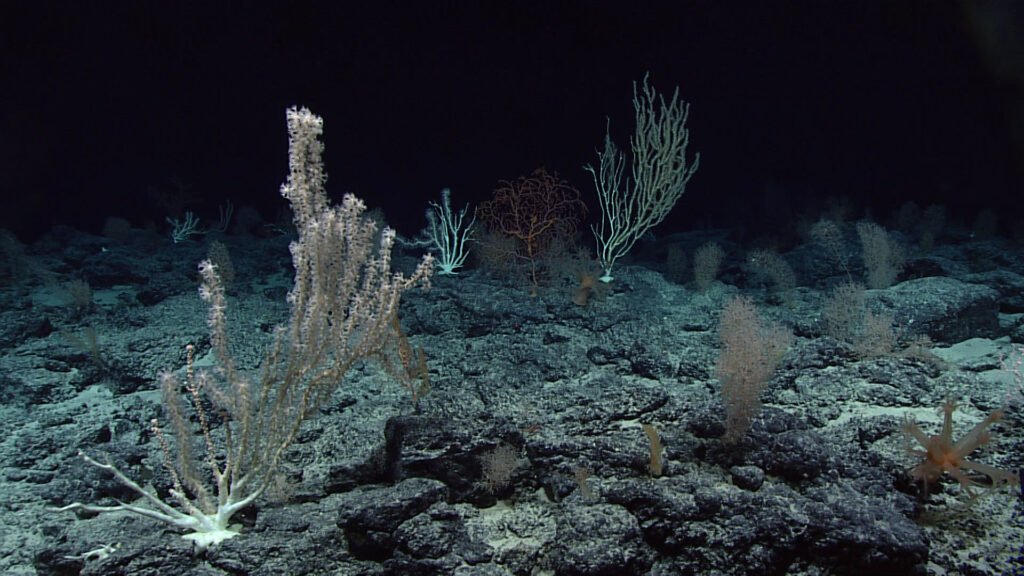
Far below the sunlit waves, beyond where most submarines dare to go, lies one of the strangest landscapes on Earth: the abyssal plains. Flat as a desert, dark as midnight, and stretching for thousands of kilometers, these hidden seafloor plateaus cover more of our planet than all the continents combined. Yet most people will never see a single real image of them in their lifetime.
For years I thought of the deep ocean as just empty blue water, a kind of wet outer space. The first time I really saw high-resolution maps of abyssal plains, it felt almost unsettling: vast emptiness, punctuated by bizarre scars and tiny mounds that hinted at stories we barely understand. The deeper scientists go, the clearer it becomes that abyssal plains aren’t just a dead, muddy floor – they’re a crucial, living engine of Earth’s climate, chemistry, and even our future resources.
The Hidden Geography Beneath the Waves
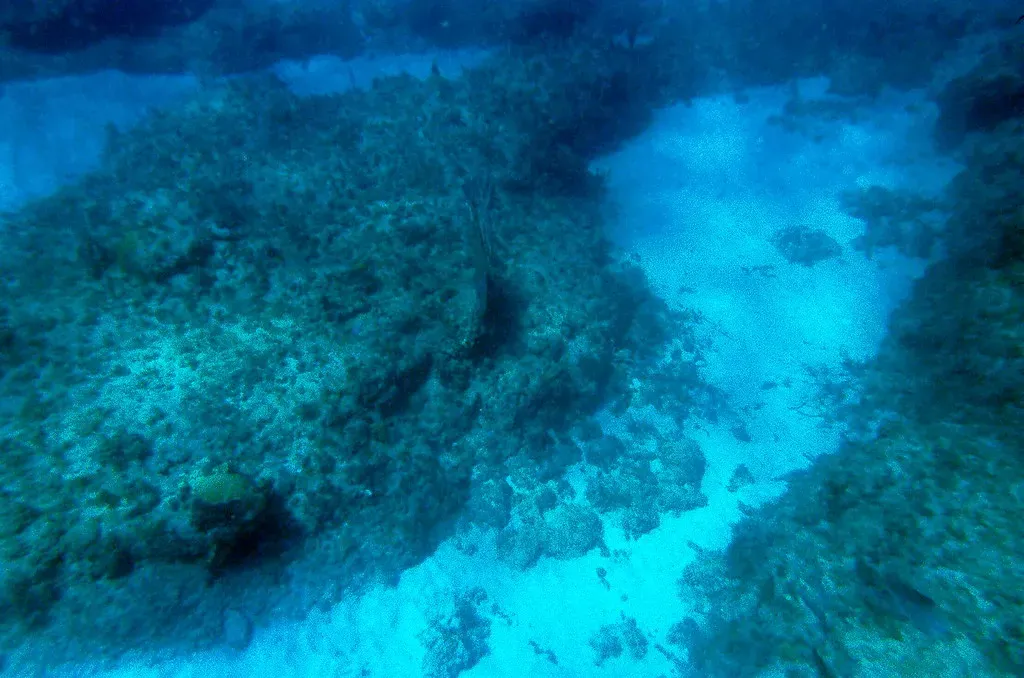
Imagine flattening out the Rocky Mountains, filling in the valleys, and then flooding everything under four to six kilometers of water – that’s the kind of eerie smoothness we’re talking about with abyssal plains. They are the flattest natural surfaces on Earth, formed as fine particles of dust, dead plankton, and volcanic ash slowly rain down and fill in every crack over millions of years. Despite this apparent flatness, their scale is shocking: they cover a huge share of the ocean floor, especially in the Atlantic, Indian, and parts of the Pacific Oceans.
What we call “flat” down there would still feel rugged to a human walking across it; gentle hills, old lava flows, and buried seamounts hide just beneath the soft sediments. Much of this geography has only been mapped indirectly using sonar and satellites, like trying to draw a detailed map of a city by listening to echoes. Even in 2026, large stretches of abyssal plain are only known in rough outline, and new surveys keep revealing unexpected ridges, landslides, and crater-like features that change how we picture the deep seafloor.
Eternal Night: Life in a World Without Sunlight
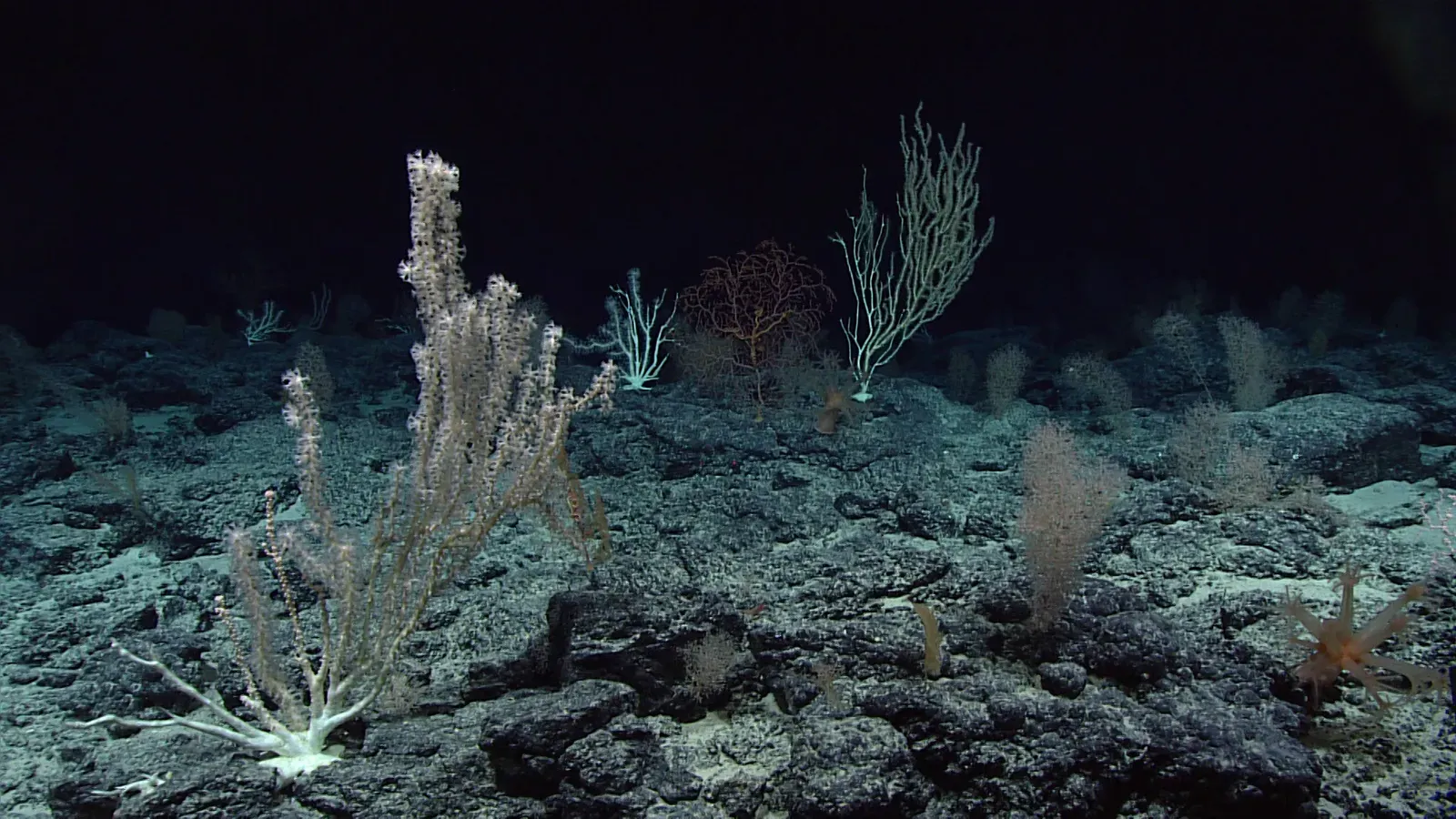
At abyssal depths, there is no sunrise, no sunset – just permanent, crushing darkness. Photosynthesis is impossible, so almost all life there depends on a slow drizzle of organic “marine snow” from above: flakes of dead plankton, fecal pellets, tiny carcasses, and the occasional huge gift like a sinking whale. It sounds bleak, but in that darkness, evolution has gotten weird and wildly inventive, creating specialized animals that can survive on almost nothing.
Many abyssal creatures move slowly, have low metabolisms, and live far longer than their shallow-water relatives, because food is scarce and unpredictable. Strange sea cucumbers crawl across the mud like living vacuum cleaners, brittle stars wave their arms to capture drifting particles, and some fish have bodies so soft they’d collapse if brought to the surface. The silence and stillness can be misleading; when a large food fall hits the bottom, scavengers swarm from every direction, turning the “empty” plain into a sudden frenzy of activity that might last only hours before everything returns to apparent calm.
Crushing Pressure, Frigid Temperatures, and Alien Conditions
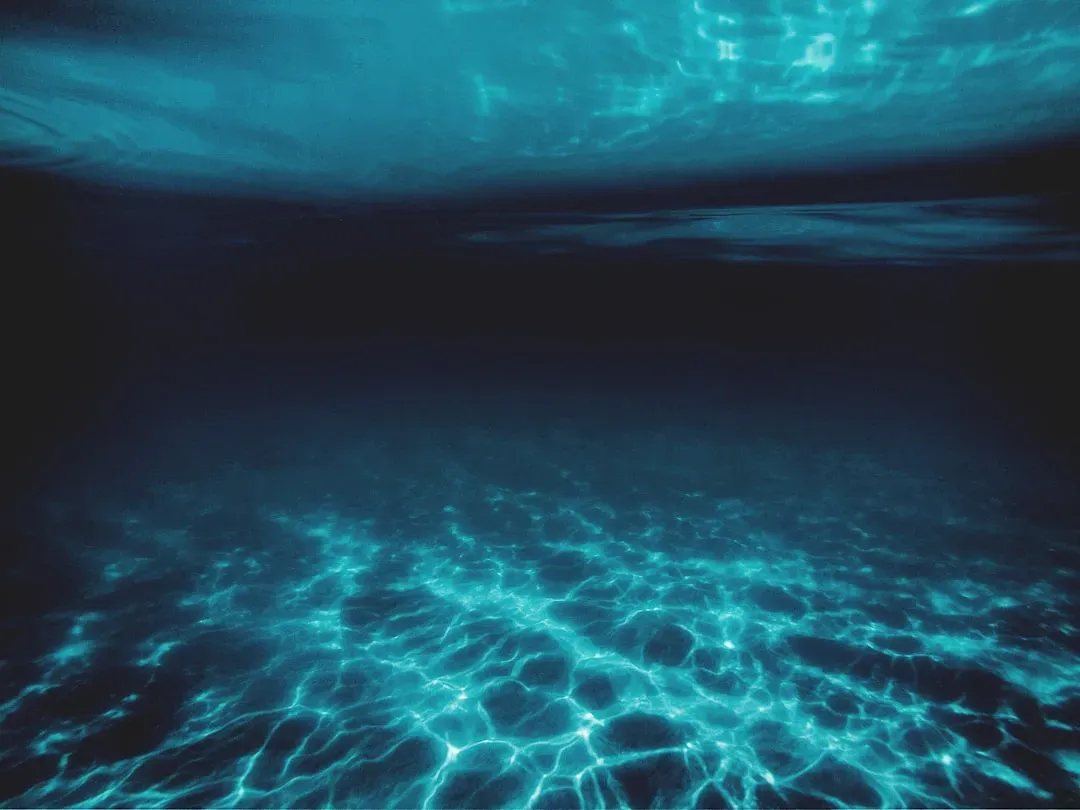
One of the hardest things to grasp about abyssal plains is just how hostile those conditions really are. The pressure can be hundreds of times higher than at the surface, enough to crush ordinary submarines and most human-built structures like soda cans. Water temperatures hover just above freezing, and yet these conditions are astonishingly stable over vast areas, making the abyssal plains feel timeless compared with the chaotic surface ocean.
To survive here, organisms have had to re-engineer basic biochemistry: cell membranes are more flexible, proteins are tuned to high pressure, and some species use special molecules to keep their enzymes from falling apart. Even deep-sea robots and landers have to be carefully designed not to implode or freeze up. Visiting the abyss isn’t just a technical challenge; it’s like trying to bring a piece of an alien world back to a planet that doesn’t quite understand how it exists at all.
Abyssal Plains as Earth’s Giant Carbon Sink
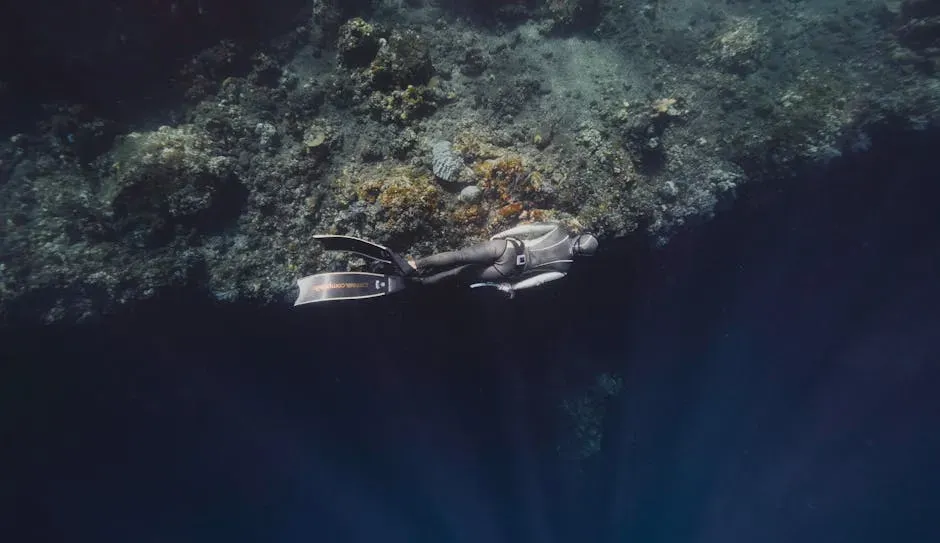
What looks like endless mud is actually one of the planet’s most important climate tools. As organic material sinks from the surface, some of its carbon is buried in the sediments of abyssal plains, locking it away for thousands to millions of years. This slow carbon burial helps keep atmospheric carbon dioxide levels lower than they would otherwise be, acting like a massive, steady, natural climate regulator.
Tiny organisms living on and in the sediment – bacteria, worms, small crustaceans – constantly rework this carbon, deciding indirectly how much gets recycled back into the water and how much stays buried. If you zoom in on a handful of abyssal mud, it’s like a bustling, microscopic construction site. In a time when we’re desperately searching for ways to balance our carbon budget, the quiet work of these unseen seafloor communities turns out to be much more than a scientific curiosity; it’s part of the reason our climate is still reasonably stable at all.
Mysterious Tracks, Burrows, and Geological Puzzles
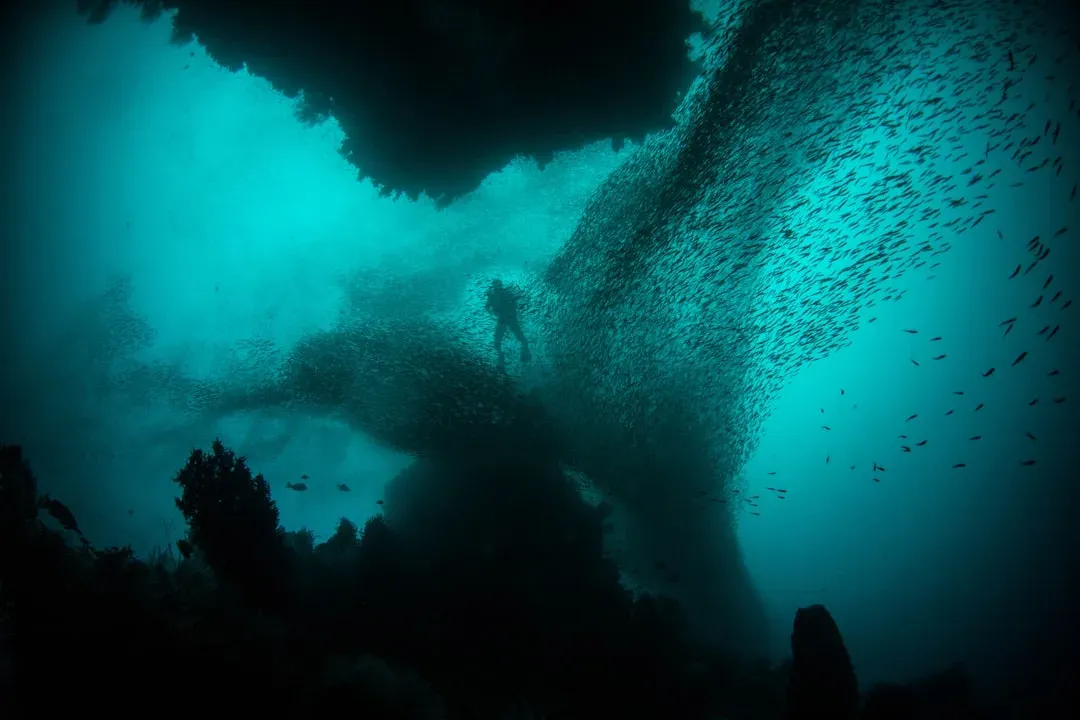
High-resolution images of abyssal plains have revealed something unexpectedly eerie: long, sinuous tracks and patterns carved across the sediments, often stretching for meters or even tens of meters. Some of these are made by sea cucumbers and other moving animals, but others remain puzzling, with shapes that don’t neatly match any known behavior. To scientists, these marks are like crime-scene trails – evidence that something happened, but no clear footage of who did it or why.
There are also subtle scars from submarine landslides and slow-moving sediment flows that can travel long distances before settling, quietly reshaping the plain. In some places, you can see tiny mounds called polymetallic nodules poking out of the mud, each formed over millions of years by minerals slowly depositing around small objects. Together, these clues turn the abyssal plain from an “empty” flatland into a living record of movement, growth, and disturbance, written so slowly that a human lifetime is barely a single frame in the story.
The Controversial Rush for Deep-Sea Minerals
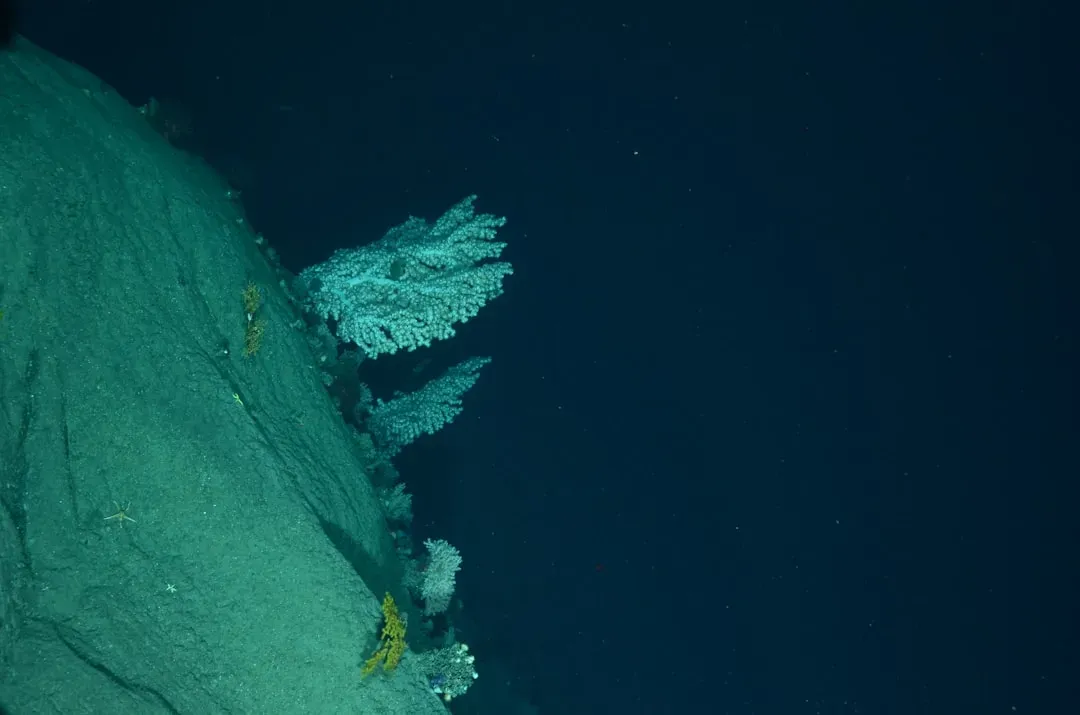
In recent years, abyssal plains have drawn attention not just from scientists, but from mining companies and governments eager to tap into metals needed for batteries and high-tech devices. Those polymetallic nodules scattered across some plains contain manganese, nickel, cobalt, and other valuable elements, and they lie right on the seafloor instead of being buried deep in continental rock. On paper, that looks like a tempting shortcut to secure materials for electric vehicles and renewable energy systems.
The problem is that we barely understand the ecosystems that live on and around these nodules, or how long they would take to recover if the nodules were removed. Early studies suggest that disturbing the sediment could send plumes of fine particles drifting across large areas, smothering delicate life and possibly altering deep-ocean processes for decades or longer. This has sparked a fierce debate: should we risk damaging one of Earth’s last mostly untouched frontiers for minerals, or hold back until we genuinely understand what we’re about to change?
Exploration Tech: How We Finally See the Abyss
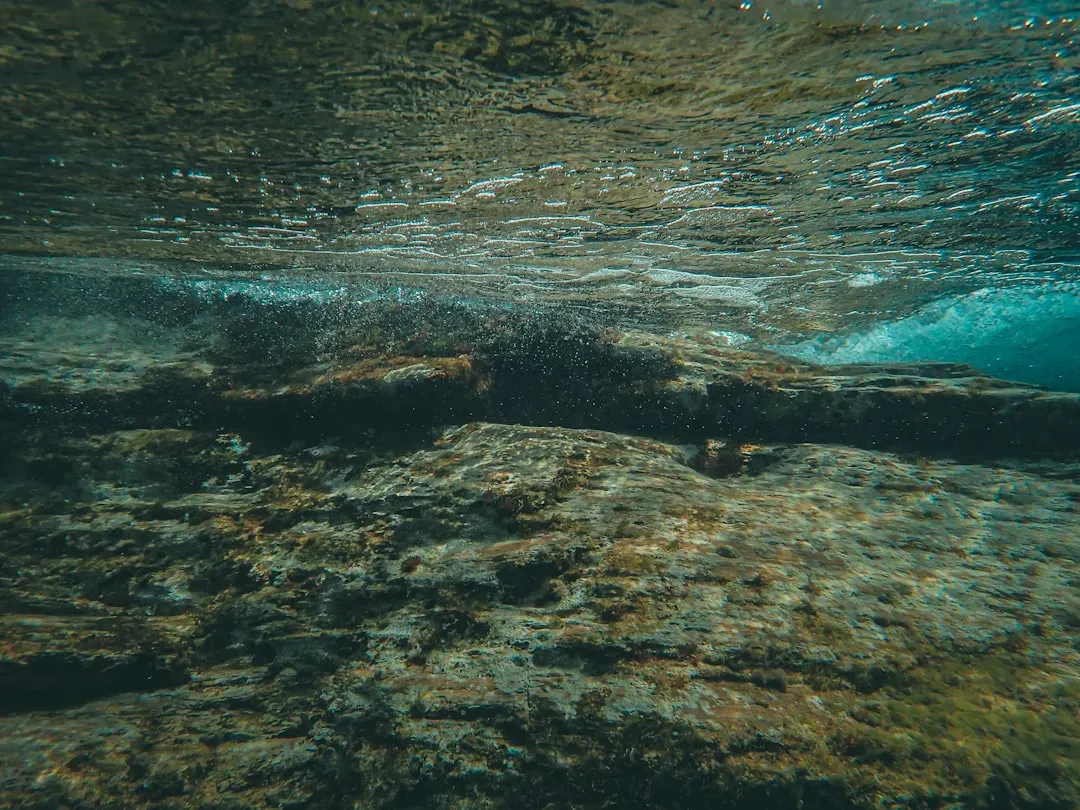
For most of human history, the abyssal plains were pure imagination; we only knew they existed from soundings and rough depth measurements. Now, remotely operated vehicles (ROVs), autonomous underwater vehicles (AUVs), and long-duration landers are letting us see them in unprecedented detail. These machines carry cameras, sensors, and samplers, crawling or flying a few meters above the bottom, capturing images so crisp you can see individual worm tracks and tiny nodules half-buried in the mud.
New mapping technologies, including better ship-based sonar and sophisticated satellite measurements of minute changes in sea-surface height, have dramatically improved our picture of the seafloor. Still, huge swaths of abyssal plain remain only coarsely mapped, like blank patches on an old atlas labeled “here be unknowns.” Every new survey seems to turn up something surprising: a previously uncharted seamount just off a flat region, a patch of unusually thick sediment, or a hotspot of biodiversity where nobody expected anything special.
Why the Abyssal Plains Matter for Our Future
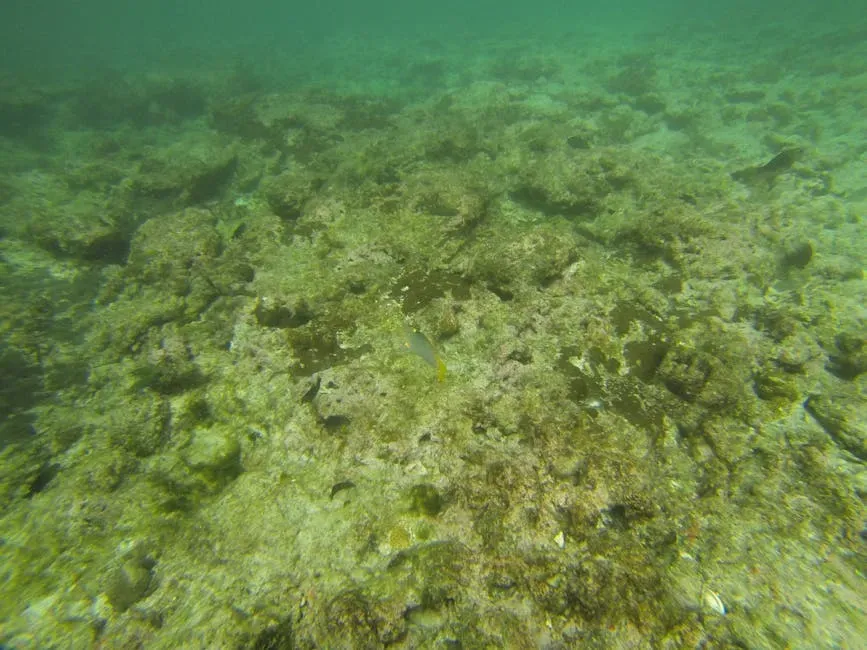
It’s easy to ignore a place you’ll never visit, especially if it’s buried under kilometers of water and looks like endless mud in most photos. But abyssal plains quietly influence things we care about every day: climate stability, the health of fisheries that depend on deep nutrient cycles, and even the ethical choices we make about where to source raw materials. Messing with these systems without understanding them is a bit like rewiring your house in the dark – you might get away with it, or you might burn the whole place down.
Standing in 2026, we’re at an uncomfortable crossroads: our technology finally allows us to explore and exploit the deep ocean at scale, right at the moment we’re realizing how fragile and interconnected these abyssal systems really are. The plains at the bottom of the sea may look lifeless and simple, but they hold slow, patient processes that keep our fast, chaotic world above in balance. The real question now is whether we’ll treat this hidden landscape as just another resource to strip, or as a critical part of a planet we’re only just beginning to understand.