Some mysteries feel like they belong in a science fiction movie, yet they’re happening right here on Earth, right now. Even with supercomputers, satellites, particle accelerators, and decades of research, there are things we observe all the time that still don’t have a clear, agreed‑upon explanation.
What fascinates me most is that these puzzles are not hiding in some distant galaxy; they’re in our skies, our oceans, our rocks, even in our own minds. Scientists can describe them, measure them, model pieces of them… but none of that has completely solved the riddle. Let’s dive into eight of the strangest mysteries we’re still arguing about in 2026.
The Bizarre Deep Hum of the “Skyquakes” and Mysterious Booms

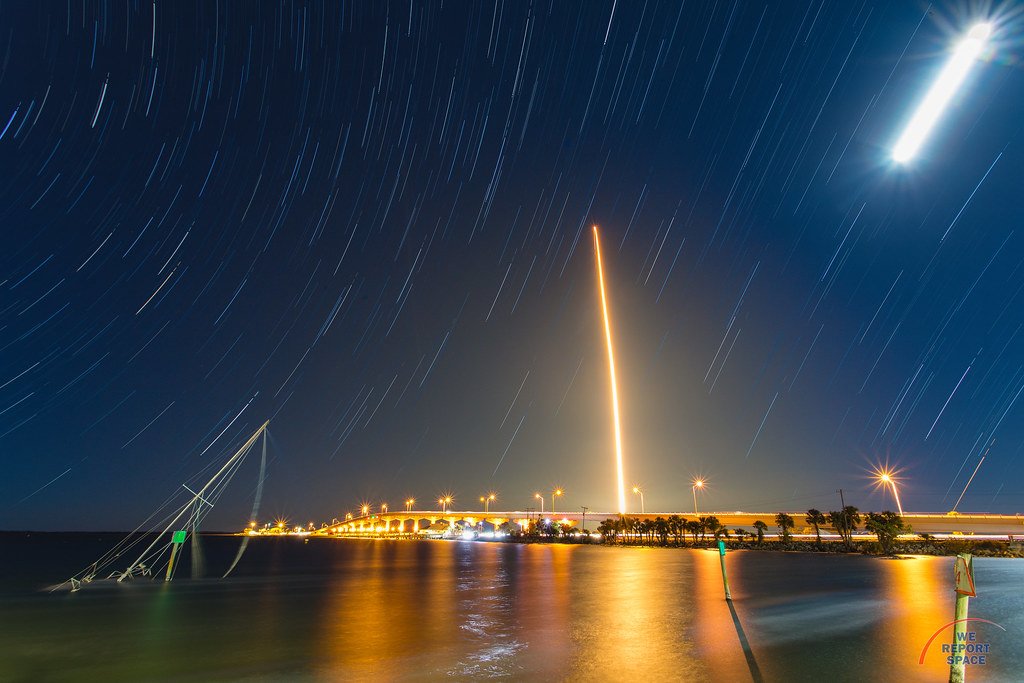
Imagine sitting at home on a calm, sunny day and suddenly hearing what sounds like a distant explosion or a low rumble rolling across the sky, with no plane, no thunder, and no visible source. Around the world, people report these mysterious skyquakes or unexplained booms: along the U.S. East Coast, in northern Europe, around the Indian Ocean, and near tectonic plate boundaries. Windows rattle, pets panic, social media explodes, and then… nothing conclusive is found.
Scientists have a list of suspects: small offshore earthquakes, undersea landslides, supersonic aircraft, distant thunder refracted strangely by temperature layers, even meteor airbursts too small to see. In many specific cases, one of these fits pretty well, but there’s no single explanation that accounts for all the reports across different regions and seasons. Acoustic sensors and seismographs sometimes register the events, sometimes not, adding to the confusion. The result is a global patchwork of local booms that, taken together, remain stubbornly unexplained.
The Great Dimming and Surprising Behavior of Betelgeuse
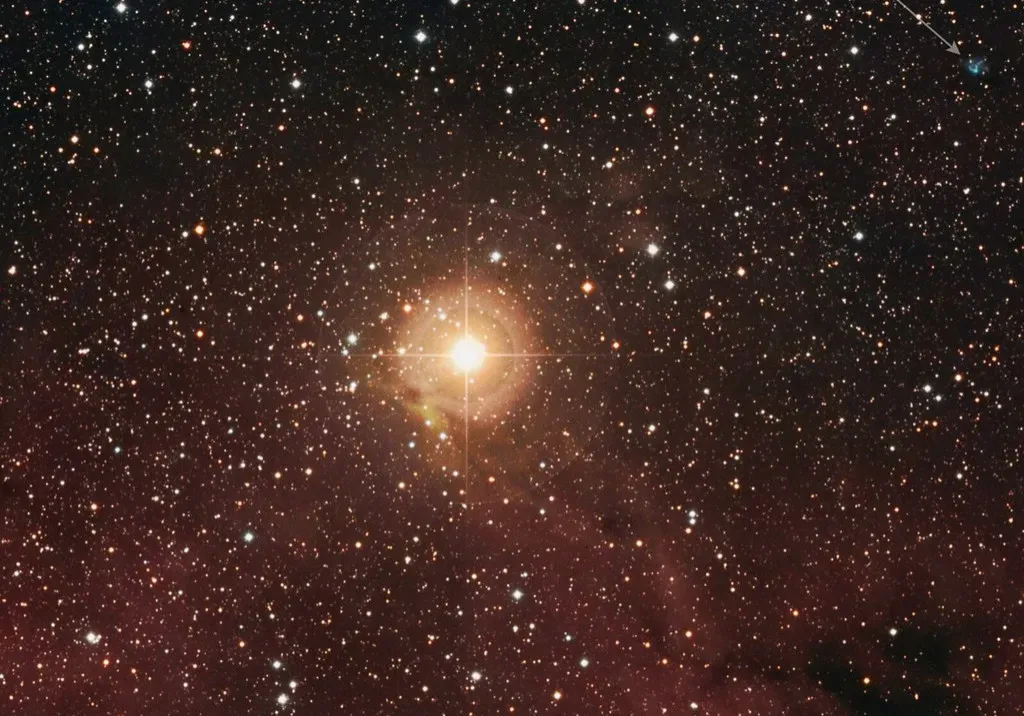
At the end of 2019, one of the brightest stars in our night sky, Betelgeuse in the constellation Orion, began to dim in a way that caught astronomers completely off guard. Over a few months, its brightness dropped to roughly about one third of normal, something never seen in modern records. For a while, serious scientists were openly wondering whether we were about to witness a nearby supernova in our lifetimes.
Later observations with space telescopes suggested that a massive ejection of material from the star may have formed a dust cloud, temporarily blocking its light from our view. That sounds like an answer, but it actually raises deeper questions: what caused such an unusually large outburst, and how often do stars do this without us noticing? Betelgeuse has since brightened again, but its surface seems more chaotic and its pulsations less regular than older models predicted. The star hasn’t just dimmed; it has forced astronomers to rethink how the final acts of massive stars really play out.
The Mystery of Ball Lightning: Glowing Orbs in a Thunderstorm
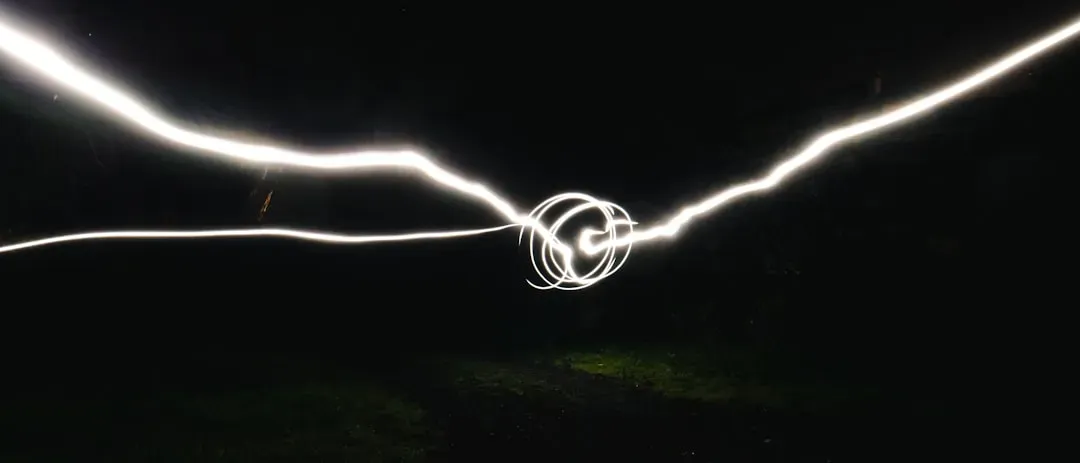
For centuries, people have described strange glowing spheres appearing during thunderstorms: hovering in the air, rolling along the ground, even drifting through windows before vanishing with a bang or a silent fade. These are called ball lightning, and for a long time many scientists quietly suspected they were just exaggerated stories or misremembered flashes of regular lightning. The trouble is, the reports are remarkably similar across cultures and time periods.
In recent decades, a handful of credible observations, including some video and spectroscopic measurements, made it much harder to dismiss. Several competing theories exist: plasma trapped by electromagnetic fields, burning silicon vapor produced when lightning strikes soil, or some kind of self-contained microwave cavity. Small-scale lab experiments have produced ball-like luminous objects for a fraction of a second, but none fully match the long-lived, drifting orbs people report outdoors. We seem to be chasing a ghost that appears just long enough to prove it exists, but not long enough to give up its secrets.
The Unsettling Enigma of Fast Radio Bursts from Deep Space
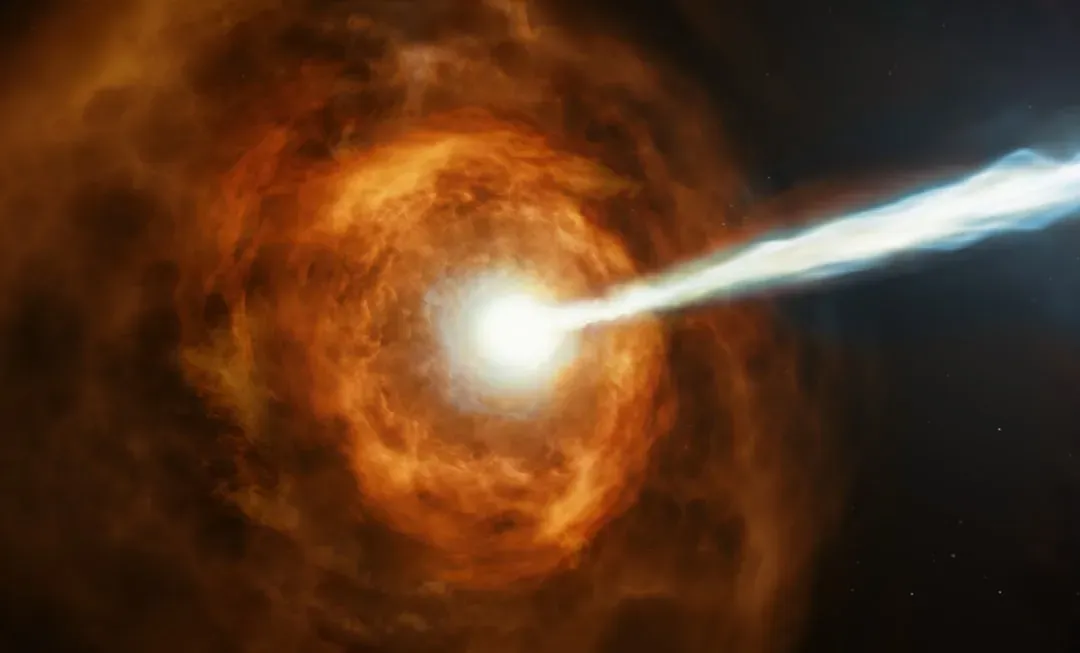
Fast radio bursts, or FRBs, are incredibly powerful flashes of radio waves that last only a few thousandths of a second, originating from far outside our galaxy. In that blink of time, a single burst can release as much energy as our Sun emits over several days, yet we only detect them as faint blips on radio telescopes. The first one was noticed in old data in 2007, and since then observatories around the world have found hundreds, if not thousands, more.
A few FRBs have been traced to magnetars – extremely magnetic neutron stars – in distant galaxies, which gives us at least one real source. But that explanation doesn’t fit neatly for every burst, especially the ones that repeat with odd rhythms or seem to come from quieter, older regions of space. There could be multiple different phenomena that all look like FRBs from our vantage point, tangled together in our data. The wild, popular speculation about alien technology is entertaining, but the real mystery is almost more exciting: the universe might be hiding a whole zoo of extreme objects and events we never knew existed.
The Bermuda Triangle and Other Oceanic Disappearance Hotspots

The Bermuda Triangle has been wrapped in sensational stories for decades: ships vanishing without a trace, planes disappearing off radar, bizarre navigation failures. When you look closely, the picture becomes more complicated. The region between Florida, Bermuda, and Puerto Rico is one of the busiest shipping and flight corridors in the world, so accidents will naturally be more visible there. Some “mysterious” disappearances turned out to be poorly documented, misreported, or just plain embellished over time.
Still, there are some open questions scientists and aviation experts can’t entirely smooth over. Sudden violent storms, unusual ocean currents, methane seeps from the seafloor that might change water density, and peculiar cloud formations that could distort radar have all been researched as contributing factors. None of these alone magically explain every case, but together they hint at a region where small errors meet volatile conditions in dangerous ways. What’s perhaps most intriguing is that similar, less famous “triangles” exist in other oceans, reminding us how poorly we still understand the complex dance between ocean, atmosphere, and human technology.
Spontaneous Human Combustion: Fact, Fiction, or Something in Between?

Spontaneous human combustion is one of those topics that sounds so ridiculous you want to dismiss it immediately, and yet there are real forensic cases that are deeply unnerving. In some incidents, individuals have been found severely burned, sometimes reduced to ash from the torso up, while nearby furniture or objects only a short distance away show surprisingly limited fire damage. Often, there’s no obvious source like a spreading house fire, and that’s where the legends take over.
Most fire investigators lean toward a combination of explanations: a small ignition source like a cigarette, alcohol or other accelerants, and what’s called the “wick effect” where clothing and body fat can sustain a localized burn like a candle. That framework can recreate some elements of the scene in controlled tests. But there are still odd details in certain cases – the confinement of the burn, the lack of smoke damage elsewhere, the speed of the burning – that leave room for doubt and debate. It’s likely not truly “spontaneous” in the mystical sense, but whether current fire science fully explains these extremes is still an uncomfortable open question.
The Persistent Puzzle of Earth’s Core and Its Changing Spin
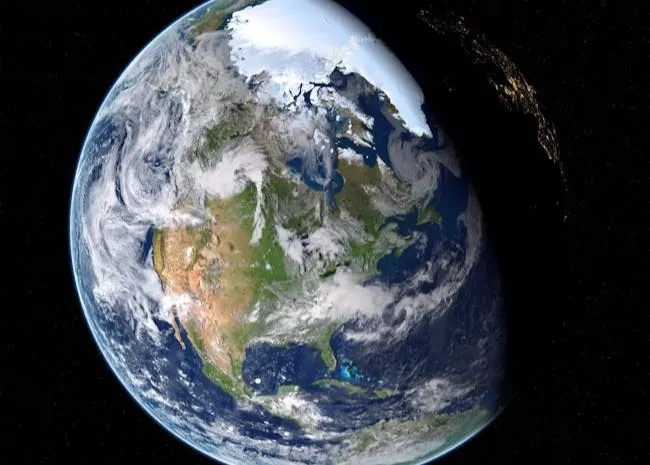
Deep beneath our feet, thousands of kilometers below the crust and mantle, lies Earth’s core: a solid inner sphere of mostly iron surrounded by a churning liquid outer layer. We can’t drill anywhere near it, so everything we know comes from indirect clues like earthquake waves and the planet’s magnetic field. In the last two decades, some studies of seismic data suggested that the inner core may rotate at a slightly different speed than the rest of the planet, sometimes faster, sometimes slower, and possibly even reversing relative direction over long timescales.
Other research teams have challenged these findings, arguing that the data could also be explained by changes in the core’s structure or by noise in the measurements. This has led to a genuine scientific tug-of-war, with serious experts on both sides. The core’s behavior matters because it’s deeply tied to how Earth’s protective magnetic field is generated and how it might change in the future. We rely on that field to shield us from harmful solar and cosmic radiation, yet we still argue about the basic question of how the engine that powers it actually moves.
The Hard Problem of Consciousness: Why Are We Aware at All?

Of all the mysteries that keep scientists and philosophers awake at night, consciousness is probably the most personal and the most stubborn. We know that brain activity correlates with thoughts, feelings, and perceptions; brain scans can even roughly predict what someone is seeing or thinking about at a given moment. But the deeper question remains unsettled: why does all this electrical and chemical activity feel like something from the inside, instead of being just a silent set of calculations?
Some researchers propose that consciousness emerges automatically from any system that processes information in a certain complex way. Others argue that we’re still missing a fundamental ingredient in our theories of matter and mind, something that explains subjective experience directly rather than just its outward behavior. There are mathematical models, experiments on anesthesia and brain injuries, even bold theories about the brain as a prediction engine, and yet none have won broad consensus. Standing in line at a coffee shop, it’s wild to think that the simple feeling of “being you” is one of the greatest unsolved problems in all of science.
Living with Earth’s Unanswered Questions
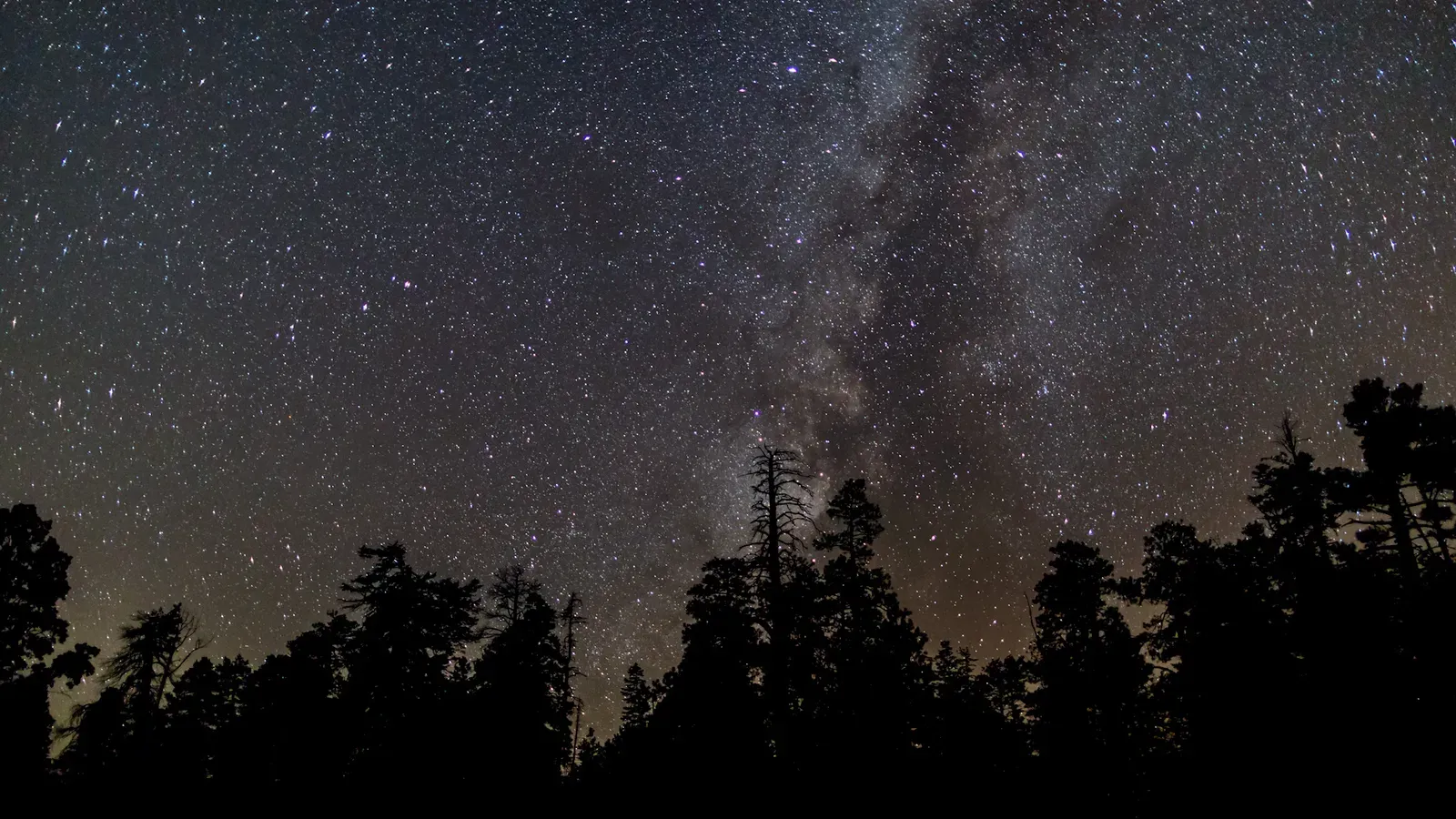
For me, the most striking thing about these eight mysteries is how they coexist with everyday life. You can watch Orion rise, hear a strange boom in the distance, read about a missing ship, or simply notice your own stream of thoughts – and behind each of those moments is a question we still can’t fully answer. We like to imagine science as a finished encyclopedia, but in reality it’s more like an unfinished map with wandering lines that stop abruptly at the edge of the known.
Some of these puzzles will probably fall in the coming decades as instruments sharpen and data piles up; others might only grow weirder as we learn more. That uncertainty is uncomfortable, but it’s also what keeps curiosity alive and drives new generations to ask better questions. Maybe that’s the real theme tying all of this together: living with not knowing, and exploring anyway. Which of these mysteries do you secretly hope never gets completely solved?