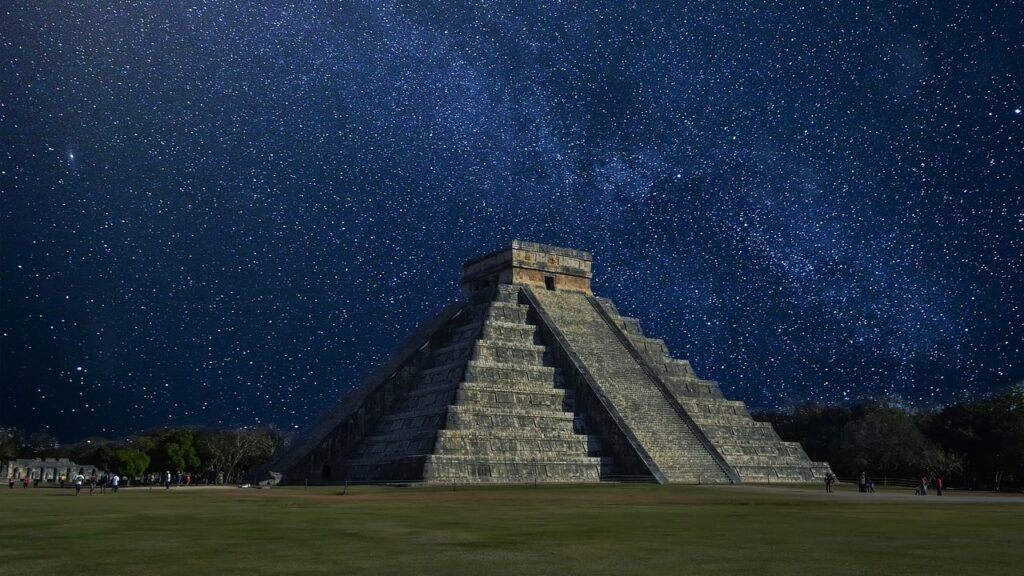

When you gaze up at the night sky, you’re doing something humans have done for tens of thousands of years. There’s something deeply moving about that thought. The history of astronomy focuses on the efforts of civilizations to understand the universe beyond Earth’s atmosphere. Yet what you may not realize is just how staggeringly far some ancient peoples got, without a single telescope, satellite, or computer algorithm.
Ancient cultures across the globe turned their eyes skyward, striving to understand the mysteries of the stars, the moon, the sun, and the planets. Far from passive observers, these early civilizations developed sophisticated systems to track and predict celestial events, using their knowledge to inform their agriculture, navigation, and spiritual beliefs. What they accomplished will surprise you. Let’s dive in.
1. The Babylonians: The World’s First True Astronomers
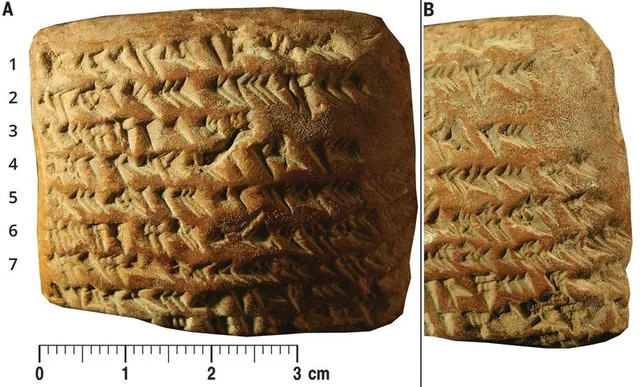
Let’s be real – if you had to crown one civilization as the original architects of serious astronomical science, the Babylonians would be your strongest candidate. Regarded as the birthplace of astronomy, ancient Mesopotamia witnessed the development of remarkably advanced astronomical systems. The Sumerians, Babylonians, and Assyrians established the zodiac system, tracked planetary movements, and recorded eclipses and other celestial events on clay tablets. That was happening while much of the world was still figuring out farming.
The surviving fragments show that Babylonian astronomy was the first “successful attempt at giving a refined mathematical description of astronomical phenomena” and that “all subsequent varieties of scientific astronomy, in the Hellenistic world, in India, in Islam, and in the West depend upon Babylonian astronomy in decisive and fundamental ways.” Think about that for a moment. Every modern observatory, every NASA calculation, every star chart – all trace a thread back to Babylonian clay tablets. They identified the Saros cycle, an 18-year pattern that predicts lunar and solar eclipses, and developed tables to calculate planetary positions. No telescopes. No computers. Just brilliant minds and endless patience.
2. The Babylonians and the Mathematics of the Sky
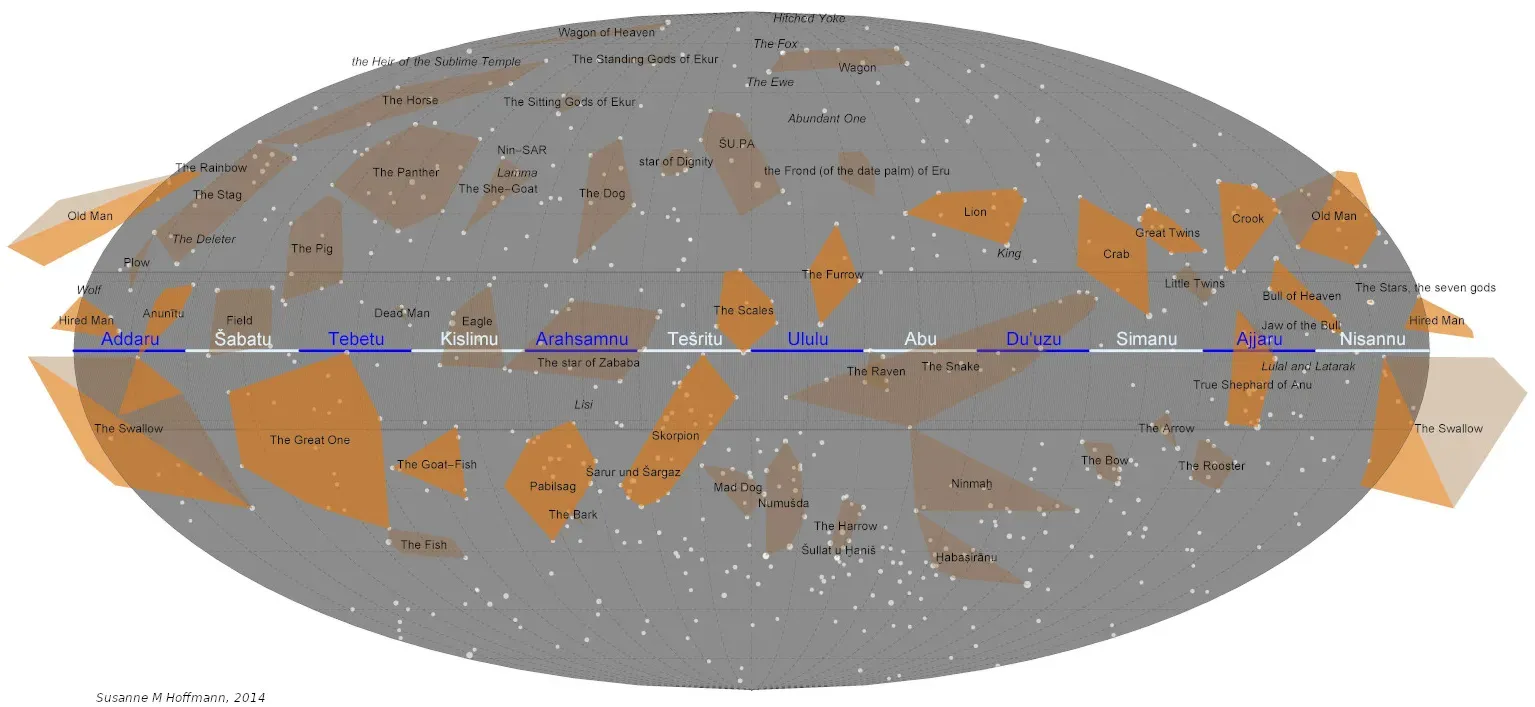
Here’s the thing – the Babylonians didn’t just observe the heavens. They mathematized them in a way that still shapes your daily life. It was the Babylonians who developed the concept of the twelve signs of the zodiac and divided the circle into 360 degrees. Even the division of the hour into 60 minutes and a minute into 60 seconds has its origin in the Babylonian base-60 number system. You glance at your watch and you’re using Babylonian math. Wild, right?
According to a newly translated cuneiform tablet, ancient Babylonian astronomers were the first to use surprisingly modern methods to track the path of Jupiter. The purpose of four ancient Babylonian tablets at the British Museum had long been a historical mystery, but it turns out they describe a method that uses figures on a graph to calculate the motion of Jupiter. It’s a technique that historians previously thought no one came up with until medieval Europe, and it’s a staple of modern astronomy, physics and math. That discovery genuinely reshuffled the historical timeline of human intellectual achievement.
3. Ancient Egypt: Astronomy Written in Stone
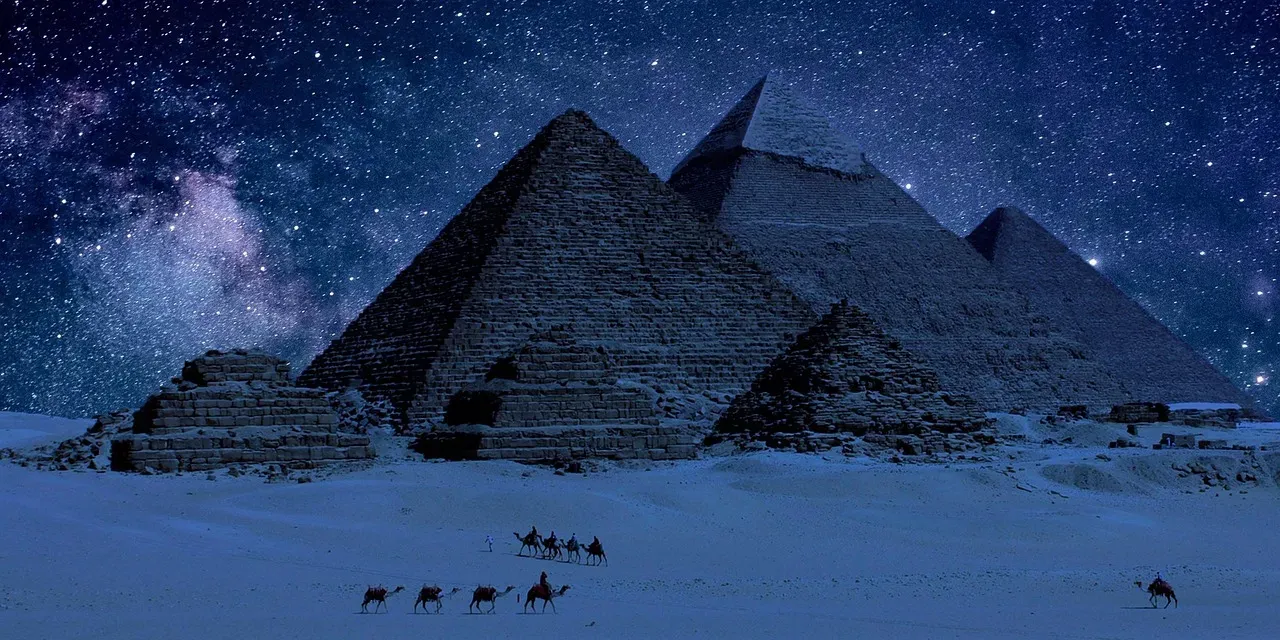
You’ve probably heard about the pyramids. But the astronomical precision behind them is something most people overlook entirely. The Egyptians had huge pyramids and temples based on astronomical positions. An example of this practice is the Great Pyramid of Giza. It was built to align with the North Star, which at that time was Thuban instead of Polaris. The Egyptians knew the North Star had shifted, which means they were tracking precession of the equinoxes long before it had a formal name.
The Nabta Playa is one of the most intriguing astronomical locations in Egypt. It is where a circular stone structure can be found that is presumed to be a giant calendar to identify the summer solstice. The Egyptian inclination to astronomy was not purely religious but practical as well. They used the observations of the celestial bodies to predict and therefore prepare for the flooding of the Nile River. Honestly, that’s not just impressive science. That’s survival strategy. Your crops, your water, your entire civilization – dependent on reading the sky correctly.
4. The Ancient Greeks: From Observation to Theory
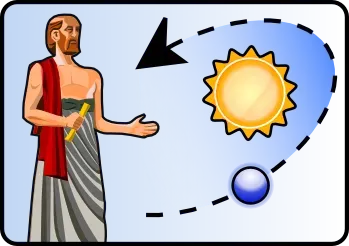
Aristarchos_Samos.png: BjørnN, Public domain)
The Greeks did something genuinely revolutionary. They took raw astronomical observation and turned it into structured, mathematical theory. Aristarchus of Samos, considered one of the greatest astronomers of antiquity, was responsible for the earliest-known heliocentric theory of the solar system, placing the sun at the center of the known universe, with the Earth revolving around the sun once a year and rotating about its axis once a day. He succeeded in correctly mapping all the then-known planets in order of distance around it. He figured this out around 300 BC. Copernicus gets all the credit in the textbooks, but Aristarchus beat him by nearly eighteen centuries.
One of the most notable Greek scholars is Eratosthenes. His most important contribution is the calculation of the Earth’s circumference. His computation was off by only a few hundred or a few thousand miles. It is closely accurate considering the lack of apt technology during that time. He did this by measuring the angle of shadows in two different Egyptian cities simultaneously. Think about that as a method. No satellites, no GPS – just shadows and geometry, and he got it almost exactly right. That’s the kind of story that should give you chills.
5. The Antikythera Mechanism: Ancient Greece’s Greatest Technological Shock
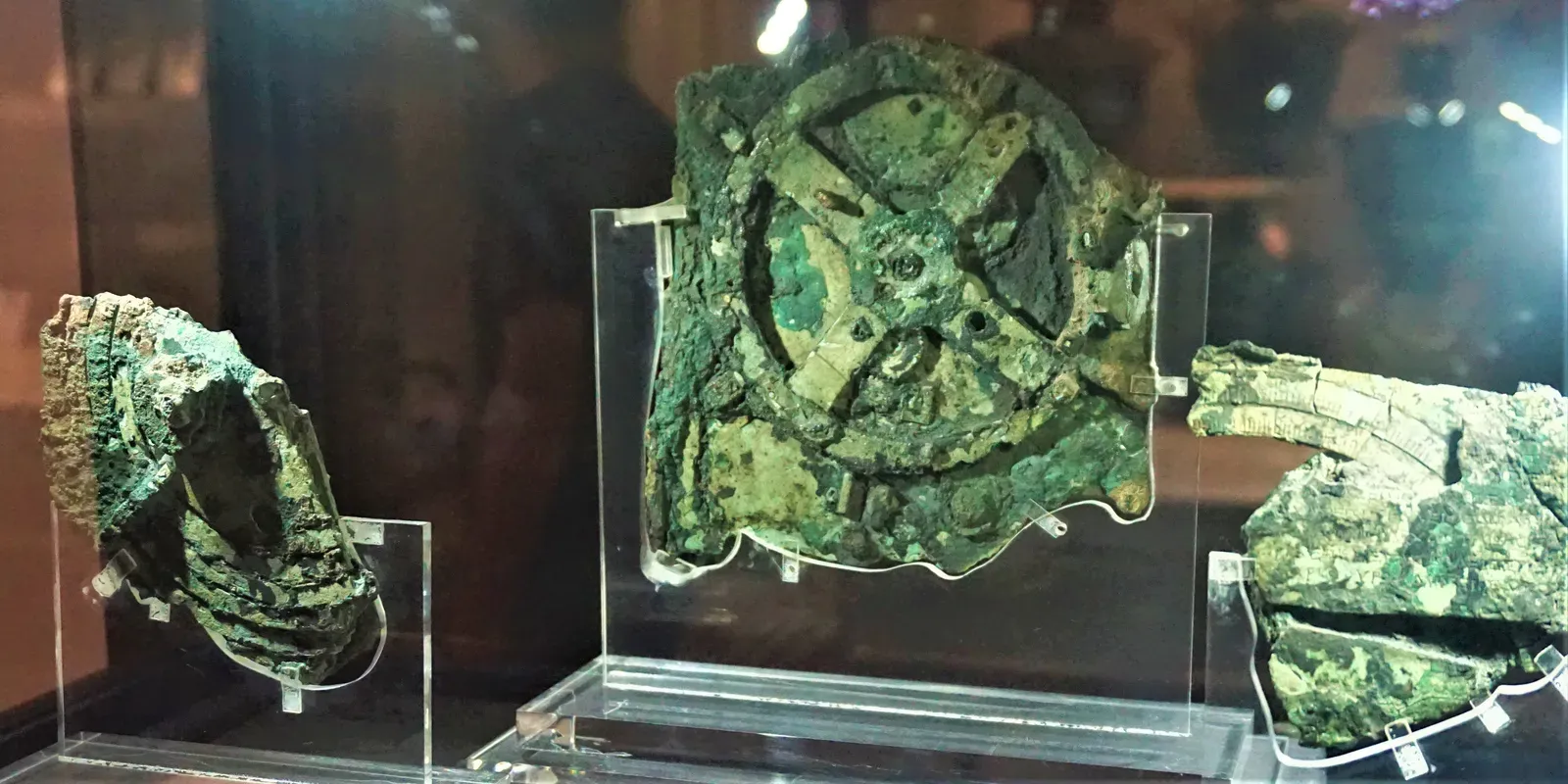
If you want a single artifact that completely overturns comfortable assumptions about ancient technological capabilities, this is it. The Antikythera mechanism is an ancient Greek hand-powered orrery, a model of the Solar System. It is the oldest known example of an analogue computer. It could be used to predict astronomical positions and eclipses decades in advance. It was discovered in a shipwreck in 1901 and promptly baffled scientists for the better part of a century.
In the history of culture, technology, and science, gear-works are of outstanding importance. Such complex constructions only reappear in Europe with the astronomical tower clocks in the 14th century, more than 1,000 years later. Solving this complex 3D puzzle reveals a creation of genius – combining cycles from Babylonian astronomy, mathematics from Plato’s Academy and ancient Greek astronomical theories. So in a very real sense, it was a convergence device – capturing the accumulated cosmic wisdom of multiple great civilizations into a single handheld bronze machine. Remarkable barely covers it.
6. The Ancient Maya: Precision Rivaling Modern Science
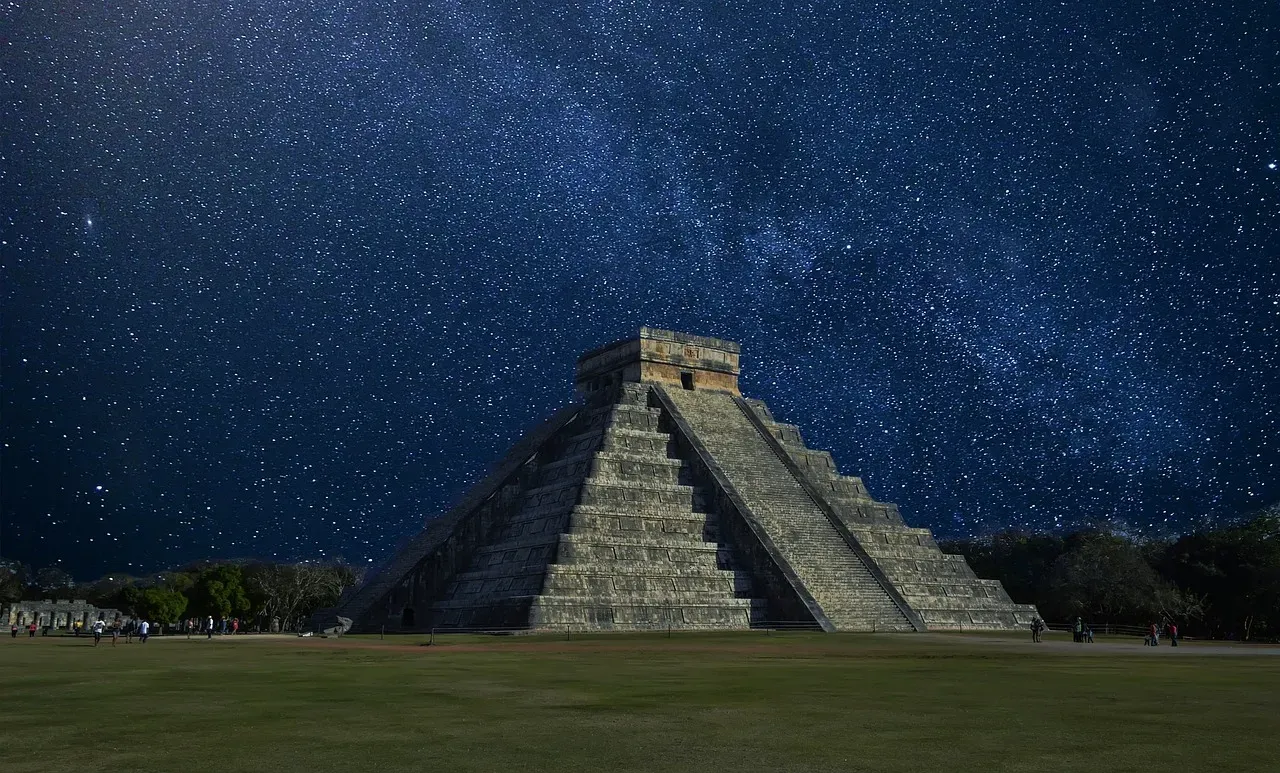
You might have heard about the Mayan calendar and the sensational, entirely wrong “end of the world” predictions surrounding the year 2012. The real story is far more impressive and far less dramatic. The Classic Maya in particular developed some of the most accurate pre-telescope astronomy in the world, aided by their fully developed writing system and their positional numeral system, both of which are fully indigenous to Mesoamerica. They built this knowledge from the ground up, independently of the Old World traditions.
The Maya calculated the length of the solar year to be 365.2422 days, which is only 0.0002 days shorter than the modern value of 365.2424 days. They also determined the length of the lunar month with great precision, calculating it to be 29.5309 days, compared to the modern value of 29.5306 days. Maya astronomers described the movements of the Sun, Moon, and planets with world-leading precision, for example tracking the waxing and waning of the Moon to the half-minute. A margin of error measured in fractions of a day, achieved with no mechanical instruments whatsoever. If that doesn’t shock you, I’m not sure what will.
7. The Maya Calendar System: A Machine Made of Time
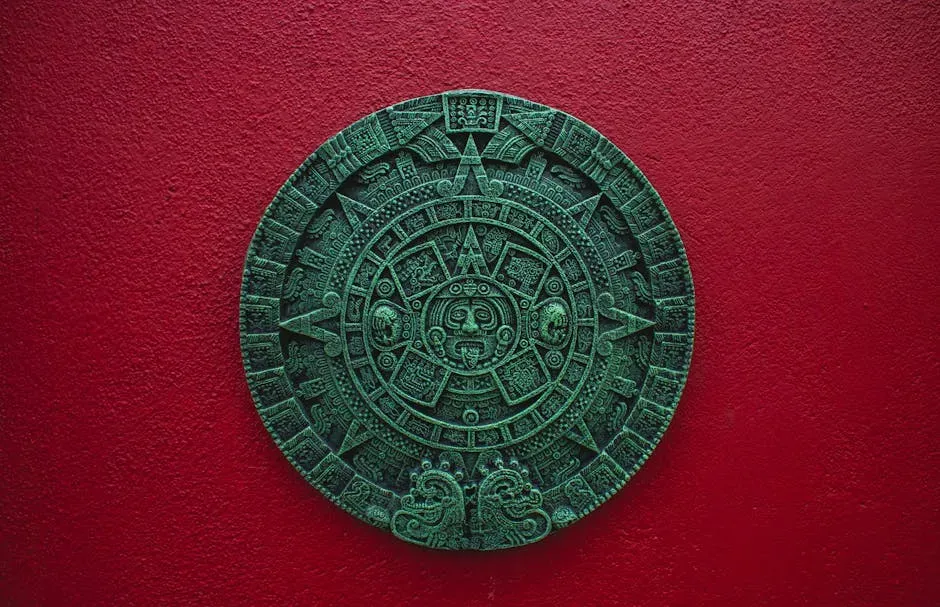
The Mayan calendar deserves its own mention because it wasn’t just one calendar. It was an interlocking system of several, which is intellectually extraordinary. They developed a complex calendar system that interweaved a 260-day ritual calendar (Tzolk’in) with a 365-day solar calendar (Haab’), creating a Calendar Round every 52 years. A longer count, the Long Count Calendar, was used to record historical dates and prophetic events. Imagine building a calendar system that keeps perfect time across thousands of years.
Their astronomical observations were recorded in codices, folding books written on bark paper. Though many were destroyed during the Spanish conquest, some, like the Dresden Codex, survived. It contains detailed tables for predicting solar and lunar eclipses and the cycles of Venus and Mars. It’s also famous for its Venus Table, remarkably accurate in predicting this planet’s appearances and disappearances. The Spanish burned most of these books. It’s one of history’s most tragic intellectual losses, and yet even what survived continues to astound researchers today.
8. The Sumerians: The Civilizational Root of It All
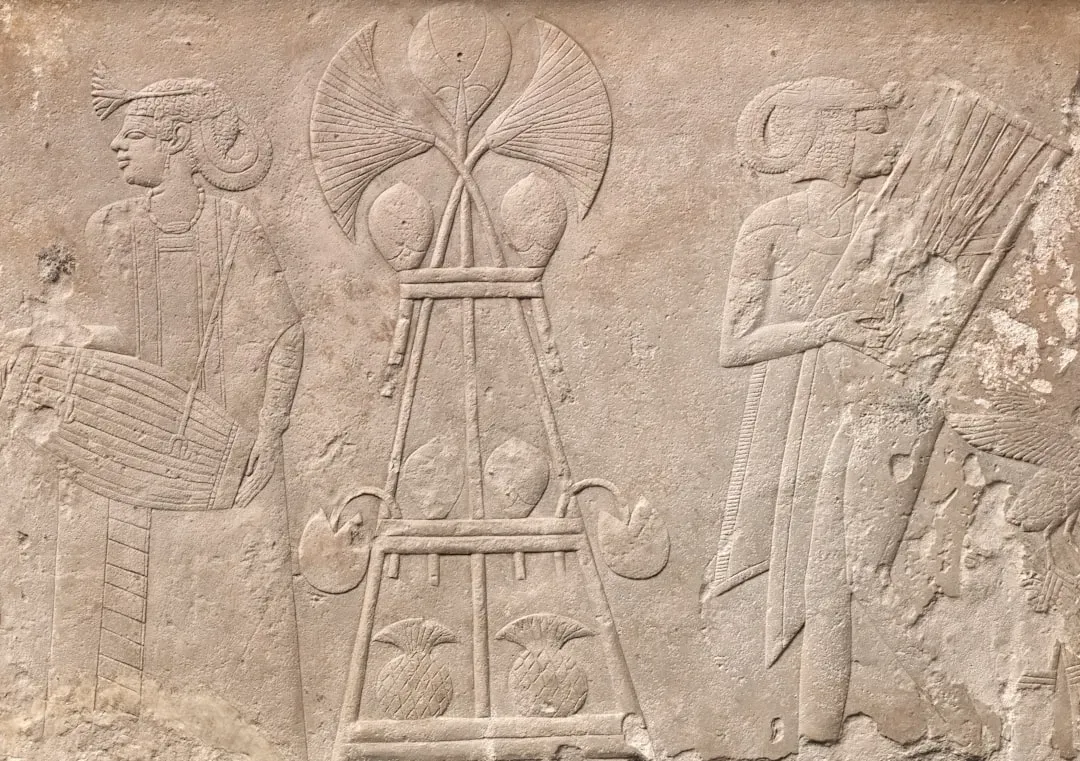
Before Babylon, before Greece, before Egypt’s great astronomical temples, there were the Sumerians. Emerging around 4000 BCE in Mesopotamia, the Sumerian civilization made significant contributions to astronomy. They tracked the movements of the Sun and Moon to create calendars, observed planets and stars, and divided the sky into 12 zodiac signs. Believing that celestial bodies influenced human life, the Sumerians integrated these beliefs into their religious practices. You could think of them as the cosmic seed from which nearly all of Western astronomical tradition grew.
They used a sexagesimal, that is base 60, place-value number system, which simplified the task of recording very large and very small numbers. The modern practice of dividing a circle into 360 degrees, or an hour into 60 minutes, began with the Sumerians. It’s hard to say for sure exactly how much of their knowledge was passed along through generations before the Babylonians formalized it, but the chain of transmission is clear. Every time you measure an angle or glance at a clock, you’re using a numerical system invented in ancient Mesopotamia over five thousand years ago.
9. Ancient Polynesian Navigators: Reading the Sky Across Open Ocean
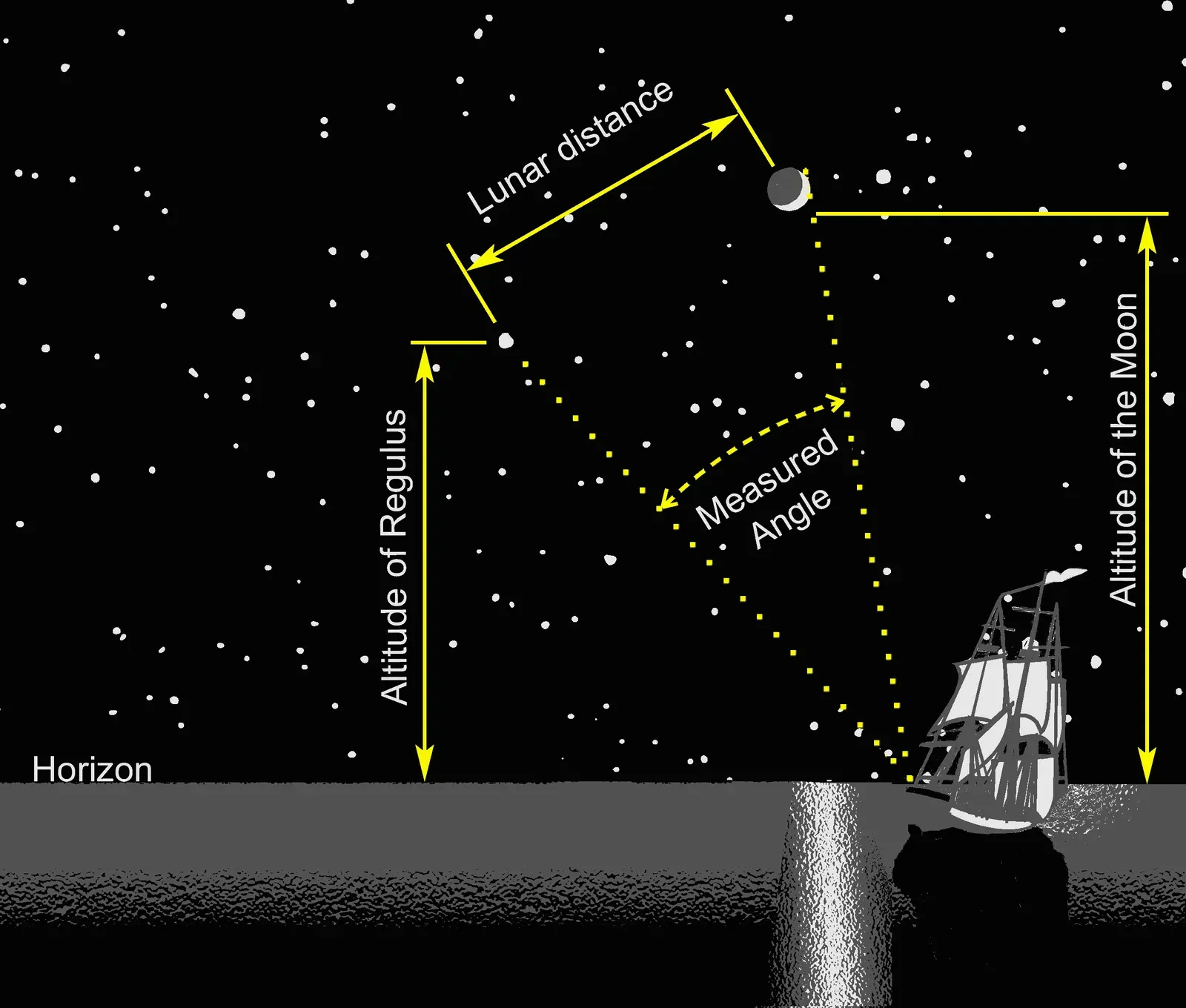
Here is perhaps the most viscerally awe-inspiring example on this entire list. Forget stone monuments or clay tablets. The ancient Polynesians used their astronomical knowledge to do something that still sounds nearly impossible without modern tools: crossing thousands of miles of featureless open ocean, intentionally and repeatedly, reaching islands scattered across the Pacific. Ancient Polynesians learned to use the stars to navigate thousands of miles across the Pacific Ocean, enabling them to colonize distant islands, including the Hawaiian Islands. No compass. No GPS. Just stars, wave patterns, and multi-generational accumulated sky knowledge.
How did ancient civilizations accomplish these feats of knowledge without the benefit of telescopes, satellites or computer technology? The old-fashioned way: through careful observation, generational record-keeping, pattern recognition and early mathematics. The Polynesians didn’t just memorize star positions. They built a living, oral science of the sky, passed from navigator to navigator, generation to generation, across centuries. Indigenous communities around the world are actively working to preserve and utilize their traditional sky knowledge, which has been passed down through generations. By integrating this ancestral information with modern scientific methods, researchers are gaining a more comprehensive and holistic understanding of how ancient peoples perceived and interacted with the cosmos. That tradition is still alive today, and it is genuinely beautiful.
Conclusion: The Sky Was Never Just the Sky
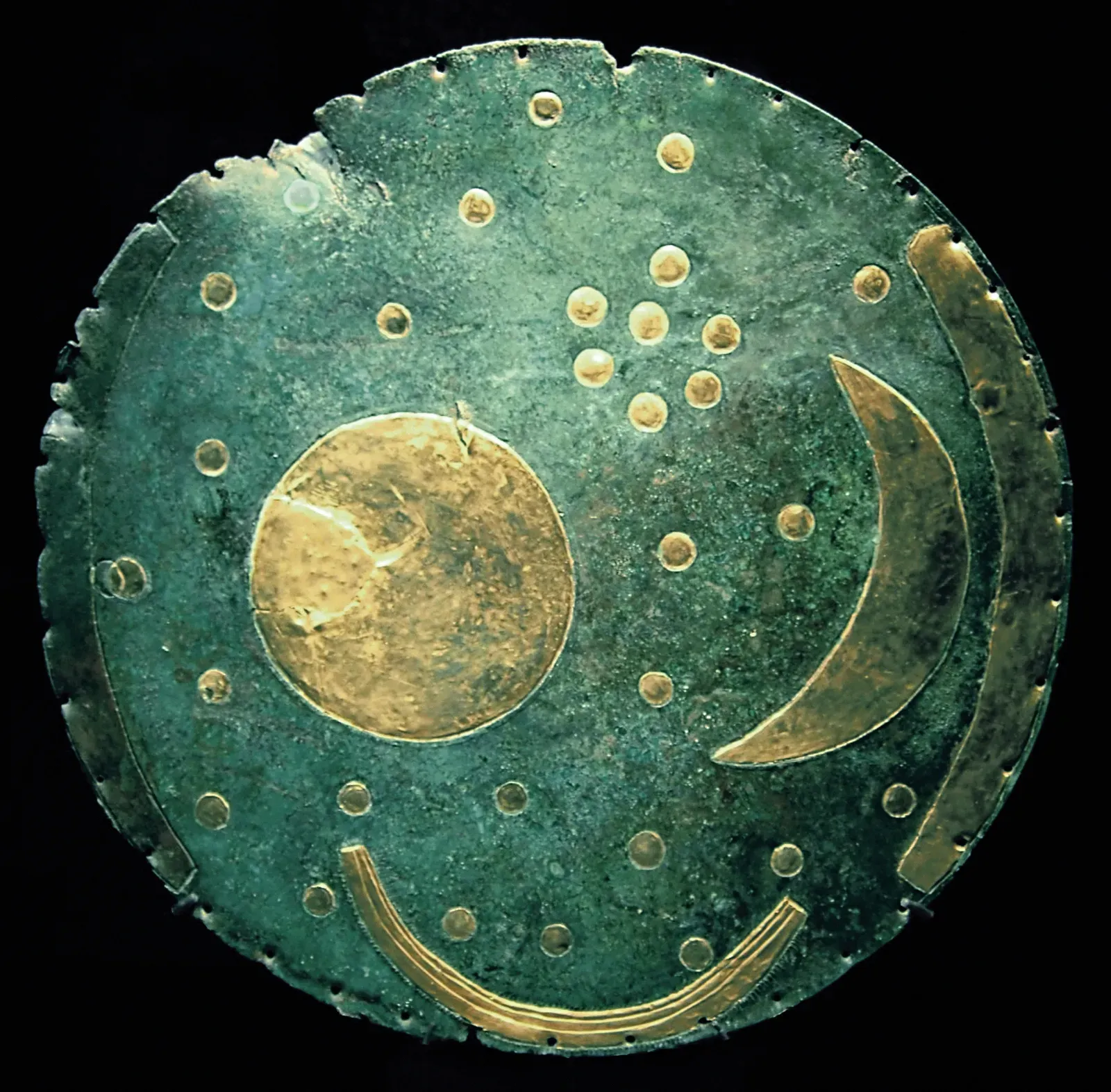
What you take away from all of this, hopefully, is a deep and lasting respect for the intellectual fire that burned in ancient humans long before we had any of the tools we now consider essential. These civilizations were not primitive. They were, in many cases, operating at a level of observational precision and mathematical sophistication that we are still working to fully understand and appreciate in 2026.
The alignment of ancient structures with the stars, the Sun, and the Moon reveals knowledge of the cosmos that predates modern astronomy by many centuries. Whether it was Babylonian scribes inscribing eclipse predictions onto clay, Maya priests calculating the Venus cycle to a fraction of a day, or Polynesian navigators steering canoes toward invisible islands by star and wave alone, the message is the same. Ancient humans looked up and figured things out. They did it with curiosity, patience, and a kind of intellectual courage we rarely talk about. The sky was never just the sky. It was their science, their religion, their calendar, and their compass all at once.
So next time you check the time or glance at a zodiac sign in a magazine, remember: you’re living inside a system those ancient minds built. What does it make you feel, knowing that our most modern tools still echo the genius of people who lived thousands of years ago?