There is a place on this Earth where a single stretch of land holds more life, more mystery, and more raw botanical power than almost anywhere else combined. You don’t need to be a scientist or an explorer to feel the weight of that fact. The Amazon Rainforest is not just a forest – it is a living, breathing superorganism that quietly keeps our entire planet from unraveling. From its sky-scraping canopy trees to its carnivorous floor dwellers, from its flying rivers to its ancient medicinal secrets, every square meter pulses with a staggering complexity that science is still, honestly, struggling to fully comprehend.
What makes the Amazon so endlessly captivating is not just its size, though the size alone is enough to make your jaw drop. It is the layers within layers, the discoveries hidden beneath the greenery, and the sobering reality that much of it remains a complete mystery to modern science. So let’s dive deep into the heart of this uncharted frontier.
A Giant Among Ecosystems: The Scale of the Amazon
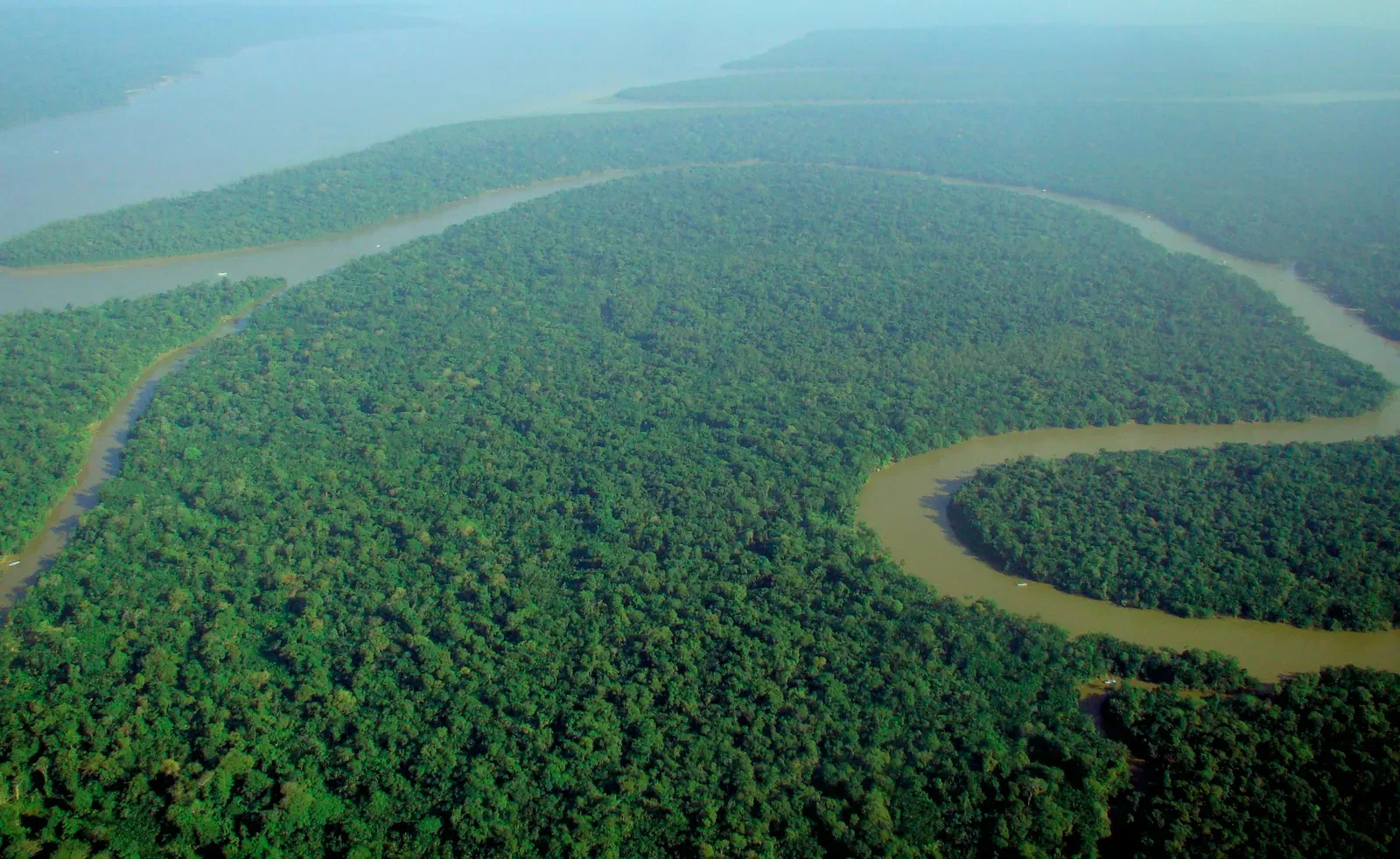
You might already know the Amazon is big, but the actual scale of it defies easy imagination. It covers over 6.7 million square kilometers and stretches across nine South American countries, including Brazil, Peru, and Colombia. To put that into perspective, you could drop the entire continental United States inside and still have room left over.
Among these countries, Brazil stands as the largest holder of Amazonian biodiversity, with approximately 60 percent of the rainforest contained within its borders. Its dense forests and river systems create a unique, interconnected web of life that is essential for maintaining the ecological balance of the entire region. This isn’t just a local treasure – it belongs to all of humanity, whether we act like it or not.
The Numbers That Should Leave You Speechless
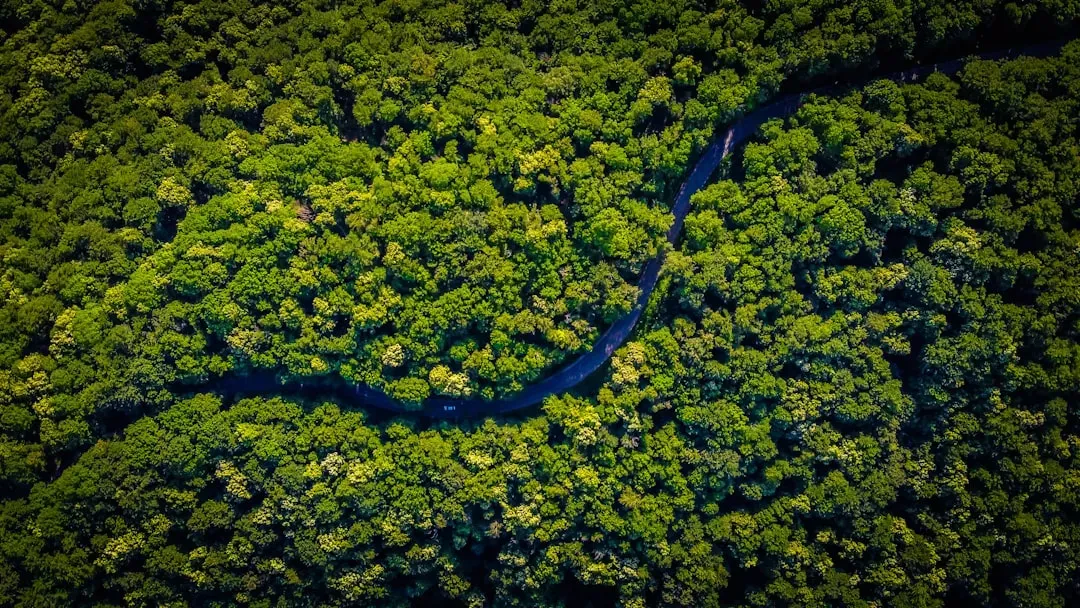
Let’s be real – statistics about the Amazon sound almost made up, they are so extreme. Over 3 million species live in the rainforest, and over 2,500 tree species, or one third of all tropical trees that exist on Earth, help to create and sustain this vibrant ecosystem. That’s not a typo. One third of all tropical trees on the planet, concentrated in one place.
This extraordinary rainforest harbors at least 10 percent of the world’s known species. One region in the Ecuadorian Amazon is regarded as the most biodiverse area of land in the world, boasting more diverse species of trees in a given hectare of forest than all of North America. Many of these species are found nowhere else in the world, and scientists estimate there are places in the Amazon where up to 90 percent of the species are yet to be discovered. That last fact alone should stop you in your tracks.
The Plant Kingdom’s Greatest Showcase
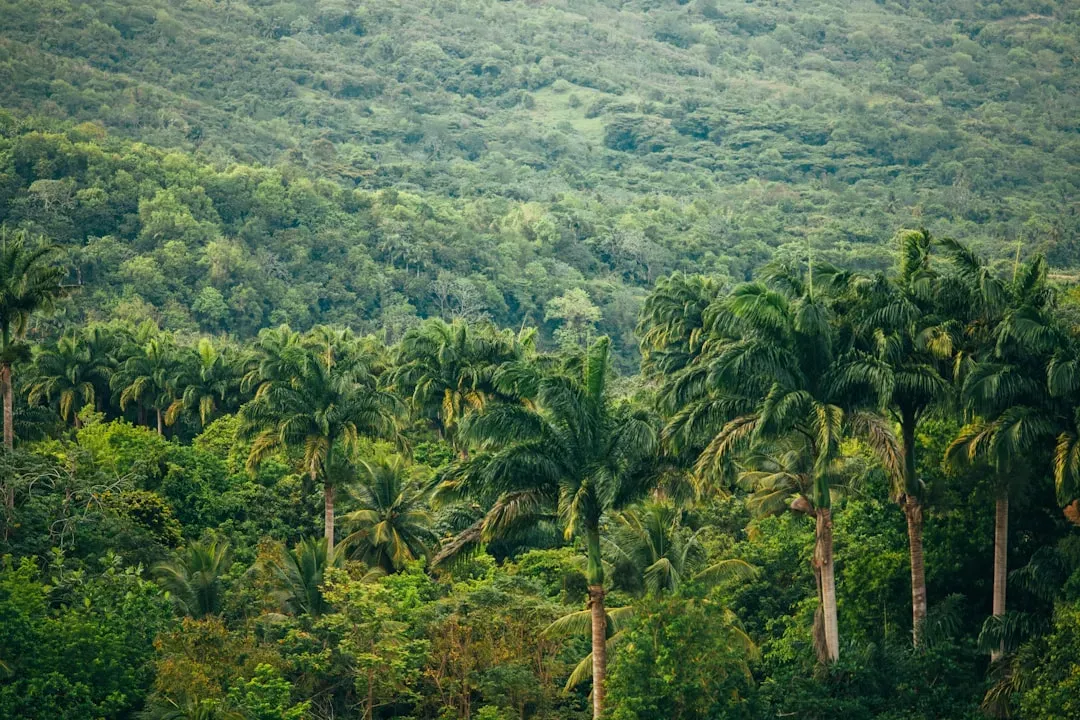
If you have ever visited a botanical garden and been amazed, imagine that feeling multiplied by a factor of several thousand. Home to an estimated 40,000 plant species, including 16,000 native tree types, with new ones still being discovered on a regular basis, the Amazon Rainforest accounts for some 20 percent of the world’s entire allocation of natural forest. It is literally the botanical capital of the world.
Amazon rainforest plants are unique because many species grow only in this region and nowhere else. The rainforest offers warm temperatures, high humidity, and constant rainfall, which allow plants to reach extreme sizes or develop unusual forms and survival strategies. This includes towering canopy trees, plants that grow on other plants, giant floating leaves, and species with vivid colors or strong chemical defenses. It is evolution working at full throttle, with no brakes applied.
Botanical Marvels You Won’t Believe Are Real
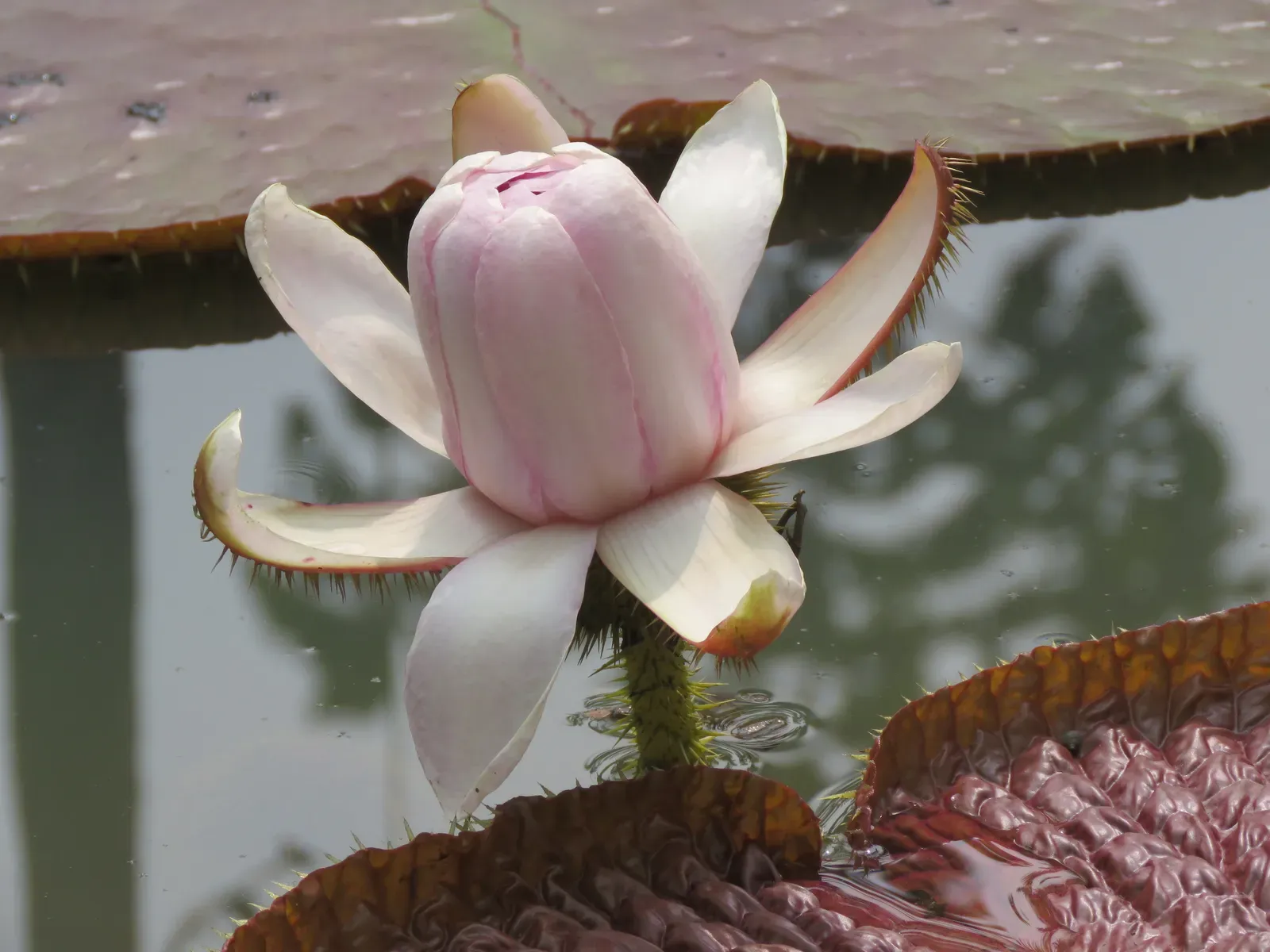
Some of the plant life in the Amazon reads more like science fiction than natural history. Take the Giant Water Lily, for instance. The giant water lily, Victoria amazonica, is one of the Amazon’s most iconic and rarest plants. This plant grows in the slow-moving waters of the rainforest, its leaves spanning up to ten feet in diameter. The leaves of this plant are so strong that they can support up to 136 kilograms and definitely can hold the weight of an average human being. A lily leaf that can hold a grown adult. Remarkable.
Then there is the Corpse Flower, which is arguably one of nature’s most theatrical plants. The Corpse Flower can reach a massive ten feet tall and is known for its truly revolting stench – when in bloom, it mimics the smell of a decomposing corpse. The plant’s odious perfume only wafts a few times every year or two, when the flower is hoping to attract carrion beetles and flesh flies, pollinators who are drawn to the powerful odor of rotting meat. Nature, it turns out, has a very dark sense of humor.
The Canopy: A World Within a World
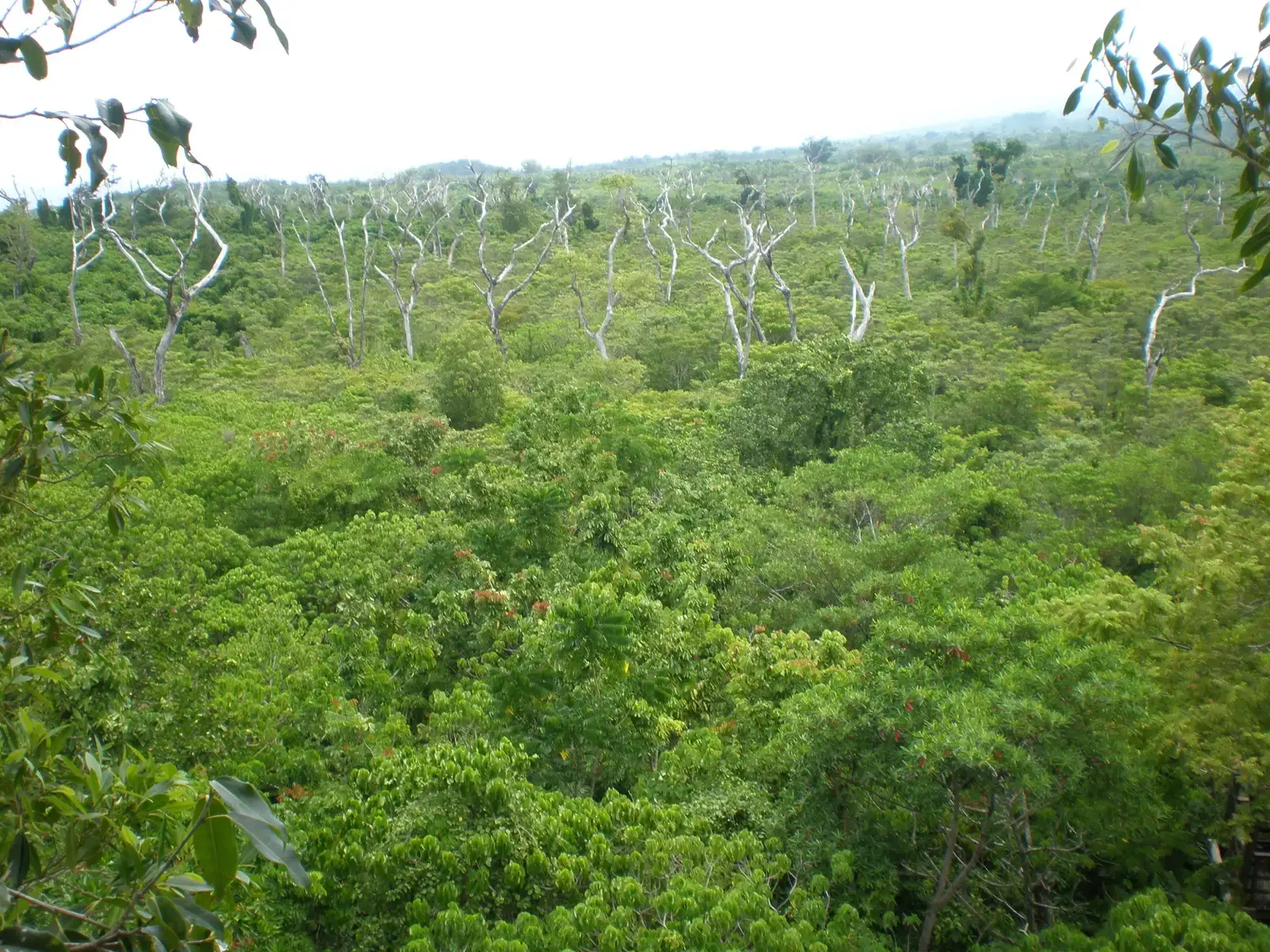
Think of the Amazon’s canopy as an entirely separate civilization existing above your head. This uppermost layer of trees and branches stretches up to 100 feet above the forest floor, providing a home for various species, such as harpy eagles, scarlet macaws, and even arboreal anteaters. The density of life up there is something you genuinely have to see to believe.
Most of the rainforest’s life occurs in this layer where plants, animals, and insects form complex interactions. One of the most fascinating botanical tricks found here is called cauliflory. A fascinating aspect of Amazonian plants is their ability to grow fruits directly on their trunks. This process, called cauliflory, is seen in trees like cacao – the source of chocolate – and ensures that pollinators and seed dispersers, such as bats, can easily access the plants. Yes, the tree that gives us chocolate literally grows its fruit on its own trunk. You’re welcome.
The Flying Rivers: An Invisible Wonder Above the Forest
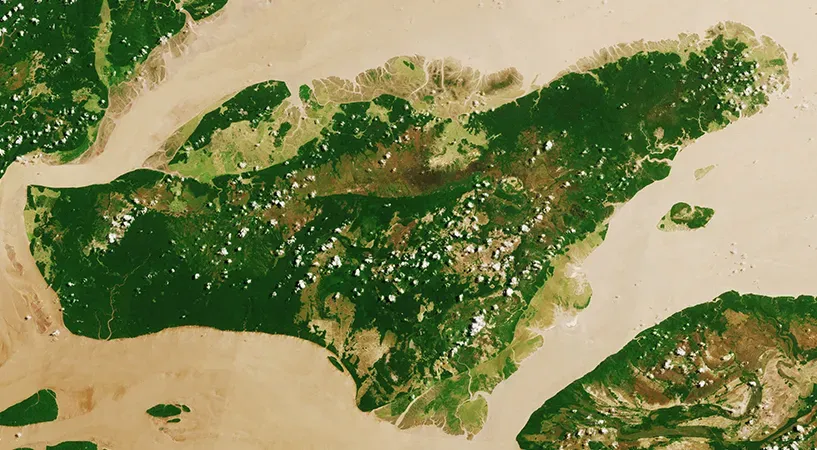
Here is something that might genuinely change how you think about weather. The Amazon doesn’t just receive rain – it creates it. The latest research proposes that the Amazon is also the beating “heart of the Earth,” as millions of trees work together as a kind of “biotic pump” that releases water vapor into the air. This process creates “flying rivers” in the atmosphere that circulate water and weather patterns around the globe. It’s honestly one of the most mind-bending phenomena in climate science.
The 400 billion trees estimated to be in the Amazon release 20 billion tonnes of water into the air every day, according to WWF. The Amazon’s flying rivers influence the formation of clouds and rain over the Atlantic Ocean, which affects hurricane activity and precipitation in Europe and North America. Agriculture in South America heavily depends on the rainfall provided by the Amazon’s flying rivers. Regions like Brazil’s soybean belt and Argentina’s Pampas grasslands rely on the moisture carried from the rainforest. Disrupting these invisible rivers is not just an environmental issue – it is a food security crisis waiting to unfold.
The Amazon as a Living Pharmacy
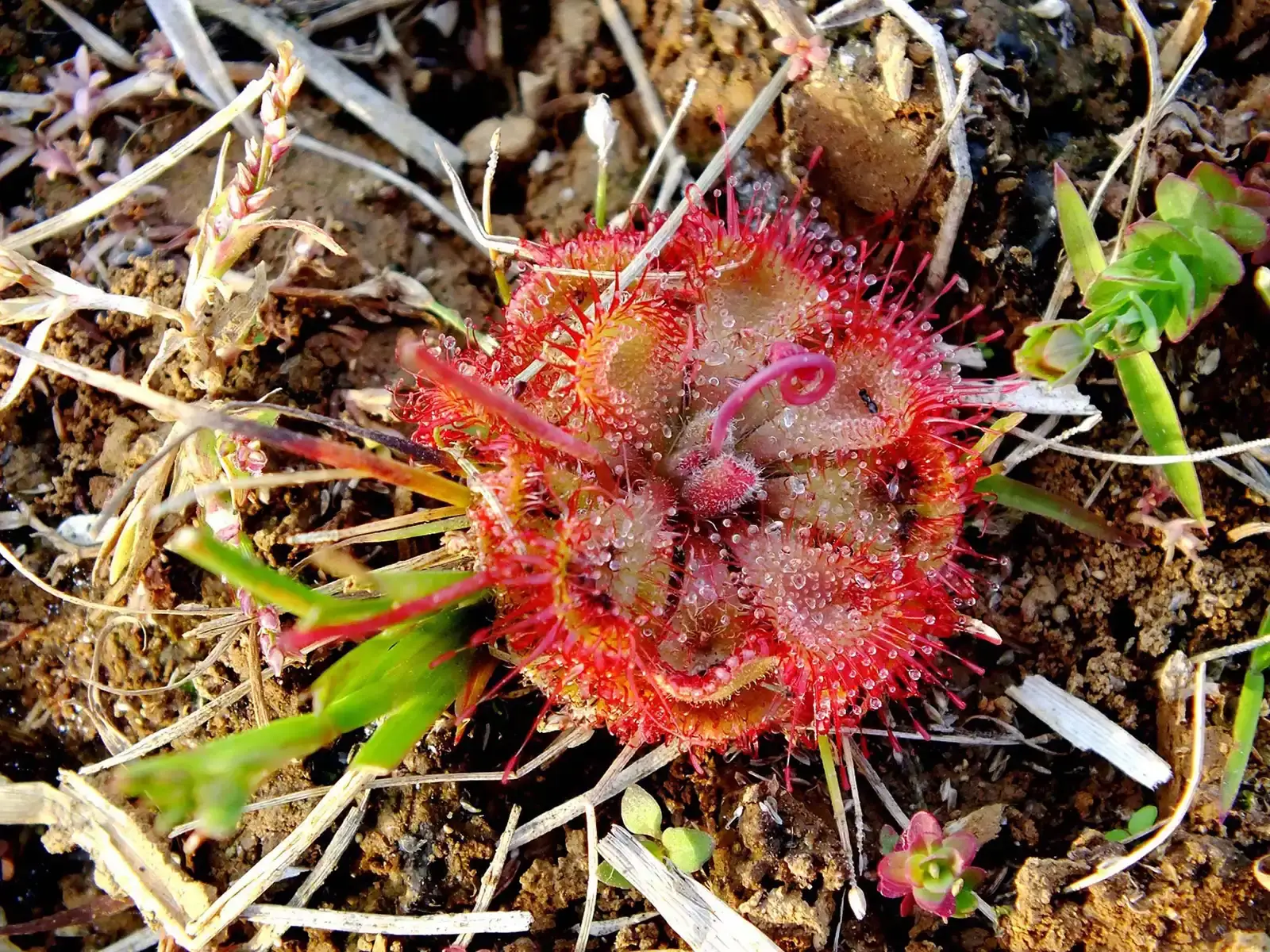
Indigenous peoples of the Amazon have long known something that modern science is only beginning to fully appreciate – this forest is, quite literally, a pharmacy without walls. The Amazon Rainforest is a treasure trove of medicinal plants, many of which are still unknown to science. The indigenous tribes of the Amazon have been using these plants for centuries to treat various ailments, from common colds to serious diseases. The knowledge of these plants and their uses is passed down through generations, forming an integral part of the tribal culture.
More than a quarter of the drugs used by modern medicine use plant compounds directly, not including drugs that use synthetically created compounds similar to those found in plants. Many plants that test positive for bioactive compounds are promising for the treatment of diseases that are not yet curable, especially cancer. From the powerful Ayahuasca vine, known as the “soul vine,” used in spiritual healing ceremonies, to the Matico plant, known for its wound-healing properties, the medicinal plants of the Amazon are as diverse as they are potent. The forest may hold cures we have not even started to look for yet.
The Threats Closing In: Deforestation and Climate Change
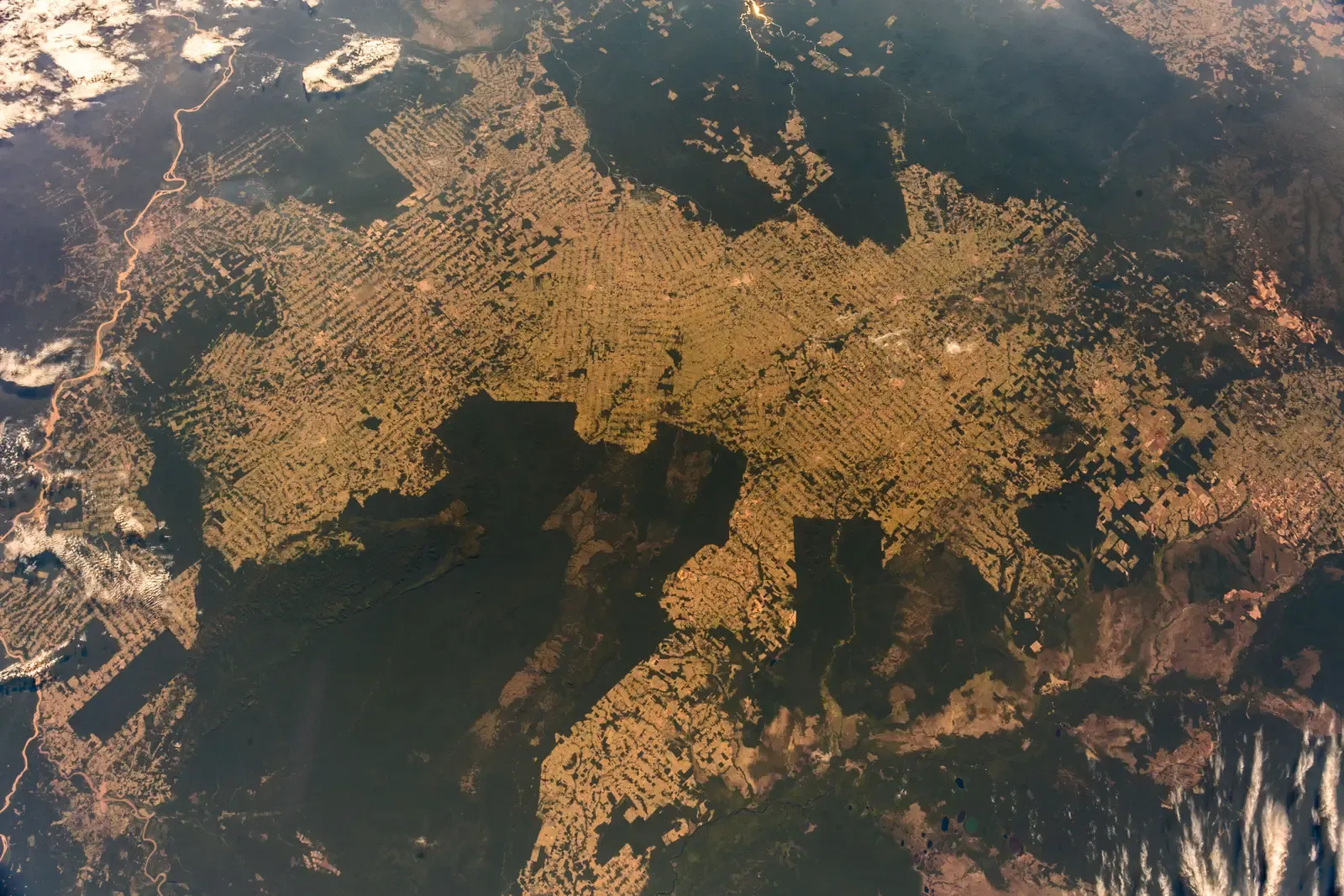
It would be dishonest to write about the Amazon without facing the deeply troubling reality of what is happening to it right now. Deforestation and climate change are driving rapid loss, with about 17 percent of the forest already destroyed, threatening biodiversity, indigenous communities, and the long-term stability of the Amazon. That is nearly a fifth of an irreplaceable planetary resource – gone.
If deforestation continues, reaching a threshold of 40 percent, this will lead to an additional 20 percent of degraded forest over the next 30 years. At this point, the Amazon would lose around 60 percent of its vegetation density, leading to a climate collapse in the rainforest. New plant and animal species are being discovered all the time. However, the accelerated destruction of the biome can lead to the extinction of species that have yet to be discovered or studied by science. We may be losing cures, foods, and ecosystems before we even know they exist.
Indigenous Guardians: The Human Heart of the Amazon
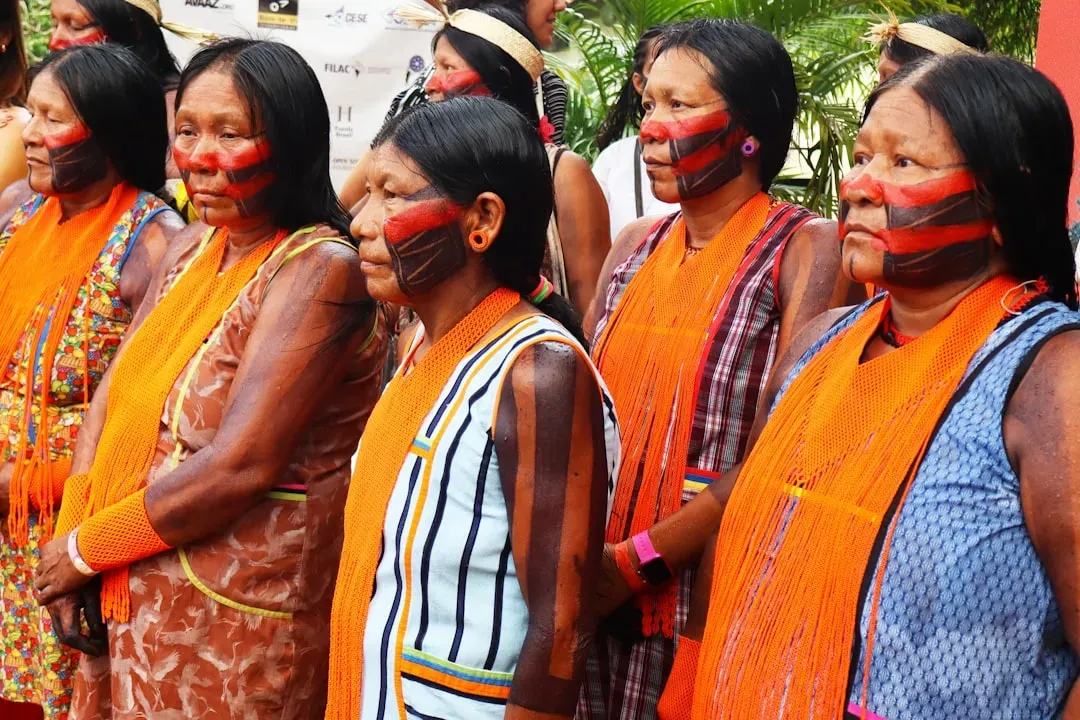
You cannot talk about the Amazon without acknowledging the people who have protected it for thousands of years. The Amazon is also home to over 400 indigenous groups whose unique cultural practices are deeply tied to the forest. These communities are not just inhabitants – they are the forest’s most effective and knowledgeable stewards, full stop.
In the Amazon, indigenous people manage over 3,000 territories protecting about 35 percent of the region. Together with Brazil’s state-owned protected areas, they protect almost half of the biome. Areas under indigenous community stewardship experience less deforestation and biodiversity loss. Their wealth of knowledge and techniques of treatment had been passed on through oral tradition for millennia. This knowledge is more than a method to thrive in one of the most biodiverse yet difficult ecosystems on the planet – it is a realization of their deep spiritual and physical ties to the natural world. Protecting the Amazon means protecting these peoples first and always.
Conclusion: A Frontier Worth Defending
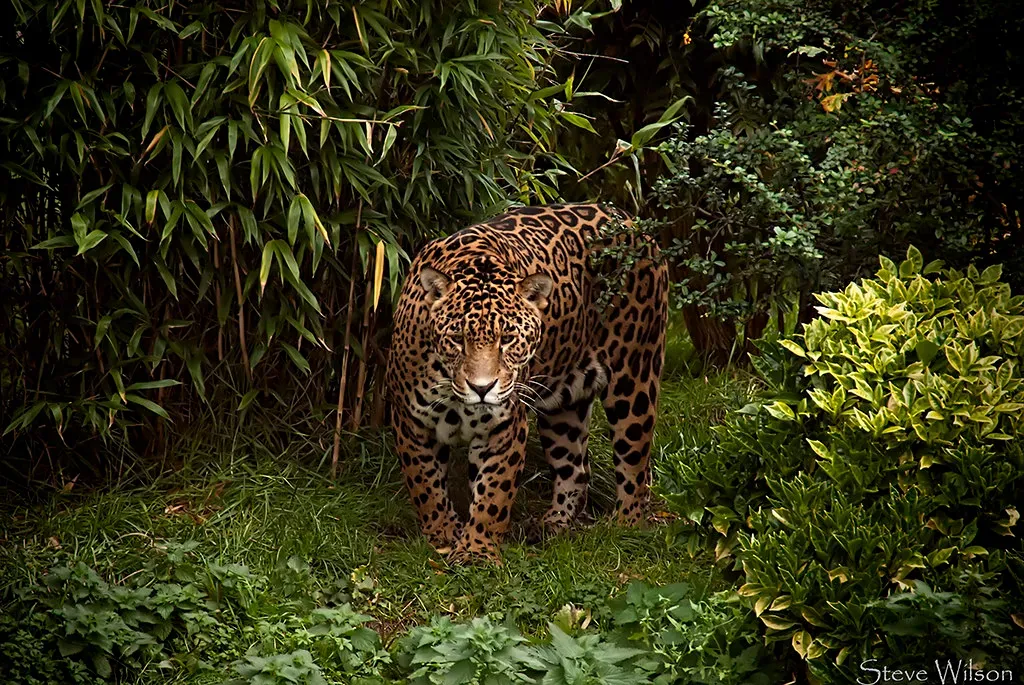
The Amazon Rainforest is the kind of place that humbles you, that reminds you just how small and young our understanding of this planet truly is. It is a world where trees hold up the sky with invisible rivers of water vapor, where plants have evolved to smell like death in order to survive, and where human communities carry centuries of botanical wisdom in their memories. Every fact you discover about it seems to open a door to ten more questions.
I think what strikes me most is this: we are still finding new species, still uncovering new medicines, still mapping new wonders – and yet the clock is ticking on how long this frontier will exist in its full form. The Amazon does not need to be conquered or fully understood to be worth protecting. It simply needs to be left standing.
The real question isn’t what else the Amazon might reveal if we save it. The real question is what we are willing to lose if we don’t. What do you think we owe this extraordinary place? Tell us in the comments.