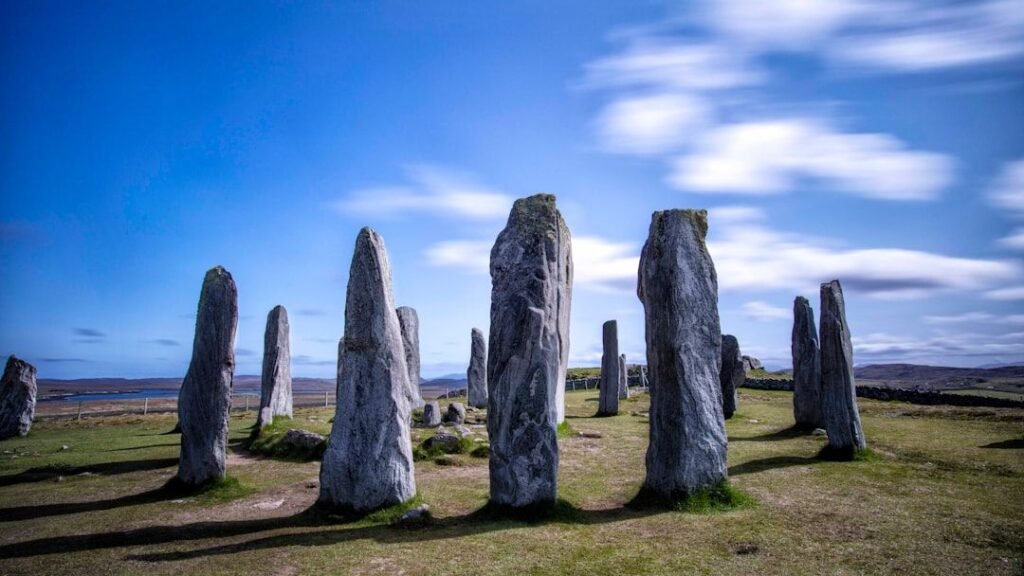

Picture standing alone in a misty field at dawn, surrounded by enormous stones that have been silently watching over the landscape for more than five thousand years. No labels. No explanations. Just you and something impossibly old. That is the experience that has been drawing curious minds, archaeologists, and dreamers to Europe’s ancient megaliths for centuries, and honestly, the more science digs into these structures, the stranger and more fascinating they become.
Some 35,000 symbolic arrangements with similar architectural features have kept watch over ancient graves and sites across coastal Europe, from a snow-swept Swedish hilltop to the sun-drenched shores of the Mediterranean, and because their Neolithic and Copper Age creators and their motivations are lost to the mists of prehistory, the stones have invited speculation for centuries. Who built them? Why here? And what did they mean to the people who dedicated entire generations to their construction? So let’s dive in.
Stonehenge: The World’s Most Famous Riddle in Stone
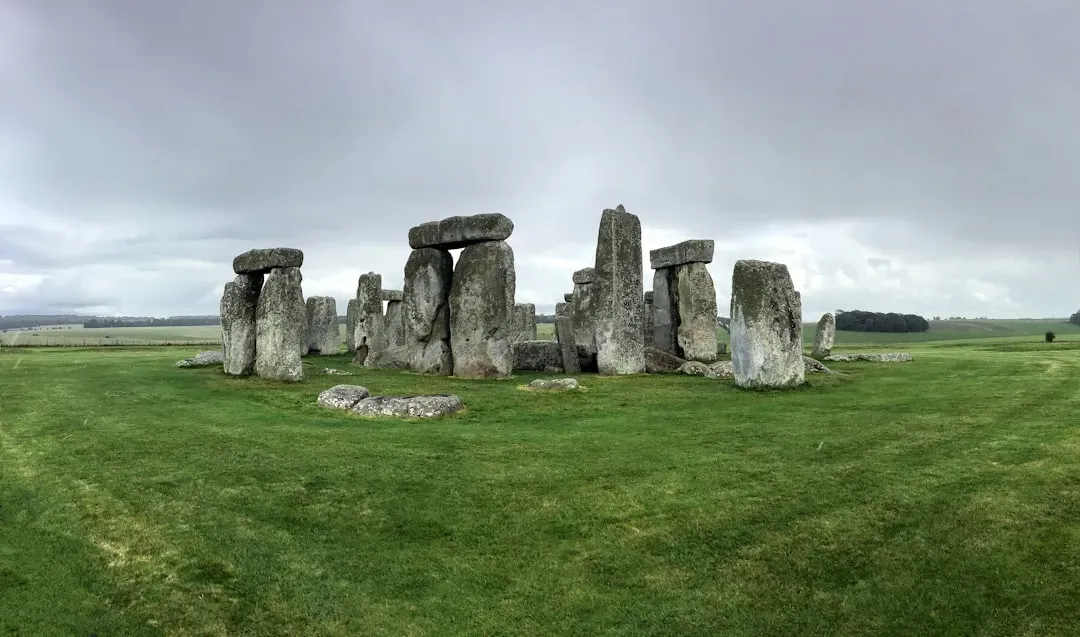
You’ve almost certainly seen Stonehenge in a photo, on a t-shirt, or in a film. Yet seeing it in person hits completely differently. At Stonehenge in England, huge carved stones, some over 20 feet tall and weighing 25 tons, stand in a circle, and they were erected with Stone Age technology, before the advent of metal tools. Let that sink in for a moment. No cranes. No steel. Just human ingenuity, raw determination, and a purpose we still don’t fully understand.
Modern scientific inquiry suggests that Stonehenge is far older than early scholars initially believed, with the first stones thought to have been put into place around 3,100 BCE, though we still don’t fully know why it was built. Research published as recently as January 2026 is still testing fresh theories about where some of its stones originated. Comparing the chemical composition of the so-called Altar Stone to that of ancient rocks found throughout the British Isles, researchers learned that this particular building block may have actually come from northeastern Scotland, 466 miles away from Salisbury Plain. That is not a short trip, even today.
Avebury: The Stone Circle That Swallowed a Village
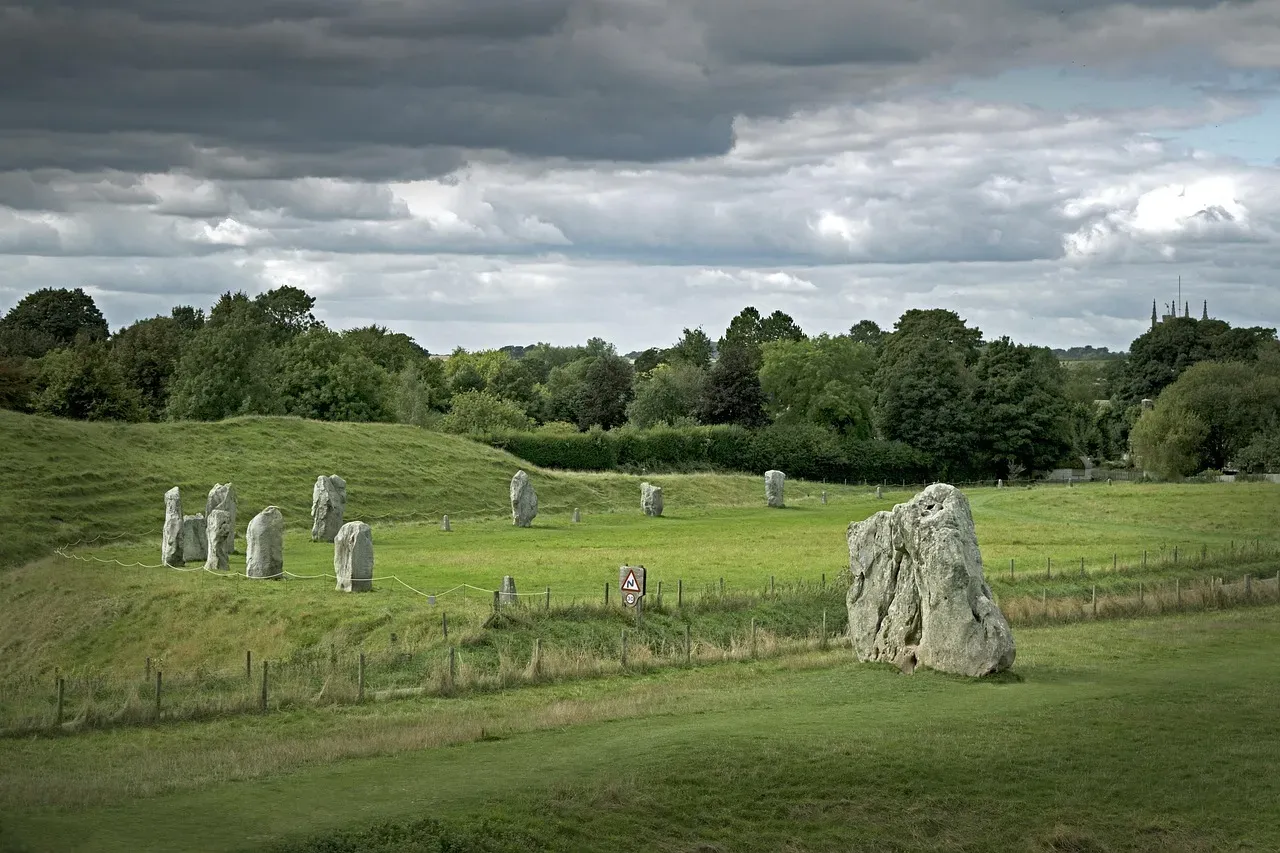
Avebury, while less famous than Stonehenge, is notable for being the largest prehistoric stone circle in Europe, originally composed of around 180 stones, and it is part of a larger landscape that includes Silbury Hill and other important prehistoric structures. Honestly, Avebury doesn’t get nearly the credit it deserves. It’s so vast that an entire English village now sits inside it, which is an architectural oddity you have to see to truly appreciate.
The henge consists of a large circular ditch and bank encompassing approximately 28 acres, and three stone rings can be seen inside the henge, the largest being around 1,100 feet in diameter, once home to about 100 huge standing stones. The monument’s construction began in the Neolithic era, between 2850 and 2600 BC, with the addition of the stone circles likely occurring several centuries later. Think of it like a prehistoric city project with multiple phases of development, each generation adding something new.
Carnac: The Stone Army of Brittany
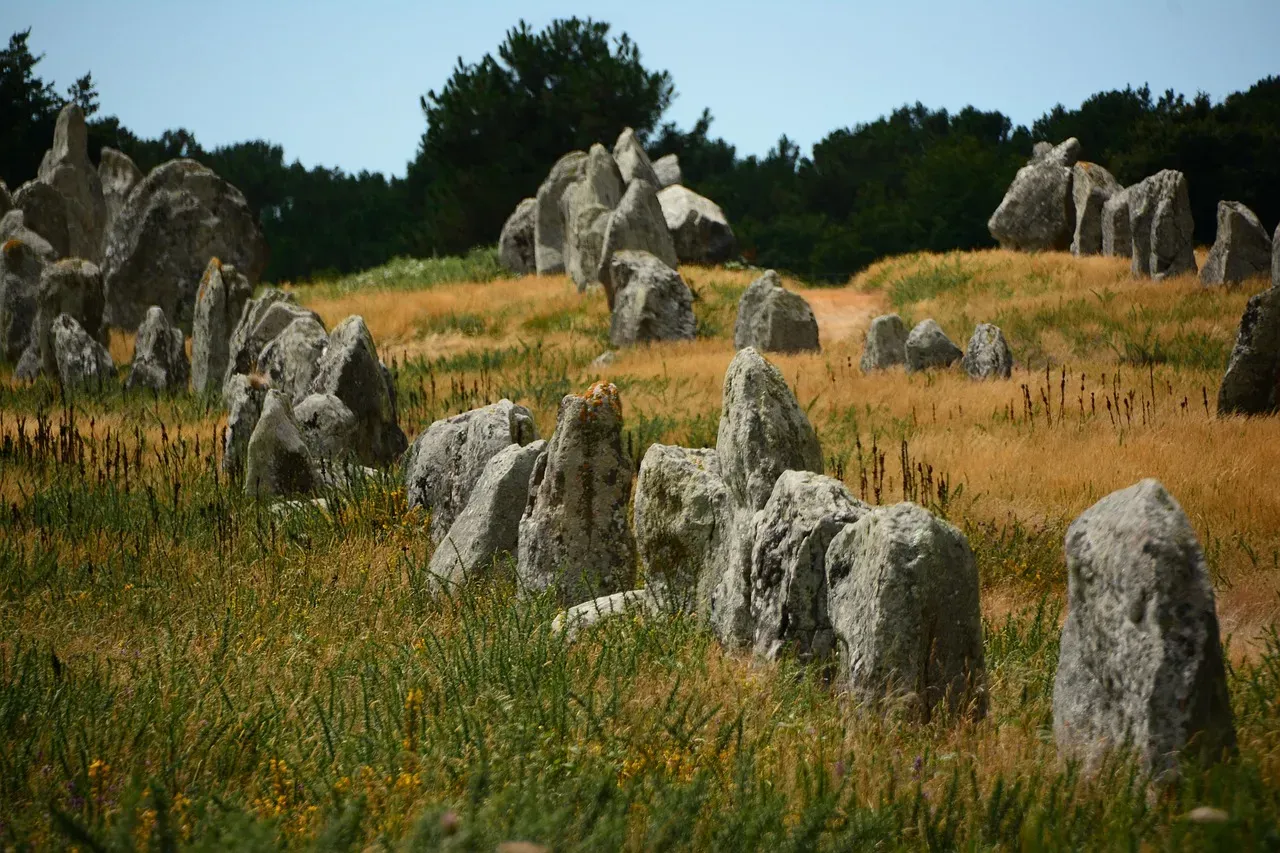
The Carnac Stones in northern France represent the largest megalithic site ever found, built by pre-Celtic inhabitants of Brittany between 5000 and 2000 BC, with nearly 3,000 ancient menhirs standing in rows while other types of megalith are arranged in clusters. Walking through those rows is a surreal experience, like stumbling into a petrified army standing at eternal attention.
In a historic breakthrough, researchers have pinpointed the age of the famed Carnac stone alignments with unprecedented precision, placing their construction between 4600 and 4300 BCE, making them among the earliest megalithic monuments in Europe, possibly even predating the temples of Malta and the famous Stonehenge. Even more remarkably, cooking pits were found in close proximity to the stone foundations, and charcoal analysis has tended strongly toward the belief that these were cooking areas, possibly for communal feasting rituals connected to the extraordinary effort of constructing these enormous monuments. So the builders were feasting together. There’s something deeply human about that.
The Callanish Stones: Scotland’s Best-Kept Secret
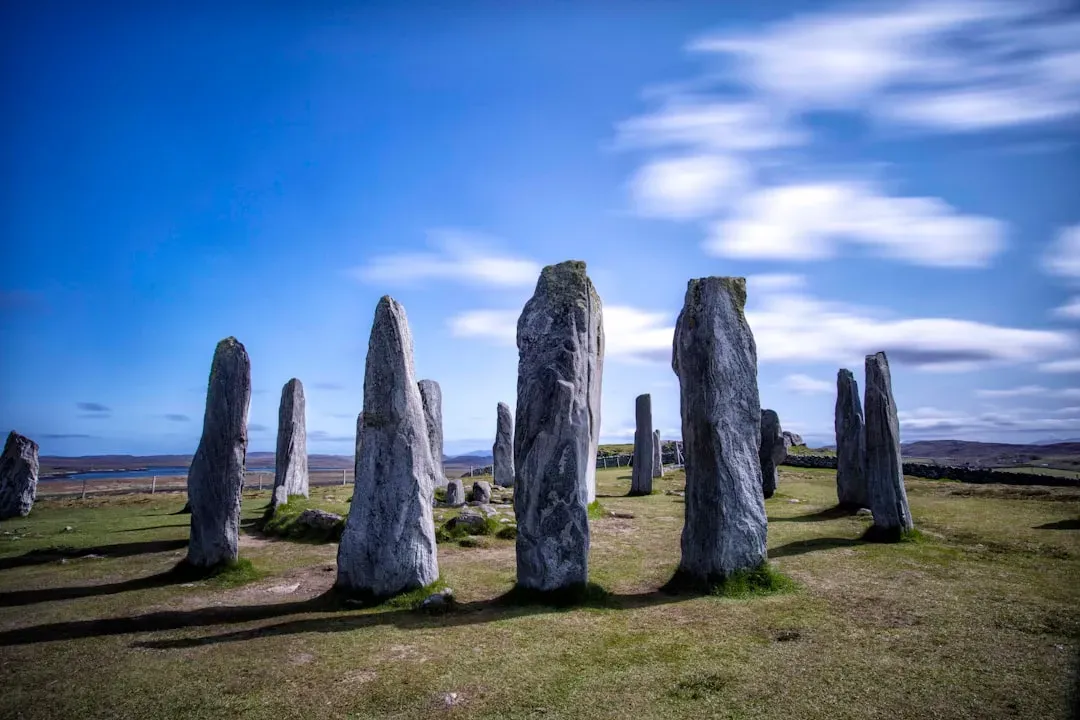
The Calanais Standing Stones are an extraordinary cross-shaped setting of stones erected 5,000 years ago on the Isle of Lewis, predating England’s famous Stonehenge monument, and serving as an important place for ritual activity for at least 2,000 years. Two thousand years of continuous use. That is longer than the entire span of the Roman Empire from start to finish.
The Callanish Stones consist of a central stone circle approximately 13 meters in diameter, surrounded by additional stone rows and avenues that radiate outward, with over 40 stones in total, some as tall as 5 meters, and the tallest stones standing on the exterior, getting progressively smaller towards the interior of the circle. Archaeologists’ best guess is that it was a kind of astronomical observatory, with the most attractive explanation being that every 18.6 years, the moon skims especially low over the southern hills, seeming to dance along them like a great god visiting the earth, and knowledge and prediction of this heavenly event would have given earthly authority to those who watched the skies.
The Ring of Brodgar: Orkney’s Perfectly Drawn Circle
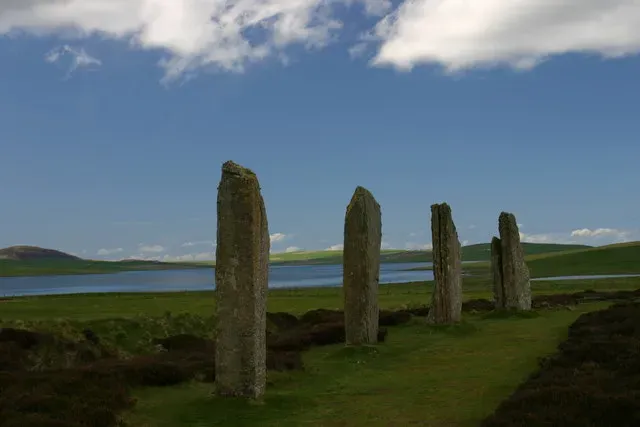
The Ring of Brodgar is a Neolithic henge and stone circle located in Mainland Orkney, Scotland, and it is part of the UNESCO World Heritage Site known as the Heart of Neolithic Orkney. What makes Brodgar truly special is precision. It is the only major henge and stone circle in Britain that is an almost perfect circle, ranking with Avebury and Stonehenge among the greatest of such sites.
The Ring of Brodgar originally consisted of 60 stones forming a circle 104 meters in diameter, with the tallest stones over 4 meters in height, and was constructed around 2500 to 2000 BCE in the Late Neolithic period. The monuments were approximately contemporary with the mastabas of the archaic period of Egypt, the brick temples of Sumeria, and the first cities of the Harappa culture in India. That is extraordinary company to keep.
Where Did the Tradition of Megaliths Actually Come From?
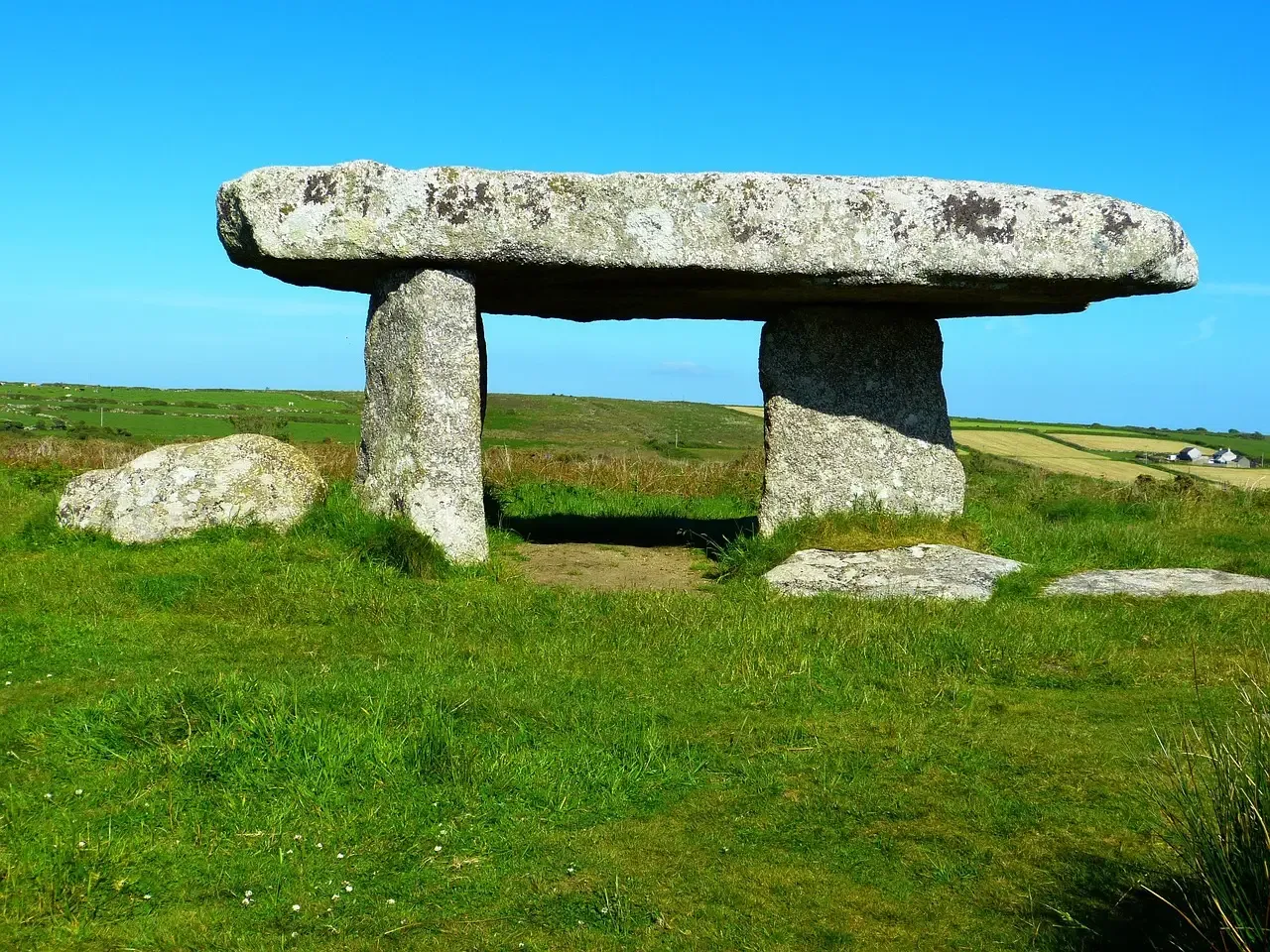
Here’s the thing. For decades, scientists argued endlessly about this. Were megaliths invented independently in different places? Were they brought from the Near East? It turns out the answer is stranger and more compelling than either theory. Archaeologist Bettina Schulz Paulsson at the University of Gothenburg reexamined some 2,410 radiocarbon dating results assigned to Europe’s megaliths, concluding that they were first constructed by dwellers of northwest France during the second half of the fifth millennium BC, with the practice then spreading during three major periods via surprisingly robust maritime travel routes.
The original megaliths from Brittany are etched with ocean imagery, including sperm whales and other ocean creatures, suggesting that their builders were part of a seagoing culture, an activity not previously suspected. One of the longstanding questions about megaliths has been why they’re so concentrated near coasts, and the revelation that the people who started it all were seafarers helps explain this. It’s a bit like discovering that the first great architects of the ancient world were also deep-sea sailors. Absolutely nobody expected that.
Who Were the Builders? DNA Is Rewriting the Story
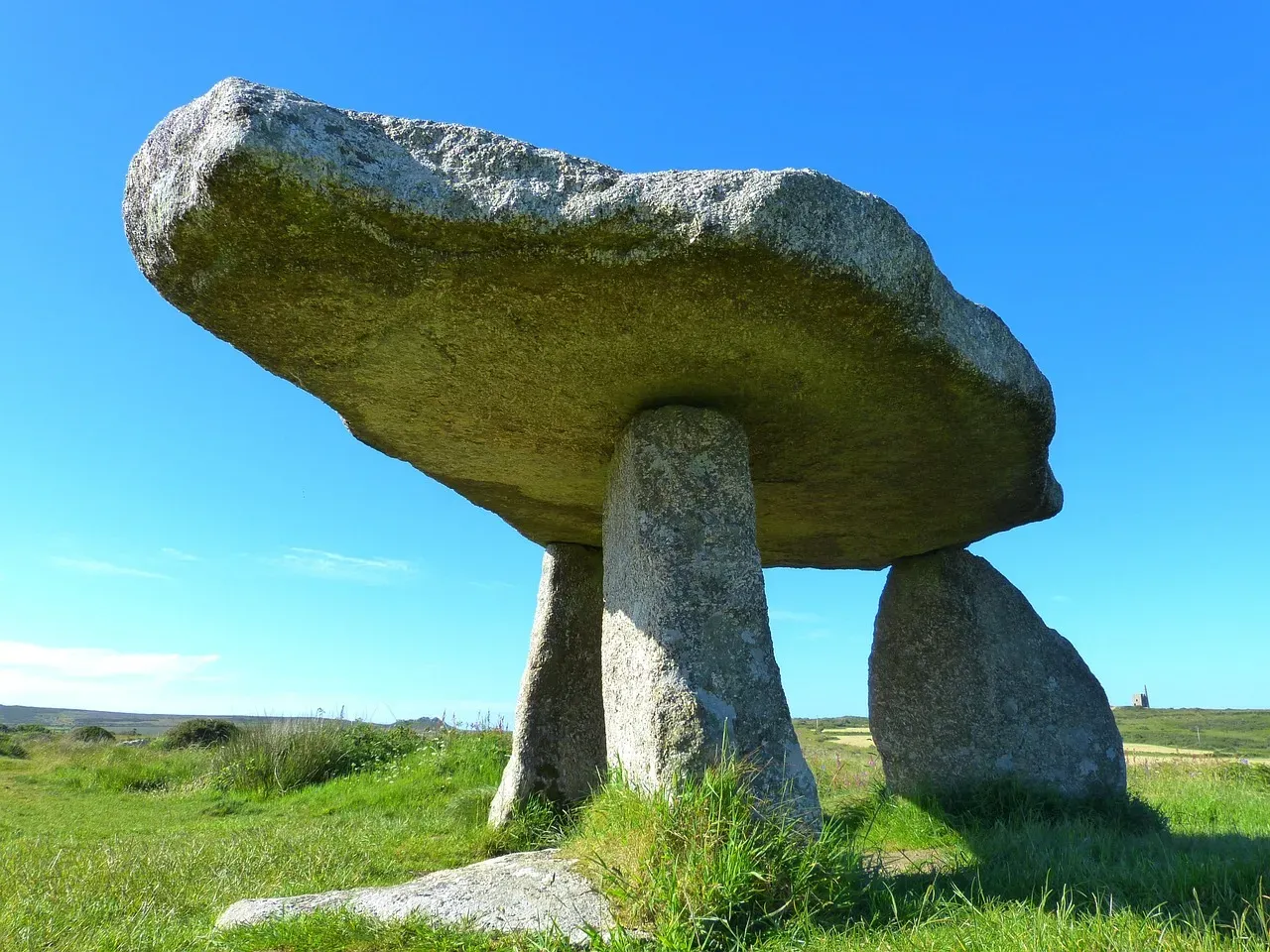
Archaeologists believe that Neolithic farmers were the main megalithic builders in Europe, and recent DNA evidence suggests there was a fusion of two groups: Mesolithic West Europeans who were recent hunter-gatherers, and Neolithic farmers from the Levant who had migrated along Mediterranean coasts into Spain and France, with DNA analysis of human remains from megalithic burials revealing that paternal ancestry was overwhelmingly Mesolithic European while maternal ancestry was predominantly Levantine.
The Neolithic inhabitants appear to have travelled from Anatolia in modern Turkey to Iberia before eventually heading north, reaching Britain around 4,000 BC, and this migration was just one part of a general, massive expansion of people out of Anatolia around 6,000 BC that introduced farming to Europe. It’s remarkable to think that the same migration wave that brought agriculture to Europe also brought the tradition of lifting enormous stones into the sky. These people were restless, creative, and apparently very good at carrying heavy things enormous distances.
Astronomical Alignments and the Ancient Skywatchers
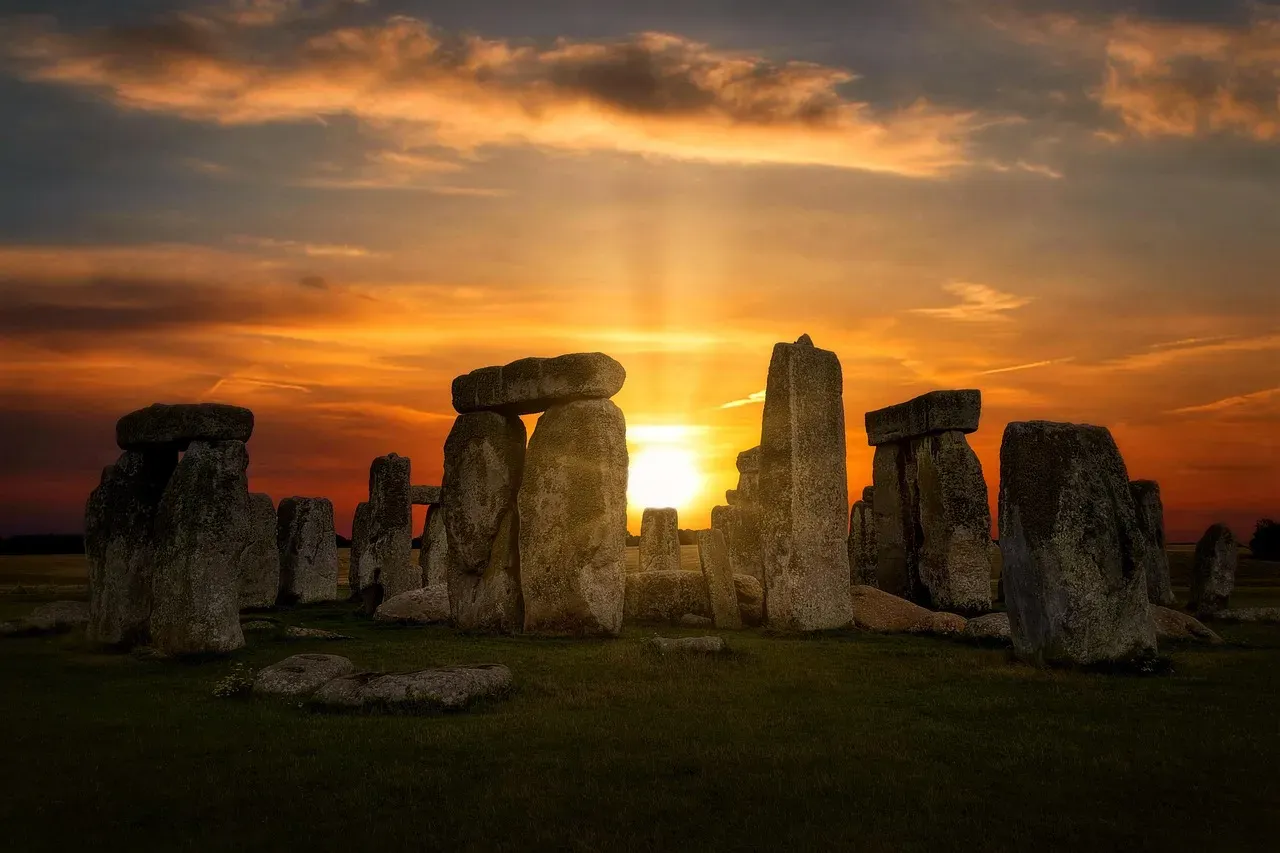
Marveling at these stones, experts have pondered their purpose, and we know they functioned as celestial calendars, with the structure aligned to the heavens and marking both the longest and the shortest days of the year. Four thousand years ago, locals could tell when to plant and when to celebrate according to where the sun rose and where it set. That’s genuinely useful. Not mystical nonsense. Practical astronomy that governed your entire food supply.
In parts of Britain and Ireland, the stone circles, including Stonehenge, Avebury, the Ring of Brodgar, and Beltany, display evidence of astronomical alignments, both solar and lunar, with Stonehenge being especially famous for its solstice alignment. Experts have yet to fully observe Stonehenge during a lunar standstill, the period in which the points where the moon appears and sets are farthest apart on the horizon, which happens once every 18.6 years, with researchers from Oxford, Leicester, and Bournemouth universities keeping a close eye on the megalith during the most recent occurrence. We are still learning. As of 2026, these stones are actively teaching us new things.
Conclusion: Secrets Carved in Stone, Still Waiting for You
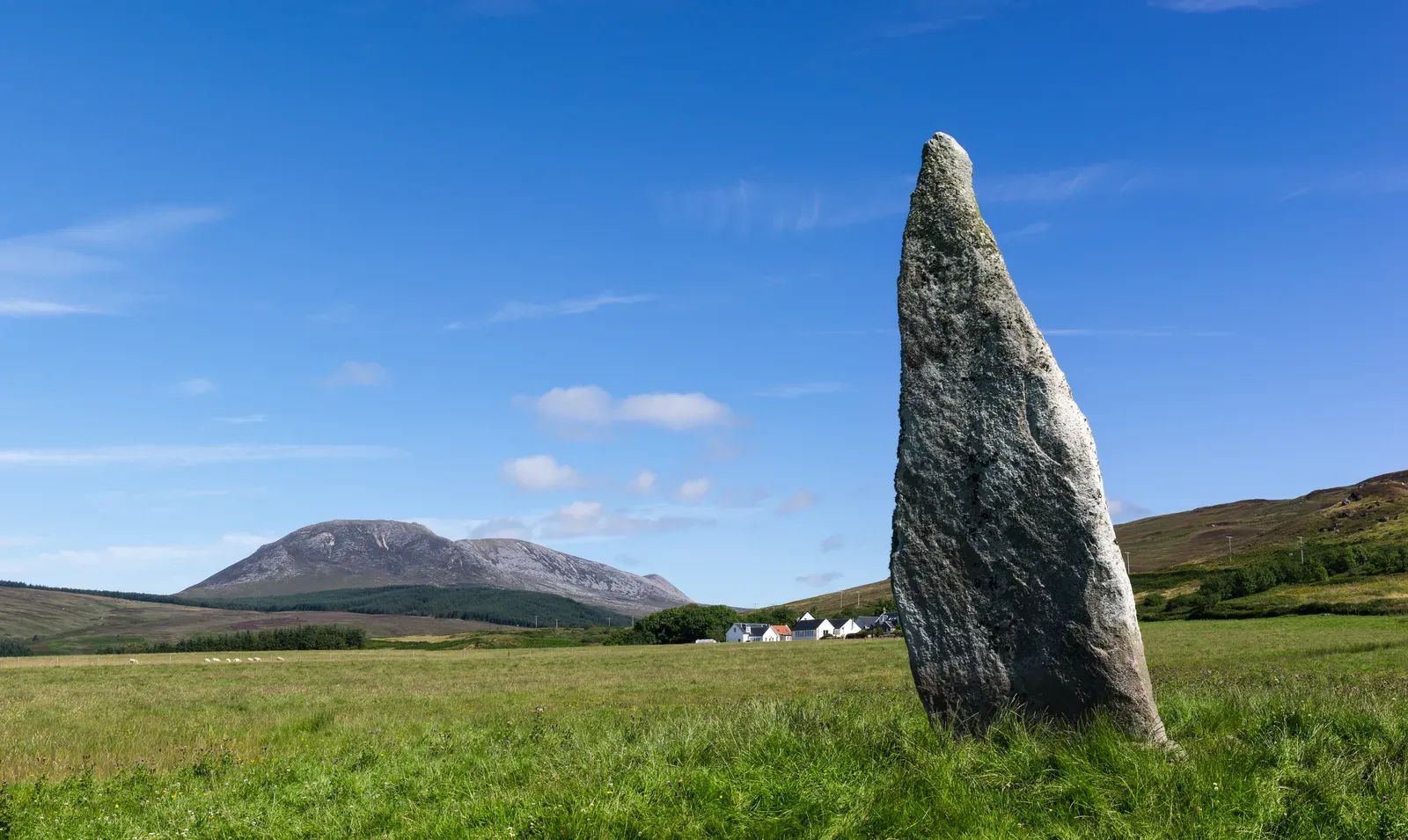
Europe’s ancient megaliths are not just relics. They are open questions, set in stone quite literally, waiting for anyone bold enough to ask them. What is clear from these majestic stone circles is the fact that Old Europeans had a complex understanding of the world around them, especially regarding the celestial bodies and seasonal changes. These were not simple people fumbling in the dark. They were organized, intelligent, and driven by purposes that mattered deeply to them.
Although many theories have been advanced to explain their use, usually related to providing a setting for ceremony or ritual, no consensus exists among archaeologists regarding their intended function, and their construction often involved considerable communal effort, including specialist tasks such as planning, quarrying, transportation, laying the foundation trenches, and final construction. Every answer researchers uncover seems to open three new doors. Honestly, that is part of what makes these places so endlessly captivating. The stones have outlasted every civilization that came after their builders, and they show no signs of giving up all their secrets just yet. What would you do if you could ask the builders just one question? That might be worth thinking about on your next visit.