
Some people pass through history. Others grab it by the collar, shake it hard, and leave the world permanently rearranged. This article is about the second kind – the rare men and women whose decisions, flaws, genius, and sometimes sheer stubbornness nudged humanity onto a different path than it might have taken.
What makes them so gripping isn’t just what they did, but how painfully human they were while doing it. They struggled, made enemies, doubted themselves, and sometimes broke things that could never be fully fixed. Yet because they lived the way they did, we speak different languages, worship differently, heal disease more effectively, and think about power and freedom in ways their contemporaries could not have imagined.
1. Alexander the Great: The Young Conqueror Who Blended Worlds
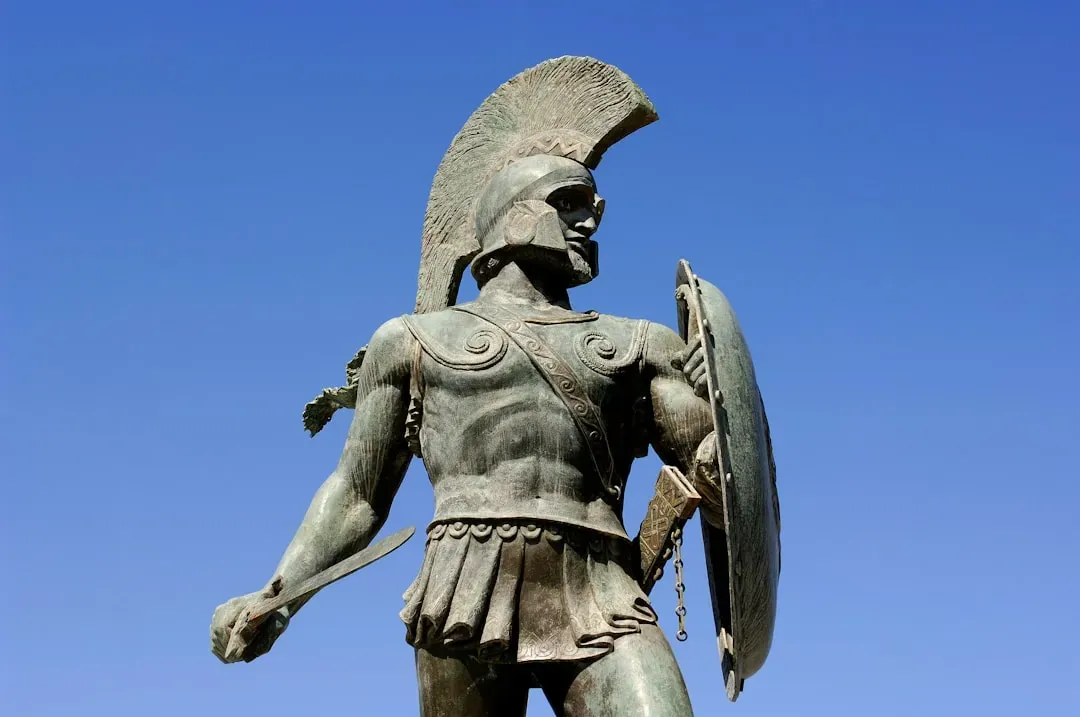
Imagine being in your twenties and already reshaping half the known world. Alexander the Great, king of Macedon, didn’t just build one of history’s largest empires in a whirlwind of campaigns; he smashed ancient political boundaries from Greece to Egypt to parts of India and forced cultures to collide. His armies moved not just with swords but with ideas, mixing Greek language and customs with those of the Middle East and beyond.
The long-term impact was enormous: Greek became a common language across vast territories, helping science, philosophy, and trade flow more freely. Cities like Alexandria turned into melting pots of knowledge that later thinkers, including those in early Islamic and European worlds, would draw from. Alexander’s empire didn’t last long after his death, but the cultural fusion he sparked shaped education, religion, and politics for centuries.
2. Ashoka the Great: The Warrior Who Turned to Compassion
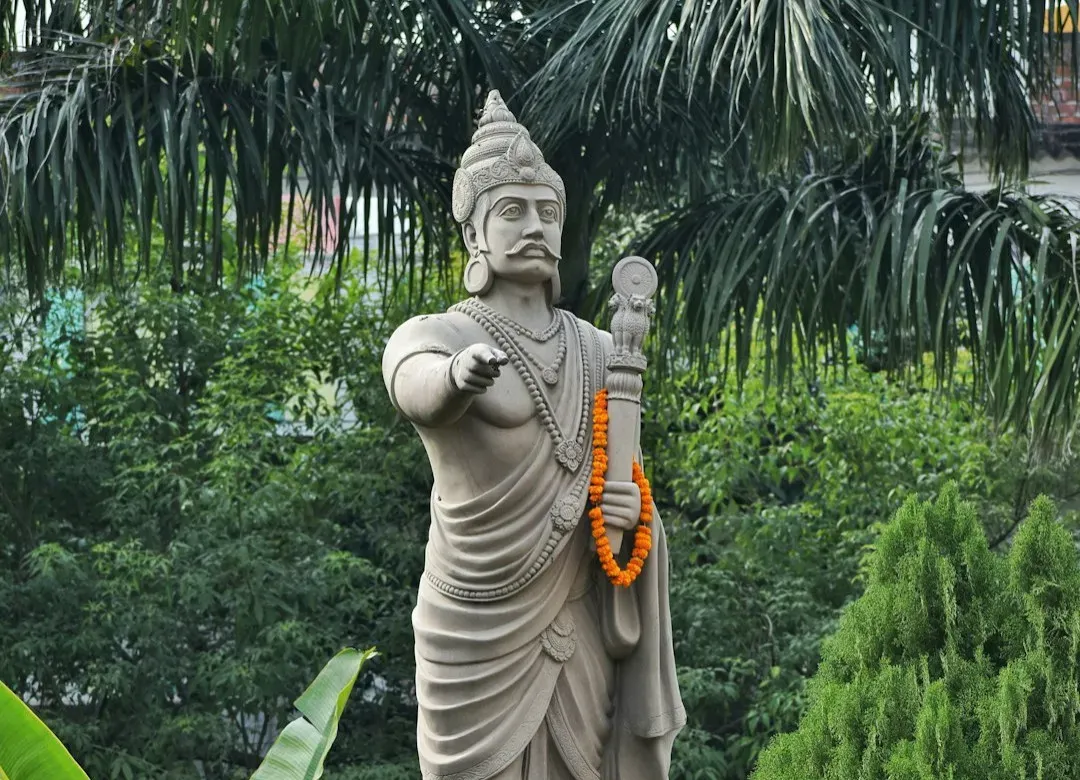
Ashoka of the Maurya Empire started as a ruthless conqueror, known for brutal wars and harsh rule over much of the Indian subcontinent. One especially bloody campaign in Kalinga reportedly left him so shaken by the suffering that he dramatically changed course. Instead of glory in battle, he began to pursue a kind of political rule centered on ethical conduct and non-violence inspired by Buddhist principles.
He used stone pillars and rock edicts across his empire to communicate ideas about justice, kindness to animals, religious tolerance, and care for the vulnerable. Under his influence, Buddhism spread far beyond India, reaching Central Asia and East Asia, where it would transform cultures for millennia. Ashoka’s story is a rare example of raw power pivoting toward moral responsibility on a grand scale, and it still challenges modern leaders who talk about “humanitarian” values but act very differently.
3. Muhammad: The Merchant Who Reframed Faith and Community
Muhammad began life as an orphan in Mecca and worked as a merchant, not a king or scholar. In middle age, he reported receiving revelations that became the foundation of Islam, a faith that reshaped spiritual life, law, and identity for huge populations across the Middle East, North Africa, and beyond. In a world fractured by tribal loyalties, he offered a new sense of belonging not tied to bloodlines but to shared belief.
Under his leadership and that of his immediate successors, the early Muslim community created legal, social, and economic systems that integrated spiritual and everyday life in a way that still feels strikingly modern. The expansion of Islamic civilization helped preserve and expand knowledge in mathematics, medicine, astronomy, and philosophy, much of which later flowed into Europe and influenced the Renaissance. Whether people follow Islam or not, many live in a world profoundly shaped by ideas that spread from his lifetime.
4. Genghis Khan: The Nomad Who Rewired Continents
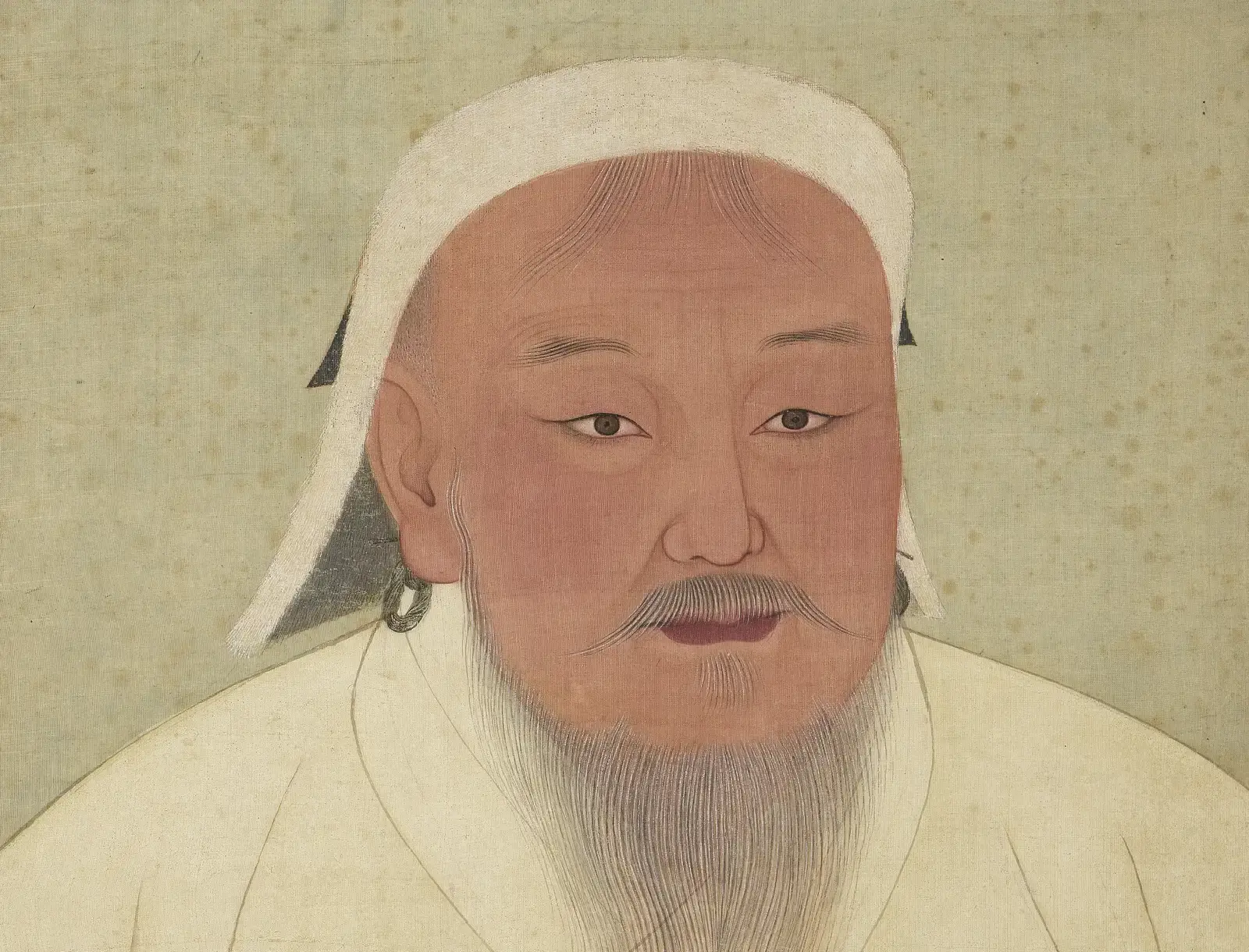
Genghis Khan is often painted as a symbol of destruction, and there’s no denying the violence of his conquests. But stopping there misses the scale of what he actually changed. Emerging from the harsh steppe environment of Mongolia, he united feuding nomadic tribes and built an empire that stretched from East Asia deep into Europe, creating a gigantic zone of shared control.
Under Mongol rule, trade routes like the Silk Road became more stable and connected than they had been in a long time, letting goods, technologies, and even diseases move across continents. Paper, gunpowder, and new ideas traveled faster because his empire lowered barriers between East and West. His legal code and tolerance for different religions, while far from gentle by modern standards, offered a kind of order in a previously fragmented region. In a brutal way, he stitched together parts of the world that had mostly ignored each other.
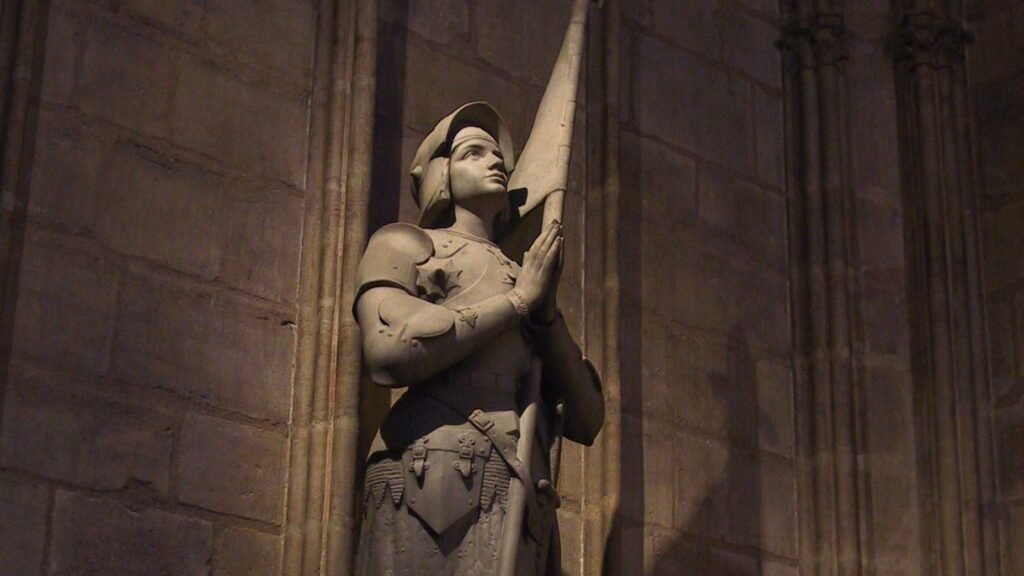
5. Joan of Arc: The Peasant Girl Who Turned the Tide
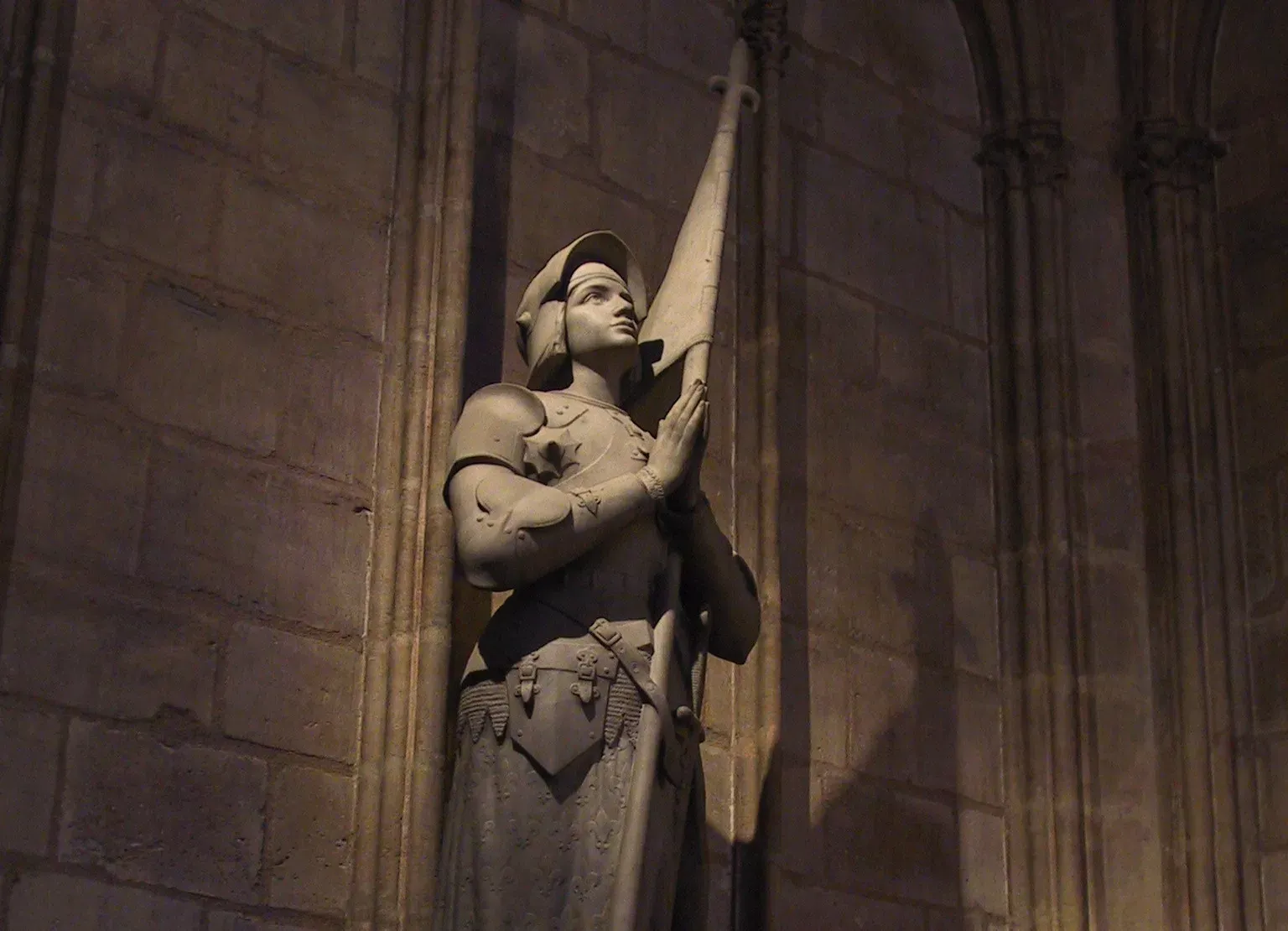
Joan of Arc came from a rural background in France and claimed to be guided by divine visions, something that sounded outrageous to many of her contemporaries. Yet this teenage girl managed to convince hardened commanders and a hesitant French court to let her lead troops during the Hundred Years’ War. Against expectations, she helped lift the siege of Orléans and shifted French morale at a moment when the English seemed poised to dominate.
Her later capture and execution did not erase the psychological shock she delivered to both sides. France’s eventual consolidation as a more unified kingdom changed the political shape of Western Europe, setting the stage for the modern nation-state. Joan’s brief life also became a powerful symbol of ordinary people challenging entrenched hierarchies, especially in times when women’s voices were aggressively suppressed. Her story remains a reminder that social status and formal education aren’t the only sources of influence.
6. Isaac Newton: The Reluctant Genius Who Defined Modern Science
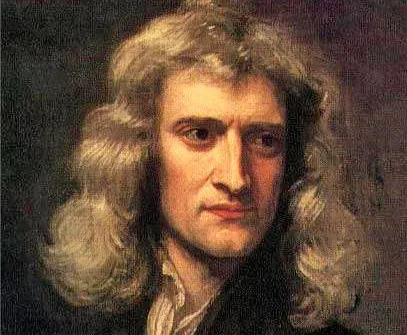
Isaac Newton wasn’t the kind of charming public intellectual we sometimes imagine scientists to be today. He was intense, private, and prickly, yet his work in the seventeenth century yanked humanity’s understanding of the universe into a new era. His laws of motion and universal gravitation turned the chaotic motions of planets and falling apples into something that could be described precisely with mathematics.
That shift wasn’t just academic; it laid the groundwork for engineering, astronomy, and technology that would come later, from bridges and rockets to satellite communication. Newton also contributed deeply to optics and calculus, fields that still sit at the core of physics and applied science. Humanity’s growing confidence that nature followed discoverable laws had political and cultural consequences too, feeding into movements that questioned old authorities and valued reason more than tradition alone. In many ways, he helped make the modern scientific mindset feel normal instead of radical.
7. George Washington: The General Who Walked Away from Power
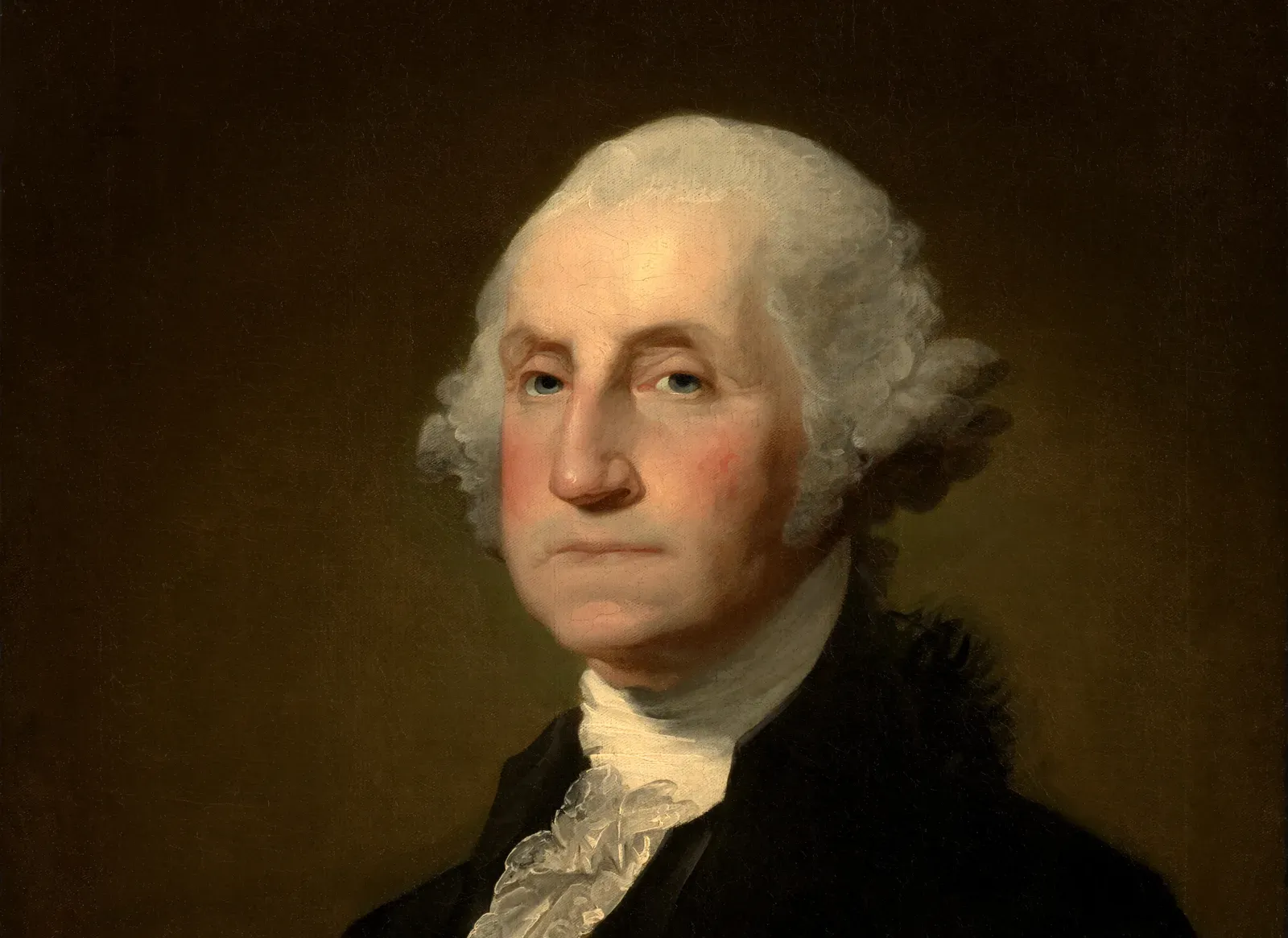
George Washington wasn’t the most dazzling speaker or the sharpest writer among America’s founders, but he had something rarer: a willingness to step back when he could have ruled. As commander of the Continental Army during the American Revolution, he kept the cause alive through long years of hardship, often with poorly equipped, unpaid troops who had every reason to give up. His stubborn leadership helped secure independence from the British Empire against long odds.
What truly changed history, though, was what he did with victory. When offered more power than any one person should hold, he resigned his military command and later agreed to leave the presidency after two terms. That choice sent an almost shocking message for the time: leaders in a republic are supposed to be temporary caretakers, not permanent rulers. Many later democracies echoed this idea, and even today, peaceful transfers of power owe something to the example he set.
8. Abraham Lincoln: The President Who Faced a Nation Tearing Itself Apart
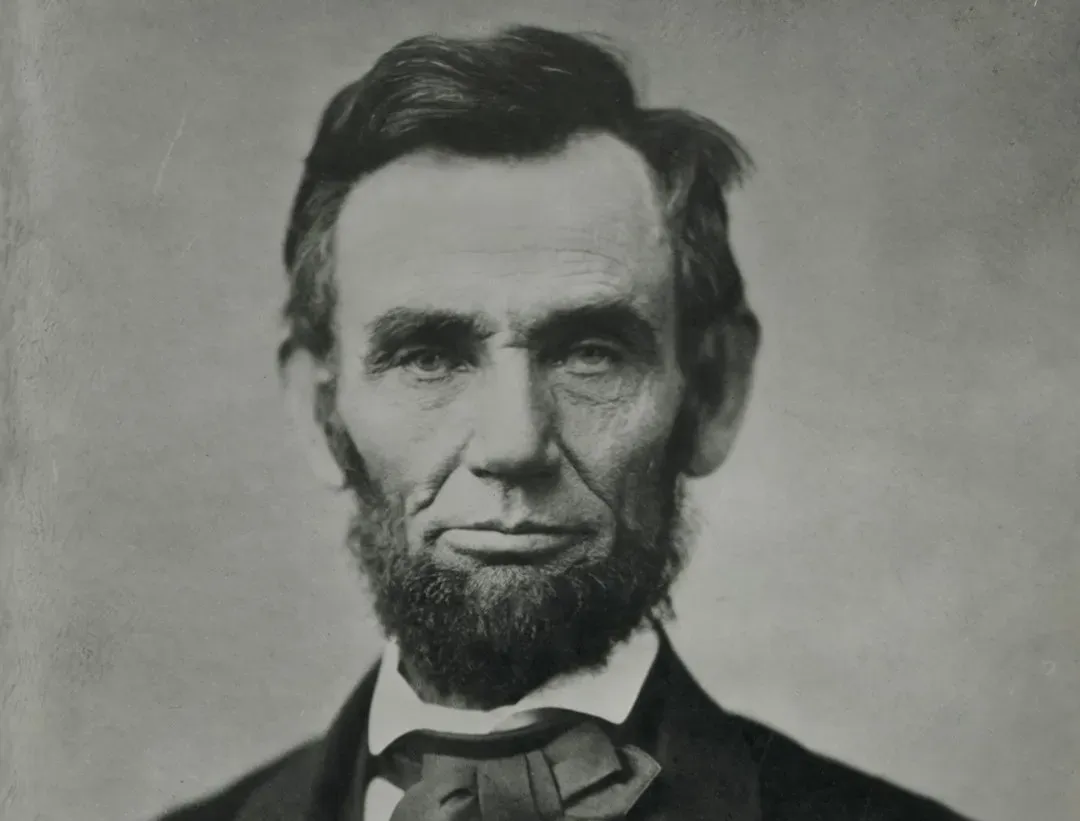
Abraham Lincoln came from modest roots and had less formal education than many of his political rivals, yet he found himself in charge of the United States at its most fragile moment. When Southern states seceded over the spread of slavery and questions of federal authority, he chose to fight a brutal civil war rather than accept a permanent split. That decision cost hundreds of thousands of lives, something that still weighs heavily on how people remember him.
Through the war, Lincoln pushed the country toward abolishing slavery, using legal tools like the Emancipation Proclamation and supporting constitutional change. The end of slavery did not mean immediate equality, but it closed the door on a system that had defined economies and social structures for centuries. His assassination kept him from managing the messy reconstruction that followed, leaving others to fight over his legacy. Still, the idea that a large, diverse republic could survive a civil war and move toward a broader definition of freedom reshaped expectations far beyond the United States.
9. Marie Curie: The Scientist Who Stepped into the Invisible
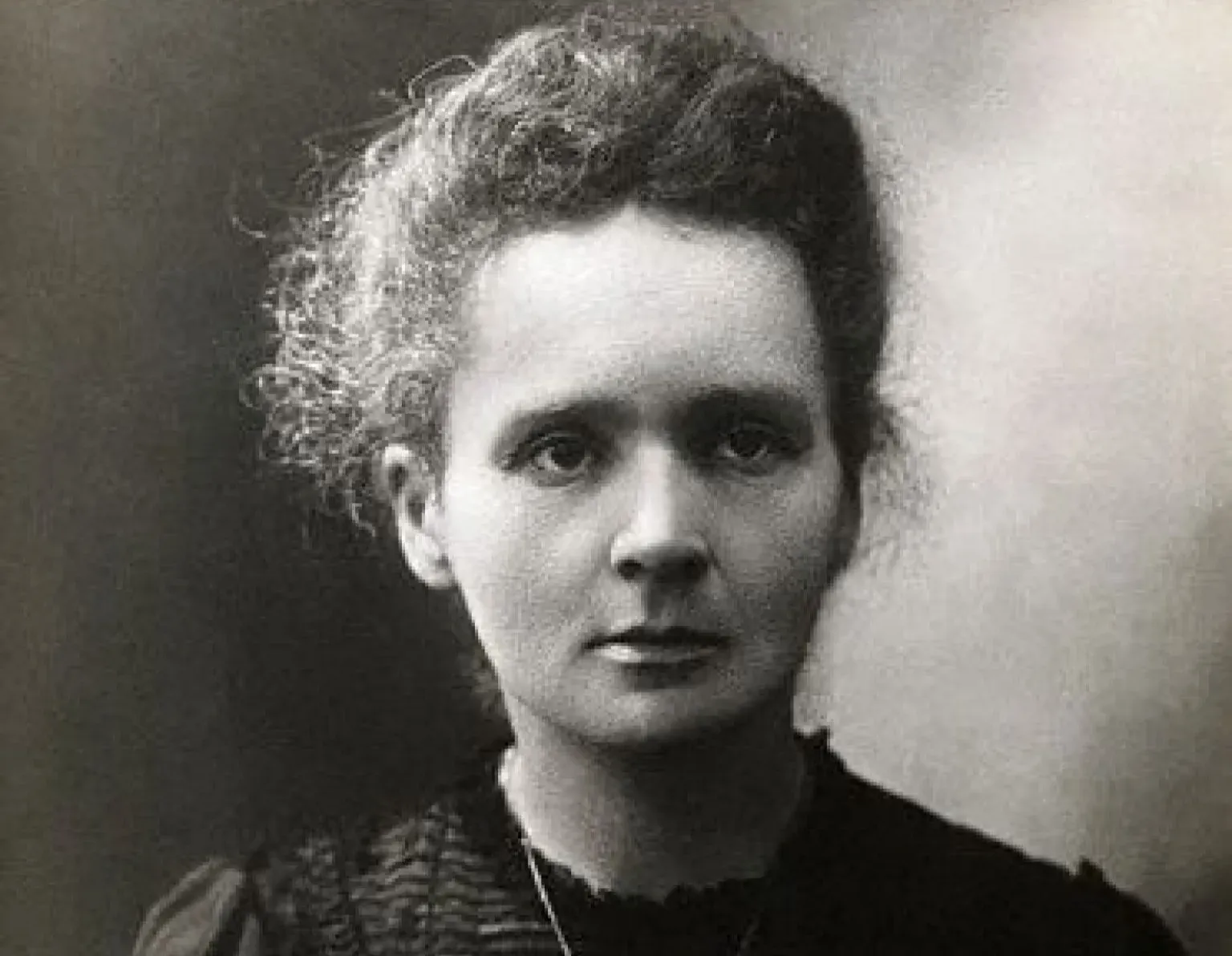
Marie Curie worked at a time when women in science were often treated as curiosities or outright intruders. She pushed past those barriers with relentless focus, investigating strange new phenomena called radioactivity that most people barely understood. Along with her husband Pierre Curie and collaborators, she isolated radium and polonium and helped show that atoms were not solid, unchanging particles but dynamic entities with hidden energies.
Her discoveries opened the door to technologies from medical imaging and cancer treatments to nuclear energy and weapons, for better and worse. She earned two Nobel Prizes in different scientific fields, something exceedingly rare even today, yet continued working in tough, improvised labs that were far from glamorous. Curie’s life also changed how society sees women in research, proving that groundbreaking work doesn’t come with a specific gender. The invisible world she uncovered still shapes how we think about matter, energy, and risk.
10. Mahatma Gandhi: The Lawyer Who Turned Non-Violence into a Weapon
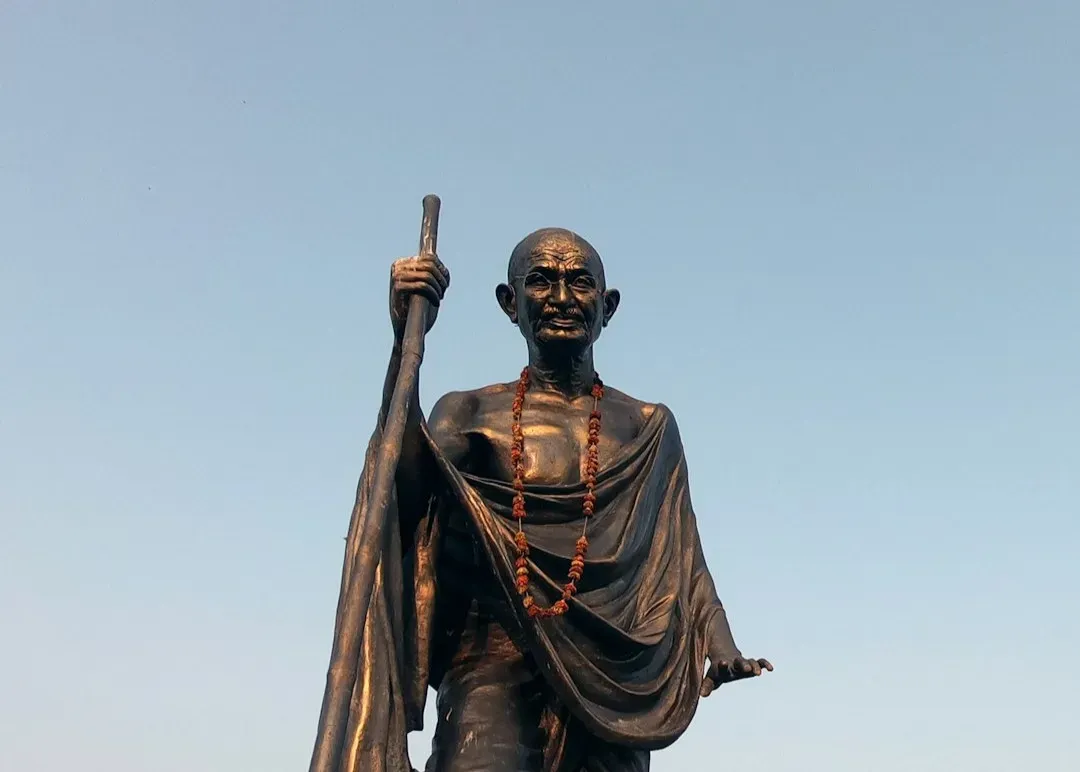
Mahatma Gandhi trained as a lawyer and spent part of his early life in South Africa before returning to India to confront British colonial rule. Instead of organizing an armed rebellion, he developed and promoted a strategy of non-violent resistance: marches, boycotts, and deliberate civil disobedience designed to expose the moral weakness of an oppressive system. Many people at the time doubted that refusing to fight back with weapons could work against an empire.
Yet his methods helped mobilize millions of ordinary Indians and contributed to the eventual end of British rule in the subcontinent. The deeper shift was psychological and strategic: he showed that disciplined non-violence could be a powerful political tool, not just a private moral stance. Later movements for civil rights and freedom around the world studied and adapted his approach, from the United States to parts of Africa and beyond. The idea that dignity can be defended without a gun owes a great deal to his life’s experiment.
Looking at these ten figures side by side, it’s tempting to imagine they were somehow born different, preloaded with destiny. But their lives were messy mixes of talent, timing, luck, and choices that could easily have gone another way. Some built empires, others dismantled them; some pursued war, others peace; all left behind worlds that no longer resembled the ones they were born into.
The unsettling part is this: if a handful of individuals could bend history so far, our own decisions – though smaller in scale – might matter more than we like to admit. Every policy we support, technology we build, or belief we spread is part of a future someone else will look back on, wondering how it ever seemed normal. If another list like this is written a hundred years from now, whose names will be on it – and what kind of world will they have left behind?