
Most of the time, healing feels like something that happens to us at the hospital or in a pharmacy aisle. Yet every second, quietly and relentlessly, your body is repairing, replacing, and rebalancing itself without you lifting a finger or taking a single pill. From sealing microscopic tears in your muscles to editing errors in your DNA, there’s a full-time renovation crew working behind the scenes, and you rarely even notice it.
What’s wild is that modern science is only just starting to catch up with how powerful these self-healing systems really are. For decades, medicine focused mainly on fixing what was broken from the outside; now, more and more research is about amplifying the body’s own repair engines from the inside. Once you see how many backup plans, safety nets, and repair loops are running in your body right now, it’s hard not to feel a little awe every time your heart beats or your skin knits after a cut.
The Invisible Repair Factory: Cells That Never Stop Rebuilding You
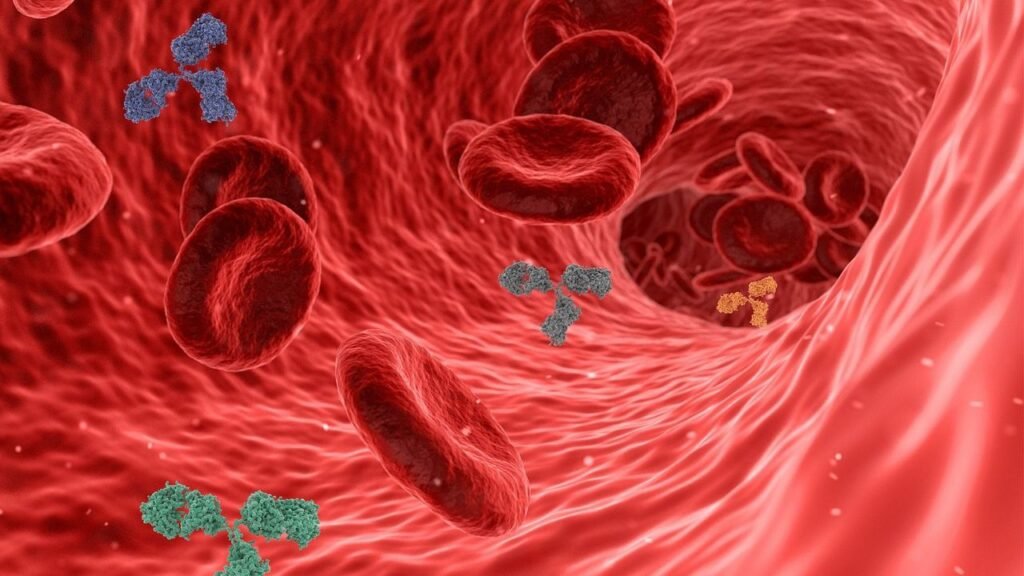
Every part of your body is built from cells that have a surprisingly short life compared to you as a whole. Your skin, for example, quietly replaces itself roughly every month or so, like wallpaper constantly reprinted and reapplied without anyone seeing the workers. Deep inside your bones, your bone marrow is pumping out new blood cells by the millions, all day and all night, so you can carry oxygen, fight infections, and clear waste without even feeling it happen.
Even the gut, which we usually only notice when it hurts, is a self-renovating machine. The cells lining your intestines are constantly facing harsh acids, enzymes, and food particles, and yet they regenerate in just a few days, keeping the barrier strong and responsive. When you step back and realize you’re living inside a structure that is always being torn down and rebuilt, it changes how you think about “getting older” or “getting damaged” – you’re not a static object, you’re a moving construction site.
Scars, Clots, and New Skin: How Wound Healing Is Smarter Than It Looks
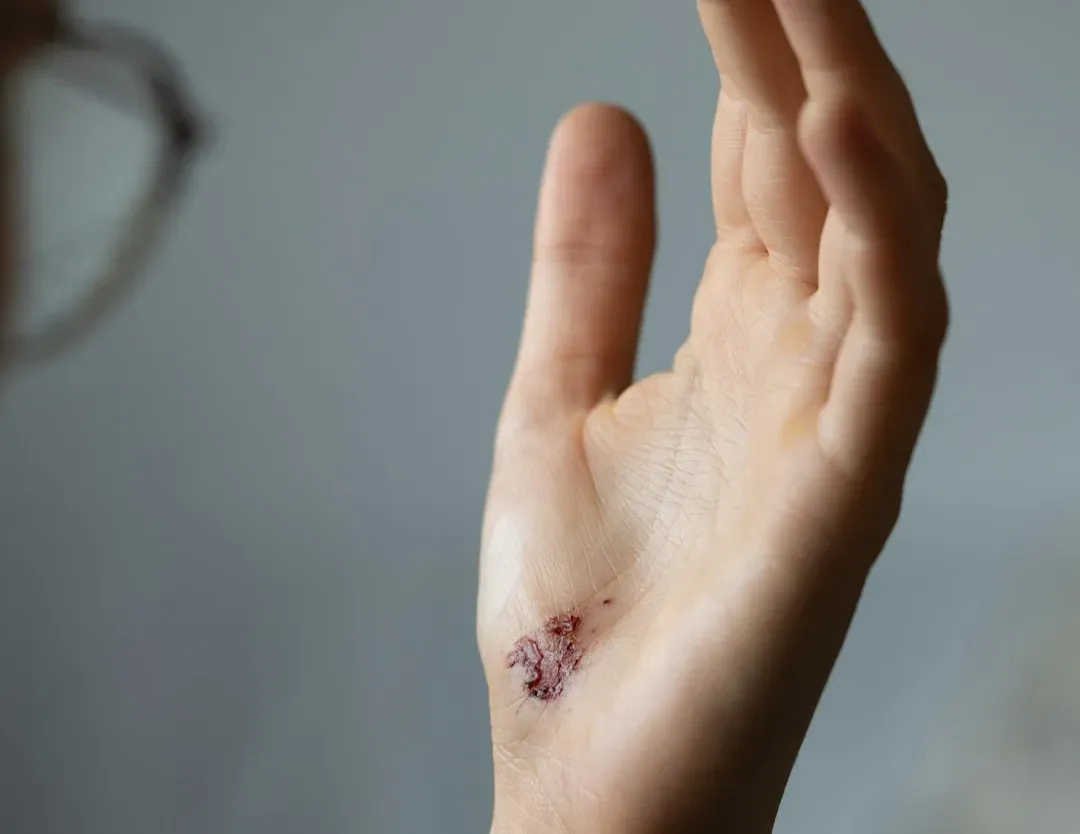
That moment you cut your finger chopping vegetables feels like chaos – sharp pain, sudden blood, a flash of panic. But underneath the drama, an incredibly precise repair protocol kicks in within seconds. Your blood starts to clot, forming a temporary plug, while specialized immune cells rush to the scene like a cleanup crew, clearing debris and warding off bacteria before they can turn that tiny cut into a serious infection.
Over the next days and weeks, new tissue starts forming, collagen rebuilds the damaged structure, and fresh skin slowly creeps in to cover the wound. Sometimes a scar remains, sometimes it fades so much you can’t even tell there was ever an injury there at all. Scientists are now exploring ways to guide this process so scars are smaller, softer, or even avoided altogether, studying animals like salamanders that can regrow limbs to see how far human healing might eventually go.
The Immune System: Your Built-In Emergency Response and Cleanup Crew
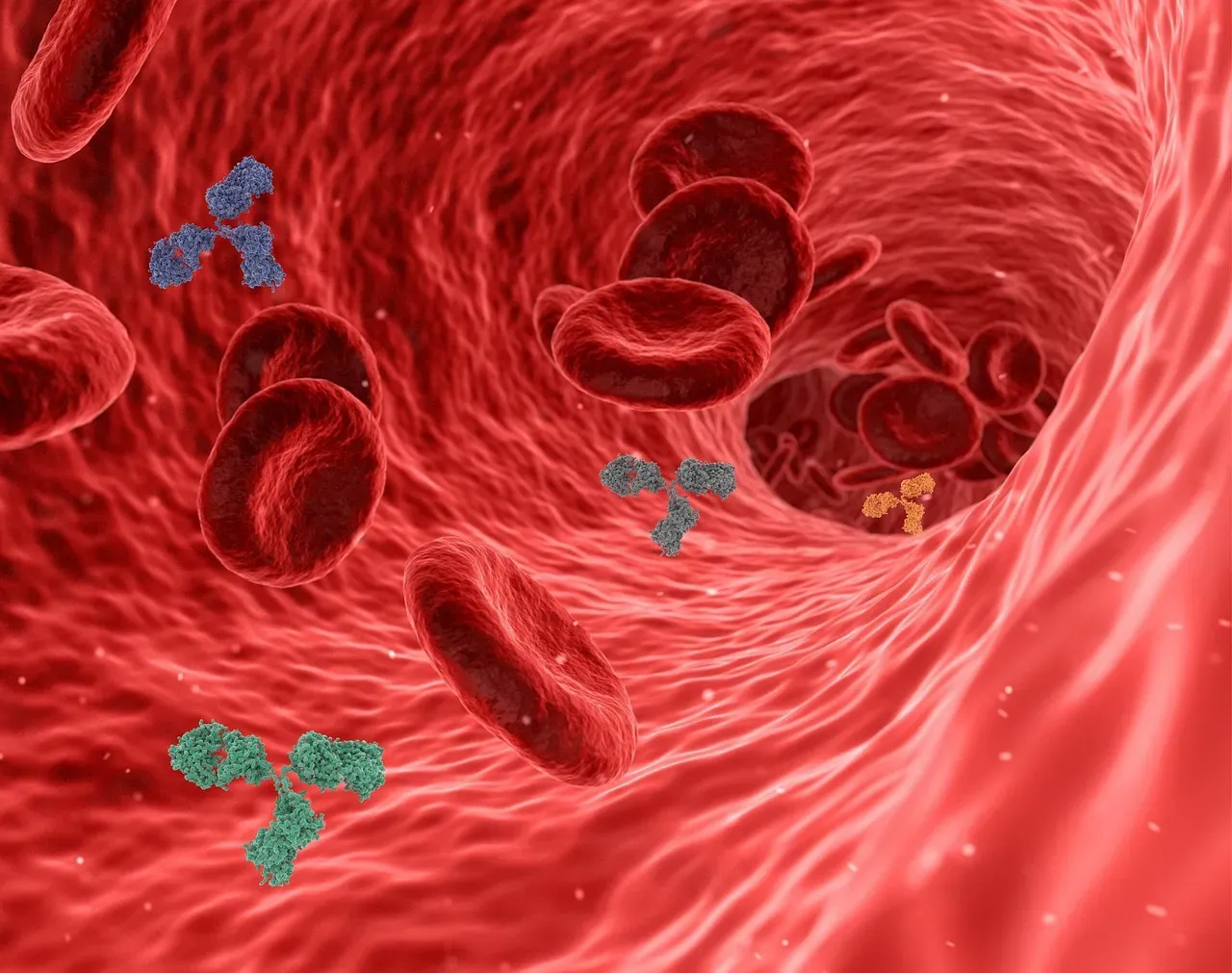
Your immune system is often described as your body’s defense force, but that undersells what it really does. Yes, it attacks viruses, bacteria, and rogue cells, but it also helps clean up damaged tissue and orchestrates healing like a conductor leading an orchestra. When you get sick and then recover, what you’re really experiencing is your immune system recognizing a threat, deploying different cell types with different jobs, and then standing down after the mission is done.
What’s especially remarkable is how it learns from experience. After an infection, memory cells linger, ready to respond faster and stronger if the same invader shows up again, which is the basic idea behind how vaccines work. When this system is balanced, it’s brilliant; when it’s confused or overactive, it can misfire and attack your own tissues, driving autoimmune diseases. A huge frontier in medicine right now is figuring out how to nudge the immune system back into that sweet spot where it protects and repairs without going off the rails.
Stem Cells: The Body’s Shape-Shifters Waiting in Reserve
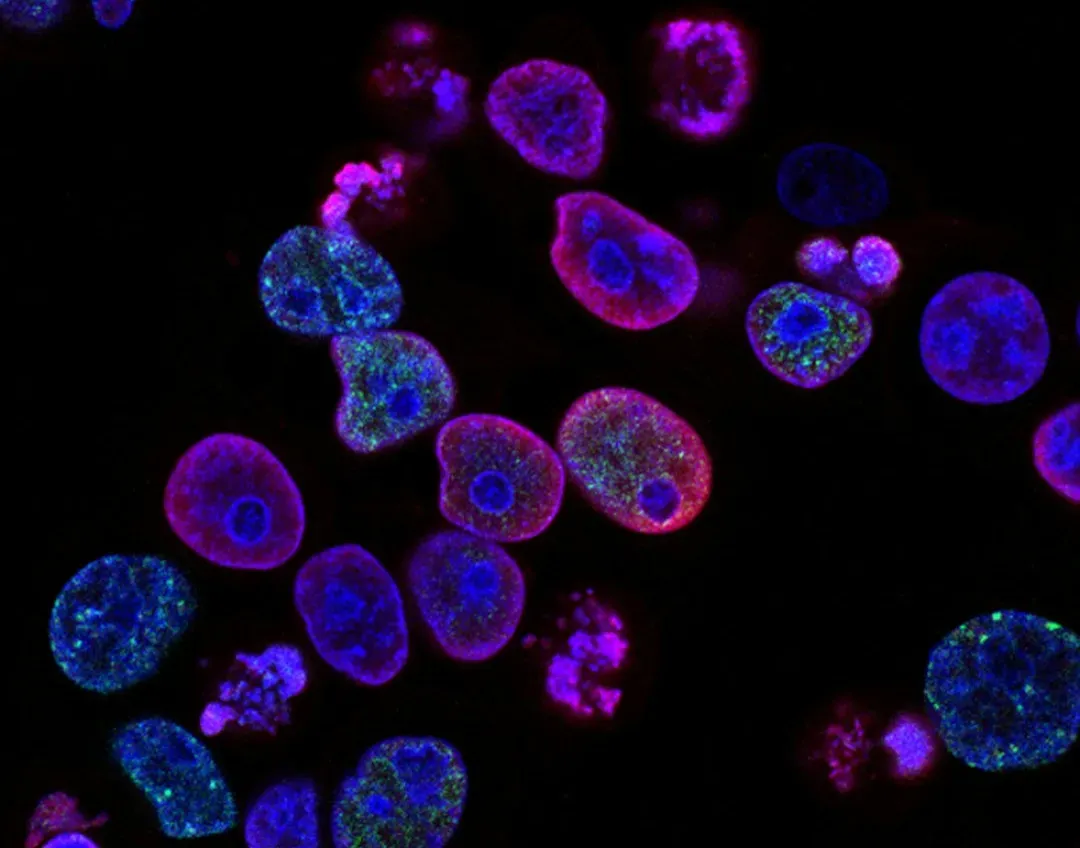
Hidden in your bone marrow, skin, and even fat are stem cells, which are like undecided students in college who haven’t picked a major yet. These cells have the rare ability to turn into different types of specialized cells when needed, stepping in to replace damaged or dying tissue. When you injure a muscle or fracture a bone, stem cells are part of the behind-the-scenes team that helps rebuild what was lost.
Researchers are intensely interested in these shape-shifters because they hint at a future where we could nudge the body to repair things that today seem hopeless, like severe spinal cord injuries or advanced heart damage. We’re not fully there yet, and there’s a lot of hype mixed with genuine progress, but there are already real-world therapies using certain kinds of stem cells for blood disorders and some immune conditions. In a way, science is learning to partner with a system your body has quietly used all along.
Brain and Nerves: Limited, But Not Helpless at Healing
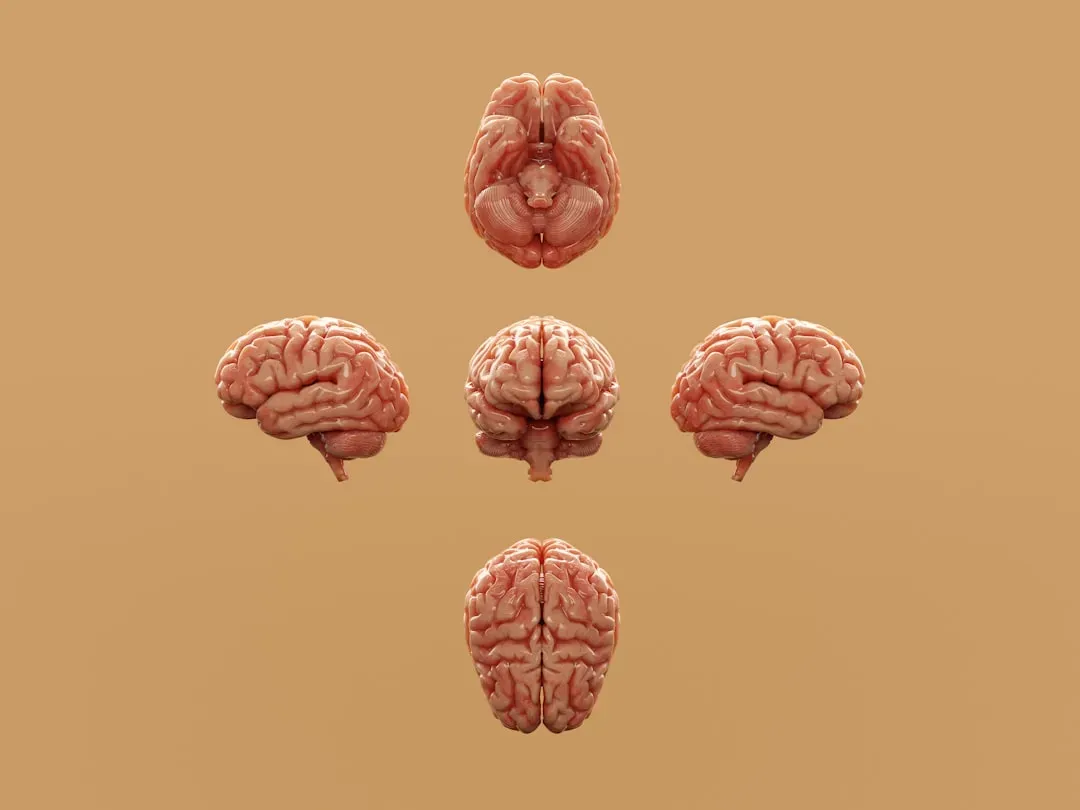
For a long time, doctors believed that once brain cells were lost, that was the end of the story. Now, we know that certain parts of the brain can generate new neurons, especially regions involved in learning and memory. This doesn’t mean the brain is a perfect regenerator, but it does mean it’s more flexible and adaptable than we once thought, constantly rewiring and strengthening pathways based on what you do, feel, and practice.
After a stroke or head injury, for example, some people regain speech or movement not because the damaged cells come back, but because other areas of the brain step in and reorganize. Rehabilitation therapy is basically a way of convincing the brain to reroute traffic and build new connections, like setting up detours after a major road is blocked. What you do – from moving a limb repeatedly to practicing certain cognitive tasks – becomes a signal that tells your nervous system where to focus its limited but real healing energy.
Metabolic Reset: How the Body Repairs from the Inside Out

Deep inside your cells, there’s a constant process of repair and recycling going on, especially in response to stress and damage. One of the most fascinating examples is a process where cells break down and reuse old or broken components instead of letting them pile up like junk in a garage. This internal cleanup helps keep cells functioning well and has been linked to healthier aging and resistance to certain diseases.
Modern research is uncovering how things like sleep, stress levels, and eating patterns can either support or sabotage these inner repair cycles. For instance, when you chronically skimp on sleep, your body spends less time in key stages where cellular repair tends to ramp up. It’s not that lifestyle suddenly became magic medicine; it’s that we’re finally seeing how everyday habits either cooperate with or work against the quiet, powerful repair work your body is trying to do anyway.
When Self-Healing Needs Help: Working With, Not Against, the Body

Despite how impressive your body’s self-healing systems are, they do have limits, and that’s where medicine still absolutely matters. A deep cut might need stitches to bring the edges together so your natural repair process can do its job properly, and a severe infection might need antibiotics to stop bacteria from overwhelming your defenses. Modern treatments are at their best when they support or guide what the body is already trying to do, rather than fighting those processes blindly.
There’s a growing movement in healthcare to look at symptoms not just as enemies to silence, but as signals about where the healing process is struggling or stuck. Pain, swelling, and fatigue can be miserable, but they’re often part of how your body protects an area and forces rest so recovery can happen. The real challenge – and opportunity – is to learn how to respect those signals, relieve suffering where necessary, and still give your built-in repair systems the space, time, and support they need.
Why Understanding Self-Healing Changes How We Live

Once you grasp how much of your survival depends on quiet, continuous repair, it shifts your perspective from seeing the body as fragile glass to seeing it more like a resilient forest that can regrow after storms. That doesn’t mean you’re invincible, but it does mean that every day is less about “not breaking” and more about helping your inner repair team do its job. Things like moving your body, getting enough sleep, eating real food, and managing stress become less about abstract wellness trends and more about giving your cells the raw materials and conditions they need to fix what life inevitably wears down.
Science is far from finished mapping all of these self-healing pathways, and there’s a long road ahead before some of the more ambitious ideas turn into safe, everyday treatments. Still, even with what we already know, it’s clear that your body is not just a passive victim of time and injury; it’s an active, dynamic system that’s constantly fighting for you. Knowing that, the real question becomes: how will you treat a body that works this hard to keep you going?