
Modern life feels so seamless that we rarely stop to ask a simple question: who actually made all this possible? We tap on touchscreens, ride in planes through turbulence, and receive life‑saving drugs as if they appeared out of nowhere. Yet behind nearly every “ordinary” convenience sits a mind that most people have never even heard of.
This is the strange irony of science: the people who quietly changed everything are often the ones history pushes to the side. Their breakthroughs get renamed, repackaged, or overshadowed by more famous colleagues. Once you start seeing their fingerprints on your phone, your medicine cabinet, and even the weather forecast, it’s hard to unsee them. After diving into their stories, I’ve never looked at the modern world the same way again.
1. Rosalind Franklin – The Hidden Architect of DNA
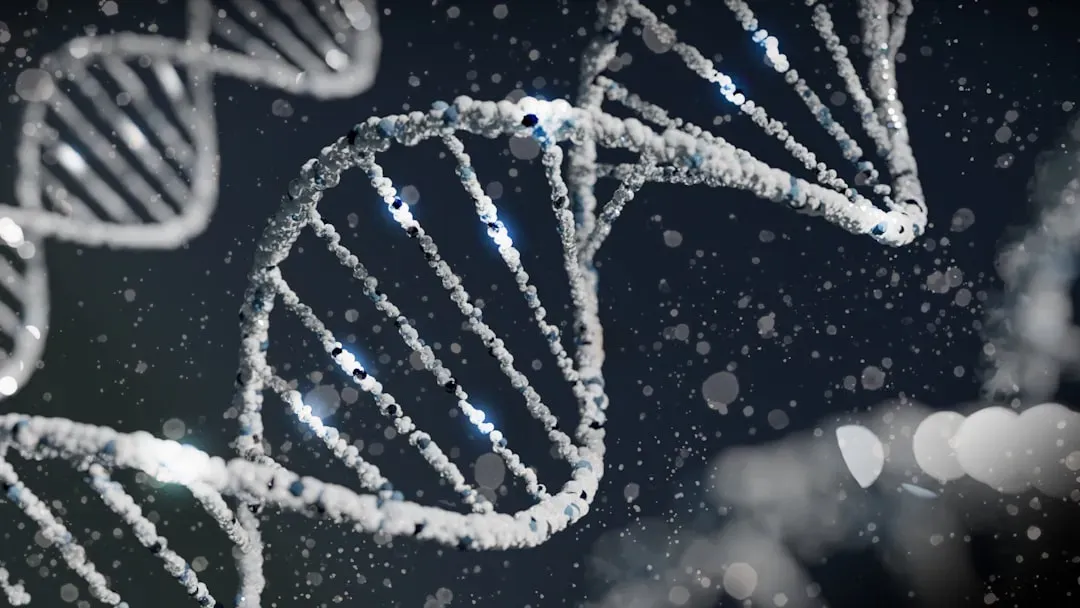
Imagine uncovering the blueprint of life itself and then watching history credit someone else. That’s essentially what happened to Rosalind Franklin, the crystallographer whose X‑ray diffraction images of DNA were central to understanding its double‑helix structure. Her famous “Photo 51” provided critical evidence about DNA’s shape, spacing, and symmetry, yet for decades her role was mentioned only in passing, if at all.
Franklin was not just a supporting character in a story about bigger names; she was a rigorous scientist who insisted on hard data over speculation. Her careful measurements on DNA’s A and B forms, and her work on viruses like tobacco mosaic virus, laid foundations for molecular biology and virology that still matter today. When people talk about genetics, CRISPR, and personalized medicine, they’re standing on ground she helped map, even if her name is still missing from many of the monuments.
2. Lise Meitner – The Mind Behind Nuclear Fission

When you hear “nuclear fission,” you probably think of big names tied to the Manhattan Project or famous Nobel laureates. Yet the core explanation of how heavy atoms split – the idea that made nuclear reactors and weapons possible – was first correctly interpreted by Austrian‑Swedish physicist Lise Meitner. Working with Otto Hahn for years in Berlin, she fled Nazi persecution and later, in exile, used physics rather than lab access to piece together what their experiments really meant.
Meitner and her nephew Otto Frisch explained that when uranium nuclei were bombarded with neutrons, they could split into lighter elements, releasing enormous energy, a process they described using analogies to a liquid drop breaking apart. That insight transformed scattered experimental data into an entirely new understanding of matter and energy. Yet Hahn alone received the Nobel Prize, while Meitner’s contribution was brushed to the background. Every nuclear power plant humming today, and every serious discussion about nuclear energy or deterrence, traces back to a breakthrough her mind helped unlock.
3. Henrietta Lacks – The Uncredited Foundation of Modern Biomedicine
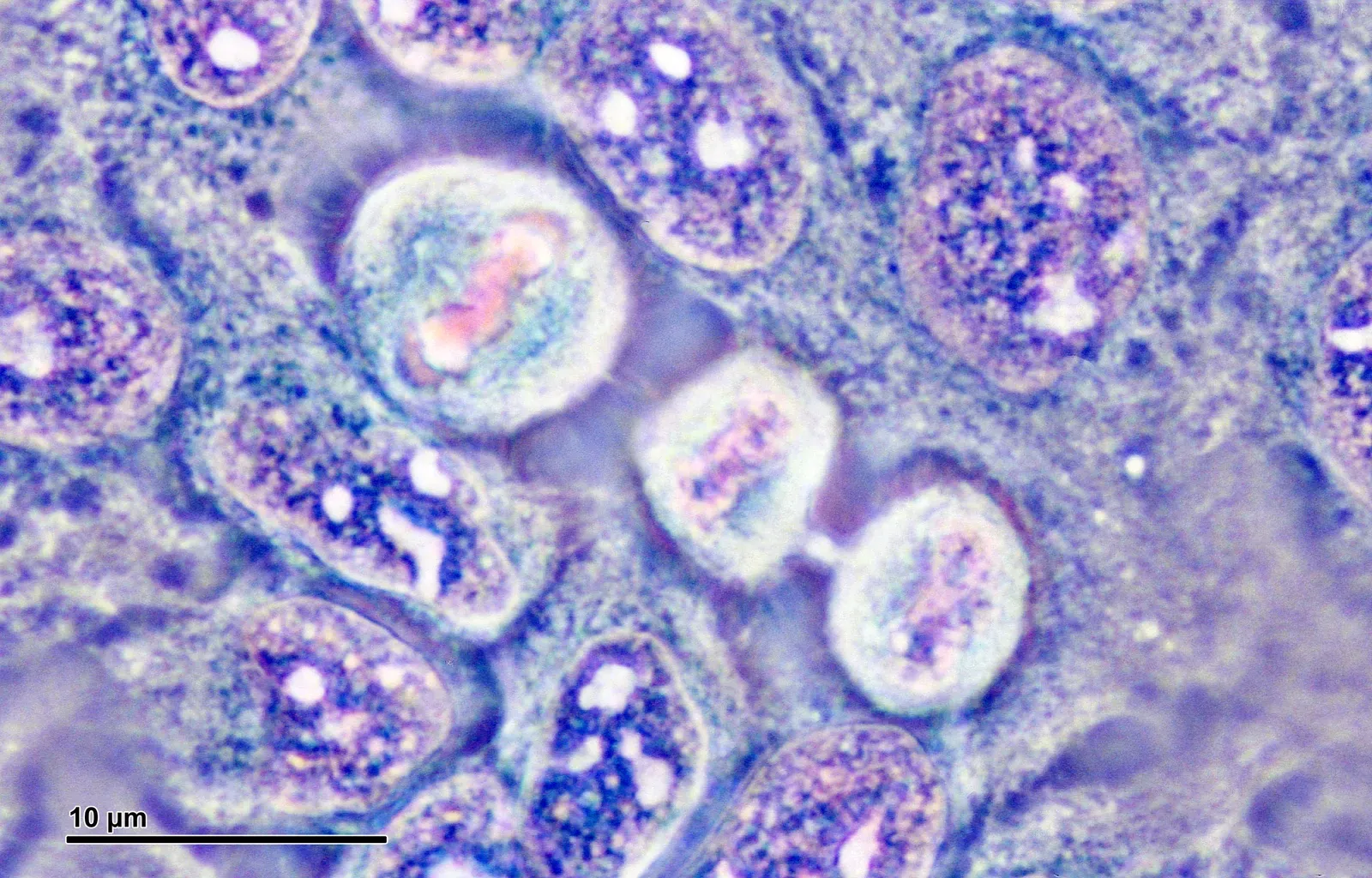
Henrietta Lacks wasn’t a scientist, and maybe that’s why her impact is even more startling. In 1951, while being treated for cervical cancer in Baltimore, cells were taken from her tumor without her knowledge or consent. Those cells, later called HeLa cells, turned out to be astonishingly resilient and able to divide indefinitely under the right conditions. They became the first truly “immortal” human cell line used at scale in laboratories around the world.
HeLa cells have been used in vaccine development, cancer research, gene mapping, space biology, and even drug testing protocols that impact what your doctor prescribes. For decades, this happened while her family lived with no compensation, very little information, and almost no say over how her biological material was used. Modern debates about data privacy, genetic consent, and bioethics – especially around who profits from human tissue and information – are shaped by what happened to her. The next time you hear about a breakthrough therapy, there’s a decent chance the early lab work was done on cells that came from Henrietta Lacks.
4. Nikola Tesla – The Visionary Behind Our Electric Reality
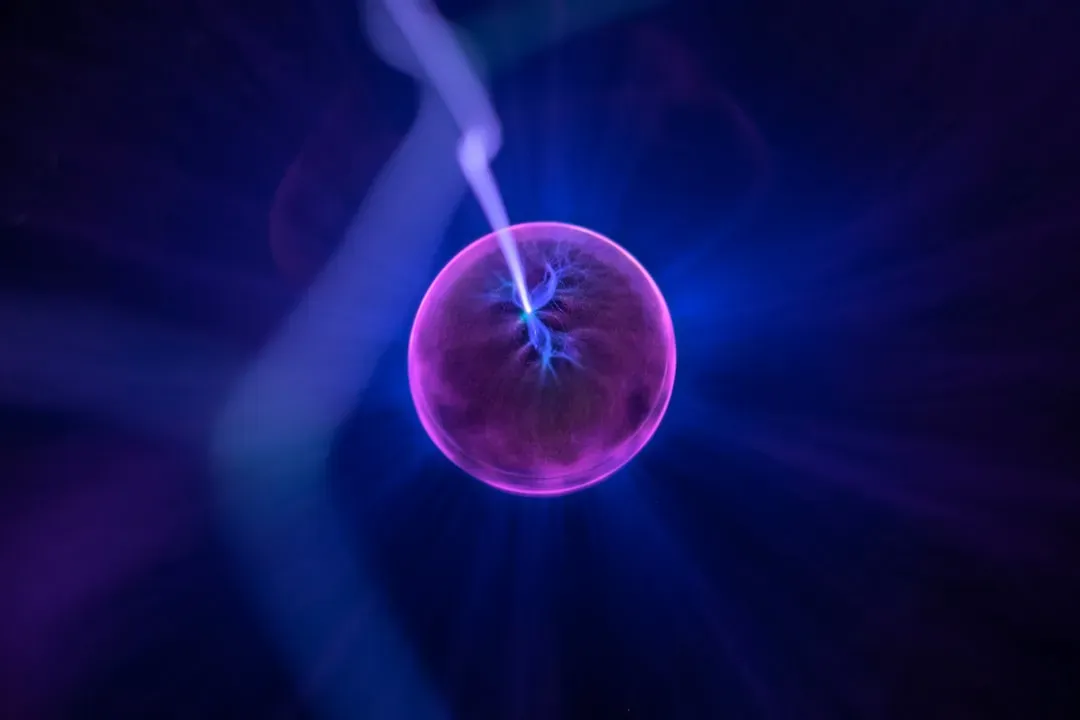
People treat Nikola Tesla almost like a meme now – a quirky genius, a namesake for a car brand – but that joke hides how thoroughly he rewired the modern world. The alternating current (AC) systems he championed and designed made it actually practical to send electricity over long distances, powering cities rather than just a few blocks around a generator. If you live in a modern country and flip a switch, there’s a good chance the grid behind that action owes more to Tesla than to the more widely celebrated Thomas Edison.
Tesla also pushed ideas that were considered outlandish in his day but feel oddly prophetic now: wireless communication, high‑frequency power transmission, and concepts that echo in today’s Wi‑Fi and radio technologies. He struggled with money, patents, and recognition, often seeing his ideas commercialized by others while he died nearly broke. Modern electrical engineering, radio, and even parts of robotics carry traces of his imagination. It’s like the world took his visions, scaled them up, and then quietly left his name on the cutting‑room floor.
5. Ada Lovelace – The First Programmer in a Machine‑Run World

We treat software as the oxygen of modern life – running everything from social media to aircraft – but almost no one thinks about the person who first realized that machines could do more than just calculate. In the mid‑nineteenth century, Ada Lovelace wrote detailed notes on Charles Babbage’s Analytical Engine, outlining not only how it could process numbers but how it could manipulate symbols and follow complex instructions. She essentially described the core idea of a programmable computer long before electronics existed.
One of her most famous contributions was a step‑by‑step method for using the Engine to compute mathematical functions, which many people now consider the first published computer program. What’s remarkable is not just the technical procedure, but her leap of imagination: she predicted that such machines might one day handle music, graphics, or language, not just arithmetic. In an era when women were usually shut out of higher mathematics, her vision feels almost shockingly ahead of its time, especially when you realize how thoroughly our lives now revolve around the kind of programmable systems she envisioned on paper.
6. Ignaz Semmelweis – The Doctor Who Fought for Clean Hands

Imagine discovering something that could drastically cut deaths in hospitals, only to be mocked and ignored for it. That was Ignaz Semmelweis, a Hungarian physician in the nineteenth century who noticed that women in maternity wards attended by doctors and medical students were dying from childbed fever at far higher rates than women attended by midwives. By comparing practices, he realized that doctors were going directly from autopsies to childbirth without washing their hands.
Semmelweis introduced a simple solution: handwashing with disinfectant before examining patients, and mortality in his ward dropped dramatically, by something like three quarters. Instead of being hailed, he was met with resistance, professional jealousy, and outright hostility, because his findings clashed with accepted beliefs at the time. Today, hand hygiene is one of the most basic pillars of infection control, and public health campaigns around the world rely on ideas that trace right back to his painful fight for recognition. Every routine scrub before surgery and every hospital hand sanitizer station has a little bit of Semmelweis standing behind it.
7. Annie Jump Cannon – The Woman Who Classified the Stars
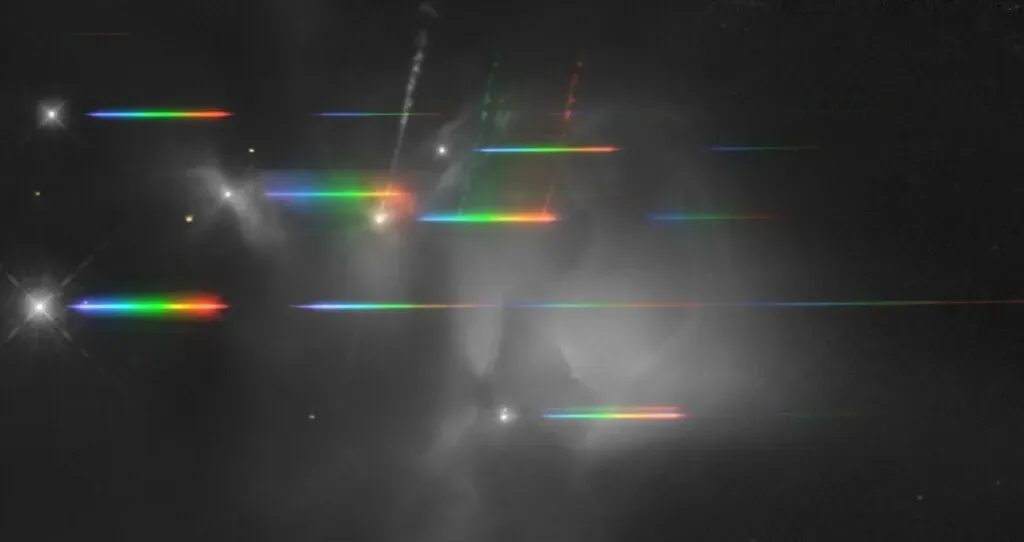
When we talk about space, it’s usually astronauts or big telescopes that get the spotlight, but none of that means much without a system to make sense of what we’re seeing. Annie Jump Cannon, an American astronomer working in the early twentieth century, played a huge but underappreciated role in building that framework. She examined hundreds of thousands of stellar spectra – light spread out into its component colors – and sorted stars into categories based on their temperature and spectral characteristics.
The sequence she helped establish, often summarized by a simple mnemonic, became the backbone of stellar classification and is still taught in astronomy courses today. Cannon’s work with the so‑called “Harvard Computers,” many of them women doing meticulous analysis for low pay and little recognition, turned chaos into an organized catalog of the sky. Modern astrophysics, exoplanet searches, and even the way planetarium shows describe stars to kids rely on the structure she and her colleagues created. It’s hard not to feel a kind of awe that such a massive map of the universe was assembled, line by line, by people history almost forgot.
Conclusion – The Invisible Hands Behind Everyday Miracles
What ties these seven people together isn’t just that they were brilliant; it’s that the world quietly absorbed their work while leaving their names in the shadows. DNA structure, nuclear energy, biomedical research, electric grids, computing, infection control, and astronomy all rest on foundations they helped lay. Yet for most of us, their stories never showed up in textbooks, movie plots, or casual conversations about “great inventors.”
Once you know their names, everyday life starts to look different: a phone call feels a bit more like Ada’s dream, a hospital hand‑rub nods to Semmelweis, and a power outlet hums with Tesla’s legacy. Remembering them doesn’t just fix a historical oversight; it changes how we see progress itself – not as the work of a few famous heroes, but as a long, messy relay where many runners never get their medal. How many other quiet pioneers do you think are still missing from the story?