Our planet is so wildly diverse that scientists are still discovering new species every single year. In fact, researchers estimate there may be between 700,000 and 1 million species in the ocean alone, and roughly two-thirds of these have yet to be discovered or officially described. That’s almost incomprehensible when you stop to think about it.
You might assume you’ve heard of the most fascinating creatures Earth has to offer. Lions, sharks, elephants – sure. But the planet is sheltering some truly jaw-dropping animals that most people have never encountered, not even in textbooks. Some look like they were designed by a committee of mad scientists. Others break every biological rule we thought we knew. Get ready, because what follows may seriously change how you see the natural world. Let’s dive in.
1. The Axolotl – Nature’s Regeneration Machine
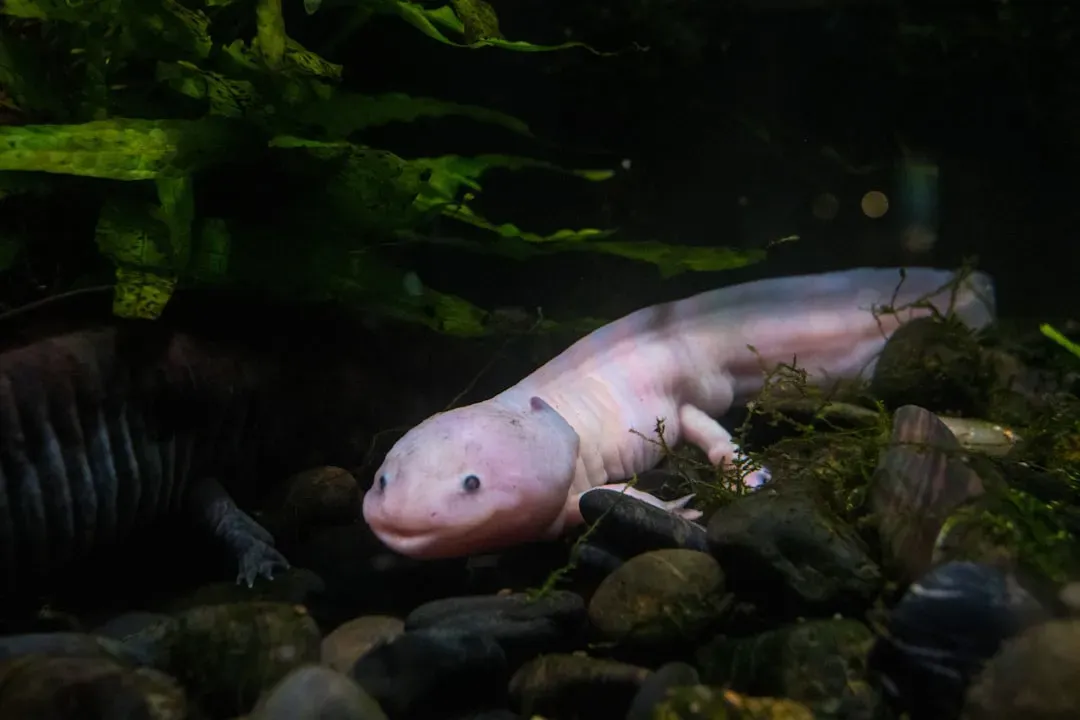
Honestly, if you haven’t heard of the axolotl yet, buckle up. The axolotl, also known as the Mexican walking fish, is a type of salamander that is often mistaken for a fish due to its gill-like structures and aquatic lifestyle. Those feathery plumes sprouting from its head are actually external gills, and the whole creature looks like something conjured from a fantasy novel.
What makes this animal genuinely extraordinary, beyond its alien appearance, is what it can do to its own body. It can regrow severed limbs, damaged spinal cords, heart tissue, and even parts of its brain without scarring, making it invaluable for research into regeneration. Unusually, axolotls exhibit neoteny, meaning they remain in their larval stage throughout their lives, never undergoing metamorphosis like typical amphibians. Think of it like staying a toddler forever, but with superhero healing powers.
2. The Mantis Shrimp – The Ocean’s Most Violent Puncher
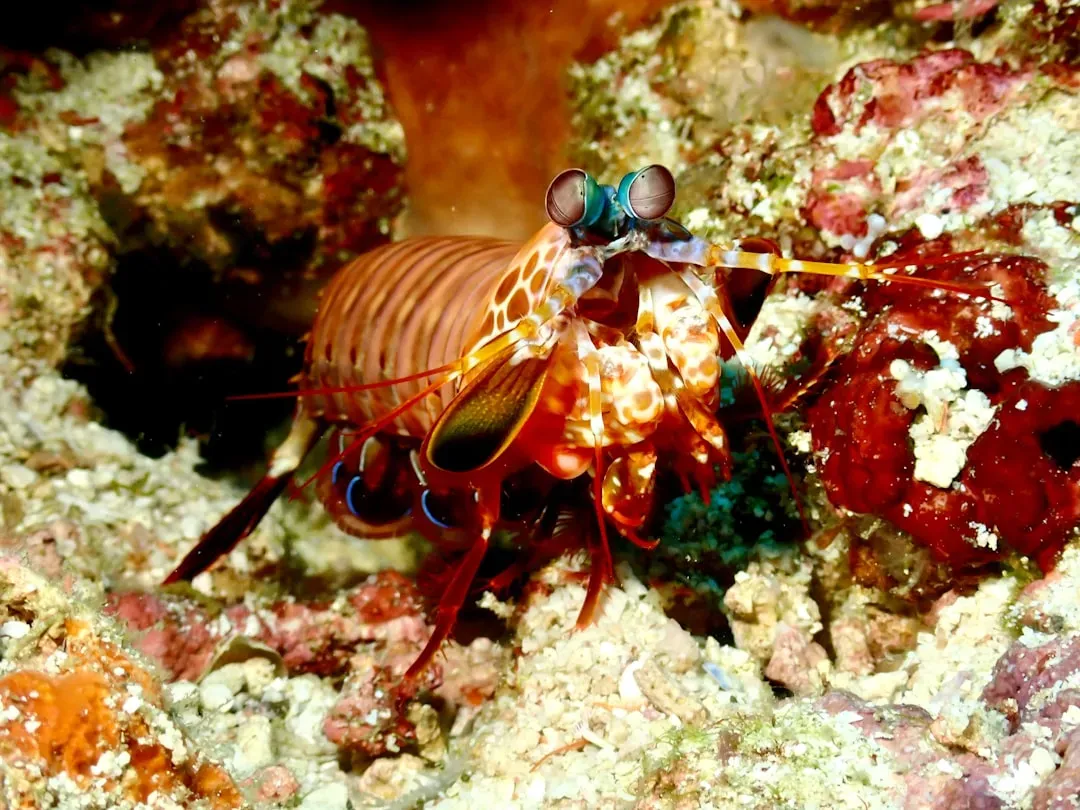
Let’s be real: the name “mantis shrimp” sounds harmless enough. You’d be terribly wrong to underestimate it. The mantis shrimp is a small, aggressive marine crustacean that inhabits tropical and subtropical waters of the Indian and Pacific Oceans. They are beautiful and vibrant in colour, but also deadly, able to club prey with the force of a bullet, or spike them with their sharp claws.
Its eyes are possibly its most mind-blowing feature. The mantis shrimp boasts one of the most complex visual systems known to science and can perceive polarized light, possessing up to 16 color channels compared to the human’s three. Beyond the vision, some species wield a spring-loaded claw that strikes at incredible speeds of up to 50 mph. This punch is so fast it creates cavitation bubbles that collapse and generate shockwaves capable of stunning or killing prey, and even shattering aquarium glass. Yes, it punches so hard it boils the water around it.
3. The Goblin Shark – A Living Fossil from the Deep
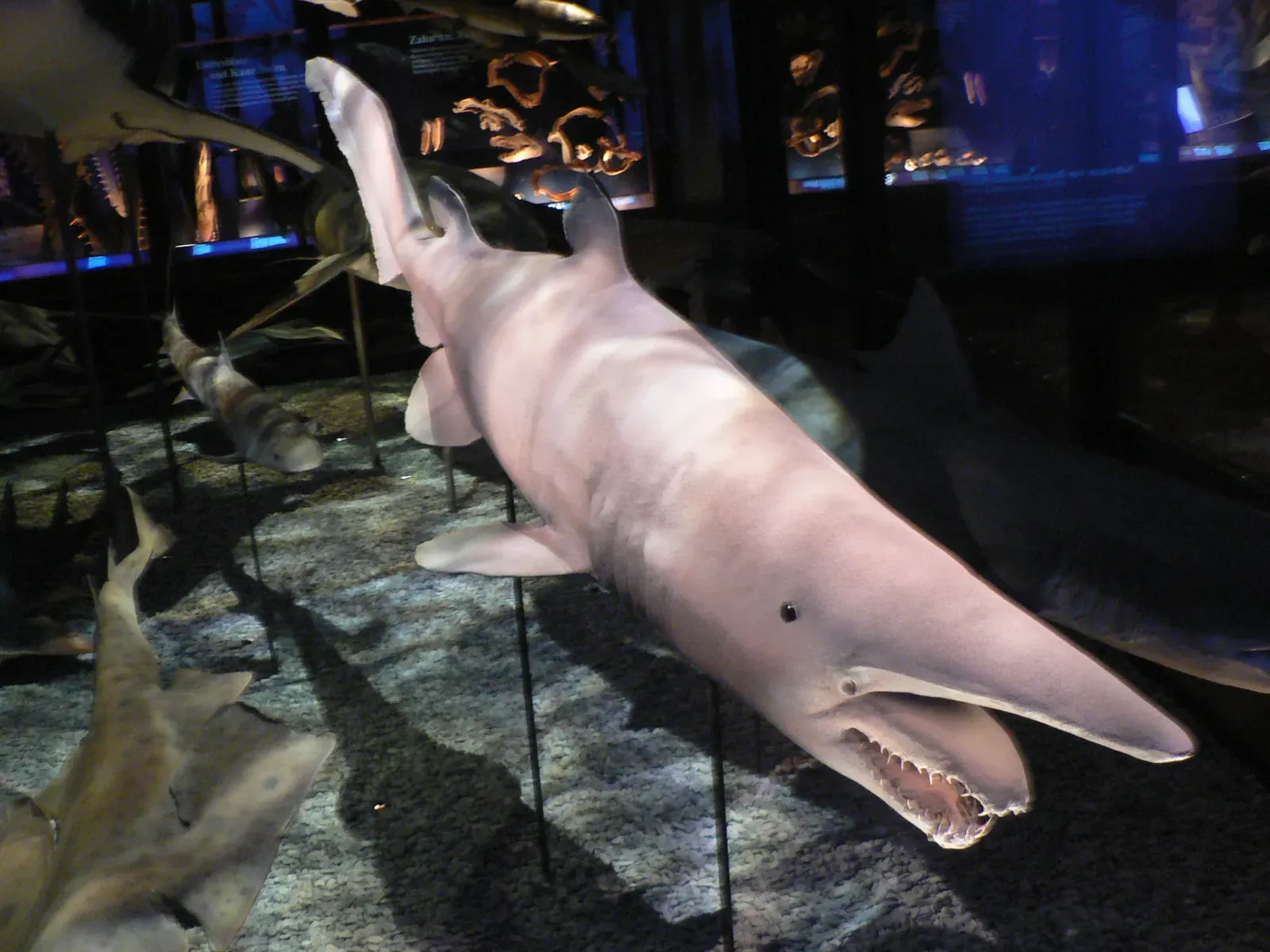
Often called a “living fossil,” the goblin shark retains features of ancient sharks and has changed little over 125 million years. If you’ve never seen one, picture a pale, almost translucent shark with a long blade-like snout and a jaw that looks like it belongs on something from a horror film.
This deep-sea dweller has a distinctive long, flat snout and a truly bizarre feeding mechanism: its protrusible jaws can rapidly shoot forward to snatch prey. Due to the depths and darkness at which they live, goblin sharks likely do not rely on eyesight as much to find prey, instead relying on smell, sound, and special organs called ampullae of Lorenzini, which can sense electric fields produced by other animals. Nature essentially built a living sensor array inside a prehistoric nightmare.
4. The Star-Nosed Mole – Touch Is Its Superpower
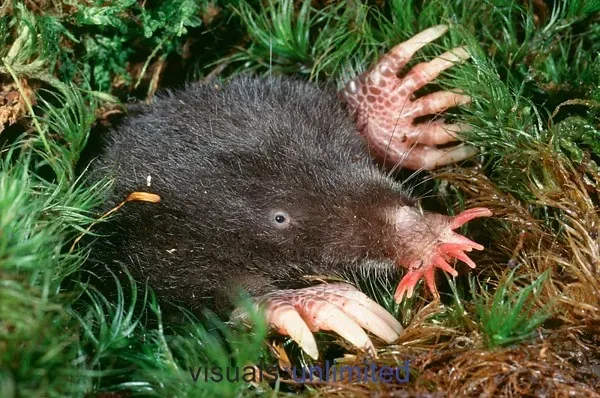
When you think of a mole, you probably picture a small, velvety, blind-ish creature bumbling through the dirt. The star-nosed mole takes that image and flips it completely. This strange burrowing mammal has a star-shaped nose made up of 22 fleshy, pink tentacles, and this extremely sensitive organ helps the mole to navigate and find prey in its underground world. It looks like a tiny alien hand growing from its face.
It has more than 25,000 minute sensory receptors in touch organs, known as Eimer’s organs, with which this hamster-sized mole feels its way around. It’s hard to say for sure, but scientists believe this makes the star-nosed mole the fastest-foraging mammal on Earth, capable of identifying and eating prey in under a quarter of a second. Found in the northeastern parts of North America, it got its name from the rose-colored ring of fleshy, retractable tentacles surrounding its nose, averaging around 7.6 inches in length and weighing just 1.8 ounces. Small package, extraordinary power.
5. The Narwhal – Yes, the “Unicorn of the Sea” Is Real
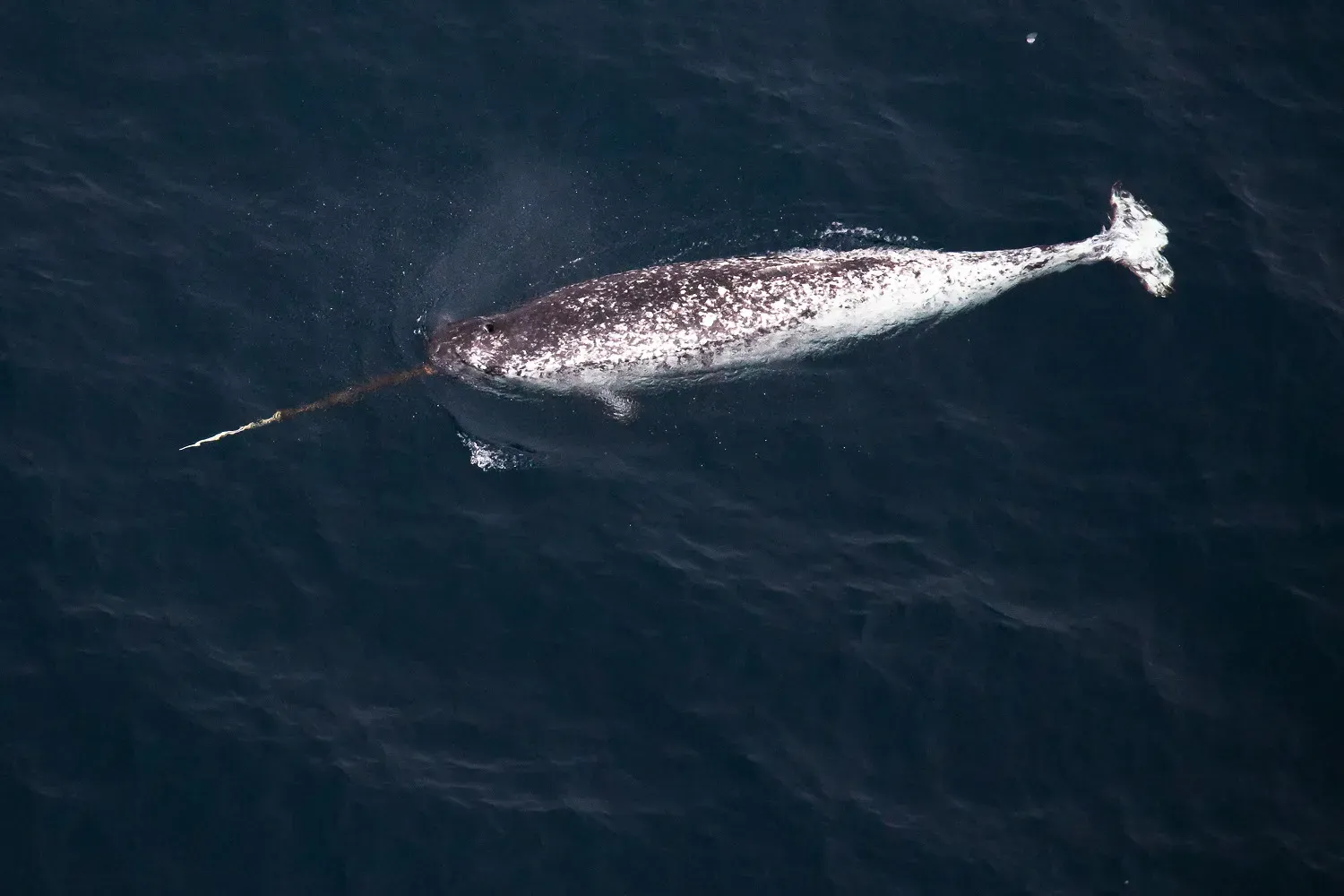
Here’s something surprising: for a long time, narwhals were the stuff of legend, and medieval Europeans who came across their tusks genuinely believed they had found proof of unicorns. The narwhal, known as the “unicorn of the sea,” is a whale species that sports a long, spiral tusk that is actually an elongated tooth. This tusk can grow up to 10 feet (3 meters) and is primarily found in males, though some females have them as well.
The narwhal is a type of toothed whale found in the Arctic Ocean with a distinctive appearance, with a long, spiral tusk that can grow up to 10 feet in length. Only male narwhals have tusks, which are an extension of the upper left canine tooth. Narwhals are primarily carnivorous, feeding on fish, squid, and other small aquatic animals. Scientists now believe the tusk may be packed with millions of nerve endings, possibly used to sense changes in water temperature and pressure. In short, it’s a giant sensory antenna doubling as a sword.
6. The Pangolin – The World’s Most Trafficked Mammal
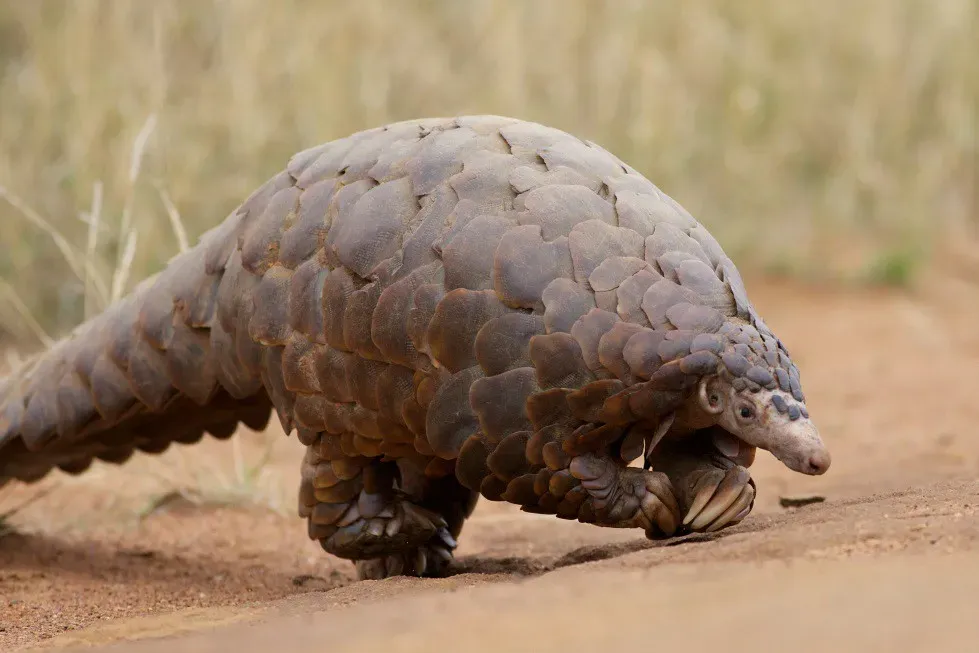
The pangolin is one of those animals that deserves far more attention than it gets, and sadly, most of the attention it does get is for the wrong reasons. Pangolins, found in Africa and Asia, are the only mammals completely covered in scales made of keratin, the same material as human fingernails. These scales act as armor, and when threatened, pangolins curl into a tight ball, using their scales to protect themselves from predators. They are nocturnal and primarily feed on ants and termites, using their long, sticky tongues to capture insects.
There are eight species of pangolins, and as a group they are the most trafficked mammals in the world, primarily for their scales and meat. The tragic irony is that their defense mechanism, curling into a ball, works perfectly against natural predators. Against humans, it makes them devastatingly easy to pick up and poach. The pangolin deserves a better story than this, and conservation efforts to save them are more urgent than ever in 2026.
7. The Kakapo – A Flightless, Smelly, Nocturnal Parrot
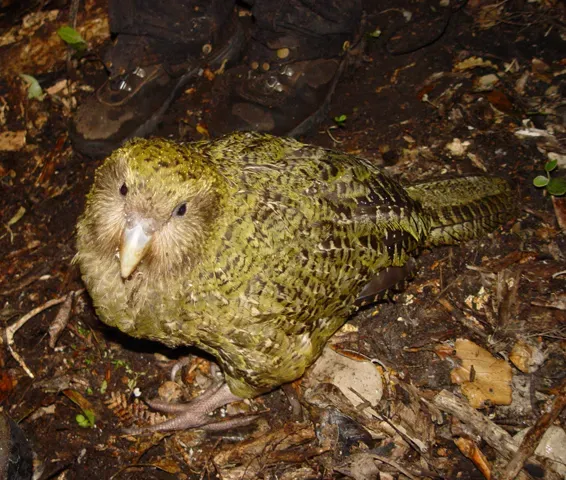
If nature ever created an underdog, the kakapo is it. The kakapo is a flightless, nocturnal parrot native to New Zealand and one of the world’s heaviest parrots, weighing up to 9 pounds (4 kg). Its soft, mossy green feathers and owl-like face give it a distinctive appearance. Unlike most birds, it has a strong, musty odor, which is atypical for a parrot.
The kakapo’s inability to fly, coupled with its nocturnal habits, makes it highly vulnerable to predators. Conservation efforts are in place to save this critically endangered species, and its odd combination of traits makes it a unique figure in bird conservation. I think what makes the kakapo so endearing is precisely how helpless it seems. It booms like a loudspeaker during mating season, waddling through the New Zealand forest like it owns the place. Rooting for the kakapo feels like rooting for the most lovable disaster in the animal kingdom.
8. The Glass Frog – You Can See Right Through It
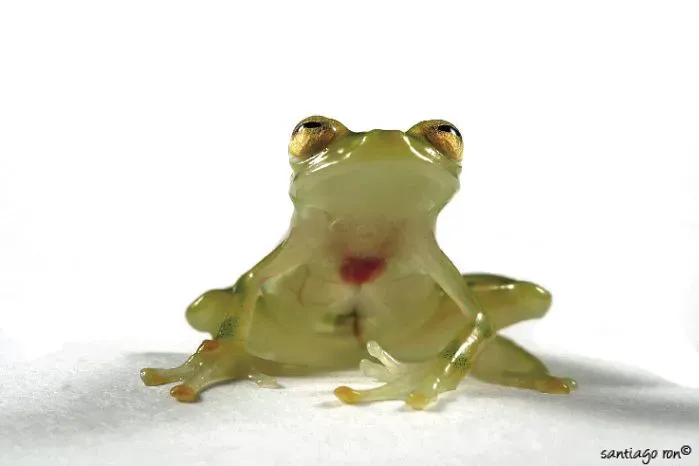
You thought you had seen everything frogs could offer? The glass frog would like to disagree. Glass frogs are small amphibians found in Central and South America, known for their translucent skin. Some species have such clear skin that you can see their internal organs, including their beating hearts, through their bellies. This transparency helps them blend into their environment, making them harder for predators to detect.
Glass frogs belong to the family Centrolenidae, known by the name “see-through” because of their translucent skin. There are 60 different species of glass frogs seen in Southern Mexico, Central, and South America, and the preferred habitat of these species is the tropical rainforest, mainly in treetops. Imagine having a window into your own chest while also being able to disappear against a leaf. It is the ultimate evolutionary double act, part camouflage artist, part living anatomy lesson.
9. The Aardwolf – The Hyena That Refuses to Hunt
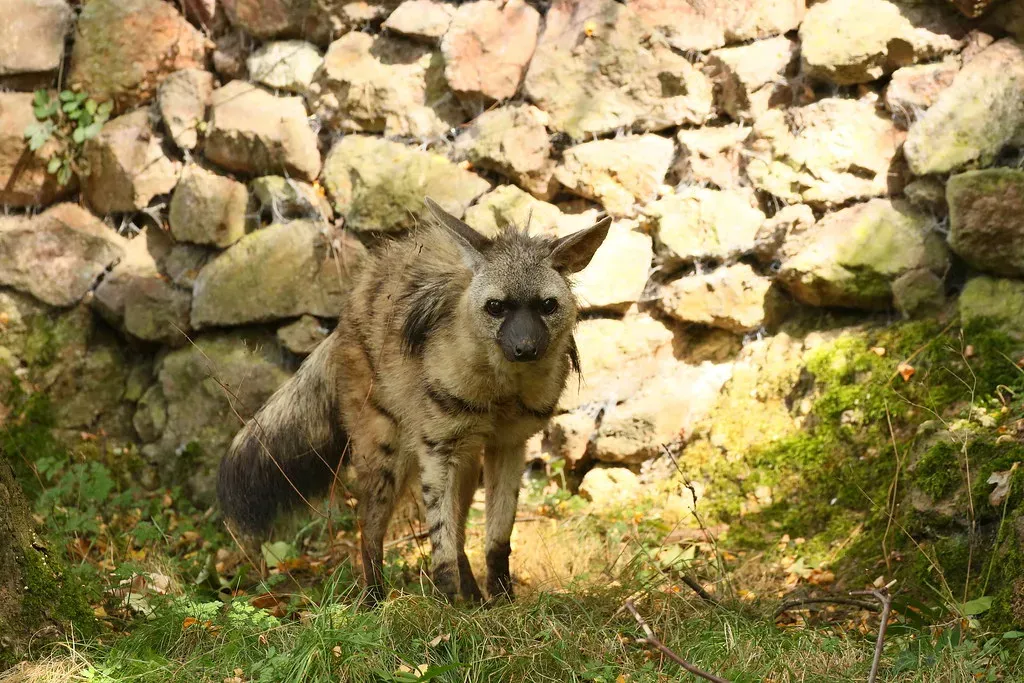
When you hear “hyena family,” your mind probably goes straight to spotted, cackling predators chasing wildebeest across the Serengeti. The aardwolf throws all of that out entirely. The aardwolf is an insectivorous hyaenid species, native to East and Southern Africa, and its name means “earth-wolf” in Afrikaans and Dutch. It has the look of a hyena but the diet of a very dedicated insect enthusiast.
Unlike many of its relatives, the aardwolf does not hunt large animals. It eats insects and their larvae, mainly termites, and one aardwolf can lap up as many as 300,000 termites during a single night using its long, sticky tongue. The aardwolf’s tongue has adapted to be tough enough to withstand the strong bite of termites. It is nocturnal, resting in burrows during the day and emerging at night to seek food. Honestly, consuming 300,000 termites in one night is an achievement most creatures could never dream of.
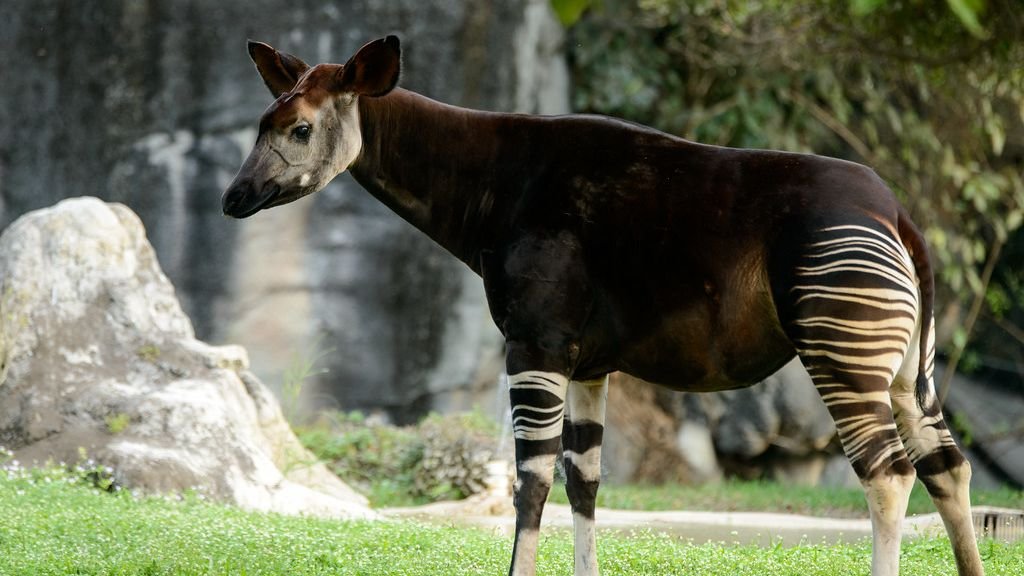
10. The Okapi – Half Zebra, Half Giraffe, All Mystery
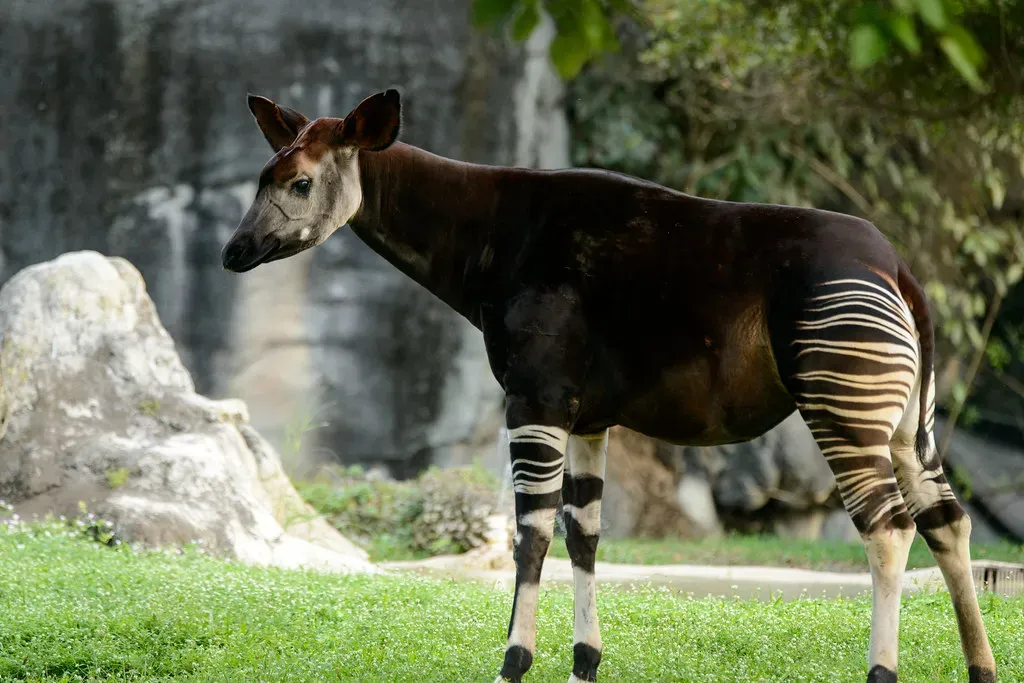
The okapi looks like the result of a nature experiment gone magnificently sideways. The okapi, often called the “forest giraffe,” is native to the rainforests of the Democratic Republic of the Congo. Its zebra-like stripes on its legs and rear contrast with its giraffe-like body, creating a distinctive look. Although it shares many physical traits with giraffes, the okapi is shorter and more elusive, preferring dense forests.
The okapi is a type of ungulate found in forests in Central Africa with a unique appearance, with zebra-like stripes on its legs and a long, prehensile tongue that can reach up to 18 inches in length. The animal’s weird markings provide camouflage against predators in the forest habitat. The okapi’s closest relative is the giraffe, and the two animals are the only members of the giraffe family, Giraffidae. For a long time, Western science dismissed it as a myth, the African equivalent of a unicorn. It wasn’t formally described until 1901. The okapi is living proof that Earth still holds spectacular secrets in plain sight.
Conclusion
Here’s what these ten animals collectively remind us of: our planet is still full of wonder, and we have only just scratched the surface. The world still holds its secrets. Hidden under wet rocks, in the ocean’s twilight crevices, and in the minutiae of the genetic code are creatures unknown and unnamed by the human species. Every year, scientists find hundreds of new animals, insects, plants, and fungi.
From the punch-speed of a mantis shrimp to the translucent belly of a glass frog, to the 300,000-termite midnight feast of an aardwolf, these animals stretch what we think life is capable of. They are extraordinary not despite being strange, but because of it. Nature is, without question, the greatest storyteller who ever lived. The real question is: which one of these astonishing creatures surprised you the most? Drop it in the comments and let the conversation begin.