

History has a habit of humbling us. Just when you think modern science has everything figured out, some ancient object or crumbling structure quietly reminds you that civilizations who lived thousands of years ago were operating on a level we still cannot fully decode. It is not just impressive. It is genuinely unsettling.
You would expect a species with quantum computers, space telescopes, and nanotechnology labs to be able to reverse-engineer what people accomplished with fire, hammers, and determination. Yet here we are in 2026, still scratching our heads over a bronze mechanism found on the ocean floor, a pillar that refuses to rust, and a concrete that apparently gets stronger the longer you leave it underwater. Let’s dive into these nine ancient technologies that continue to defy everything we think we know.
1. The Antikythera Mechanism: A Computer With No Business Existing
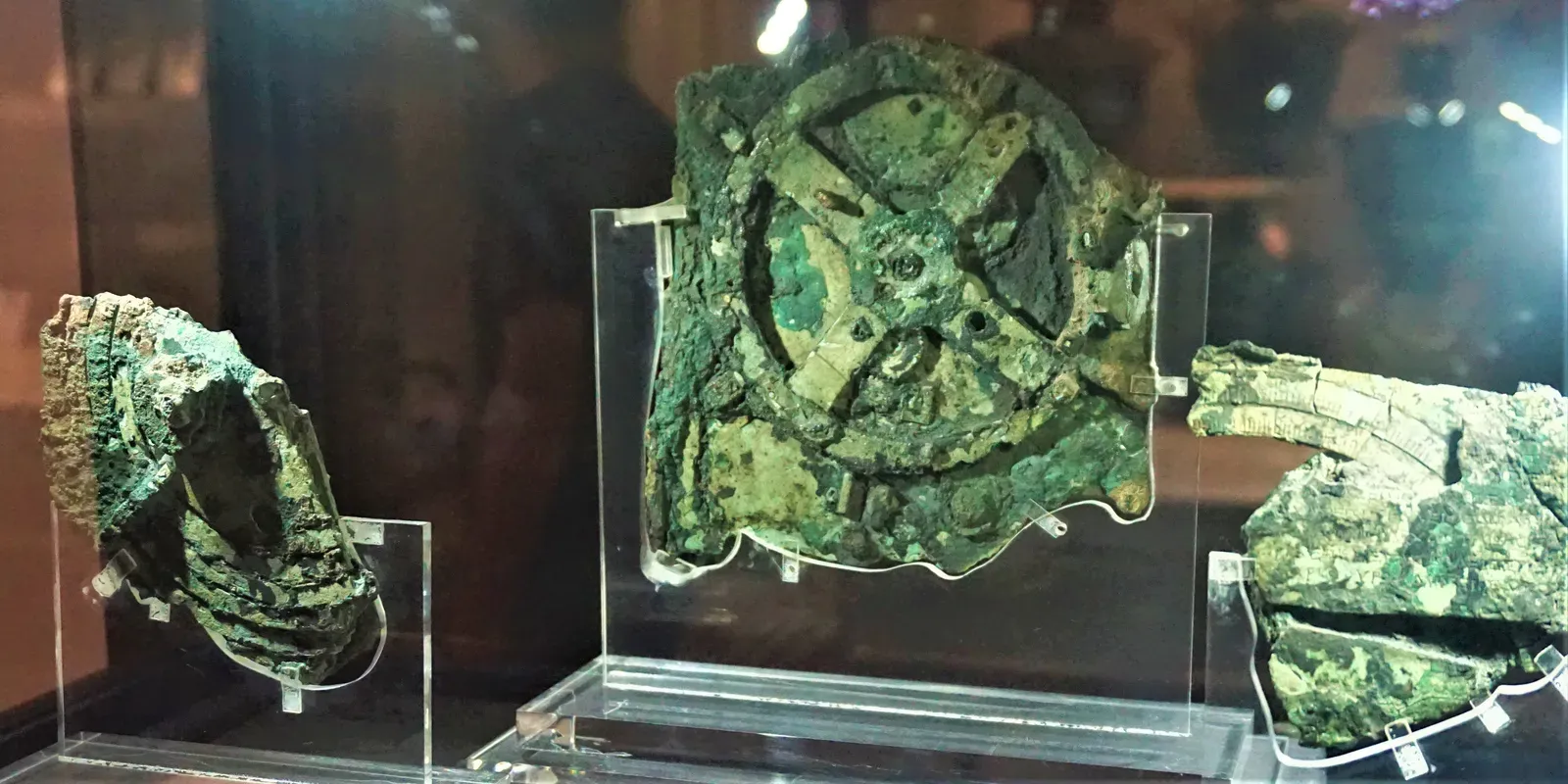
Imagine pulling a corroded lump of bronze from a shipwreck and eventually discovering it contains a precision machine far ahead of its era. Discovered in 1901 off the coast of the Greek island of Antikythera, this device looked at first like nothing more than a lump of metal, yet when researchers began to examine it closely, they uncovered a complex system of gears and dials – the likes of which wouldn’t be seen again for more than a thousand years. Honestly, that sentence alone should stop you in your tracks.
The device’s primary purpose was to predict astronomical positions and eclipses with remarkable accuracy, functioning as a mechanical calculator that could determine the positions of the sun, moon, and known planets, while also tracking multiple calendar systems and the Olympic Games cycles through its intricate gear trains. The mystery deepens when you realize it was made in the first or second century, and clockwork that sophisticated had never been seen in history until roughly 1,200 years later – with the mechanism containing at least 37 intermeshing gears that all worked together to predict the movements of celestial bodies.
2. Roman Concrete: The Self-Healing Building Material We Can’t Copy

The ancient Romans were masters of engineering, constructing vast networks of roads, aqueducts, ports, and massive buildings whose remains have survived for two millennia – including Rome’s famed Pantheon, which has the world’s largest unreinforced concrete dome and was dedicated in 128 CE and is still intact. Meanwhile, many modern concrete structures have crumbled after just a few decades. That contrast is almost embarrassing when you think about it.
Scientists found that white chunks in the concrete, referred to as lime clasts, gave the material the remarkable ability to heal cracks that formed over time – a property that had previously been overlooked and even dismissed as evidence of sloppy mixing or poor-quality raw material. When cracks form due to environmental stresses, they commonly pass through the lime clasts, and when water enters those cracks, it dissolves the lime clasts, providing a calcium-rich solution that recrystallizes as calcium carbonate – essentially gluing the crack back together. Modern engineers are still working out how to replicate this on a usable scale.
3. Damascus Steel: The Legendary Blade Formula Nobody Can Fully Recreate
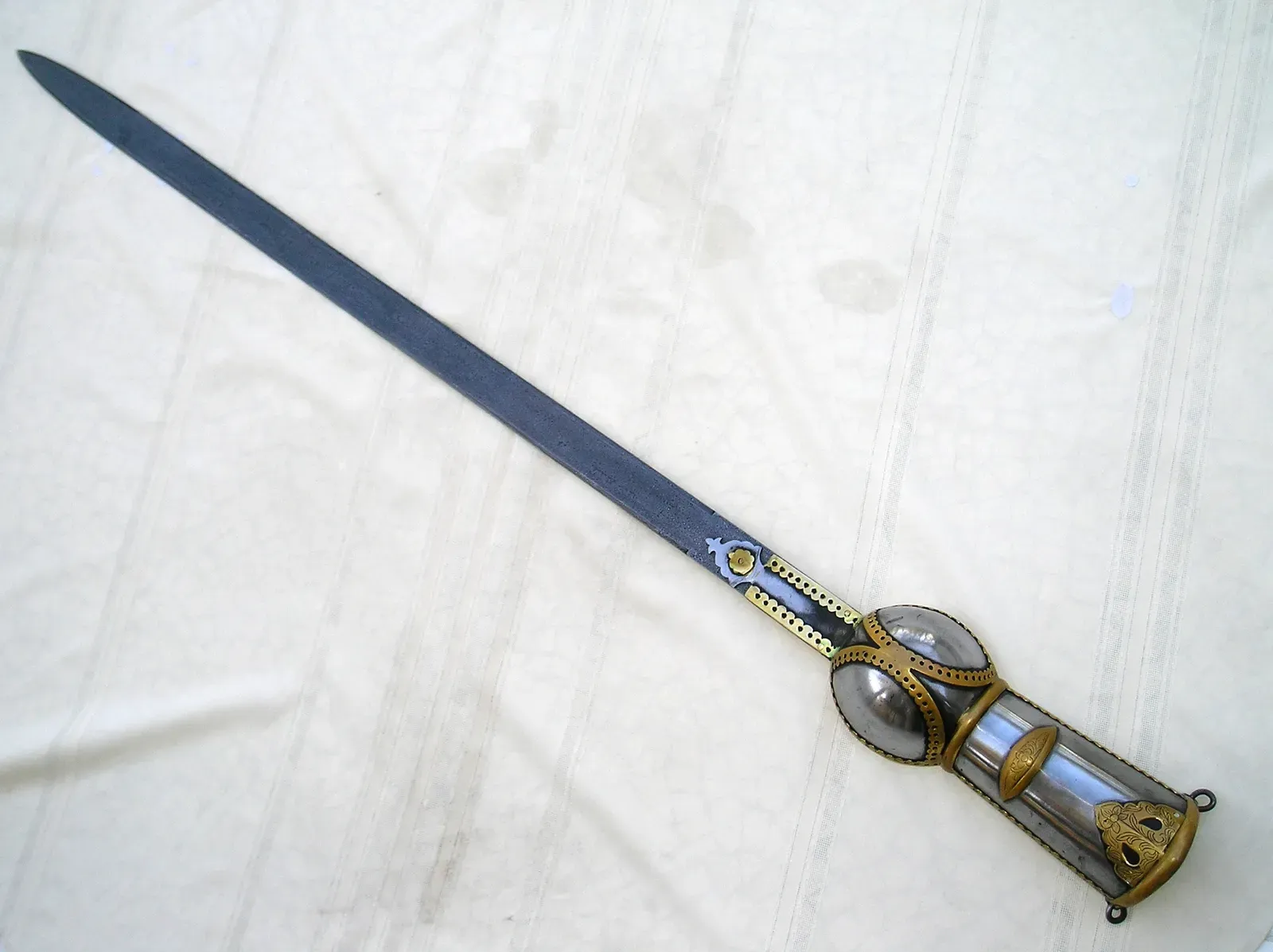
When Crusaders returned to Europe in the Middle Ages, they spoke of the fearsome weapons wielded by their adversaries. Over time, Europeans named the mysterious metal from which these blades were forged Damascus steel, after the ancient Syrian city, and these swords were said to be sharper and harder, yet lighter and swifter, than the heavy Crusader blades. Legends around a metal are rare. This one earned every word.
True Damascus steel emerged as early as 1500 BC and reached its peak between the 3rd and 17th centuries – and tests reveal these historical blades achieved impressive tensile strength significantly higher than hot-rolled steel. However, despite being produced successfully for roughly 11 centuries, the original manufacturing techniques mysteriously vanished within a single generation. In the 1980s, metallurgist John Verhoeven partnered with blacksmith Alfred Pendray to decode the Damascus mystery, and after a decade of experimentation, they discovered that vanadium present in tiny amounts was a crucial missing element. Yet even this partial rediscovery has not fully unlocked every secret of the original.
4. The Iron Pillar of Delhi: Rust’s Greatest Enemy
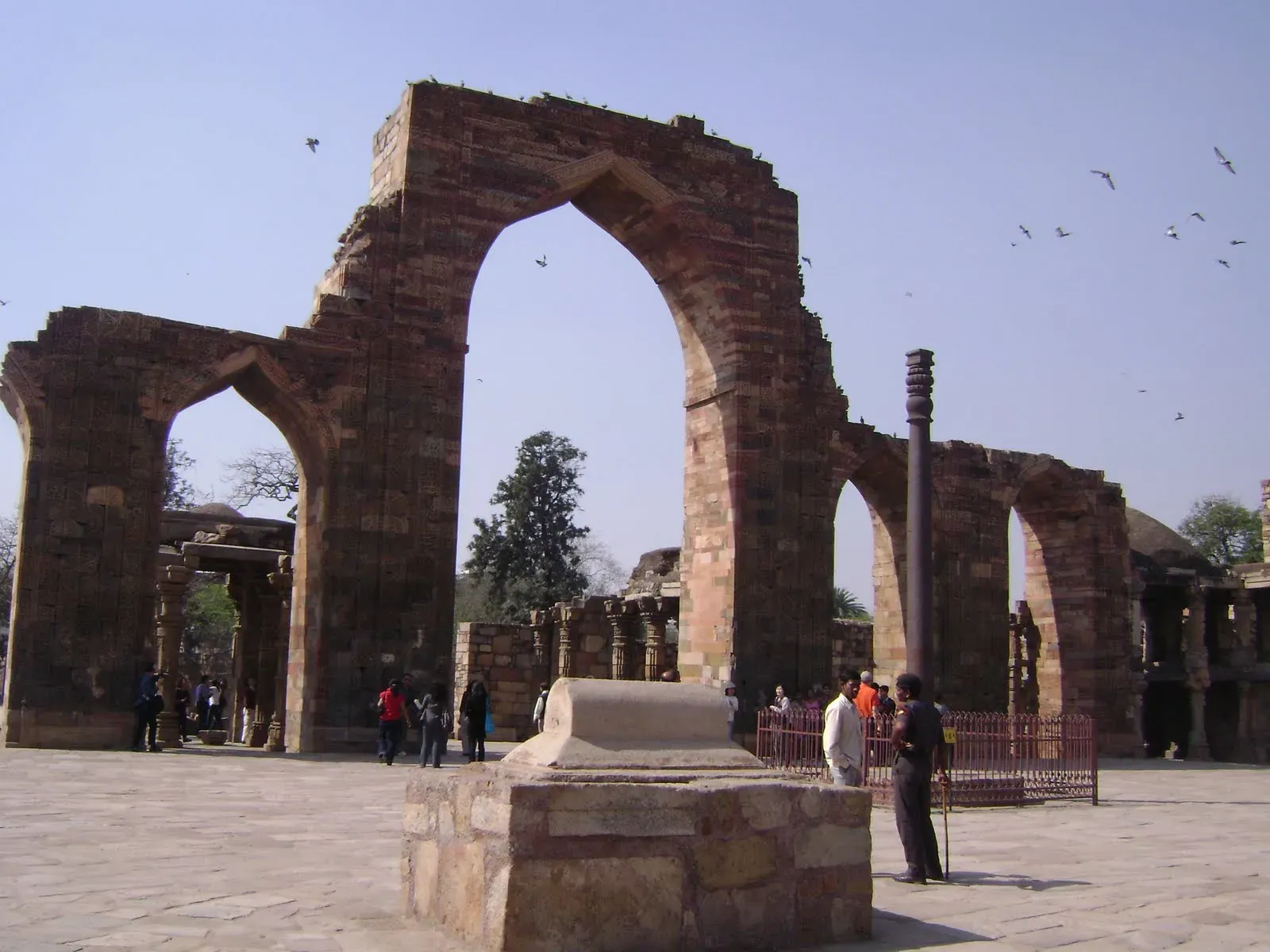
For over 1,600 years, a six-tonne iron pillar in Delhi has stood under open skies without corroding – a mystery that has stumped scientists for over a century. No paint. No coating. No explanation that satisfies everyone. Think about how quickly your car or garden tools rust when left in rain for a few weeks, and then picture this pillar standing outdoors through monsoons and scorching Indian summers for sixteen centuries without a trace of oxidation.
Metallurgists at Kanpur IIT discovered that a thin layer of a compound of iron, oxygen, and hydrogen has protected the pillar from rust – a protective film that formed within three years after erection and has been growing slowly ever since. After 1,600 years, the film has grown just one-twentieth of a millimeter thick, and this protective film was formed catalytically by the presence of high amounts of phosphorous in the iron. Contemporary metallurgists have attempted to recreate the pillar’s unique properties with mixed results, and while we can analyze its composition precisely using modern techniques, reproducing the exact forging conditions remains genuinely challenging.
5. The Lycurgus Cup: Ancient Nanotechnology in a Glass

Here is one that might genuinely make your jaw drop. The Lycurgus Cup is a 4th-century Roman glass vessel that exhibits a unique color-changing property due to the presence of gold and silver nanoparticles. When lit from the front, the cup appears green, but when lit from behind, it turns red. The precise method for creating this ancient nanotechnology remains unknown. A Roman craftsman essentially achieved what modern materials scientists only understood in the 20th century.
Even setting aside the color-changing wonder, the fourth-century Lycurgus Cup would be an amazing piece just for its ornate decorative glass cage depicting a mythical scene of King Lycurgus. Beyond surface-level beauty, the cup’s core composition is a genuine ancient wonder that leaves today’s experts scratching their heads – it appears red when lit from behind and green when lit from the front, an effect so rare that there are very few other examples from the time period and none which are as large or striking. The process used to create that dichroic effect requires the precise and measured manipulation of gold and silver nanoparticles, and since nanotechnology was only discovered in the 1970s, archaeologists are left with the unsatisfying assumption that the dichroism was likely formed accidentally.
6. The Baghdad Battery: Electric Current in 200 BC?
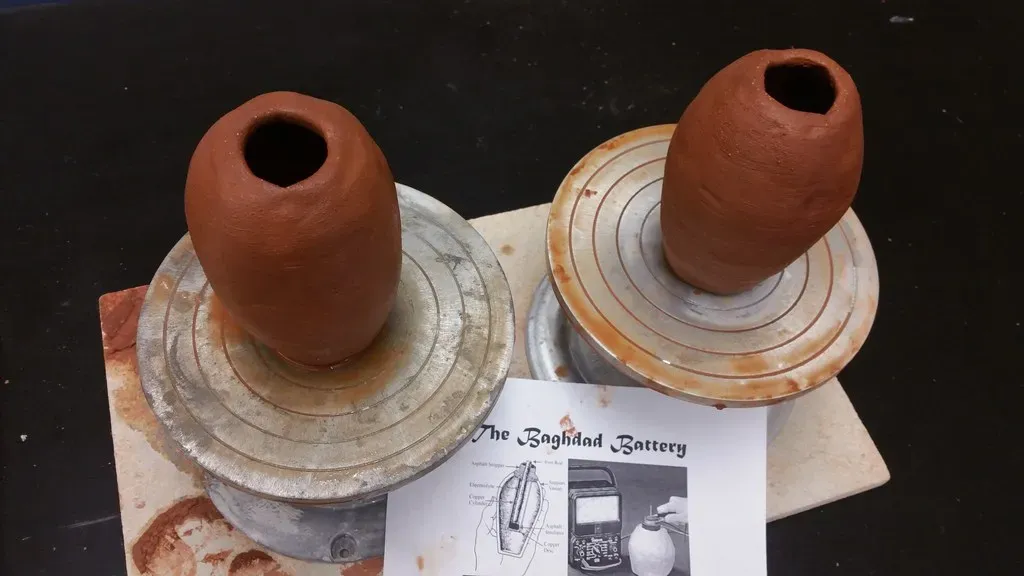
The discovery of a set of ceramic jars in modern-day Iraq dating back to around 200 BC led to one of the most intriguing mysteries of ancient technology – the so-called Baghdad Battery. Each of these jars contains a copper cylinder and an iron rod, all bearing a striking resemblance to modern batteries, or galvanic cells, and when filled with an acidic substance such as vinegar or lemon juice, the jars could theoretically produce a small electric current. It’s hard to say for sure whether that was ever their actual purpose, but the structural similarity to a galvanic cell is difficult to dismiss.
Scholars suggest the Baghdad Battery was used for electroplating, or coating objects in a thin layer of metal such as gold and silver. Others believe the jars had a medicinal use or religious significance. None of these theories have been proven or have evidence to fully back them. Some theorists suggest it might have been used for electroplating, a process that coats metal objects with a thin layer of another metal – but there is no concrete evidence to support this idea, and the real purpose of this ancient device remains one of history’s great technological mysteries.
7. Greek Fire: The Weapon That Burned on Water

Let’s be real – this one sounds like something out of a fantasy novel. The Byzantines of the 7th to 12th centuries hurled a mysterious substance at their enemies in naval battle. This liquid, shot through tubes or siphons, burned in water and could only be extinguished with vinegar, sand, and urine. We still don’t know what this chemical weapon known as Greek Fire was made of, as the Byzantines guarded the secret jealously and the knowledge was eventually lost altogether.
Greek Fire was a powerful incendiary weapon used by the Byzantine Empire, particularly during naval battles. The exact composition of this fiery substance remains a mystery, as the recipe was a closely guarded secret, but it was known to ignite upon contact with water, making it an incredibly effective weapon. Despite numerous attempts, modern researchers have yet to recreate the precise formula. Think about that for a moment – with all of modern chemistry at our disposal, we cannot reproduce a substance that medieval sailors were routinely launching from ships over a thousand years ago.
8. The Great Pyramids of Giza: Engineering Impossibility at Scale

The Great Pyramid of Giza, constructed over 4,500 years ago, stands as the most iconic and enigmatic structure on Earth. Built using more than two million limestone and granite blocks, some weighing over 80 tons, the logistics of its construction remain deeply puzzling. Modern engineers have theorized about ramps, pulleys, and manpower, yet none of these explanations fully account for the precision and scale involved. This is the oldest of the Seven Wonders of the Ancient World and the only one still standing. That alone tells you something.
The internal chambers of the Great Pyramid are aligned with an accuracy of a fraction of a degree to true north – something that would be difficult to achieve even today. The King’s Chamber is constructed from giant granite blocks transported from Aswan, nearly 600 miles away. There are no inscriptions on the pyramid, no diagrams, no written records detailing its construction. Instead, there is silence – an eerie void where an explanation should be.
9. Sacsayhuamán: The Stones That Seem to Have Melted Into Place
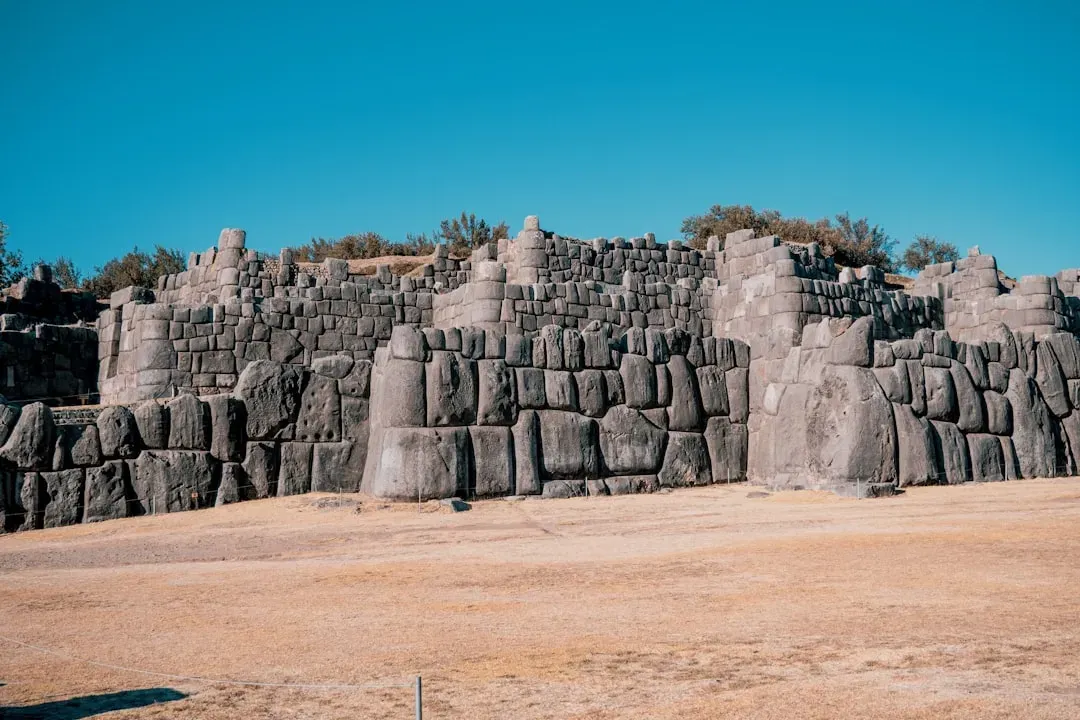
Sacsayhuamán is a megalithic site predating the Incas, made of stones weighing over 50 tonnes, cut so precisely and assembled to such a degree of perfection – as though the rocks must have melted into place – that modern engineers are overawed by the sight of it. The tolerances between these stones are so tight that not even a piece of paper can slide between them, without any mortar holding them together.
Archaeologists were unable to uncover any evidence for tools or methods that were used to shape the stones, which gave rise to numerous theories about the construction. Researchers suggest that the ancient inhabitants possessed knowledge of technologies that could soften stone or possessed highly advanced tools. Evidence to support these theories does not exist. Ancient civilizations demonstrated remarkable ingenuity in solving complex engineering, architectural, and technological challenges using tools and methods that often seem impossibly sophisticated for their historical periods, and archaeological discoveries continue to reveal structures that showcase an advanced understanding of mathematics and engineering, challenging conventional narratives about the linear progression of human technological development.
The Past Knows Things We Have Forgotten
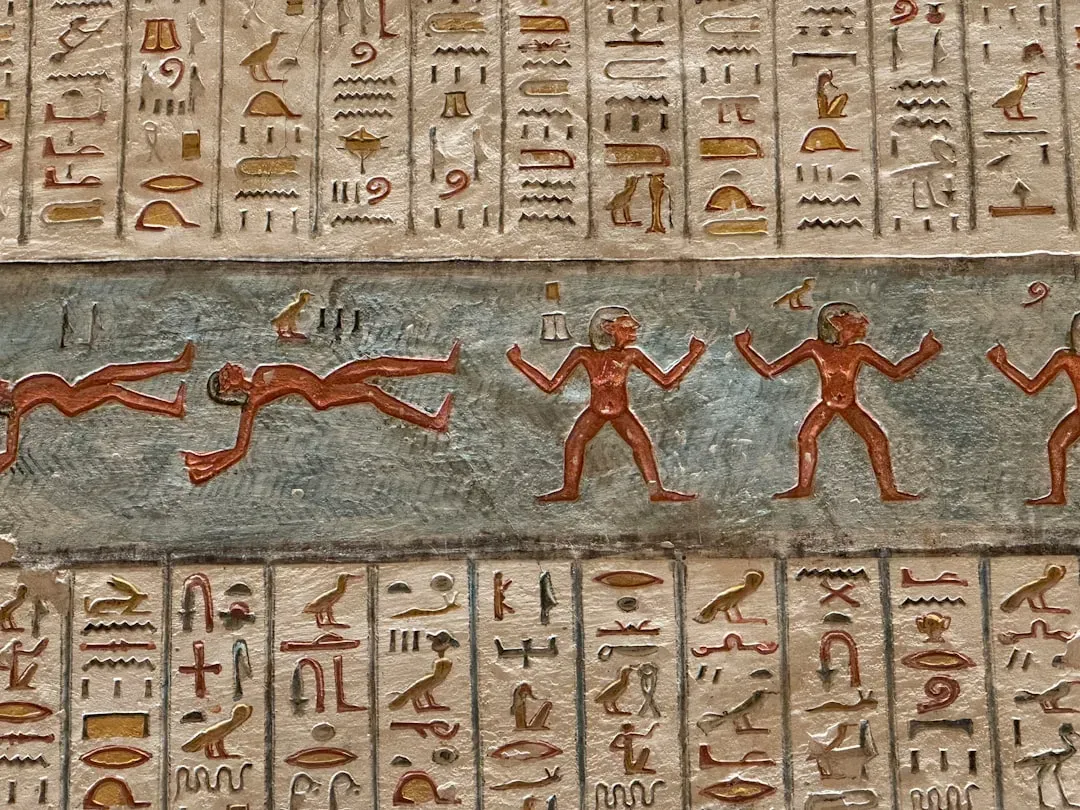
There is something both thrilling and deeply humbling about this list. Nine technologies. Nine moments where modern science, for all its brilliance, has to look at something ancient and quietly admit it does not have all the answers. The persistence of these mysteries reminds us that significant gaps remain in understanding ancient technologies, manufacturing techniques, and knowledge systems – and these artifacts serve as humbling reminders that innovation and sophisticated engineering have appeared throughout human history in forms that don’t always align with contemporary expectations.
It would be a mistake to assume our ancestors were simply lucky or that they stumbled into these achievements by accident. The Lycurgus Cup, the self-healing Roman concrete, the rust-defying Iron Pillar – these are not accidents. They are the products of knowledge systems, some of which were deliberately protected, others quietly lost when empires fell and craftspeople died without passing their secrets on. The real tragedy is not that we cannot explain them. It is that someone once could, and we let that knowledge slip away.
I think the most honest takeaway here is this: the idea of human progress as a simple upward line is a comfortable fiction. Knowledge rises, knowledge disappears. Civilizations master things and then lose them. Standing in front of a 1,600-year-old iron pillar that refuses to rust should feel less like a history lesson and more like a warning. What technologies from our own era might future generations struggle to explain or recreate? What would you have guessed?