
Our planet is essentially a slow-motion sculptor. It works not in years or even centuries, but across timescales so vast they’re almost impossible to wrap your head around. What you see when you gaze into a canyon, stand at the foot of a volcano, or watch waves crash against ancient basalt is the visible result of billions of years of pushing, pulling, melting, cooling, and carving – forces so powerful they make anything human-built look laughably temporary.
These seven wonders are not just beautiful. They’re geological time machines, each one holding secrets about a version of Earth you will never get to see. Honestly, the more you learn about how they formed, the more impossible they seem. So let’s dive in.
1. The Grand Canyon – Earth’s Most Readable History Book
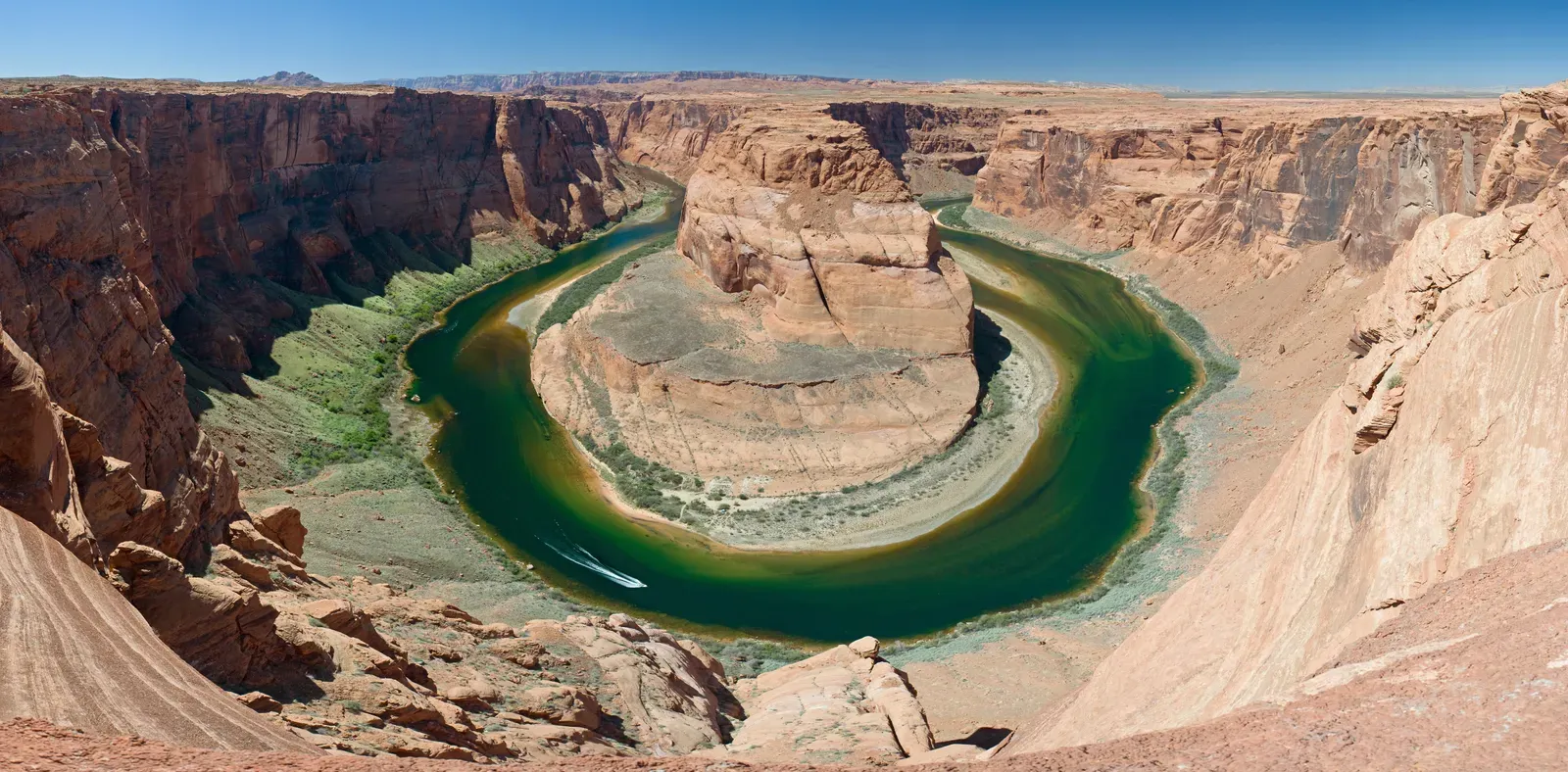
You might think the Grand Canyon is simply a big ditch. But the moment you understand what you’re really looking at, everything changes. The Grand Canyon stretches an impressive 277 miles in length, up to 18 miles wide, and descends over a mile deep – an iconic landmark that showcases nearly two billion years of Earth’s geological history, carved over millennia by the Colorado River. Think about that for a second. Nearly two billion years of planetary history, all visible in one cross-section. It’s like reading the Earth’s autobiography from the very last page all the way back to the opening sentence.
About six million years ago, the Colorado River began carving its way through the rock layers of the Colorado Plateau – its rapid flow, combined with its load of mud, sand, and gravel, cut deep into the earth. Before the construction of the Glen Canyon Dam was completed in 1966, the river carried an average of 500,000 tons of sediment per day, showcasing its incredible erosive power. Rain, wind, and freezing temperatures did their part too. As water froze and expanded in cracks, it broke apart rocks, widening and deepening the canyon over millions of years. You are, in a very real sense, looking at frozen time when you peer over that rim.
2. The Giant’s Causeway – Where Geology Looks Like Art
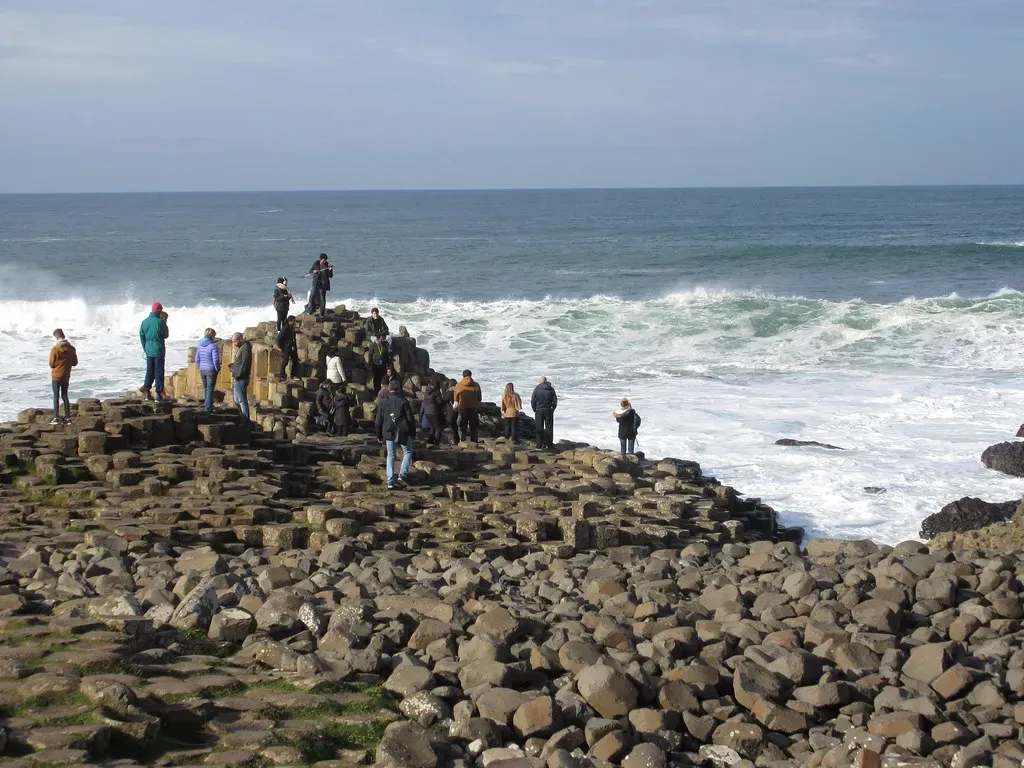
Let’s be real – when you first see photos of the Giant’s Causeway, your instinct is to wonder whether someone built it. The geometric precision is almost insulting. Located on the northern coast of County Antrim, Northern Ireland, the Giant’s Causeway consists of around 40,000 tightly packed hexagonal basalt columns, the result of volcanic activity millions of years ago, with columns mostly three-sided and reaching up to 39 feet high. The sheer regularity of those columns feels engineered – which is exactly why the myths surrounding it are so persistent.
The story of the Giant’s Causeway begins about 60 million years ago during the Palaeogene period, when the ancient continent of Laurasia began to fragment, causing the opening of the North Atlantic Ocean – and the resulting cataclysmic volcanic activity along this zone of crustal weakness formed the rocks of the site. Molten lava flowed across the landscape, eventually filling pre-existing valleys and solidifying into a thick basalt plateau. As this layer cooled, it contracted, generating internal stresses that manifested as vertical fractures throughout the basalt – predominantly hexagonal due to geometric efficiency in stress distribution. Nature, it turns out, is a far better architect than any of us.
3. Parícutin Volcano – The Wonder That Was Born Before Human Eyes
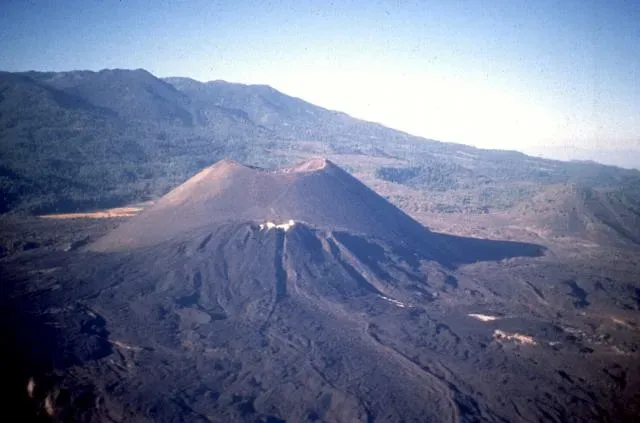
Most geological wonders require millions of years to form, quietly and invisibly, with no audience. Parícutin did not get that memo. A cinder cone volcano located in the Mexican state of Michoacán, Parícutin surged suddenly from the cornfield of local farmer Dionisio Pulido in 1943, attracting both popular and scientific attention. Imagine waking up one morning and watching a volcano literally rise out of your farm. That is exactly what happened, and it stands as one of the most dramatic geological events ever witnessed by modern humans.
Parícutin was the first volcano to be studied for its entire life cycle. Emerging from a cornfield in 1943, its explosive eruptions caused it to reach roughly four-fifths of its height of 424 meters during its first year of activity – and in that time, lava and ash buried the nearby town of San Juan. Over the next eight years, Parícutin built the remainder of its cone – and then went quiet. In 1997, CNN named Parícutin one of the Seven Natural Wonders of the World. It’s arguably the most dramatic geological birth story ever documented.
4. Uluru – The Ancient Heart of Australia
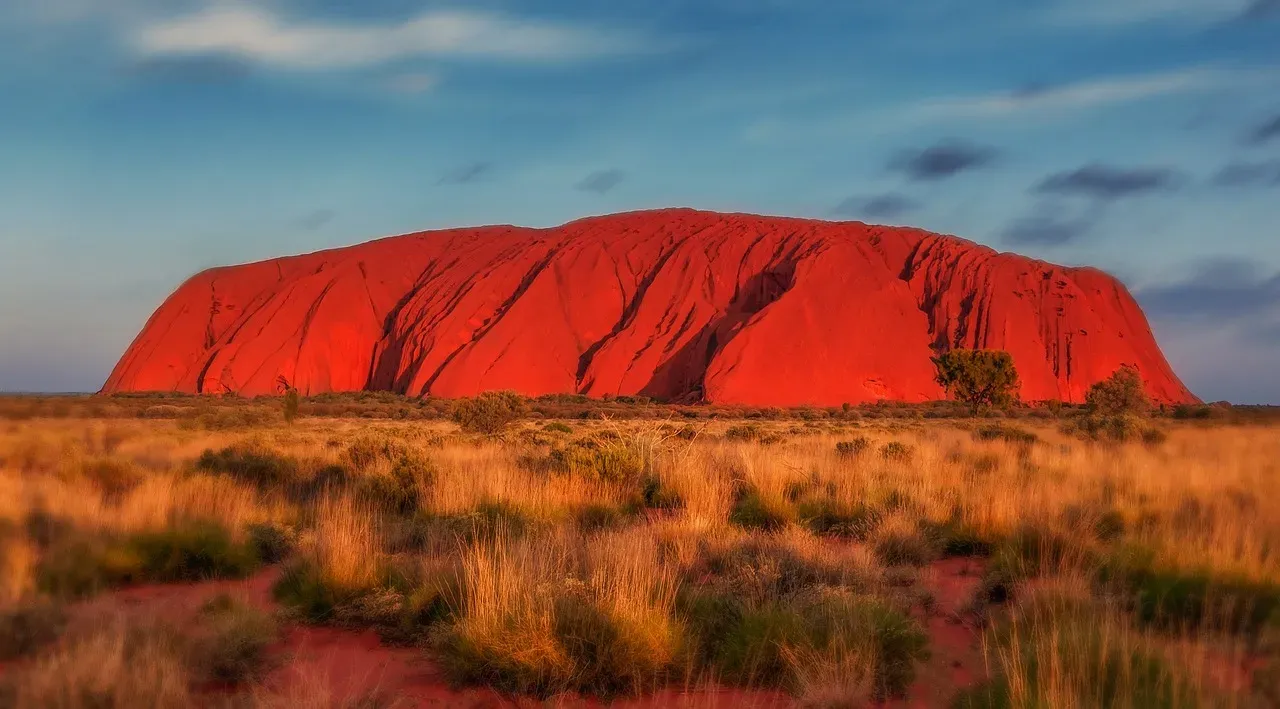
Uluru rises from the flat Australian outback with the kind of presence that makes you feel you are interrupting something sacred. Also known as Ayers Rock, Uluru is a sandstone monolith rising 1,142 feet from the surrounding desert, a sacred site for the Anangu people estimated to be over 500 million years old – and its surface changes colors dramatically throughout the day, glowing red at sunrise and sunset. Those color shifts feel almost alive, as though the rock itself is breathing.
The story of Uluru began 550 million years ago, when India smashed into the West Australian coast. India and Australia’s collision caused massive stresses to reverberate throughout the Australian crust, like waves of energy crashing through the continent. When those waves of energy reached Central Australia, the network of fractures moved, pushing rock packages on top of each other – and as the rocks moved past each other, they also moved upwards and were thrust into the air. What you see standing in the desert today is the worn-down survivor of a mountain range that was once taller than anything in Australia today.
5. The Himalayas and Mount Everest – The Collision That Changed the World
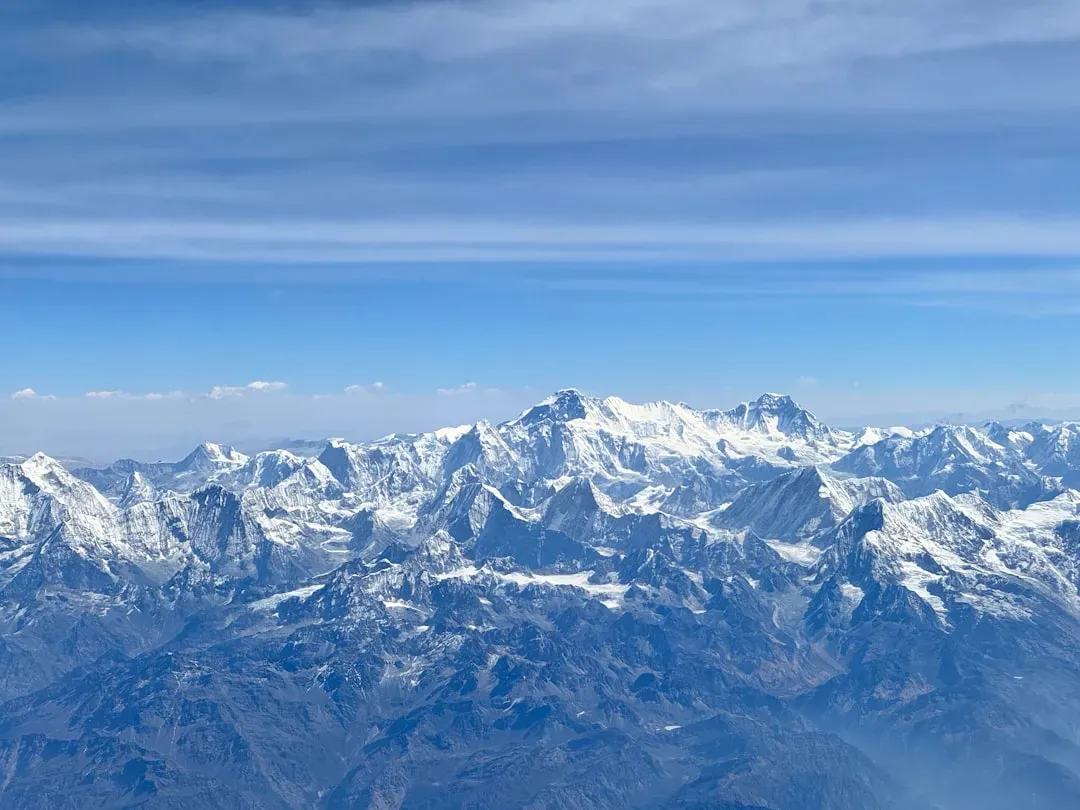
Here’s a thought that should genuinely make your head spin: the rocks at the summit of Mount Everest were once at the bottom of an ancient ocean. When two lithospheric plates collide, the immense pressure causes the crust to crumple and fold, creating mountain ranges – a process called orogeny, which results in the formation of long, linear mountain belts. The Himalayas are the supreme example of this process at its most extreme, the result of the Indian tectonic plate smashing into the Eurasian plate in a collision that began roughly 50 million years ago and, technically, is still happening today.
One of the primary mechanisms behind mountain formation is the convergence of tectonic plates – our Earth’s crust is divided into several large and small plates, and when two tectonic plates converge or collide, immense geological forces come into play, leading to the creation of mountains. Many of the mountain ranges on Earth formed due to the collision of tectonic plates millions of years ago. The Himalayas are still rising at a rate of a few millimeters per year, which means that in geological terms, this story is far from over. I think that’s one of the most humbling facts in all of natural science.
6. The Great Rift Valley – A Planet Tearing Itself Apart
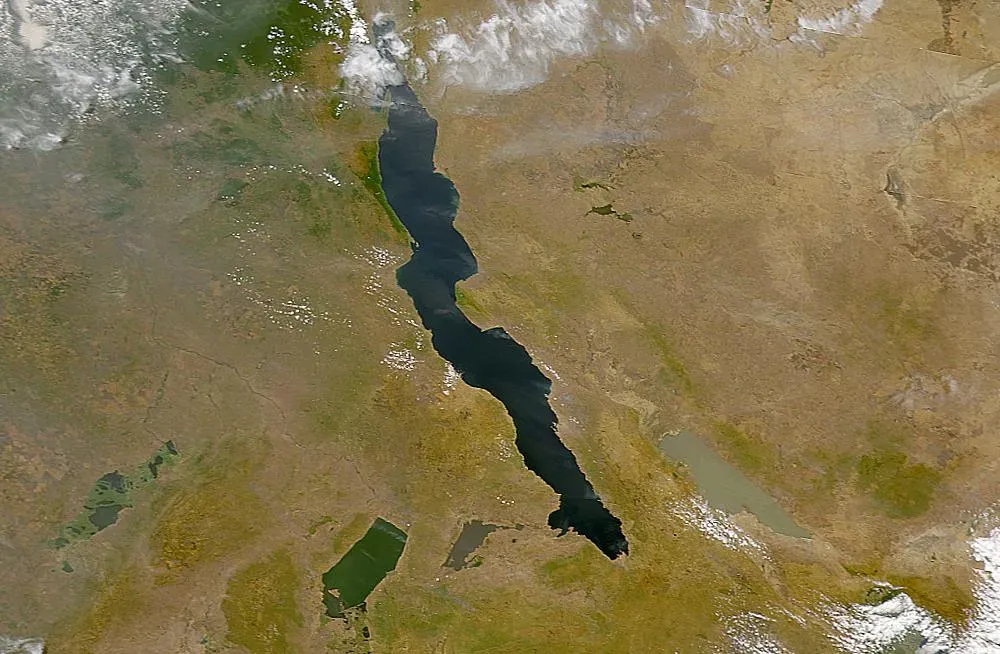
Most geological wonders are stories of things coming together. The Great Rift Valley is a story of separation, which is somehow even more spectacular. From Tanzania to Eritrea, the Earth is being wrenched apart along the Great Rift Valley and will one day form a new ocean. Volcanic activity abounds along this rift, particularly in the Danakil Depression – a dramatic region home to more than thirty young volcanoes, sulphurous yellow hot springs, and otherworldly salt plains. Walking through parts of this landscape, you are quite literally walking on a continental boundary that is slowly moving beneath you.
Shaped by erosion, plate tectonics, volcanic eruptions, and other processes over the course of billions of years, Earth is a planet of immense variety, with impressive geological scenes everywhere – but only a select few qualify as geological wonders that are not only memorable and worth a special trip, but that also tell us something profound about the way the world works. The Great Rift Valley does exactly that. It’s a reminder that the ground beneath your feet is not fixed. It never was. The world is a geological marvel, boasting a plethora of unique rock formations shaped by millions of years of natural processes – and these geological wonders are a testament to the Earth’s natural beauty and its remarkable ability to sculpt stunning landscapes over countless millennia.
7. The Richat Structure – The Eye That Stares Back from Space
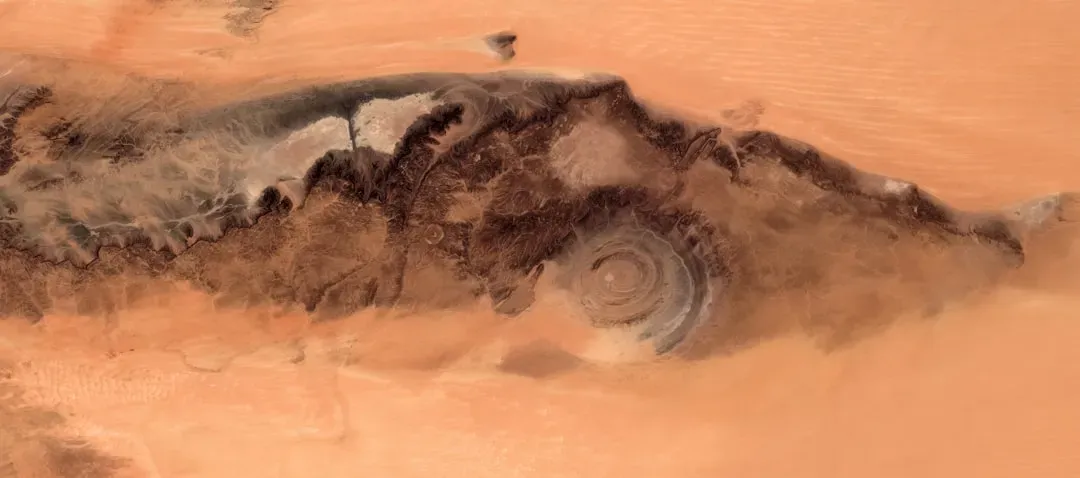
Imagine a formation so large you cannot even see it properly from the ground. You need to be in orbit. Typically known as the Richat Structure, the Eye of Sahara is a geological formation that spans 40 kilometers and looks like a bull’s eye from the sky. It was initially believed that a meteorite caused the rocky formation – still, extensive research has now revealed it’s all due to Mother Nature painstakingly forming these rings after millennia’s worth of rock erosion. The scale of it is genuinely difficult to process. It’s a structure almost half the size of some major cities, formed purely by geological processes.
This circular geological formation in the Sahara Desert has an age of around 480 million years, and from space stations, this formation looks like an enormous bull’s eye. It’s hard to say for sure exactly what sequence of events produced such perfect circular symmetry over such a massive area, and scientists are still debating the finer points of its origin. Exploring the Earth’s most fascinating geological wonders is akin to traveling through time – each site tells a story of the planet’s evolution, showcasing its awe-inspiring power, creativity, and resilience. From ancient rock formations to active volcanic landscapes, these destinations offer a glimpse into the dynamic forces that have shaped our world.
Conclusion: The Earth Is the Greatest Artist of All
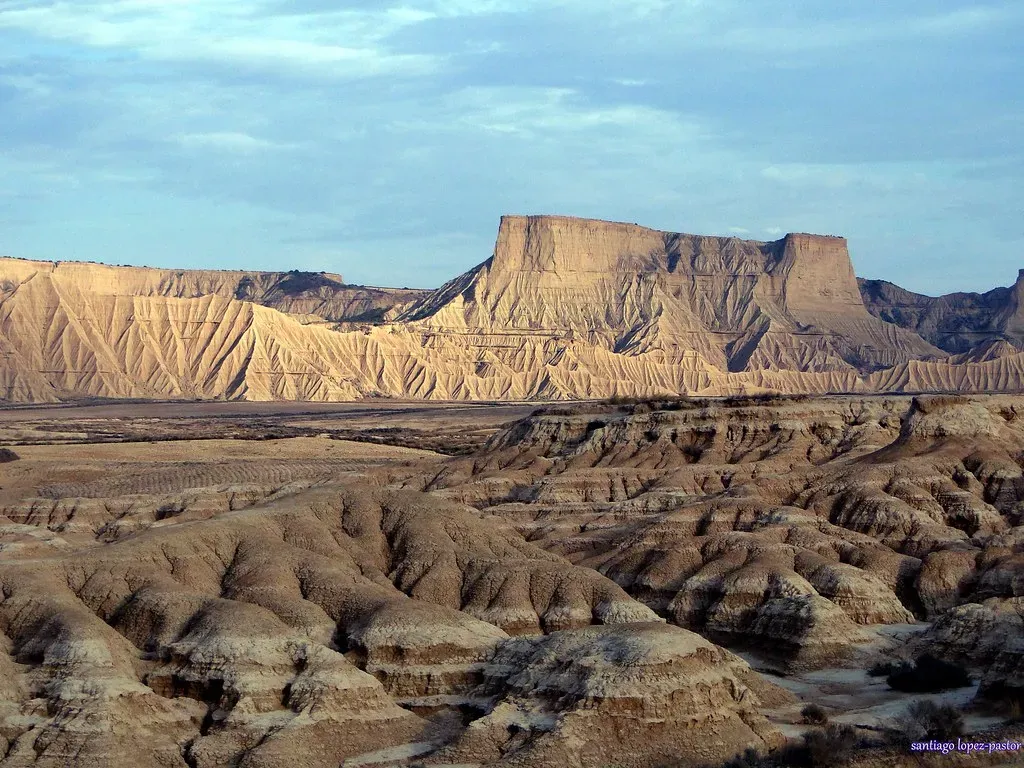
When you look at these seven wonders side by side, a pattern emerges. None of them were rushed. None were planned. Every single one is the result of forces so patient, so relentless, and so indifferent to human timescales that the word “gradual” barely covers it. A canyon carved grain by grain. Columns formed in cooling silence. A mountain range still rising today. A volcano born in a single morning. All of it shaped by the same fundamental forces: heat, pressure, water, time, and gravity.
What I find most striking is that the Earth is still at it. The Himalayas are still growing. The Great Rift Valley is still widening. The Colorado River is still carving. These are not finished masterpieces behind glass – they are living, moving, evolving landscapes that will look entirely different millions of years from now. We just happen to be visiting at this particular moment in their story.
So here’s the question worth sitting with: if the Earth can create something as breathtaking as the Grand Canyon or the Giant’s Causeway without any plan or intention – purely through physics and time – what does that say about the nature of beauty itself? What would you have guessed was behind it all, if nobody had ever told you?