Happiness. You’ve chased it, questioned it, and maybe even doubted whether it’s truly achievable in a lasting, meaningful way. Most of us assume that joy is something that simply happens to you, a byproduct of good luck, the right job, a loving partner, or sunny weather. But what if that assumption is entirely wrong? What if happiness is less about what happens to you and more about the machinery quietly running inside your skull?
Science has been quietly turning the happiness conversation on its head for decades. Researchers in neuroscience, positive psychology, and behavioral science are discovering that the brain is far more malleable than we ever imagined, and the implications for how you live your life are nothing short of extraordinary. So, let’s dive in.
What Happiness Actually Means in the Brain

Before you can train for something, you need to understand what it is. Happiness isn’t a single emotion sitting in one corner of your brain. Recent advances in brain research are shedding new light on the biological underpinnings of happiness and well-being, and the neuroscience of happiness explores how various brain regions and neurotransmitters contribute to your experience of joy and satisfaction. Think of it less like a light switch and more like an orchestra, with many moving parts that need to be in sync.
Brain regions such as the prefrontal cortex, amygdala, and nucleus accumbens are involved in processing positive emotions and rewards, and the brain can change and adapt in response to your experiences, allowing you to potentially rewire it for greater happiness. Honestly, the fact that specific physical structures in your brain are involved in joy is both fascinating and a little humbling. It means happiness has an address.
The Role of Neurotransmitters: Your Brain’s Feel-Good Chemistry
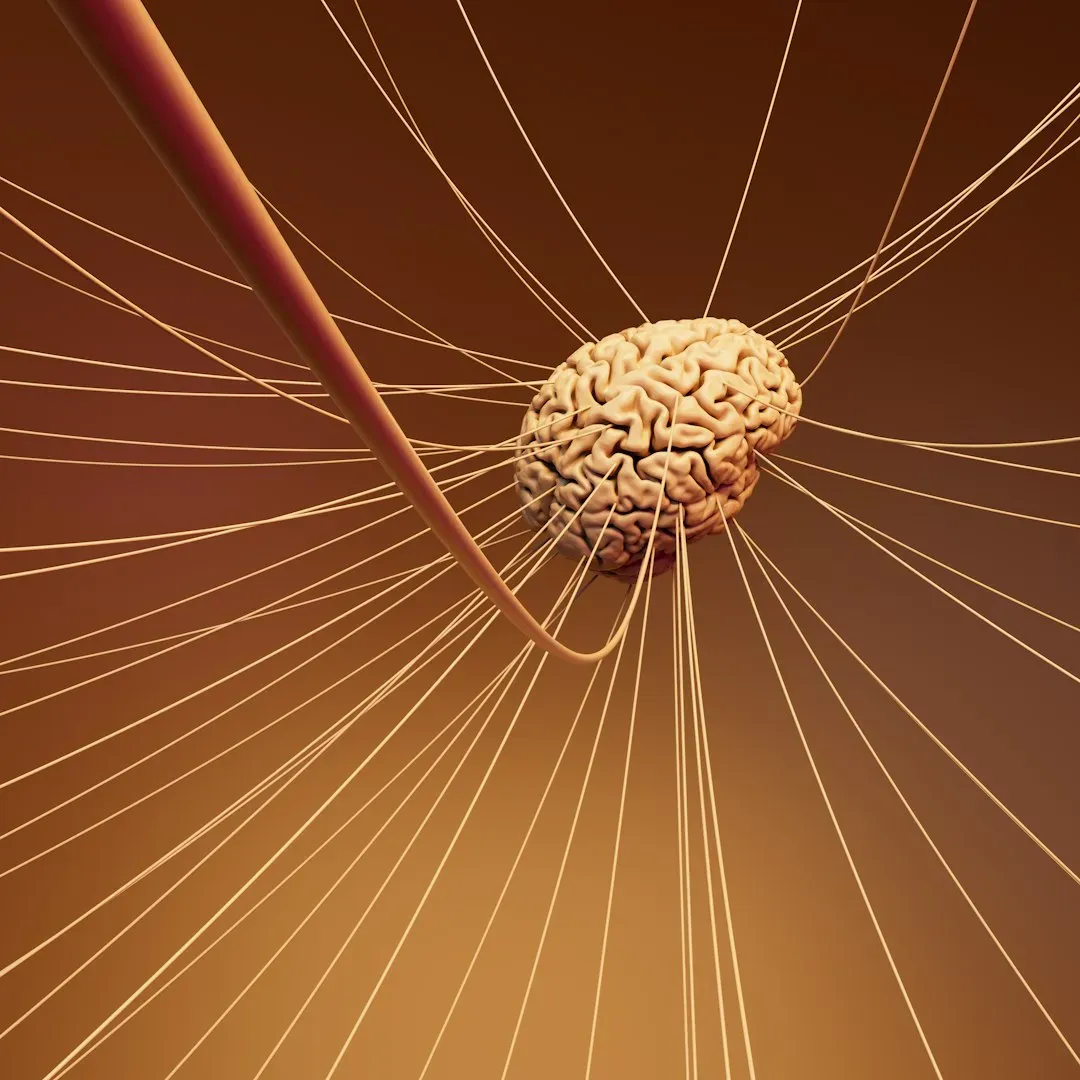
Here’s where it gets genuinely exciting. The neuroscience of happiness has revealed the importance of certain neurotransmitters in your experience of positive emotions: dopamine, often called the “feel-good” neurotransmitter, is central to your brain’s reward system; serotonin helps regulate mood and is often associated with feelings of well-being; and oxytocin, known as the “love hormone,” is involved in social bonding and can contribute to feelings of happiness in social contexts.
Think of these chemicals as your brain’s internal currency. Gratitude has been scientifically shown to increase levels of dopamine, serotonin, oxytocin, and endorphins, all the brain’s “feel good chemicals” that lead to higher happiness and well-being. So when you deliberately practice certain habits, you are literally changing the chemistry inside your head. That is not a metaphor. That is actual biology.
Neuroplasticity: The Brain’s Superpower You Probably Underestimate
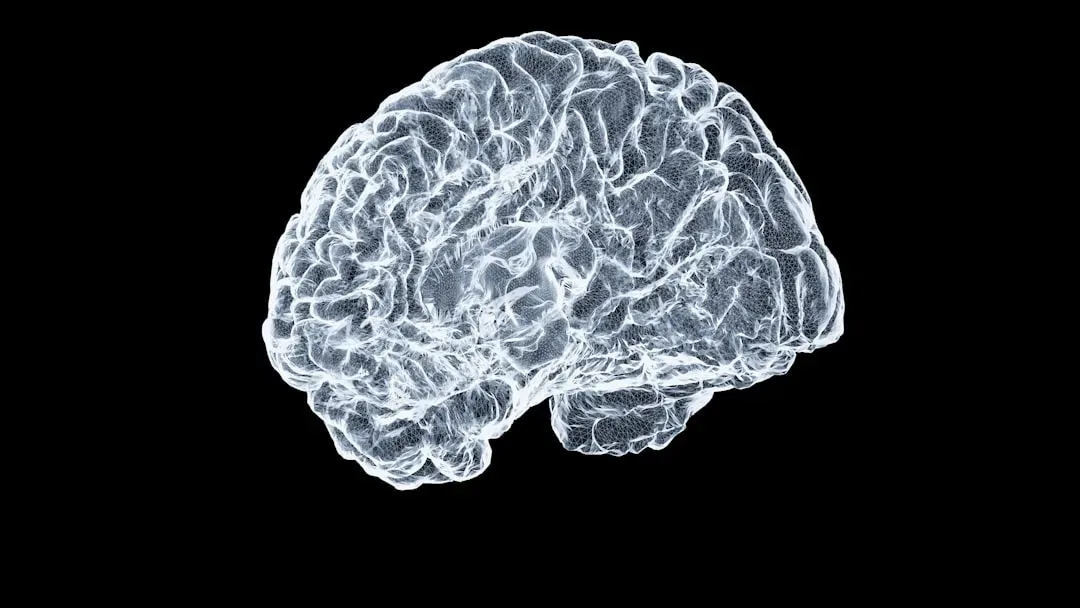
One of the most exciting findings in the neuroscience of happiness is the concept of neuroplasticity, your brain’s ability to change and adapt throughout your life, which suggests that you can actually train your brain to be happier through practices like mindfulness meditation, gratitude exercises, and positive social interactions. Think of it like going to the gym, except the muscle you’re building is your capacity for joy.
Neuroplasticity, the brain’s ability to adapt and reorganize, was once thought to occur only in early life, but it is now known to persist throughout adulthood, enabling new therapeutic approaches. This is a game-changer. It means you are never too old, never too far gone, and never too set in your ways to begin rewiring your brain toward a happier default. I think that is one of the most hopeful things science has ever told us.
The Negativity Bias: Why Your Brain is Wired to Worry

Let’s be real. If happiness were the brain’s default setting, this article wouldn’t need to exist. The uncomfortable truth is that your brain has a built-in tilt toward the negative. To help your ancestors survive, your brain evolved a negativity bias that makes it less adept at learning from positive experiences but efficient at learning from negative ones; in effect, it’s like Velcro for the bad but Teflon for the good, and this built-in negativity bias makes you extra stressed, worried, irritated, and blue.
Sticks are much more important to pay attention to in the wild than carrots, because if you miss a carrot today you’ll get another chance tomorrow, but if you don’t avoid a stick, you won’t get a crack at a carrot tomorrow. That’s why we’ve developed what’s called a “negativity bias,” which means that the brain preferentially looks for, reacts to, stores, and recalls negative experiences. Your ancient survival wiring is essentially sabotaging your modern happiness. The good news? You can override it with practice and intention.
The Power of Gratitude: A Simple Habit With a Big Brain Impact

If there is one practice that consistently shows up in happiness research, it is gratitude. It sounds almost too simple, too greeting-card-ish to be taken seriously. But the science is compelling. Gratitude is a powerful tool that shifts your focus from what you lack to what you have, allowing you to recognize and appreciate the positive aspects of your life. Researchers at Indiana University found that practicing gratitude can rewire the brain to be more attuned to positive thinking, leading to improved mental health over time.
Research from UC Davis found that people who practiced gratitude consistently reported not just feeling better psychologically, but also had fewer physical symptoms of illness and exercised more regularly than those who focused on hassles or neutral events. So a simple gratitude journal is not just warm and fuzzy self-help fluff. It is brain rewiring. Practicing gratitude isn’t just a feel-good habit – it rewires the brain by activating the regions responsible for happiness, and when you regularly reflect on the good in your life, it helps build resilience, even during tough times.
Meditation and Mindfulness: Reshaping Your Brain’s Physical Structure

Meditation is one of those practices that gets dismissed as too “woo-woo” until you actually look at what it does to the brain. Recent research has shown that practices like mindfulness meditation can actually change the structure and function of the brain, potentially increasing your capacity for happiness. That is not a philosophical claim. It is a structural one.
Sara Lazar, a professor at Harvard, studied the effects of meditation on the brain and found that participants’ brain volume increased in four areas, including the hippocampus and temporo-parietal junction, after eight weeks of mindfulness exercises. Eight weeks. That’s roughly two months of intentional practice, and your brain is physically measurably different. Meditation has tons of benefits, and one of the biggest is teaching you not to get too attached to your thoughts, including the negative ones. When you realize your thoughts are just thoughts and not necessarily reality, it’s a lot easier to shift them.
Exercise, Sleep, and the Happiness Connection

You cannot talk about brain training for happiness without addressing the basics your lifestyle provides. Studies show that exercise can help to generate new brain cells, and increased blood flow to the brain can increase both grey and white matter. It’s almost like every lap around the block is also a lap around a happier version of your brain.
Physical movement and adequate sleep are crucial for emotional well-being and brain health. Exercise reduces stress, boosts creativity, and encourages the release of mood-enhancing chemicals, while sleep restores your brain, improving focus, memory, and emotional regulation. Sleep isn’t a luxury – it’s when your brain processes emotions and consolidates positive memories. A study from UC Berkeley found that even one night of poor sleep can increase anxiety levels significantly, while reducing activity in the prefrontal cortex, the region responsible for joy and positive emotions. So yes, going to bed on time is a happiness strategy.
Optimism, Social Connection, and the Long Game of Happiness

Happiness is not a solo sport. Research continues to demonstrate that your relationships and your outlook on the future play enormous roles in how your brain processes well-being. Optimism, defined as maintaining positive expectations for the future, is a crucial psychological resource correlated with enhanced well-being and physical health, and recent research suggests that neural processing of cognitive function is similar among individuals with positive traits. In other words, optimistic people’s brains may actually think more alike than pessimists’ brains do.
Happiness is closely intertwined with mental health and overall psychological well-being: happy people tend to be more resilient in the face of stress and adversity, positive emotions can enhance creative thinking and problem-solving abilities, and happier individuals often have more satisfying and supportive social relationships. Research also finds that positive daily emotions increase life expectancy from the day you are born. That one is worth sitting with for a moment. Your daily emotional habits could literally be adding years to your life.
Conclusion

So, can you train your brain to be happier? The answer, backed by decades of neuroscience and positive psychology, is a resounding yes. The last two decades of research in the field of positive psychology have revealed that training your brain is not only possible, but that doing so can actually change the shape and function of your brain by improving neural plasticity. It is not about forcing yourself to smile through pain or pretending life is perfect.
The pursuit of happiness is not about achieving a constant state of bliss, but about building a life of meaning, connection, and personal growth. The tools are surprisingly accessible: a gratitude journal, a daily walk, eight hours of sleep, a meditation practice, meaningful relationships. None of these require a therapist, a big budget, or a personality overhaul. One of the most important things to understand about happiness is that it is a skill. Just like any other skill, it can be learned and practiced.
The real question isn’t whether science says you can be happier. It clearly does. The real question is: what small step will you take today to start rewiring your brain? What would you do differently if you truly believed your brain could change? Tell us in the comments.