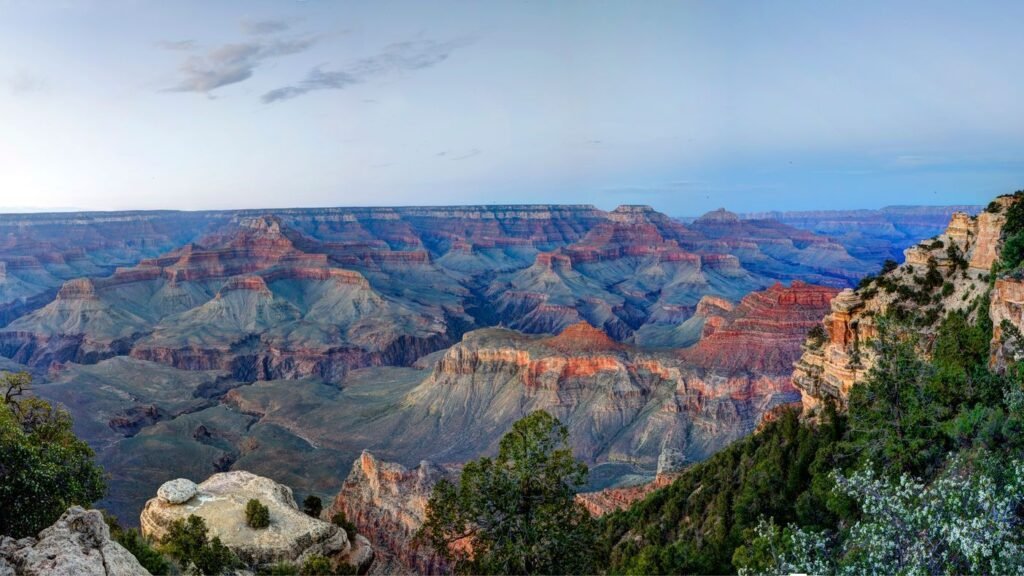

Picture yourself standing at the edge of one of the most jaw-dropping places on the entire planet. The ground beneath your feet is 270 million years old. The colors stretching before you range from deep crimson to pale cream to a striking, almost electric purple. You’re not just looking at rocks. You’re looking at time itself, stacked right in front of you like the world’s most dramatic history book.
The Grand Canyon is far more than a scenic backdrop for vacation photos. It’s a living, breathing scientific library that has been recording Earth’s story for nearly two billion years. Geologists, researchers, and curious visitors keep discovering things that challenge what we thought we knew. Get ready, because some of what you’re about to read might honestly surprise you. Let’s dive in.
The Ancient Foundations: Earth’s Oldest Exposed Rocks
There’s something almost humbling about standing above rocks that existed long before anything complex had ever lived on Earth. The oldest rocks in the Grand Canyon, found at the bottom of the canyon, are primarily metamorphic, with igneous intrusions formed when magma or lava entered or cooled on top of previously formed rock. These dark, brooding formations at the base of the Inner Gorge give off an almost otherworldly energy, and honestly, that’s because they are from another world entirely, at least in terms of time.
Primarily schist with granite, these rocks have visible crystals and are about 1.7 billion years old, from an era early in Earth’s history known as the Proterozoic. Think about that for a second. If you reach out and touch those rocks, you’re making contact with material that formed when the most complex life on Earth was just a single-celled organism floating in a shallow sea. It’s the kind of thought that makes your brain do a little backflip.
A Canyon Made of Multiple Chapters, Not One Story
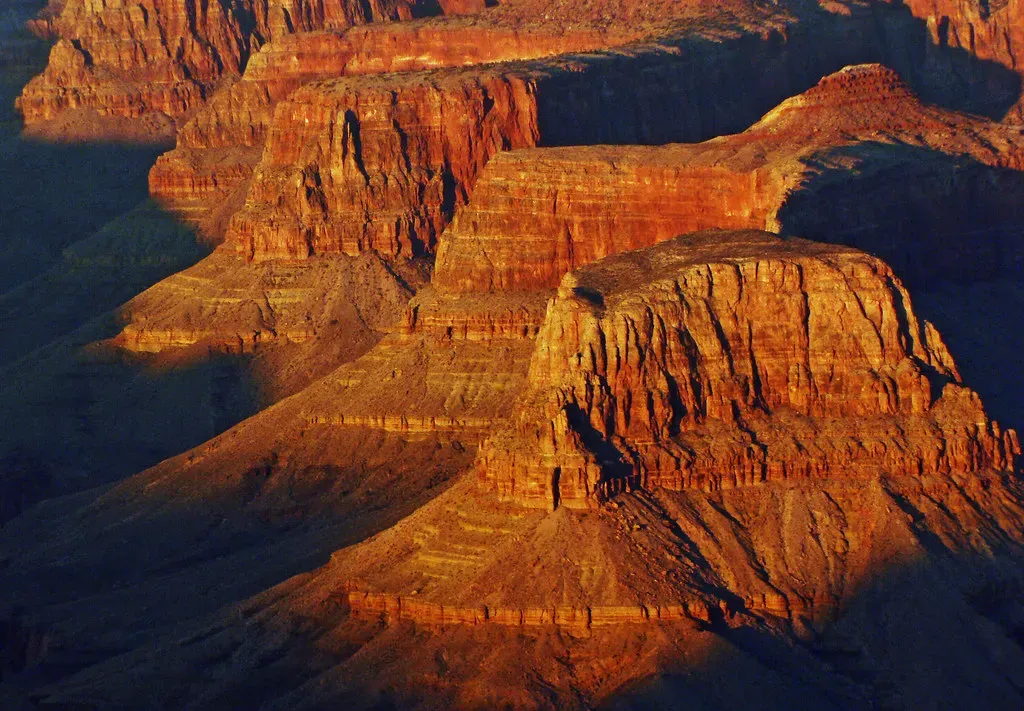
Here’s something that might genuinely catch you off guard: the Grand Canyon isn’t one uniform geological creation. The emerging scientific consensus is that the canyon is made up of multiple segments which formed at different times and eventually connected to become the waterway now traversed by the Colorado River. Of the three central segments, the “Hurricane” was formed between 50 and 70 million years ago, and the “Eastern Grand Canyon” was cut between 15 and 25 million years ago. In contrast, the “Marble Canyon” and “Westernmost Grand Canyon” segments at the ends of the canyon were carved in the last five to six million years.
Imagine building a house where the kitchen is 70 million years old, the living room is 20 million years old, and the front door was only installed about six million years ago. That’s essentially what you’re dealing with here. To some scientists, the American Southwest’s iconic gorge is increasingly looking like several ancient canyons of different ages, stitched together by erosion that occurred about six million years ago, and subsequently sculpted into its modern form. It’s wild and, I think, incredibly beautiful that this “single” canyon is actually a patchwork of geological time periods.
The Great Unconformity: A Billion-Year Gap in Time
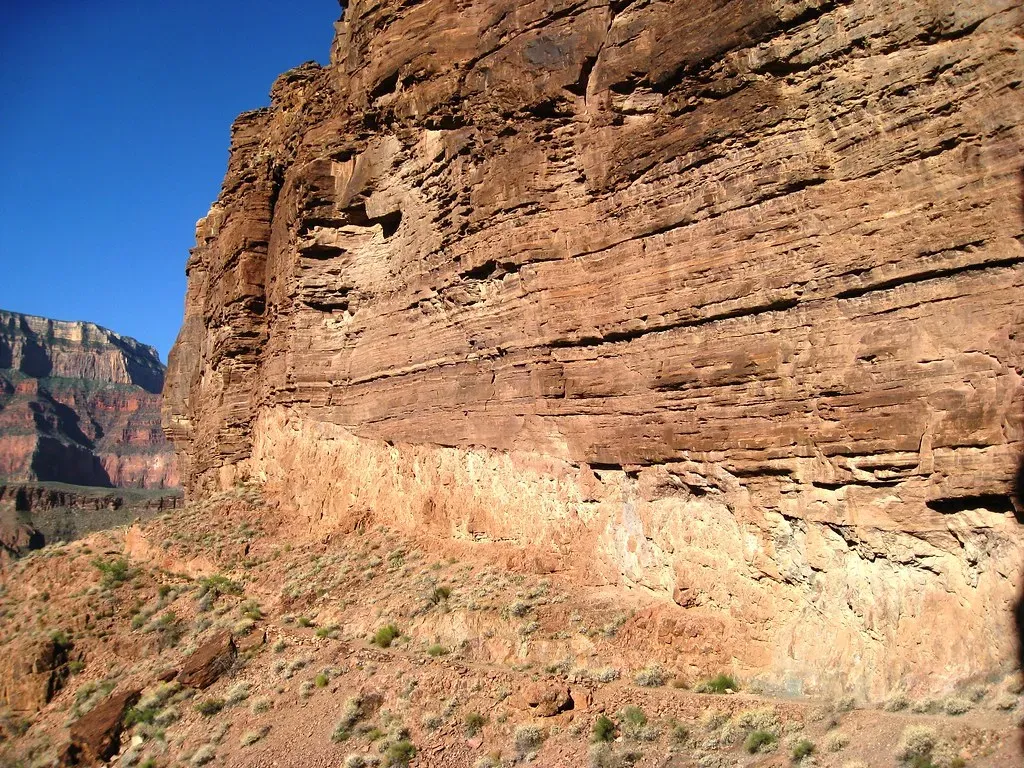
Of all the geological secrets hiding in the Grand Canyon’s walls, the Great Unconformity might be the most mind-bending. The Grand Canyon is a layer cake of geological history, with rocks stacked neatly upon one another as they were laid down millions of years ago. That is, until you get deep into the canyon and find the Great Unconformity, a gap between rock layers representing a billion years in some places. A billion years. Completely missing. Gone. It’s like reading an incredible novel and finding that every page from chapter three to chapter nine has been ripped out.
The Grand Canyon offers one of the most visible examples of a worldwide geological phenomenon known as the Great Unconformity, in which 250 million-year-old rock strata lie back-to-back with 1.2 billion-year-old rocks. What happened during the hundreds of millions of years between remains largely a mystery. Scientists suspect the breakup of the ancient supercontinent Rodinia may be connected. The supercontinent Rodinia, which came together about 1 billion years ago and broke up around 750 million years ago, was rifting apart during this time period. It’s one of geology’s greatest unsolved mysteries, and it’s sitting right there in plain sight for you to see.
Reading the Rock Layers: From Sea Floors to Desert Dunes
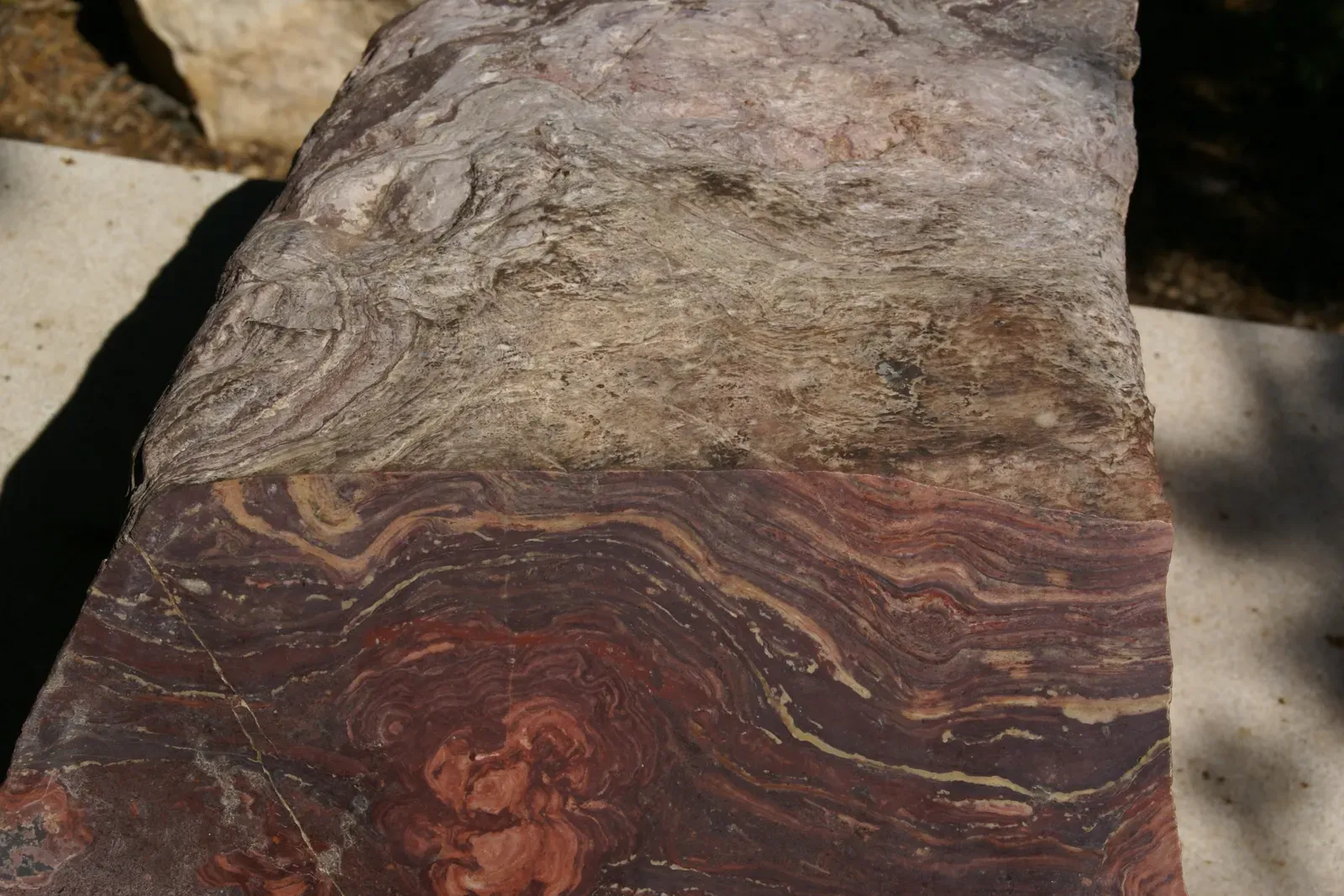
You might look at the canyon walls and just see “rocks,” but each band you see is a completely different ancient world. The Kaibab Limestone, forming the caprock of the canyon at 270 million years old, is a gray limestone that was formed in a shallow sea. That’s right. The very ground you stand on at the South Rim used to be the bottom of an ocean. Let that sink in for a moment.
The Coconino Sandstone is a light tan, cliff-forming sandstone created from ancient desert dunes, some of the best-preserved fossilized sand dunes in the world. Right below the seafloor rock, you have frozen desert dunes. The canyon is essentially a vertical journey through wildly different ancient climates and environments. The uppermost layers are the youngest, formed from desert dunes around 270 million years ago, and the different layers help geologists understand how the environment changed over time. It really is unlike anything else on Earth.
The Fossils Within: Ancient Life Locked in Stone
No dinosaurs here. That might actually surprise you. The Grand Canyon might look like the perfect place to go looking for dinosaur bones, but none have ever been found there, and for good reason. The rock that makes up the canyon walls is vastly more ancient than the dinosaurs, about a billion years more ancient in some cases, but the canyon itself probably didn’t form until after the dinosaurs were long gone. The canyon essentially missed the entire dinosaur era entirely, almost like a library that skipped an entire genre.
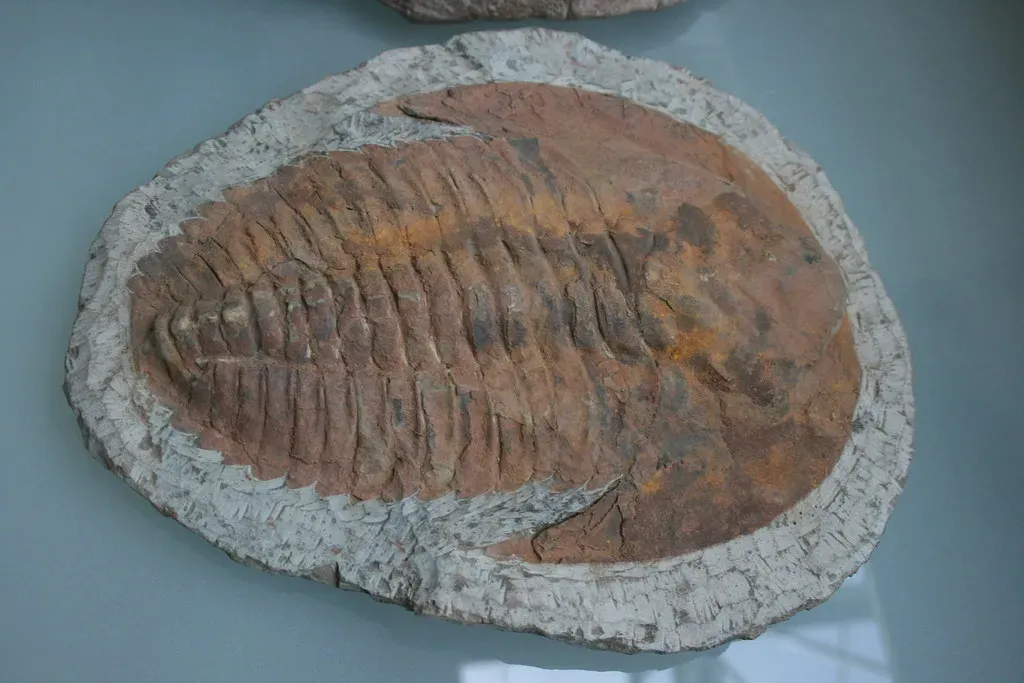
What you do find instead is extraordinary. Lots of fossils have been found that suggest other creatures frequented the location. They range from ancient marine fossils dating back 1.2 billion years to fairly recent land mammals that left their remains in canyon caves about 10,000 years ago. Trilobites are some of the oldest fossils to appear in the Grand Canyon’s fossil record. These sea creatures, related to insects and crustaceans, roamed a shallow ocean between 525 to 505 million years ago searching for dead organic material to eat. Finding them is like holding a piece of life’s very first chapters directly in your hands.
The Colorado River: The Canyon’s Relentless Sculptor
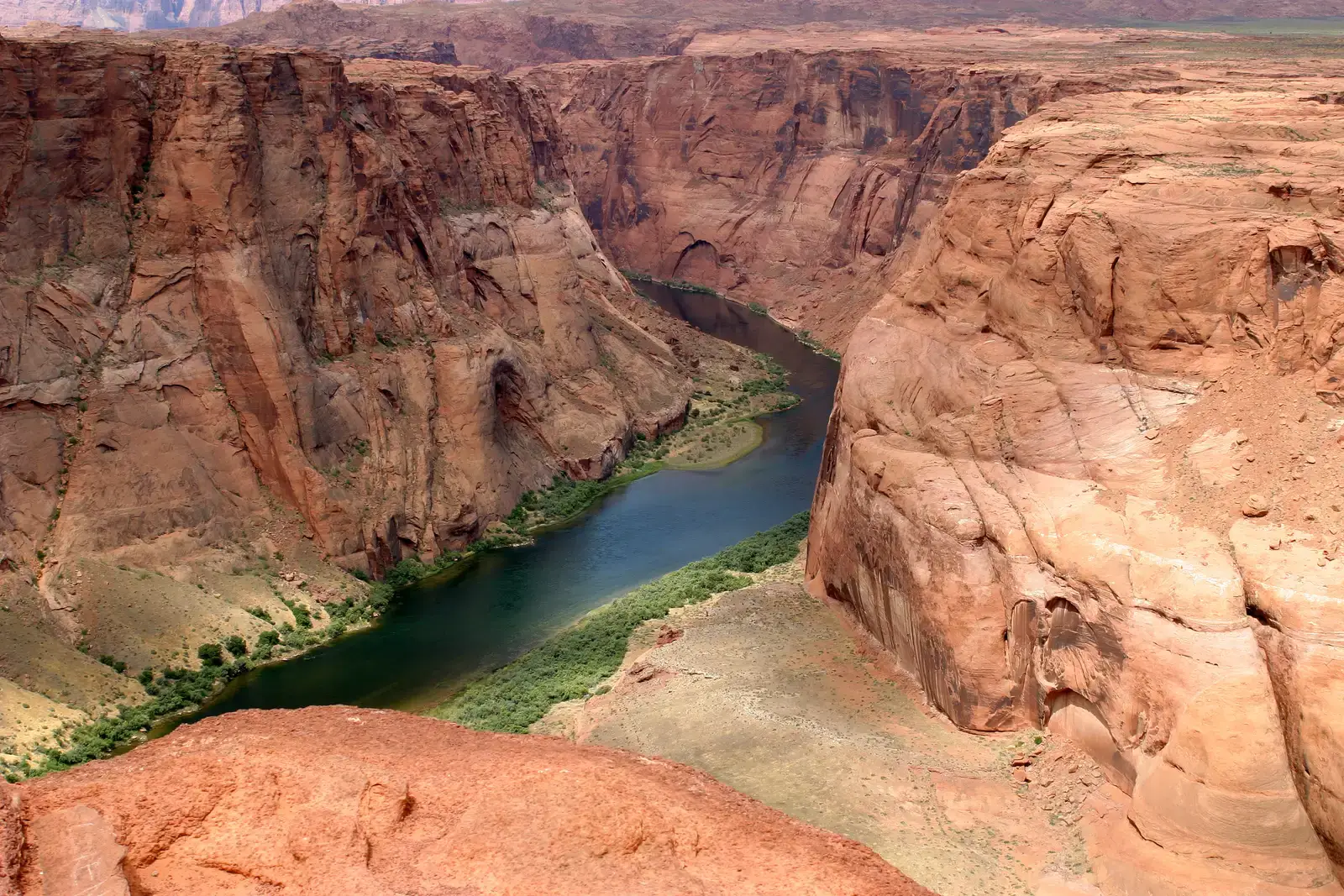
The Colorado River is the undisputed hero of this geological story. Over roughly six million years, this powerful river carved deep into the Earth’s crust, carrying sand and gravel that acted like sandpaper, slowly eroding and exposing layers of rock that reveal nearly two billion years of geological history. Think of it like nature’s version of a diamond-blade cutter, except the blade is water and the process takes millions of years rather than minutes.
After all the rocks were deposited, there was a period of uplift where plate tectonics literally forced a section of the Earth upward, setting the stage for canyon formation. It provided a high enough elevation that water could flow downward, cutting through the rock as it went. The river continues to be an agent of change, reshaping the canyon over time, and the canyon isn’t fully formed as long as there is water flowing. Yes, you read that correctly. The canyon you see today is still very much a work in progress.
The Age Debate: How Old Is the Grand Canyon, Really?
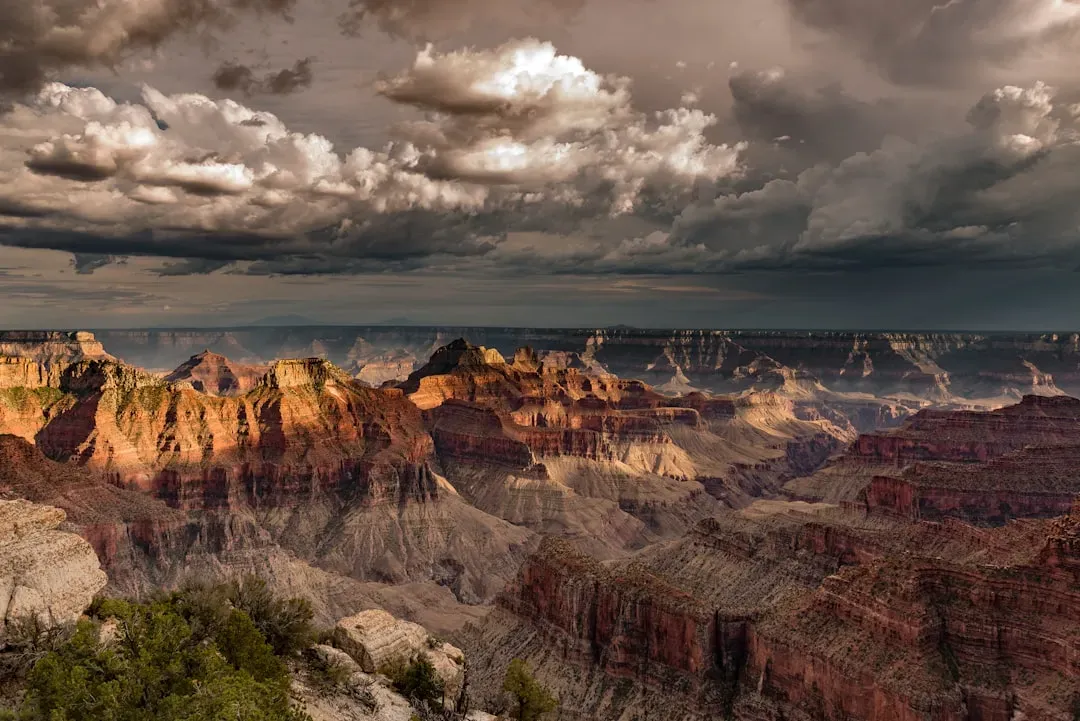
You’d think that with all of modern science’s tools, we’d know exactly how old the Grand Canyon is. It’s hard to say for sure, but the answer is still genuinely up for debate. For more than 150 years, scientists have gathered data, proposed new ideas, and debated sometimes contentious theories about the geologic origins of the Grand Canyon and the Colorado River. That’s over a century and a half of argument, and we still don’t have a clean, universally accepted answer.
It has long been believed that the Colorado River began carving the Grand Canyon about 6 million years ago, but a 2012 study contained a real shocker, suggesting that the process may have begun as far back as 70 million years. In all likelihood, the Grand Canyon as we know it today started out as a series of smaller canyons 70 million years ago, but the majority of the canyon did not begin to take shape until much more recently. Two completely different geological camp. Same canyon. Still no definitive winner. It’s one of science’s most fascinating ongoing arguments.
Biodiversity in the Depths: An Ecosystem Unlike Any Other
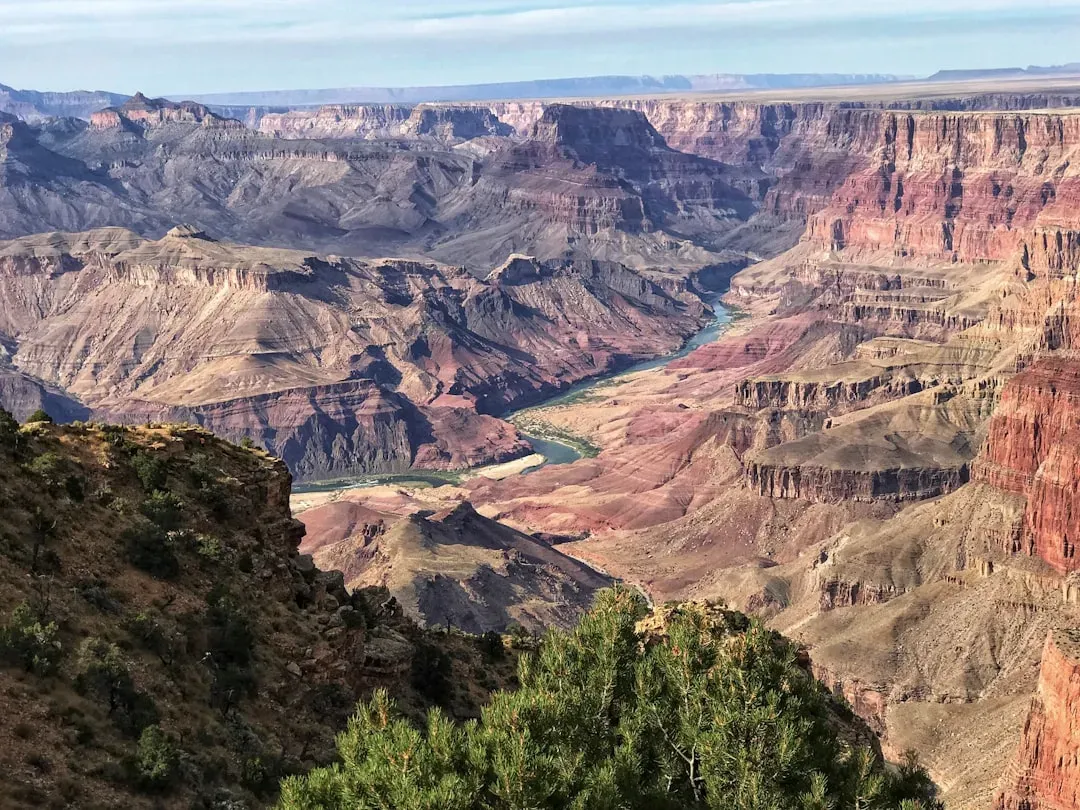
The geology doesn’t just tell a historical story. It actively shapes the living world inside the canyon right now. There are approximately 1,737 known species of vascular plants, 167 species of fungi, 64 species of moss, and 195 species of lichen found in Grand Canyon National Park. This variety is largely due to the 8,000 foot elevation change from the Colorado River up to the highest point on the North Rim. That dramatic elevation shift creates an almost bewildering range of habitats stacked on top of one another, like ecosystems in an elevator.
Prior to modern flood control measures, the Colorado River provided a uniquely difficult habitat for fish, with heavy silt, frequent floods, and temperatures ranging from extreme heat in summer to sub-freezing in winter. As a result, only eight fish species are native to the Grand Canyon, six of which are found nowhere outside of the Colorado River. Sudden changes in elevation have an enormous impact on temperature and precipitation, so the weather you’re experiencing could vary drastically depending on where you are in the Grand Canyon. Honestly, it’s like traveling through several different countries without ever leaving the same canyon.
Science Still Has Questions: The Canyon’s Enduring Mysteries
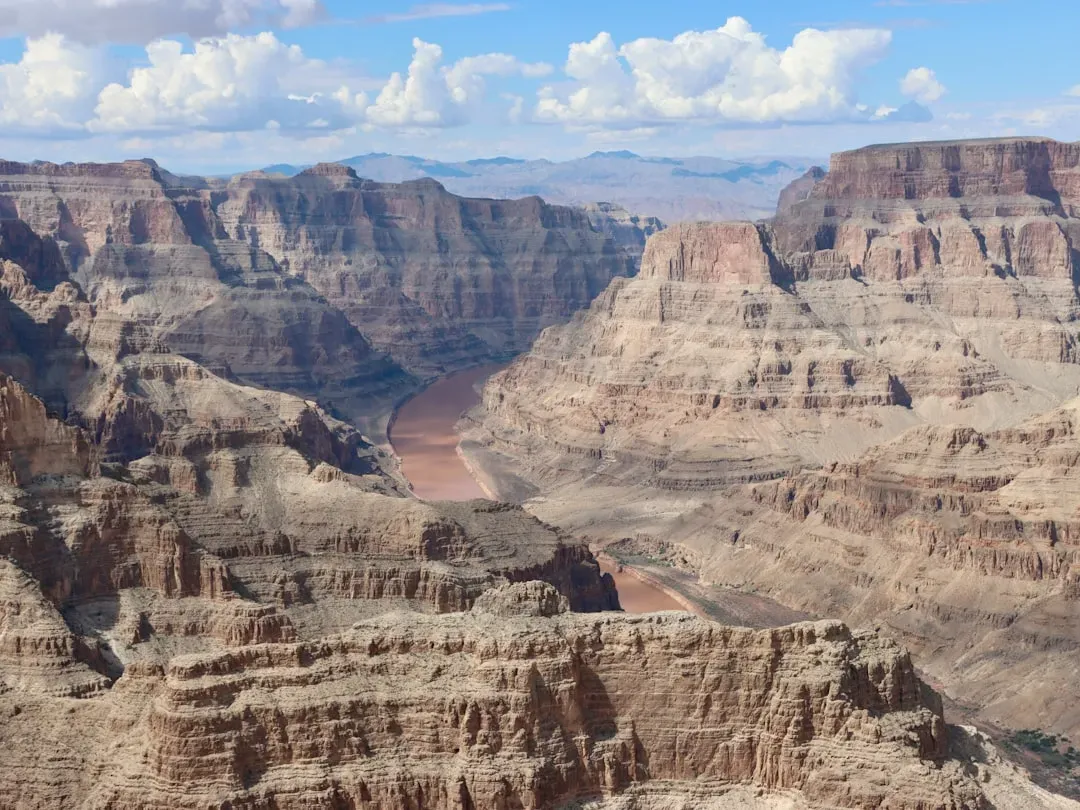
Here’s the thing that genuinely excites me about the Grand Canyon: even now, in 2026, scientists are still being surprised by it. For years, scientists thought they had a firm grasp on the canyon’s age, but as it turns out, the timeline isn’t exactly what we thought. New technologies keep reshaping the conversation. Technology like three-dimensional scanning has allowed researchers to create detailed, accurate models of the canyon’s rock formations, giving geologists views and insights that were simply impossible just a generation ago.
Rocks exposed in the Grand Canyon’s walls record approximately one third of the planet’s history, from the Precambrian to the Permian Period of the Paleozoic Era, and contain important information about the evolution and history of life. Climate models indicate that winter snowpack will diminish, and springs in some regions of the canyon have already dried up in recent years. The canyon that has survived billions of years of geological upheaval now faces a new and very different kind of challenge, one driven not by tectonic forces but by human ones.
Conclusion
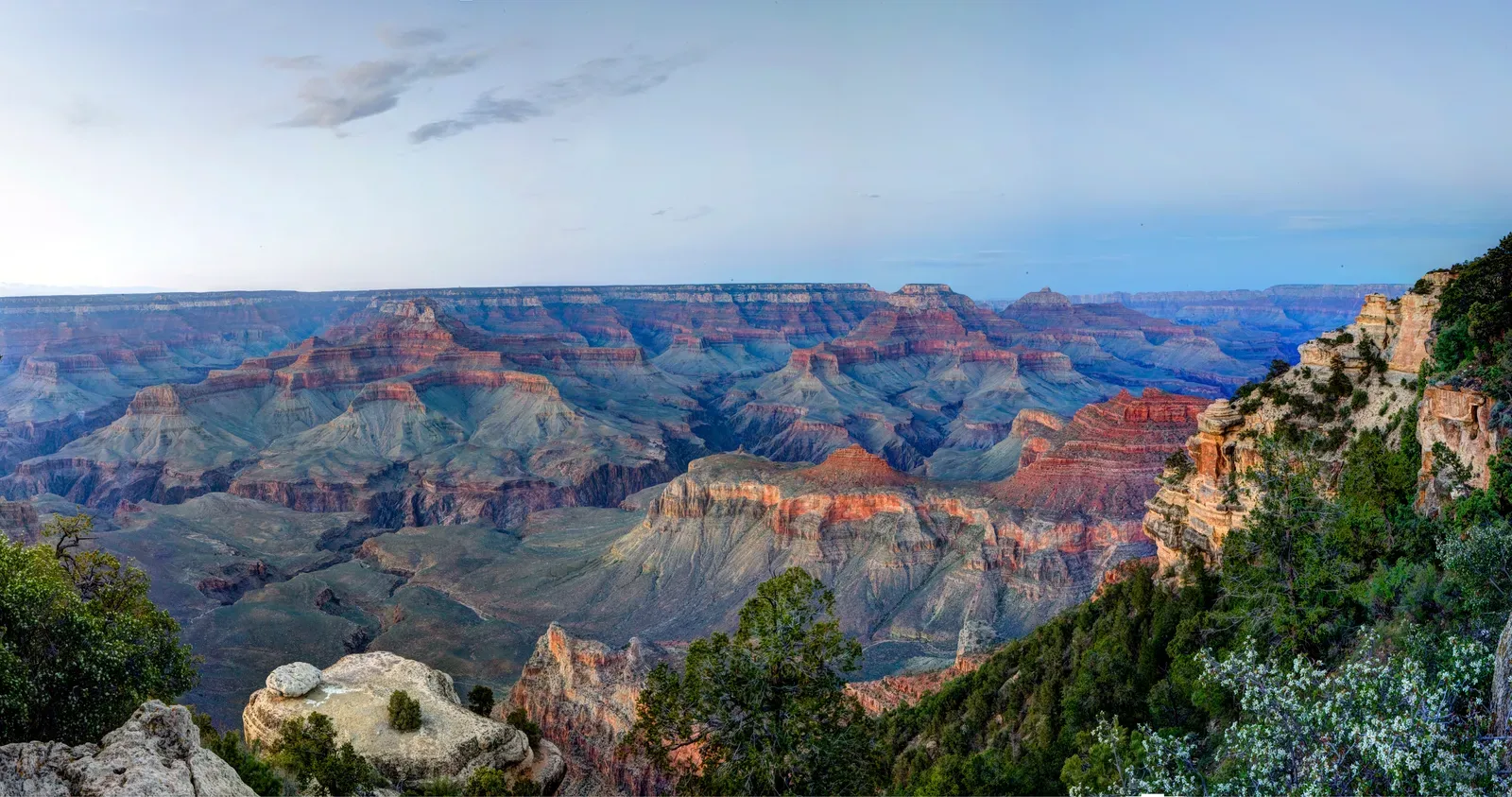
The Grand Canyon is so much more than something pretty to photograph at sunset. It’s a two-billion-year archive written in stone, a record of ancient seas that came and went, deserts that rose and fell, mountains that built themselves up and then crumbled away, and a river that patiently carved through all of it with relentless, unstoppable purpose. Every single layer you look at represents a world that no longer exists.
What’s truly remarkable is that scientists, with all of their technology, are still pulling secrets out of those walls. The Great Unconformity alone holds a billion-year mystery that nobody has fully cracked yet. The age debate continues. New fossils surface. And the Colorado River, still flowing, is still carving. The Grand Canyon isn’t finished telling its story. It’s still writing new chapters right now, one grain of sandstone at a time.
The next time you stand at that rim, whether it’s in person or in your imagination, remember: you’re not looking at the past. You’re looking at everything Earth has ever been. Does it change the way you see it? What would you have guessed was hidden beneath those colorful walls?