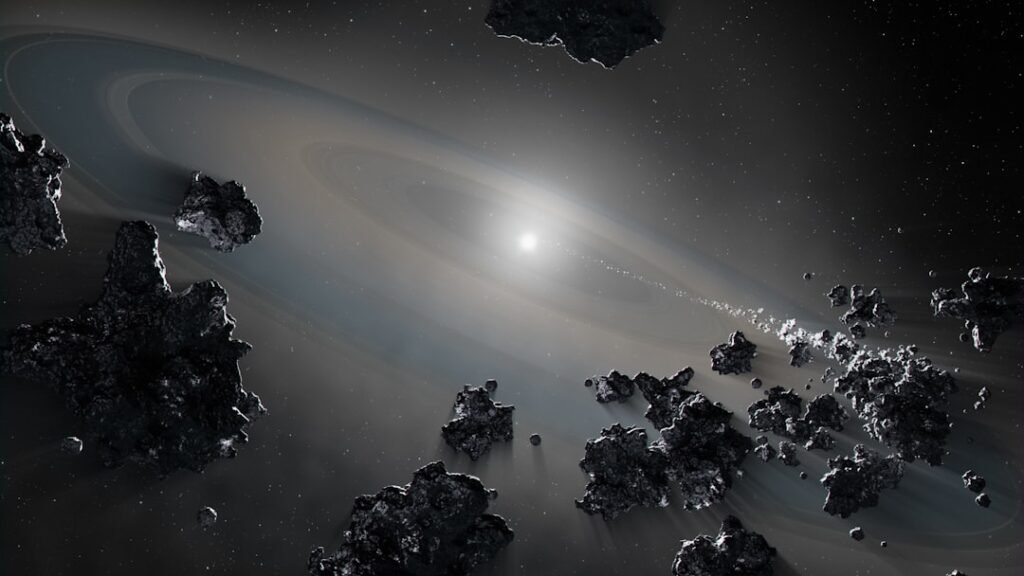

You look up at the night sky and see pinpricks of light, a few wandering planets, maybe the smear of the Milky Way on a clear night. It all looks so serene. So permanent. So unchanging. Yet beneath the surface of what your eyes can detect, there is a riot of invisible forces constantly tugging, pushing, heating, cooling, accelerating, and deflecting everything in this vast cosmic neighborhood we call home.
The solar system is not the peaceful clockwork machine it appears to be. It is a battlefield of hidden influences, some so subtle they were only confirmed by spacecraft data, others so enormous they dwarf everything we can physically observe. So if you’ve ever wondered what really runs the show out there beyond our atmosphere, buckle up. The answers are more surprising than you might expect. Let’s dive in.
Gravity: The Undisputed Architect You Think You Know
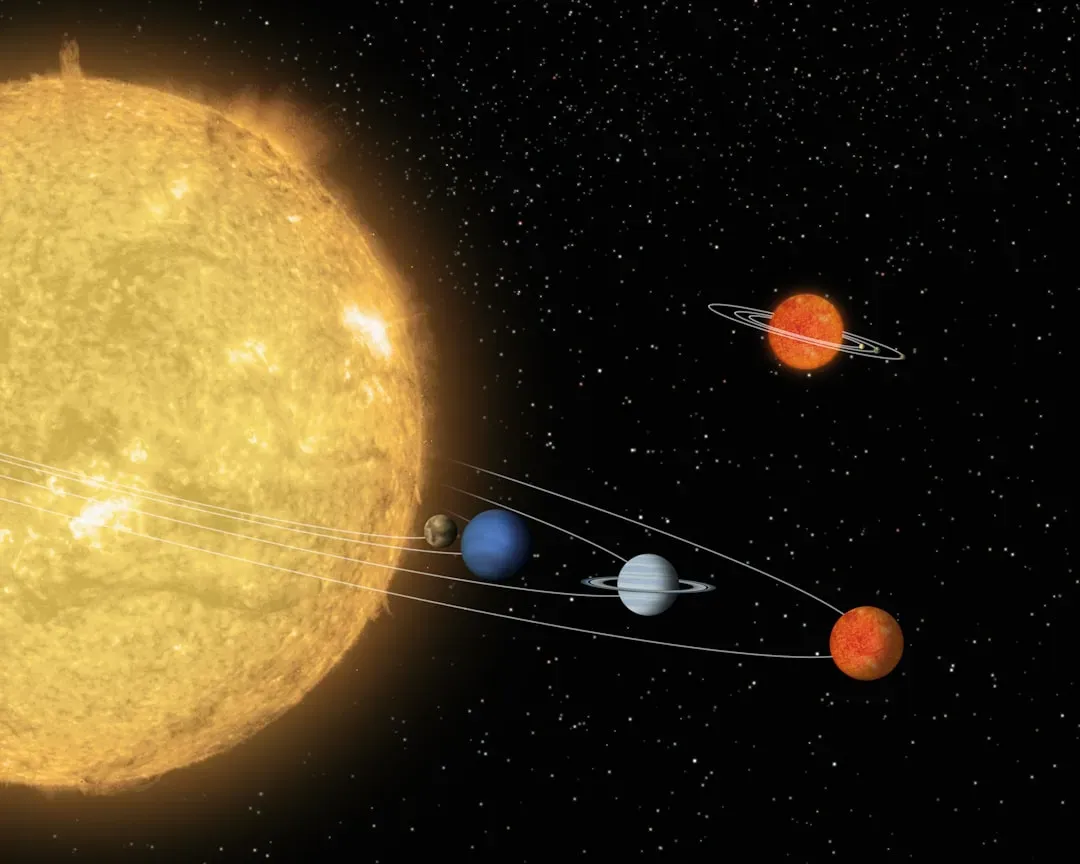
Here’s the thing about gravity – everyone assumes they understand it. You drop a ball, it falls. Simple. But the solar system is a vast expanse of celestial bodies interacting through complex forces, and while gravity indeed plays a crucial role in governing the movements and orbits of planets and their moons, recent research highlights that other forces are equally significant in shaping our cosmic neighborhood. Gravity is really just the opening act in a much bigger show.
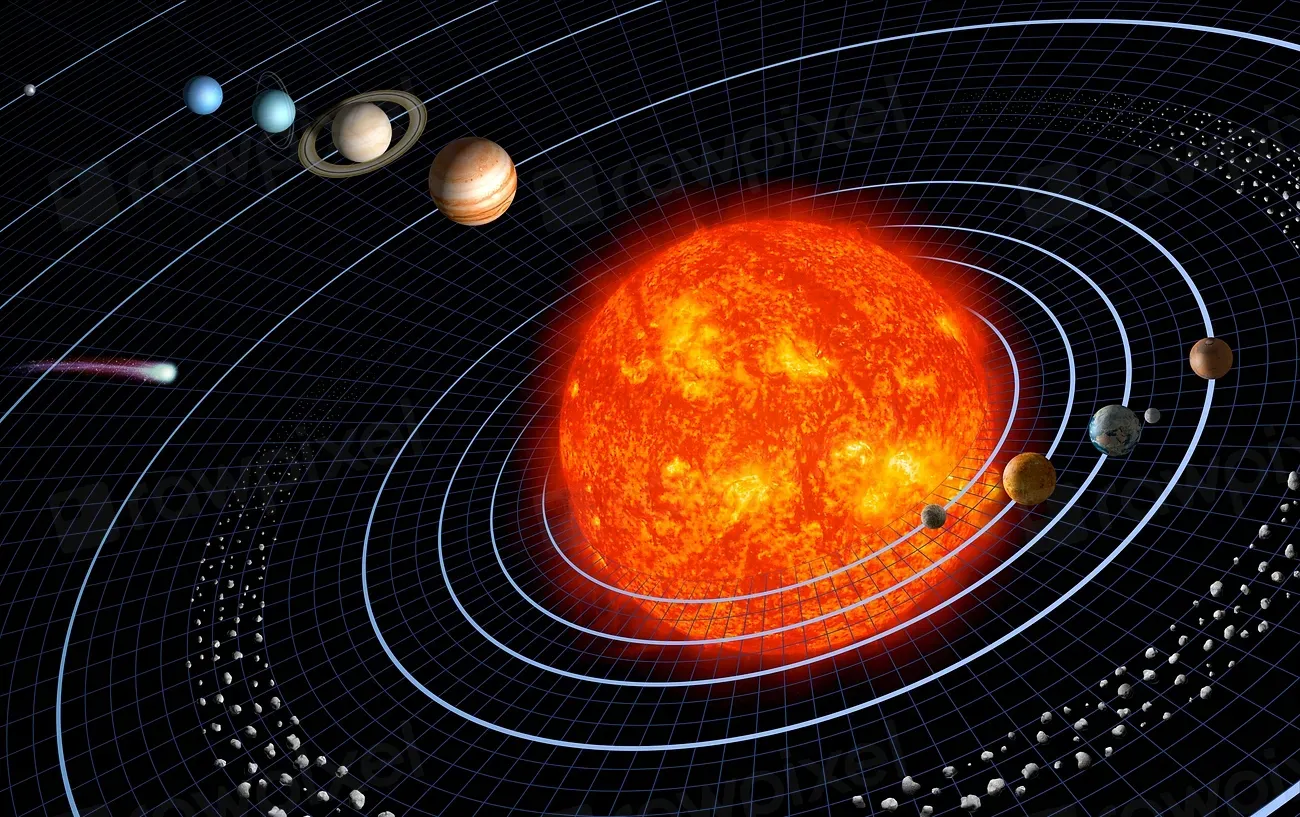
Containing nearly all of the solar system’s matter, the Sun exerts the predominant gravitational force over everything moving around it. That is a staggering concentration of influence, and yet even a force that powerful does not tell the complete story. Think of gravity as the skeleton of the solar system – it gives everything its basic shape, but it takes a whole lot of other invisible muscles and tendons to make the body actually move.
Dark Matter: The Ghost That Reaches Into Our Own Backyard
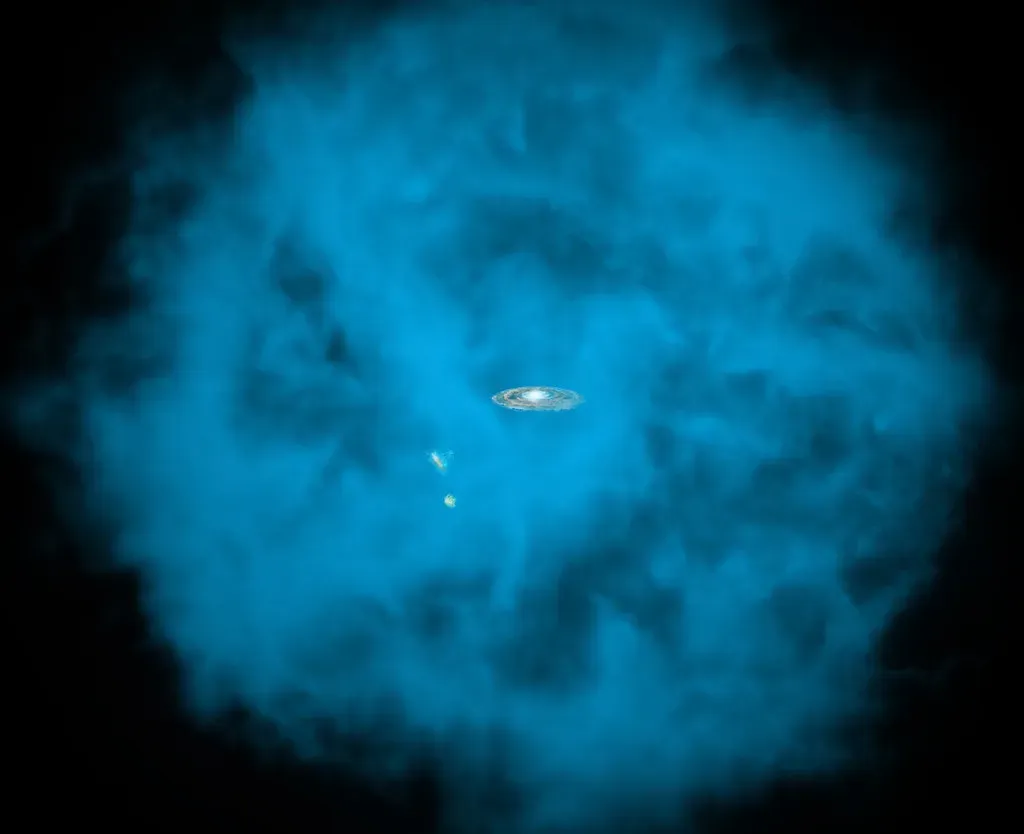
While dark matter interacts with ordinary matter through gravity, it does not seem to interact at all with the electromagnetic spectrum, including visible light. So dark matter doesn’t absorb, reflect, or emit any light. While dark matter is invisible, it does have things in common with ordinary matter: it takes up space and it holds mass. The idea that something so enormous could be completely invisible to us is, honestly, one of the most unsettling things in science.
To understand the influence of dark matter in the solar system, researchers calculated the “galactic force,” the overall gravitational force of normal matter combined with dark matter from the entire galaxy. They found that in the solar system, roughly 45 percent of this force is from dark matter and 55 percent is from normal, so-called baryonic matter. That means nearly half of the gravitational glue holding your cosmic neighborhood together comes from something you cannot see, touch, or directly detect. A roughly equal partnership between what we know and what we don’t – that’s a humbling thought.
The Yarkovsky Effect: How Sunlight Silently Steers Asteroids
I know it sounds crazy, but the gentle warmth of sunlight can physically move a giant asteroid off course over millions of years. The Yarkovsky effect describes a small but significant force that affects the orbital motion of meteoroids and asteroids smaller than 30-40 kilometers in diameter. It is caused by sunlight; when these bodies heat up in the Sun, they eventually re-radiate the energy away as heat, which in turn creates a tiny thrust. This recoil acceleration is much weaker than gravitational forces, but it can produce substantial orbital changes over timescales ranging from millions to billions of years.
The numbers here are mind-bending in their smallness and their consequence. Understanding the evolution of our solar system requires taking into account all the forces at play, no matter how small. If the weight of three grapes can shove an entire asteroid off course by hundreds of miles over a dozen years, imagine what happens over a thousand, a hundred thousand, or a billion years. Over millions of years, an asteroid’s orbit can be perturbed enough to transport it from the asteroid belt to the inner solar system. That is the difference between a rock quietly orbiting between Mars and Jupiter and a rock on a collision course with Earth.
The Heliosphere: Your Solar System’s Invisible Force Field
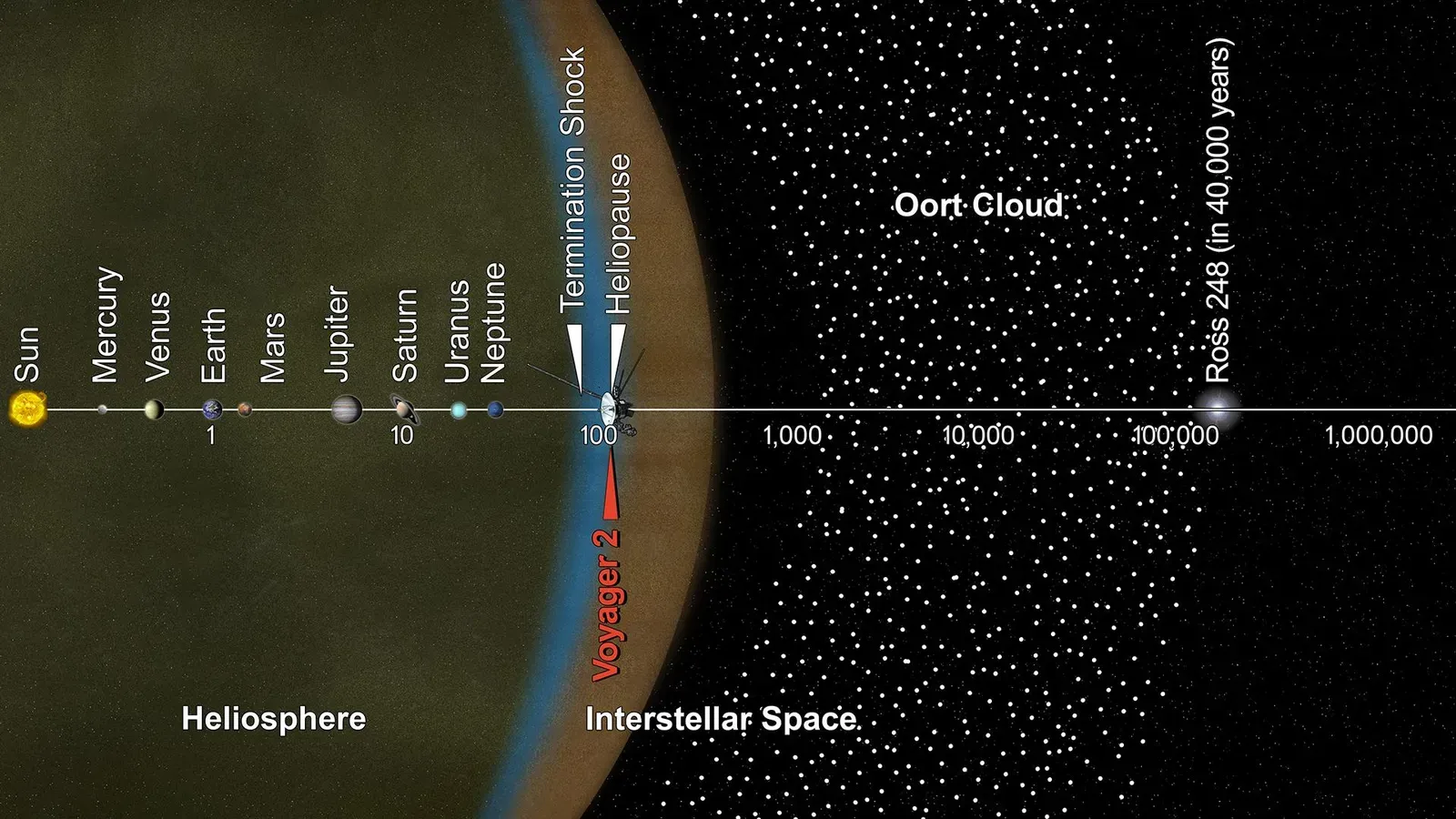
The Sun sends out a constant flow of charged particles called the solar wind, which ultimately travels past all the planets to some three times the distance to Pluto before being impeded by the interstellar medium. This forms a giant bubble around the Sun and its planets, known as the heliosphere. You live inside this bubble right now. It stretches so far beyond the orbit of Pluto that it makes our entire planetary system look like a small village inside a massive country.
This complex environment surrounds the planets and ultimately has a crucial effect on the formation, evolution, and destiny of planetary systems. The heliosphere acts as a giant shield, protecting the planets from galactic cosmic radiation. Planets without a shielding magnetic field, such as Mars and Venus, are exposed to such processes and have evolved differently. Essentially, the heliosphere has been quietly deciding which planets get to keep their atmospheres and which get stripped bare. Mars lost the cosmic lottery because of this.
Dark Energy: The Expansion Force That Works on Cosmic Scales
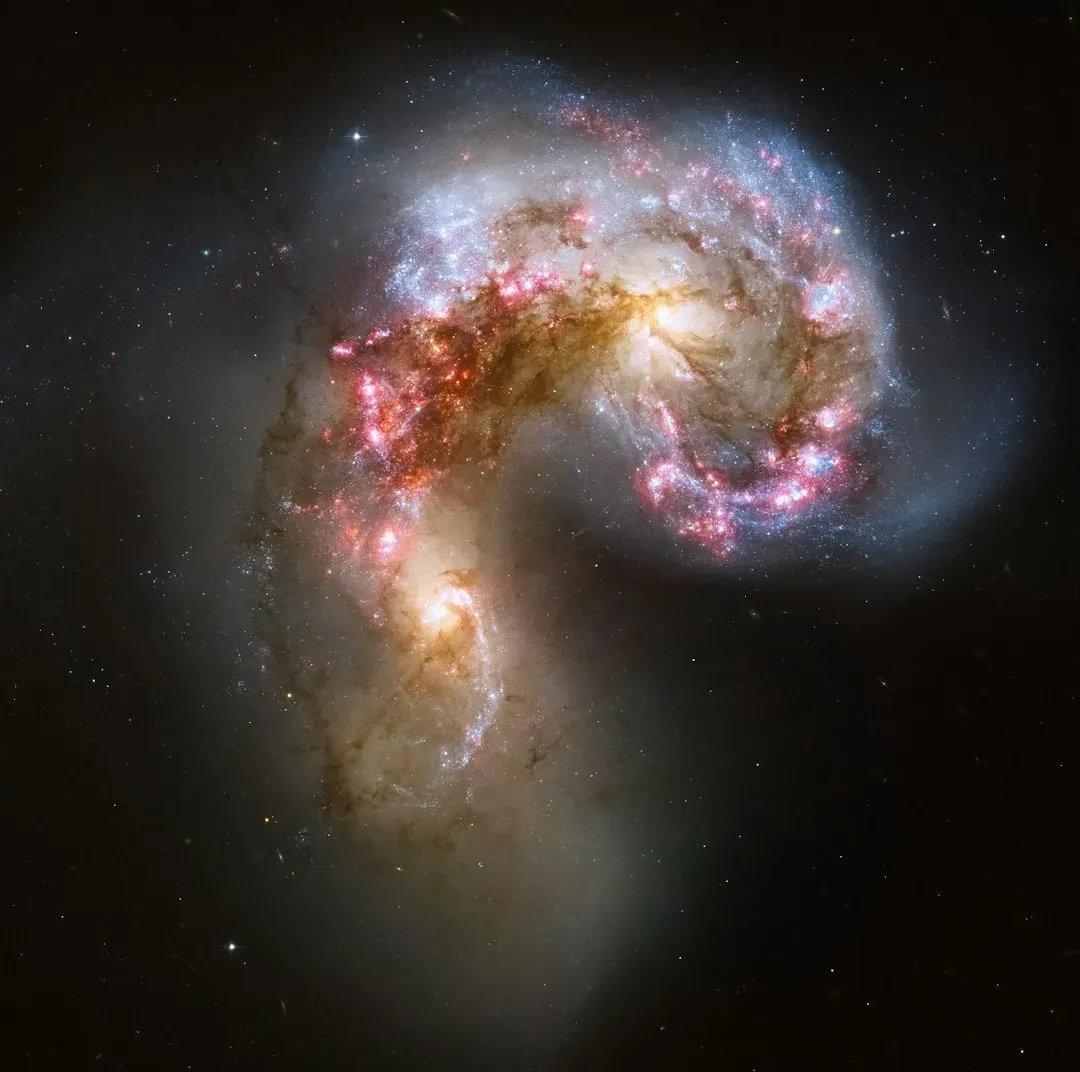
All the atoms and light in the universe together make up less than five percent of the total contents of the cosmos. The rest is composed of dark matter and dark energy, which are invisible but dominate the structure and evolution of the universe. That statistic never gets old, no matter how many times you encounter it. Everything you have ever seen or touched is less than a twenty-fifth of what actually exists.
In 1998, two independent groups of researchers announced they had measured cosmic expansion to a higher degree of precision, and found that it was getting faster. This acceleration implies some unknown force is counteracting gravity to make the universe expand at a greater rate. We call that mysterious force dark energy. While dark energy operates on scales far larger than our solar system, its role in the expanding universe sets the ultimate long-term context for where our cosmic home is headed. Dark matter pulls galaxies together, while dark energy pushes them apart – these two invisible giants are locked in a slow-motion tug of war that will ultimately decide the fate of everything.
Galactic Tidal Forces: When the Milky Way Itself Pulls the Strings
Most people think of the solar system as its own self-contained world. The reality is far stranger. Research demonstrates the existence of a resultant gravitational force of the galaxy, largely due to the mass of the halo, dominated by dark matter. It may be important to model for spacecraft moving far from the Sun on long duration missions where this force can build up. In other words, the Milky Way itself is silently reaching into our solar system and yanking on things in the outer edges.
At a certain distance from the Sun, the galactic force becomes more powerful than the pull of the Sun itself. Calculations suggest this transition happens at around 30,000 astronomical units, or 30,000 times the distance from Earth to the Sun. That is well beyond the distance of Pluto, but still inside the Oort Cloud, a swarm of millions of comets that surrounds the solar system. This means the outer shell of our solar system is essentially controlled by the galaxy, not the Sun. Dark matter’s gravity could have played a role in the trajectory of objects like ‘Oumuamua, the cigar-shaped object that came from another star system in 2017. Its unusually fast speed could be explained by dark matter’s gravity pushing on it for millions of years.
Solar Radiation Pressure: When Light Becomes a Physical Force
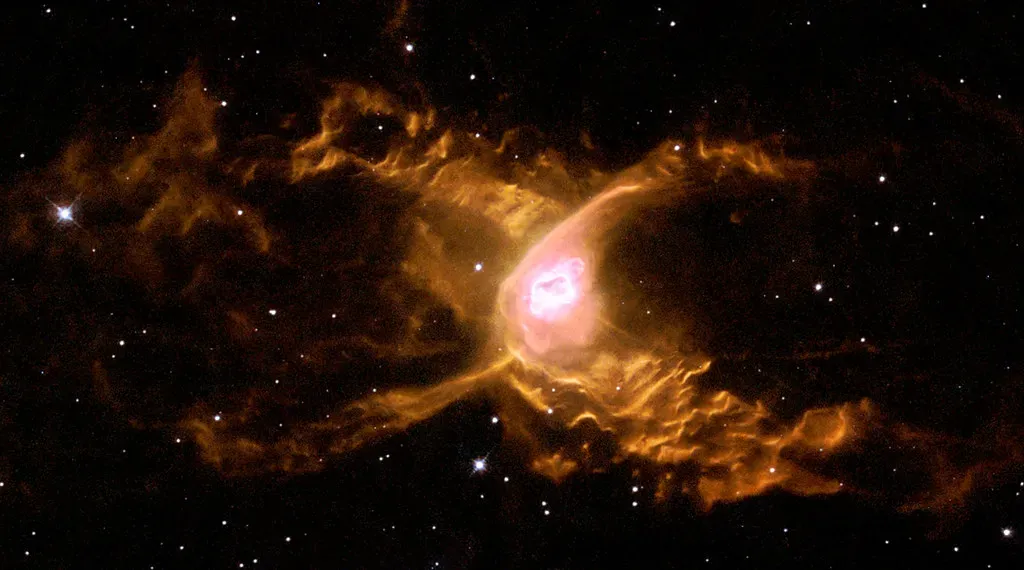
Light has no mass, but it absolutely has momentum. That is not philosophy – it is physics. While gravity governs the movements and orbits of planets and their moons, other forces are equally significant in shaping our cosmic neighborhood, including the effects of cometary ice sublimation and solar radiation pressure. Solar radiation pressure is the gentle but relentless push that sunlight exerts directly on any surface it hits, from tiny dust particles to spacecraft reflectors.
Solar radiation pressure and the Yarkovsky effect are non-gravitational perturbations which are considered when predicting a change in an asteroid’s orbit. The Yarkovsky effect is the most significant non-gravitational perturbation that perturbs the orbits of small bodies of the solar system, including near-Earth asteroids. Asteroid surfaces heat up during the day and cool down at night, giving off radiation that can act as a sort of mini-thruster. This force can cause rotating asteroids to drift widely over time, making it hard for scientists to predict their long-term risk to Earth. A slow, invisible pressure from pure light, silently nudging space rocks toward or away from us over geological time.
Interstellar Space and the Heliopause: Where the Sun’s Grip Finally Loosens
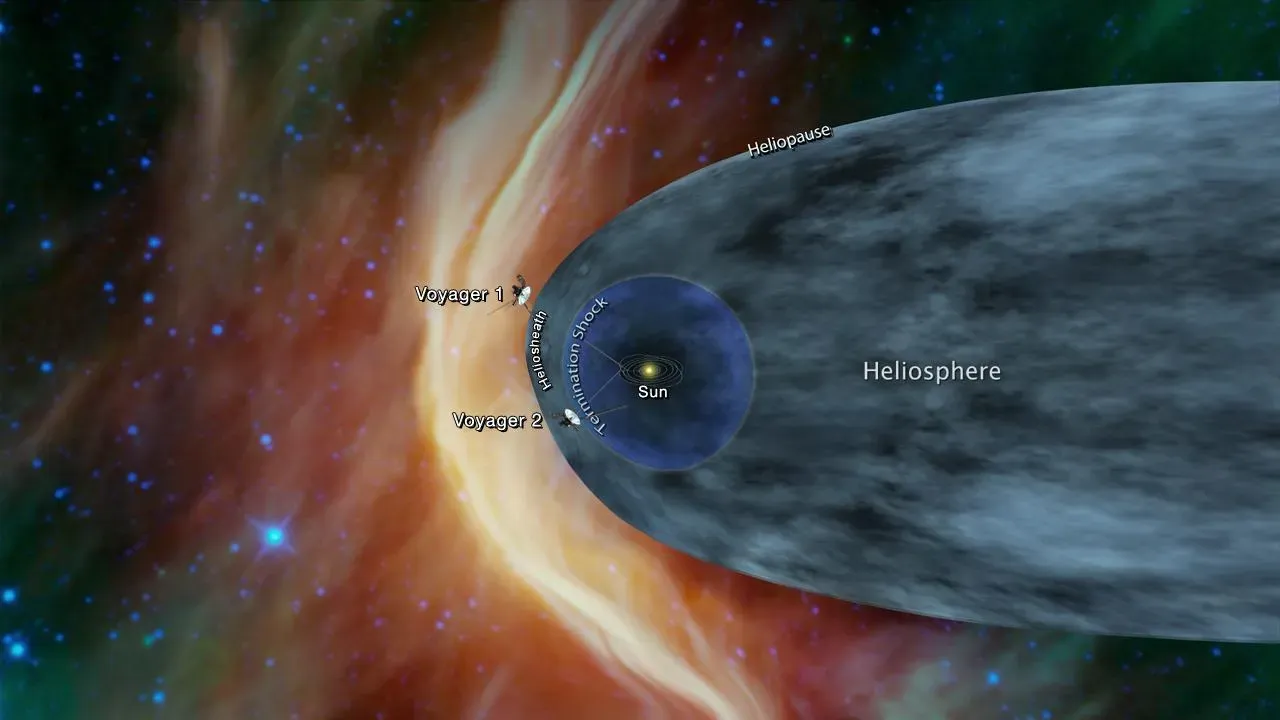
Every force has a boundary. Even our Sun, with all its gravitational and magnetic muscle, eventually runs out of reach. The heliopause marks the sharp, final plasma boundary between the Sun and the rest of the galaxy. Here, the magnetic fields of the solar and interstellar winds push up against each other, and the inside and outside pressures are in balance. Beyond this line, you have truly left the solar system behind.
The Voyager spacecraft exited the heliopause in 2012 and 2018 respectively and are currently in the outer heliosheath. They discovered that cosmic rays are about three times more intense outside the heliopause than deep inside the heliosphere. That data from Voyager confirmed just how effectively the heliosphere has been protecting our solar system all along. The heliosphere is an electromagnetic environment, inflated by the solar wind, the stream of high-energy particles that the Sun constantly shoots out at speeds often greater than one million miles per hour. Lose that shield and the inner planets would be bombarded by ferocious galactic radiation – a scenario that would make life as we know it impossible.
Conclusion: The Universe Is Never as Quiet as It Looks
You started this journey thinking you lived in a stable, predictable solar system governed mostly by the Sun’s pull. Hopefully by now, that picture has been convincingly shattered. The true architects of our solar system’s destiny are largely invisible forces: the insidious reach of dark matter, the silent thermodynamic nudge of sunlight on spinning rocks, a magnetic bubble that stretches further than Pluto, and the slow gravitational tide of an entire galaxy bending the paths of comets in the outer dark.
What is perhaps most striking is how many of these forces were unknown or poorly understood just decades ago. Science is still piecing together this cosmic puzzle, and missions like NASA’s IMAP spacecraft are pushing the boundaries of what we know about the heliosphere and interstellar space right now, in 2026. The solar system is alive with invisible motion and influence – and you are along for the ride, whether you realize it or not.
Every time you look up at that calm, quiet sky, remember: the real story is written in forces you cannot see. What unseen force surprises you most? Tell us in the comments.