
Think about every living thing you have ever seen. A dog. A mushroom. The bacteria invisible on your fingertips right now. A towering redwood. You, reading this. Incredibly, shockingly, all of you share the same ancient relative. Not just a distant cousin kind of relationship. The exact same common ancestor, one tiny single-celled organism, sits at the root of every form of life that has ever crawled, swum, bloomed, or breathed on this planet.
Science has been chasing this idea for a long time. Decades of genetics, paleontology, and genomics have slowly converged on one of the most profound discoveries in the history of biology. You might be surprised by how much we now know about this ancestor, when it lived, what it ate, where it called home, and why its story matters far beyond our own planet. Let’s dive in.
Meet LUCA – The Ancestor You Never Knew You Had
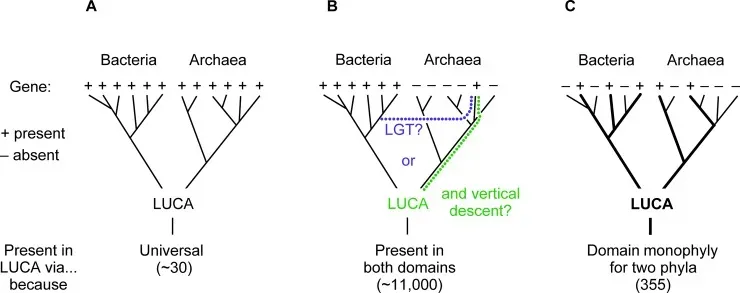
Whether you begin with gorillas or ginkgo trees or bacteria that live deep in the bowels of the Earth, all roads lead to LUCA, the “last universal common ancestor” – an ancient, single-celled organism, or possibly a population of single-celled organisms, that was the progenitor of every varied form of life that makes its way on our planet today. That is not a metaphor. That is biology.
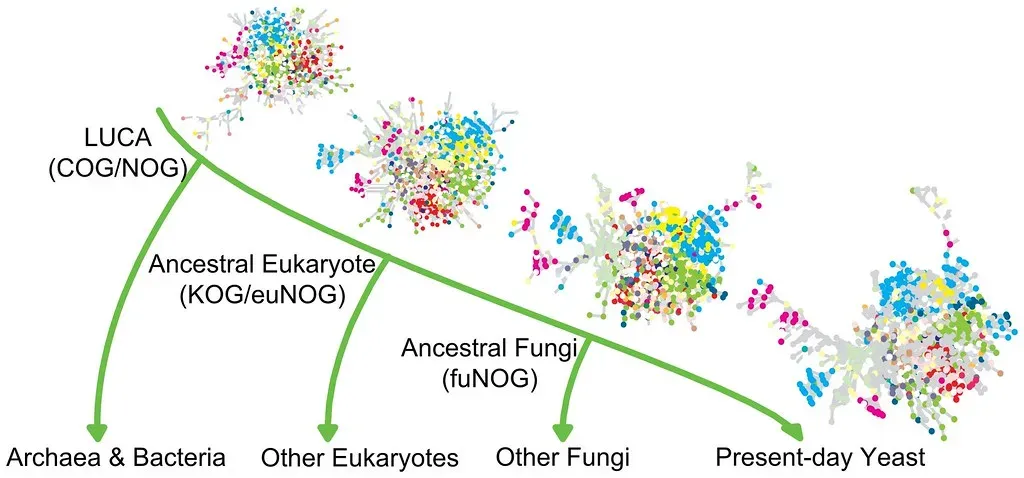
Everything alive today derives from a single common ancestor known as LUCA, the Last Universal Common Ancestor. LUCA is the hypothesized common ancestor from which all modern cellular life, from single-celled organisms like bacteria to the gigantic redwood trees, as well as us humans, descend. LUCA represents the root of the tree of life before it splits into the groups recognized today – Bacteria, Archaea, and Eukarya. Honestly, when you think about it, the sheer scale of that idea is almost too big to fully absorb.
The Stunning Date – 4.2 Billion Years Ago
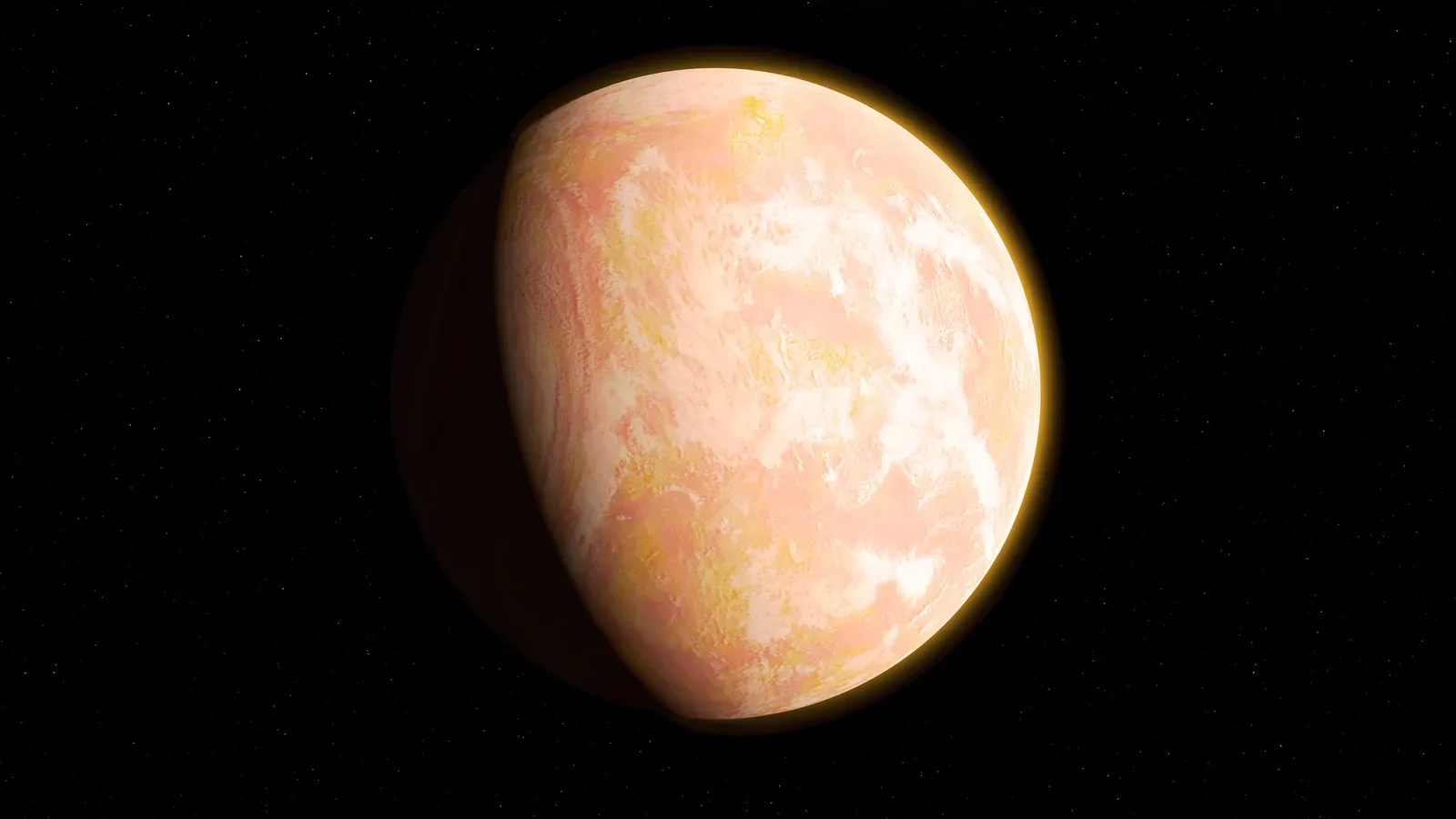
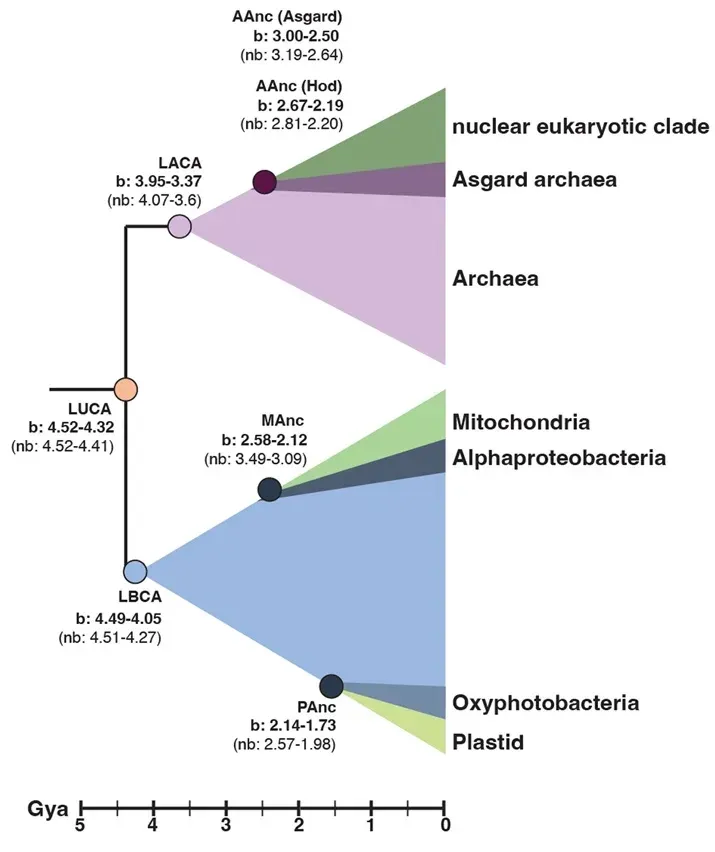
A 2024 study suggested that LUCA lived around 4.2 billion years ago, with a confidence interval of 4.33 to 4.09 billion years ago. To put that in perspective, Earth itself formed roughly 4.5 billion years ago. That means life’s common ancestor appeared just a few hundred million years after our planet even existed. That is barely a blink in cosmic time.
University of Bristol scientist Edmund Moody and his colleagues compared all the genes in the genomes of living species, counting the mutations that have occurred within their sequences over time since they shared an ancestor in LUCA. The time of separation of some species is known from the fossil record, so the team used a genetic equivalent of the familiar equation used to calculate speed in physics to work out when LUCA existed, arriving at the answer of 4.2 billion years ago – just 400 million years after the formation of Earth and our Solar System. That timeline is nothing short of jaw-dropping.
A Surprisingly Complex Creature
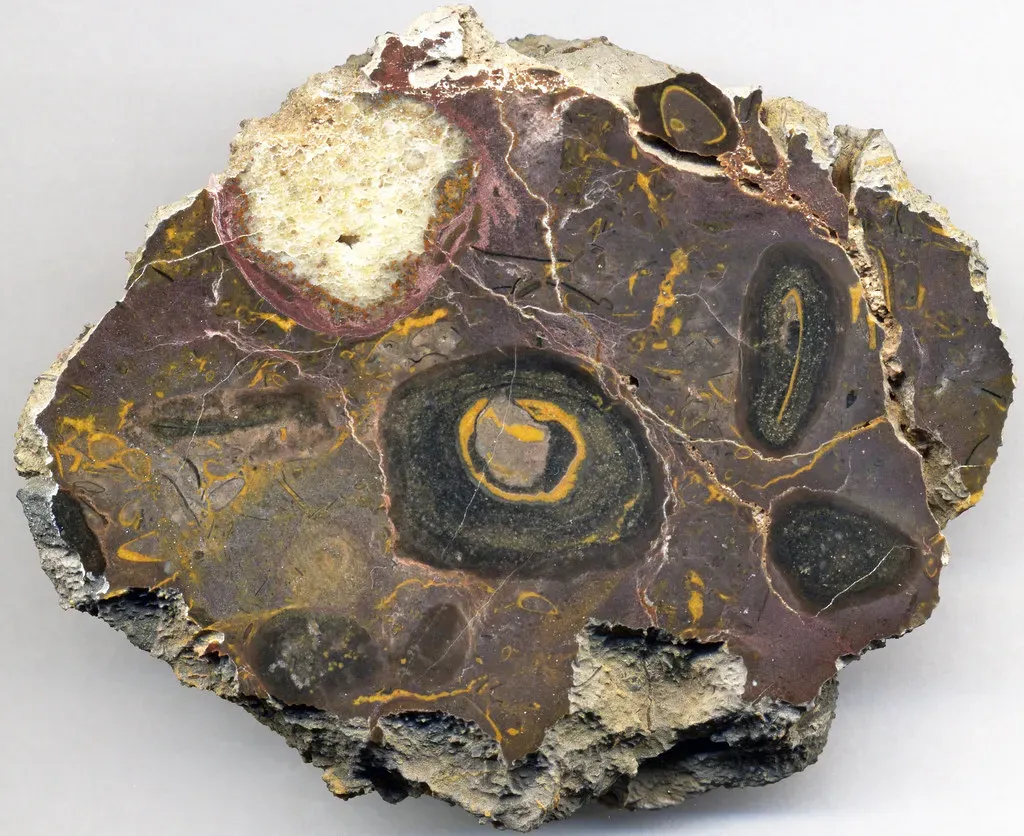
Phylogenetic reconciliation suggests that LUCA had a genome of at least 2.5 megabases, encoding around 2,600 proteins, comparable to modern prokaryotes. The integration of phylogenetics, comparative genomics, and palaeobiological approaches suggests that LUCA was a complex prokaryote-grade anaerobic acetogen that was part of an ecosystem. Let that sink in. This was not a primitive, barely-alive chemical smudge. This was a real, organized, functioning organism.
LUCA lived off hydrogen gas and carbon dioxide, boasted a genome as large as that of some modern bacteria, and already had a rudimentary immune system, according to the study. That immune system detail is perhaps the most startling part. Even by 4.2 billion years ago, our ancestor was already engaged in an arms race with viruses. Genes resembling today’s CRISPR defenses suggest viral predators appeared almost as soon as cells did. Life’s first battle for survival started almost immediately after life itself began.
Where Did LUCA Actually Live?
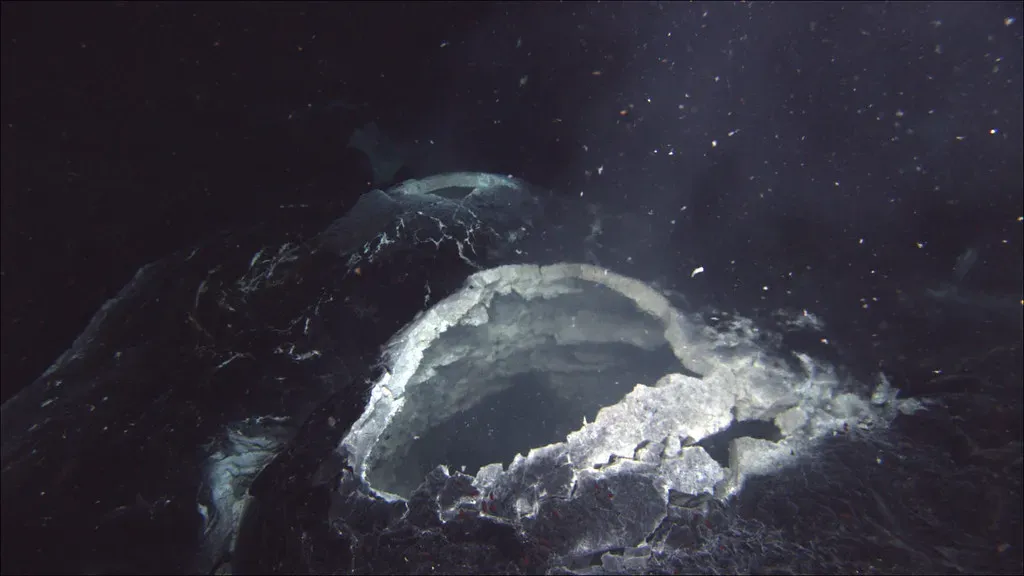
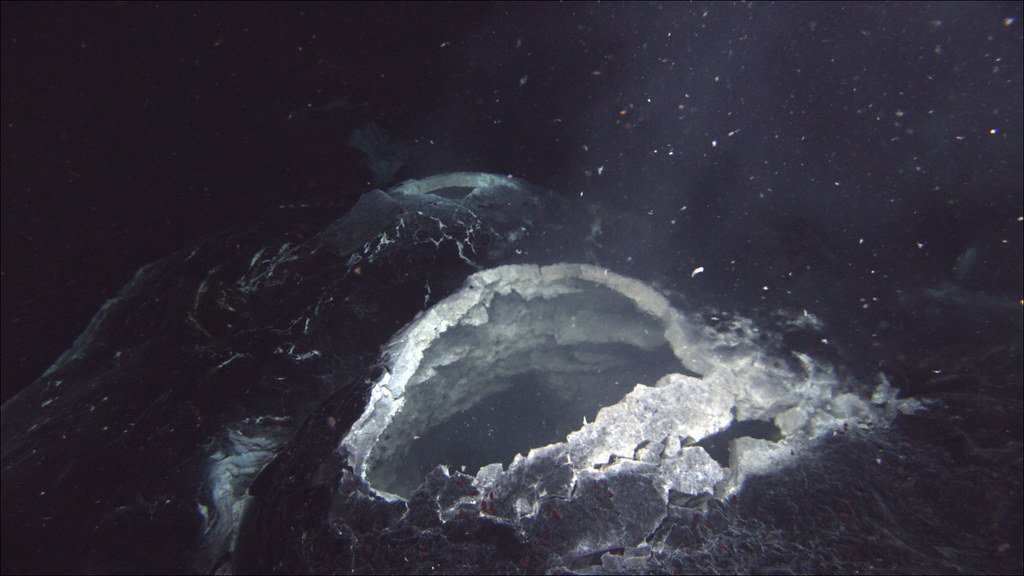
Research suggests that LUCA was a heat-loving microbe that fed on hydrogen gas and lived in a world devoid of oxygen, bolstering strong suspicions that life on Earth formed in and around hydrothermal vents such as those found near undersea volcanoes. Picture the bottom of a dark, early ocean, nowhere near sunlight, nowhere near air. Strange chimneys of hot water shooting up from the seafloor. That, incredibly, seems to have been home.
LUCA got its carbon and nitrogen – the building blocks of cells – from carbon dioxide and nitrogen gas, and it used iron near the vents to construct enzymes. Hydrothermal vents were strictly anaerobic early in Earth’s history, meaning that oxygen was in extremely short supply, and trace metals such as iron were readily available as a result. Researchers also found evidence LUCA had a gene that could have protected it from ultraviolet light, which suggests the microbe might have lived in surface waters where it could capture CO2 and H2 from the atmosphere, rather than exclusively at deep-sea vents. The debate about its exact address is still alive and well.
How Scientists Cracked the Code of LUCA’s Genome
For the new LUCA study, Edmund Moody, a genomics expert at the University of Bristol, developed a method intended to offer a more precise prediction of the timing of LUCA’s existence. A common approach relies on the varying but known rates of genetic mutations in microbial species, as well as the pace of gene transfers between them, to create a sort of molecular clock. By constructing family trees that sort out which organisms likely evolved from others and tracking genetic changes in conserved genes, researchers can roughly estimate when two neighboring branches on the tree diverged, and thus pinpoint the age of their common ancestor.
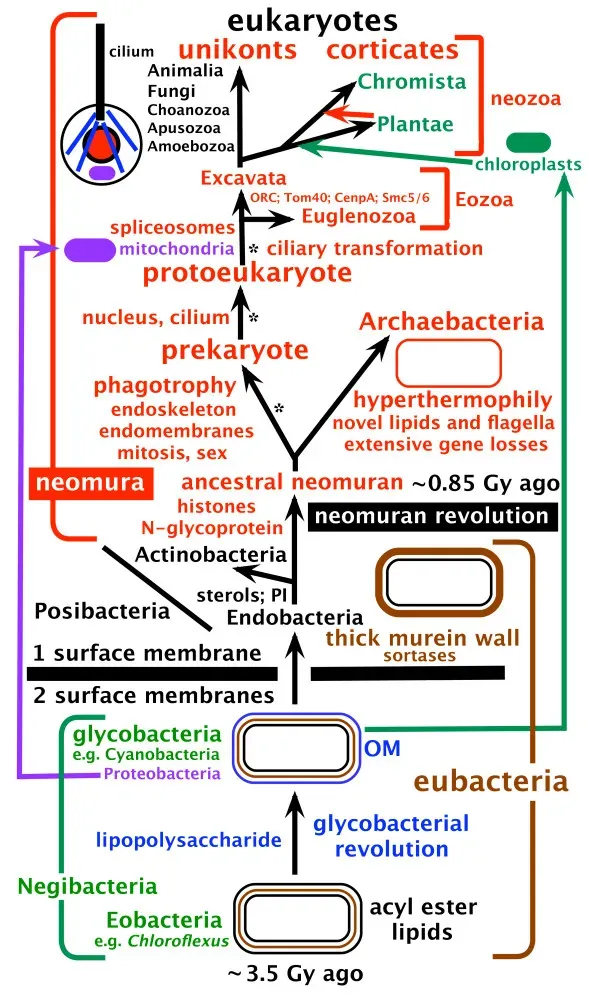
LUCA represents the root of the tree of life before it splits into the groups recognized today – Bacteria, Archaea, and Eukarya. Modern life evolved from LUCA from various sources: the same amino acids used to build proteins in all cellular organisms, the shared energy currency ATP, the presence of cellular machinery like the ribosome and others associated with making proteins from the information stored in DNA, and even the fact that all cellular life uses DNA itself as a way of storing information. Here’s the thing – the reason these researchers could even reconstruct LUCA at all is because you and every bacterium on Earth still carry echoes of those original molecular tools.
LUCA Did Not Live Alone
Although LUCA is sometimes perceived as living in isolation, research infers LUCA to have been part of an established ecological system. The metabolism of LUCA would have provided a niche for other microbial community members, and hydrogen recycling by atmospheric photochemistry could have supported a modestly productive early ecosystem. Think of it like the first neighborhood in Earth’s history – LUCA was simply the one resident whose descendants survived into the modern era.
Viral raids can shuffle genes between hosts faster than random mutation alone. The pressure to dodge infection forces microbes to innovate, potentially speeding up the invention of new enzymes, pathways, and even entire metabolic lifestyles that later lineages would inherit. It is likely that LUCA did not roam Earth alone but rather coexisted within an “established ecological system” that would have been “modestly productive.” So even at the very dawn of life, this was never a lonely story. It was already a community.
What LUCA Means for Life Beyond Earth
The fact that life’s common ancestor lived so early was quite a surprise, and it points to a much earlier origin for life itself. This contradicts a widely held notion among scientists that meteorite impacts rendered our planet sterile throughout the first half billion years of its existence. If life can arise and evolve into a complex organism so quickly on a barely-formed planet bombarded by meteors, then the universe starts to look like a much more populated place.
Water, rock, and heat were all that were required by LUCA, so could similar life also exist on other worlds? Researchers point to how swiftly ecosystems seem to have taken root on the early planet – an observation that opens the door to the possibility that life might be thriving on other Earth-like worlds in the universe. As one researcher concluded, this suggests that life may be flourishing on Earth-like biospheres elsewhere in the universe. That is a remarkable leap from studying a single ancient microbe – but the logic holds up beautifully.
Conclusion
There is something deeply humbling about the story of LUCA. You share your most fundamental biological machinery – your DNA, your ribosomes, your cellular energy currency – with a microscopic creature that survived without oxygen in a volcanic ocean vent over four billion years ago. Every branch on the tree of life, from the tiniest soil bacterium to the blue whale, traces back to that single point. One ancestor. One beginning.
Science will keep refining this picture. Each genome pulled from ocean mud or desert crust adds a puzzle piece to LUCA’s portrait. As sequencing technology grows faster and cheaper, scientists will keep hunting for ancient gene families, refining the ancestral blueprint, and scoping out early viral fossils hidden in microbial DNA. The story of where you truly come from is still being written – and it turns out to be far older, far stranger, and far more extraordinary than anyone once imagined.
So the next time you look at a tree, a dog, or simply your own hand – remember. You are all, in the most literal scientific sense, family. What do you think: does knowing we all share one single ancestor change the way you see the living world around you?