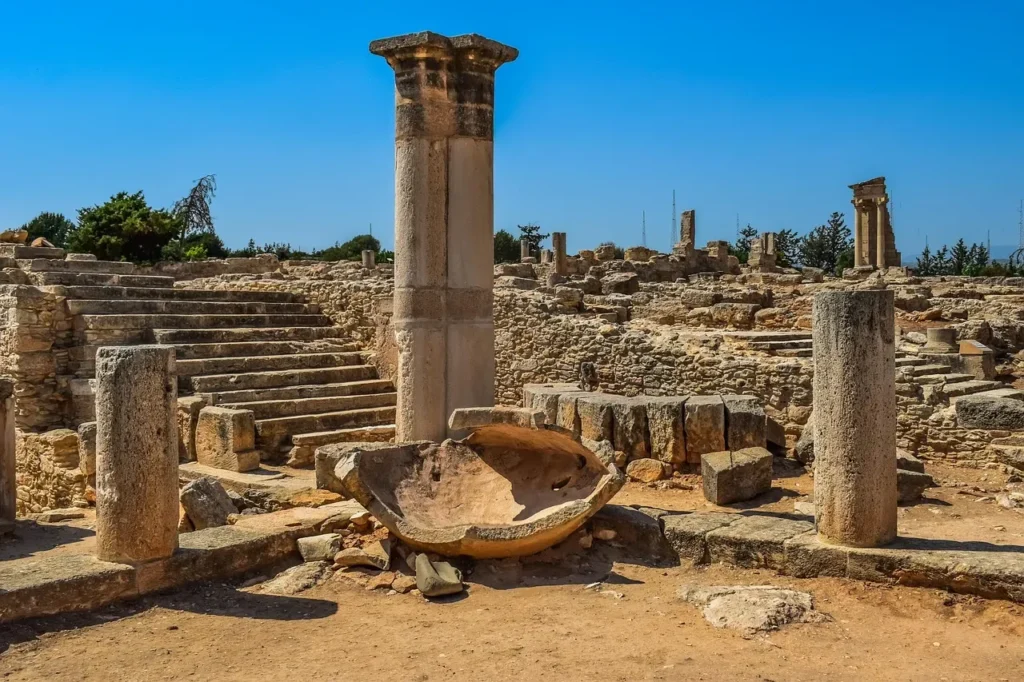

There is something profoundly stirring about the idea that entire cities, once full of life, markets, temples, and laughter, can simply vanish from human memory. Not just a building or a monument, but a whole world of people, swallowed by jungle, sand, ash, or sea. It’s one of those concepts that sounds too dramatic to be real, yet it happens far more often than you’d expect.
What’s even more surprising is how many of these cities have been clawed back from oblivion, sometimes by accident, sometimes by obsession, and always with revelations that force us to rethink everything we thought we knew about the ancient world. You’re about to discover nine of the most extraordinary. Let’s dive in.
1. Pompeii, Italy: The City Frozen in Time
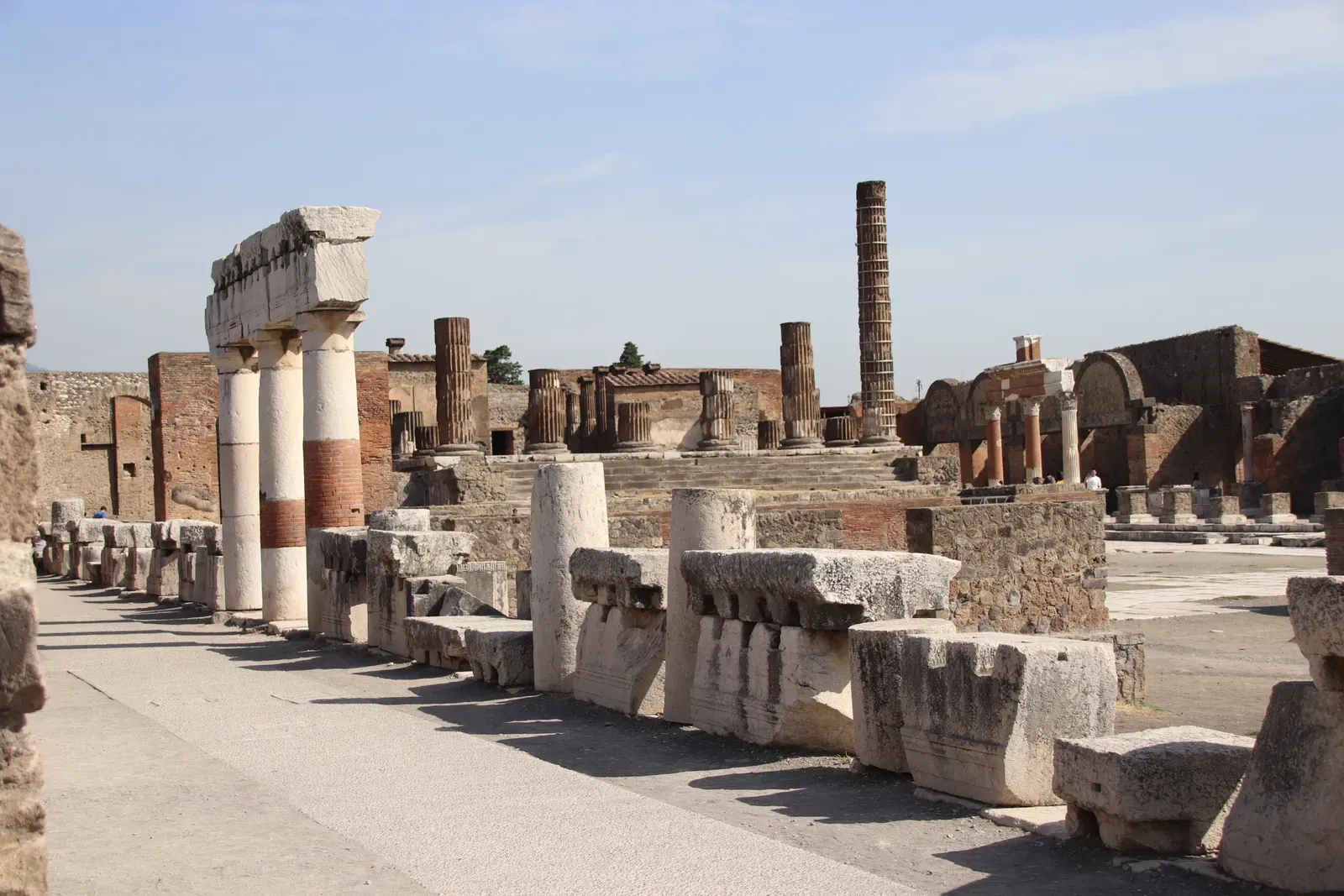
Imagine walking into a neighborhood where time simply stopped. That is exactly what you get with Pompeii. In 79 AD, a massive eruption of Mount Vesuvius buried the nearby city of Pompeii and some of its residents under 20 feet of ash and rock. The catastrophe was total. The city vanished. Streets, homes, bakeries, wine shops – all sealed beneath volcanic debris like an enormous time capsule.
Lost to the world and preserved under volcanic debris, these cities were accidentally rediscovered in the 16th century, with systematic excavations beginning in the 18th century. The ash that smothered life in these cities also preserved them, offering a snapshot of Roman life frozen in time. Honestly, it is one of the greatest archaeological ironies in history – the very force that destroyed Pompeii also perfectly preserved it. From frescoed walls and intricate mosaics to the haunting casts of victims, Pompeii provides unparalleled insights into the daily lives, culture, and architecture of the ancient Romans.
2. Machu Picchu, Peru: The Lost City Above the Clouds
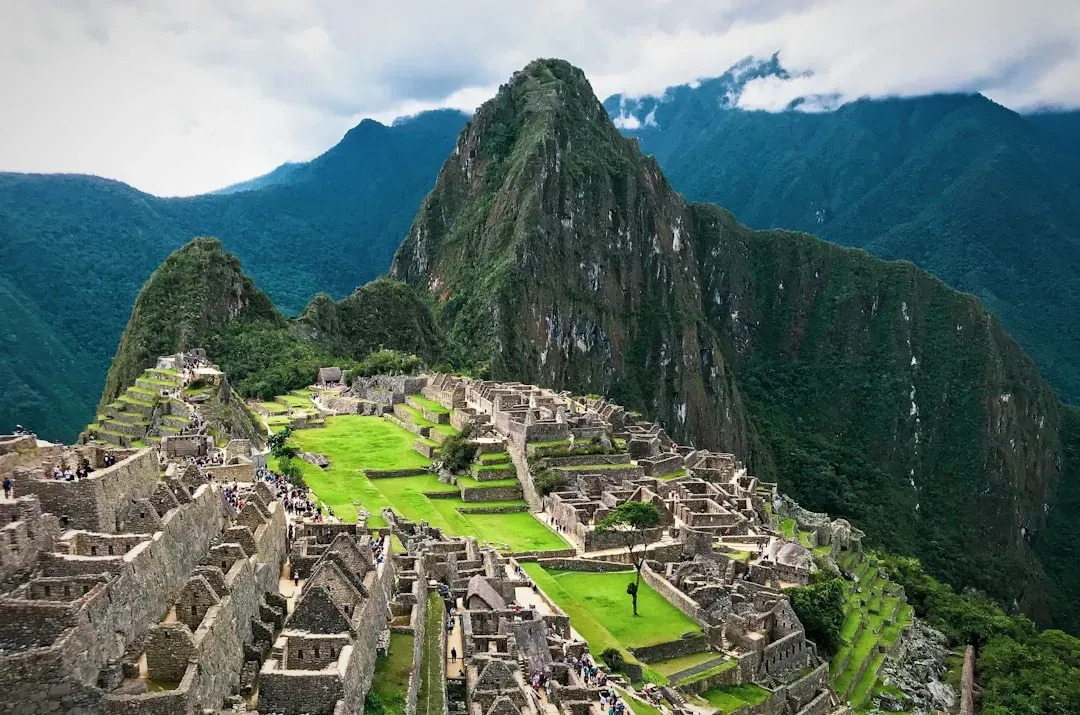
You’ve probably seen the photographs. A dramatic citadel perched impossibly high in the Andes, surrounded by mist and mountains. But you might not know just how close it came to being lost forever. Built in the 15th century and rediscovered in the 19th, this Incan citadel, known as the Lost City, sits high in the Andes near Cusco. Machu Picchu stands out as one of the best-preserved ancient cities, and its remote location in the Andes kept it hidden from Spanish conquerors in the 1500s, contributing to its remarkable state of preservation.
Machu Picchu remained largely unknown outside of Peru until American explorer Hiram Bingham published a piece about it in National Geographic magazine in 1913 after a local farmer named Melchor Arteaga guided him to the ruins for 50 cents. Here’s the thing – Bingham wasn’t even looking for Machu Picchu. When Bingham rediscovered Machu Picchu, he was actually looking for Vilcabamba, the “lost city of the Incas” that was the emperor’s final refuge before being overthrown by Spanish invaders. Its purpose remains a topic of scholarly debate, with theories ranging from a royal estate to a religious sanctuary.
3. Petra, Jordan: The Rose-Red City Carved in Stone
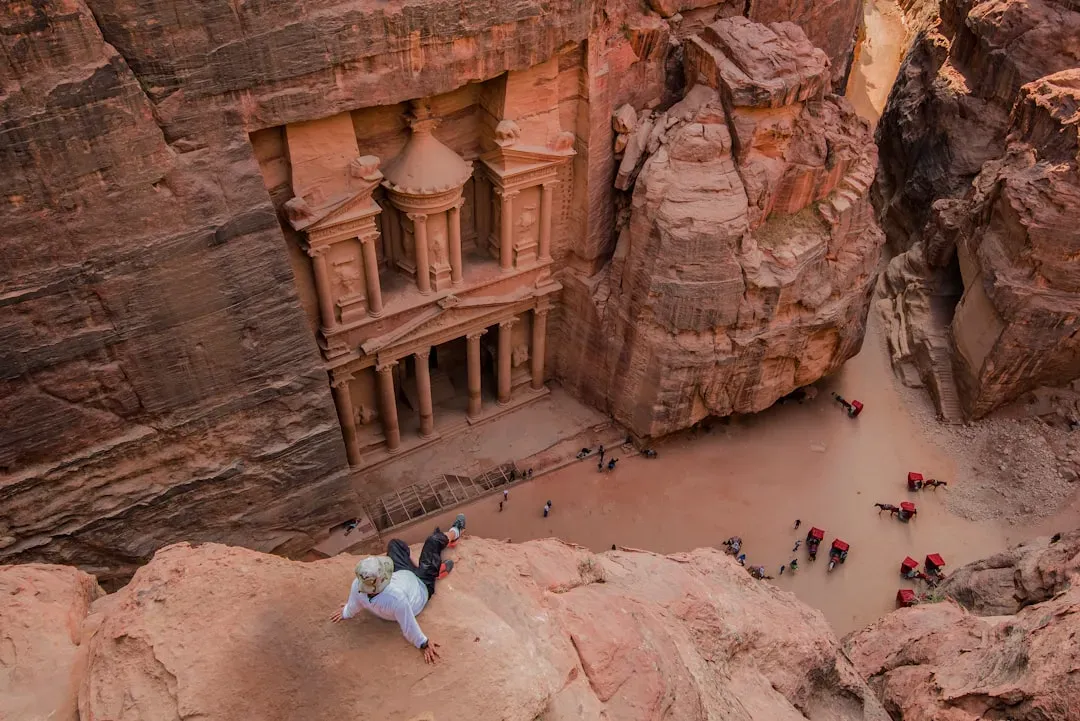
Few ancient cities on Earth produce the kind of jaw-dropping, speechless reaction that Petra does. Petra, located in modern-day Jordan, is known as the “Rose City” due to its rock-cut architecture and pink sandstone. It was a thriving trade center and capital of the Nabataean Kingdom from the 4th century BC to the 2nd century AD. Entire temples, tombs, and stairways were carved directly into the cliffsides. Think of it as an ancient civilization that chose rock faces as their canvas.
Rediscovered in 1812 by Swiss explorer Johann Ludwig Burckhardt, it has fascinated archaeologists and the public ever since. The city’s most iconic structure, Al-Khazneh (The Treasury), exemplifies the advanced engineering and artistic achievements of the Nabateans. Petra’s extensive ruins, including tombs, temples, and an amphitheater, offer insights into the ingenious methods used by the Nabateans to harness water in the desert. The Nabateans were, in essence, water management geniuses living in one of the driest places on the planet.
4. Heracleion, Egypt: The Sunken City at the Mouth of the Nile
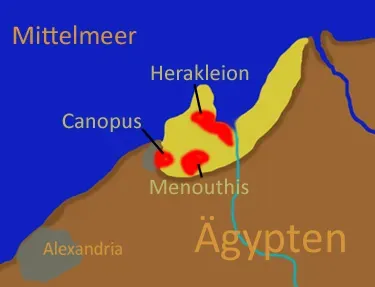
This one sounds like a myth. An entire Egyptian port city, resting silently on the floor of the Mediterranean Sea for roughly fifteen hundred years. Once a center of wealth and culture, the ancient Egyptian city of Heracleion lay submerged at the mouth of the Nile Delta for around 1,500 years. Dating back to the 7th century BCE, this port city thrived until it sank into the sea during the 8th century CE. It is thought to have been the largest port on the Mediterranean until Alexandria was founded in 331 BCE.
Heracleion, also known as Thonis, was an Egyptian port city that thrived between the 6th and 4th centuries B.C., before it succumbed to rising sea levels, earthquakes, and flooding, eventually sinking into the Mediterranean Sea. In 2000, after five years of seeking the ruins, French underwater archaeologist Franck Goddio laid eyes on Heracleion. After removing layers of sand and mud, divers uncovered the extraordinarily well-preserved city with many of its treasures still intact including the main temple of Amun-Gerb, giant statues of pharaohs, hundreds of smaller statues of gods and goddesses, a sphinx, 64 ancient ships, and 700 anchors. The scale of that discovery is almost incomprehensible.
5. Eridu, Iraq: The World’s Very First City
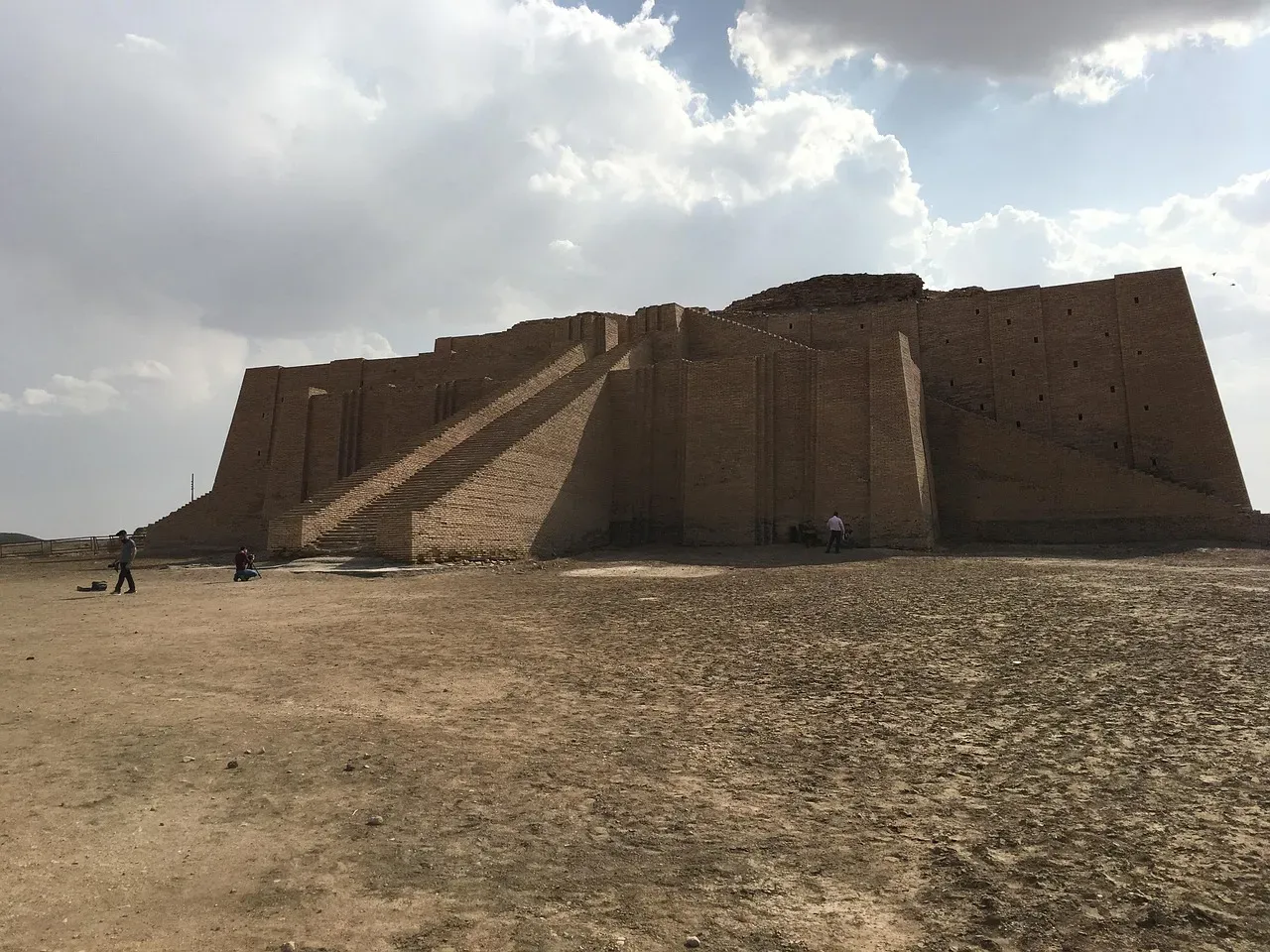
I know it sounds crazy, but there was once a city that may have been the very first ever built by human hands. Eridu was a foundational city in Sumerian culture, the world’s earliest known civilization, which flourished from around the fourth to second millennia B.C. in what is now Iraq. The Sumerians themselves regarded it as the birthplace of kingship and civilization. Eridu was also home to the largest temple dedicated to Enki, the god of water and wisdom, a key deity of the Sumerian pantheon.
Buried in the Mesopotamian desert, undisturbed for over two millennia, lay a hidden key to understanding one of the world’s oldest known civilizations. In 1854, British official John George Taylor was sent on an excavation mission to the desert of southern Iraq. Taylor was famously underwhelmed by what he found, nearly walking away without realizing what lay beneath. They concentrated their efforts on Mound 1, an 82-foot-high tell covering an area of some 1,900 by 1,770 feet, and before long they uncovered the remains of an unfinished ziggurat, or step pyramid, built at the end of the third millennium B.C. Beneath that ziggurat lay layer upon layer of human history stretching back thousands of years.
6. Caral, Peru: The Ancient American City That Rewrote History
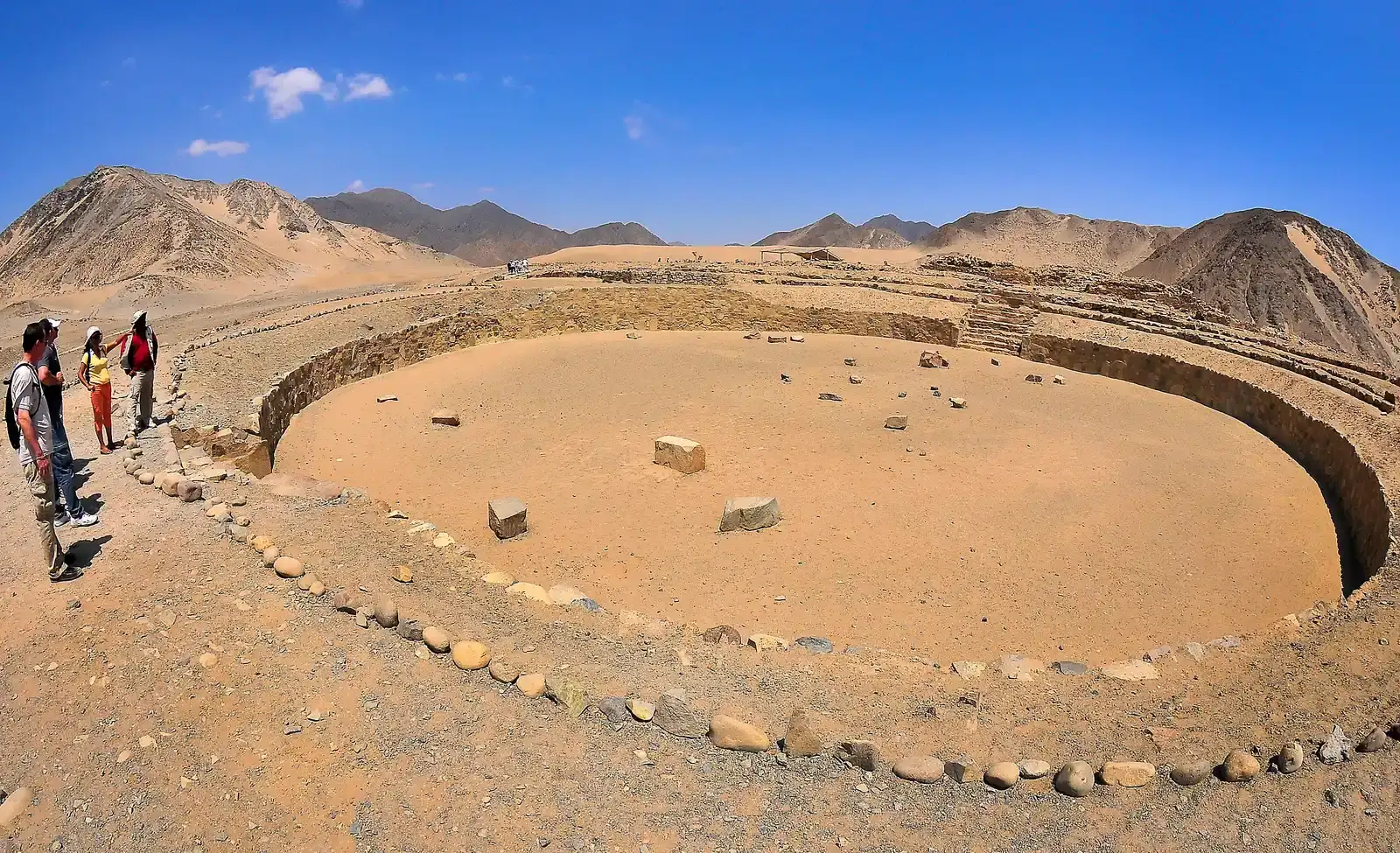
You might expect the oldest city in the Americas to be famous worldwide. Instead, Caral sat quietly beneath the sand for millennia, overlooked and underestimated. Caral was inhabited from around 2600 BC to 2000 BC, and the site includes an area of more than 60 hectares. Caral has been described by its excavators as the oldest urban center in the Americas. Caral wasn’t just built 4,000 years before the revered Inca city of Machu Picchu – it was also built four millennia before the great Khmer Empire’s Angkor Wat and three millennia before the Romans built their colossal Colosseum.
It was only in 1994, when Peruvian archaeologist Ruth Shady of National University of San Marcos started studying the site, that she realized, in the absence of finding any ceramics, that Caral might date before the advent of pot-firing technology. The Sacred City of Caral-Supe boasts an impressive complex of ancient monumental architecture constructed around 2600 B.C., roughly the same time as the earliest Egyptian pyramid. Archaeologists consider Caral one of the largest and most complex urban centers built by the oldest known civilization in the Western Hemisphere. The city was declared a UNESCO World Heritage Site in 2009.
7. Great Zimbabwe, Africa: The Forgotten Kingdom Built Without Mortar
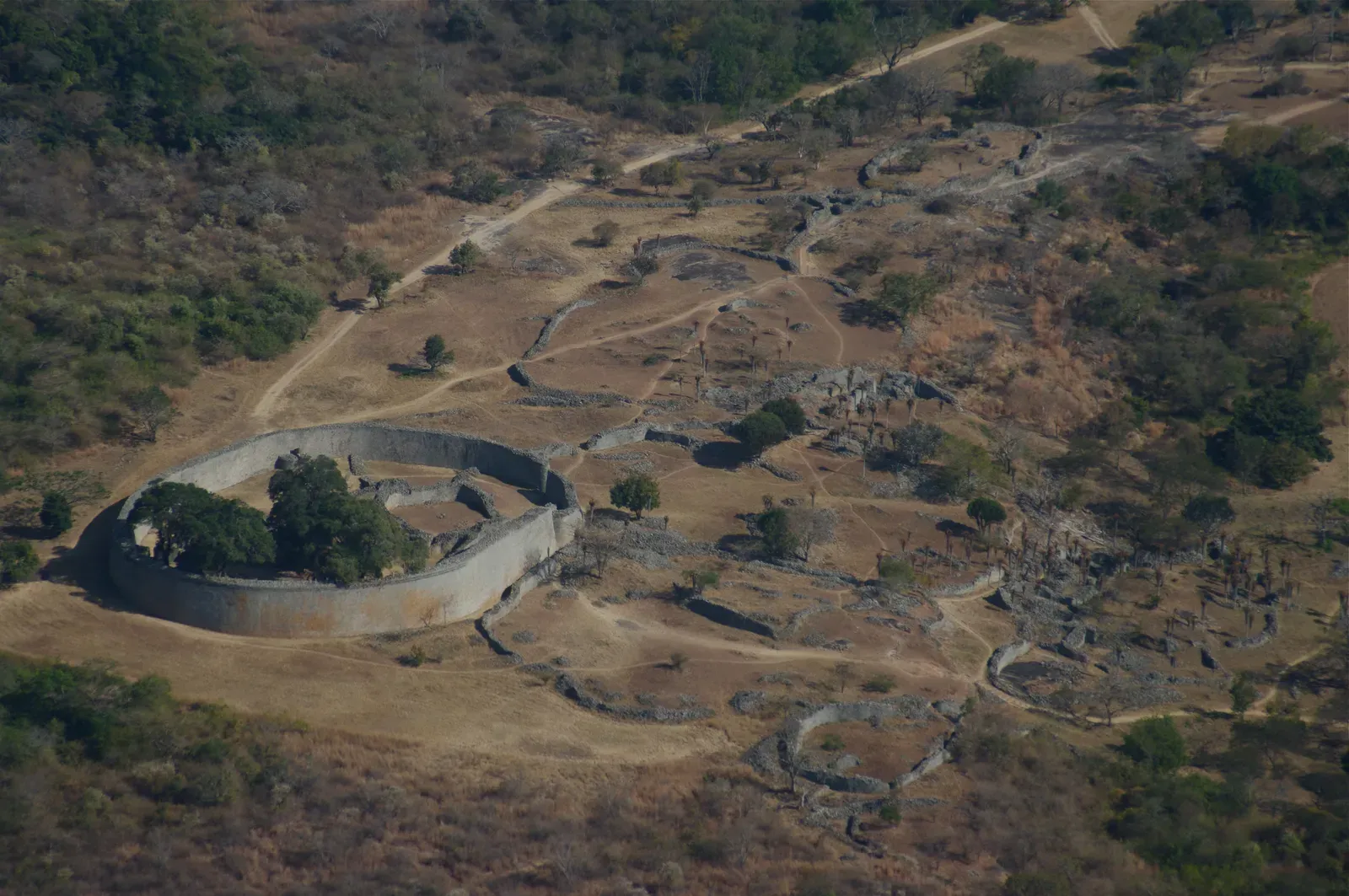
Here is a story not just of a lost city, but of a stolen history. Great Zimbabwe was a city in the south-eastern hills of the modern country of Zimbabwe, near Masvingo. It was settled from around 1000 CE, and served as the capital of the Kingdom of Great Zimbabwe from the 13th century. It is the largest stone structure in precolonial Southern Africa. With an economy based on cattle husbandry, crop cultivation, and the trade of gold on the coast of the Indian Ocean, Great Zimbabwe was the heart of a thriving trading empire from the 11th to the 15th centuries.
Discoveries of Chinese porcelain, engraved glass from the Middle East, and metal ornaments from West Africa provide evidence that Great Zimbabwe participated in a comprehensive trade network during the 13th and 14th centuries. When European explorers arrived, their racist assumptions led them to falsely attribute the city to Phoenicians or ancient Egyptians rather than its actual African builders. In 1905, the English archaeologist David Randall-MacIver concluded that the ruins were medieval and of exclusively African origin. The walls were built without mortar, relying on carefully shaped rocks to hold the wall’s shape on their own – an engineering feat that still astonishes structural experts today.
8. Akrotiri, Santorini: The Bronze Age City Buried by a Volcano
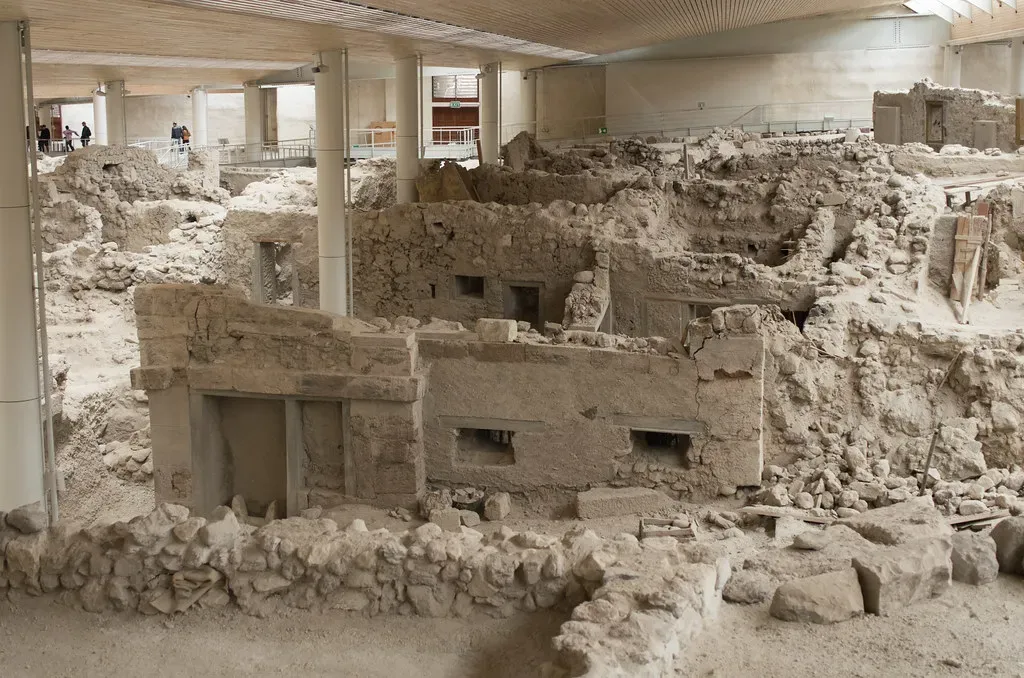
Long before the famous island of Santorini became a hotspot for tourists and honeymoon photographs, it was home to one of the most sophisticated Bronze Age civilizations ever discovered. Akrotiri on the island of Santorini in the Aegean Ocean was remarkably sophisticated. The houses had inside plumbing, toilets, and plastered walls with magnificent frescoes preserved under thick layers of volcanic ash. Some were three stories high. Inside plumbing, thousands of years ago. Let that sink in for a moment.
The ancient lost city of Akrotiri was rediscovered in the 1860s by quarry workers, but only re-entered history in 1967. Renowned Greek archaeologist Spiridon Marinatos was researching a theory that the destruction of the Minoan civilization on Crete started with the eruption of Thera. There are no palaces, and curiously no human remains or personal treasures. Scholars are convinced that Thera gave ample warning before it erupted, allowing for a timely evacuation of people and livestock. The people of Akrotiri apparently read the signs and fled, leaving behind one of the most vivid windows into Bronze Age life ever found.
9. Helike, Greece: The City That Inspired the Atlantis Legend
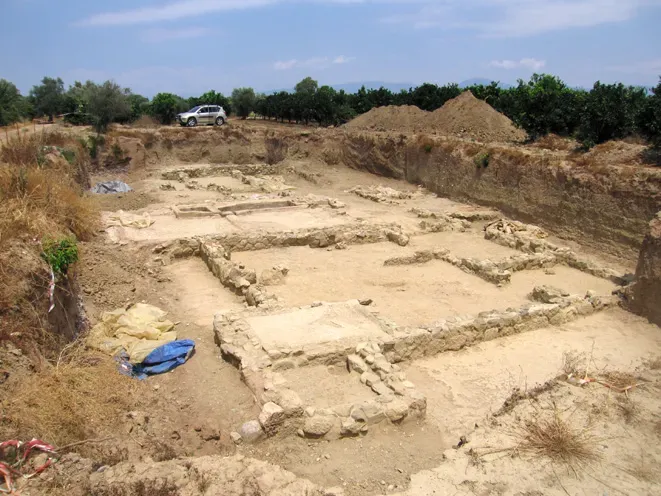
If you have ever wondered where the myth of Atlantis came from, Helike might hold the answer. Helike was an ancient Greek city that sank at night in the winter of 373 BCE. The city was located in Achaea, Northern Peloponnesos, two kilometres from the Corinthian Gulf. Ancient writers described it disappearing beneath the sea in a single catastrophic night, complete with the destruction of a bronze statue of Poseidon standing in the sea afterward – a story that reportedly fascinated Plato when he was crafting his own tale of Atlantis.
The city was thought to be legend until 2001, when it was rediscovered in the Helike Delta. In 1988, the Greek archaeologist Dora Katsonopoulou launched the Helike Project to locate the site of the lost city. What is particularly striking is how the rediscovery took more than a decade of dedicated searching. Innovative technologies like satellite imagery, LiDAR, and ground-penetrating radar are transforming archaeology, uncovering lost cities hidden by time and nature. These tools, along with underwater archaeology, offer non-invasive methods to explore ancient civilizations, revealing vast networks, buried structures, and submerged cities. Helike, in many ways, became a symbol of what modern technology can accomplish when human determination refuses to give up.
Conclusion: The Earth Still Has Secrets
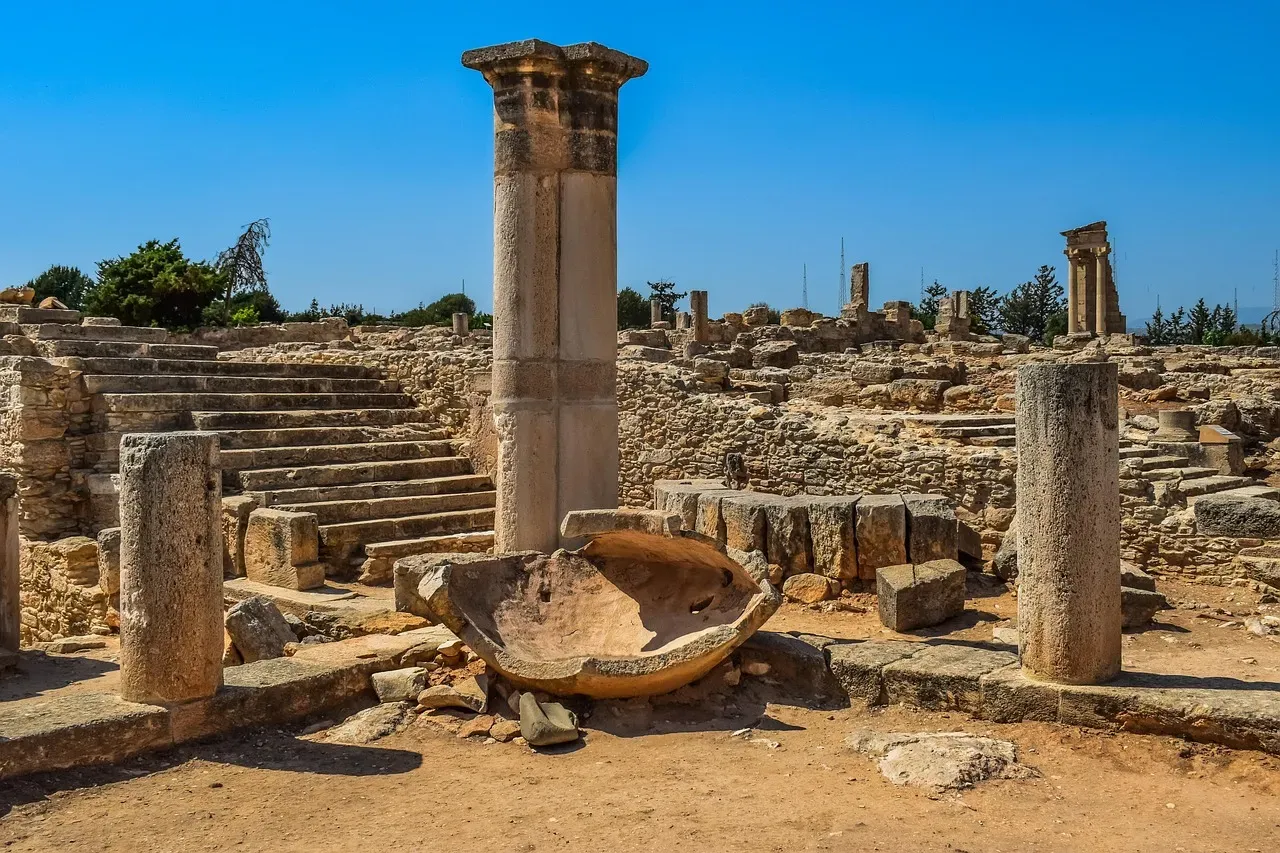
What makes these nine cities so breathtaking is not just their age or their architecture. It is the reminder that human civilization is deeper, wider, and older than we tend to imagine. Lost cities, hidden to the outside world, offer valuable information about the past when they’re found and studied. Usually, the people who lived in such places left or died due to war or conquest, disease, economic hardship, or natural disasters like earthquakes, floods, or volcanic eruptions. Every single one of these cities was once somebody’s home, somebody’s whole world.
Archaeology plays a crucial role in this quest, bridging the gap between myth and reality. Through painstaking excavation and analysis, archaeologists unravel the stories buried beneath the earth, allowing us to witness the ingenuity and resilience of ancient societies. And with tools like LiDAR and underwater scanning technology advancing rapidly, there is every reason to believe more forgotten cities are waiting to be found, perhaps hiding in plain sight beneath the jungle floor or resting silently at the bottom of a bay.
The most humbling thought of all? These nine cities are just the ones we know about. What else is still out there? What do you think – which of these rediscovered worlds fascinates you most? Share your thoughts in the comments below.