You probably already know that dogs are clever, that dolphins seem eerily aware, and that chimps can do things that make you stop and stare. Yet the full depth of animal intelligence is something that most of us have barely scratched the surface of. The more scientists dig into the inner lives of creatures big and small, the more the boundaries between “us” and “them” start to blur in deeply fascinating ways.
The truth is, the animal kingdom is bursting with minds that reason, plan, feel, and even deceive. Some of these creatures solve puzzles that would challenge a human child. Others carry grief, pass knowledge down through generations, or navigate social politics that would make a diplomat sweat. Get ready to have your assumptions gently shattered. Let’s dive in.
1. Chimpanzees: The Closest Mirror to Our Own Minds
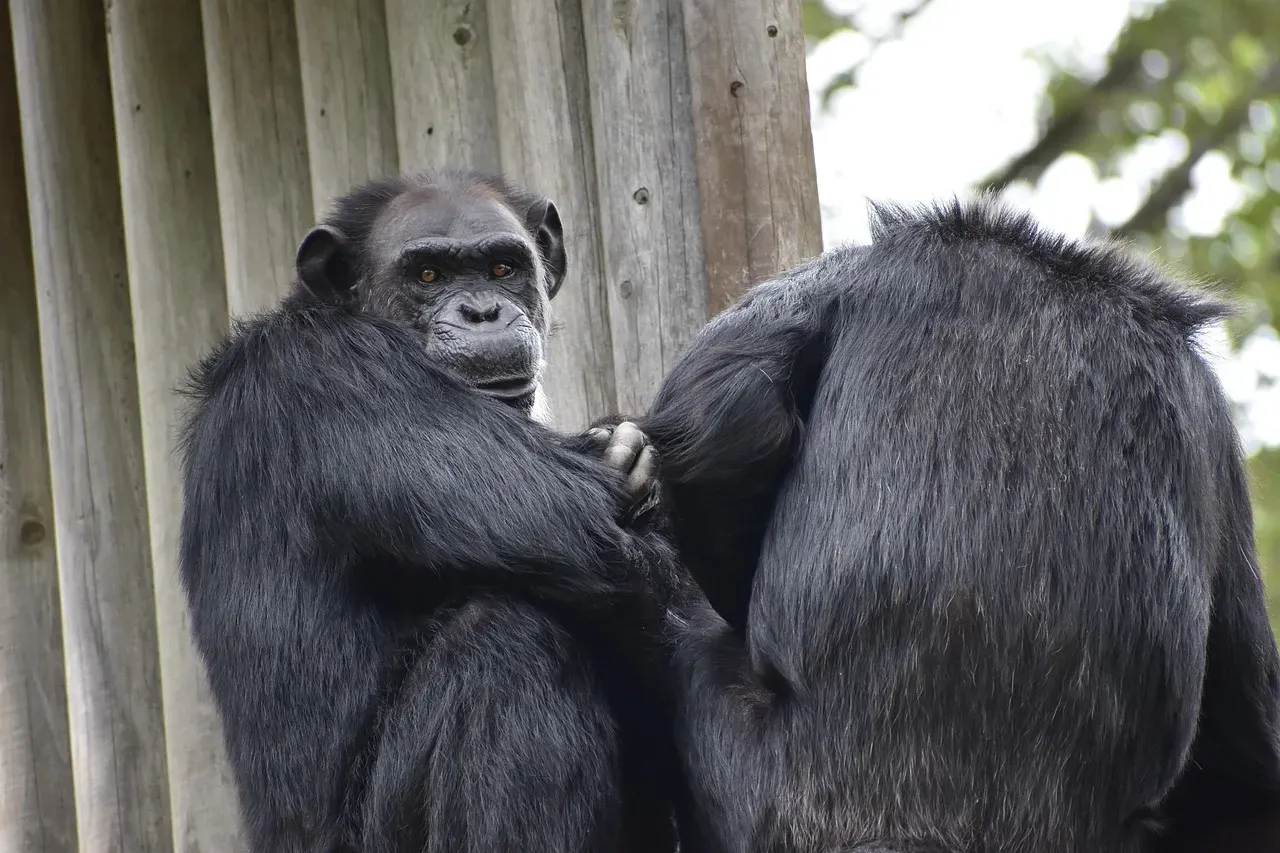
Here’s the thing – when you look into the eyes of a chimpanzee, you’re looking at something uncomfortably close to yourself. Chimpanzees and their close relatives, bonobos, share almost ninety-nine percent of our DNA and are widely considered some of the brightest creatures in the animal kingdom. That number isn’t just a fun fact. It means that everything you find remarkable about them is, in a very real sense, a reflection of human cognitive history.
Chimpanzees consistently lead intelligence rankings due to their mastery of tool-making, long-term planning, and cultural learning. They craft spears for hunting, use leaves as sponges, coordinate group strategies, and learn sign language with comprehension similar to young children. Their ability to innovate and pass knowledge down generations mirrors early human societies. Honestly, when you picture that level of cultural transmission happening in a forest, it stops feeling like “animal behavior” and starts feeling like early civilization.
2. Bottlenose Dolphins: The Ocean’s Social Geniuses
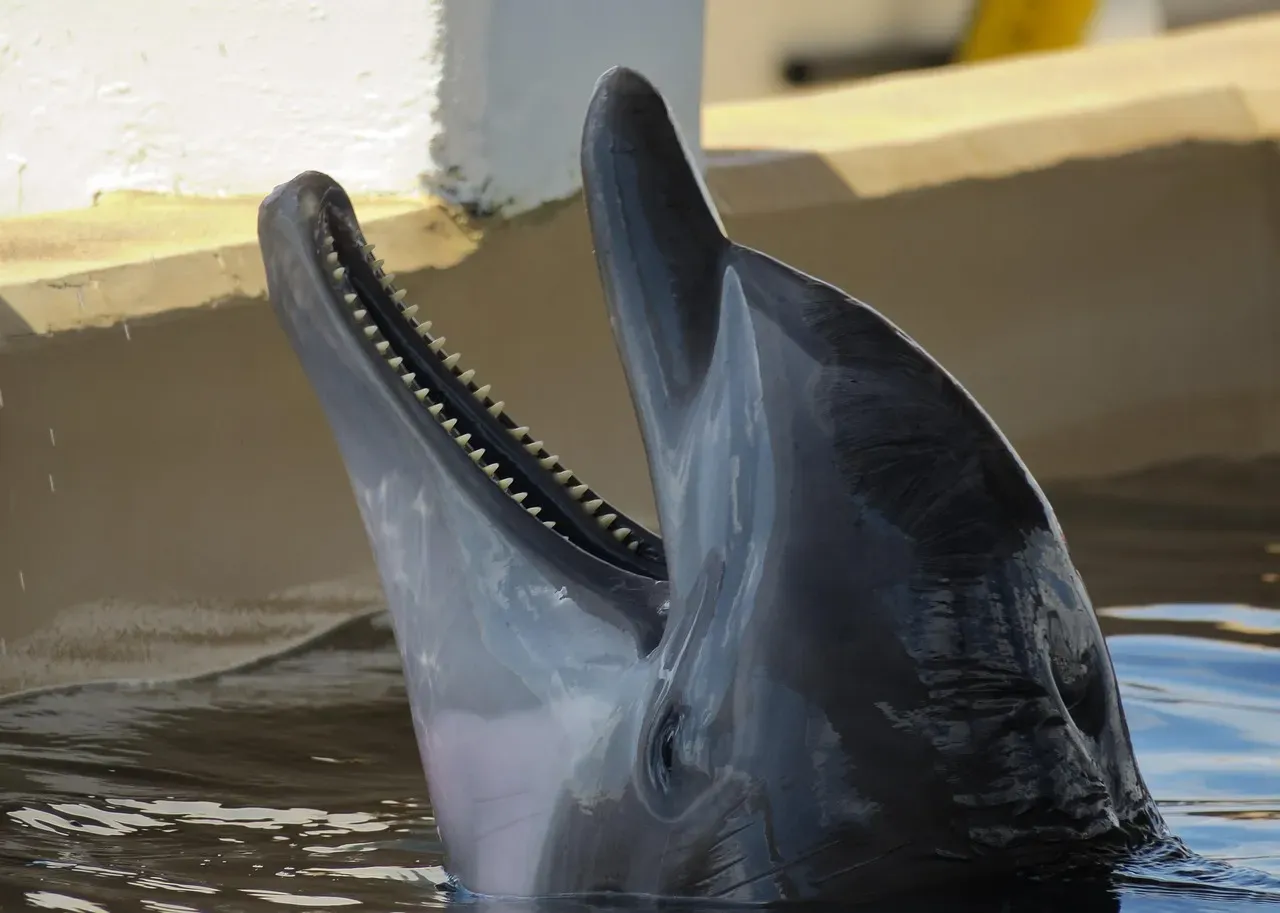
Bottlenose dolphins combine echolocation precision with advanced communication systems. They use signature whistles, essentially names, to identify individuals and pass complex behaviors through social teaching. Their cooperative hunting strategies require high-level planning, role assignment, and real-time adaptation, showcasing exceptional cognitive abilities for marine mammals. Think of it like a military operation, planned and executed underwater, without a single word spoken in human language.
One of the most striking demonstrations of dolphin intelligence is their use of echolocation, which requires not only advanced sensory perception but also complex processing capabilities. Additionally, dolphins live in intricate social networks and engage in cooperative behaviors, such as coordinated hunting strategies. Dolphins can recognize themselves in mirrors, a sign of self-awareness that is rare in the animal kingdom. Self-recognition in a mirror might sound simple to you, but it’s one of the rarest cognitive feats on the planet.
3. Elephants: Ancient Minds with Emotional Depth
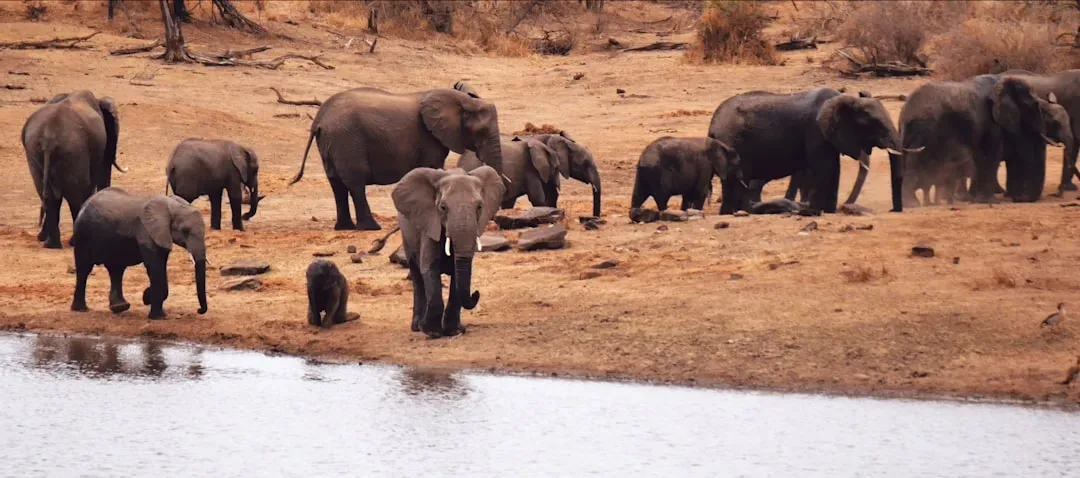
Elephants are renowned for their emotional and social intelligence. Their long-term memory helps them identify water sources, recognize distant relatives, and navigate vast territories. Elephants display empathy, self-awareness, and mourning behaviors, traits that indicate complex cognitive and emotional processing. When an elephant lingers over the bones of a lost family member, that isn’t instinct. That’s grief, and it looks heartbreakingly familiar.
Researchers discovered that elephants can work together to solve problems that require coordination. In one study from the University of Cambridge, two elephants had to pull on opposite ends of a rope simultaneously to get food, and they figured it out quickly and remembered the lesson. Elephants also pass the mirror test, use tools, and have been observed apparently painting with brushes when given the opportunity in captivity. They even strip bark from trees to use as flyswatters. Practical, intelligent, and deeply resourceful in ways most people never imagine.
4. Octopuses: The Alien Intellect Living Among Us
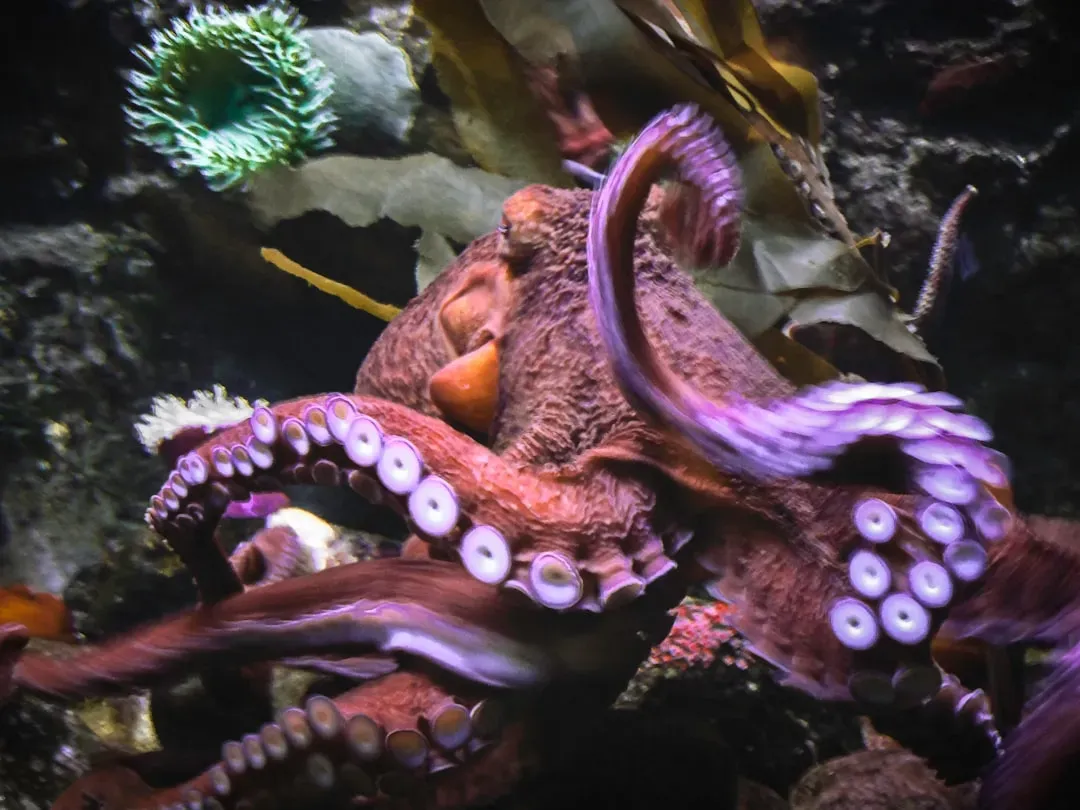
I know it sounds crazy, but the octopus might be the closest thing to an alien intelligence you’ll ever encounter in your lifetime. What makes this type of intelligence unique is how differently it operates compared to vertebrate cognition. Instead of the brain acting as the sole command center, the octopus’s intelligence is embodied, spread across its body, reacting fluidly to its environment. This decentralized system represents a fundamentally different way of processing information, one that evolved independently from mammalian or avian intelligence.
Octopuses have been caught on camera sneaking out of their tanks at night, eating fish in other tanks, and returning to their own tanks by morning as if nothing ever happened. Research has demonstrated their ability to solve complex puzzles and recognize individual people. Another remarkable trait of the octopus is its solitary nature. Their parents die before the young even hatch, meaning they don’t learn any of their clever behaviors from parents or other octopuses; they figure it all out on their own. That’s a level of self-sufficiency that borders on the extraordinary.
5. African Grey Parrots: Birds That Truly Understand Language
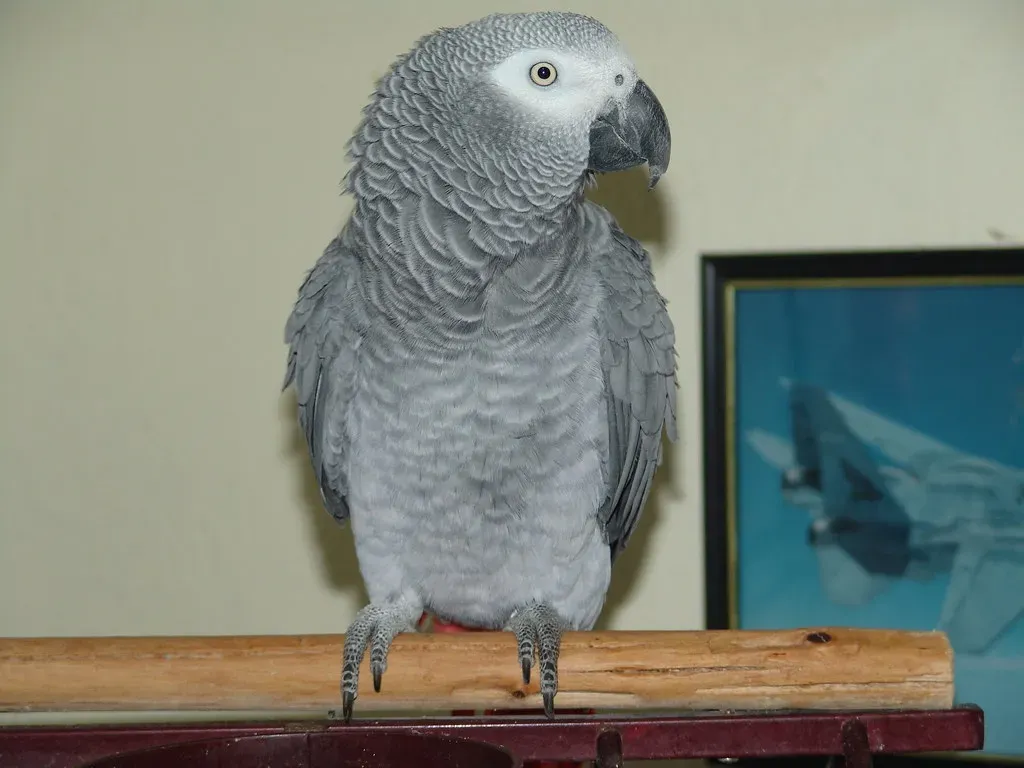
Labelled as the world’s most intelligent bird, the African grey parrot is probably best known for its talent as a mimic. But the skill of this charismatic species goes beyond mimicry to true understanding. Alex, an African grey studied by animal psychologist Dr. Irene Pepperberg over the course of thirty years, could identify fifty objects, seven colours and five shapes, as well as recognising numbers up to six. He was also able to perform cognitive tests at a level higher than five-year-old human children, demonstrating reasoning. Let that sink in for a moment.
In an experiment at Harvard, Griffin, an African grey parrot, outperformed children and college students in a complex visual memory test. Griffin consistently outperformed six to eight year olds and matched or exceeded Harvard undergraduates in most trials. The test involved tracking objects hidden under cups and assessing visual working memory and cognitive manipulation abilities. A bird, outscoring university students. It’s almost too strange to believe, yet the data doesn’t lie.
6. Crows: The Feathered Engineers of the Bird World
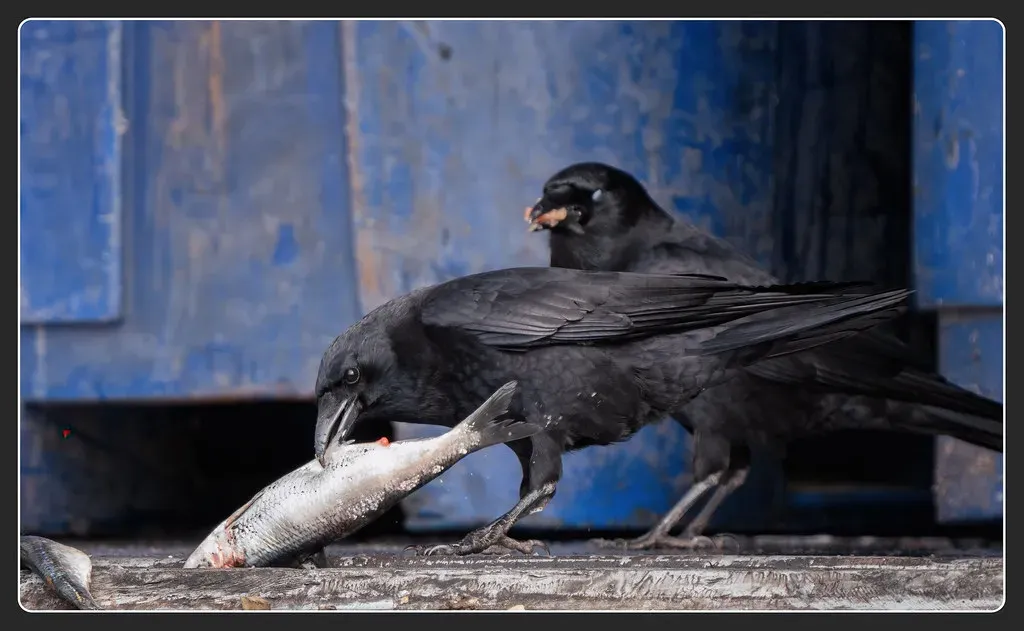
Crows rank among the smartest animals because of their tool use, facial recognition, and ability to solve multi-step puzzles. They not only craft tools from twigs but also improve them, demonstrating causal reasoning and innovation. Crows remember friendly and dangerous humans for years, teaching younger birds which faces to avoid. You can think of that as primitive cultural transmission, a form of intergenerational knowledge-sharing that most of us associate only with human communities.
These birds have excellent memories and can hold grudges. Research from the University of Washington found that crows can remember human faces for years and will teach their offspring to recognize and distrust people who have wronged them. By looking in-depth at their neuroanatomy, recent research suggests that crows are aware of the knowledge that they have and are able to ponder that knowledge. This ability is how individuals make new discoveries. In other words, crows may possess a form of metacognition, the ability to think about their own thinking.
7. Sperm Whales: Giants with a Language All Their Own
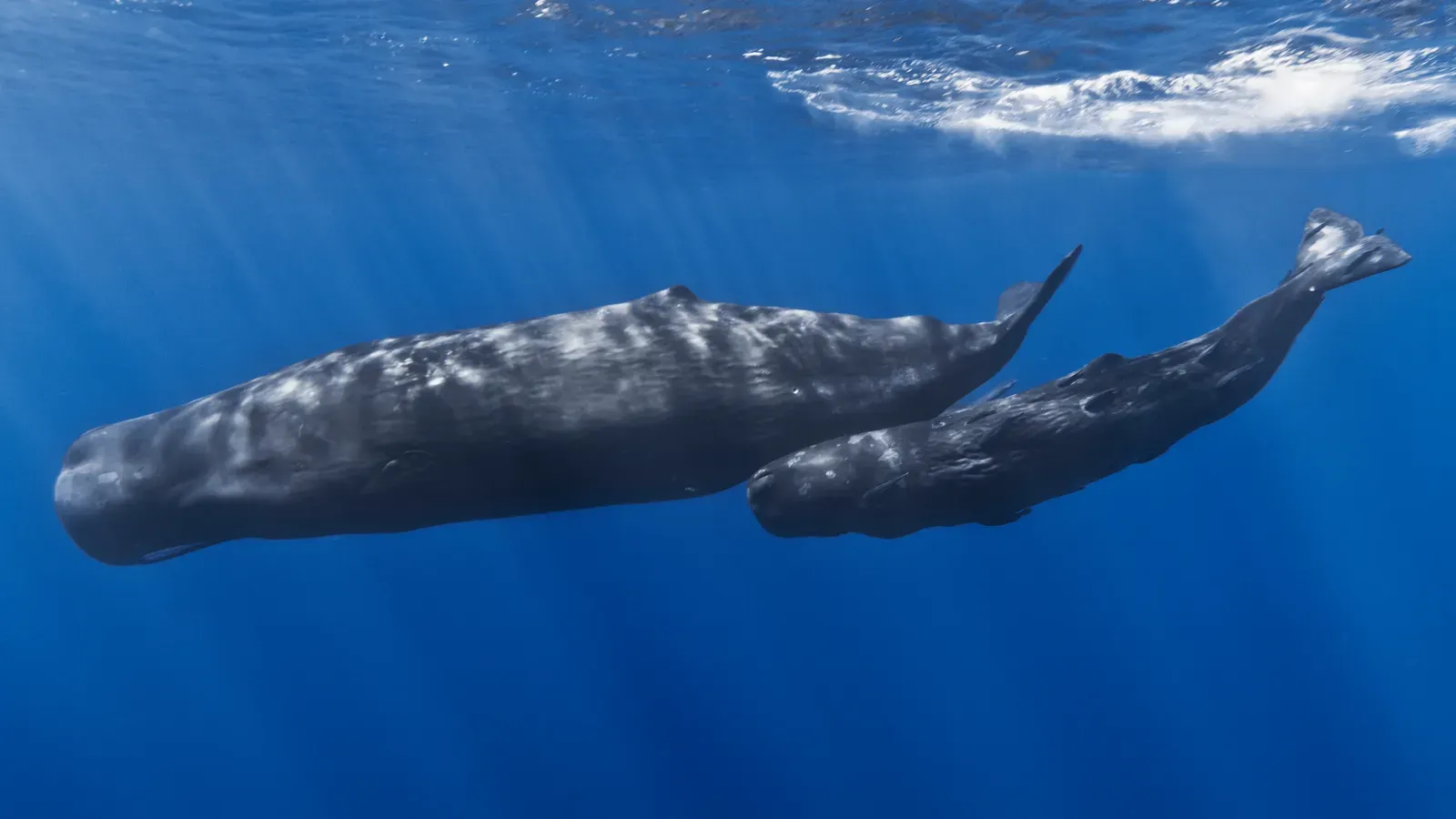
Sperm whales are fascinating creatures. They possess the biggest brain of any species, roughly six times larger than a human’s, which scientists believe may have evolved to support intelligent, rational behavior. They’re highly social, capable of making decisions as a group, and they exhibit complex foraging behavior. There’s also a lot we don’t know about them, including what they may be trying to say to one another when they communicate using a system of short bursts of clicks, known as codas.
New research published in Nature Communications suggests that sperm whale communication is actually much more expressive and complicated than was previously thought. Cultural learning and transmission are also integral aspects of cetacean intelligence. Behaviors and vocalizations are passed down through generations, allowing cetaceans to adapt their actions and share knowledge within their pods. It is likely that orcas also pass along information on habitat preferences and specific areas with fish and migratory routes. This cultural dimension adds complexity to their social interactions and enriches their cognitive landscape. A whale culture, deep beneath the ocean’s surface. Breathtaking.
8. Ravens: The Strategists of the Sky
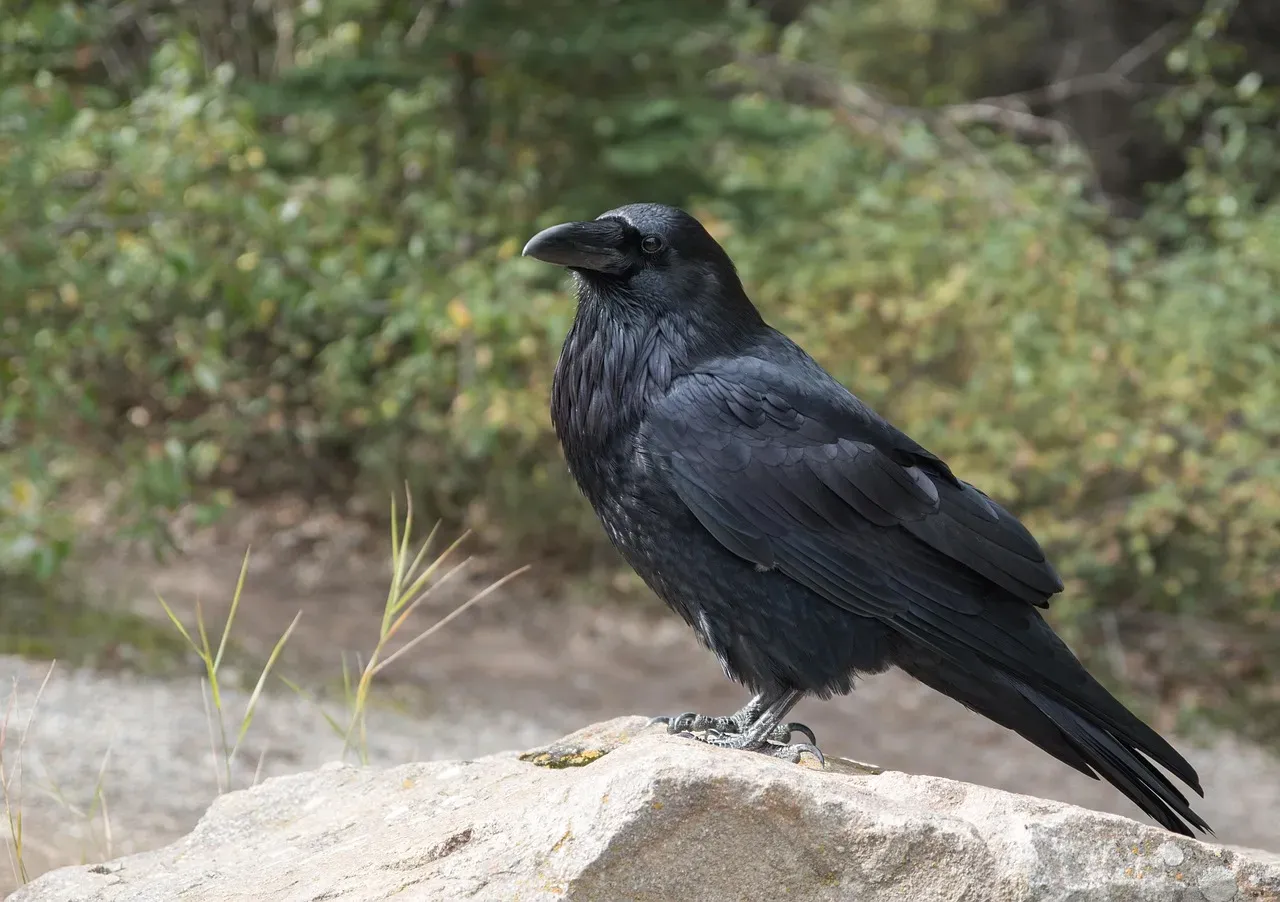
Ravens are, without a doubt, one of the most underrated intellects on the planet. Researchers found that ravens rival great apes in their ability to plan for tool use and bartering. These birds can plan for events seventeen hours in advance, and they display impressive levels of self-control when making decisions for the future. Planning seventeen hours ahead is a form of mental time travel that was once considered uniquely human.
Research shows that ravens are highly social and intelligent, forming foraging groups structured by dominance hierarchies and social bonds. They remember former group members, deduce third-party relationships, and use social knowledge in conflicts and affiliations. These cognitive abilities, like forming alliances and intervening in social interactions, suggest that ravens engage in behaviors resembling politics. Social politics in a bird species. Ravens aren’t just clever. They’re strategic, and apparently, a little Machiavellian too.
9. Pigs: The Farmyard Geniuses Nobody Talks About
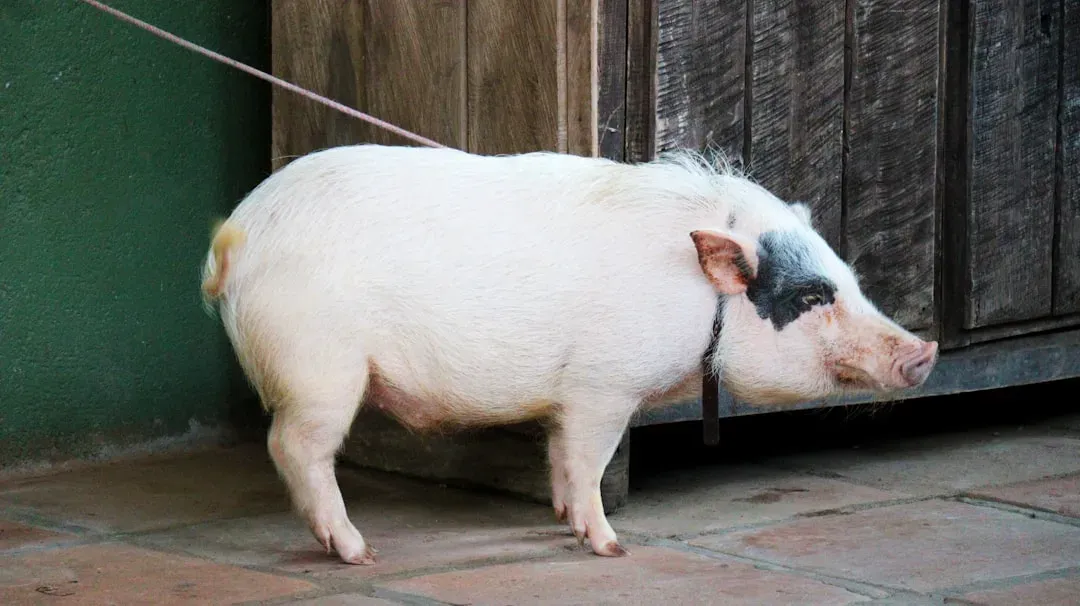
Let’s be real – the pig gets almost no credit for what it is intellectually capable of. At three years old, a human child is focused on learning and exploring, enjoys playing, and shows self-awareness. This is also the case for pigs, which demonstrate distinct likes and dislikes, enjoy playing creatively, and display a range of emotions similar to those of a child. Due to these shared capacities, pigs have been compared cognitively to three-year-old humans when it comes to measuring intelligence based on human standards.
Pigs can use their knowledge of other pig perspectives to their own advantage and even to influence others’ behavior. In one study, pigs used their theory of mind skills to mislead other pigs away from food rewards. Like corvids and primates, pigs are capable of tactical deception. Pigs are social, unique, resourceful, and voracious animals, with the ability to feel pain, empathize with one another, form lifelong friendships, experience joy, and in most cases, love a good belly scratch. There’s something both delightful and sobering about that last part.
10. Orangutans: The Quiet Thinkers of the Forest
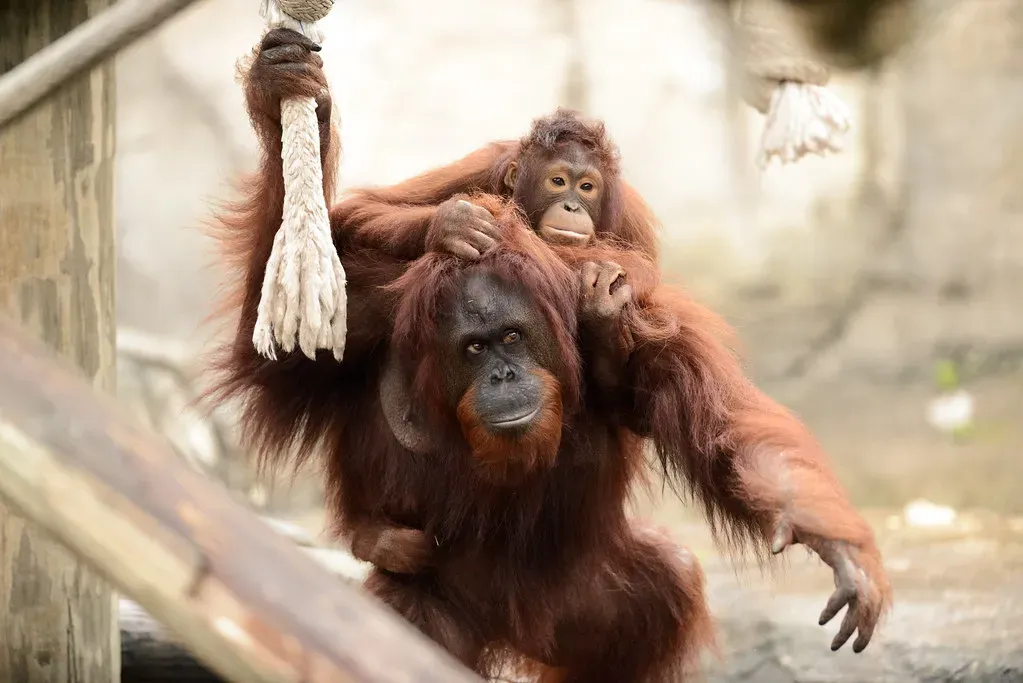
Orangutans excel in multi-step reasoning and long-term planning, often solving puzzles that require remembering sequences and anticipating future needs. They build sophisticated nests, use leaves as gloves or hats, and even craft tools to extract insects. Their intelligence is closely tied to solitary survival, which requires strong memory, environmental awareness, and creative problem-solving. Unlike chimps, orangutans don’t rely on group strategies. Their smarts are deeply personal, developed alone in the canopy.
Research suggested that orangutans are capable of “displaced reference,” the ability to reference things not happening in the present. In a study, researchers disguised themselves as big-cat predators and watched how orangutan mothers with young would respond. The scientists reported that after spotting a predator, the orangutan mothers ushered their young to safety but waited to sound the alarm until after the danger had passed. Researchers noted that there was no reason for orangutan females to vocalize after the predator was removed, but they did so nonetheless. They hypothesized that the orangutans were teaching their young that they had been in danger. Teaching a lesson about a past threat, after the threat is gone. That’s not instinct. That’s deliberate parenting.
The Bigger Picture: Intelligence Is Everywhere You Look
As research expands, it becomes clear that cognitive abilities are shaped by survival needs, environmental pressures, and social complexity, revealing intelligence as an adaptive trait rather than a singular human benchmark. That’s a profound shift from how science once viewed the animal mind. We used to grade intelligence on a human scale. Now, increasingly, we understand that intelligence is more like a diverse ecosystem than a single ladder.
A series of studies published in Science in early 2025 provides the best evidence yet that birds and mammals did not inherit the neural pathways that generate intelligence from a common ancestor, but rather evolved them independently. This means that minds capable of reasoning, planning, feeling, and communicating have emerged not once but multiple times throughout evolutionary history. Intelligence, it turns out, is not a human invention. It’s a universal solution to the extraordinary challenges of being alive.
These ten animals are not exceptions to some rule. They are reminders of something we keep forgetting: that the world is full of rich inner lives we are only just beginning to understand. The next time you look at an animal, any animal, you might want to ask yourself – what is going on inside that mind that you’re not seeing? The answer may surprise you more than you expect. What do you think, are you ready to look at the animal world a little differently from now on? Share your thoughts in the comments below.