
History loves a good story. We memorize dates, battles, and achievements. We learn about the triumphs and failures of those who shaped our world. Yet beneath the polished surface of textbooks and documentaries lies something far more intriguing: the mysteries that even historians struggle to solve.
Think you know your historical heroes? Think again. Some of the most celebrated figures walked paths shrouded in secrets, contradictions, and unanswered questions. Their lives were stranger than fiction, filled with bizarre behaviors, concealed identities, and deaths that remain unsolved to this day. So let’s dive in and uncover what really happened behind closed doors.
Leonardo da Vinci’s Hidden Notebooks and Secret Obsessions
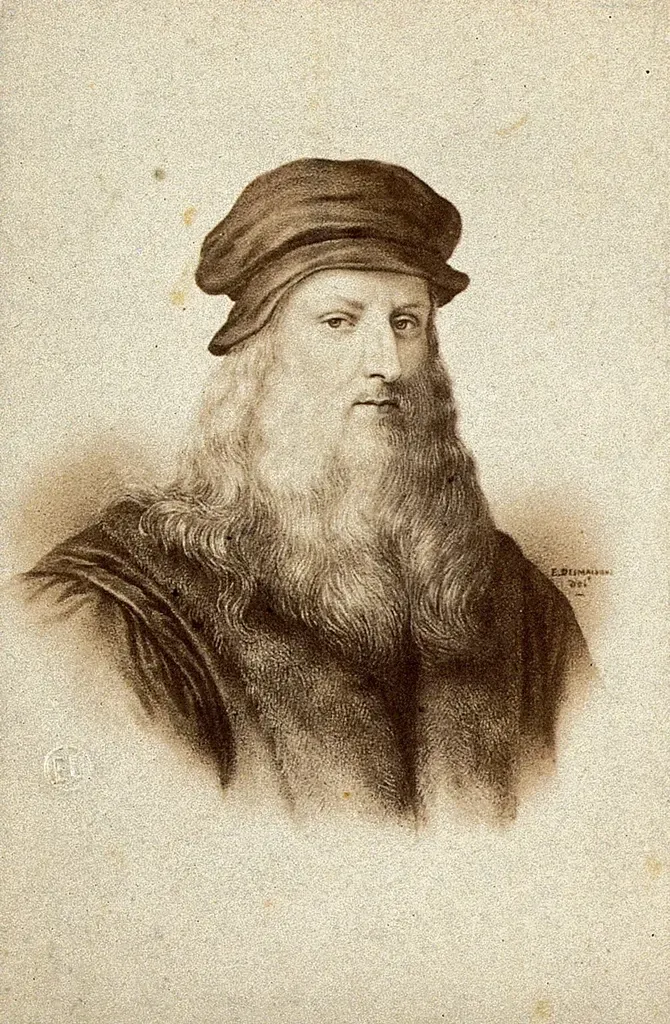
You know Leonardo da Vinci as the genius behind the Mona Lisa and The Last Supper. The Renaissance man who sketched helicopters centuries before flight became reality. Yet his personal life remains cloaked in shadow, despite the thousands of pages of notes he left behind.
Leonardo has become one of the most misunderstood and misrepresented figures of Renaissance Europe over half a millennium. He had little to no traditional education as a child, being shunned from Latin schools as the son of an unmarried couple. This outsider status may have fueled his relentless curiosity. Later in life, Leonardo had tired of painting and could not bear the sight of a paintbrush, according to contemporary reports. The man who created masterpieces grew weary of his own craft. He was forced to keep his ideas hidden since he would have been prosecuted, and possibly executed, for heresy if any of his thoughts were made public. What secrets did Leonardo protect? His mirror writing, eccentric lifestyle, and mysterious inventions suggest a man both brilliant and burdened by knowledge too dangerous for his time.
Cleopatra’s Real Face and the Mystery of Her Death
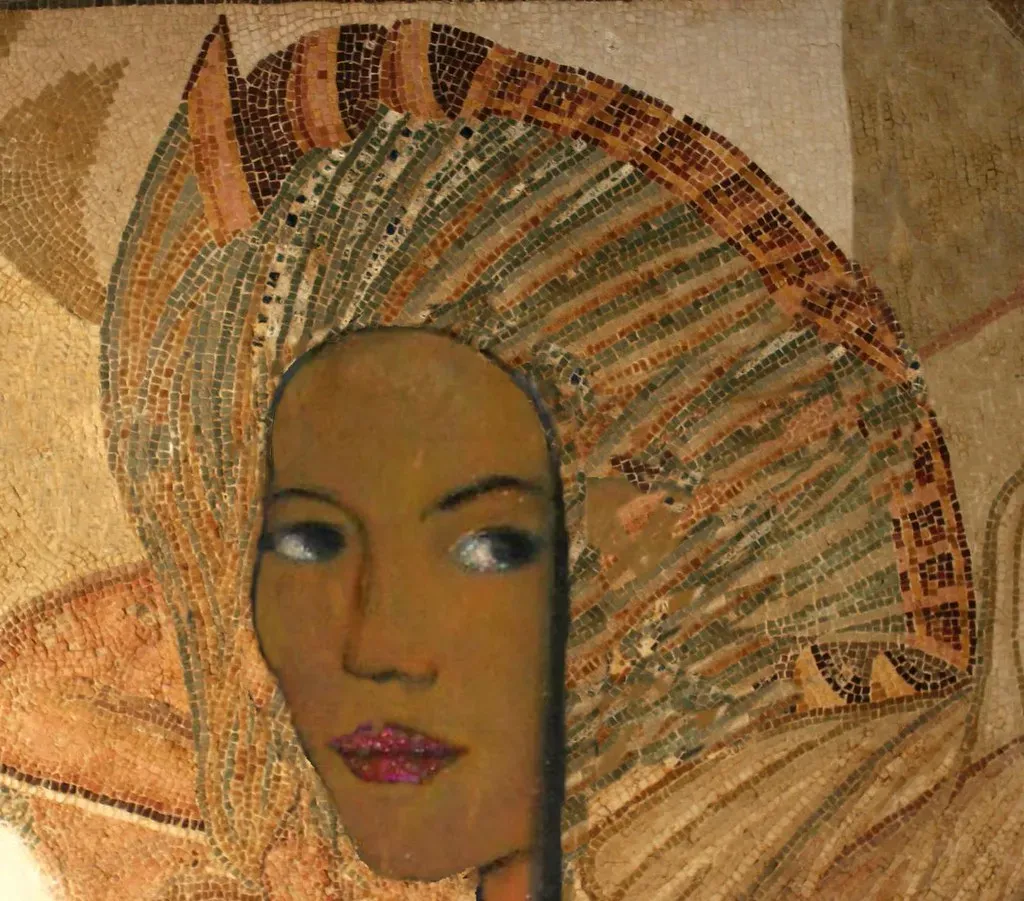
Cleopatra’s real face remains largely a mystery to this day, with history leaving few clues behind. Hollywood painted her as a stunning seductress, yet the truth appears far more complex. Greek biographer Plutarch, writing about a century after Cleopatra’s death, said her beauty was in itself not altogether incomparable, nor such as to strike those who saw her, though he was quick to note her irresistible charm.
Her death remains equally enigmatic. According to popular belief, Cleopatra killed herself by allowing an asp to bite her, but Roman writers suggested she poisoned herself using either a toxic ointment or by introducing the poison with a sharp implement, with modern scholars debating the validity of ancient reports and whether she was murdered. Even Plutarch admits that the truth of the matter no one knows, for it was also said that she carried about poison in a hollow comb hidden in her hair. With no known eyewitnesses and no primary written accounts, much of what we know comes from Octavian, who some have suggested is a suspect himself, certainly having a motive to want the charismatic queen dead. The location of Cleopatra’s tomb is unknown. Perhaps some mysteries are meant to stay buried.
Nikola Tesla’s Missing Inventions and Government Seizures
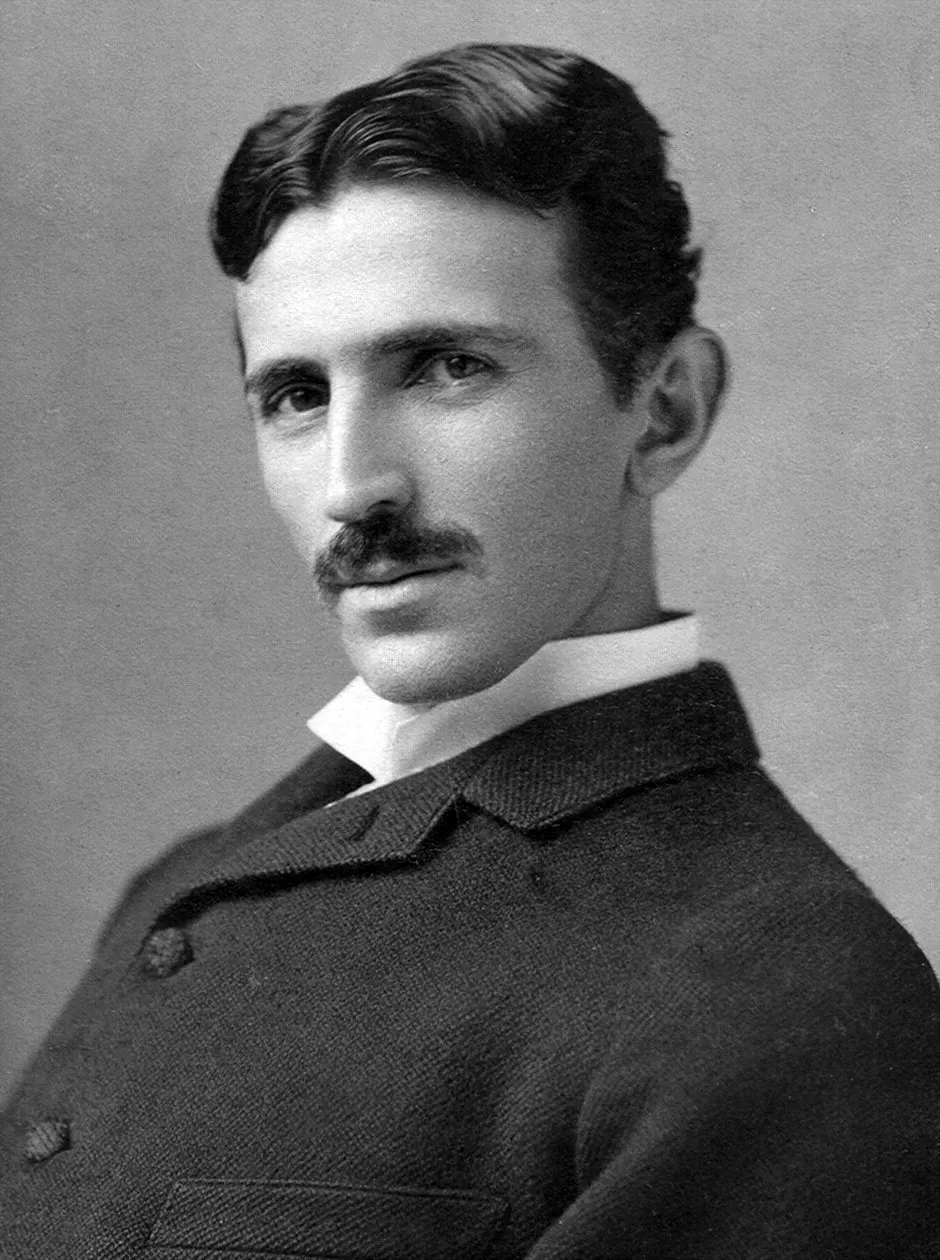
Nikola Tesla revolutionized our modern world with alternating current electricity, yet his later years descended into poverty, eccentricity, and claims so wild that even his supporters questioned them. He lived in hotels, hoarded newspapers, and fed pigeons obsessively. Still, his mind never stopped creating.
On his 78th birthday, Tesla told The New York Times he had invented a particle-beam weapon that would accelerate mercury particles at 48 times the speed of sound and bring down a fleet of 10,000 enemy airplanes at a distance of 250 miles. After Tesla was found dead in January 1943, representatives of the U.S. government’s Office of Alien Property seized many documents relating to the brilliant inventor’s work, including his claimed death ray, taking possession of all property and documents from his room. What happened to Tesla’s files from there, as well as what exactly was in those files, remains shrouded in mystery, with the FBI finally declassifying some 250 pages of Tesla-related documents under the Freedom of Information Act in 2016. Many of Tesla’s projects and experiments remained shrouded in mystery, largely due to his preference for working in solitude and his tendency to keep his most ambitious ideas private. Was the death ray real? We may never know for certain what knowledge died with him.
Rasputin’s Impossible Death and Supernatural Resilience
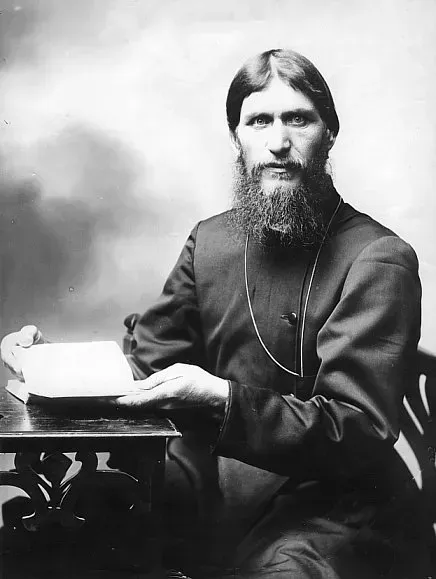
Let’s be real: Grigori Rasputin’s death reads like a horror film script. The Siberian mystic who bewitched the Russian royal family supposedly survived poisoning, multiple gunshots, and brutal beatings before finally drowning in an icy river. Or did he?
The narrative of his death is largely based on Prince Yussupov’s published memoirs and has Rasputin being poisoned with cyanide, shot, bludgeoned, and finally drowned, though a review of the available forensic material shows a photograph with a contact gunshot wound to Rasputin’s forehead. No traces of cyanide were found in the 1917 autopsy, and as early as 1934, author George Wilkes said Yusupov’s description left only one possibility: Rasputin was never given the cyanide, with Dr. Lazovert confessing on his deathbed that last-minute conscience made him switch the powder for a harmless substance. The autopsy reports do not mention poison or drowning but instead conclude that he was shot in the head at close range, suggesting that when Rasputin visited the Yussupov Palace that night in December 1916, he was fatally shot. It has been suggested that Yussupov’s embellishments were intended to transform the murder into an epic struggle of good versus evil, essentially to help sales of his book. Truth, it seems, was less profitable than legend.
The Count of Saint Germain’s Impossible Age
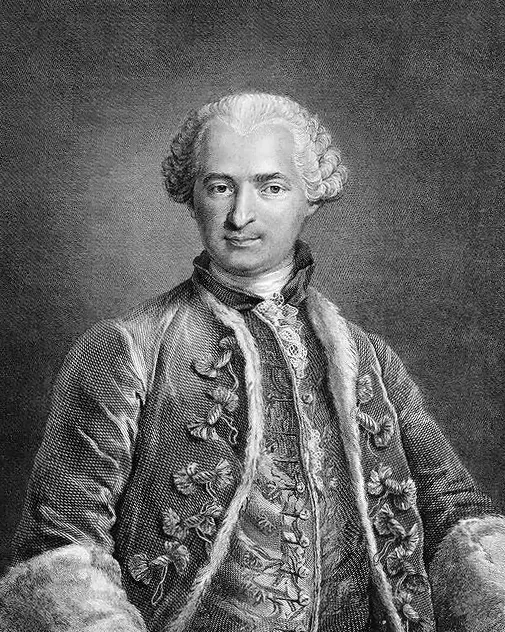
In the middle of the 18th century, a figure appeared in the highest societies of Europe, going by many names, including the Comte de Saint Germain, Count Weldon, Chevalier Schoening, and the Marquis de Montferrat, claiming to be over 500 years old and astounding the nobility with his achievements in science, alchemy, philosophy, and the arts. Sounds crazy, right? Yet aristocrats across Europe took him seriously.
The Count never wanted to be known, and he told deliberately confusing and contradictory stories to keep his identity secret, so that to this day, no one knows much about his personal life, not even his real name. His accomplishments, including his musical talents, chemistry knowledge, and ability to speak nearly all European languages, lend him the nickname the Wonderman. Did he possess the secret to immortality, or was he simply history’s greatest con artist? The mystery endures because Saint Germain vanished as mysteriously as he appeared, leaving behind only whispers and speculation.
The Man in the Iron Mask’s Hidden Identity
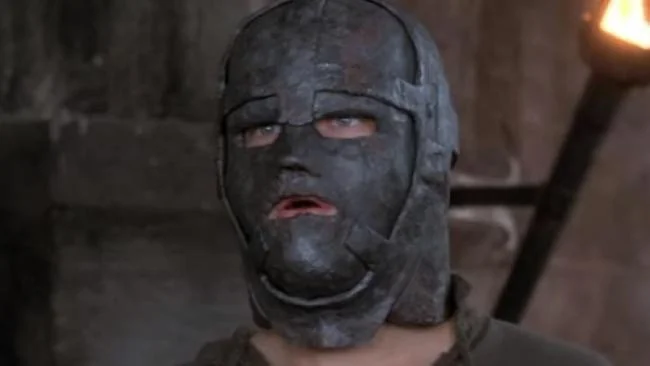
Imagine being imprisoned for decades with your face perpetually hidden behind a mask. No one knowing your identity. No explanation for your captivity. This was the fate of one of history’s most enigmatic prisoners.
The Man in the Iron Mask was actually a man in a velvet mask, with historians trying to uncover his identity and the mysterious masked man spending several decades imprisoned in the Bastille and other French prisons during King Louis XIV’s reign. Supposedly, no one ever caught a glimpse of the man’s face or knew why he was imprisoned, though there have been many theories about the prisoner’s identity, with some believing him to have been a member of a royal family or a disgraced French general. Only two men were kept in long-term custody during the timeframe of the Man in the Iron Mask: Ercole Matthiole and Eustache Dauger, with Matthiole being an Italian count who betrayed King Louis XIV during political negotiations. The mask concealed more than a face. It hid a secret so dangerous that even death couldn’t reveal it.
Jack the Ripper’s Unsolved Terror
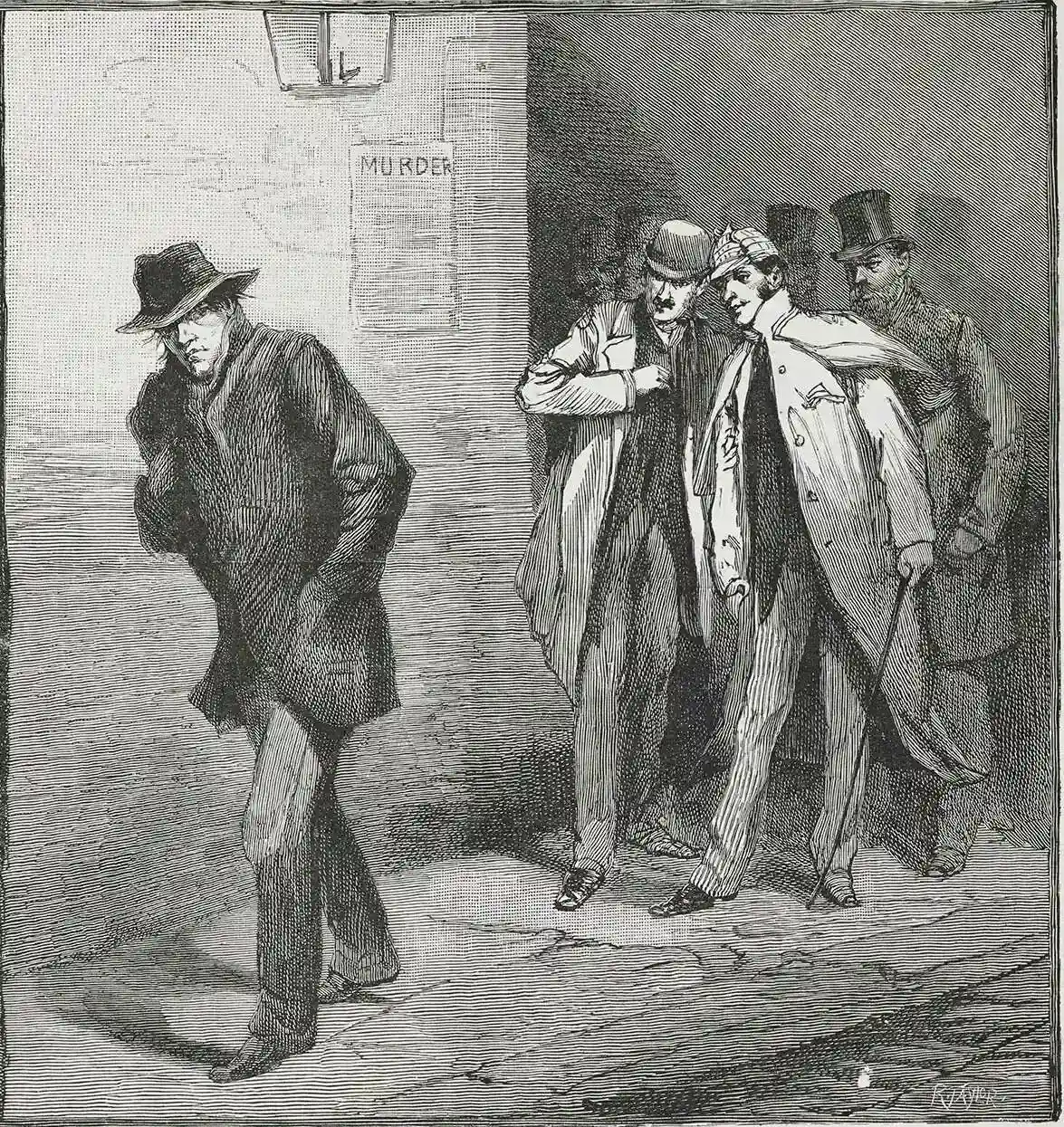
The fog-choked streets of Victorian London witnessed horrors that remain unsolved nearly 140 years later. Jack the Ripper terrorized Whitechapel in 1888, brutally murdering women and taunting police with cryptic letters.
Despite considerable speculation over the years, we may never know the truth about the identity of the serial killer known as Jack the Ripper, who claimed at least five victims, with questions remaining about whether his crimes were even the work of a single person or several, and why his slayings ceased, with these crimes in and around London’s Whitechapel neighborhood becoming perhaps the most notorious unsolved crime in history. Despite numerous suspects, including physician Sir William Gull and barber Aaron Kosminski, the killer’s identity remains unknown. Despite the combined brainpower of millions of amateur detectives in the years since his crimes, the closest anyone has come to identifying Jack the Ripper came in 2014, when one armchair detective claimed DNA evidence identified him as Polish hairdresser Aaron Kosminski, though the conclusiveness of that test was called into question. Every generation believes they’ve solved the case. Every generation fails.
Fulcanelli the Alchemist’s Vanishing Act
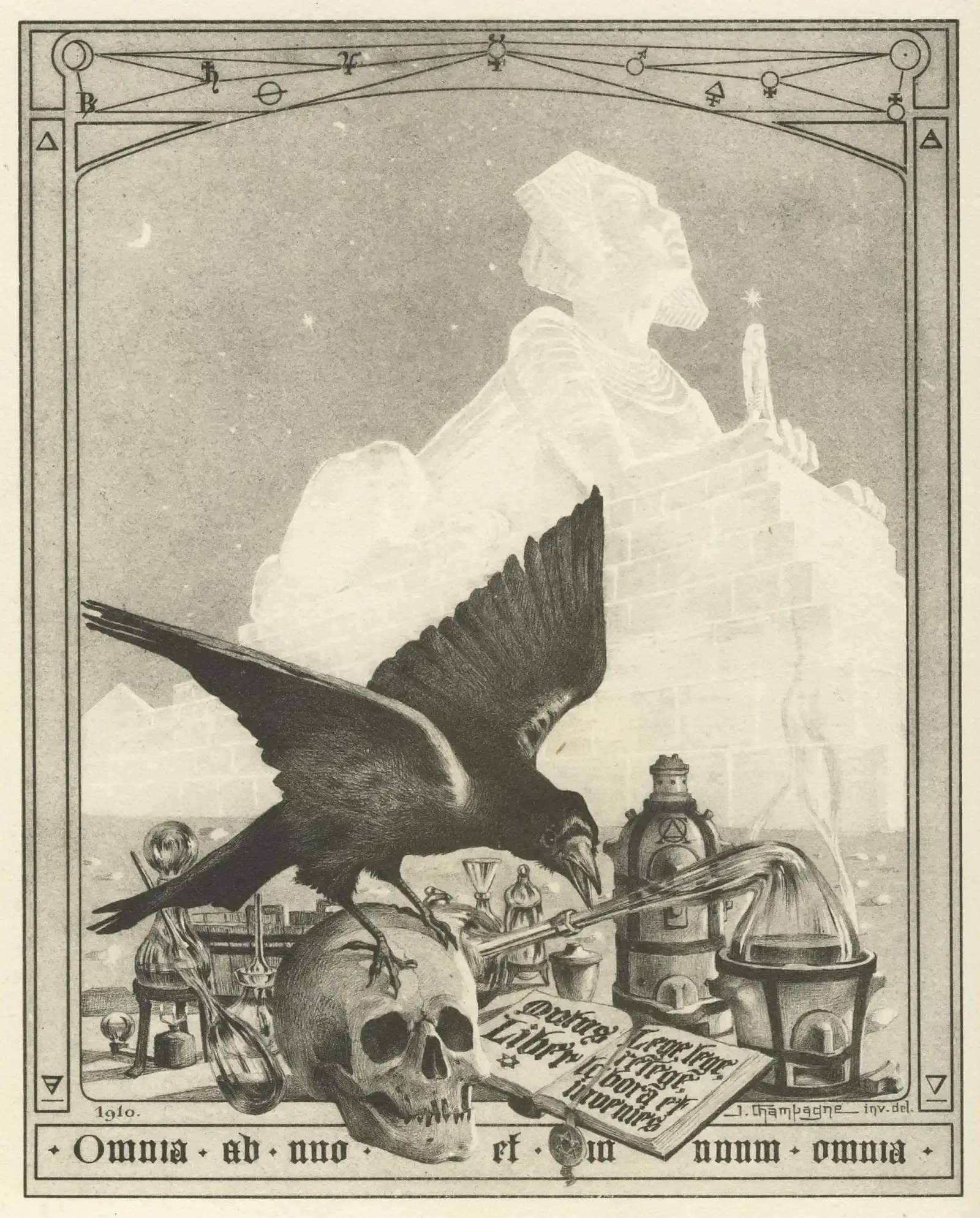
Picture this: a mysterious alchemist in 1920s France who reportedly achieved what every alchemist dreamed of – turning lead into gold. Then he vanished without a trace during World War II.
Fulcanelli comes from early 20th century France and, like Socrates, is only known through publications and descriptions from his students, with a few details known about his life, for instance that he was married, but he is almost entirely unknown. According to the records which survive, he was a fully fledged and successful alchemist who could successfully turn lead into gold, the holy grail of alchemy, with his successes only reproduced by his most famous student, Eugene Canseliet, and it is possible that his secrets died with him or remain closely guarded to this day. Fulcanelli disappeared from recorded history after World War II, having vanished during the liberation of Paris in 1944, and was never heard from again, leaving his life and works a tantalizing mystery. Did he possess genuine alchemical knowledge, or was it all elaborate theater? Without the man himself, we’re left with only legends.
Socrates and the Problem of No Written Record
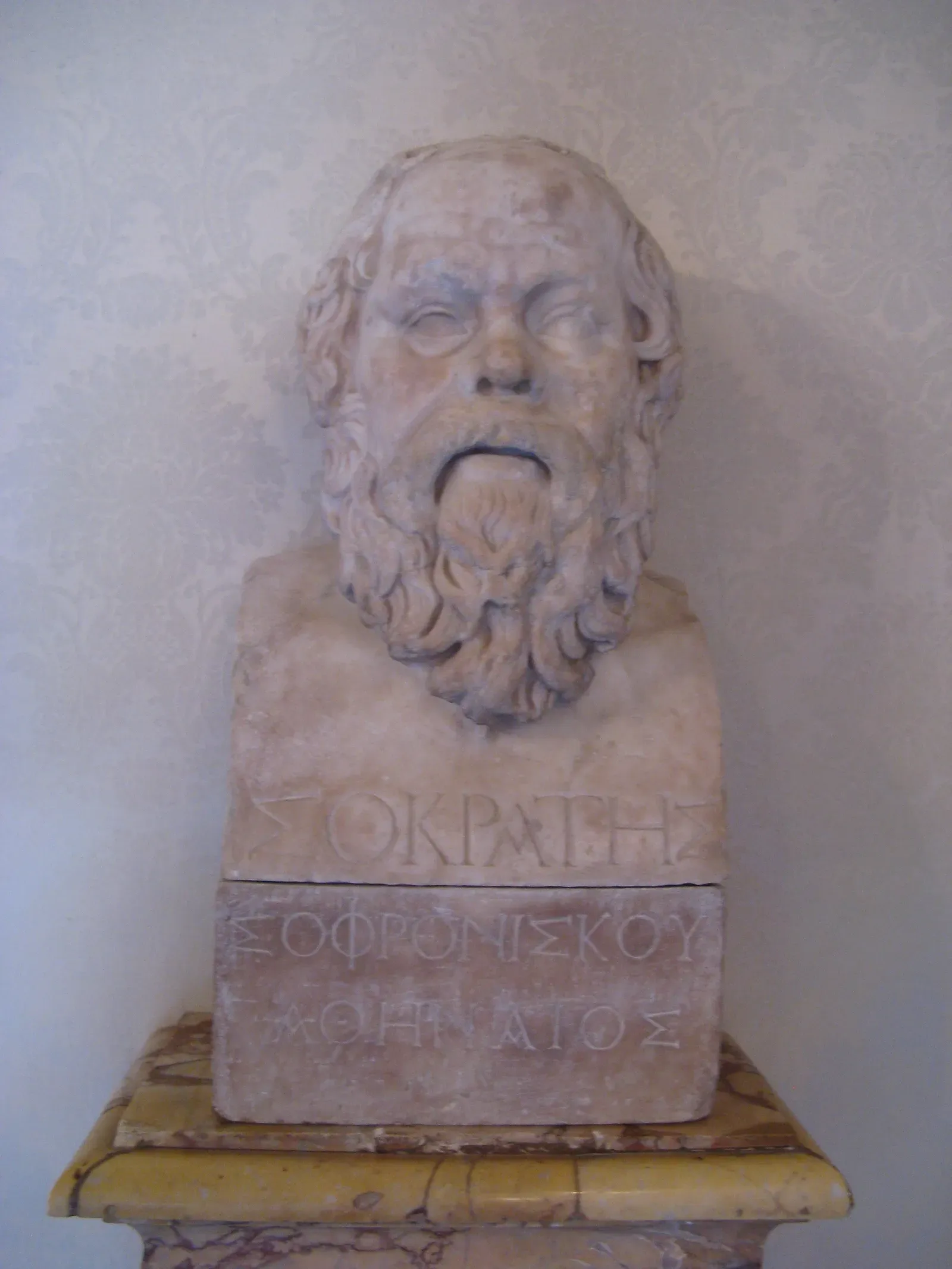
We celebrate Socrates as the father of Western philosophy. His method of questioning still influences education today. Yet Socrates himself never wrote a single word that survives. Everything we think we know comes secondhand.
He left no written records, and almost everything we know of him comes not from Socrates directly, but from the writings of his students, forcing us to posthumously attempt to reconstruct a life from the portrait of him left behind in the writings of later figures such as Plato and Xenophon. Making matters more difficult, the accounts from Socrates’ students and contemporaries do not always agree and are sometimes even contradictory, a fact that has become known as the Socratic problem. Was the Socrates of Plato’s dialogues the real man, or a philosophical character? Did Socrates actually believe what his students attributed to him? These questions may be unanswerable. The greatest mind of ancient Athens remains tantalizingly out of reach, obscured by the very students who tried to immortalize him.
Nicolas Flamel’s Immortality Legend
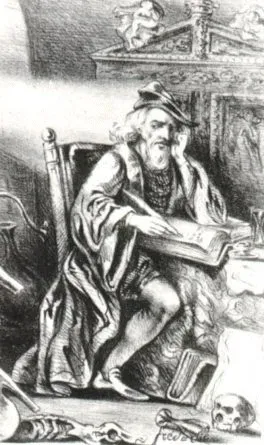
Yes, the Nicolas Flamel from Harry Potter was a real person. Yet the historical reality proves far stranger than J.K. Rowling’s fiction could ever be.
We actually do know quite a bit about the life of this 14th-century scribe, with the mysteries surrounding Flamel coming only after his demise. While the real historical figure lived in Paris until around 1418, he attained fame posthumously, when several 17th century writers claimed that Flamel was not merely an alchemist, but that he had actually discovered the legendary philosopher’s stone and achieved immortality. Though these claims were questioned as soon as they began, Flamel became a major figure in alchemical circles, with several important works ascribed to him, despite the fact that he was not only long dead, but had probably never been an alchemist at all, making the mystery around Flamel less about who he really was than about where the legends about his alchemical accomplishments came from and why. A humble scribe became an immortal alchemist in death. Sometimes the legend eclipses the man entirely.
King Arthur’s Questionable Existence
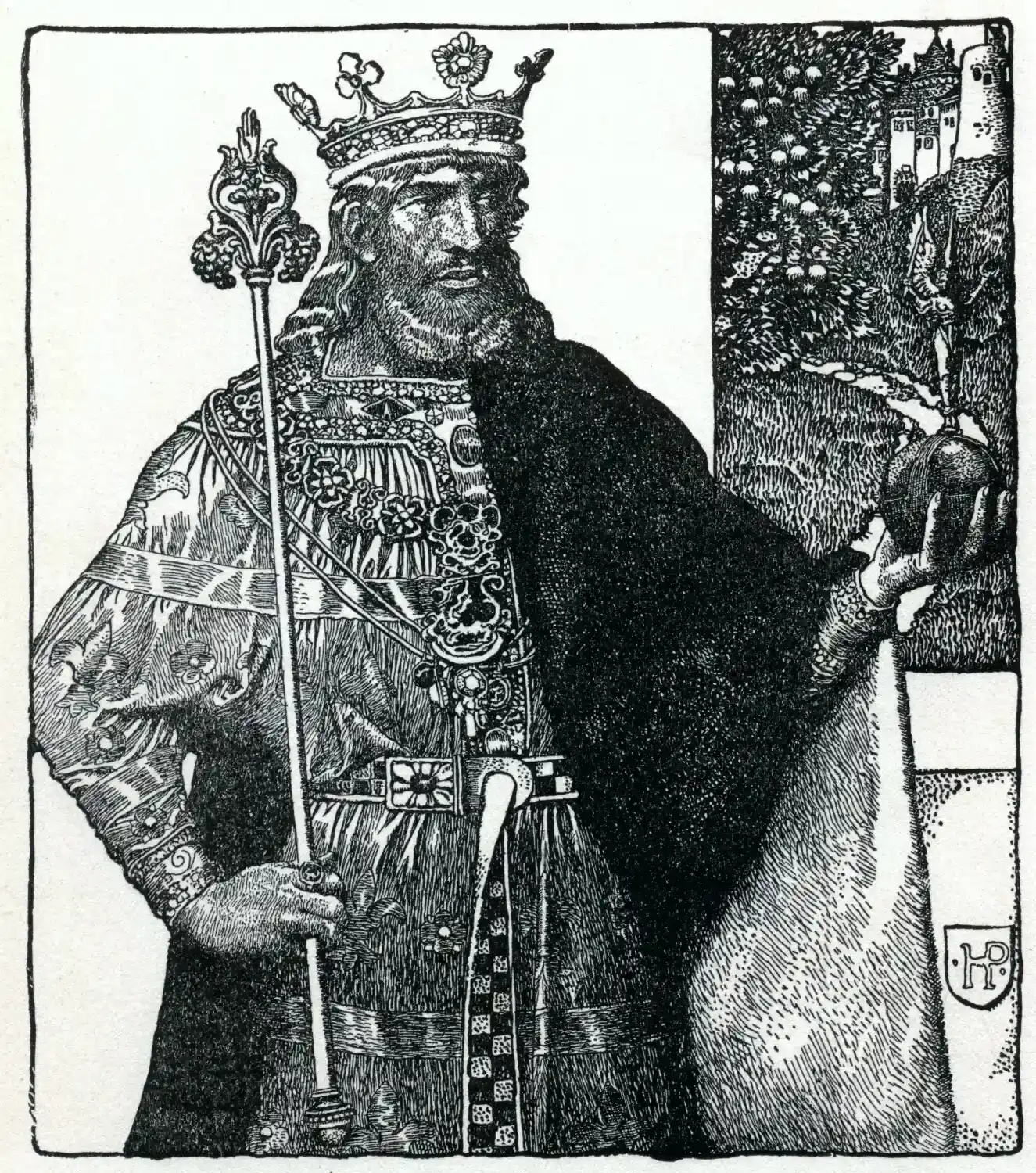
This iconic figure of British folklore is believed to have led the defense against Saxon invaders during the early medieval period, with his story interwoven with myth and history, featuring prominently in the tales of the Knights of the Round Table, the wizard Merlin, and the quest for the Holy Grail. Everyone knows Arthur. The sword in the stone. Camelot. Guinevere and Lancelot’s doomed romance. Yet did any of it actually happen?
Although records of Arthur are sparse and often contradictory, he is often depicted as a symbol of chivalry and justice, with some historians suggesting he is a composite of several historical figures, while the lasting allure of his legend, combining heroism, magic, and romance, continues to inspire literature, film, and scholarly inquiry. Arthur represents something powerful: the idea that a noble leader could unite a fractured land. Maybe that’s why the legend persists. We need our heroes, even if they never truly existed. The mystery of Arthur isn’t just historical. It’s psychological, revealing what we desperately want to believe about leadership, honor, and destiny.
Conclusion: The Allure of the Unknown
These eleven figures remind us that history isn’t just about facts and dates. It’s about the spaces between what we know and what we can only guess. The mysteries surrounding these iconic individuals have captivated generations precisely because they remain unsolved.
Perhaps that’s the beauty of it. Some questions don’t need answers. They need to provoke thought, inspire curiosity, and remind us that even our most celebrated historical figures were complex, flawed, and ultimately human. Their secrets died with them, leaving us to wonder, speculate, and imagine.
Which of these mysteries intrigues you the most? Would you have wanted to meet any of these enigmatic figures? The past keeps its secrets well, but that won’t stop us from searching for answers.