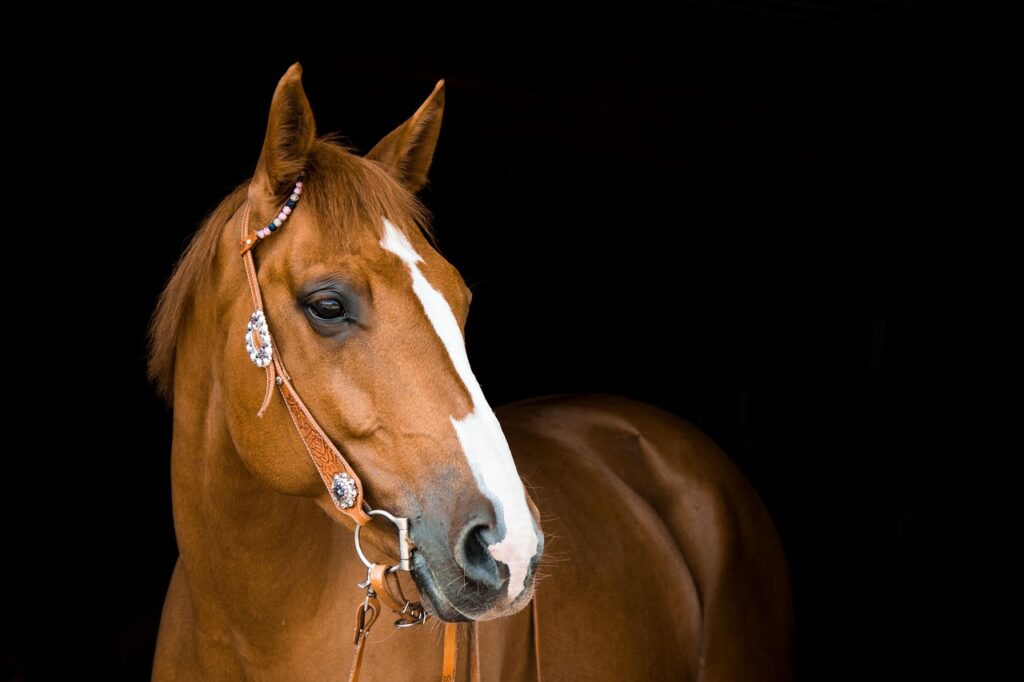

You spend so much time, money, and heart on your horse that deep down you just want one honest answer: are they actually happy with you and with their life? Horses cannot tell you in words, but their bodies, faces, and daily habits are constantly whispering the truth, if you know what to look for. Once you start seeing the patterns, you may be surprised by how loudly your horse has been “speaking” all along.
This guide walks you through ten clear signs your horse is genuinely content and ten red flags that say something is wrong. You’ll learn what relaxed really looks like, which “naughty” behaviors are actually cries for help, and how small changes in turnout, feeding, or riding can flip a worried horse into a peaceful, glowing partner. By the end, you’ll be able to read your horse’s happiness almost as easily as you read your own mood in the mirror.
1. Soft Eyes and Relaxed Ears: The Face of a Happy Horse
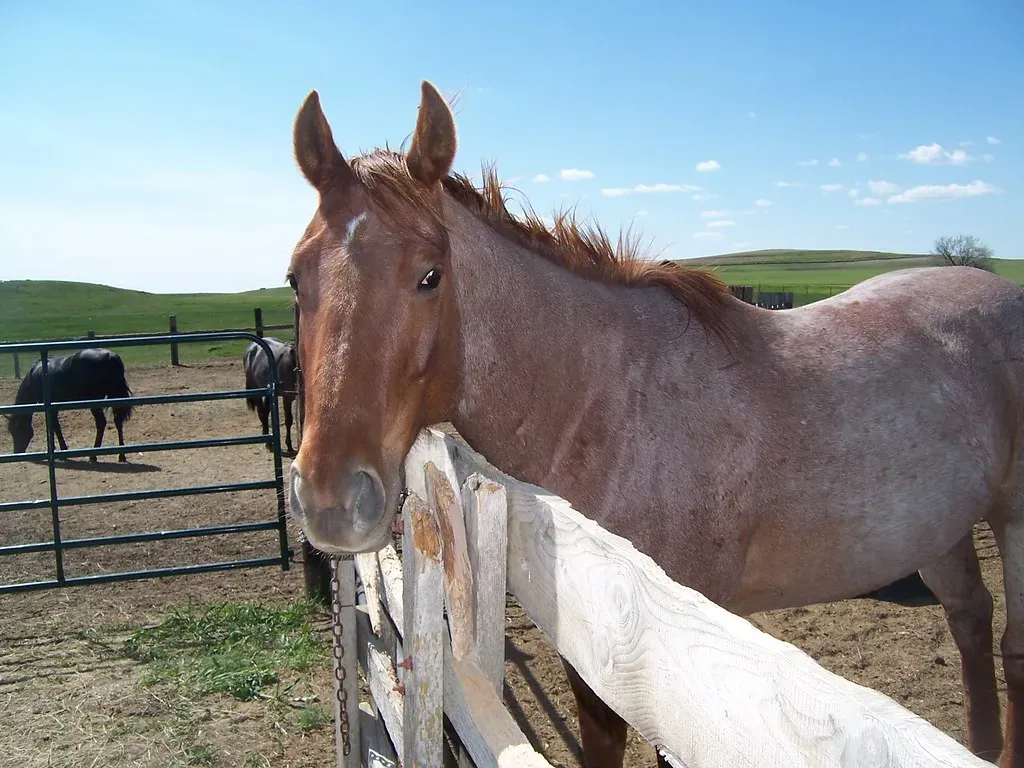
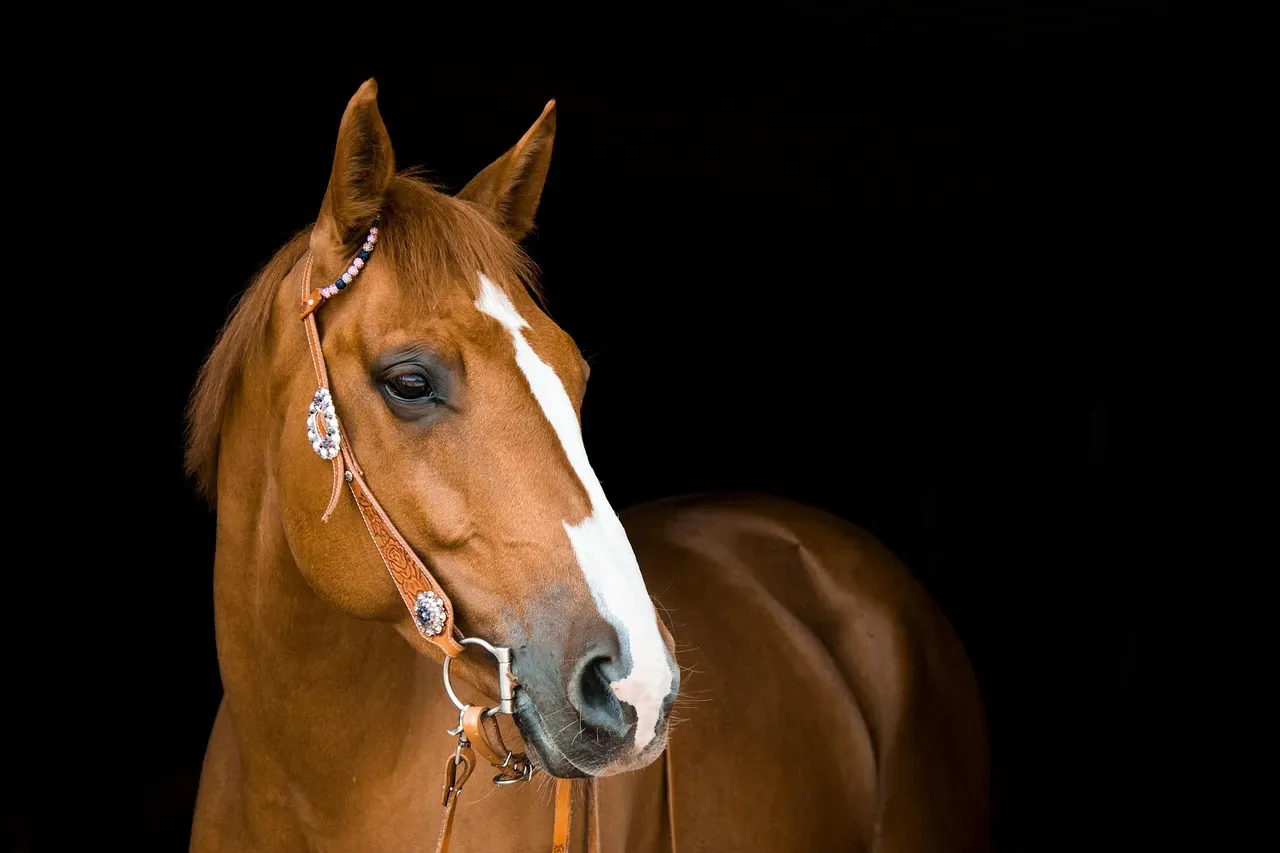
One of the clearest signs your horse is truly happy is right there in their eyes and ears. When your horse feels calm and safe, their eyes look soft, with a gentle expression and a relaxed lower eyelid, not wide and rigid like they’re scanning for danger. Their ears move calmly, flicking toward sounds or you, but they don’t stay locked stiffly forward or pinned flat back for long stretches.
You’ll often notice a tiny bit of droop in the ears and upper lip when your horse is really at ease, like they’ve just exhaled a long mental sigh. Sometimes they may half-close their eyes while standing in the sun or while you’re grooming a favorite itchy spot. When you catch that almost sleepy, content face regularly, it’s like your horse is telling you they feel safe in their world and trust you in it.
2. A Swinging Walk and Loose Tail: Happiness in Motion
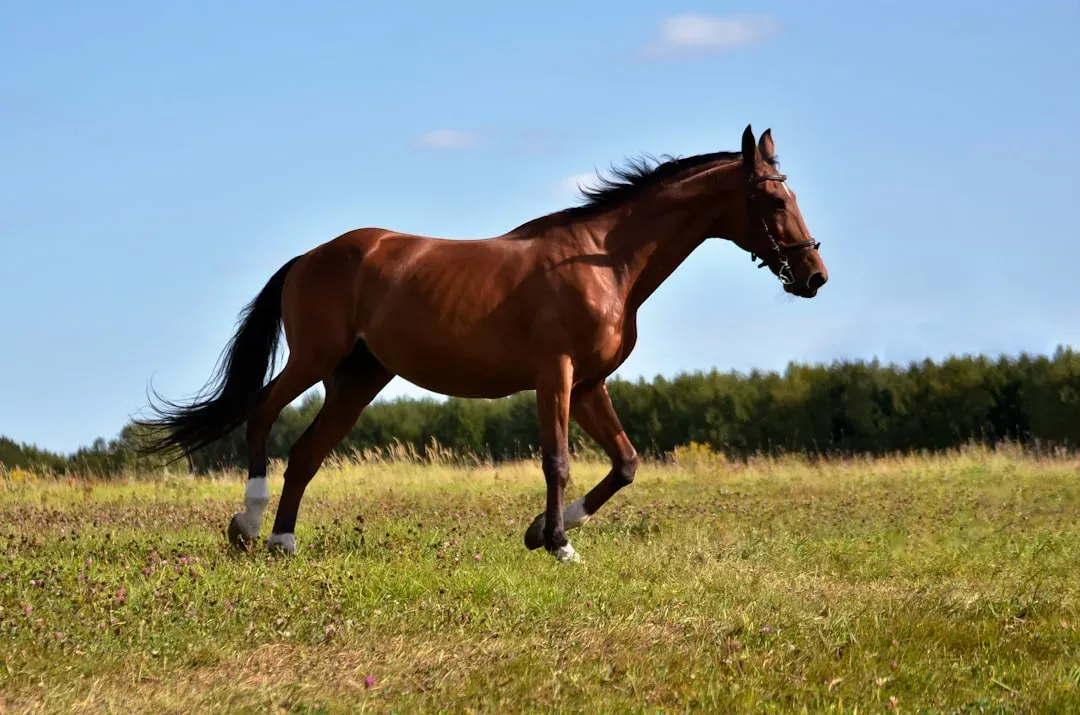
A happy horse moves with a kind of easy rhythm that you can both see and feel. When you lead or ride them, their back and hips swing, their steps are even, and their tail flows naturally, not clamped down or snapping back and forth in irritation. You can think of it a little like watching a person strolling down the street with a bounce in their step instead of rushing with hunched shoulders.
If your horse is content and comfortable, you’ll usually see a steady, confident walk to and from the barn, the pasture, and the arena. They step under themselves, track up nicely, and don’t feel “choppy” or hesitant. That loose, swinging movement tells you they aren’t bracing from pain, tight from anxiety, or constantly on edge about what might happen next.
3. Curious and Interested: Choosing to Engage With You
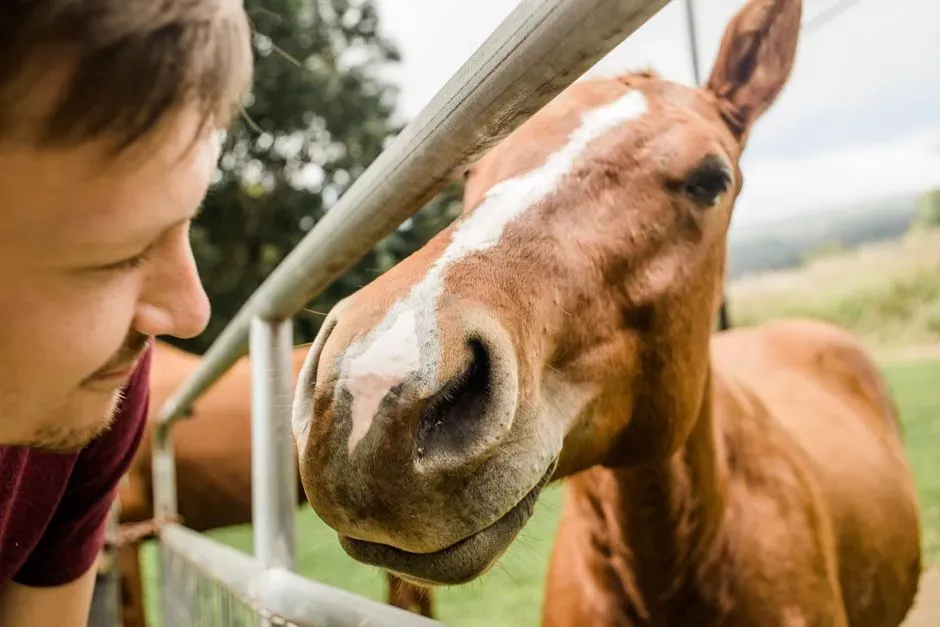
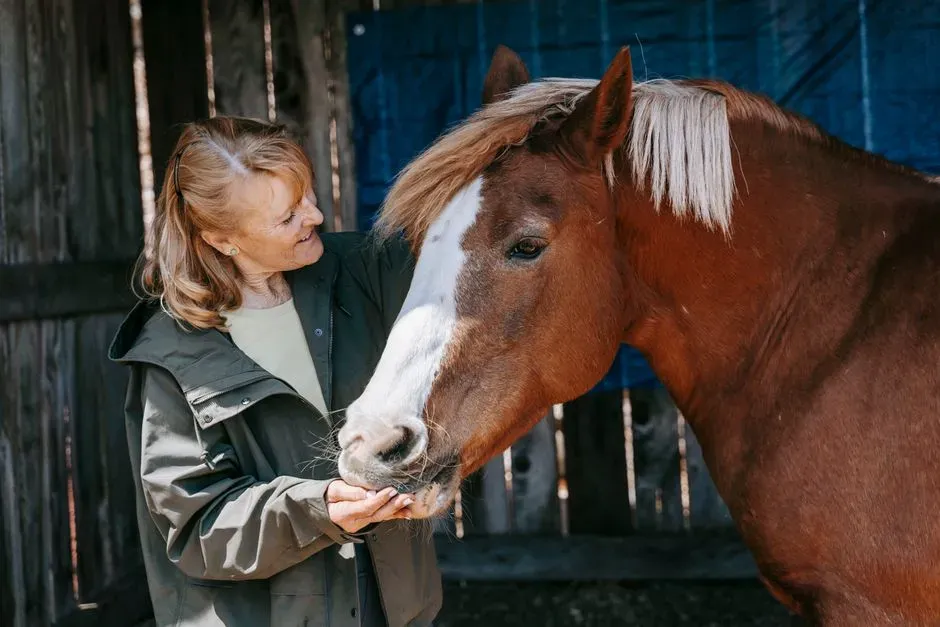
A truly happy horse is curious about their world and, importantly, about you. When you show up at the gate or stall, a content horse often lifts their head, pricks their ears, and might even walk toward you instead of turning away. They sniff new objects, investigate a crinkly jacket, or nudge a bucket to see what you’ve brought this time.
You might notice that even in a new environment, your horse takes time to look around and explore rather than freezing or trying to flee from every shadow. They’re able to be interested without being overwhelmed. That willingness to investigate instead of instantly assume the worst is a sign they generally feel secure and mentally stimulated, not bored or chronically stressed.
4. Healthy Appetite and Relaxed Eating Habits
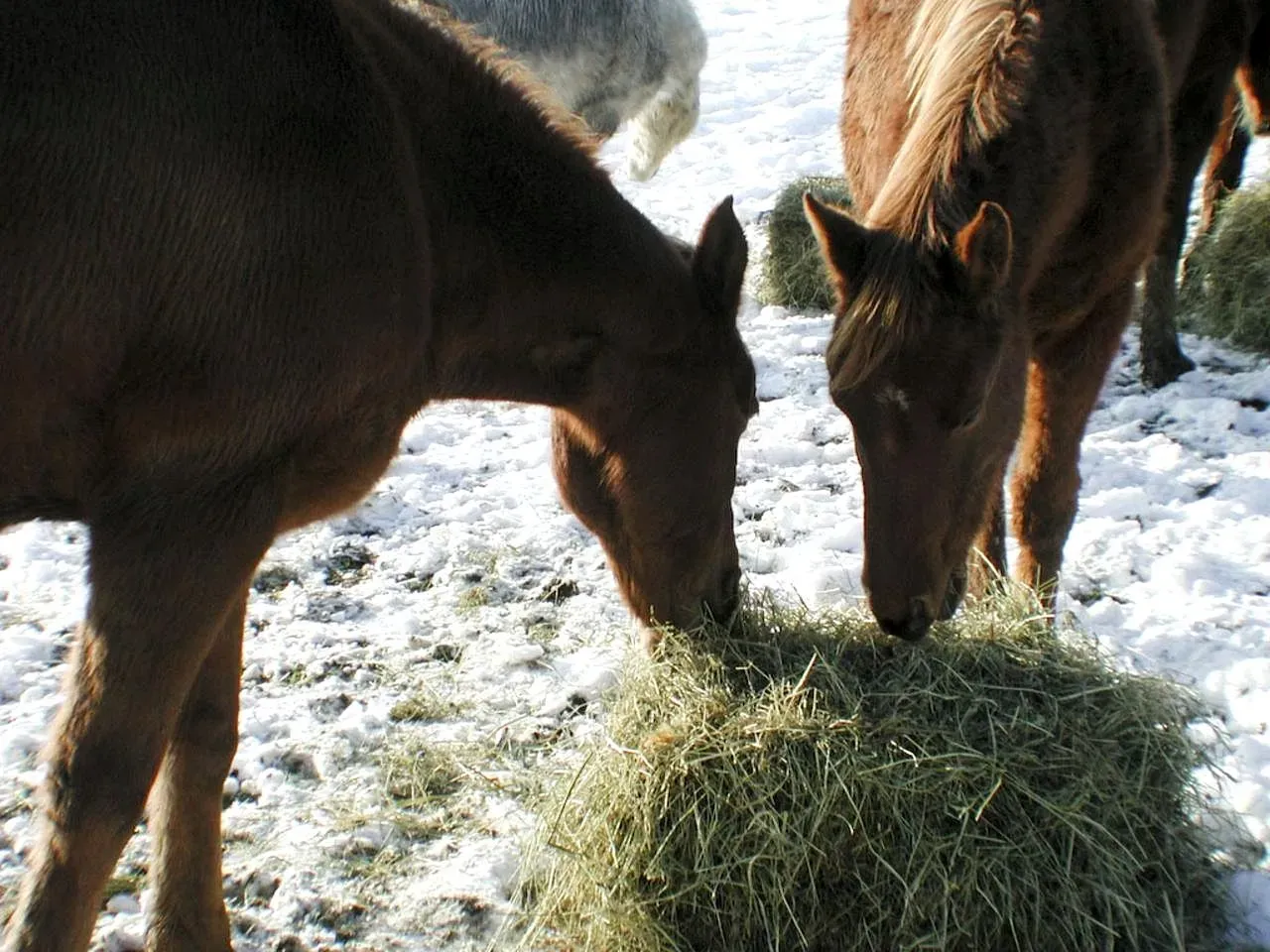
Horses are designed to eat for many hours a day, so how your horse interacts with food tells you a lot about their emotional state. A happy horse usually approaches hay or grass with a relaxed, steady appetite, chewing calmly and taking their time rather than bolting feed or ignoring it completely. They don’t guard their food with panic, and they don’t seem uninterested in it without good reason.
When your horse is mentally comfortable, they’re more likely to maintain a stable weight, normal manure, and a routine around meals. They might pause between mouthfuls to rest a hind leg, sigh, or look around peacefully. That easy, unhurried way of eating suggests their system isn’t stuck in “fight or flight,” and that their daily routine supports both their body and their mind.
5. Resting a Hind Leg and Relaxed Body Posture
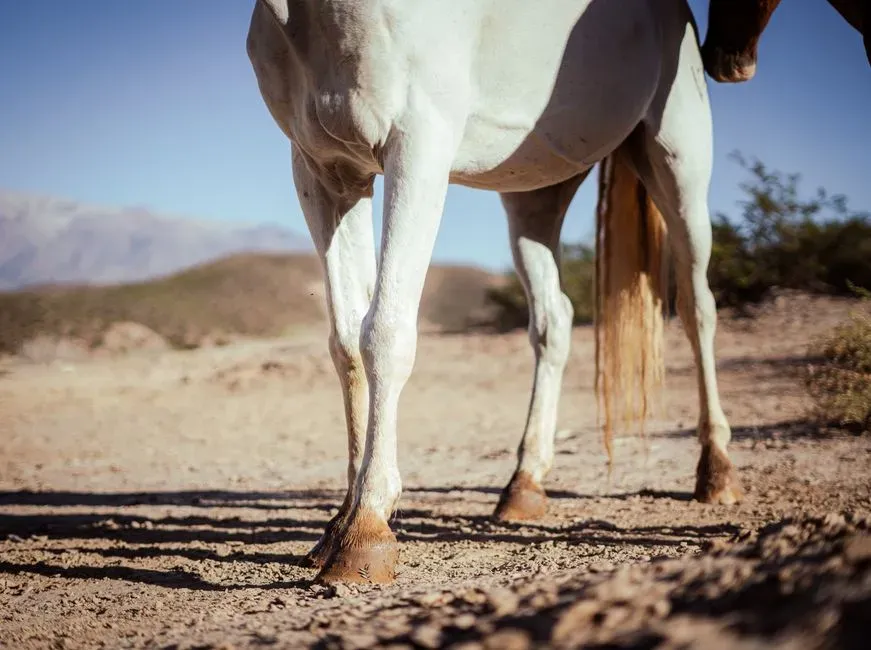
You see this one all the time, but you might not have realized how reassuring it really is: a horse that comfortably rests a hind leg and lets their hip drop is usually quite relaxed. When your horse stands with one back hoof lightly tipped on the toe, head at a natural height, neck not rigid, and muscles soft, it’s like your horse is letting the world know they don’t feel the need to be on guard.
Look at the whole picture of their body. A content horse doesn’t stand frozen like a statue or rock back as if bracing against pain. Instead, they often shift their weight gently, maybe cock one hip, and let their lower lip soften. When you see that posture regularly in their stall, paddock, or tied at the barn, you can feel pretty confident that, in that moment, your horse feels safe and at ease.
6. Comfortable Social Interactions With Other Horses
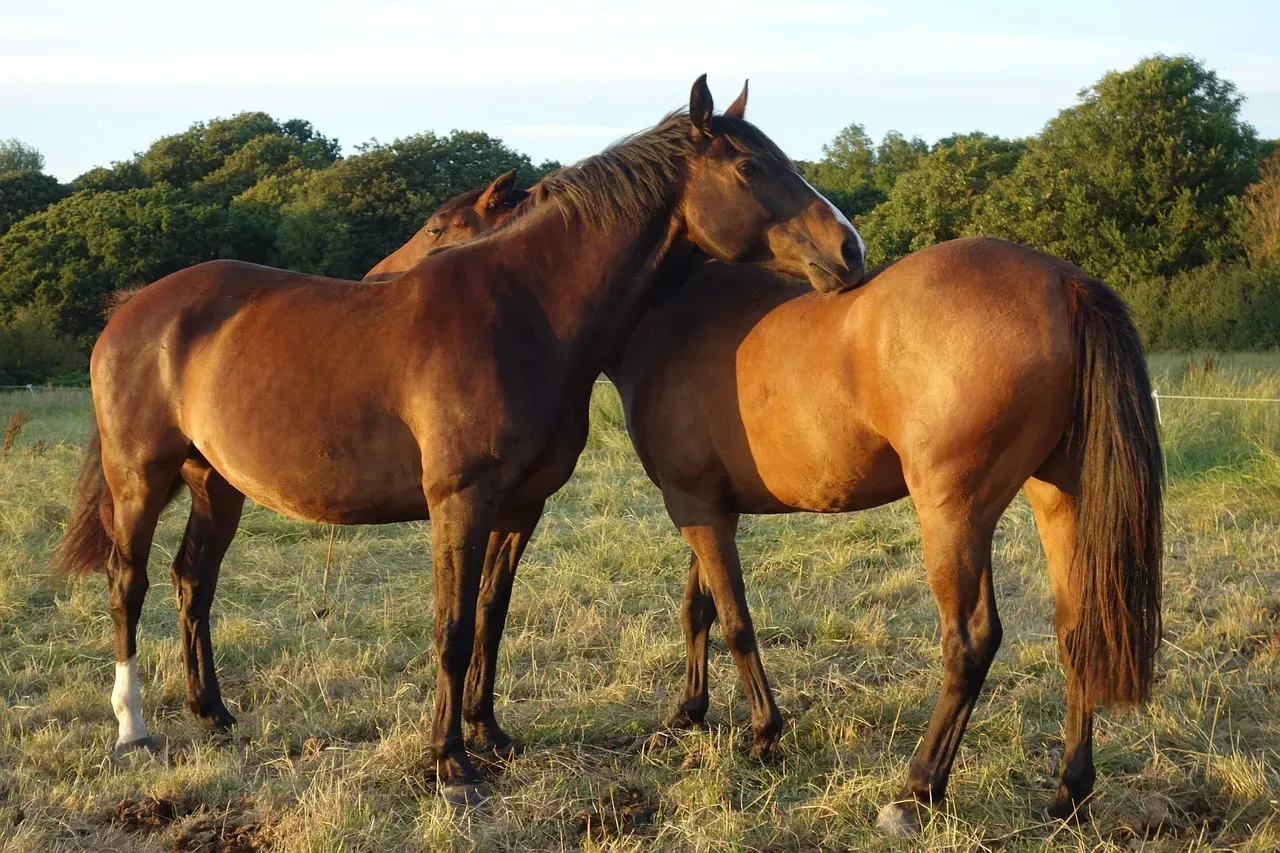
Horses are herd animals, so a big piece of their happiness comes from how they relate to others. A happy horse is often seen grooming a buddy, grazing side by side, or dozing near the group without constant kicking or chasing. They might swish a tail or pull a face now and then, but they don’t spend all day starting fights or hiding alone in a corner.
When turnout is set up well, your horse learns to share space, read social signals, and build friendships in a natural herd way. If your horse has a few regular companions and you see them interacting calmly and respectfully most of the time, it’s a strong sign their emotional needs are being met. That kind of social harmony is hard to fake and tends to show up most clearly when a horse feels generally satisfied with life.
7. Willingness Under Saddle and at Work
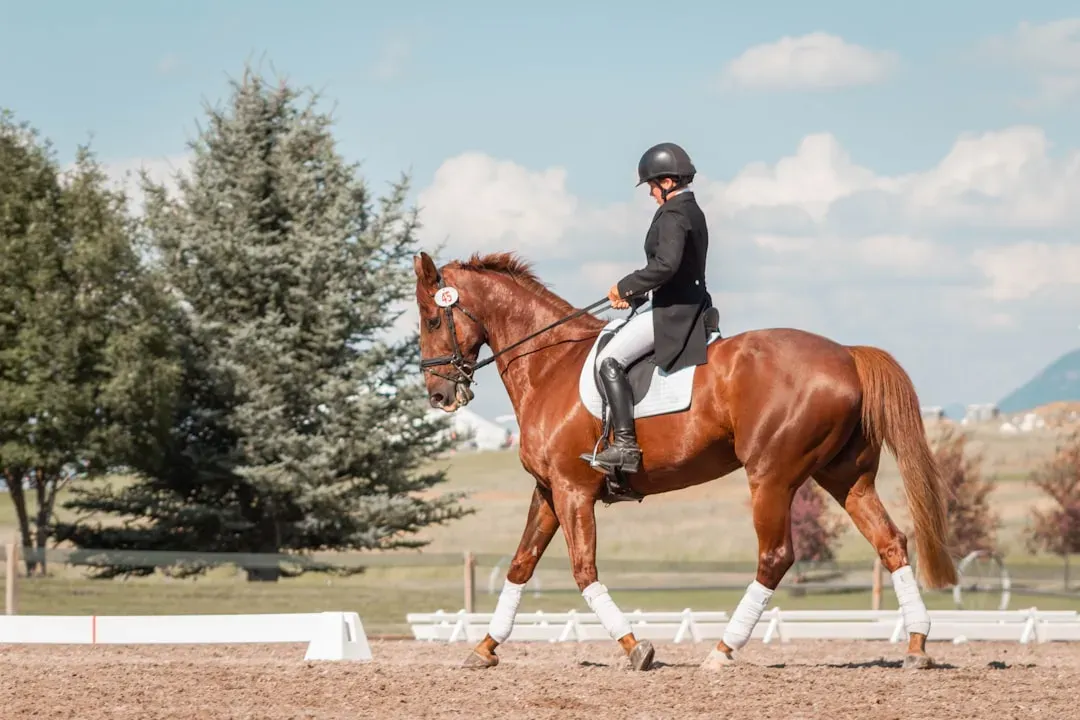
A horse that is genuinely happy with their work tends to say yes more often than no. You’ll feel this as a willingness to move forward, try new exercises, and listen when you ask for something, even if they need help figuring it out. They might still have green moments or spooks, but the overall feeling is that your horse is trying with you, not constantly trying to escape the situation.
You’ll also notice that rides don’t start with a fight every single time. Your horse might offer a relaxed walk from the mounting block, accept the girth without a meltdown, and gradually soften as you warm up. When work is fair, varied, and matched to their fitness and training level, your horse is much more likely to stay mentally engaged rather than shutting down or boiling over.
8. Regular Sleep and Comfortable Lying Down
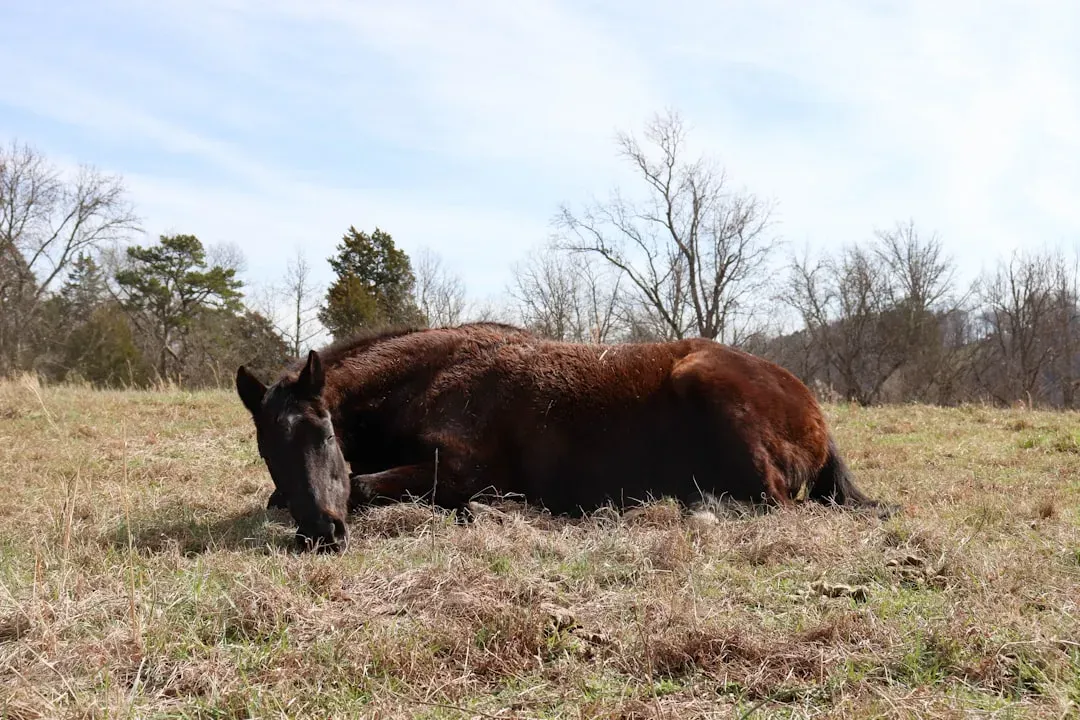
Horses need to lie down for proper deep sleep, and a happy, secure horse will usually do that most nights. If your horse feels safe in their environment, you’ll sometimes find evidence of shavings on their coat, flat patches in bedding, or grass stains from rolling and resting. You may even catch them stretched out on their side, snoring softly in the sun.
When a horse never lies down, it can mean they feel unsafe, cramped, or in pain, but the opposite is also true: a horse that consistently takes time to rest is likely feeling good overall. If your horse is comfortable enough to completely “power down” on the ground, it’s a powerful sign of trust in both their surroundings and in the routines you’ve created for them.
9. Bright Yet Calm Energy in New Situations
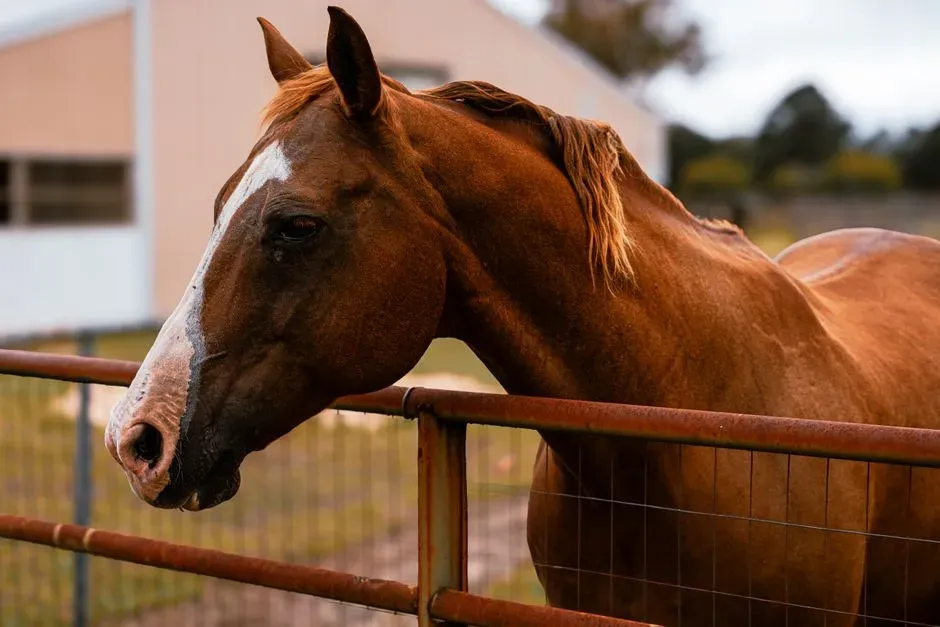
Watch your horse the next time something changes: a new tarp, a visiting trailer, or a different riding arena. A happy horse doesn’t have to be perfectly bombproof, but they usually show a balance of alertness and recoverability. They might raise their head, widen their nostrils, or pause, but if they’re generally content and well-adjusted, they often settle with a bit of reassurance and time.
Over time, you’ll notice that your horse recovers more quickly from surprises, rather than staying stuck in panic. This ability to get curious again rather than staying terrified hints that underneath everything, they feel supported, understood, and not constantly pushed past their comfort zone. That resilient, bright-but-calm attitude is one of the clearest signs of a mentally healthy, happy horse.
10. You See More “Good Days” Than Bad Ones
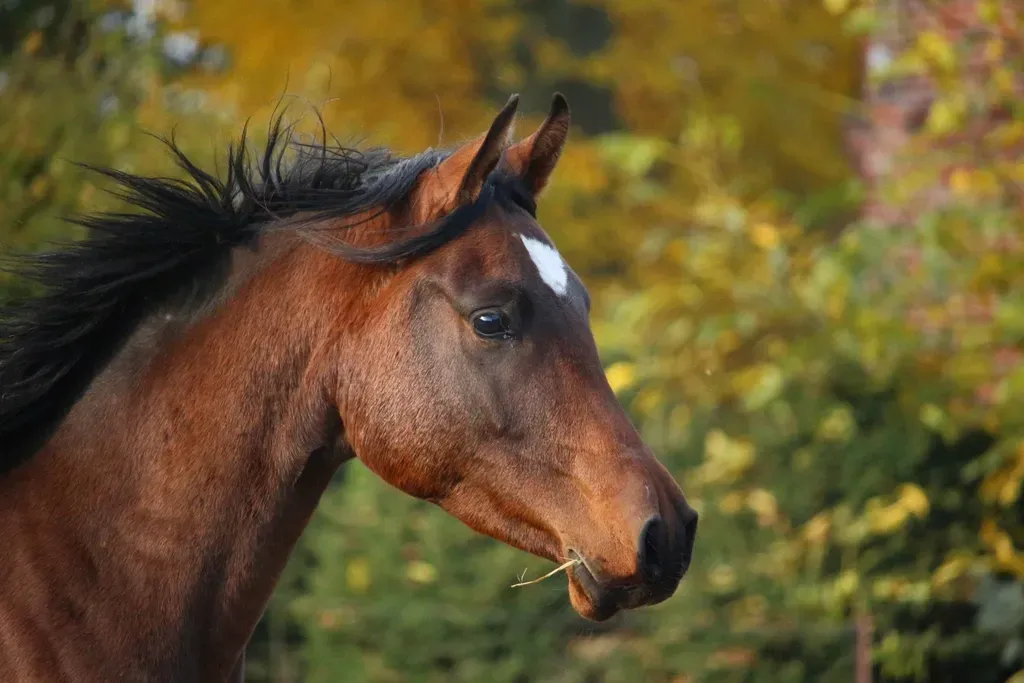
No horse is cheerful and perfect every single day, just like no human is. But when your horse is genuinely happy, you start realizing that most days feel steady, predictable, and reasonably enjoyable for both of you. Minor spooks, small training hiccups, or the odd grumpy moment still happen, but they don’t define your overall relationship.
You might notice that vet visits are usually routine, your farrier isn’t fighting for their life every trim, and barn staff describe your horse as generally easy to handle. When you stand back and look at the big picture, it feels like things are working. That quiet, consistent sense that your horse’s life suits them is, in many ways, the strongest sign of all that they are truly happy.
11. Constant Tension: Ears Pinned, Tight Lips, Hard Eyes
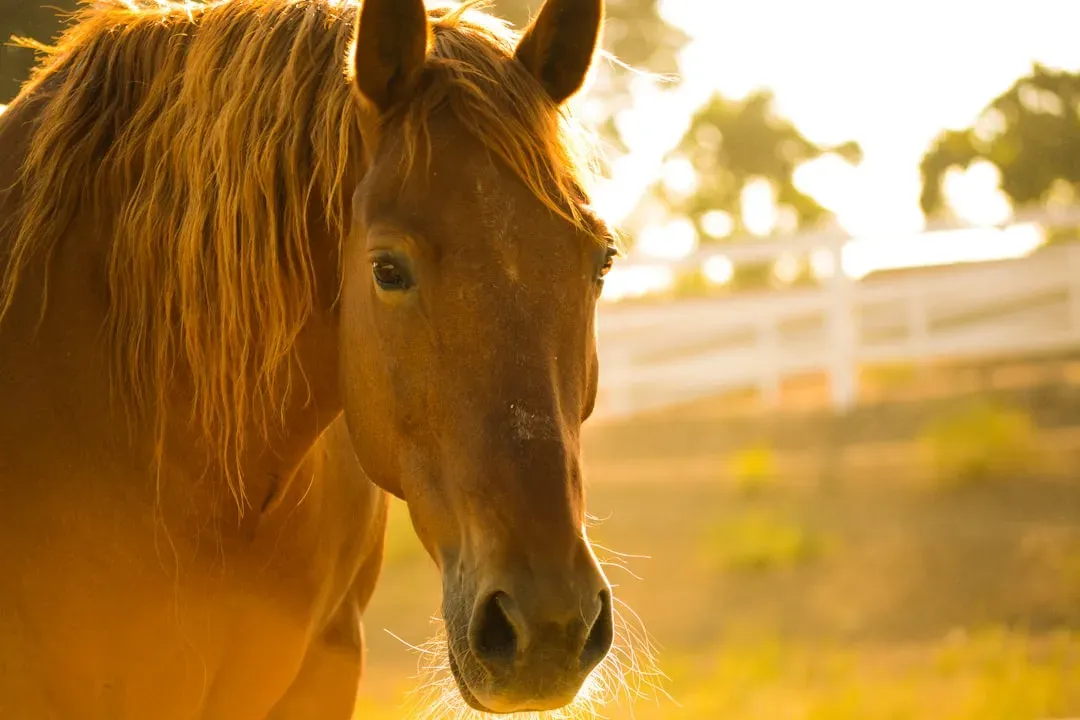
On the flip side, one of the loudest signs your horse is not happy is constant physical tension. If you often see tight, hard eyes, ears pinned back for long stretches, and a stiff or wrinkled muzzle, your horse is telling you they feel stressed, annoyed, or even in pain. This is different from a quick warning face during a squabble; it’s more like a default expression that never fully softens.
When that tightness becomes their normal, it’s time to dig deeper. You might be dealing with chronic discomfort, ulcers, fear of handling, or a management setup that does not suit them. Whatever the cause, that hard, unhappy expression is not something to ignore or “discipline away.” It is a symptom, and your job is to play detective and figure out why they feel the need to stay so guarded.
12. Aggression Around Food or the Stall
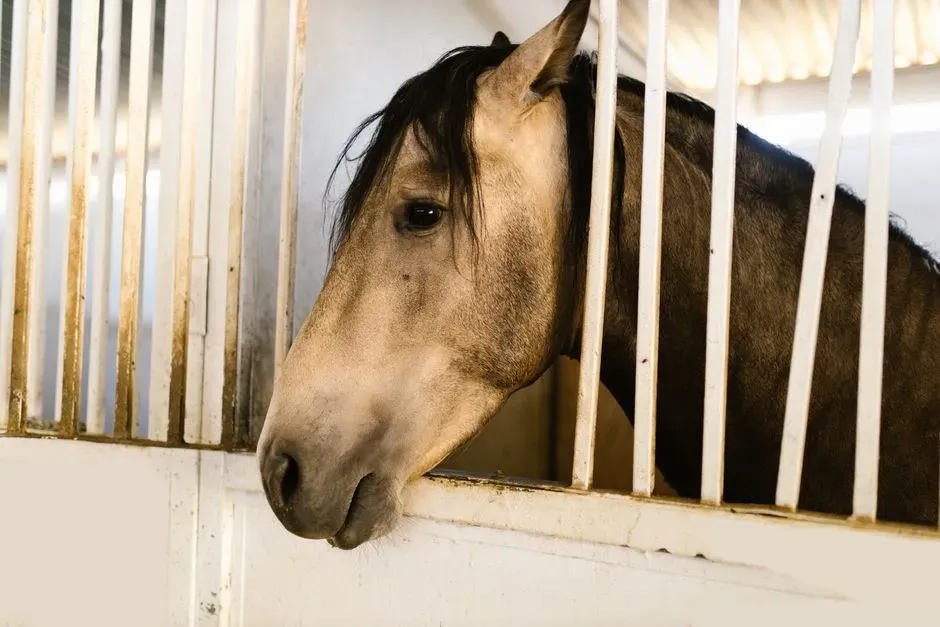
If your horse lashes out aggressively whenever food appears or someone approaches their stall, they are not just being “mean.” Guarding hay, pinning ears, lunging, or kicking when you walk by can signal that your horse feels chronically insecure about resources or deeply uncomfortable in their space. Sometimes a past of starvation or rough handling around feed can leave scars that show up as defensive behavior.
Instead of writing your horse off as nasty, treat this as communication. Review how often they get forage, how meals are spaced, and whether they feel trapped in a small stall with no way to get distance. Adjusting feeding routines, adding slow feeders, or giving them more turnout and visual contact with other horses can soften that hunger-driven anxiety and gradually reduce the aggression.
13. Repetitive Behaviors: Weaving, Cribbing, and Stall Walking
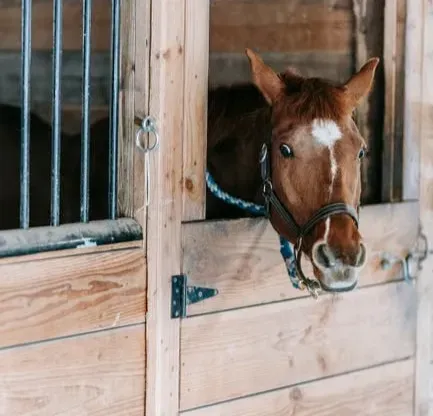
Behaviors like weaving at the door, crib-biting on walls, or pacing endlessly in the stall are not just annoying habits; they are classic signs of a horse struggling to cope. These repetitive motions often develop when horses are confined too much, lack social contact, or live in an environment that does not meet their basic behavioral needs. Think of it as a mental pressure valve trying desperately to release steam.
While these habits can be difficult to fully eliminate once they’re ingrained, you can often reduce how often your horse turns to them by changing their lifestyle. More turnout, more forage time, compatible herd mates, and a calmer daily routine can all lower stress levels. When these behaviors decrease, even a little, it suggests your horse’s emotional state is moving in a healthier direction.
14. Reluctance to Be Caught or Haltered
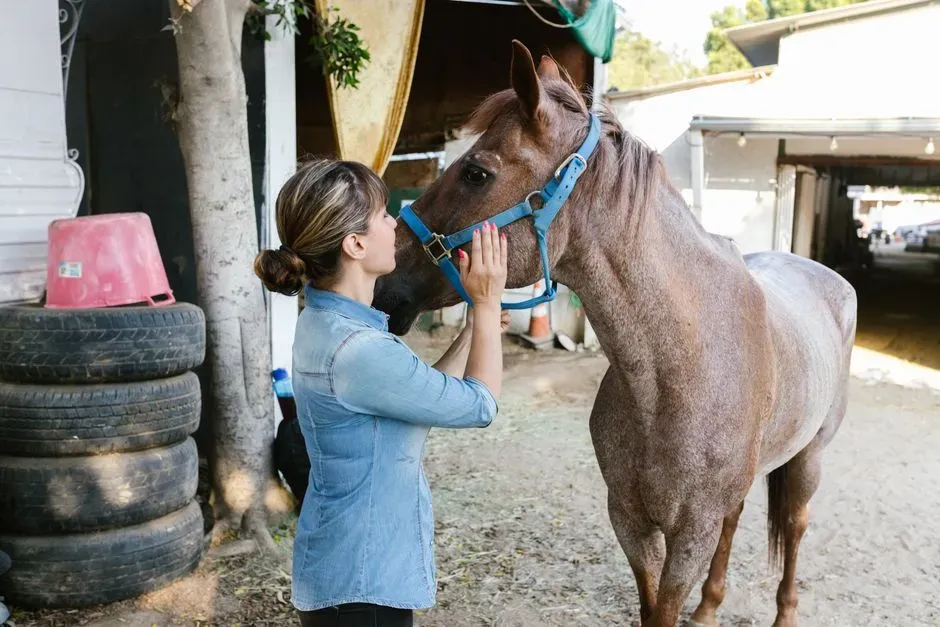
When your horse sees you coming with a halter and promptly turns tail and leaves, they’re making a statement. Avoidance like this can mean your horse has learned that being caught leads to discomfort, overwork, or stressful experiences. If every interaction ends with hard rides, rough handling, or isolation from their herd, it makes sense that they’d rather stay far away from you.
To change this, you need to stack more positive experiences into the catching routine. Sometimes that means walking out just to give a scratch, a treat, or a short groom without asking for work. Over time, if you consistently show your horse that being with you feels good, safe, and fair, their desire to hide at the far end of the field often fades and is replaced with cautious curiosity, then genuine enthusiasm.
15. Resistance, Bucking, or Bolting Under Saddle
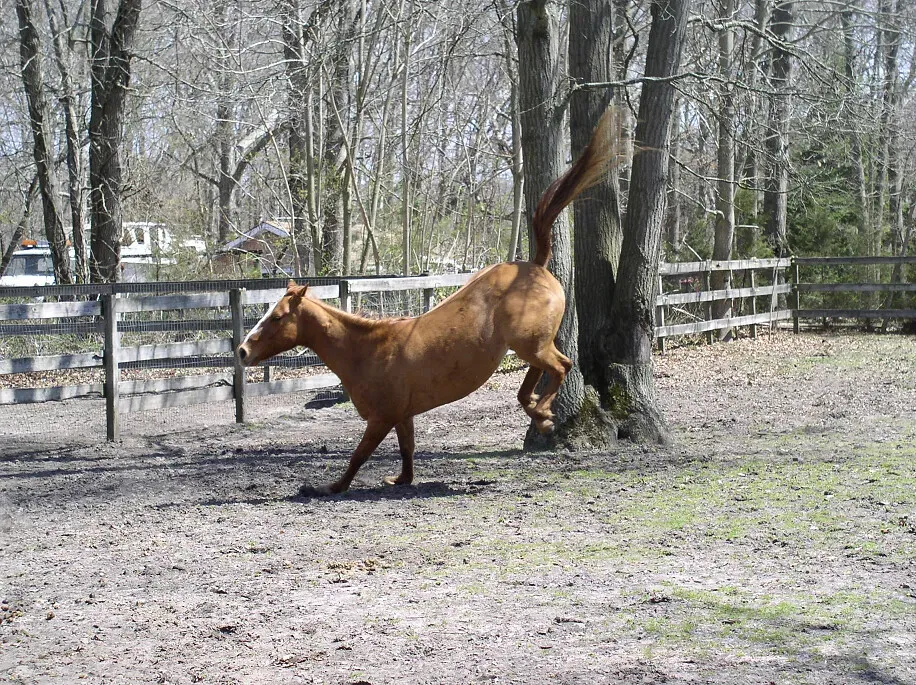
Explosive behaviors like bucking, bolting, rearing, or persistent napping are red flags that something is seriously wrong. While they are sometimes labeled as disobedience or attitude, they are more accurately your horse yelling that they are overwhelmed, hurting, or confused. A horse that feels comfortable and understands what you are asking rarely resorts to big, dangerous movements as a first response.
When you see this pattern, step back and consider pain first: saddle fit, teeth, back issues, hoof problems, or general health. Then ask whether the training has been fair and progressive or rushed and inconsistent. Working with a vet and a trainer who truly values welfare can transform these behaviors from recurring disasters into important information that leads to better care and a happier horse.
16. Sudden Changes in Appetite or Weight
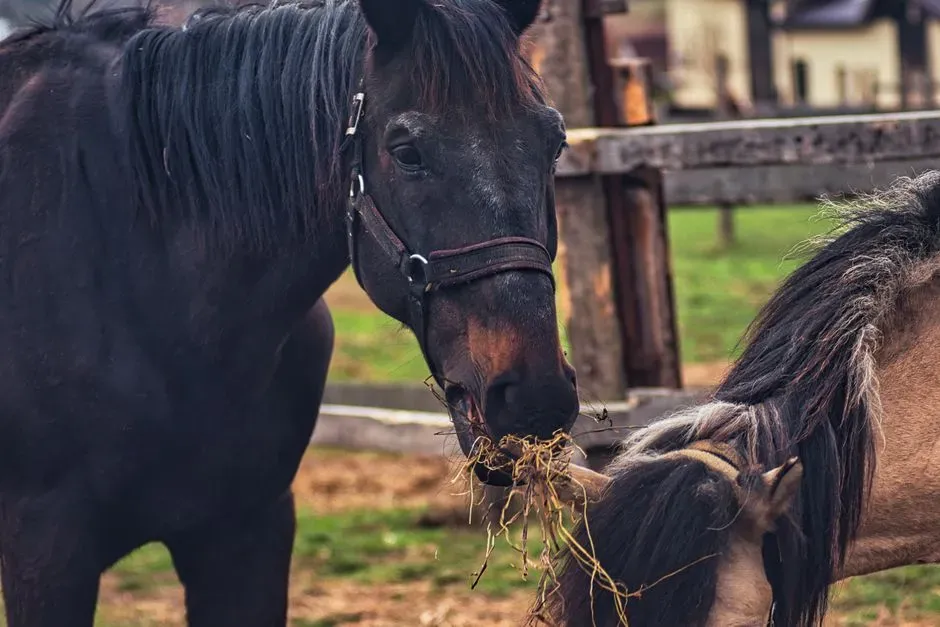
If your horse suddenly starts leaving feed, dropping weight, or, on the flip side, attacks food with frantic intensity, you need to pay attention. Dramatic changes in appetite often point to physical problems like dental pain, ulcers, or metabolic issues, but they also reflect emotional distress. A comfortable, content horse tends to be a more consistent eater.
Because horses are so closely tied to routine, a big shift in how or how much they eat is like a flashing warning light on your dashboard. Don’t dismiss it as pickiness or greed. Get your vet involved, review what has changed in their life, and look at the big picture. When you address the root cause, their appetite and body condition often stabilize, and you see their overall mood lift as well.
17. Isolation or Being Bullied in the Herd
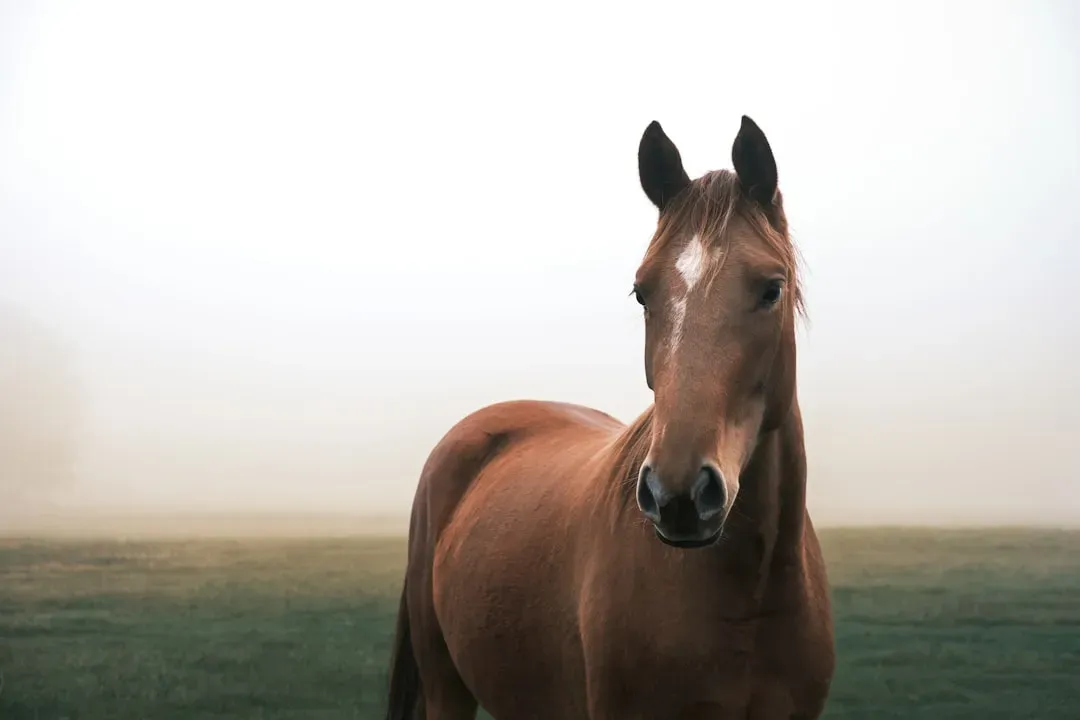
A horse that always stands alone at the far edge of the paddock or is repeatedly chased, bitten, or kept away from food is unlikely to be truly happy. Some horses are naturally more introverted, but persistent social isolation or obvious bullying suggests your horse’s social needs are not being met in a healthy way. Being part of a herd should feel safe, not terrifying.
You can help by carefully adjusting turnout groups, ensuring enough space and feeding stations, and slowly introducing new companions rather than just tossing horses together. Sometimes a quieter buddy or smaller group completely changes your horse’s daily experience. When they finally find a friend they can safely relax next to, you often see their whole personality soften and open up.
18. Lack of Interest, Shutdown, or “Robot” Behavior
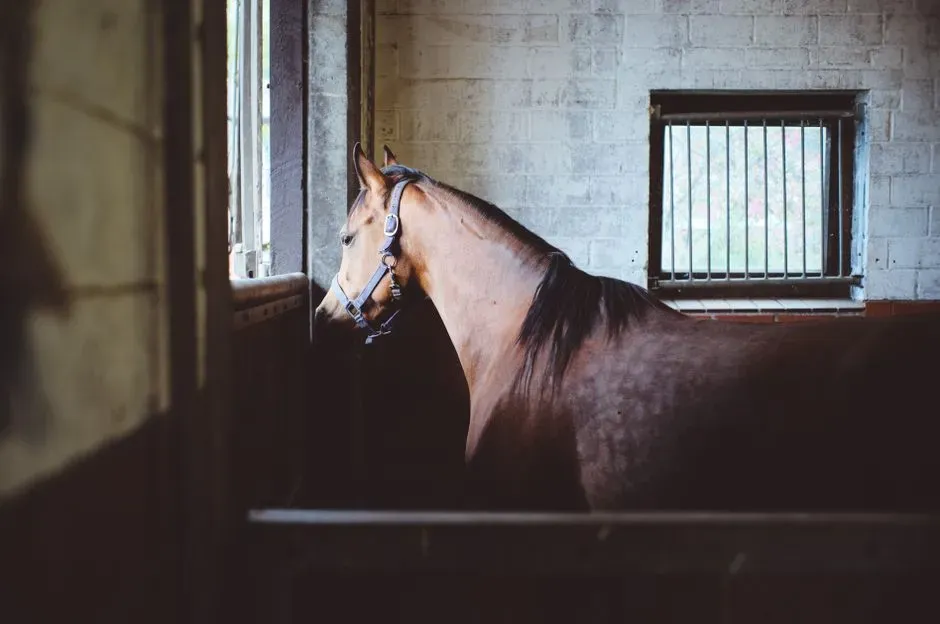
Not all unhappy horses explode. Some disappear into themselves. If your horse moves and behaves like a robot, never showing curiosity, playfulness, or opinion, they may be in a state of learned helplessness. They’ve discovered that nothing they do changes the outcome, so they stop trying to communicate altogether and simply endure whatever comes.
This kind of shutdown can look like obedience on the surface, but it’s actually heartbreaking once you recognize it. To help a horse like this, you need to reintroduce choice, gentle praise, and fair training, and you need to listen when they show the smallest hint of preference or question. As they start to believe they have a voice and that you will respect it, you may see glimpses of the real personality underneath, which is a huge step toward true happiness.
19. Chronic Stress Signs: Ulcers, Skin Issues, and Frequent Illness
Stress does not just stay in your horse’s head; it spills into their body. Recurrent ulcers, frequent colic episodes, dull coat, skin infections, or repeated minor illnesses can all be linked to a lifestyle that keeps your horse’s stress system switched on too often. While these issues have many causes, ongoing emotional strain is a major one that often gets overlooked.
If your horse is always the one with the upset gut, the mystery rash, or the runny nose during every small change in weather or routine, ask yourself honestly how peaceful their daily life really is. Improving turnout, companionship, forage access, and predictability can sometimes do as much for their health as any medication. A body that is not constantly fighting stress finally has room to heal and thrive.
20. Your Gut Tells You Something Is Off
The final sign your horse is not happy is the one you might try hardest to ignore: that quiet knot in your stomach that says, this does not feel right. Maybe your horse is technically sound, rides okay, and eats well, but something about their demeanor, their expression, or the way they meet you at the gate just feels dimmer than it used to. You know their baseline better than anyone.
Instead of silencing that inner voice, treat it as valuable data. Compare how your horse used to act when they were clearly content to how they act now, and be willing to experiment with changes in routine, environment, or workload. Often, when you listen closely and make adjustments, you’ll see your horse’s spark return, and that small glow of recognition – oh, there you are again – is one of the most rewarding moments you can have as a horse owner.
Conclusion: Building a Life Your Horse Loves
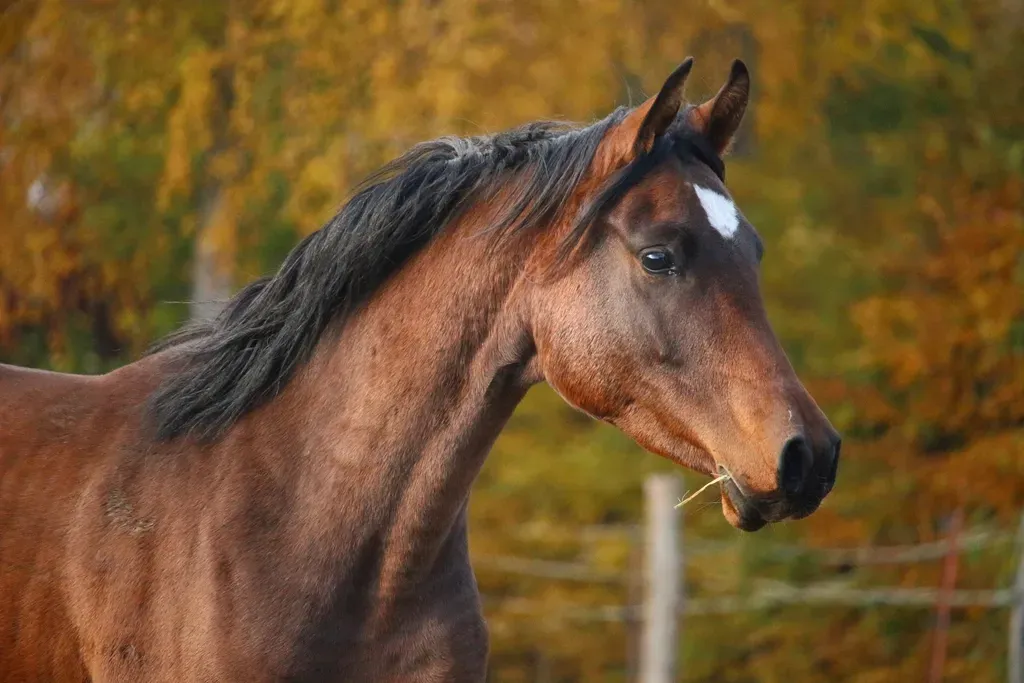
In the end, your horse’s happiness is not about one magic trick or perfect training method; it’s about the whole life you build around them. From soft eyes and a swinging walk to a safe herd and fair work, every choice you make either nudges them toward contentment or away from it. When you start reading their body language as a conversation instead of a list of problems, you realize they’ve been telling you what they need all along.
The most powerful thing you can do is stay curious and willing to adjust. If you treat signs of unhappiness as information instead of defiance, you become the kind of partner your horse can truly relax with. Over time, that partnership turns into something deeper and quietly extraordinary: a horse who chooses you, not just tolerates you. Looking at your horse’s life right now, what small change could you make today that would move them one step closer to truly happy?