
Walk through a forest or dive over a coral reef, and you might feel like you’re alone. You’re not. You’re probably being watched by creatures so well hidden that your brain simply edits them out, like visual ghosts blended perfectly into bark, sand, or coral. Camouflage isn’t just a neat party trick in nature; it’s a matter of life and death, and some animals have turned it into a kind of living magic.
I remember staring at a photo of a stick insect once, convinced someone was playing a prank on me, because all I could see were twigs. Only when I zoomed in did the “twig” suddenly turn into legs and antennae. That’s the unsettling joy of camouflage: once you finally spot the animal, you can’t unsee it – and you’re left wondering how many others you’ve walked right past without the slightest clue.
Leaf-Tailed Geckos: Haunted Shadows on Tree Bark
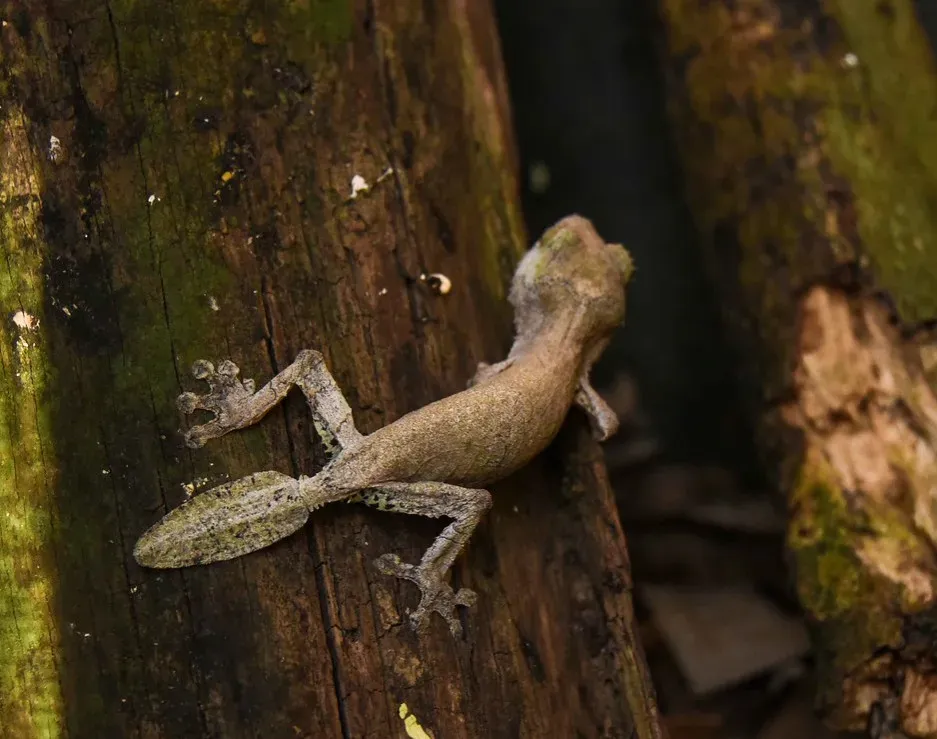
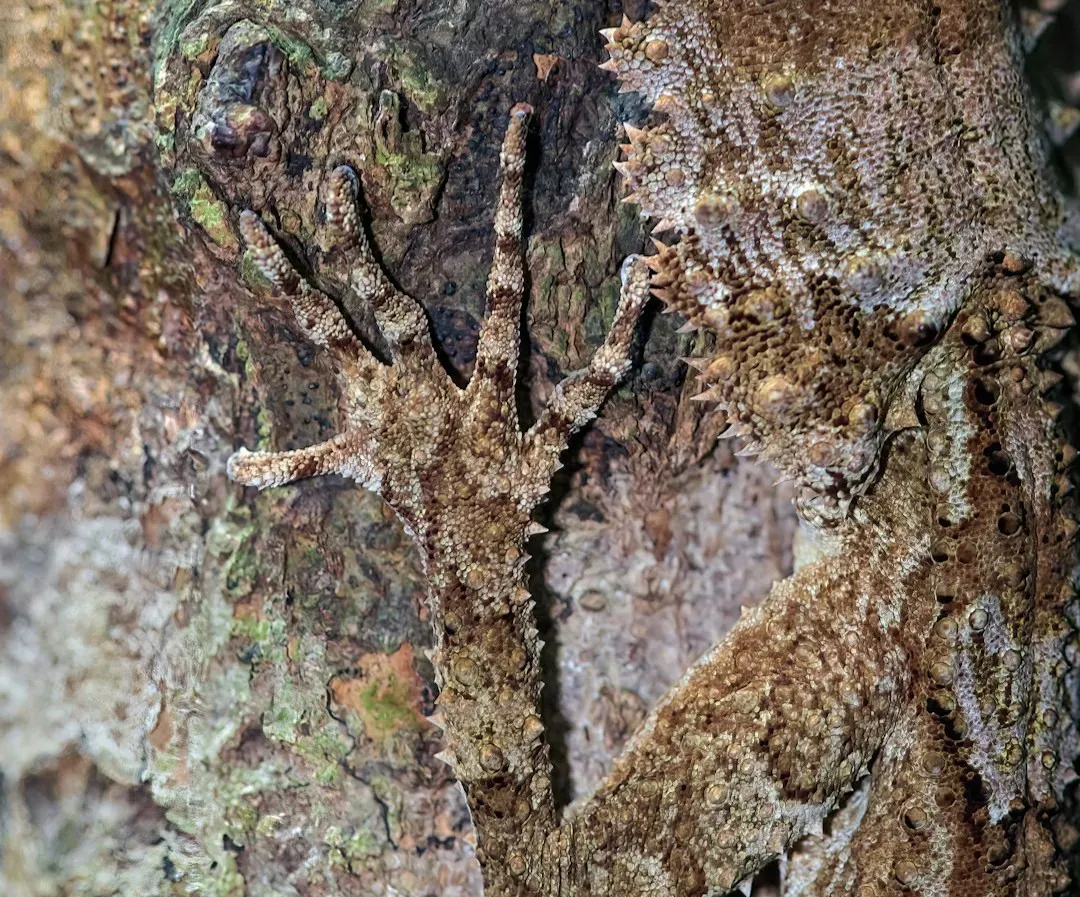
The leaf-tailed geckos of Madagascar look less like animals and more like something conjured by a special-effects team with too much time on their hands. Their bodies are jagged, flat, and often mottled with spots that match lichen, moss, and flaky bark so precisely you’d swear someone painted them while they were asleep. Many have tails shaped exactly like dead leaves – complete with little “bites” or tears along the edges that mimic decay.
What makes them especially wild is that they don’t just rely on color; they use posture too. They flatten their bodies against tree trunks, reducing shadows so predators and prey almost never see them. Some species even have tiny skin flaps along their sides that blur the line where their body meets the bark, like built-in Photoshop feathering. At night, they come alive, silently hunting insects while appearing, to anyone passing by, like nothing more than another patch of old, crumbling bark.
Leaf Insects: Walking Green Illusions
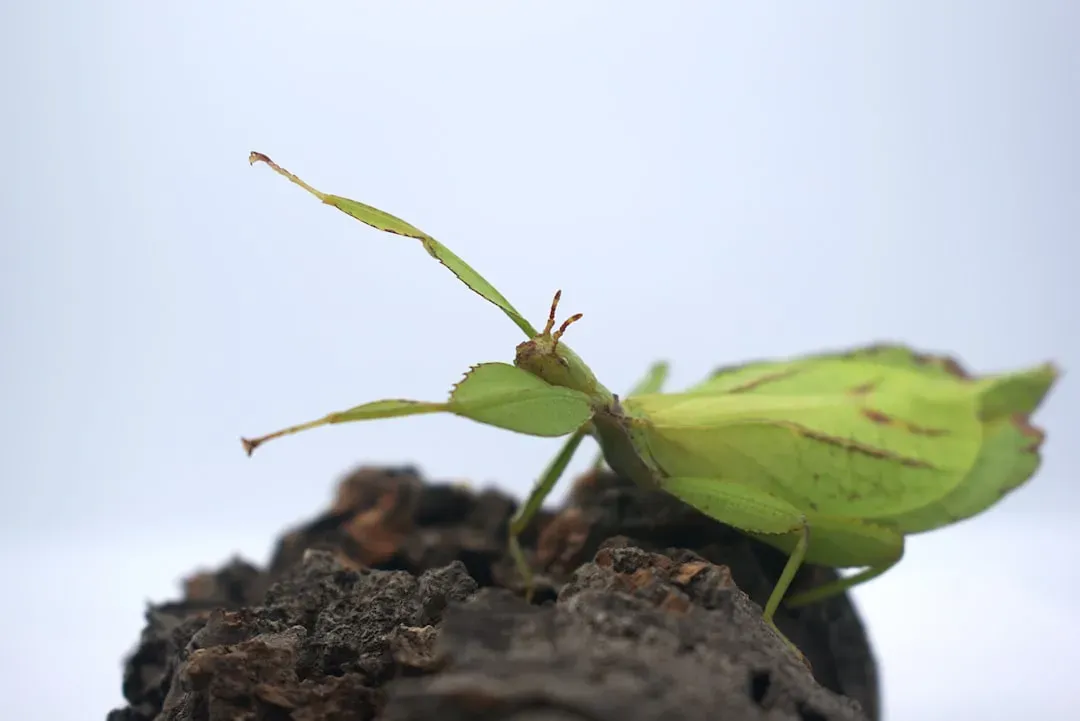
Leaf insects take camouflage so seriously that calling them “insects” almost feels rude; they are, quite literally, walking leaves. Their bodies are broad and flat, with veins and patterns that look exactly like leaf midribs and blemishes. Some species even have patchy brown spots that resemble fungus, insect bites, or natural rot, so they don’t just look like a leaf, they look like a slightly damaged, very believable one.
What really gets me is their movement. They don’t simply walk from branch to branch; they sway, gently and rhythmically, as if caught in a breeze. That tiny behavioral detail sells the illusion more than any color or shape ever could, tricking predators into dismissing them as just another piece of foliage. In forests across Asia, you can be staring right at a shrub drenched in “leaves” and not realize that several of those leaves are quietly watching you back.
Common Cuttlefish: Shape-Shifting Masters of the Sea
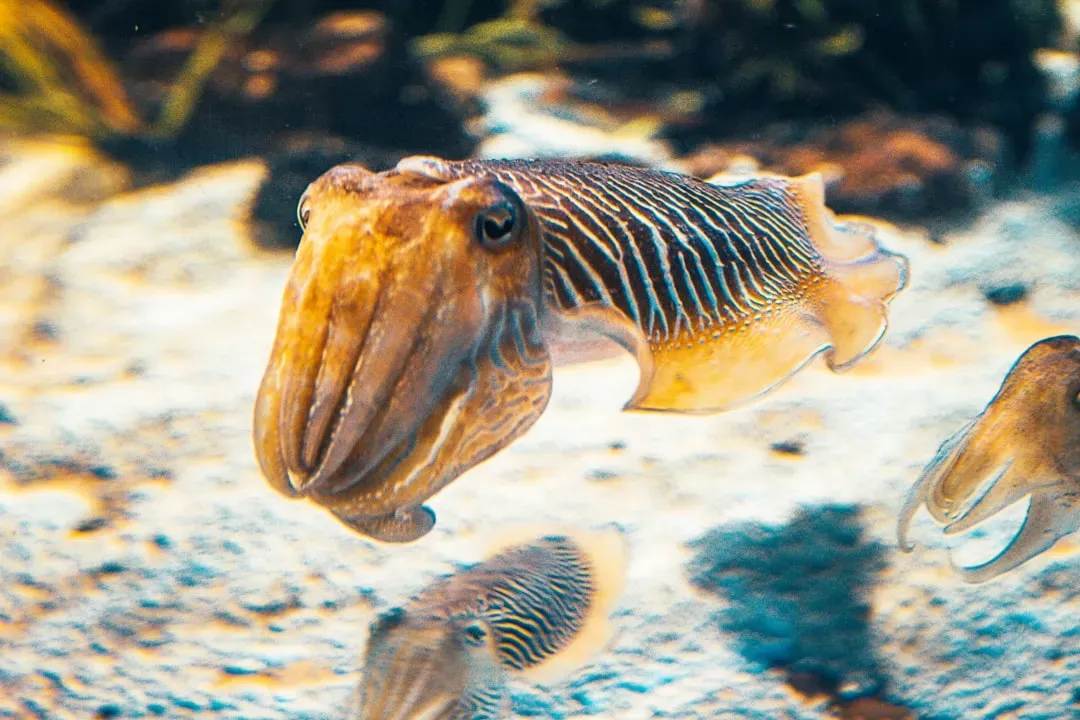
On coral reefs and sandy seafloors, common cuttlefish act like living mood rings with a built-in camouflage system that puts any chameleon to shame. Their skin is loaded with special cells that can expand or contract to change color in the blink of an eye. They don’t just match a general shade; they replicate patterns – spots, stripes, mottling – that echo rocks, seaweed, and even the movement of light underwater.
What’s almost unnerving is how fast and precise they are. Experiments have shown that cuttlefish can adjust to a new background in seconds, sometimes faster than a human can consciously process what they’re seeing. They can even create complex illusions, like striping one side of their body to signal a mate while keeping the other side camouflaged from a lurking predator. It’s like watching a creature run two completely different visual programs at the same time, perfectly synced, perfectly hidden.
Snowshoe Hares: Seasonal Shape-Shifters
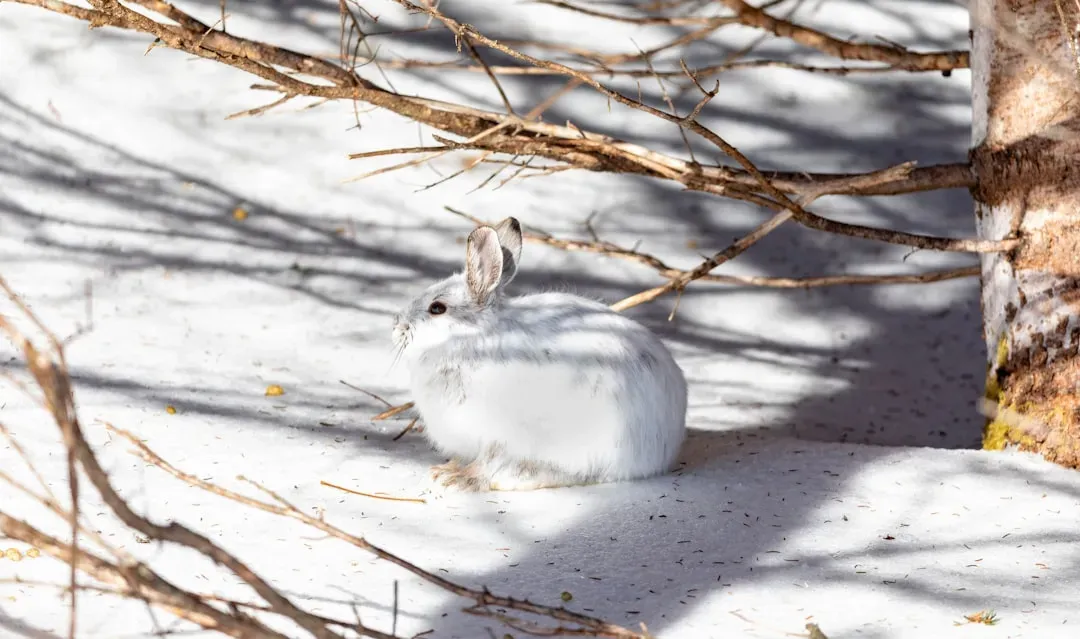
Unlike many masters of camouflage that blend into the same environment year-round, snowshoe hares play the long game. In snowy northern forests, they turn almost completely white in winter, becoming ghostlike shapes that melt into the snowbanks. When spring and summer roll around, their coats shift to browns and grays, matching dirt, roots, and low shrubs. They’re not just hiding; they’re syncing their entire body to the seasons.
This seasonal strategy works beautifully – until climate change throws the timing off. In many places, snow now arrives later or melts earlier, and hares sometimes end up bright white against bare ground for weeks at a time. That mismatch makes them painfully easy targets for predators. It’s a harsh reminder that even camouflage that seems perfectly evolved can suddenly become outdated when the environment changes faster than evolution can keep up.
Leafy Sea Dragons: Living Seaweed Sculptures
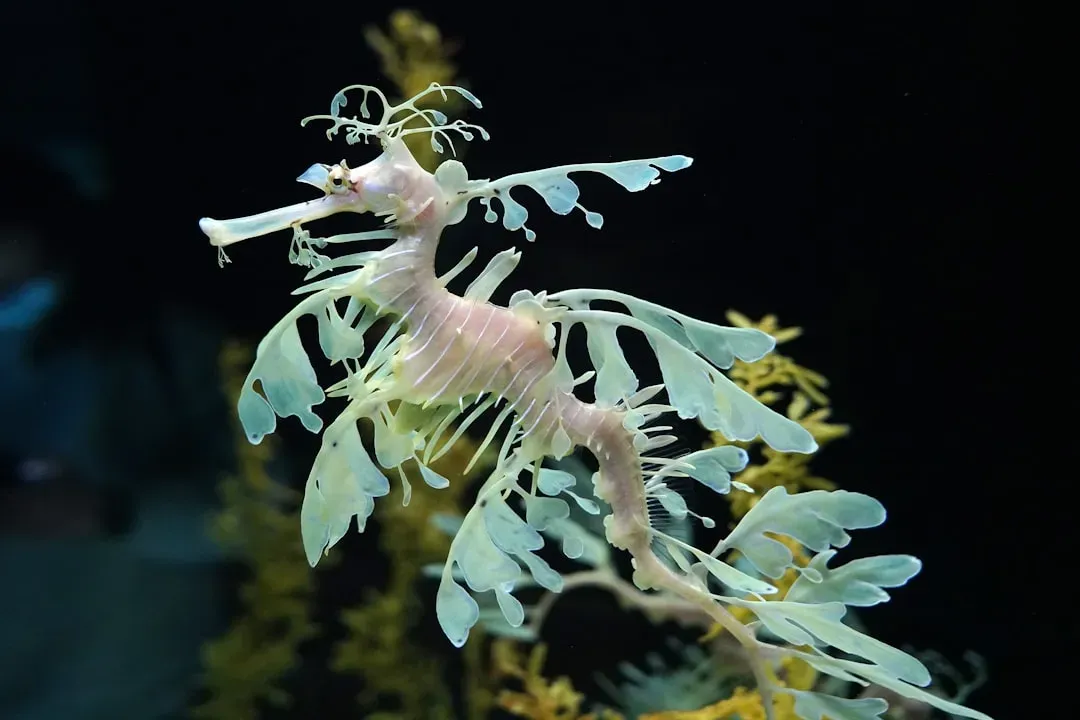
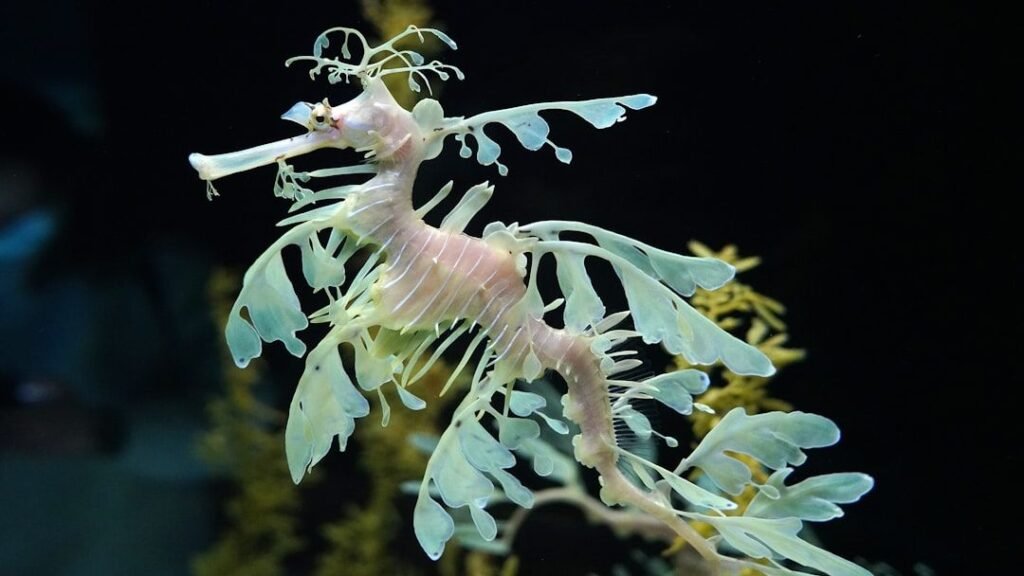
Leafy sea dragons, found off the southern and western coasts of Australia, look like the ocean’s idea of modern art. They’re pipefish relatives covered in delicate, leaf-like appendages that flutter with the currents. These frills aren’t used for swimming; instead, they break up the animal’s outline so completely that it disappears into the drifting seaweed and kelp. If you’ve ever stared at an aquarium tank and struggled to pick out the leafy sea dragon, you know how convincing the disguise can be.
They move slowly and gracefully, propelled mostly by tiny, nearly invisible fins, which keeps their motion consistent with surrounding vegetation. That slow, gentle drift is key; a fast-moving “leaf” would scream danger, but a calm, swaying one just looks like background noise. Their camouflage does more than protect them from predators – it allows them to glide through forests of seaweed like quiet shadows, hunting small crustaceans that never realize the décor just came alive.
Seeing the Invisible
Once you start paying attention to camouflage, a walk in the woods or a dive under the waves stops feeling ordinary and starts feeling like a magic show. Leaf-tailed geckos posing as bark, leaf insects playing at being foliage, cuttlefish flickering into new colors, snowshoe hares changing with the seasons, and leafy sea dragons masquerading as seaweed all show how creative evolution can be when survival is on the line. They’re not just hiding; they’re reshaping how other animals – and we – perceive reality.
I sometimes think about how many of these animals I must have missed over the years, standing just a few feet away while my brain confidently told me, “There’s nothing there.” Camouflage is a quiet art, one that depends on our tendency to overlook the obvious when it blends in well enough. The next time you’re outdoors, what might be watching you from plain sight that you simply haven’t learned to see yet?