
The Scale of the Unknown (Image Credits: Unsplash)
California – Spanning diverse landscapes from towering redwoods to arid deserts, the state harbors an extraordinary array of insect life that scientists are only beginning to quantify through innovative genetic tools.
The Scale of the Unknown
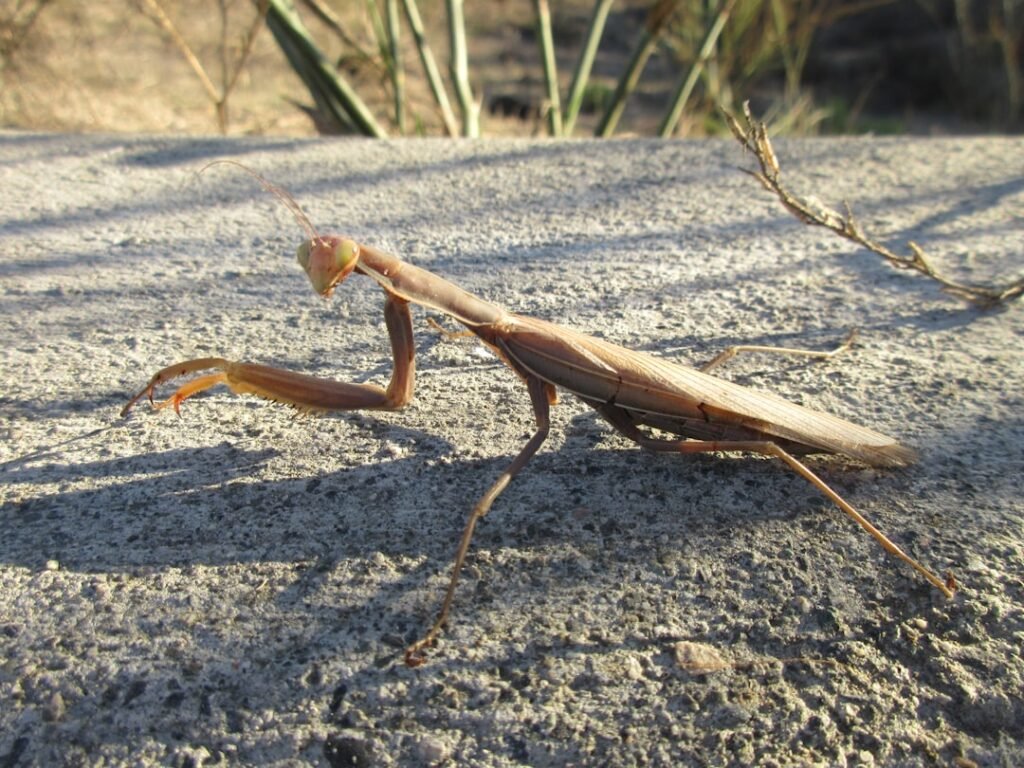
Estimates suggest California hosts between 60,000 and 100,000 insect species, a figure that underscores the state’s outsized ecological richness. Yet, precise counts remain elusive, fueling concerns about undiscovered threats to biodiversity amid climate change and habitat loss. Researchers have long relied on traditional methods like physical collection and morphological identification, but these approaches struggle with the sheer volume and subtlety of insect variations.
The California Insect Barcode Initiative emerged as a bold response to this challenge. Launched under the broader California All-Taxa Biodiversity Inventory, the project seeks to catalog every insect species using DNA barcoding. This technique sequences a short genetic marker from each specimen, creating a digital library that enables rapid identification and discovery of new species. By 2025, teams had already processed thousands of samples, revealing hotspots of diversity in unexpected places like the foggy coastal regions and the Mojave Desert.
Leading the Charge with Genetic Innovation
Austin Baker, an entomologist at the Natural History Museum of Los Angeles County, spearheads the initiative. His team combines fieldwork with cutting-edge lab work, collecting specimens across California’s varied ecosystems. In interviews, Baker emphasized the project’s dual role in documentation and conservation, noting how genetic baselines could track shifts in insect populations over time. The effort builds on global barcoding projects but scales up for California’s unique geography.
Participants venture into redwood forests, where damp canopies teem with beetles and flies, and venture into desert basins, capturing elusive species adapted to extreme conditions. Each collected insect undergoes DNA extraction, followed by sequencing to generate a unique barcode. This process not only confirms known species but also uncovers cryptic diversity – groups that look identical but differ genetically. Early results from the initiative have already identified several previously undocumented taxa, highlighting the urgency of the work.
Challenges and Breakthroughs in the Field
Fieldwork presents logistical hurdles, from navigating remote terrains to preserving delicate specimens in harsh environments. Teams use traps, nets, and light attractors to gather diverse samples, ensuring representation from urban edges to wilderness preserves. Sequencing backlogs once slowed progress, but advancements in high-throughput technology have accelerated the pipeline, allowing thousands of barcodes to be generated annually.
One key breakthrough involves integrating barcoding with citizen science. Volunteers contribute specimens and data, expanding the initiative’s reach without straining resources. This collaborative model has mapped insect distributions more comprehensively, revealing patterns like higher diversity in coastal zones compared to inland areas. Such insights inform targeted conservation, protecting pollinators and decomposers vital to ecosystems.
Implications for Conservation and Beyond
The initiative’s genetic library serves as a foundational tool for monitoring environmental health. As climate pressures intensify, baseline data will help detect declines in species abundance or range shifts. Policymakers can use these findings to prioritize habitat restoration in biodiversity hotspots, safeguarding insects that underpin food webs and agriculture.
Beyond California, the project sets a model for statewide biodiversity inventories worldwide. It demonstrates how DNA barcoding transforms guesswork into precise science, potentially influencing global efforts to catalog life’s diversity. While full completion may take decades, interim databases already aid researchers in studying evolutionary histories and invasive species impacts.
Key Takeaways
- The California Insect Barcode Initiative aims to DNA-sequence all insect species in the state, estimated at 60,000 to 100,000.
- Led by Austin Baker, the project combines fieldwork and genetics to build a comprehensive biodiversity archive.
- Results will track ecological changes and guide conservation, emphasizing California’s role in global insect diversity.
This ambitious endeavor not only illuminates California’s teeming insect world but also reminds us of the intricate web of life we must preserve. As the initiative progresses, it promises actionable knowledge for a sustainable future – what role do you see such projects playing in protecting our planet’s biodiversity? Share your thoughts in the comments.