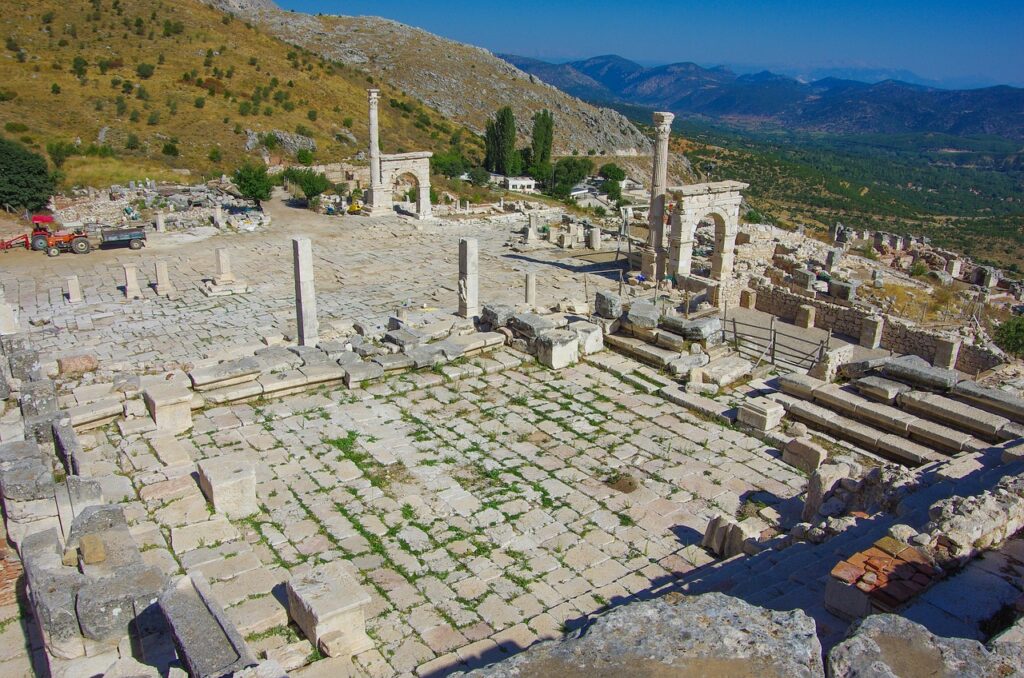
Every culture carries stories that sound almost impossible: cities swallowed by the sea, monsters in the deep, world-ending floods, golden lands hidden in the jungle. For a long time, scientists treated many of these tales as nothing more than imaginative folklore. Yet over the past few decades, careful fieldwork, satellite imaging, and advances in geology, genetics, and archaeology have done something awkwardly exciting: they have nudged several of these “myths” closer to the realm of history. This article dives into seven cases where modern science has uncovered evidence that aligns uncannily with ancient stories, not by proving every dramatic detail, but by revealing a hard geological or archaeological core beneath the legend. The result is not a surrender of skepticism, but a deeper, more interesting question: what else might our ancestors have encoded in stories we still have not learned to read?
The City of Troy: Homer’s War Story Meets the Spade
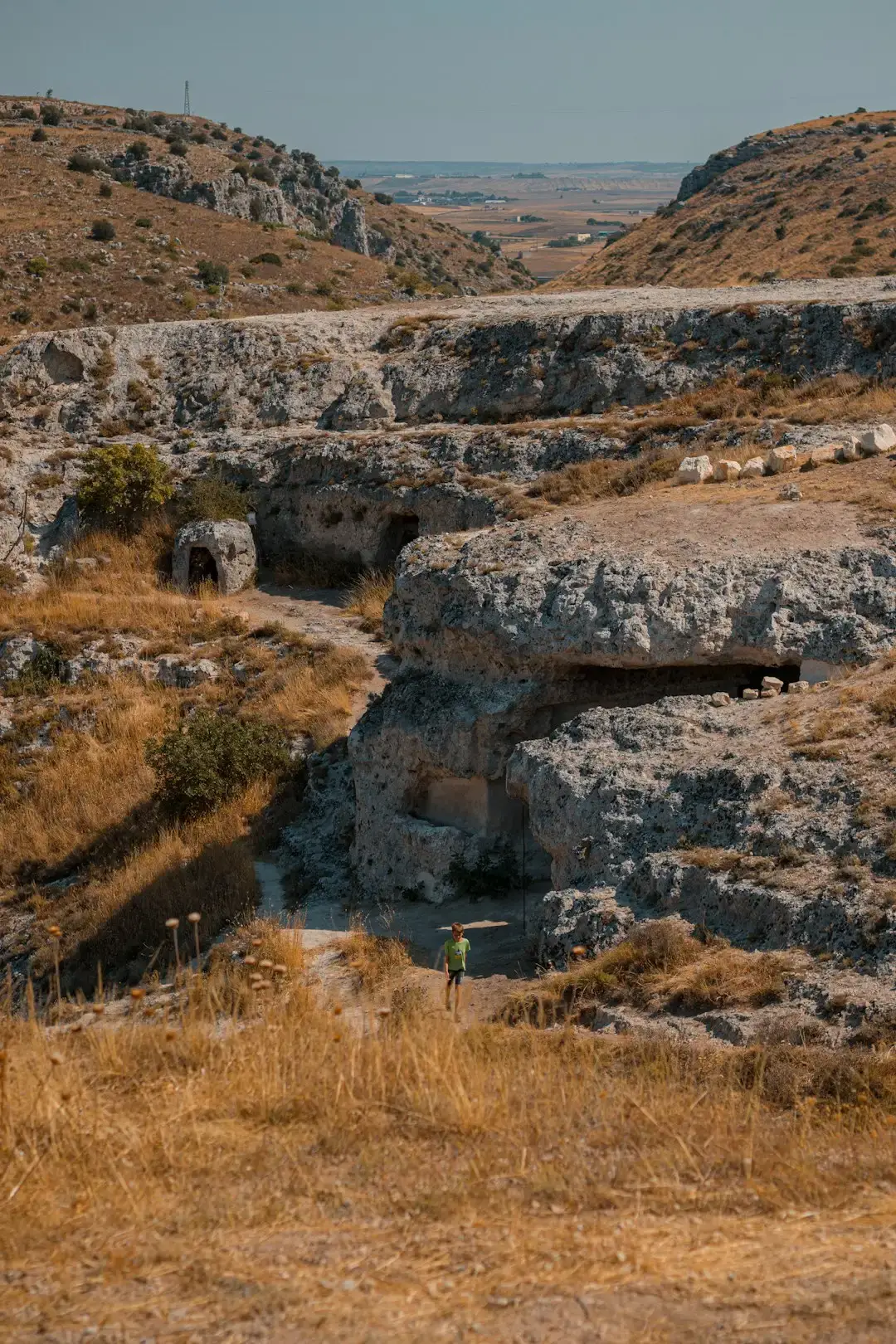
For generations, many classicists assumed the Trojan War belonged mostly to the realm of epic poetry, a gripping narrative rather than a record of real events. That changed when excavations at Hisarlik in northwestern Turkey revealed a multi-layered settlement that fit the geographic and strategic hints embedded in the Iliad. Archaeologists uncovered not one city, but a whole stack of them, with two Late Bronze Age layers showing fortifications, destruction, and signs of violent conflict that line up with the supposed era of a Trojan War.
What science did not confirm is almost as important as what it did. There is no evidence for a literal wooden horse, nor for individual heroes like Achilles or Helen, and the archaeology points more toward repeated wars and earthquake damage than a single ten-year siege. Still, the combination of powerful walls, rich trade connections, and a catastrophic end suggests that Homer was drawing on a memory of real power struggles over a strategic coastal city. In other words, the poetic Troy is not pure invention; it seems to be a dramatized echo of a place and a series of conflicts that genuinely existed. The myth overshoots the facts, but it is now very hard to argue that it sprang from nothing at all.
China’s Great Flood and the Geological Disaster at Jishi Gorge
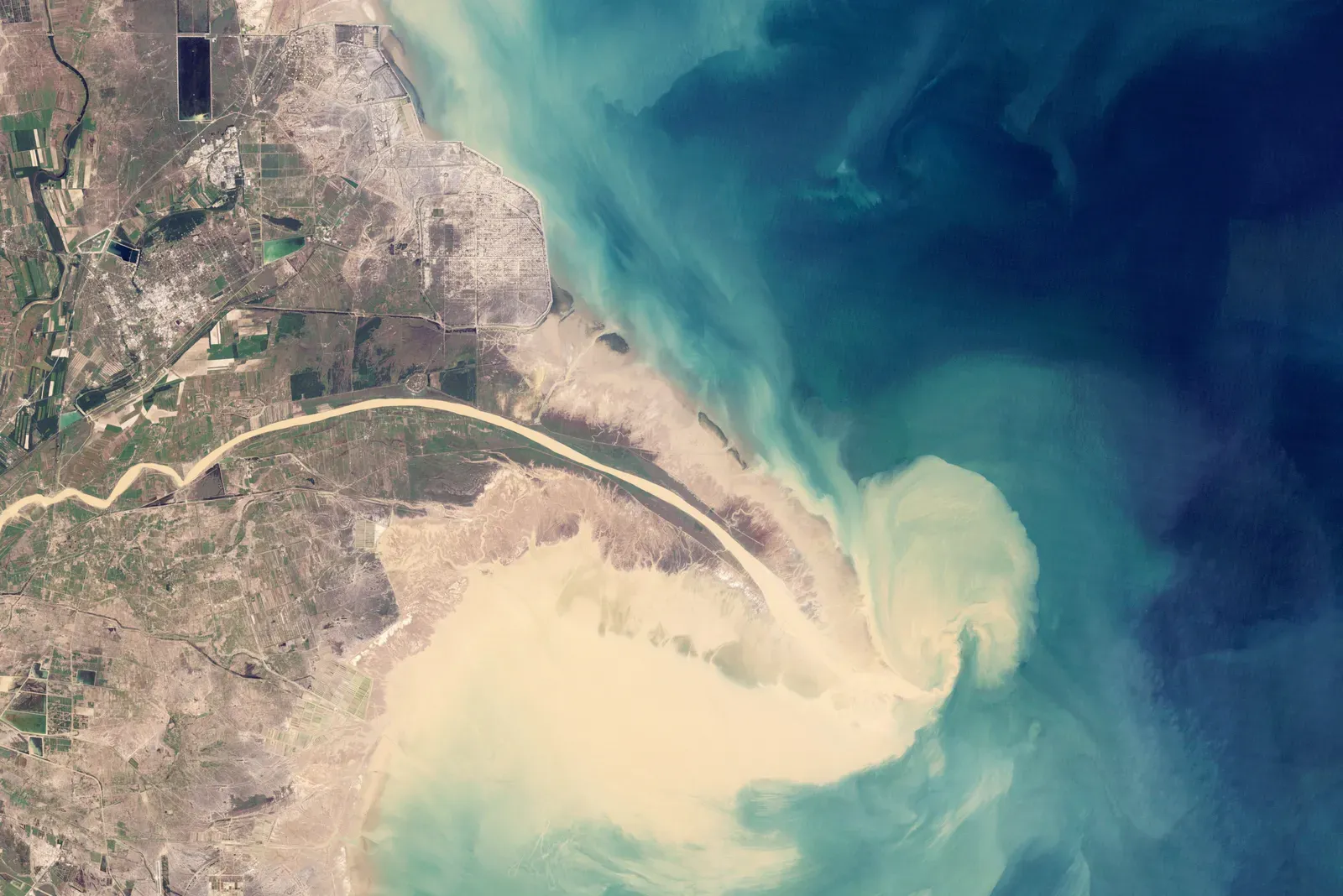
For millennia, Chinese chronicles told of a Great Flood along the Yellow River so immense that it reshaped the land and legitimated the rise of the first legendary dynasty under a flood-taming culture hero. To many modern historians, this sounded like a political origin story rather than a literal event. Then, geologists working in Jishi Gorge, on an upper stretch of the Yellow River, pieced together evidence of a massive landslide dam and a later, catastrophic outburst flood dated to around the early second millennium BCE. Sediments, radiocarbon-dated remains, and the scale of the gorge’s erosion point to an event far beyond ordinary seasonal flooding.
The match is not perfect, and there is plenty of scholarly debate, but the parallels are striking: a huge damming and sudden release of the Yellow River, devastation downstream, and a timeframe that overlaps with early traditions about the flood that precedes the first dynastic rule. Rather than proving every line of the myth, the Jishi Gorge work suggests that an unforgettable natural disaster likely underlies the story. It shows how a singular, geologically plausible catastrophe can be retold over centuries until it becomes both an explanation for political authority and a moral tale about order wrestled from chaos.
Kraken and Sea Monsters: Giant Squid in the Cold Light of Biology
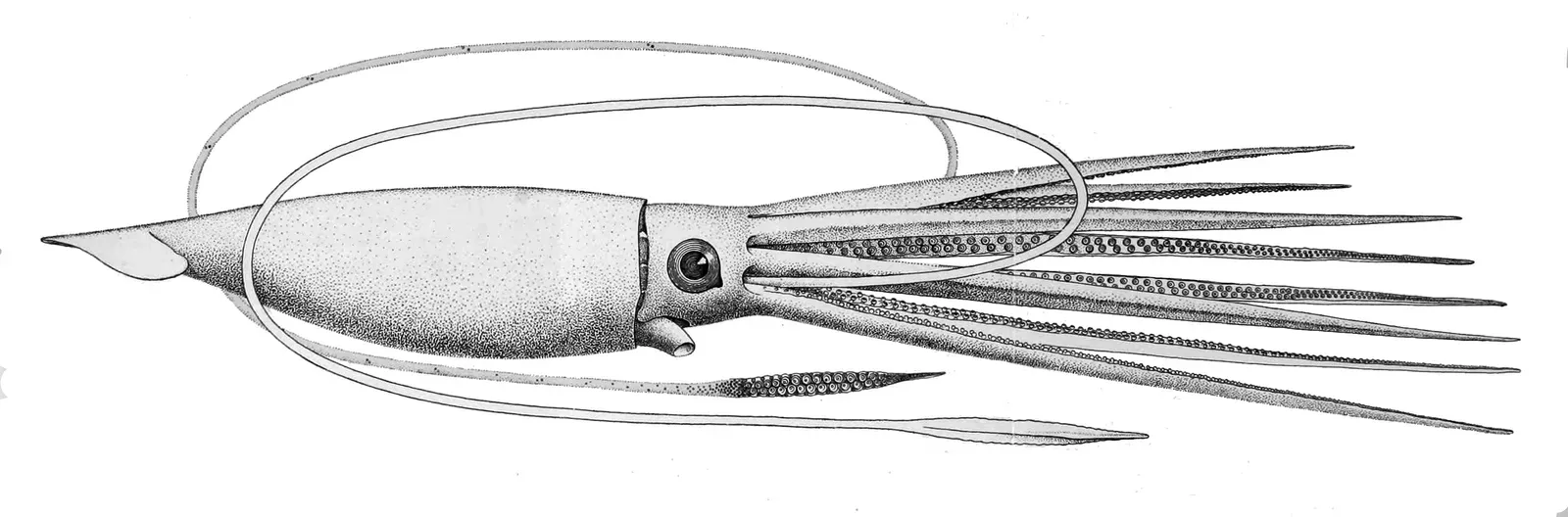
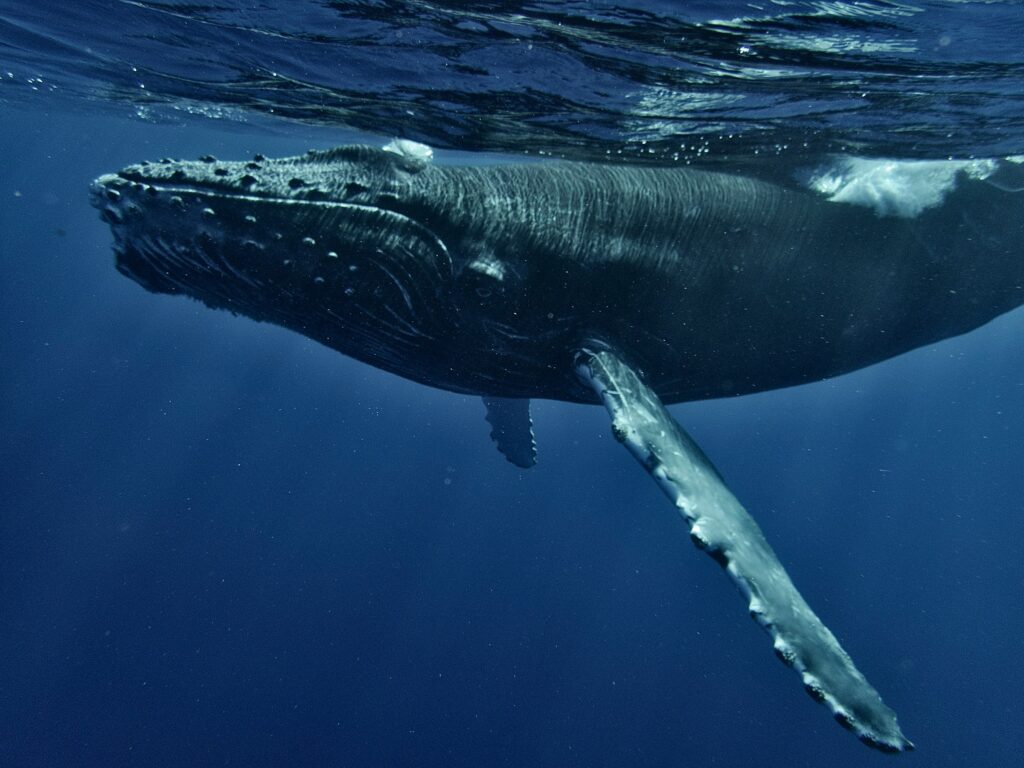
Medieval and early modern sailors warned of a titanic beast lurking in northern seas, large enough to drag a ship under or be mistaken for an island. To Enlightenment naturalists, the kraken and similar monsters were cautionary examples of superstition, supposedly debunked by rational observation. Yet as deep-sea science advanced, biologists began to find something that looked uncomfortably like the heart of those old stories: giant and colossal squid, lurking far below the surface, with tentacles longer than a small boat and eyes the size of dinner plates.
Today, we have photographs, video footage, and physical specimens of these enormous cephalopods, some of which can reach lengths on the order of a city bus. They likely spend most of their lives in the deep ocean, but occasionally wash ashore or surface in distress, just enough to seed the imaginations of sailors primed to see omens in everything. The modern scientific view strips away the supernatural terror, yet it also validates the observational core of those tales: there really are huge, elusive creatures in the sea that most people will never see alive. In that sense, the kraken myth was not wrong about the scale and strangeness of life in the oceans – it was simply our first, fear-soaked draft of deep-sea biology.
World-Ending Floods: From Noah and Utnapishtim to Catastrophic Outburst Events
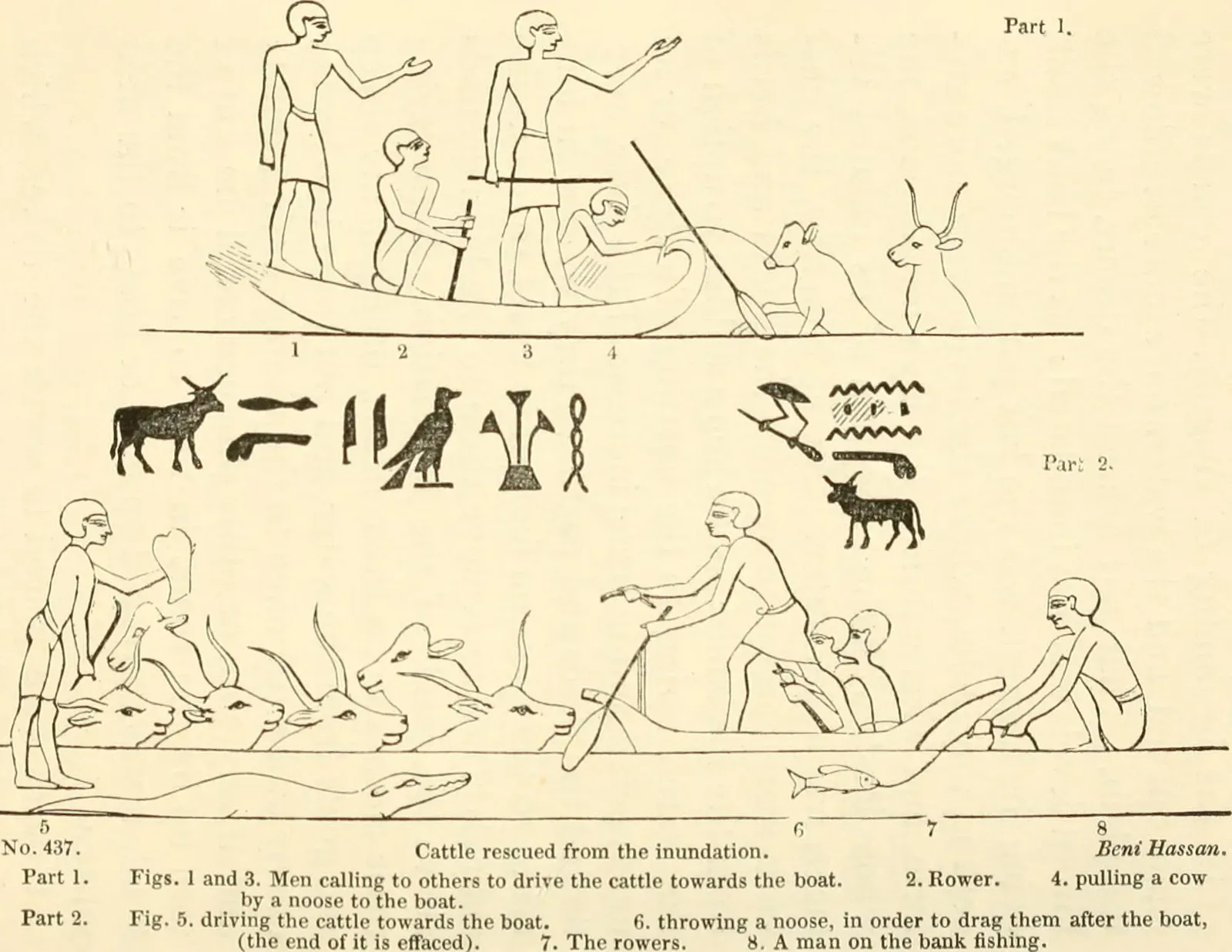
Stories of a flood that wipes out almost everything – leaving one family or a few survivors in a boat – turn up from Mesopotamia to the Mediterranean to parts of Asia. For a long time, many geologists steered away from anything that smelled like the old, discredited idea of a single global deluge. But as the study of ancient climates and glacial lakes matured, a more nuanced picture emerged: not one worldwide flood, but many enormous, region-changing floods scattered across time and space. These include glacial lake outbursts in North America and Eurasia, megafloods that carved out landscapes, and sudden rises in sea level as ice sheets retreated at the end of the last Ice Age.
Some modern research on sites around the Near East and Anatolia has also documented evidence of severe regional flooding in time windows that overlap with when early urban societies were taking shape. In Turkey, for example, recent sediment work around a boat-shaped rock formation near Mount Ararat has found signs that parts of that high country were under water a few thousand years ago, suggesting serious local inundation in a region long associated with biblical flood narratives. None of this confirms a single ark, or a flood that covered every mountain, but it shows that ancient peoples repeatedly endured floods dramatic enough to feel world-ending from their vantage point. The myths read less like pure fiction, and more like cultural attempts to make sense of disasters on a scale they had never seen before.
El Dorado and the Human-Made Dark Earths of the Amazon
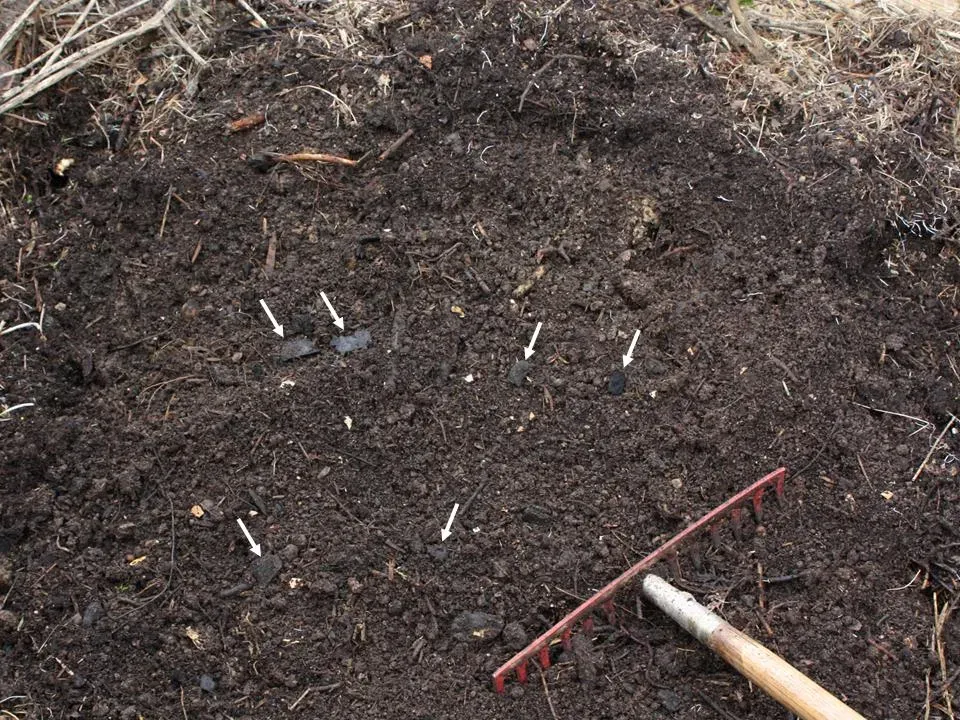
When Spanish and Portuguese explorers pushed into the Amazon, they came back with tales of rich, populous societies and a “city of gold” somewhere in the green maze. Later expeditions failed to find anything matching those descriptions, and by the twentieth century many scholars dismissed the stories as desperate fantasies of conquistadors chasing wealth. Then soil scientists and archaeologists started paying very close attention to patches of unnaturally dark, fertile earth dotting otherwise poor Amazonian soils. These so-called Amazonian dark earths, or terra preta, turned out to be human-made, built up over centuries with charcoal, organic waste, and broken pottery.
As excavations expanded, those black soils were found to be associated with long-occupied sites, raised fields, and signs of complex settlement patterns along major rivers. Modern work suggests that, before European disease and disruption, large stretches of the Amazon supported far denser and more organized human communities than once assumed. The shimmering city of gold itself remains imaginary, but the core idea that there were affluent, sophisticated societies in the forest now looks much closer to truth than to dream. In a twist, what survives of this lost abundance is not towers or palaces, but re-engineered soil that still holds more carbon and nutrients than the land surrounding it – a quiet scientific rebuttal to the old myth that the rainforest was always an untouched wilderness.
Smoke and Gods on the Mountain: Volcanoes Behind Fire-and-Brimstone Myths
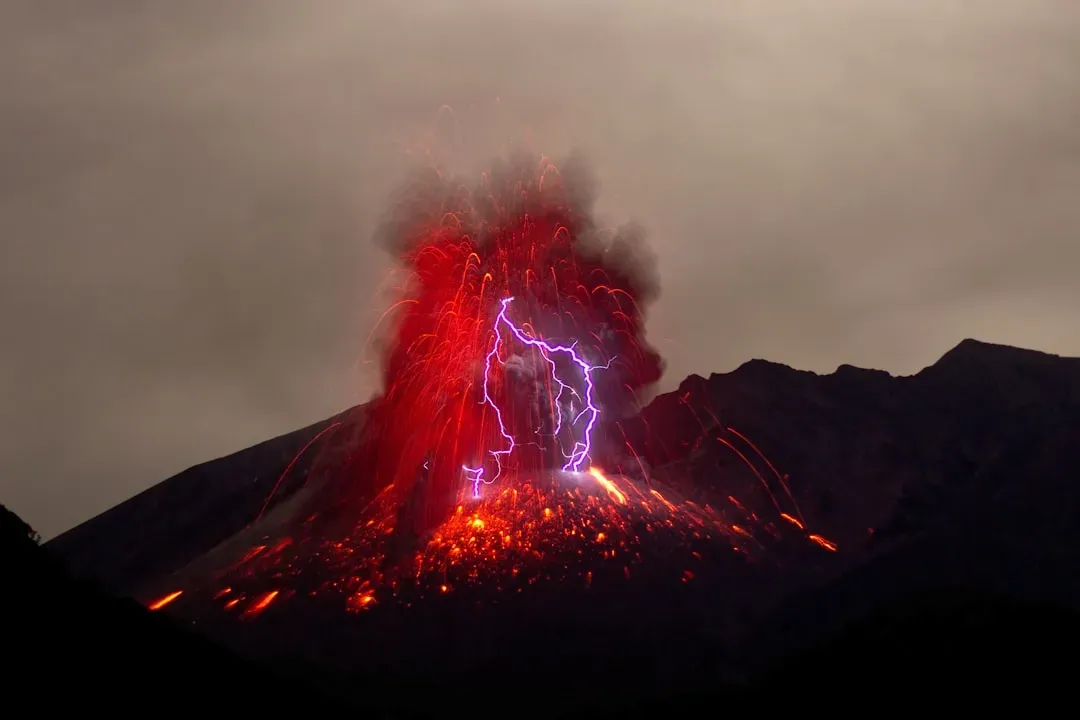
Ancient stories from the Mediterranean to the Pacific often place gods inside mountains, hurling fire or forging weapons under the earth. To pre-scientific observers, volcanoes were both terrifying and strangely purposeful, as if some intelligence must be stoking those underground furnaces. Modern geology reframes these episodes in terms of tectonic plates, magma chemistry, and gas pressure, but in doing so it has also uncovered specific eruptions that plausibly sit behind particular legendary accounts. In the Aegean, for instance, the Bronze Age eruption of Thera (Santorini) produced tsunamis and ashfalls that would have hammered nearby island societies and shaken faith in the stability of the world.
Likewise, eruptions in Italy, Iceland, and the Pacific Northwest have left layers of ash and rearranged landscapes in ways that echo traditional stories about sky-darkening events, fire from the heavens, or mountains splitting open. Volcanic lightning, ash clouds blotting out the sun, and rivers choked with debris are dramatic enough on their own; mythic language simply amplifies them. What geology brings to the table is a calibrated timeline, showing that some of these myth-rich eruptions really did occur within the memory span of oral traditions. The gods in the mountain were never there in person, but the mountain truly did breathe fire, and people were not wrong to feel that something beyond ordinary nature was erupting in front of them.
Serpent Rivers and Shifting Earthquakes: When the Ground Mimics Monsters
From dragon-backed ridges in Asia to serpent-like river gods in North America, many cultures explain winding landforms and sudden ground movement through enormous creatures beneath the surface. At first glance, that can sound like pure storytelling, a way to populate the unknown with teeth and scales. Yet as seismology and geomorphology have matured, scientists have realized that some of these myths map surprisingly well onto fault zones, landslide-prone slopes, and rivers that change course overnight when the ground shakes. An earthquake that causes a hillside to slump or a river to lurch sideways can look, in the moment, exactly like a buried creature thrashing.
In a few regions, traditional stories even preserve a rough catalog of which valleys or ridges are dangerous, which is now being re-read in tandem with instrumental hazard maps. The serpent, in this sense, is an encoded description of a living landscape, one that flexes and buckles over centuries. While the causal language has changed from monsters to plate boundaries, the observational core remains: the earth itself is not fixed. The myth becomes less a mistake and more a vivid metaphor for real geological restlessness, one that warned generations before seismographs and satellite-based strain measurements existed.
What These Convergences Really Tell Us About Myth and Memory
The tempting headline is that science “proves” ancient myths, but that is not what is actually happening in any of these cases. Instead, geology, archaeology, and biology are showing that human communities were often astute observers of their environments, even if they described what they saw in supernatural terms. The pattern that emerges across Troy, the Great Flood of China, deep-sea monsters, and Amazonian legends is not one of perfect correspondence, but of selective memory: real cities and floods and creatures are remembered, embellished, and repurposed for moral or political ends.
Modern research also exposes the limits of both extremes: it challenges the old habit of dismissing everything mythic as fantasy, while equally pushing back against the idea that every legend contains a one-to-one historical core waiting to be verified. Sometimes multiple events are blurred into one story; sometimes a single disaster is retold in many cultural dialects. Personally, I find the messy middle more interesting than any neat confirmation. It suggests that myth and science are not enemies, but different passes at the same problem: how to make sense of a world that occasionally does truly outrageous, terrifying things.
Why These Old Stories Still Matter in a Data-Driven Age
It can be tempting, surrounded by satellites and climate models, to treat ancient stories as quaint relics with little to teach us. Yet as we grapple with rising seas, extreme weather, and vanishing ecosystems, these myths – especially the flood narratives – read less like fairy tales and more like early case studies in disaster psychology. They show how societies remember crisis, assign blame, and imagine rebuilding, all of which are very contemporary problems. When scientists today work with Indigenous communities on hazard mapping or conservation, they increasingly find that traditional narratives contain location-specific clues about past droughts, eruptions, or animal migrations.
Engaging seriously with those stories is not about romanticizing the past; it is about expanding our evidence base. You do not have to believe in sky gods to recognize that a people who lived along the same river for hundreds of generations noticed patterns that a three-year research grant might miss. The challenge – and opportunity – is to read myth with scientific humility: not as a lab notebook, but as a long, emotionally charged record of what it felt like to live through the extremes planet Earth is capable of. In an era when we are pushing the climate into unfamiliar territory, those older memories may be more than just cultural curiosities.
How to Explore These Myths Yourself
You do not need a research grant or a plane ticket to start digging into the science behind ancient stories; the tools are already at your fingertips. Museum websites, open-access journals, and university outreach projects increasingly present their work in plain language, making it easier to trace how a legend connects – or fails to connect – to physical evidence. Next time you hear a myth about a great flood, a vanished city, or a monster in the deep, try looking up the geology, ecology, or archaeology of the region rather than stopping at the story itself. You might be surprised by how often the land quietly corroborates at least part of the tale.
On a more personal level, paying attention to the stories from your own region – especially those told by older relatives or local Indigenous communities – can change how you see familiar landscapes. A hill you have driven past a hundred times might be the remnant of an ancient landslide; a bend in the river might mark where it once broke its banks in a way no one alive remembers. By approaching those narratives with curiosity instead of condescension, you become part of a longer chain of observers trying to understand a complicated planet. And that raises a simple but unsettling question to carry with you: which of today’s “wild stories” will tomorrow’s scientists quietly confirm in the rocks, the ice, or the DNA of living things?
Suhail Ahmed is a passionate digital professional and nature enthusiast with over 8 years of experience in content strategy, SEO, web development, and digital operations. Alongside his freelance journey, Suhail actively contributes to nature and wildlife platforms like Discover Wildlife, where he channels his curiosity for the planet into engaging, educational storytelling.
With a strong background in managing digital ecosystems — from ecommerce stores and WordPress websites to social media and automation — Suhail merges technical precision with creative insight. His content reflects a rare balance: SEO-friendly yet deeply human, data-informed yet emotionally resonant.
Driven by a love for discovery and storytelling, Suhail believes in using digital platforms to amplify causes that matter — especially those protecting Earth’s biodiversity and inspiring sustainable living. Whether he’s managing online projects or crafting wildlife content, his goal remains the same: to inform, inspire, and leave a positive digital footprint.